
Best Volume/Expression Pedals for Dynamic Control 2026
So, you're chasing that dynamic control thing, huh? It's not just about cranking the volume knob, it's about nuance, swells, tremolo effects without a trem pedal, and shaping your tone on the fly. A good volume/expression pedal isn't just a foot controller; it's a tonal weapon, and choosing the right one can seriously elevate your playing - or leave you frustrated with a limp, lifeless response. Let's dive into what separates the good ones from the also-rans.
Last updated: April 11, 2026
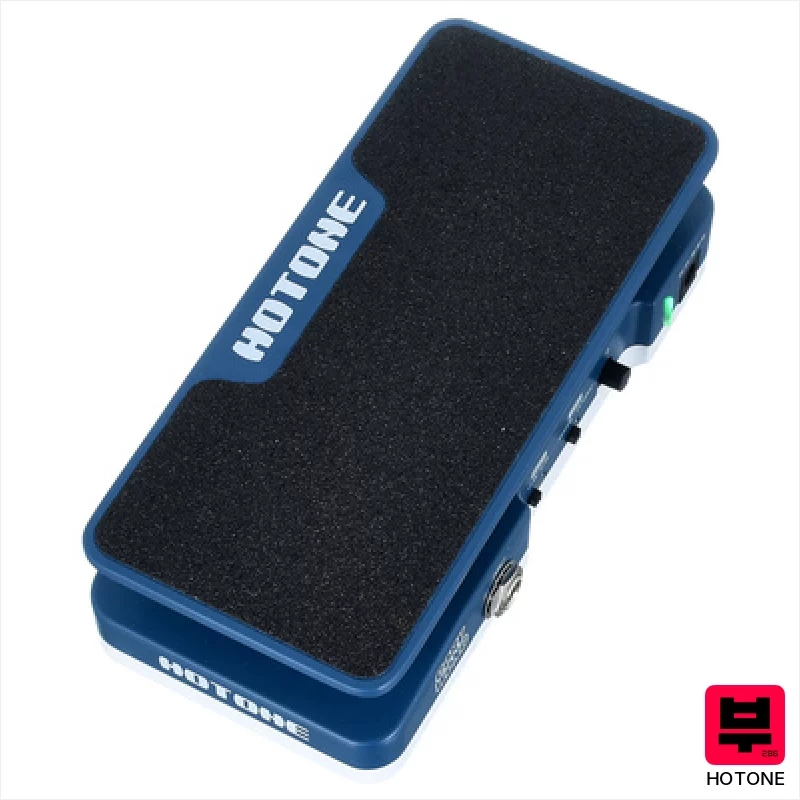
Hotone Wong Press Volume Exp Wah
- • Cory Wong's custom volume curve offers a uniquely responsive feel.
- • Wah Q control allows for precise shaping of the wah effect's intensity.
- • The separate tuner and expression outputs expand connectivity options significantly.
- • Active volume control preserves signal integrity, avoiding loss of tone.
- • The plastic enclosure feels less robust than a full-metal stompbox.
- • Wah tone leans towards a more modern, scooped character – less vintage warmth.
- • Limited tonal shaping beyond the Warm/Classic tone switch.

Dunlop DVP5 Volume (X) 8 Pedal
- • Low-friction band-drive offers incredibly smooth swells.
- • Internal trim pot allows precise heel-down volume adjustment.
- • Stereo expression output expands versatility for FX control.
- • Robust metal housing ensures durability for gigging musicians.
- • Price point places it in a premium-priced category for a volume pedal.
- • Size and weight (nearly 2.1 lbs) can be cumbersome on smaller pedalboards.
- • Passive operation limits flexibility for certain complex signal chains.
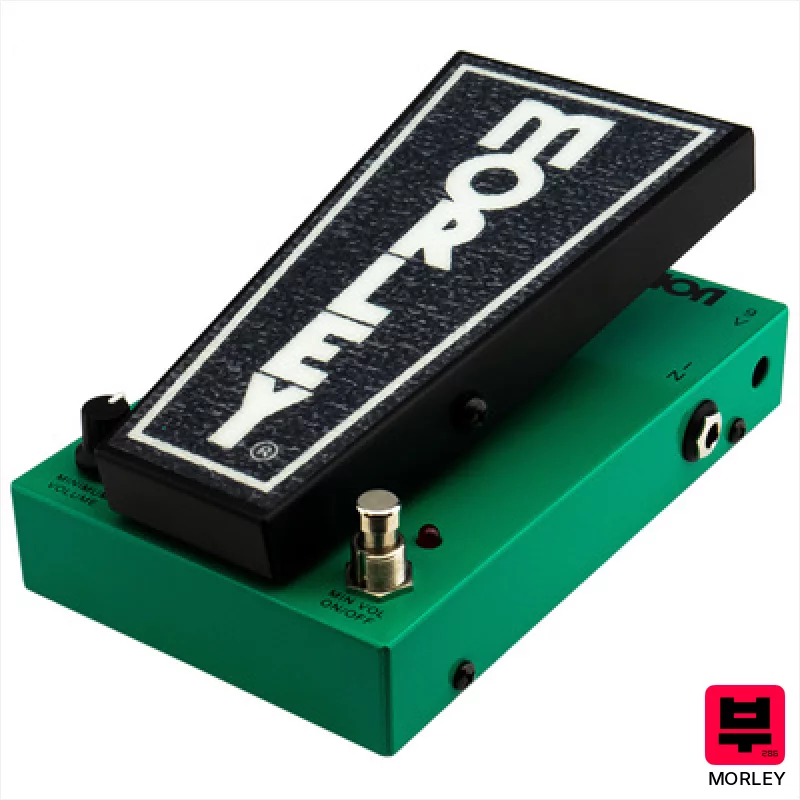
Morley 20/20 Volume Plus
- • Optical circuit provides exceptionally smooth, silent volume swells
- • Cold-rolled steel housing offers robust durability for gigging musicians
- • Integrated buffer combats signal loss, preserving tone integrity
- • Footswitchable minimum volume mode is a clever, practical feature
- • Size can be a limiting factor on smaller pedalboards
- • Battery power necessitates frequent replacements or external power supply
- • Taper, while usable, isn't as refined as some higher-end volume pedals

Lehle Dual Expression
- • German engineering delivers exceptional reliability and precision
- • Dual outputs vastly expand routing and pedalboard flexibility
- • Magnetic sensor ensures wear-free, consistent expression control
- • USB MIDI connectivity opens up software control possibilities
- • Size and weight make it less ideal for compact pedalboards
- • Price point positions it as a premium investment
- • Limited aesthetic customization options compared to some competitors
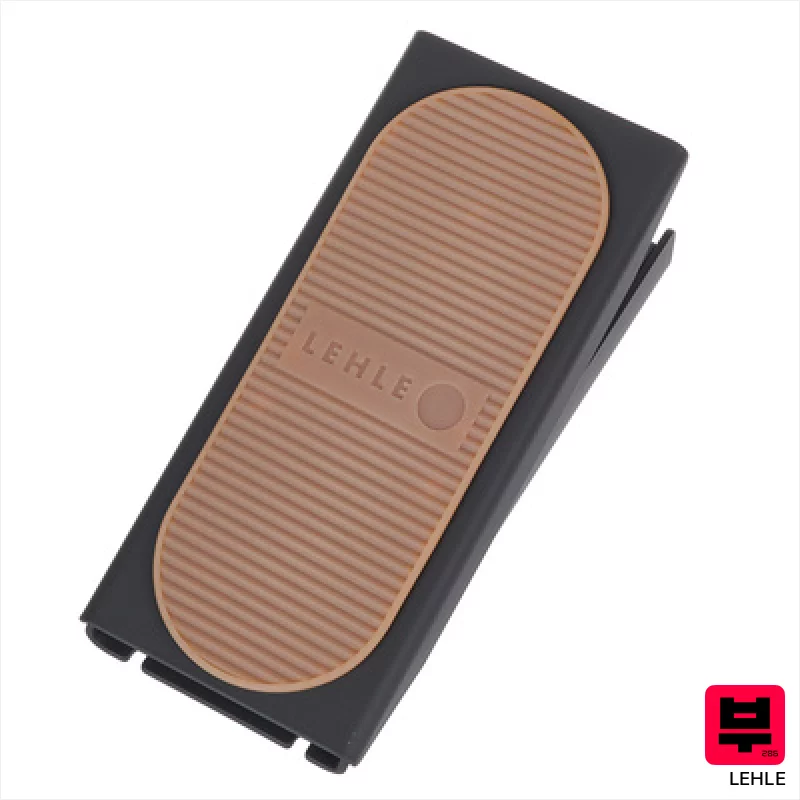
Lehle Mono Volume S
- • Magnetic sensor eliminates wear, ensuring pristine operation for years.
- • 30V technology delivers exceptional headroom and a remarkable 120dB dynamic range.
- • Buffered direct output is a huge boon for tuners and silent recording.
- • Compact size and lightweight design make it pedalboard-friendly and versatile.
- • Price point positions it as a premium investment for serious players.
- • Requires an external power supply, adding to overall cost and complexity.
- • Limited taper options may not suit all players’ expressive needs.
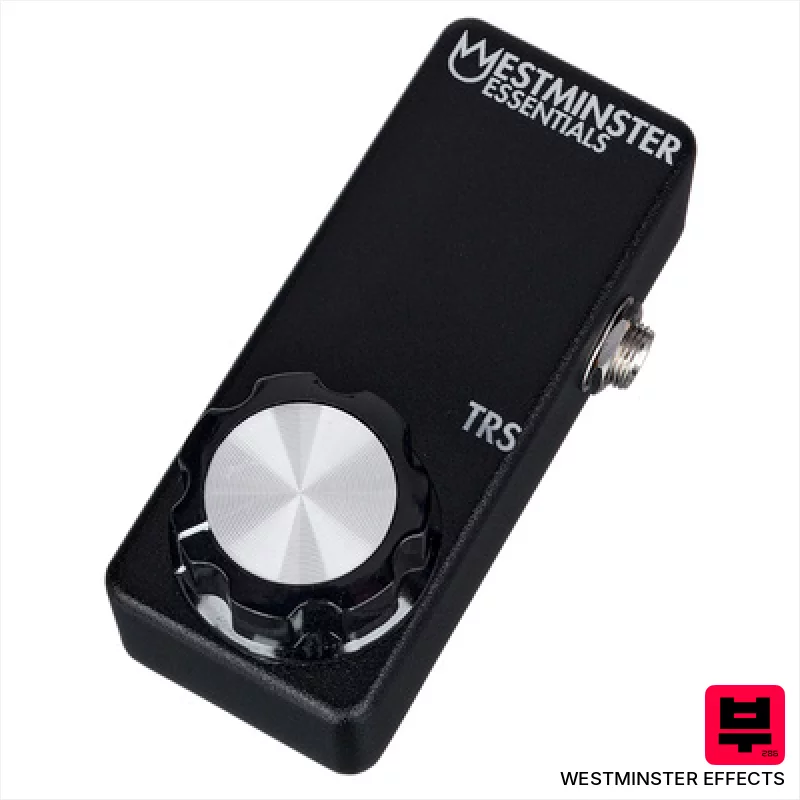
Westminster Effects Micro Expression TRS
- • Handmade quality elevates build and feel significantly.
- • Compact size saves precious pedalboard real estate.
- • Passive design preserves signal integrity and warmth.
- • TRS output offers versatile routing options for expression control.
- • Passive design requires careful amp/pedal interaction for optimal results.
- • Limited functionality – purely an expression pedal, no volume swells.
- • Small size can make adjustments slightly fiddly for larger hands.
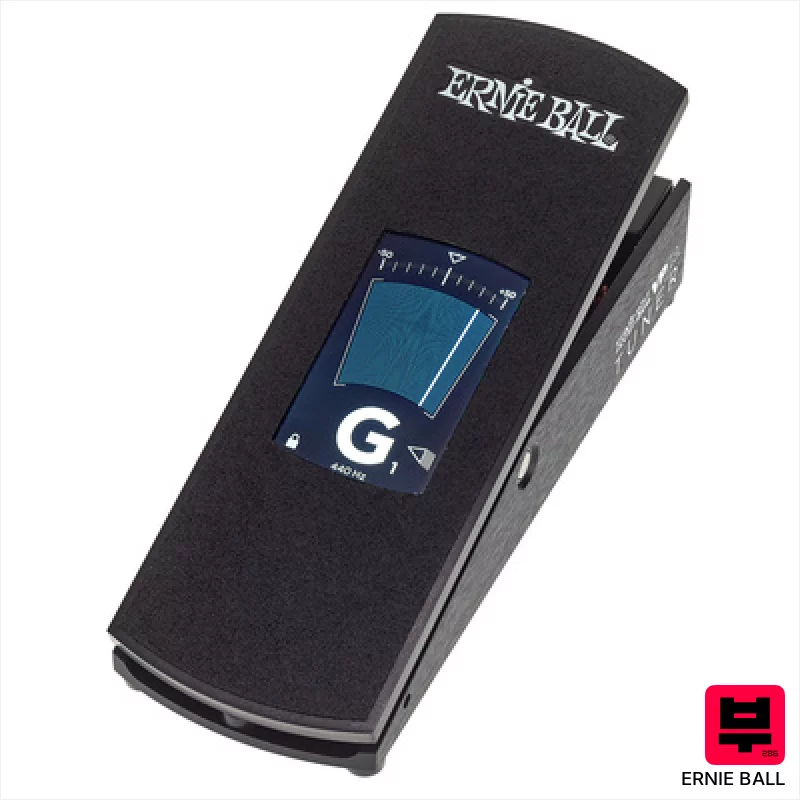
Ernie Ball EB6203
- • Durable aluminum housing offers excellent protection during gigging.
- • Integrated chromatic tuner eliminates extra pedalboard space and clutter.
- • Discrete buffer maintains signal integrity, especially with long cable runs.
- • Kevlar-reinforced cable resists tangling and provides exceptional durability.
- • Reliance on a 9-18V adapter limits portability and adds to power draw.
- • Touchscreen interface might prove less intuitive than traditional knobs for some users.
- • The all-in-one design might not appeal to players needing a dedicated tuner.
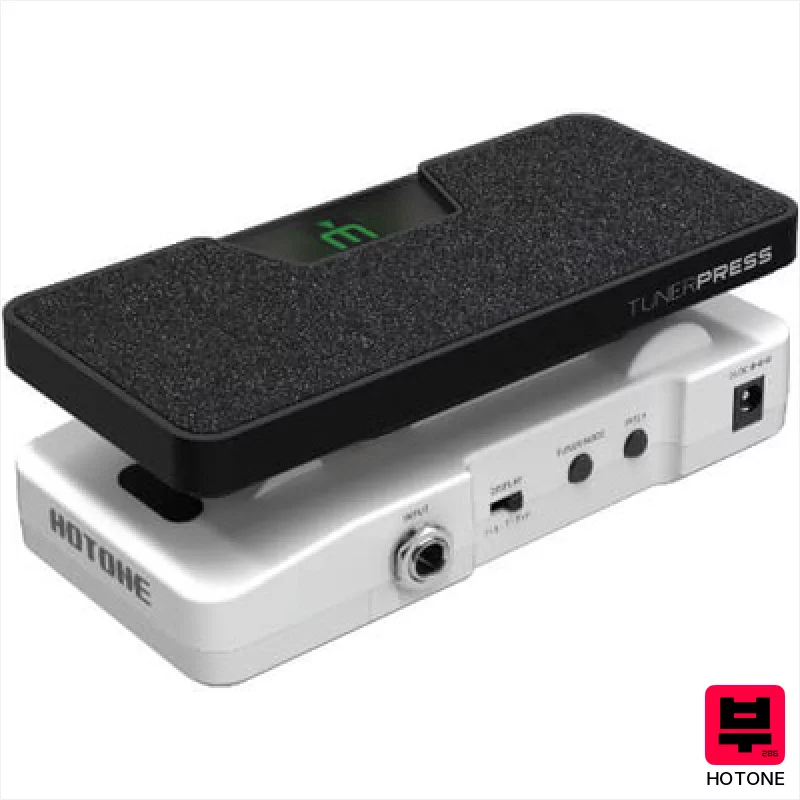
Hotone Tuner Press
- • Robust aluminum housing offers excellent protection during gigging.
- • Integrated buffer combats signal loss, especially with long cable runs.
- • Versatile impedance switching adapts well to various pedalboard setups.
- • LCD display provides clear tuning visuals even in low-light conditions.
- • Expression pedal taper feels somewhat linear, lacking a true swell characteristic.
- • Compact size might feel cramped for players with larger feet.
- • Tuner accuracy, while generally good, isn't quite as precise as dedicated tuners.
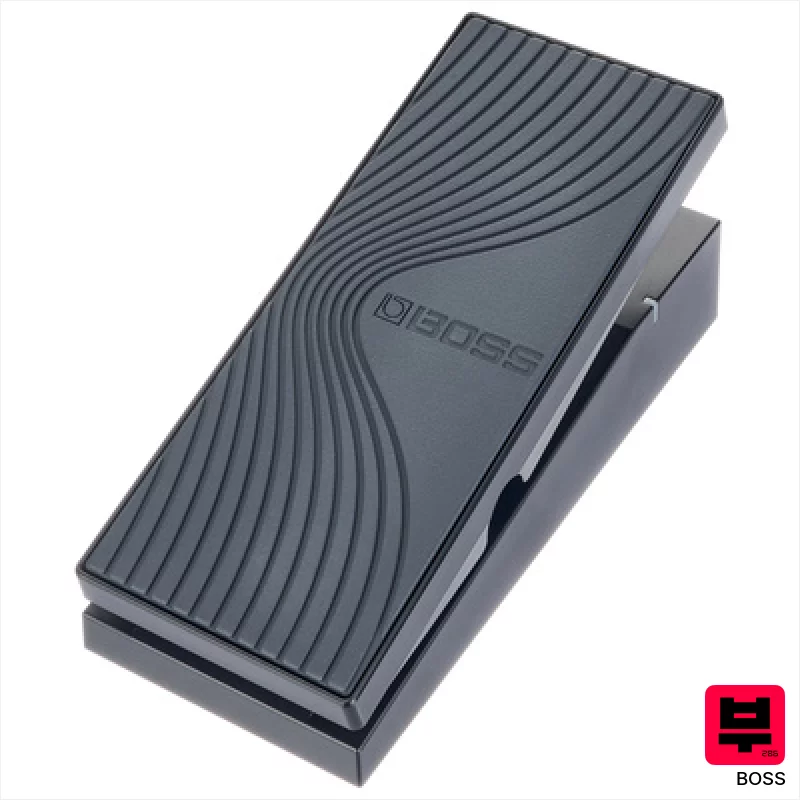
Boss EV-1-WL Wireless Expr. Pedal
- • Seamless wireless Eurus/Waza-Air integration simplifies synth guitar workflows.
- • Flexible MIDI control opens doors to diverse app and DAW integration.
- • Built-in footswitch adds convenient on/off functionality for expression control.
- • Intuitive iOS/Android app allows for precise response curve customization.
- • Limited standalone expression pedal functionality outside of Boss ecosystem.
- • Battery power demands could be a concern for extended performance use.
- • Price point places it at the higher end for expression pedals.
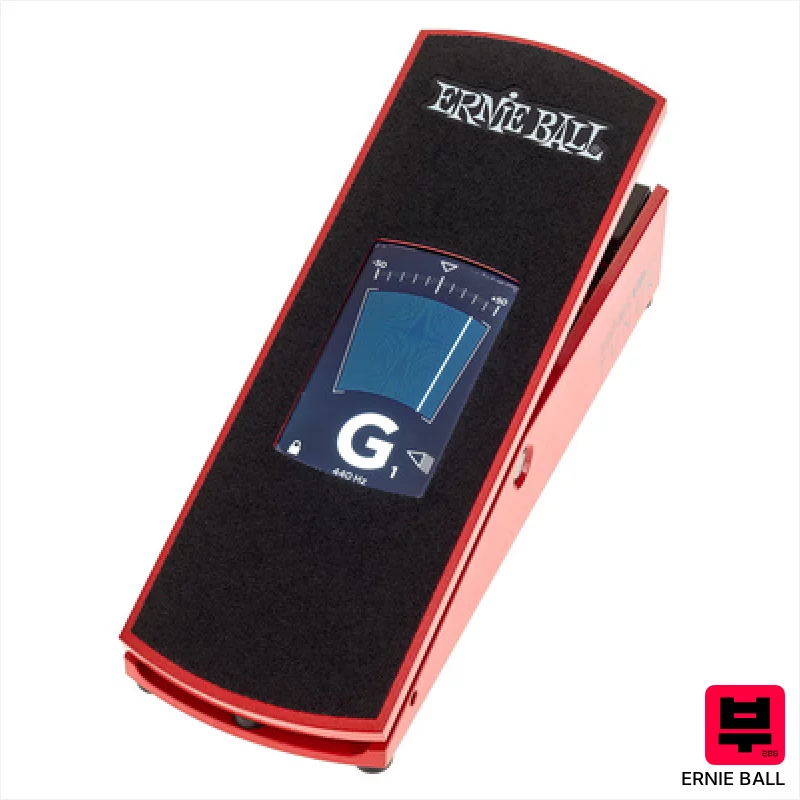
Ernie Ball EB6202
- • The integrated chromatic tuner is surprisingly accurate and convenient for quick adjustments.
- • Aluminum housing provides robust protection and a premium feel, resisting pedalboard wear.
- • Discrete buffer circuit maintains signal integrity, especially useful with long cable runs.
- • Kevlar-reinforced PVC cable is incredibly durable, preventing frustrating cord failures.
- • Touchscreen interface might be less intuitive or precise than a traditional knob.
- • Lack of battery operation limits portability and stage-readiness without power.
- • Price point places it in a premium category, potentially prohibitive for budget players.

Ernie Ball EB6201
- • Solid aluminum housing offers excellent durability and a premium feel
- • Discrete buffer ensures signal integrity, minimizing tone loss at higher volume settings
- • Integrated chromatic tuner is genuinely useful, streamlining your pedalboard setup
- • Kevlar-reinforced PVC cord is robust, preventing cable fraying and damage
- • Relatively high current draw (150mA) requires a quality power supply
- • Touchscreen interface might feel less intuitive or responsive than traditional knobs
- • Limited taper options restrict expressive volume swells compared to some classic pedals
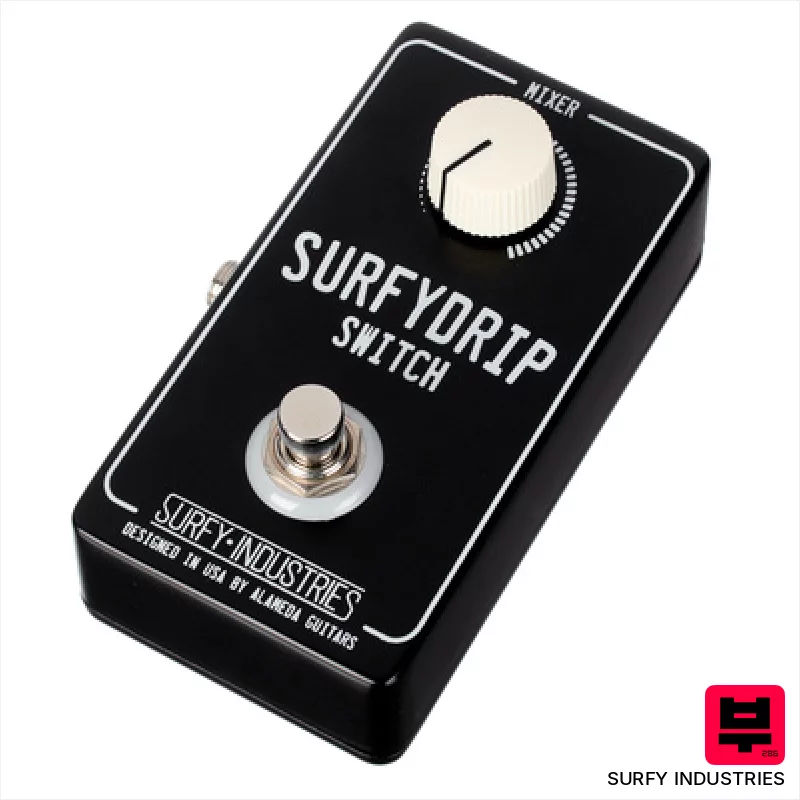
Surfy Industries SurfyDrip Switch
- • Simple, elegant solution for taming overly lush spring reverb tails.
- • Footswitching allows for dynamic control of reverb intensity during performance.
- • Compact size minimizes pedalboard real estate usage; very efficient.
- • Battery operation offers flexibility and eliminates the need for power supplies.
- • Requires additional adapters for use with many common combo amp setups.
- • Limited functionality beyond volume reduction; lacks advanced features.
- • Plastic enclosure feels somewhat less robust than metal alternatives.
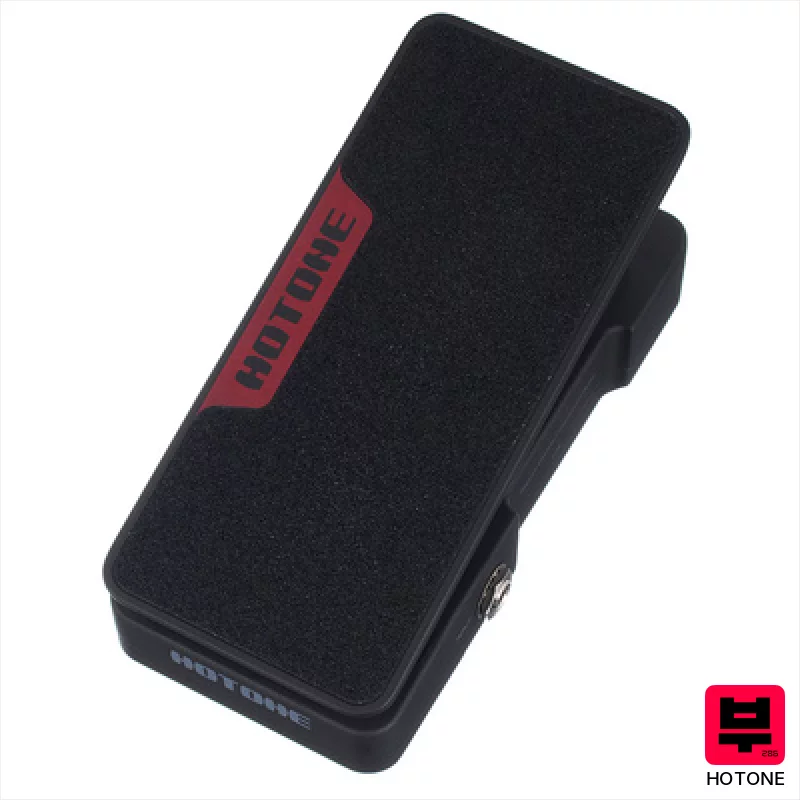
Hotone Ampero Press 25k
- • Compact size ideal for tight pedalboards, minimizing space consumption.
- • 25k Ohm expression output suits Hotone Ampero II and similar devices.
- • Passive design preserves original signal integrity, avoiding tone coloration.
- • Solid footswitch action provides reliable on/off control for effect bypass.
- • Passive design means volume drop; requires a buffer in some setups.
- • Limited taper offers less nuanced expression control compared to premium pedals.
- • Plastic enclosure feels less robust than metal alternatives, a cost-saving measure.
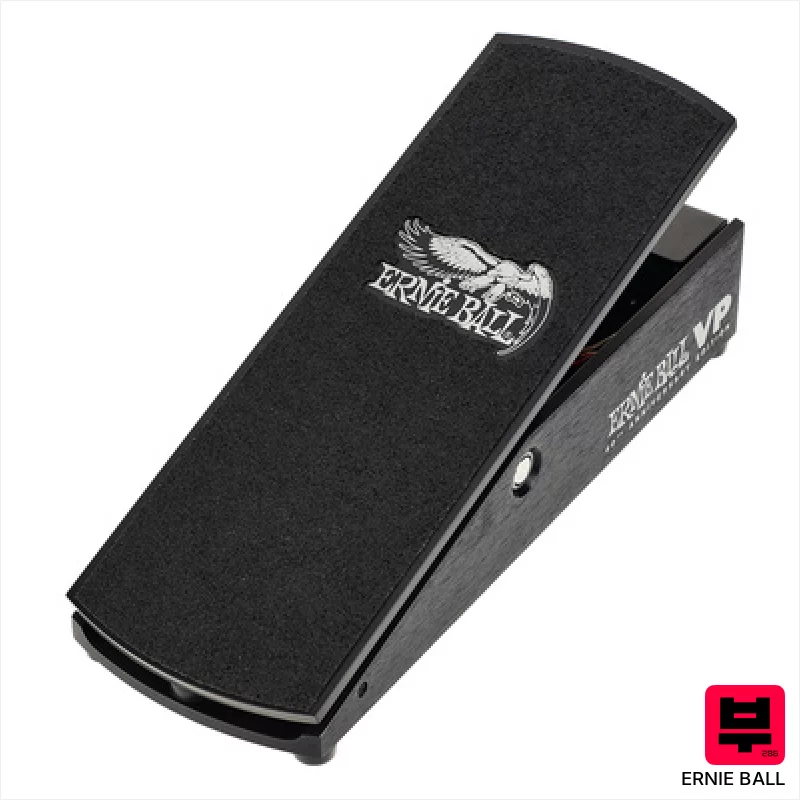
Ernie Ball EB6110 VP Slate Black
- • Solid aluminum casing provides exceptional durability for gigging.
- • Kevlar cable minimizes noise and ensures reliable signal transfer.
- • Dual threshold rate switch offers nuanced volume swells and control.
- • Tuner outputs at each level are a surprisingly useful and thoughtful addition.
- • Slate Black finish might be a fingerprint magnet for some users.
- • The aluminum casing makes it noticeably heavier than plastic alternatives.
- • Limited taper options restrict expressive potential for very specific swells.
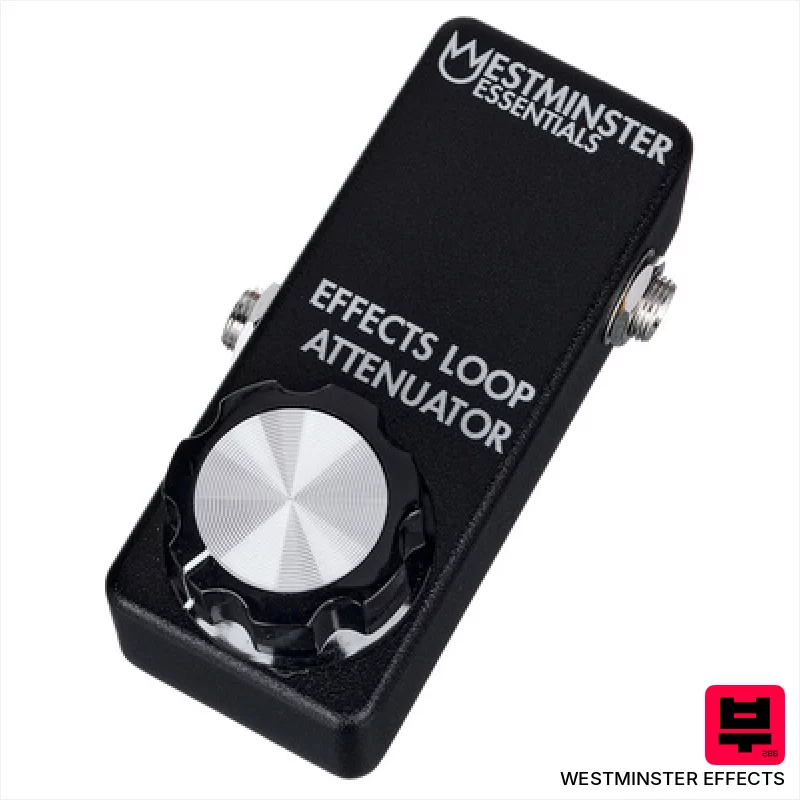
Westminster Effects Loop Attenuator
- • Handmade in the USA ensures quality control and attention to detail.
- • Passive design avoids unwanted noise and power supply issues.
- • Compact size fits easily into tight pedalboard configurations.
- • Simple, robust knob offers precise, foot-operated volume control.
- • Passive nature limits attenuation range compared to active attenuators.
- • Limited functionality; solely an attenuator, no other features.
- • Small size might make the knob feel a little cramped for some.
How to Choose the Best Volume/Expression Pedals
Linearity & Response
This is the big one. Does the pedal sweep smoothly and predictably, or is it jerky and uneven? A non-linear response makes swells and subtle swells impossible to execute consistently, which is a dealbreaker for expressive playing.
Tone Shaping (Passive vs. Buffered)
Passive volume pedals can subtly color your tone, sometimes adding a nice warmth, but can also suck high-end if your signal chain is weak. Buffered pedals preserve your signal strength but can introduce a slight coloration - some like it, some don't.
Durability & Build Quality
Gigs are brutal on pedals. A flimsy enclosure or a questionable pot can lead to a dead pedal mid-set. Look for solid construction and reliable components; it'll save you headaches down the road.
Noise Performance
A volume pedal introduces a point in your signal chain, and any added noise is going to be amplified. A good pedal will be quiet, even at extreme attenuation levels. Cheap ones can get noisy, especially with high-gain amps.
Versatility (Dry/Wet Blending & Tip/Follow Modes)
Some pedals offer advanced features like dry/wet blending (allows you to hear both the dry and effected signal) and tip/follow modes (how the pedal interacts with your amp's master volume). These features open up creative possibilities for dynamic shaping.
Buying Guide
Don't fall for the "cheap and cheerful" trap. A sub-$50 volume pedal is likely going to be noisy, have a wonky response, and fall apart quickly. Spending a little more ($80-$150) gets you into pedals with better components and more reliable performance. Buffered vs. passive is a tonal choice - experiment to see what you prefer, but be aware of the potential signal loss with passive designs if you're using long cables or a complex pedalboard.
How This List Is Built
We don't play these instruments — we're a catalog, not a review desk, and we'd rather say so than pretend otherwise. This page ranks 15 volume/expression pedals from the Thomann catalogue, which is the largest single source of specification data in this category.
Position is computed, not curated. Four signals, in order of weight: how completely the manufacturer documents the instrument (number of published specifications), where it sits in the price range, how specific the model designation is — which filters out generic accessories — and whether a product image exists. The same inputs always produce the same order, so nothing here is shuffled to look fresh.
What this list is good for: narrowing a category down to a shortlist by spec and budget. What it isn't: a substitute for hearing an instrument. Before you buy, read hands-on reviews and, where you can, play it. Full methodology.

