
Best Volume/Expression Pedals for Beginner 2026
Alright, so you're starting out and maybe hearing about volume pedals for swells and expression pedals for tweaking your amp. They're not just for fancy players; they're tools that can seriously expand your sonic palette, even at a beginner level. But wading through the options can be confusing - let's cut through the noise and figure out what'll actually help you grow as a player without breaking the bank or getting bogged down in complexity.
Last updated: October 7, 2026
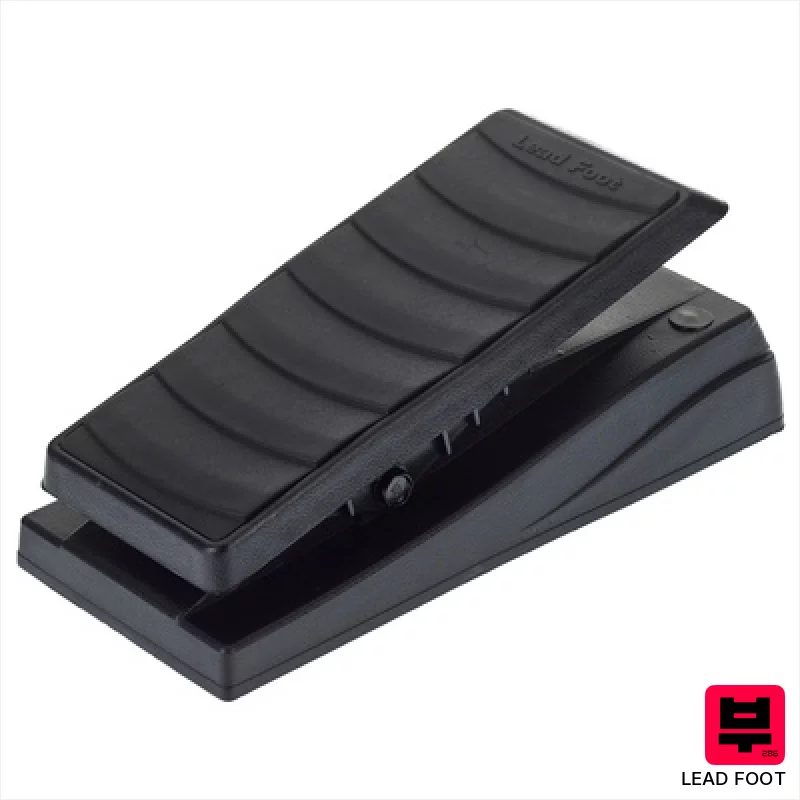
Lead Foot LFV-1
- • Robust plastic pedal construction withstands gigging and regular use.
- • High-quality sockets ensure reliable signal transfer and longevity.
- • Made in Europe indicates a focus on quality control and materials.
- • Extremely affordable, providing excellent value for budget-conscious players.
- • Plastic pedal construction lacks the premium feel of metal alternatives.
- • Linear taper may not be ideal for wah-like effects or expressive swells.
- • Mono signal path limits stereo signal manipulation capabilities.
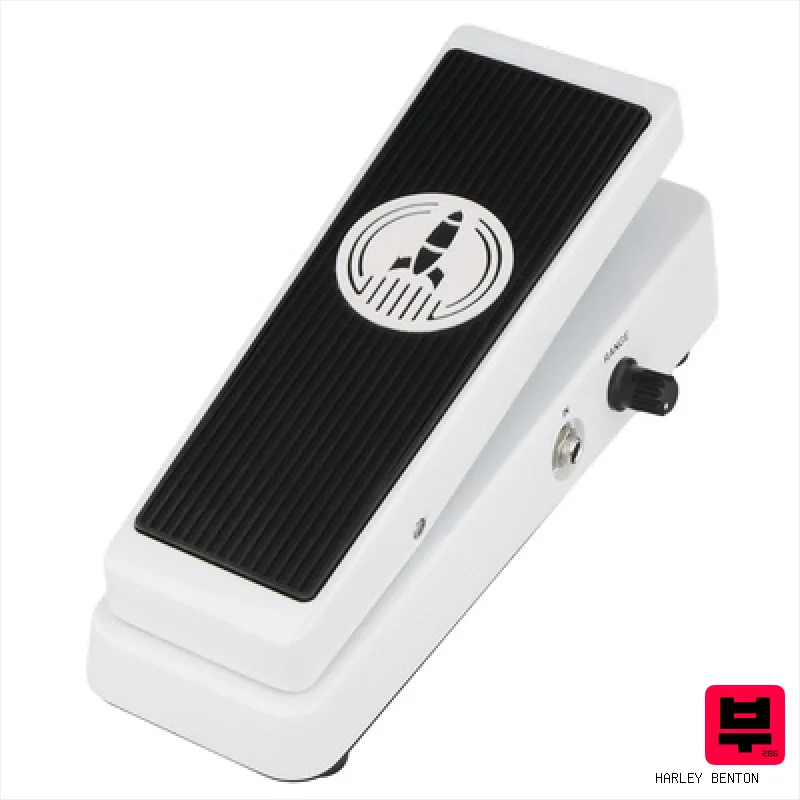
Harley Benton Space Volume
- • Sturdy aluminium housing protects your pedal from bumps and drops on the floor.
- • True bypass design keeps your tone clean and responsive when the foot is lifted.
- • Wide range from zero to ten decibels for precise volume control.
- • Aux and tuner outputs add extra utility for stage use or recording.
- • No potentiometer taper is listed, so the volume curve might be uneven.
- • Input impedance of only two hundred fifty kilohms could load your pickups.
- • Rubber pads and feet might not offer the smooth glide some players prefer.
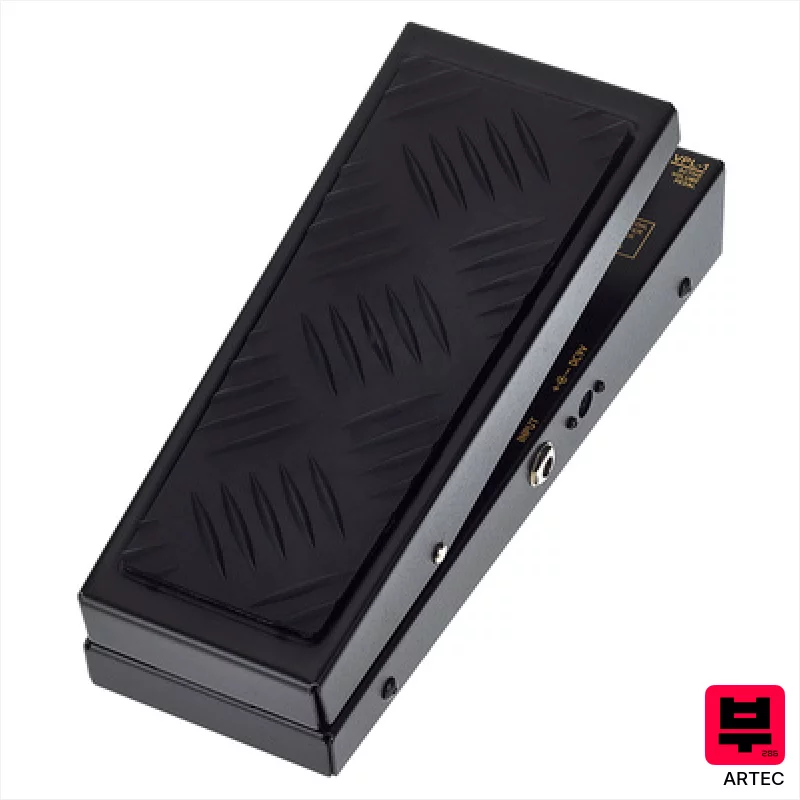
Artec VPL-1
- • Robust metal enclosure provides surprising durability for the price.
- • Fixed output jack is genuinely useful for silent tuning.
- • Simple controls offer immediate, intuitive volume swells.
- • Surprisingly quiet operation; minimal noise even at low volumes.
- • Plastic internal components feel a bit cheap given the weight.
- • Lack of included power supply is a cost-cutting measure, noticeable.
- • Linear taper limits expressive possibilities for nuanced swells.
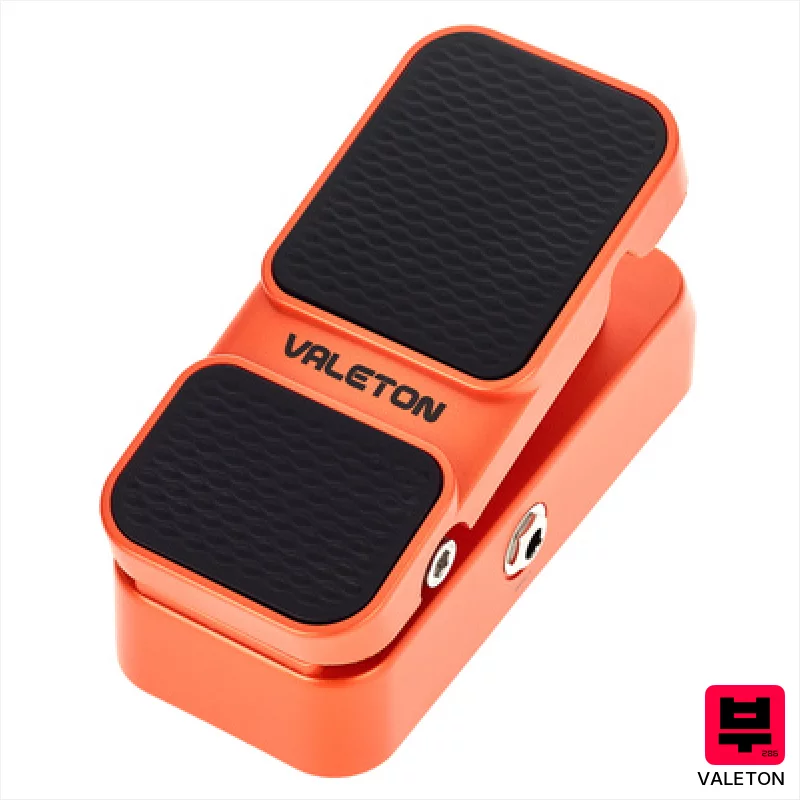
Valeton Surge EP-2 Mini
- • Lightweight aluminum housing feels surprisingly robust for the price point.
- • Passive design eliminates the need for power, simplifying pedalboard setups.
- • Automatic source detection streamlines use for both volume and expression.
- • Compact size saves valuable space on crowded pedalboards or in gig bags.
- • The plastic base feels a little cheap and may benefit from a rubber pad.
- • Limited taper options restrict nuanced expression control possibilities.
- • Passive nature means it’s reliant on amp’s volume control for extreme attenuation.
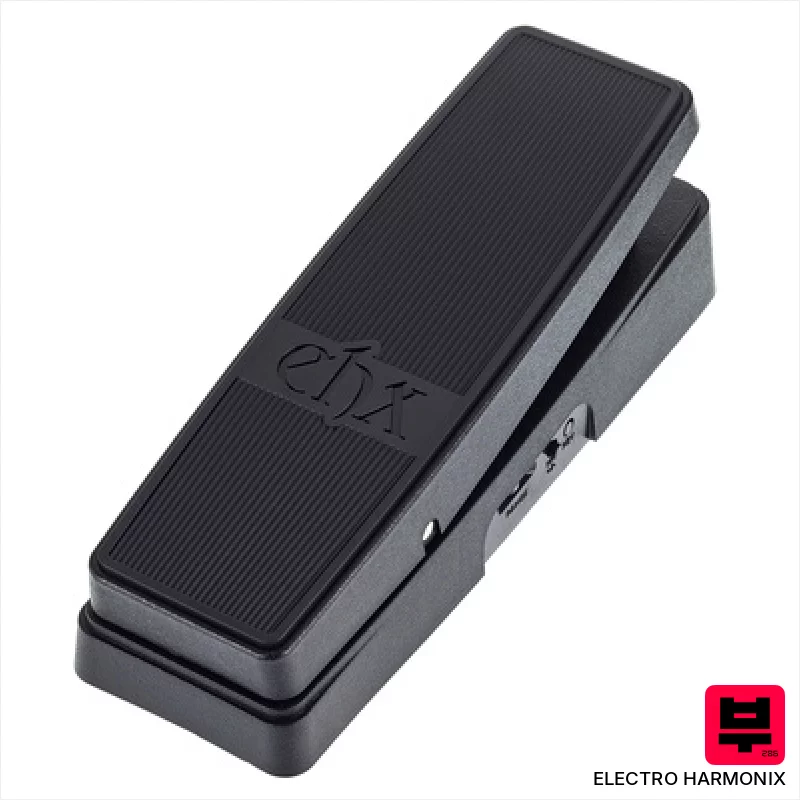
Electro Harmonix Expression Pedal
- • Rugged polymer construction resists abuse on the road
- • Polarity switch ensures broad compatibility with various amplifiers and pedals
- • Fine-tunable range offers precise expression control
- • Lightweight design minimizes pedalboard clutter and fatigue
- • Polymer construction, while durable, lacks the premium feel of metal
- • Expression range adjustment can be finicky to dial in perfectly
- • Stereo cable included is somewhat short for many pedalboard setups
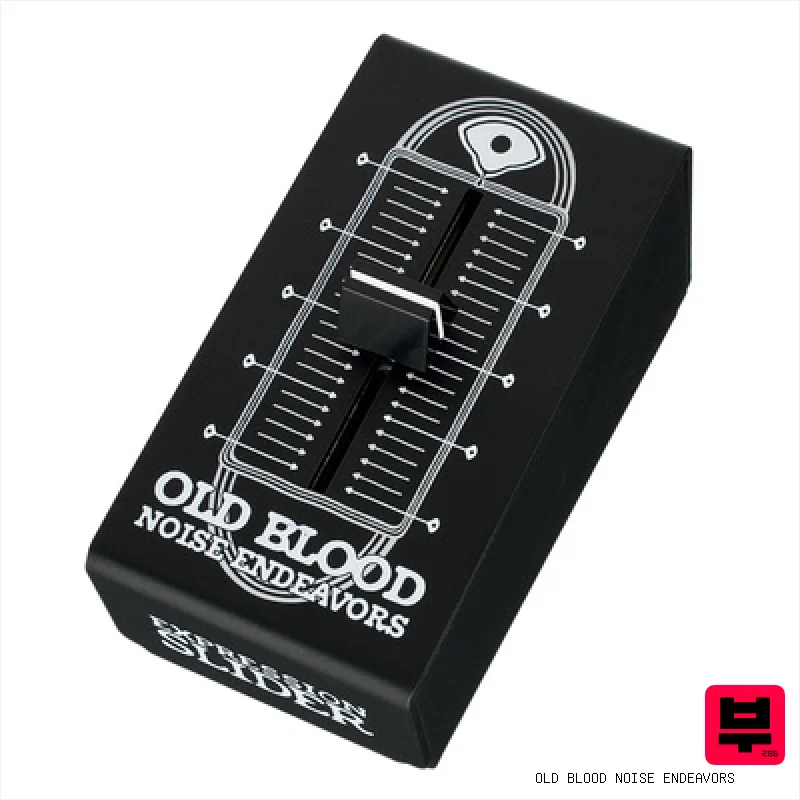
Old Blood Noise Endeavors Expression Slider Folded Black
- • Ultra-compact size fits in any small pedal box
- • Smooth sliding pot runs quietly without noise
- • Passive design needs no power supply or battery
- • Universal 50k taper works with most pedals
- • No volume knob for fine-grained control
- • Single EXP output lacks multiple signal paths
- • Light build may feel cheap to heavy players
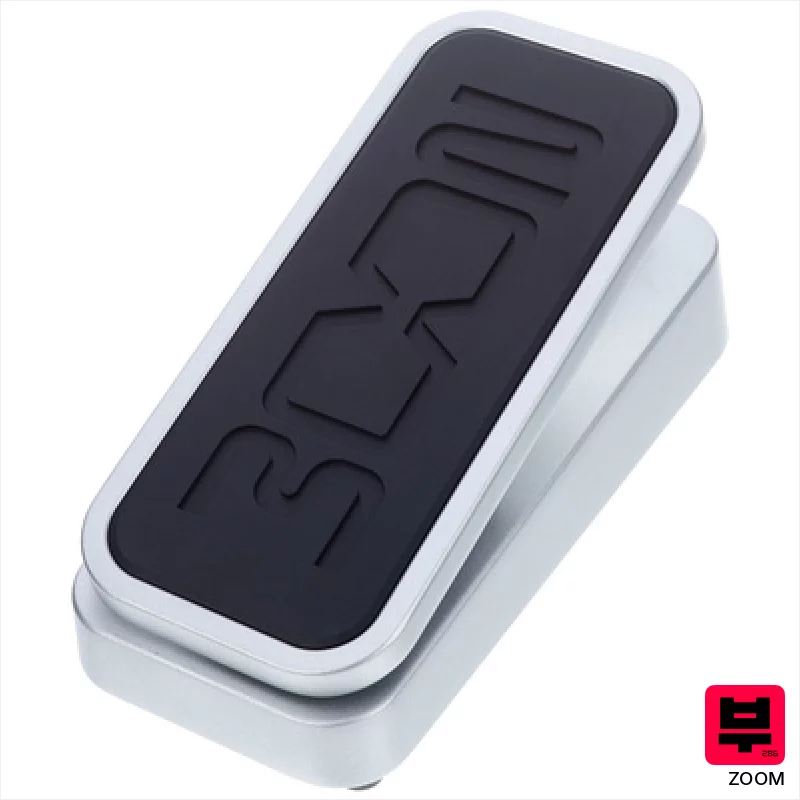
Zoom FP02M Expression Pedal
- • Affordable entry point to expression pedal control.
- • Robust construction for gigging musicians, feels solid.
- • Excellent compatibility with Zoom's ecosystem of pedals.
- • Provides both volume and parameter modulation capabilities.
- • Limited versatility outside the Zoom product range.
- • Plastic construction feels less premium than metal pedals.
- • Smaller size may be uncomfortable for players with large feet.
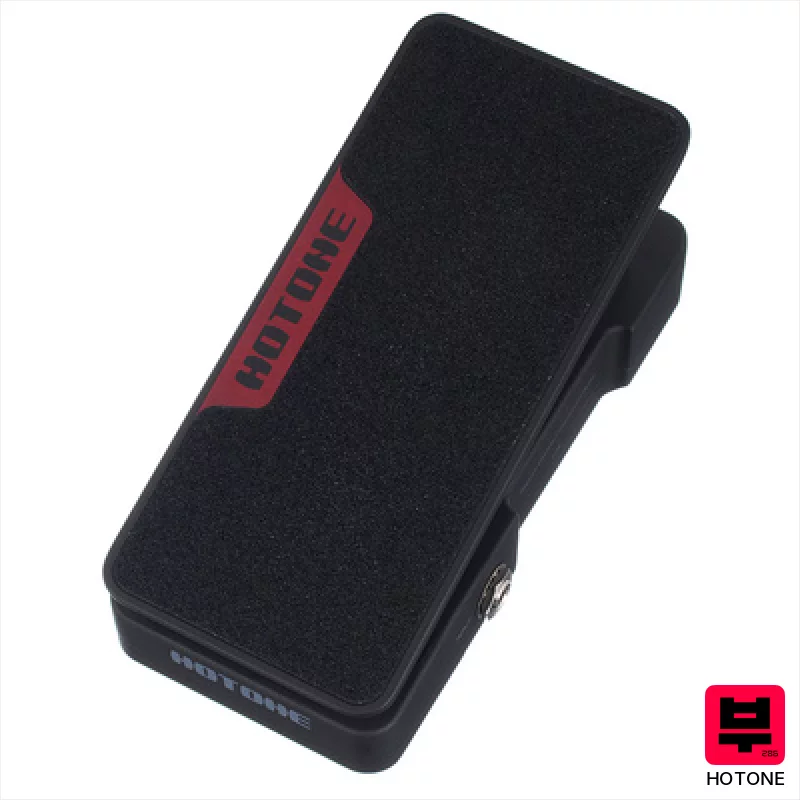
Hotone Ampero Press 25k
- • Compact size ideal for tight pedalboards, minimizing space consumption.
- • 25k Ohm expression output suits Hotone Ampero II and similar devices.
- • Passive design preserves original signal integrity, avoiding tone coloration.
- • Solid footswitch action provides reliable on/off control for effect bypass.
- • Passive design means volume drop; requires a buffer in some setups.
- • Limited taper offers less nuanced expression control compared to premium pedals.
- • Plastic enclosure feels less robust than metal alternatives, a cost-saving measure.
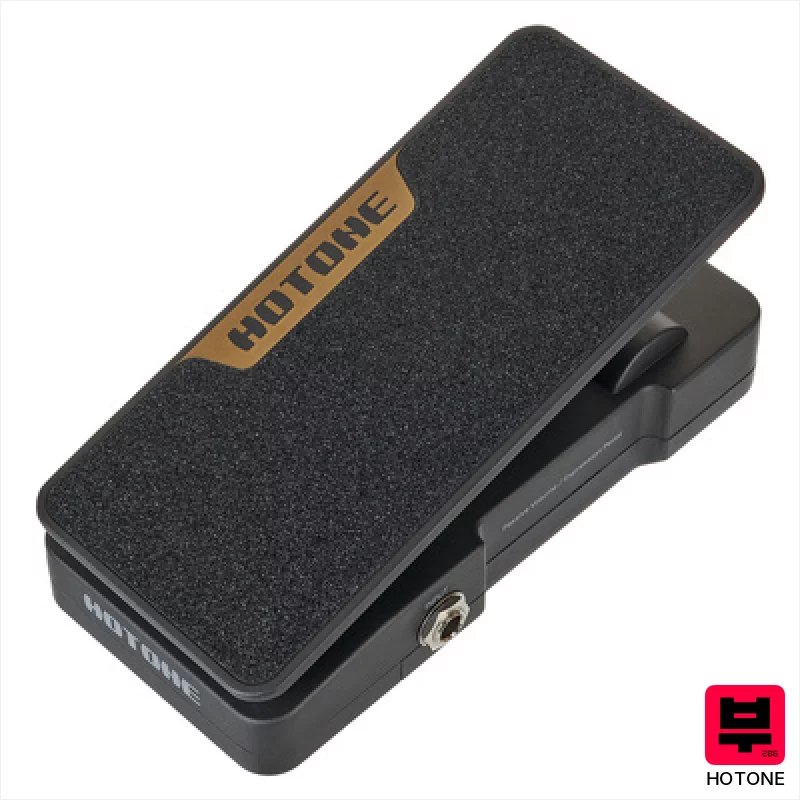
Hotone Ampero Press
- • Dual functionality saves pedalboard space and reduces cabling complexity.
- • The 100k volume pot offers a smooth, predictable taper for volume swells.
- • EXP output allows for integration with more complex expression-controlled effects.
- • Solid construction feels reliable for gigging, despite the budget-friendly price.
- • EXP output is mono, limiting stereo expression control possibilities.
- • The plastic enclosure feels somewhat less robust than higher-end metal alternatives.
- • Passive design means no buffered output, potentially losing signal strength over long cable runs.
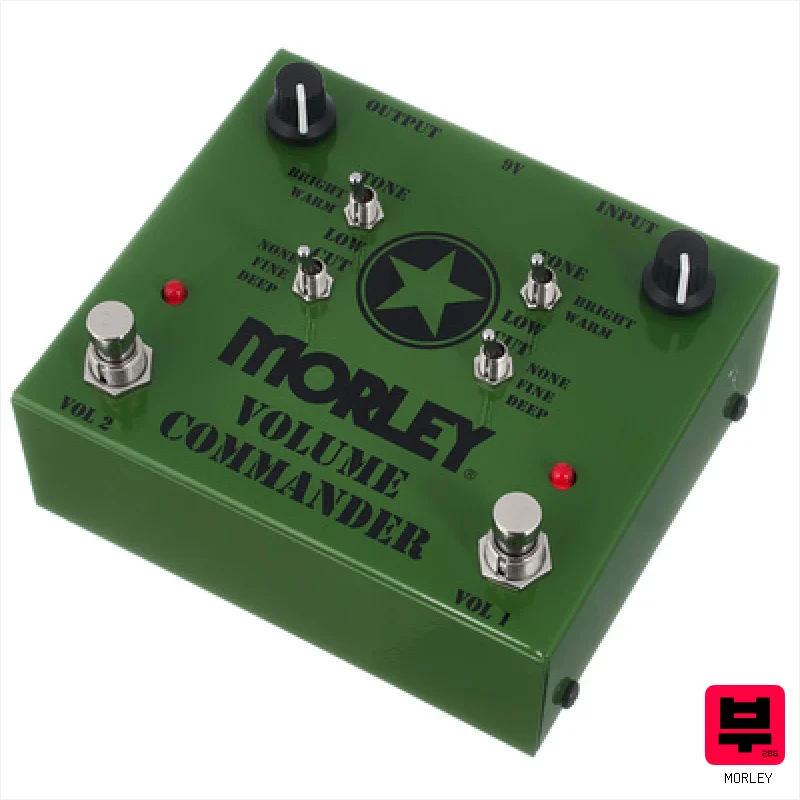
Morley Volume Commander
- • Two channels let you mix sounds easily
- • True bypass keeps your tone clean
- • Built with durable cold-rolled steel
- • Low-cut filter offers three settings
- • No power adapter included in the box
- • Weight not listed for heavy users
- • Missing specific volume taper details
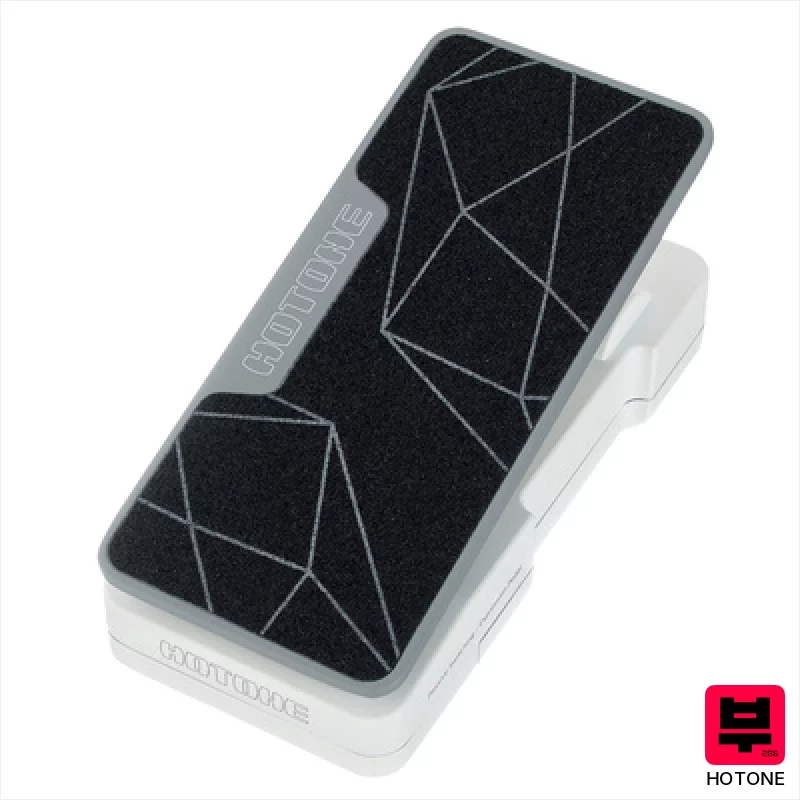
Hotone Ampero II Press
- • Solid metal enclosure provides excellent protection for gigging.
- • The footswitch is responsive and quiet, a real plus on stage.
- • Linear taper offers predictable, even volume swells and expression.
- • Compact size saves valuable space on crowded pedalboards.
- • 10k Ohm taper limits compatibility with some vintage wahs.
- • Limited to expression/volume control; lacks more advanced features.
- • Plastic base feels a bit cheap compared to higher-end pedals.
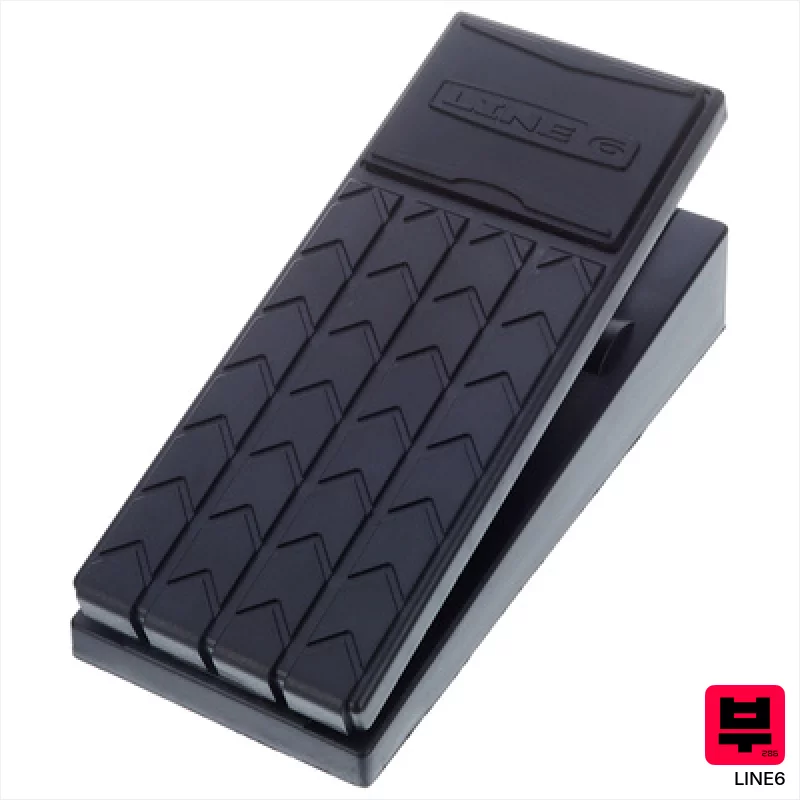
Line6 EX-1
- • Robust construction with a solid steel shaft for reliable use
- • Specifically designed for Line 6 amp modelers like the MM4, ensuring seamless integration
- • Offers smooth, predictable expression control for wah, volume swells, and more
- • Compact footprint saves pedalboard space, ideal for smaller setups
- • Limited versatility; primarily intended for Line 6 gear, restricting broader use
- • The plastic housing feels a little less premium than higher-end expression pedals
- • Expression range might feel slightly restricted compared to some wider-range pedals
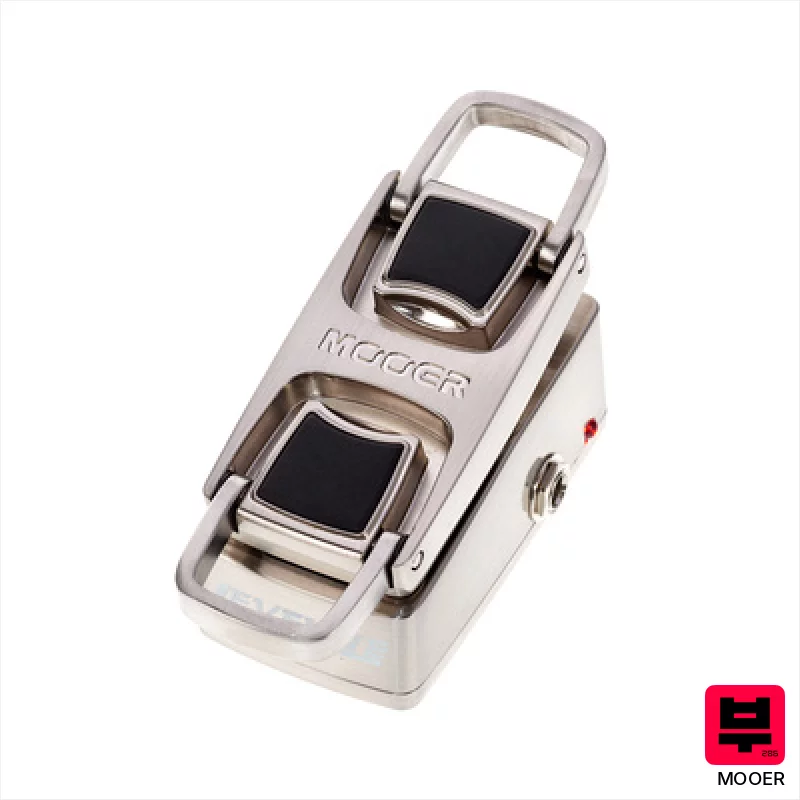
Mooer Leveline Volume Pedal
- • Solid metal housing feels surprisingly robust for the price.
- • Compact size is a huge win for small pedalboards.
- • Analog circuitry provides a responsive, natural volume swell.
- • Metal feet offer a stable platform and a professional look.
- • 9V power supply not included, an easily overlooked expense.
- • Limited taper options restrict nuanced volume control.
- • Small size might feel cramped for players with larger feet.

Boss FV-50H
- • High impedance input preserves signal clarity and dynamics
- • Dedicated tuner output simplifies signal routing for silent tuning
- • Robust plastic construction withstands gigging environments reliably
- • Compact size minimizes pedalboard real estate usage efficiently
- • Plastic housing, while durable, lacks the premium feel of metal options
- • Limited taper options restrict expressive volume swells subtly
- • Stereo operation may be overkill for mono guitar setups
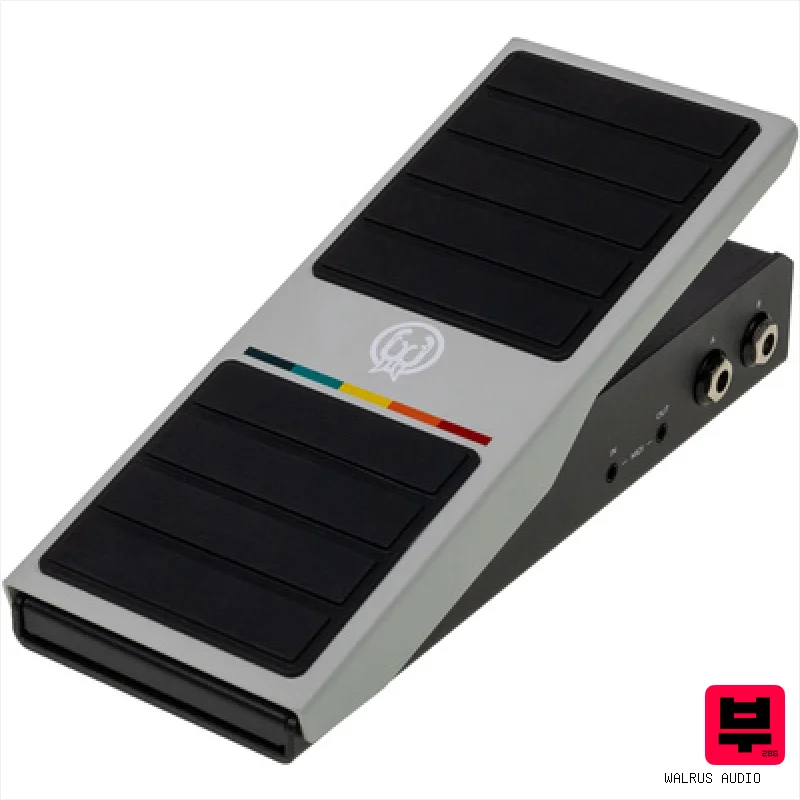
Walrus Audio Canvas Expression Pedal
- • Programmable expression, switch, CV, and MIDI control in one unit.
- • Two separate analogue outputs for flexible routing options.
- • Automatic detection of TRS, RTS, and TS jack connections.
- • High-resolution 14-bit MIDI control via USB-C port.
- • Build material composition is not specified in the description.
- • Weight specifications are missing from the provided text.
- • No dedicated power supply or battery type is listed.
Every volume/expression pedals that matches
53 models match this page. The 15 above are covered in detail; the rest are listed here with their published specifications.
Volume/Expression Pedals by the numbers
Measured across all 53 models in this category, so «wide», «short» or «expensive» mean something you can check.
How to Choose the Best Volume/Expression Pedals
Playability
A volume pedal should be smooth and responsive, not jerky or noisy. A pedal that fights you will hinder your ability to execute those subtle swells and fades. We're looking for something that feels natural under the foot.
Noise Floor
Even a volume pedal can introduce hiss or hum, especially when boosting your signal. Beginners don't need to deal with extra noise masking their playing, so a quiet operation is key.
Ease of Use
Expression pedals, especially, can have a ton of adjustments. For beginners, a straightforward design with minimal knobs and switches is preferable - you want to focus on playing, not deciphering a manual.
Durability
Gigs happen. Pedals get kicked. A robust build and solid footswitch are essential, even if you're mostly practicing at home. Cheap plastic housings and flimsy switches are a recipe for frustration.
Dynamic Range
A good volume pedal isn't just about going from zero to full volume. It's about nuanced control - being able to create subtle swells and fades without losing the character of your guitar or amp. Limited dynamic range means limited expression.
Buying Guide
Don't get sucked into thinking a huge price tag equals a huge improvement in tone at this stage. A lot of the high-end features - programmable MIDI control, multiple expression points - are overkill for a beginner. Focus on a pedal with a smooth sweep, quiet operation, and a solid build. Used pedals are your friend here; you can often snag a great deal on a quality unit. Be wary of super-cheap volume pedals - they often have noisy potentiometers and a jerky feel that'll make learning frustrating.
How This List Is Built
We don't play these instruments — we're a catalog, not a review desk, and we'd rather say so than pretend otherwise. This page covers 53 volume/expression pedals from the Thomann catalogue, which is the largest single source of specification data in this category: 15 in detail, the rest listed with their specifications.
Position is computed, not curated. We parse the manufacturer's own description into actual values — nut width, scale, fret count, fingerboard radius, size, alloy — and rank on them: how many specifications a model has published, how many of them are measurable numbers, and how precisely it meets this page's criterion. A product image adds a little. Price is not a ranking signal: it tells you nothing about whether a neck fits your hand. The same inputs always produce the same order, so nothing here is shuffled to look fresh.
What this list is good for: narrowing a category down to a shortlist by spec and budget. What it isn't: a substitute for hearing an instrument. Before you buy, read hands-on reviews and, where you can, play it. Full methodology.

