
Best Volume/Expression Pedals for Intermediate 2026
Okay, so you're past the basic overdrive and fuzz, and you're starting to feel the need to really shape your dynamics. A volume pedal is a no-brainer for swells and subtle level changes, and an expression pedal opens up a whole new world of controlling modulation, reverb, or even gain staging. But not all pedals are created equal, especially when you're trying to balance playability and features without breaking the bank - let's find you something that'll actually improve your gig, not just clutter your board.
Last updated: October 8, 2026
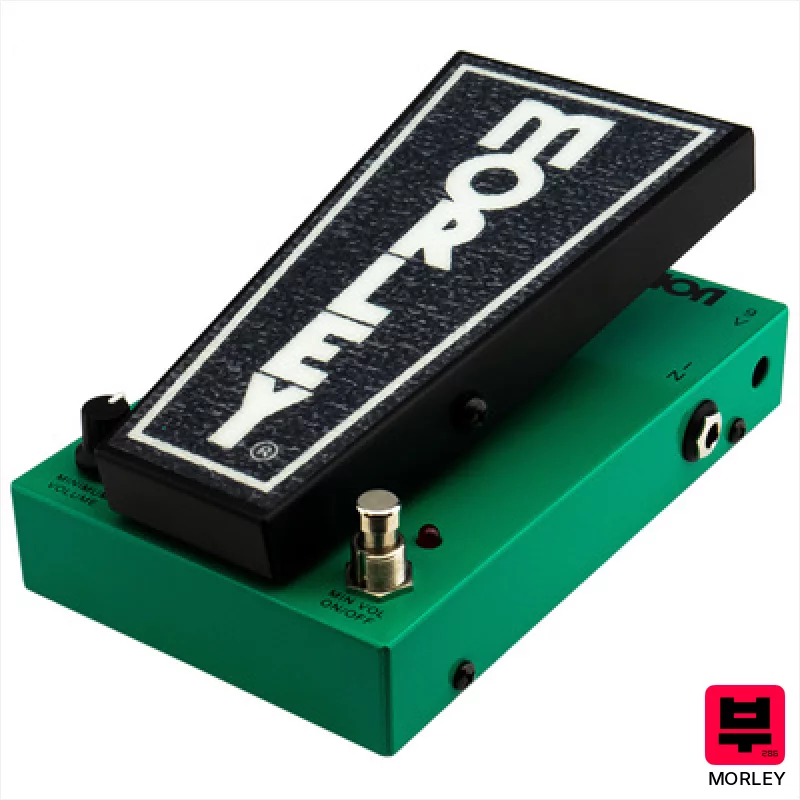
Morley 20/20 Volume Plus
- • Optical circuit provides exceptionally smooth, silent volume swells
- • Cold-rolled steel housing offers robust durability for gigging musicians
- • Integrated buffer combats signal loss, preserving tone integrity
- • Footswitchable minimum volume mode is a clever, practical feature
- • Size can be a limiting factor on smaller pedalboards
- • Battery power necessitates frequent replacements or external power supply
- • Taper, while usable, isn't as refined as some higher-end volume pedals

Dunlop DVP5 Volume (X) 8 Pedal
- • Low-friction band-drive offers incredibly smooth swells.
- • Internal trim pot allows precise heel-down volume adjustment.
- • Stereo expression output expands versatility for FX control.
- • Robust metal housing ensures durability for gigging musicians.
- • Price point places it in a premium-priced category for a volume pedal.
- • Size and weight (nearly 2.1 lbs) can be cumbersome on smaller pedalboards.
- • Passive operation limits flexibility for certain complex signal chains.
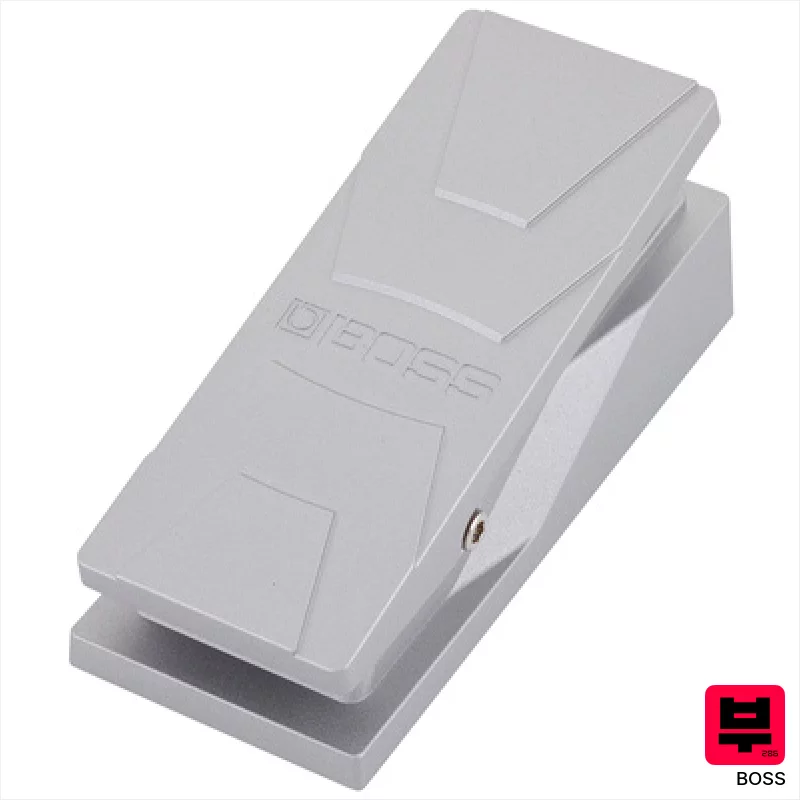
Boss FV-30H
- • Robust aluminum housing provides excellent protection during gigging.
- • High impedance input preserves signal integrity for darker, warmer tones.
- • Dedicated tuner output simplifies silent tuning without signal interruption.
- • Compact size minimizes pedalboard real estate, ideal for smaller setups.
- • The taper isn’t as pronounced as some audiophile-grade pedals.
- • Limited to mono operation; no stereo functionality available.
- • The minimum volume can be a little higher than some players prefer.
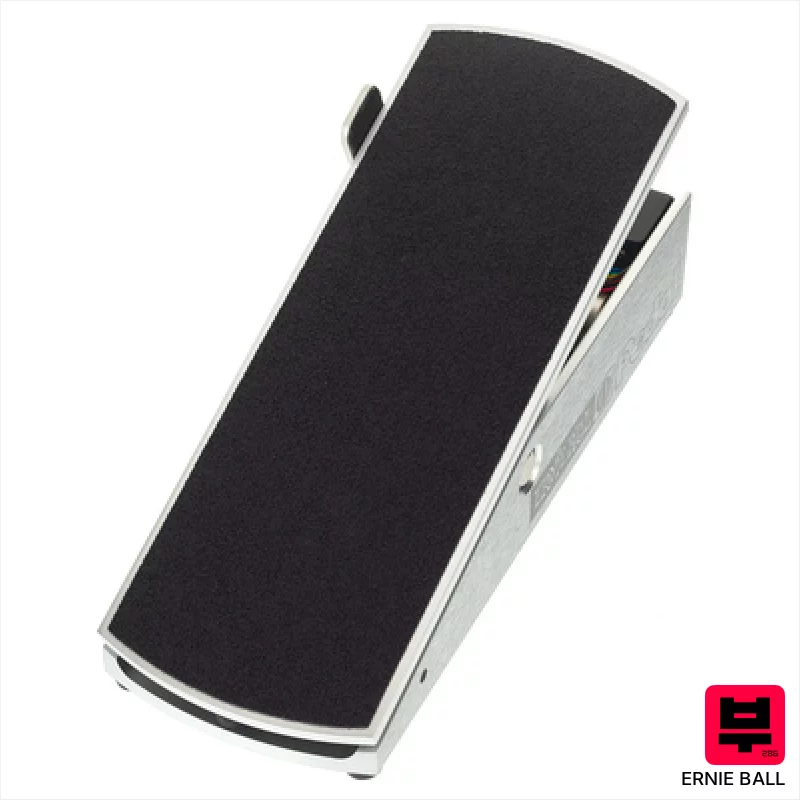
Ernie Ball Volume Pedal 500K
- • Solid, quiet sweep thanks to the precision pot design
- • Versatile stereo and mono operation expands creative possibilities
- • Robust die-cast housing ensures lasting durability on stage
- • Smooth, consistent volume control without abrupt drop-offs
- • Premium-priced compared to basic volume pedals on the market
- • Larger footprint may require pedalboard rearranging
- • Pan function is limited; not a true stereo panning solution
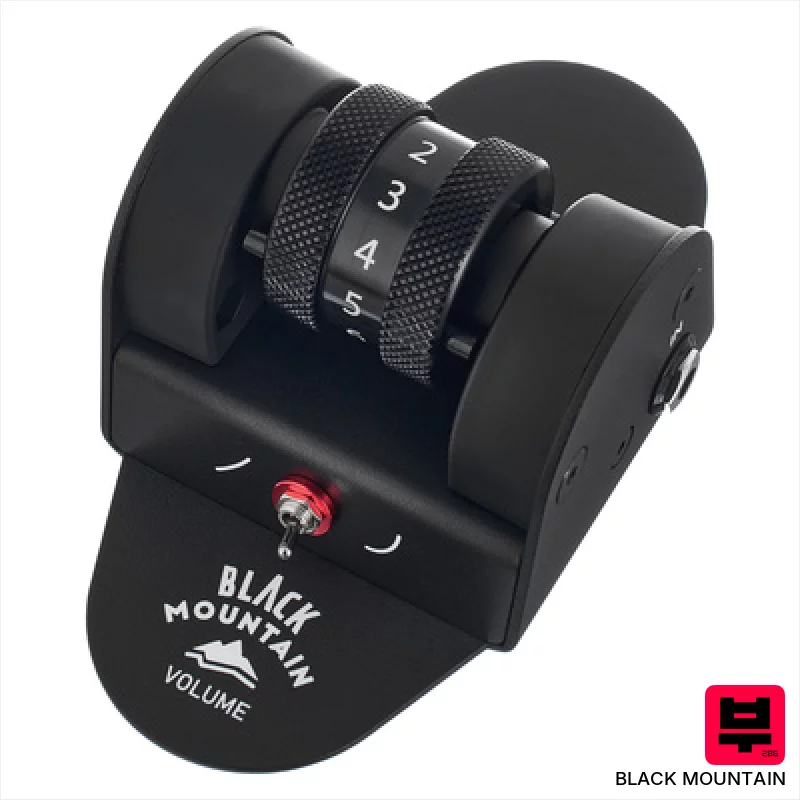
Black Mountain Roller Volume Pedal
- • Smooth, precise roller action offers nuanced volume swells.
- • Compact size saves precious pedalboard real estate.
- • Solid maple construction ensures long-term durability.
- • Taper switch provides flexibility for different playing styles.
- • Roller action might feel slightly stiff for some players initially.
- • Tuner out is a basic implementation, lacks advanced features.
- • The smaller size can make it less stable on some pedalboards.
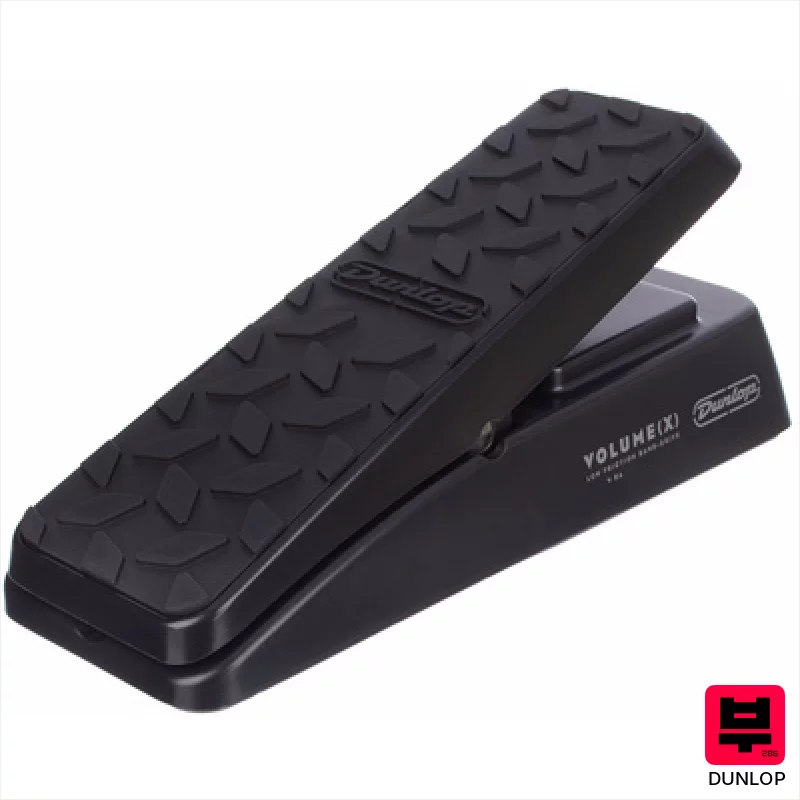
Dunlop DVP 3 Volume (X) Pedal
- • Adjustable resistance provides nuanced volume swells and expression.
- • Aluminium housing feels robust and ready for heavy gigging.
- • Heel/toe switching offers versatile control over effects parameters.
- • Tuner output is a genuinely useful addition for silent practice.
- • Passive operation requires a higher output signal for optimal use.
- • Limited expression functionality compared to dedicated expression pedals.
- • Price point places it at the higher end of volume/expression pedals.

Ernie Ball MVP Most Valuable Pedal
- • Robust die-cast construction feels substantial and roadworthy.
- • Adjustable minimum volume offers real dynamic control, unlike many pedals.
- • Independent tuner output is a huge convenience for live performance.
- • 20dB boost provides clean or gritty overdrive, expanding tonal options.
- • The tapered response isn't as subtle as some higher-end volume pedals.
- • The size is a bit larger than some competing models, taking up more space.
- • The tuner output lacks any filtering, potentially introducing noise.
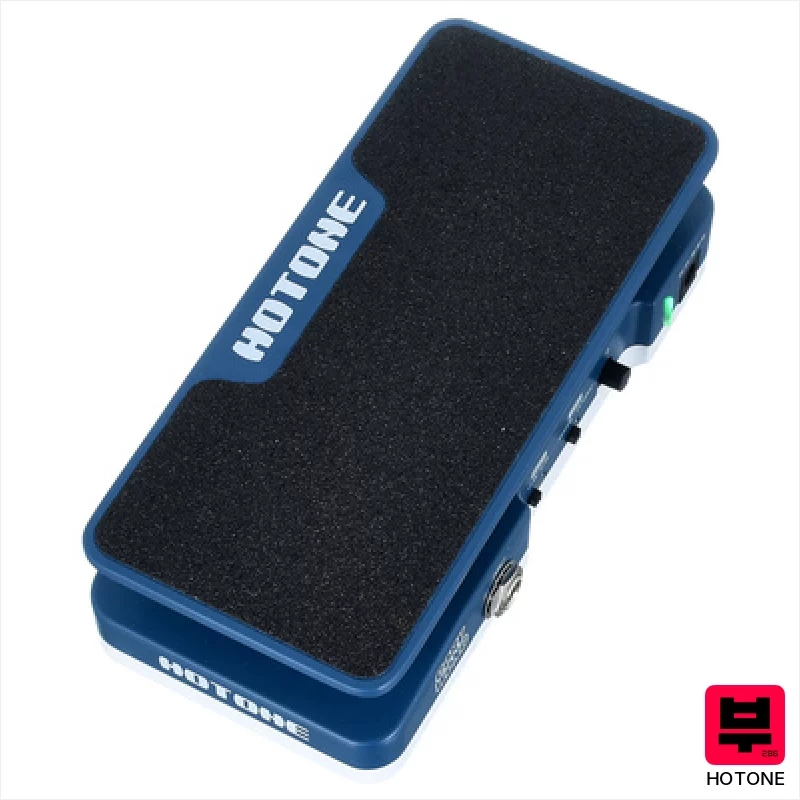
Hotone Wong Press Volume Exp Wah
- • Cory Wong's custom volume curve offers a uniquely responsive feel.
- • Wah Q control allows for precise shaping of the wah effect's intensity.
- • The separate tuner and expression outputs expand connectivity options significantly.
- • Active volume control preserves signal integrity, avoiding loss of tone.
- • The plastic enclosure feels less robust than a full-metal stompbox.
- • Wah tone leans towards a more modern, scooped character – less vintage warmth.
- • Limited tonal shaping beyond the Warm/Classic tone switch.
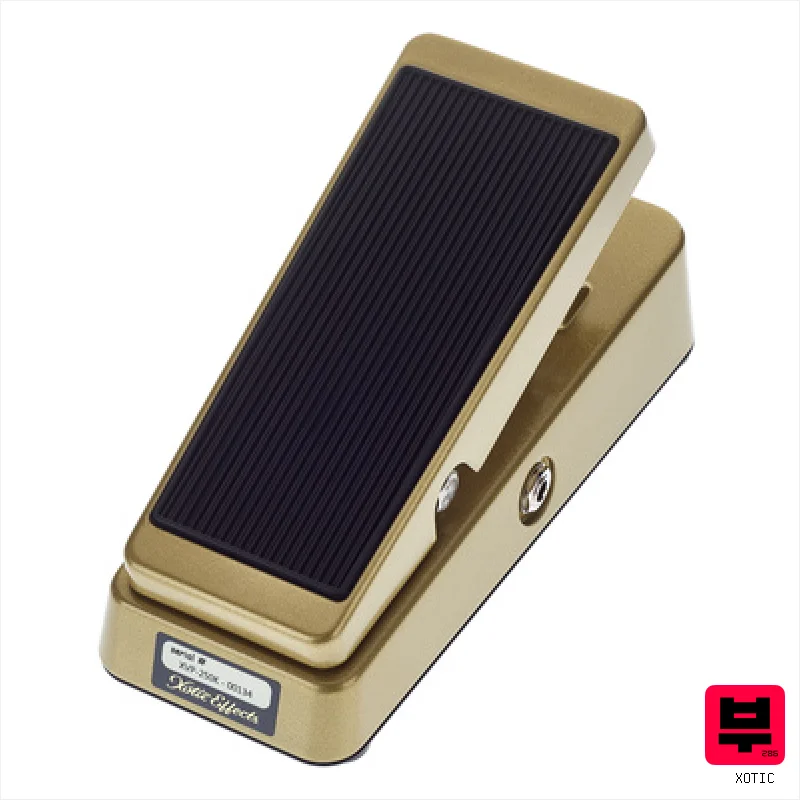
Xotic XVP-250K Volume Pedal
- • Hand-wired internal wiring ensures signal clarity.
- • High-quality audio potentiometer delivers smooth control.
- • 250k impedance preserves guitar tone fidelity.
- • Compact size fits easily in small cabinets.
- • No pedalboard power supply included in the box.
- • Tuner output is an optional extra feature.
- • Weight feels heavy compared to plastic competitors.
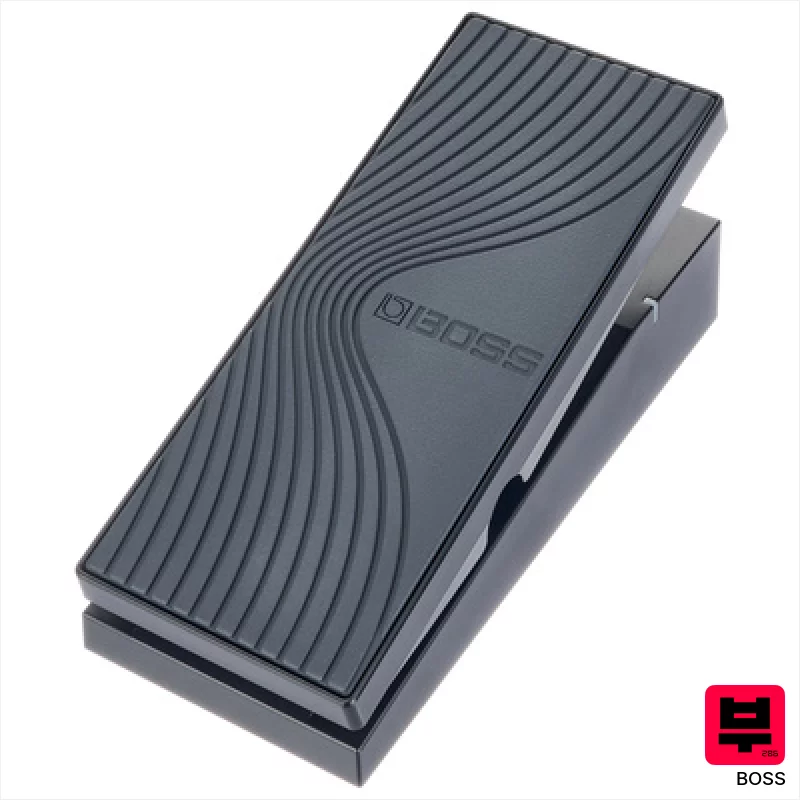
Boss EV-1-WL Wireless Expr. Pedal
- • Seamless wireless Eurus/Waza-Air integration simplifies synth guitar workflows.
- • Flexible MIDI control opens doors to diverse app and DAW integration.
- • Built-in footswitch adds convenient on/off functionality for expression control.
- • Intuitive iOS/Android app allows for precise response curve customization.
- • Limited standalone expression pedal functionality outside of Boss ecosystem.
- • Battery power demands could be a concern for extended performance use.
- • Price point places it at the higher end for expression pedals.
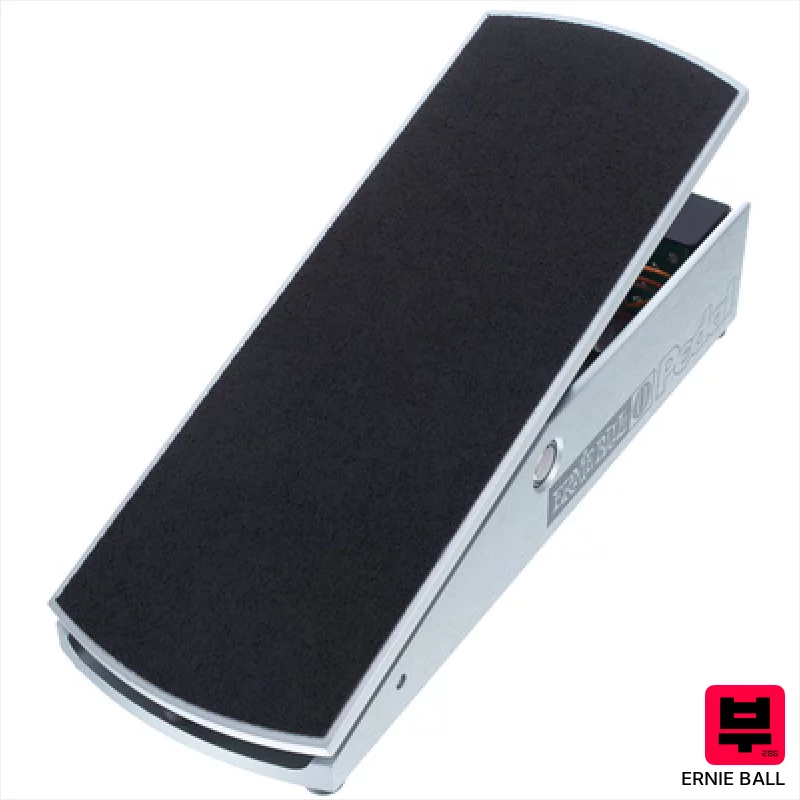
Ernie Ball EB6166
- • Robust die-cast housing provides excellent durability for stage use.
- • 250K Ohm potentiometer offers a smooth, responsive volume sweep.
- • Wide range of volume control, ideal for swells and dynamic effects.
- • Ernie Ball’s renowned quality ensures consistent performance and reliability.
- • Lack of minimum volume adjustment limits rhythmic switching versatility.
- • Slightly higher price point compared to budget volume pedals.
- • Larger footprint might be an issue for pedalboard space constraints.
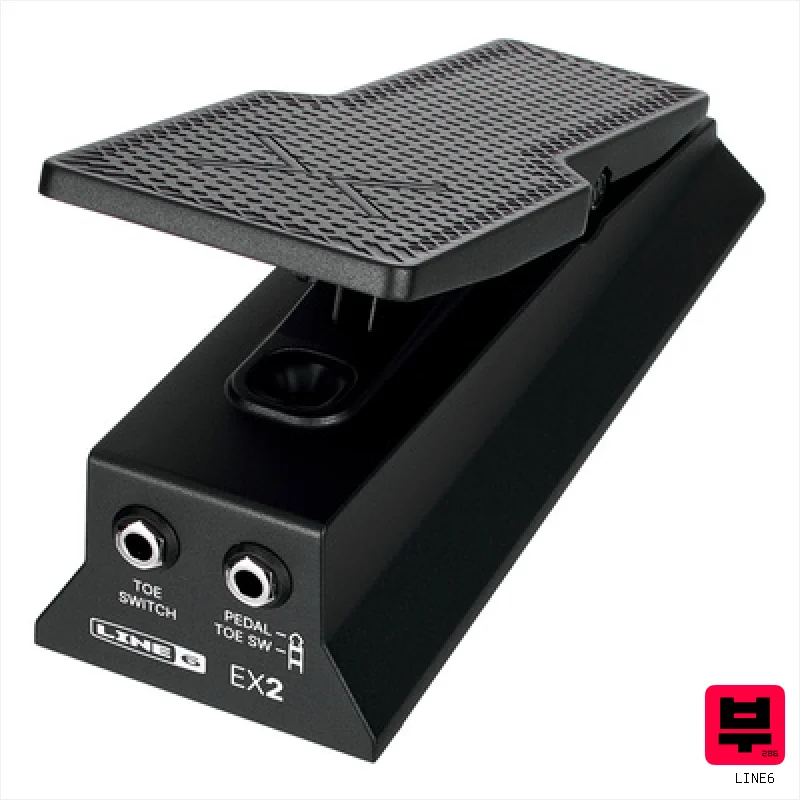
Line6 EX-2
- • Die-cast aluminium housing stays solid and durable for daily use.
- • Assignable toe switch lets you map extra control options easily.
- • Adjustable tension screw lets you customize pedal feel perfectly.
- • Seamless integration works instantly with Helix Stadium gear.
- • Weight specification is missing from the official description.
- • Taper setting is not listed in the provided text.
- • Minimum volume level is not stated in the description.
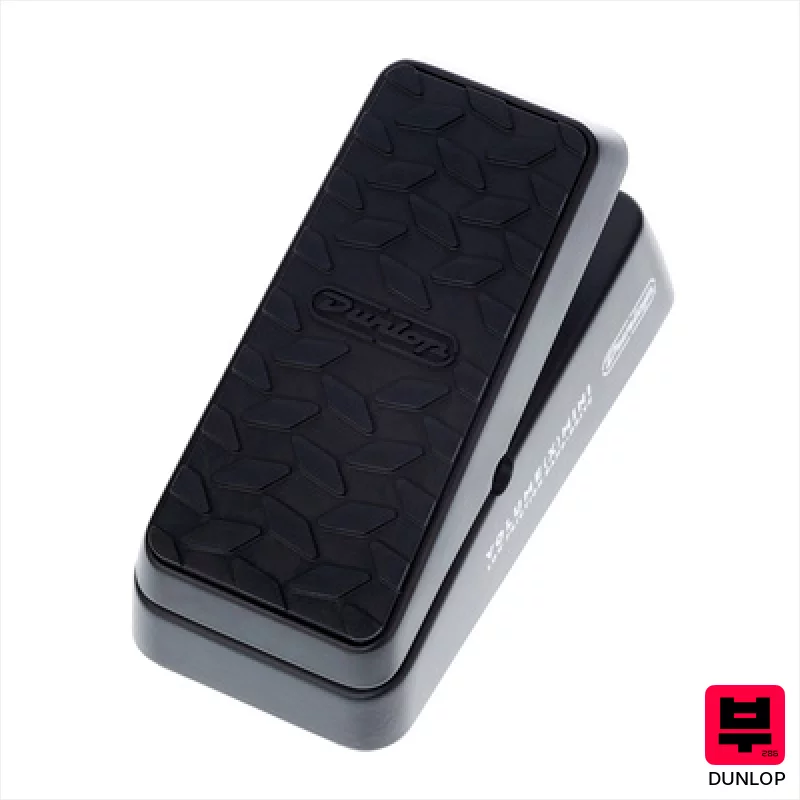
Dunlop Volume X Mini Pedal DVP4
- • Low-friction band-drive provides exceptionally smooth volume swells
- • Passive design eliminates power supply needs, simplifying pedalboard setup
- • Adjustable torque caters to varying playing styles and preferences
- • Compact size minimizes footprint on crowded pedalboards, great for travel
- • Passive design limits dynamic range compared to active expression pedals
- • Limited expression control range may not satisfy advanced modulation users
- • Aluminum housing, while durable, can feel a bit light and less premium than some competitors
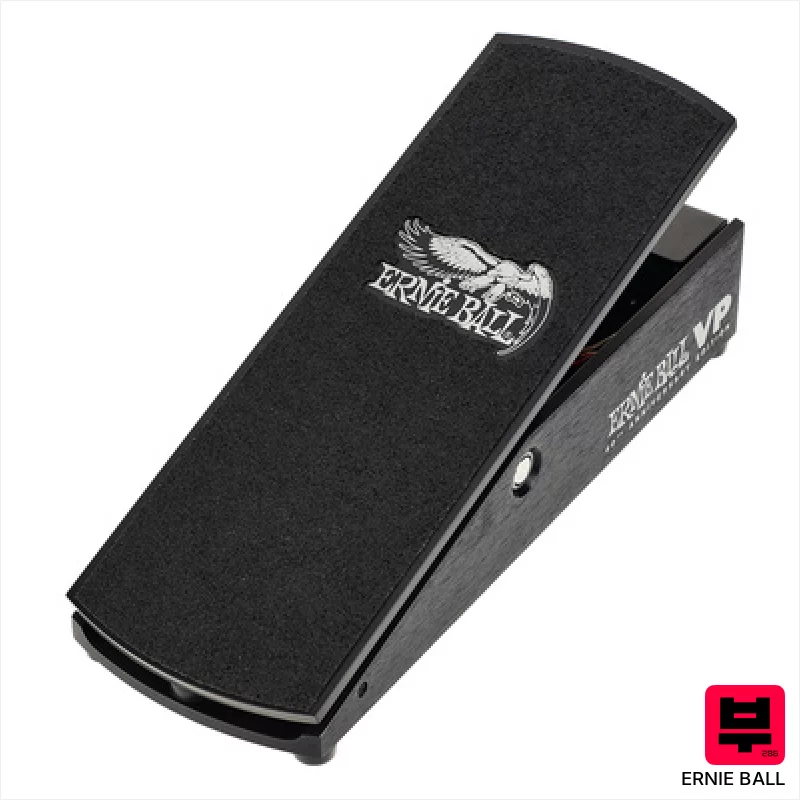
Ernie Ball EB6110 VP Slate Black
- • Solid aluminum casing provides exceptional durability for gigging.
- • Kevlar cable minimizes noise and ensures reliable signal transfer.
- • Dual threshold rate switch offers nuanced volume swells and control.
- • Tuner outputs at each level are a surprisingly useful and thoughtful addition.
- • Slate Black finish might be a fingerprint magnet for some users.
- • The aluminum casing makes it noticeably heavier than plastic alternatives.
- • Limited taper options restrict expressive potential for very specific swells.
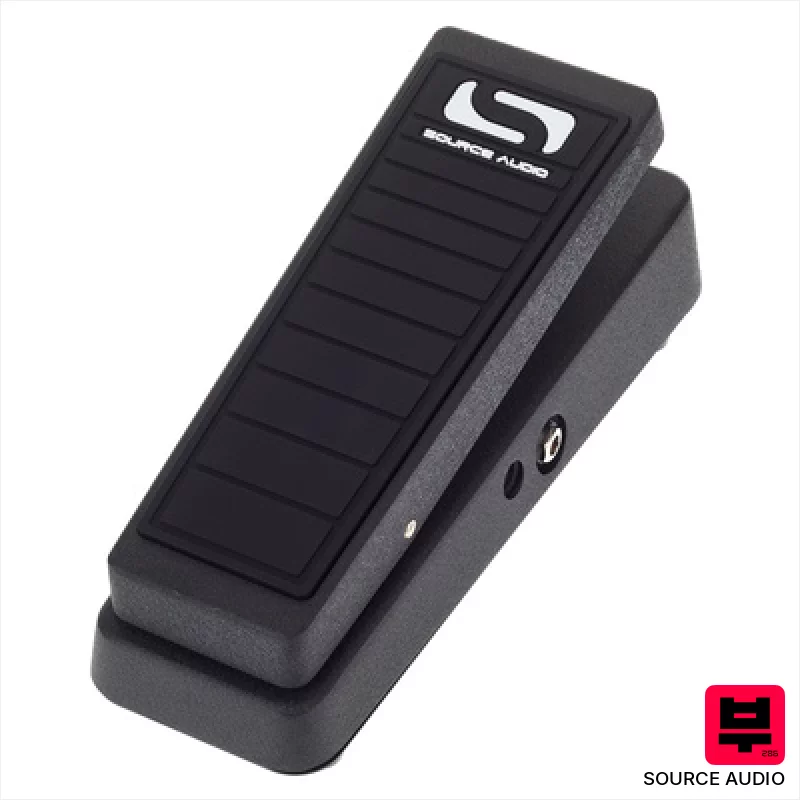
Source Audio Dual Expression Pedal
- • Robust metal construction feels incredibly solid and durable.
- • Dual outputs offer unparalleled flexibility for controlling multiple effects.
- • Passive design eliminates noise and maintains signal integrity.
- • Source Audio integration simplifies complex expression routing.
- • Size can be a constraint on smaller pedalboards, demanding space.
- • Passive operation necessitates careful attention to volume levels.
- • Limited taper options restrict expressive control for some users.
Every volume/expression pedals that matches
53 models match this page. The 15 above are covered in detail; the rest are listed here with their published specifications.
Volume/Expression Pedals by the numbers
Measured across all 53 models in this category, so «wide», «short» or «expensive» mean something you can check.
How to Choose the Best Volume/Expression Pedals
Dynamic Range
This isn't just about going from 0 to 6, it's about the feel of that sweep. Can you get a subtle fade for a clean intro, or a massive, in-your-face swell for a doom riff? A wider, more linear range is key for expressive playing.
Noise Floor
Let's be honest, a noisy volume pedal is just another source of unwanted hiss. Intermediate players are past the point of accepting excessive noise as 'part of the sound.' We're looking for pedals that keep things quiet, especially when attenuating the signal.
Expression Pedal Input/Compatibility
If you're thinking about controlling other effects, the expression input needs to be reliable and work with a range of pedals. Some cheaper expression pedals have a very narrow sweet spot, making them frustrating to dial in.
Build Quality & Durability
Gigs are brutal. A plastic enclosure and flimsy pots aren't going to survive a year on the road. Solid construction and reliable components are essential, even if it means a slightly higher price.
True Bypass vs. Buffered
True bypass is generally preferred for preserving your tone when the pedal is off, but a buffered bypass can help prevent signal loss, especially when using long cable runs - something you'll appreciate in a band setting.
Buying Guide
For the intermediate player, a pedal with a decent dynamic range and a low noise floor is non-negotiable. Don't be swayed by flashy features you won't use. Many cheaper volume pedals cut corners on the potentiometer, resulting in scratchy sweeps - that's a dealbreaker. Spend a little more for something with a smooth, consistent feel; your ears (and your audience) will thank you.
How This List Is Built
We don't play these instruments — we're a catalog, not a review desk, and we'd rather say so than pretend otherwise. This page covers 53 volume/expression pedals from the Thomann catalogue, which is the largest single source of specification data in this category: 15 in detail, the rest listed with their specifications.
Position is computed, not curated. We parse the manufacturer's own description into actual values — nut width, scale, fret count, fingerboard radius, size, alloy — and rank on them: how many specifications a model has published, how many of them are measurable numbers, and how precisely it meets this page's criterion. A product image adds a little. Price is not a ranking signal: it tells you nothing about whether a neck fits your hand. The same inputs always produce the same order, so nothing here is shuffled to look fresh.
What this list is good for: narrowing a category down to a shortlist by spec and budget. What it isn't: a substitute for hearing an instrument. Before you buy, read hands-on reviews and, where you can, play it. Full methodology.

