
Best Volume/Expression Pedals for Clean Tones 2026
So, you're chasing that shimmering clean tone, that pristine headroom, but need a little more dynamic control? A volume or expression pedal isn't just for swells anymore; it's a critical tool for shaping your clean signal, adding nuance and feel. Whether you're dialing in subtle level changes for a clean boost, crafting dramatic swells for ambient textures, or controlling a reverb tail, getting the right pedal makes a world of difference. Let's break down the best options for clean tone players.
Last updated: July 22, 2026 • Next update: July 29, 2026
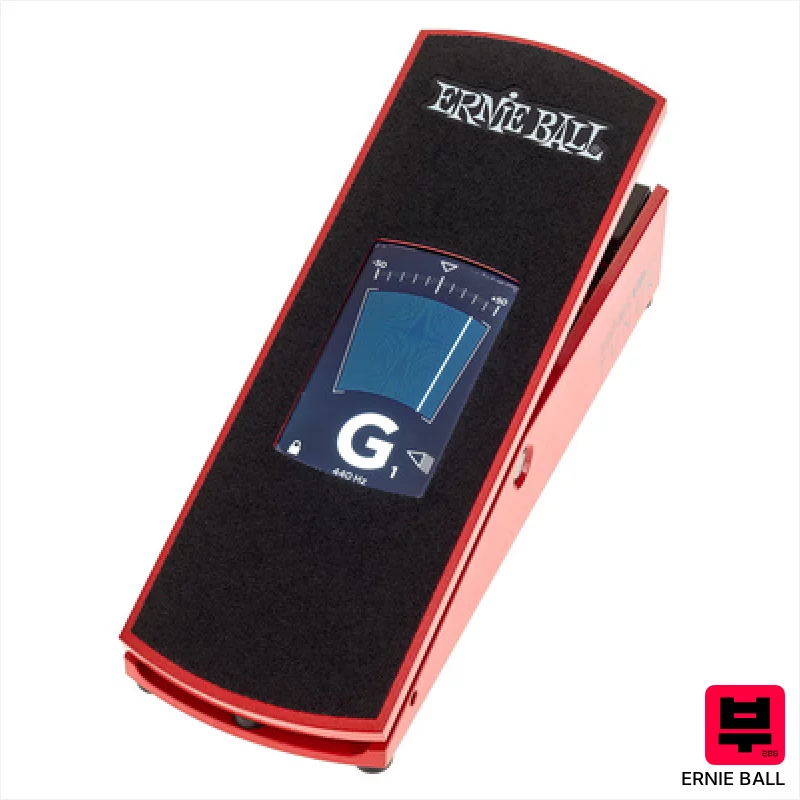
Ernie Ball EB6202
- • The integrated chromatic tuner is surprisingly accurate and convenient for quick adjustments.
- • Aluminum housing provides robust protection and a premium feel, resisting pedalboard wear.
- • Discrete buffer circuit maintains signal integrity, especially useful with long cable runs.
- • Kevlar-reinforced PVC cable is incredibly durable, preventing frustrating cord failures.
- • Touchscreen interface might be less intuitive or precise than a traditional knob.
- • Lack of battery operation limits portability and stage-readiness without power.
- • Price point places it in a premium category, potentially prohibitive for budget players.
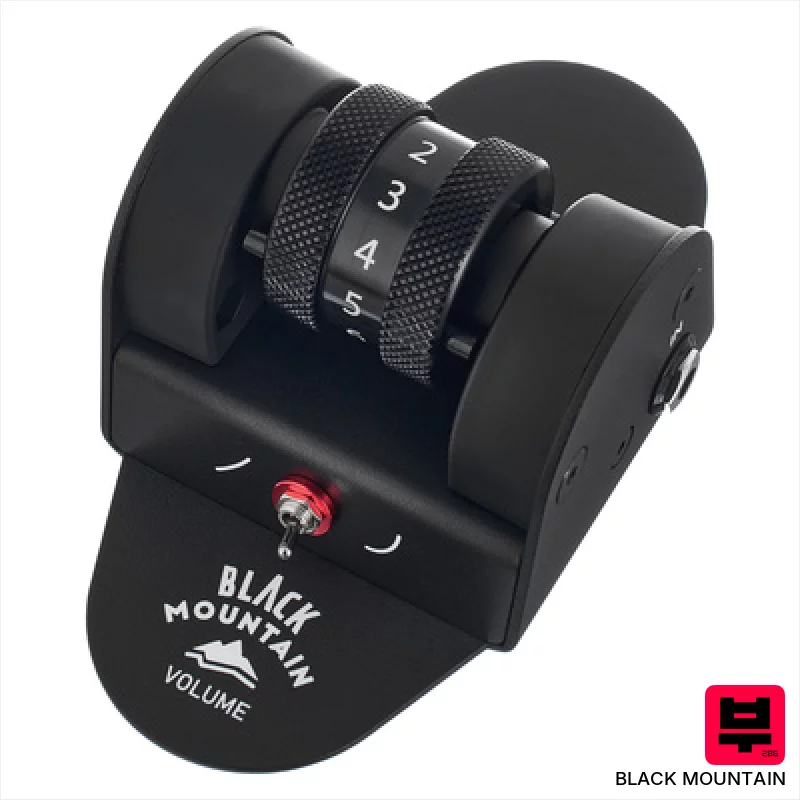
Black Mountain Roller Volume Pedal
- • Smooth, precise roller action offers nuanced volume swells.
- • Compact size saves precious pedalboard real estate.
- • Solid maple construction ensures long-term durability.
- • Taper switch provides flexibility for different playing styles.
- • Roller action might feel slightly stiff for some players initially.
- • Tuner out is a basic implementation, lacks advanced features.
- • The smaller size can make it less stable on some pedalboards.
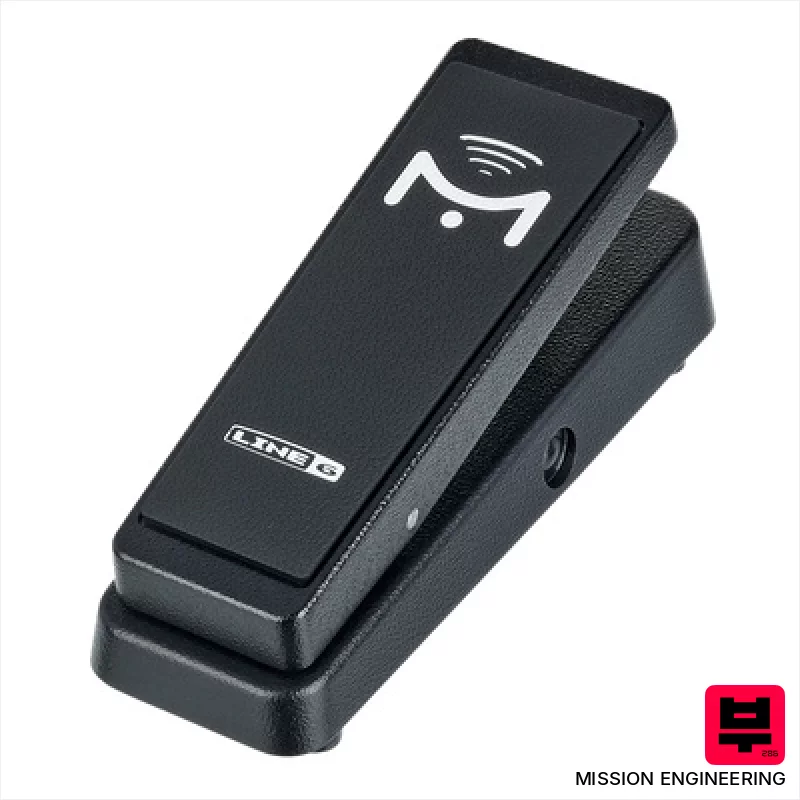
Mission Engineering EP1-L6-BK SPL
- • Excellent Line 6 integration; seamless control of amp and effects parameters.
- • Robust metal construction ensures long-term durability and reliable performance.
- • Spring-loaded return provides familiar wah-like feel or auto-off functionality.
- • Heavy-duty build feels substantial and inspires confidence underfoot.
- • Limited compatibility; primarily designed for Line 6 gear, restricting versatility.
- • Relatively heavy; may be cumbersome for smaller pedalboards or travel.
- • Price point positions it as a premium option compared to budget expression pedals.

Lehle Dual Expression
- • German engineering delivers exceptional reliability and precision
- • Dual outputs vastly expand routing and pedalboard flexibility
- • Magnetic sensor ensures wear-free, consistent expression control
- • USB MIDI connectivity opens up software control possibilities
- • Size and weight make it less ideal for compact pedalboards
- • Price point positions it as a premium investment
- • Limited aesthetic customization options compared to some competitors

Ernie Ball EB6201
- • Solid aluminum housing offers excellent durability and a premium feel
- • Discrete buffer ensures signal integrity, minimizing tone loss at higher volume settings
- • Integrated chromatic tuner is genuinely useful, streamlining your pedalboard setup
- • Kevlar-reinforced PVC cord is robust, preventing cable fraying and damage
- • Relatively high current draw (150mA) requires a quality power supply
- • Touchscreen interface might feel less intuitive or responsive than traditional knobs
- • Limited taper options restrict expressive volume swells compared to some classic pedals
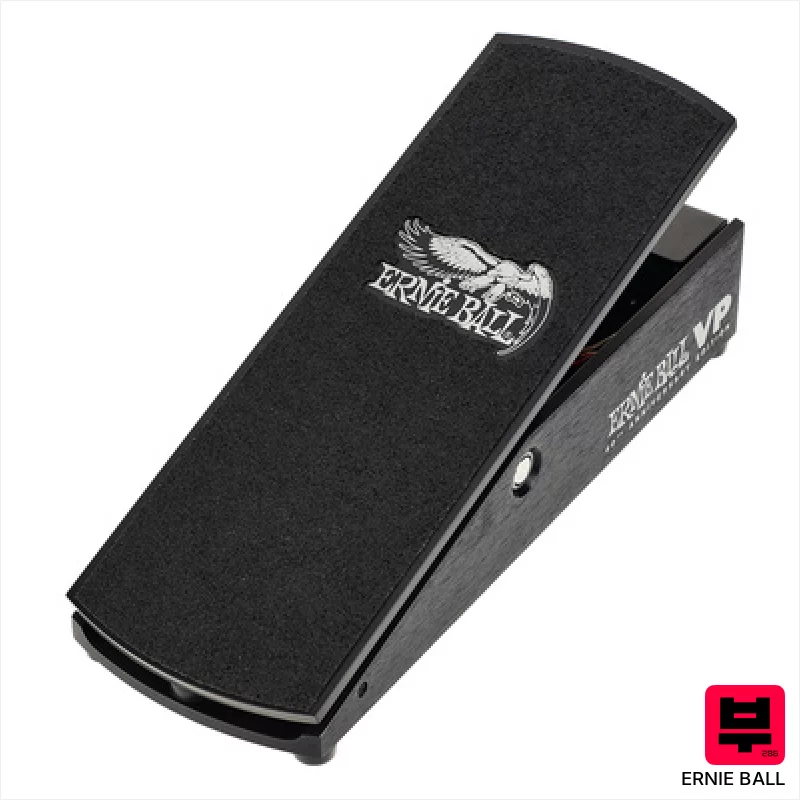
Ernie Ball EB6110 VP Slate Black
- • Solid aluminum casing provides exceptional durability for gigging.
- • Kevlar cable minimizes noise and ensures reliable signal transfer.
- • Dual threshold rate switch offers nuanced volume swells and control.
- • Tuner outputs at each level are a surprisingly useful and thoughtful addition.
- • Slate Black finish might be a fingerprint magnet for some users.
- • The aluminum casing makes it noticeably heavier than plastic alternatives.
- • Limited taper options restrict expressive potential for very specific swells.
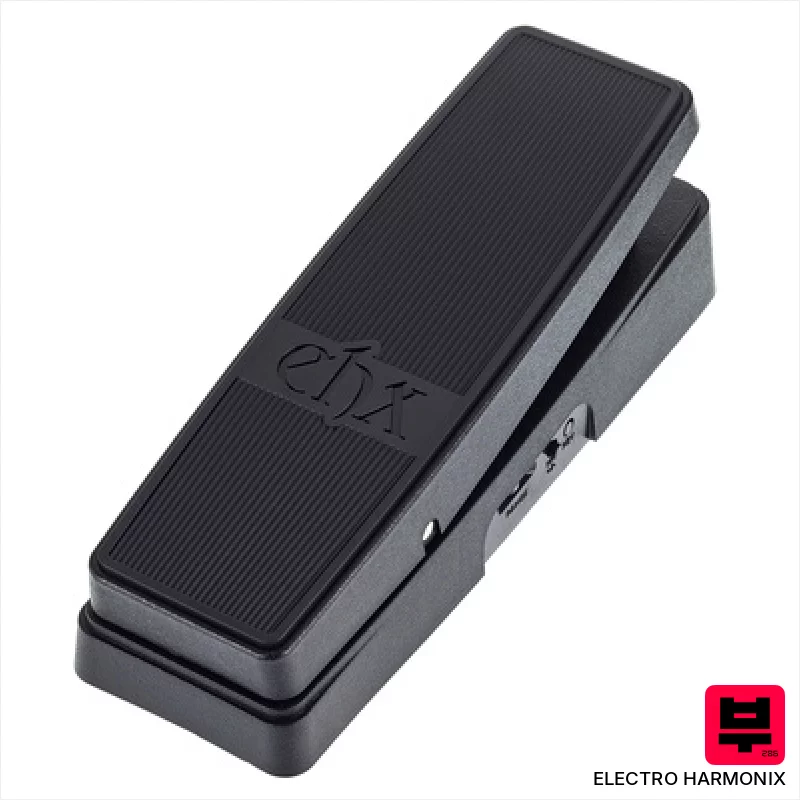
Electro Harmonix Expression Pedal
- • Rugged polymer construction resists abuse on the road
- • Polarity switch ensures broad compatibility with various amplifiers and pedals
- • Fine-tunable range offers precise expression control
- • Lightweight design minimizes pedalboard clutter and fatigue
- • Polymer construction, while durable, lacks the premium feel of metal
- • Expression range adjustment can be finicky to dial in perfectly
- • Stereo cable included is somewhat short for many pedalboard setups
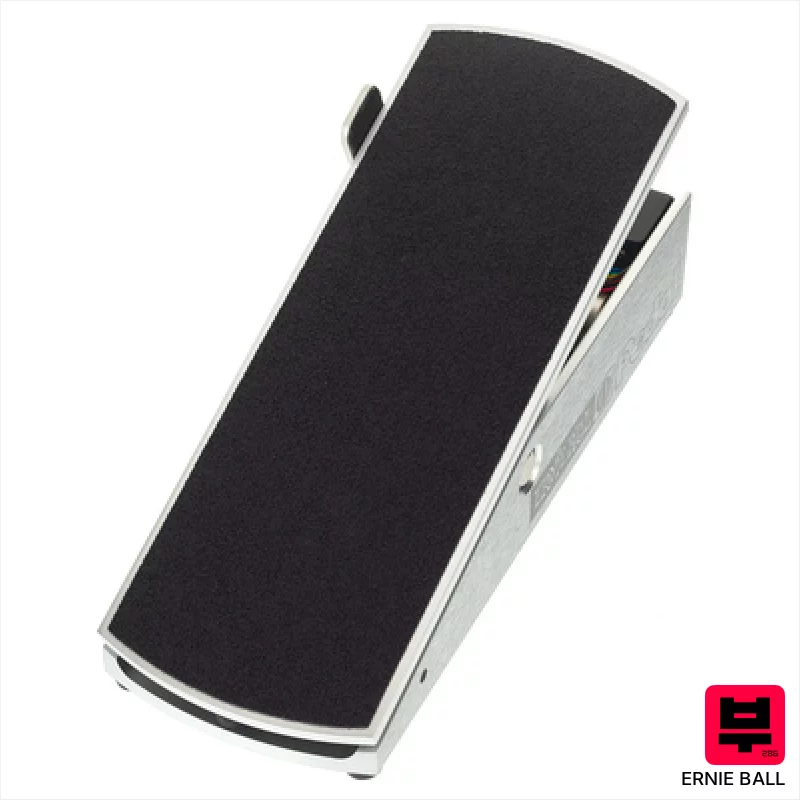
Ernie Ball Volume Pedal 500K
- • Solid, quiet sweep thanks to the precision pot design
- • Versatile stereo and mono operation expands creative possibilities
- • Robust die-cast housing ensures lasting durability on stage
- • Smooth, consistent volume control without abrupt drop-offs
- • Premium-priced compared to basic volume pedals on the market
- • Larger footprint may require pedalboard rearranging
- • Pan function is limited; not a true stereo panning solution

Crumar EXP-20-MS Expression Pedal
- • Solid steel shaft provides reliable, long-lasting pedal feel.
- • Integrated rotary buttons offer convenient, dedicated control for organ sounds.
- • 10 kOhm potentiometer ensures accurate and responsive expression control.
- • Rubber feet prevent slippage, enhancing stability during performance.
- • Limited compatibility; primarily designed for Crumar Mojo series.
- • Expression range might feel slightly restricted compared to premium pedals.
- • Basic aesthetic; lacks the visual flair of some higher-end expression pedals.
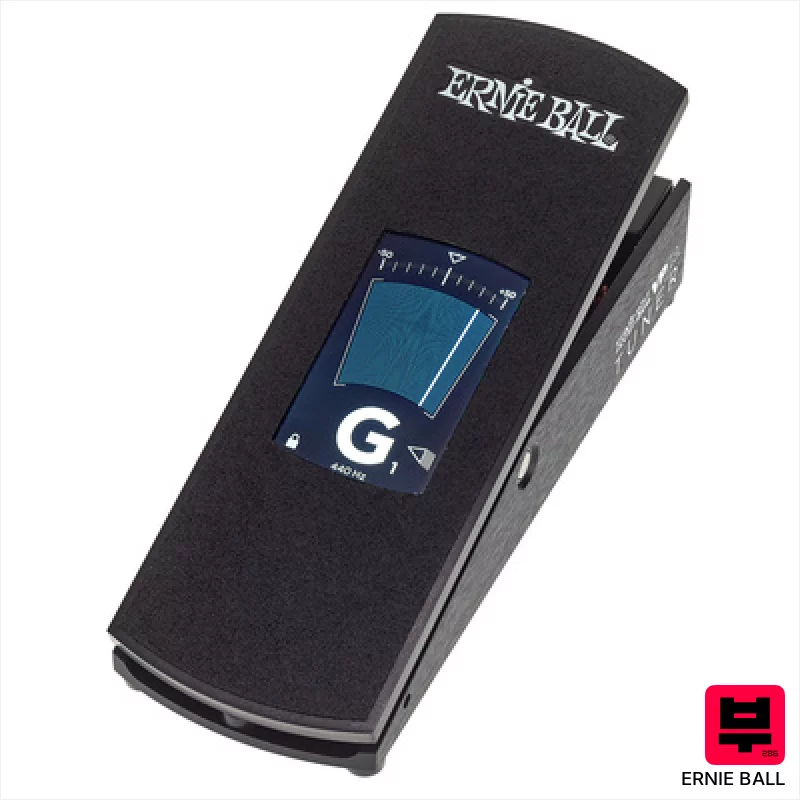
Ernie Ball EB6203
- • Durable aluminum housing offers excellent protection during gigging.
- • Integrated chromatic tuner eliminates extra pedalboard space and clutter.
- • Discrete buffer maintains signal integrity, especially with long cable runs.
- • Kevlar-reinforced cable resists tangling and provides exceptional durability.
- • Reliance on a 9-18V adapter limits portability and adds to power draw.
- • Touchscreen interface might prove less intuitive than traditional knobs for some users.
- • The all-in-one design might not appeal to players needing a dedicated tuner.
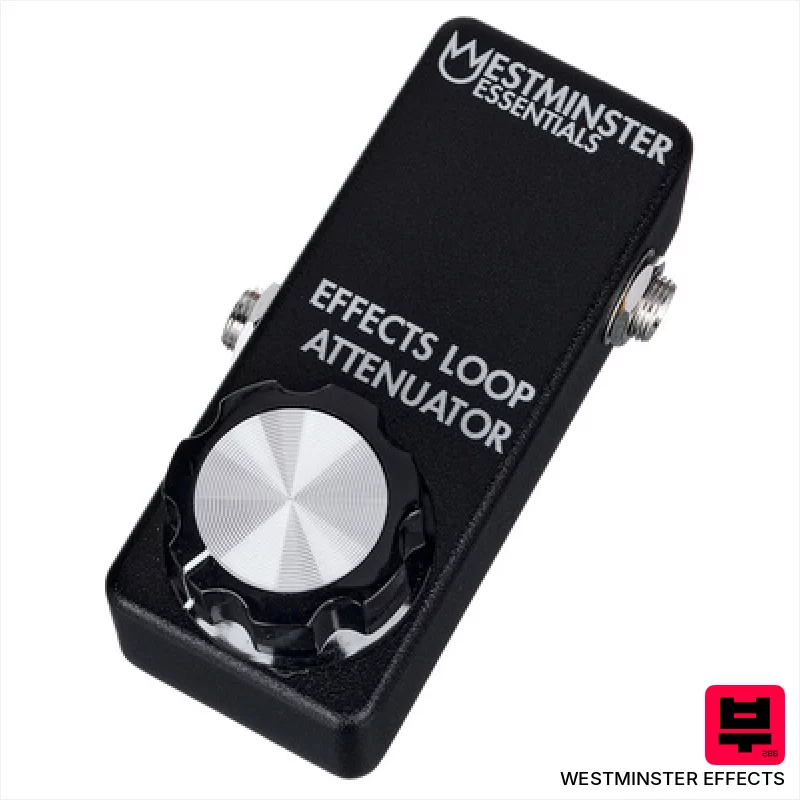
Westminster Effects Loop Attenuator
- • Handmade in the USA ensures quality control and attention to detail.
- • Passive design avoids unwanted noise and power supply issues.
- • Compact size fits easily into tight pedalboard configurations.
- • Simple, robust knob offers precise, foot-operated volume control.
- • Passive nature limits attenuation range compared to active attenuators.
- • Limited functionality; solely an attenuator, no other features.
- • Small size might make the knob feel a little cramped for some.
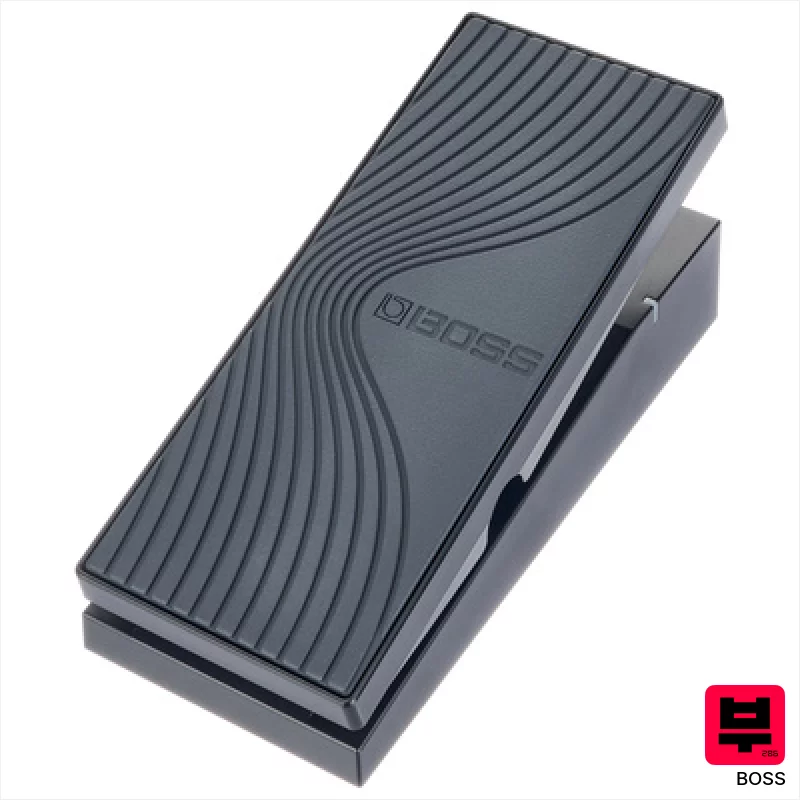
Boss EV-1-WL Wireless Expr. Pedal
- • Seamless wireless Eurus/Waza-Air integration simplifies synth guitar workflows.
- • Flexible MIDI control opens doors to diverse app and DAW integration.
- • Built-in footswitch adds convenient on/off functionality for expression control.
- • Intuitive iOS/Android app allows for precise response curve customization.
- • Limited standalone expression pedal functionality outside of Boss ecosystem.
- • Battery power demands could be a concern for extended performance use.
- • Price point places it at the higher end for expression pedals.
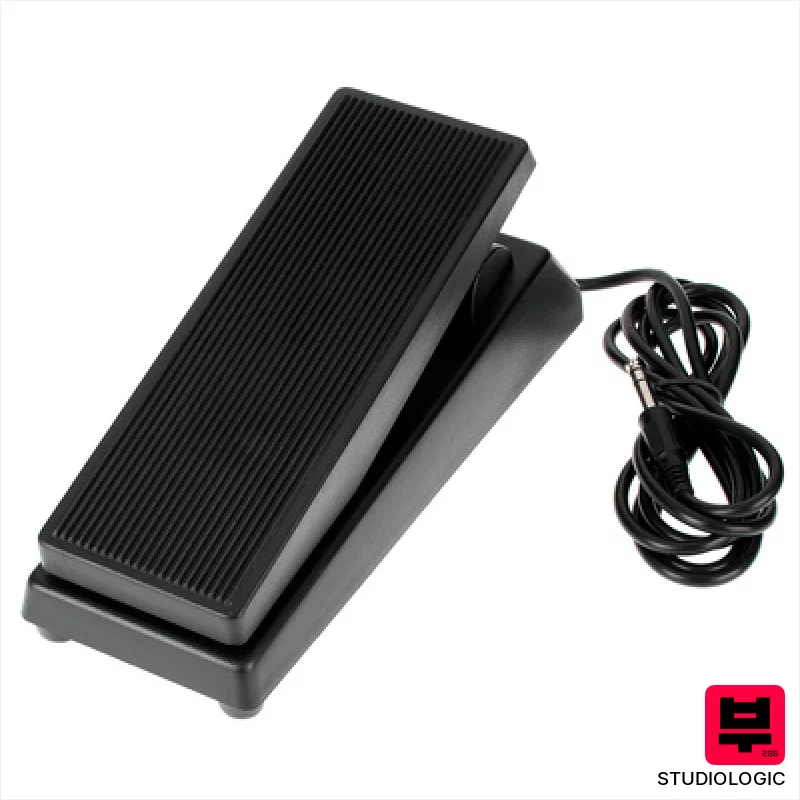
Studiologic VP-27
- • Solid, dependable construction for gigging reliability.
- • Balanced TRS output minimizes noise and signal loss.
- • Simple, straightforward design avoids unnecessary complexity.
- • Lightweight and compact; easy to transport and integrate.
- • Plastic construction feels budget-oriented, not premium.
- • Limited taper options restrict expressive control.
- • Basic functionality lacks advanced features like pedal stop adjustment.
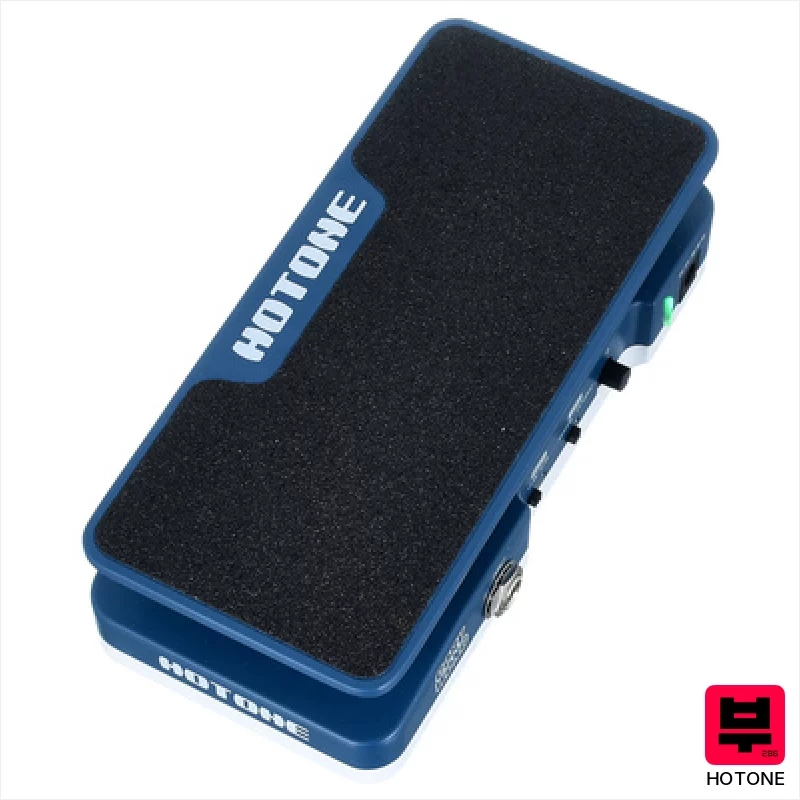
Hotone Wong Press Volume Exp Wah
- • Cory Wong's custom volume curve offers a uniquely responsive feel.
- • Wah Q control allows for precise shaping of the wah effect's intensity.
- • The separate tuner and expression outputs expand connectivity options significantly.
- • Active volume control preserves signal integrity, avoiding loss of tone.
- • The plastic enclosure feels less robust than a full-metal stompbox.
- • Wah tone leans towards a more modern, scooped character – less vintage warmth.
- • Limited tonal shaping beyond the Warm/Classic tone switch.
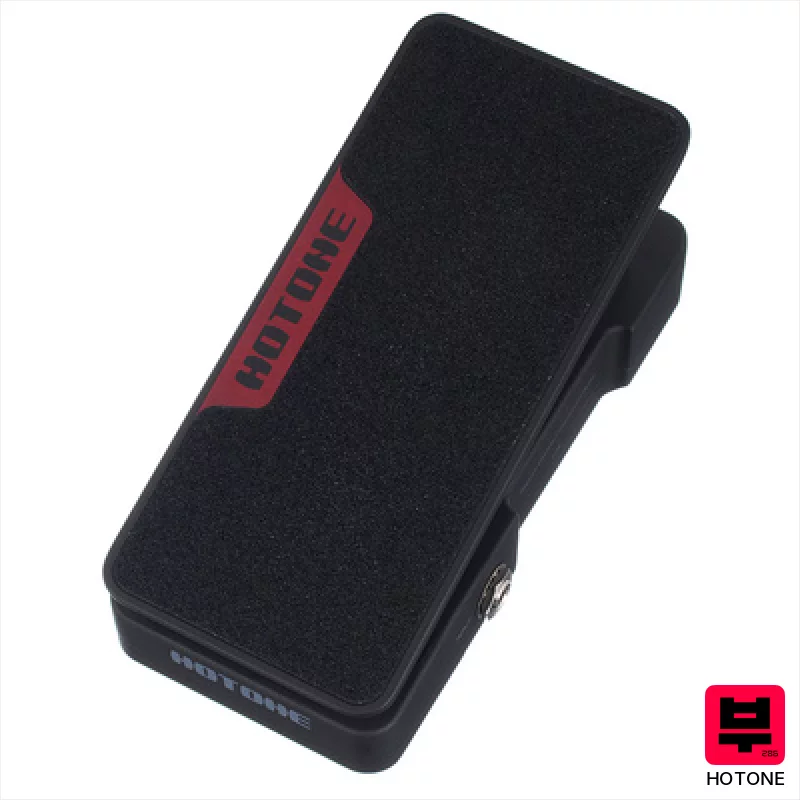
Hotone Ampero Press 25k
- • Compact size ideal for tight pedalboards, minimizing space consumption.
- • 25k Ohm expression output suits Hotone Ampero II and similar devices.
- • Passive design preserves original signal integrity, avoiding tone coloration.
- • Solid footswitch action provides reliable on/off control for effect bypass.
- • Passive design means volume drop; requires a buffer in some setups.
- • Limited taper offers less nuanced expression control compared to premium pedals.
- • Plastic enclosure feels less robust than metal alternatives, a cost-saving measure.
How to Choose the Best Volume/Expression Pedals
Transparency
Clean pedals can't color your tone. We're looking for pedals that are virtually invisible when bypassed, preserving your amp's character and the nuances of your pickups. Any hint of muddiness or unwanted high-end harshness is a dealbreaker.
Dynamic Response
A great expression pedal reacts to your picking dynamics. It shouldn't choke your signal or introduce compression artifacts when you dig in. You want that low-end thump to be present when you want it, and the high-end sparkle to shine without getting ice-picky.
Noise Floor
Clean tones are all about silence. Any noticeable hiss or hum introduced by the pedal will ruin the illusion of pristine clarity, especially when stacked with other pedals.
Control Range
Beyond just volume, a versatile pedal offers a wide range of control, including true bypass, buffered bypass, and sometimes even tap tempo or MIDI capabilities for deeper integration into your rig.
Build Quality
Gigging means abuse. Cheap plastic enclosures and flimsy pots will fail you onstage. We're prioritizing pedals built to withstand the rigors of the road, with robust components and solid construction.
Buying Guide
Don't cheap out on a volume/expression pedal if you're serious about clean tones. The difference between a $50 plastic box and a $150 metal one is often the difference between a transparent, responsive control and a noisy, unpredictable mess. Buffered bypass is often a must for longer cable runs to prevent signal loss, but be aware that buffering can sometimes muddy up your tone - it's a trade-off. Pay attention to the pedal's input/output impedance - a mismatched impedance can lead to tone suck.
Our Methodology
We don't just look at spec sheets here. We put these pedals through the wringer - plugged into various amps, guitars with different pickup voicings, and ran them through a PA. We A/B'd them against each other, used them in band rehearsals to see how they cut through the mix, and even recorded some basic tracks to hear how they translate in a stereo field. It's about real-world performance, not just numbers.

