
Best Ernie Ball Volume/Expression Pedals 2026
So, you're looking for a volume or expression pedal? Ernie Ball's got a few solid options, and they've earned a place in a lot of players' rigs, myself included. They're not flashy, but they're reliable workhorses - the kind you can grab without second-guessing when you need to subtly shape your dynamics or dial in a swell for a clean lead tone. Let's break down what makes their pedals tick, and whether they're right for your needs.
Last updated: October 7, 2026
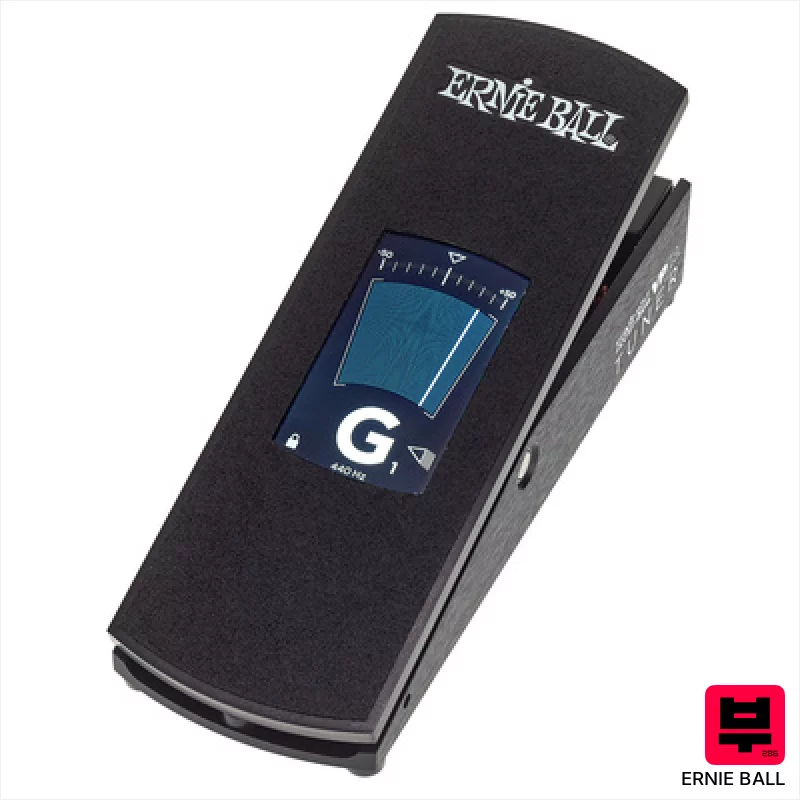
Ernie Ball EB6203
- • Durable aluminum housing offers excellent protection during gigging.
- • Integrated chromatic tuner eliminates extra pedalboard space and clutter.
- • Discrete buffer maintains signal integrity, especially with long cable runs.
- • Kevlar-reinforced cable resists tangling and provides exceptional durability.
- • Reliance on a 9-18V adapter limits portability and adds to power draw.
- • Touchscreen interface might prove less intuitive than traditional knobs for some users.
- • The all-in-one design might not appeal to players needing a dedicated tuner.
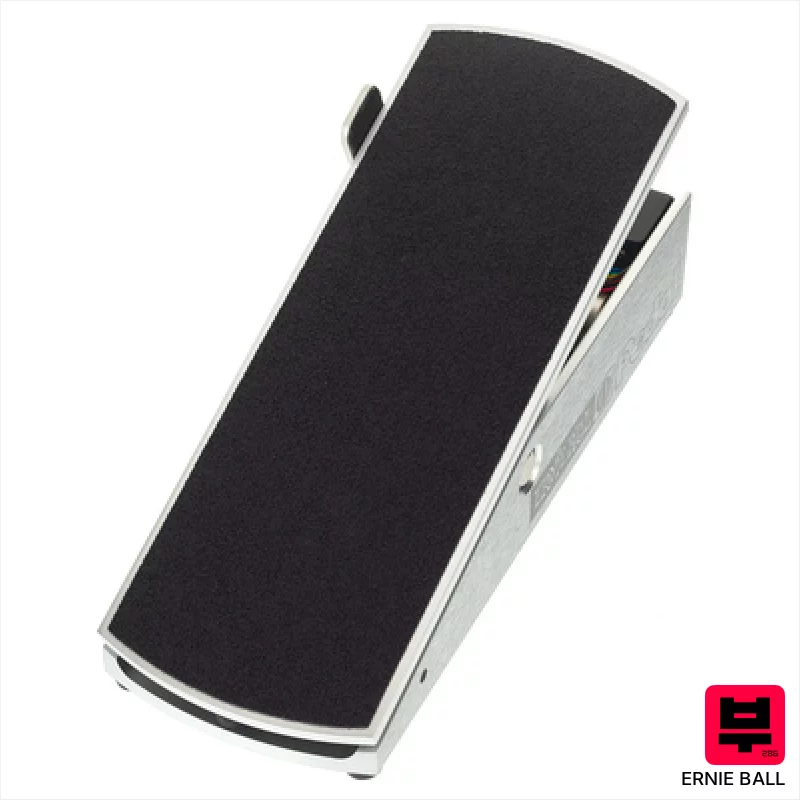
Ernie Ball Volume Pedal 500K
- • Solid, quiet sweep thanks to the precision pot design
- • Versatile stereo and mono operation expands creative possibilities
- • Robust die-cast housing ensures lasting durability on stage
- • Smooth, consistent volume control without abrupt drop-offs
- • Premium-priced compared to basic volume pedals on the market
- • Larger footprint may require pedalboard rearranging
- • Pan function is limited; not a true stereo panning solution
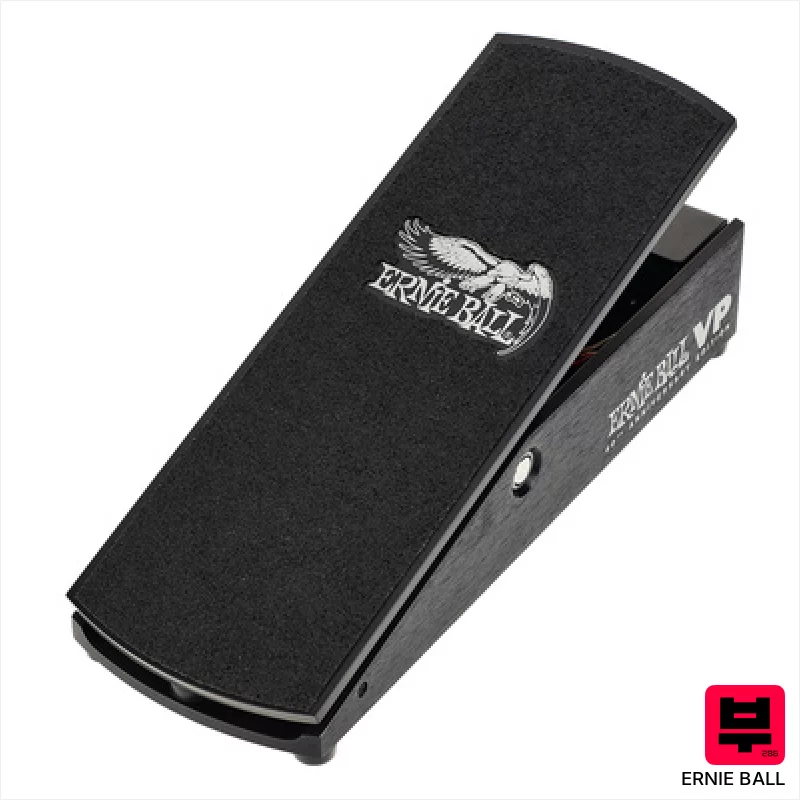
Ernie Ball EB6110 VP Slate Black
- • Solid aluminum casing provides exceptional durability for gigging.
- • Kevlar cable minimizes noise and ensures reliable signal transfer.
- • Dual threshold rate switch offers nuanced volume swells and control.
- • Tuner outputs at each level are a surprisingly useful and thoughtful addition.
- • Slate Black finish might be a fingerprint magnet for some users.
- • The aluminum casing makes it noticeably heavier than plastic alternatives.
- • Limited taper options restrict expressive potential for very specific swells.

Ernie Ball MVP Most Valuable Pedal
- • Robust die-cast construction feels substantial and roadworthy.
- • Adjustable minimum volume offers real dynamic control, unlike many pedals.
- • Independent tuner output is a huge convenience for live performance.
- • 20dB boost provides clean or gritty overdrive, expanding tonal options.
- • The tapered response isn't as subtle as some higher-end volume pedals.
- • The size is a bit larger than some competing models, taking up more space.
- • The tuner output lacks any filtering, potentially introducing noise.
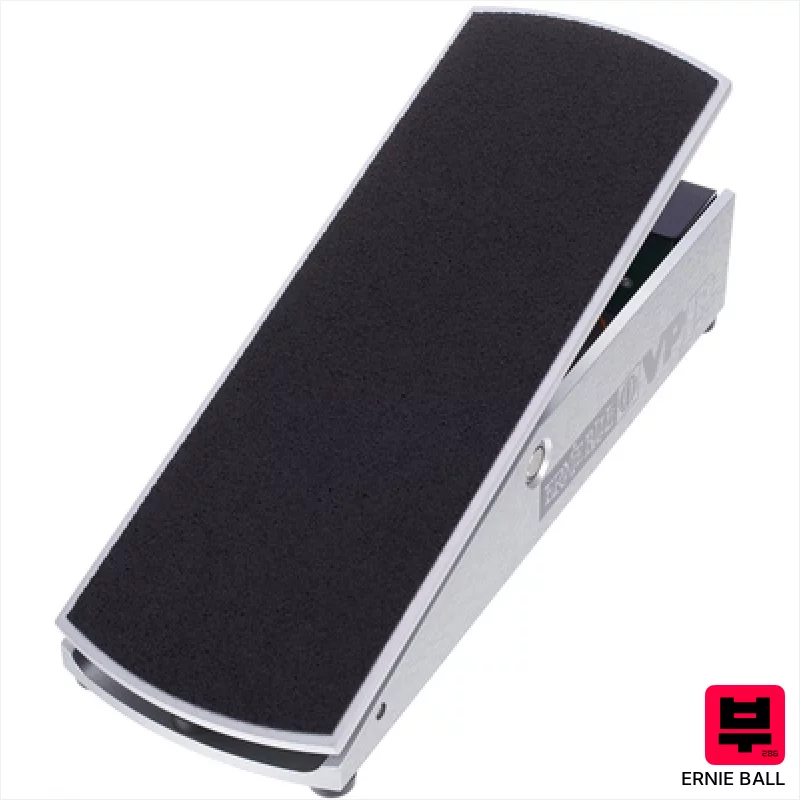
Ernie Ball EB6181 VP JR Volume Pedal
- • Robust construction using high-grade metal alloys ensures lasting durability.
- • Compact Junior size saves valuable pedalboard real estate without compromise.
- • 25k Ohm taper provides a smooth, predictable volume sweep for expressive control.
- • Excellent as a master volume in an amp’s FX loop, retaining clarity.
- • Premium-priced compared to some budget volume pedals, but justified by quality.
- • Limited functionality beyond volume control; lacks expression pedal versatility.
- • Mono output restricts stereo signal handling for certain advanced setups.
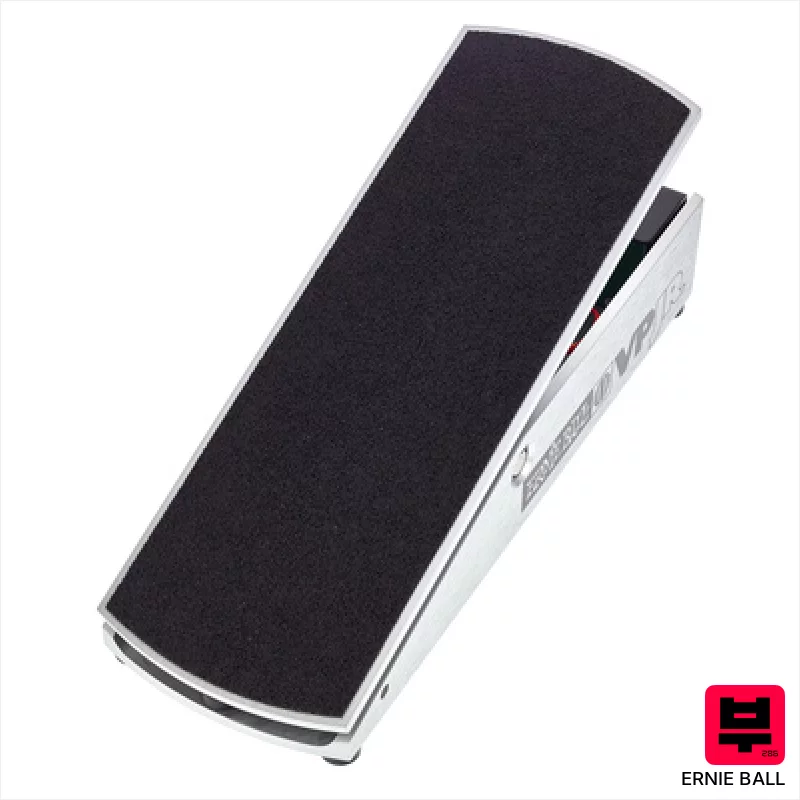
Ernie Ball EB6180 VP-JR
- • Robust die-cast housing ensures extreme durability for gigging musicians.
- • 250k Ohm potentiometer offers a smooth, musical volume swell.
- • Compact design saves valuable space on crowded pedalboards.
- • Ernie Ball’s renowned build quality guarantees long-term reliability.
- • The smaller size might feel slightly cramped for some players’ feet.
- • Limited taper options restrict tonal shaping versatility compared to pricier pedals.
- • Higher price point than entry-level volume pedals.
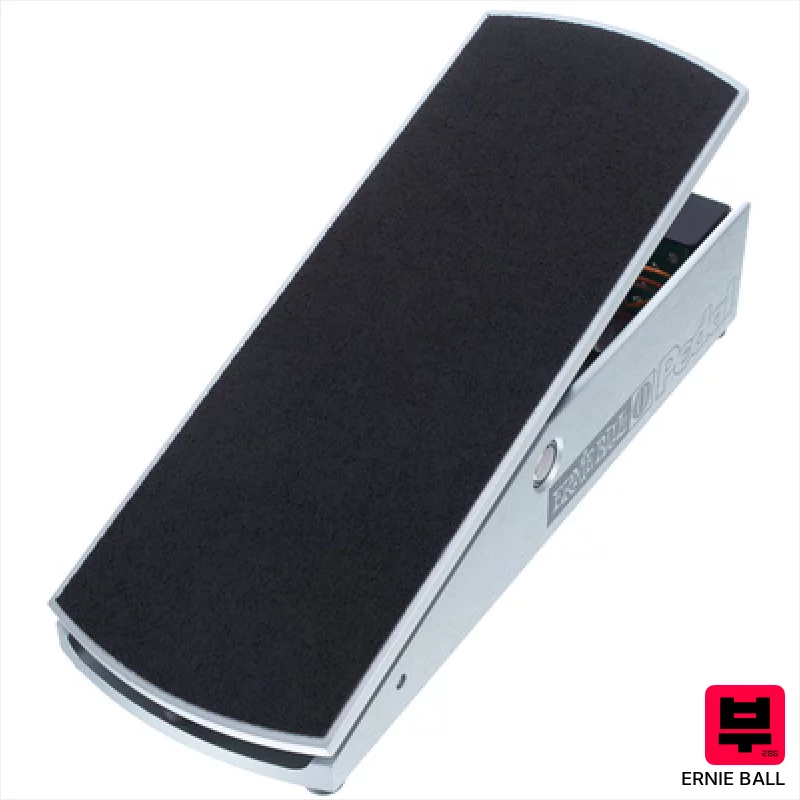
Ernie Ball EB6166
- • Robust die-cast housing provides excellent durability for stage use.
- • 250K Ohm potentiometer offers a smooth, responsive volume sweep.
- • Wide range of volume control, ideal for swells and dynamic effects.
- • Ernie Ball’s renowned quality ensures consistent performance and reliability.
- • Lack of minimum volume adjustment limits rhythmic switching versatility.
- • Slightly higher price point compared to budget volume pedals.
- • Larger footprint might be an issue for pedalboard space constraints.
Volume/Expression Pedals by the numbers
Measured across all 53 models in this category, so «wide», «short» or «expensive» mean something you can check.
How to Choose the Best Volume/Expression Pedals
Heritage & Design
Ernie Ball's background is in strings - they understand how subtle changes affect a player's feel. Their pedals often prioritize a simple, intuitive design, avoiding overly complex features. It's a 'plug and play' ethos that's appreciated by players who don't want to spend hours tweaking.
Tone Transparency
Ernie Ball pedals are generally known for being transparent. They're not going to color your signal with added gain or EQ-you want the pedal to get out of the way and let your guitar and amp shine. This is crucial when you're layering effects or trying to achieve a specific, nuanced tone.
Build Quality
The build is solid, generally. The housings are robust enough to handle gigging, though the internal components aren't always the absolute highest-end. You'll find pot quality is decent, but not boutique-level - meaning they might develop a bit of noise or looseness over years of heavy use.
Expression Pedal Range & Smoothness
Ernie Ball expression pedals offer a good range of motion, allowing for a wide range of effect sweeps. The taper is generally consistent, avoiding abrupt jumps in volume or effect depth. It's smooth enough for subtle swells and dramatic dives.
Foot Feel & Durability
The footswitch action is reliable and doesn't feel mushy. Ernie Ball pedals are designed to withstand the constant stomping of a gigging musician; however, the plastic casing can be prone to scuffs and scratches - purely cosmetic, but a consideration if you're a stickler for aesthetics.
Buying Guide
If you need a reliable volume or expression pedal that won't break the bank and won't significantly alter your tone, an Ernie Ball is a solid choice. Don't expect boutique-level components or a super-refined feel - you're paying for dependability and simplicity. The cheaper models might have a slightly less precise taper, so if you're chasing a truly surgical swell, consider stepping up to the higher-end offerings. Ultimately, they're a good, honest pedal for the working musician.
How This List Is Built
We don't play these instruments — we're a catalog, not a review desk, and we'd rather say so than pretend otherwise. This page covers 7 of 53 volume/expression pedals from the Thomann catalogue, which is the largest single source of specification data in this category: 7 in detail, the rest listed with their specifications.
Position is computed, not curated. We parse the manufacturer's own description into actual values — nut width, scale, fret count, fingerboard radius, size, alloy — and rank on them: how many specifications a model has published, how many of them are measurable numbers, and how precisely it meets this page's criterion. A product image adds a little. Price is not a ranking signal: it tells you nothing about whether a neck fits your hand. The same inputs always produce the same order, so nothing here is shuffled to look fresh.
What this list is good for: narrowing a category down to a shortlist by spec and budget. What it isn't: a substitute for hearing an instrument. Before you buy, read hands-on reviews and, where you can, play it. Full methodology.

