
Best Boss Volume/Expression Pedals 2026
Alright, let's talk about volume and expression pedals. They're not the flashiest gear, but a good one can elevate your playing from serviceable to truly expressive. Boss has been the go-to for a lot of players for decades, and for good reason. We're diving into the best Boss options, covering what makes them tick and whether they're worth the investment for your rig.
Last updated: July 22, 2026 • Next update: July 29, 2026
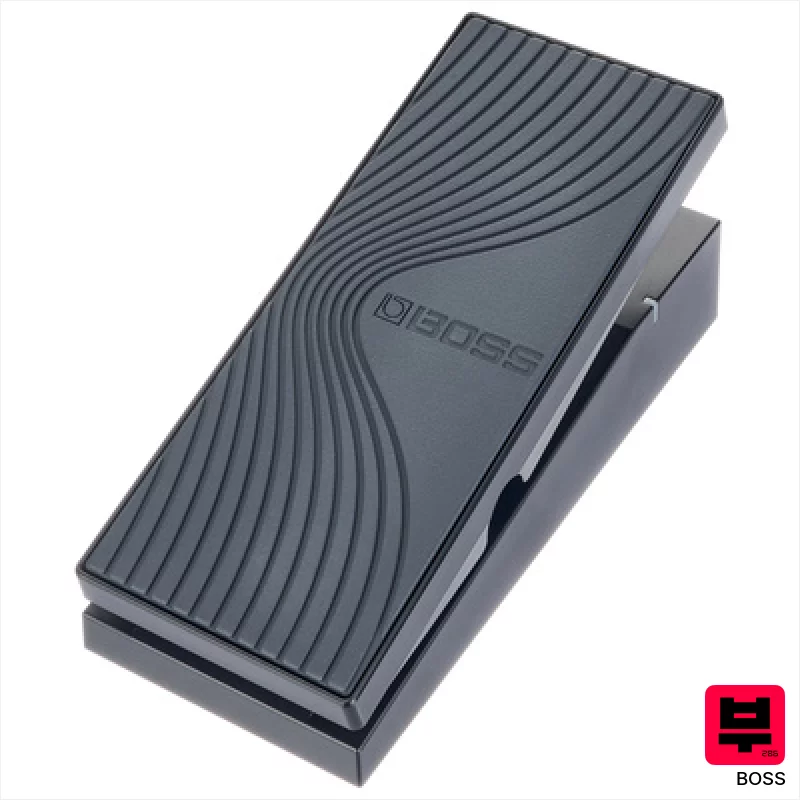
Boss EV-1-WL Wireless Expr. Pedal
- • Seamless wireless Eurus/Waza-Air integration simplifies synth guitar workflows.
- • Flexible MIDI control opens doors to diverse app and DAW integration.
- • Built-in footswitch adds convenient on/off functionality for expression control.
- • Intuitive iOS/Android app allows for precise response curve customization.
- • Limited standalone expression pedal functionality outside of Boss ecosystem.
- • Battery power demands could be a concern for extended performance use.
- • Price point places it at the higher end for expression pedals.

Boss FV-30L
- • Robust aluminum housing offers excellent protection during gigging.
- • Low impedance input handles keyboards and high-output effects cleanly.
- • Compact size saves valuable pedalboard real estate.
- • Boss reliability ensures consistent performance for years.
- • Linear taper isn't ideal for nuanced swells or wah-like effects.
- • The aluminum casing, while durable, can be slippery on some surfaces.
- • Limited features compared to more expensive, advanced volume pedals.
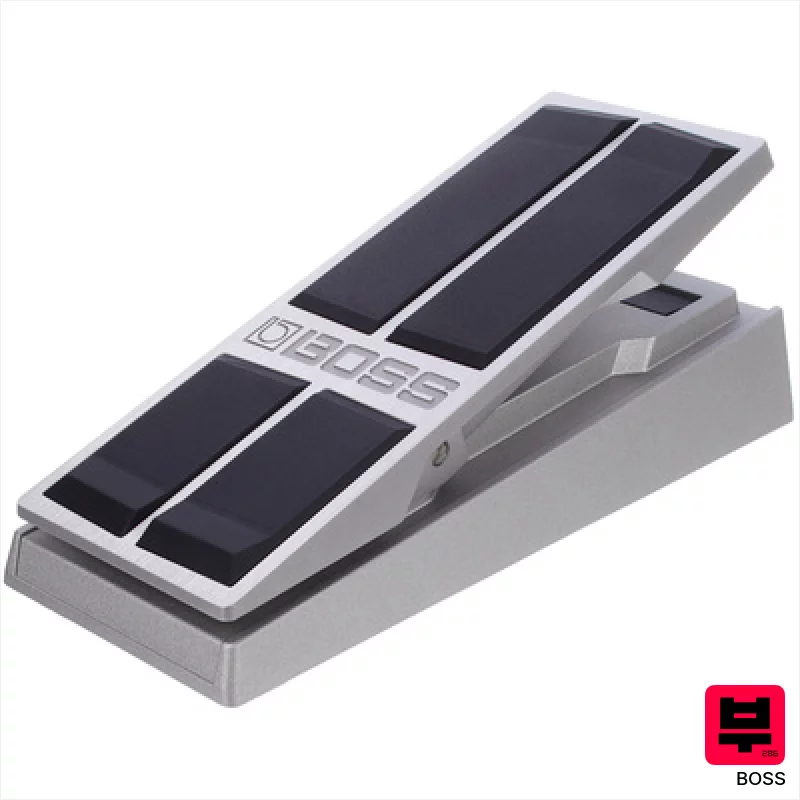
Boss FV-500-H
- • High impedance preserves signal integrity, crucial for nuanced amp interaction
- • Aluminum casing offers robust durability and a premium feel
- • Minimum knob allows for easy creation of rhythmic swells and fades
- • Tuner out provides silent tuning, a huge benefit for stage use
- • The aluminum casing can be slippery, especially with pedals stacked on top
- • The taper, while functional, isn’t as dramatic as some vintage volume pedals
- • Can be a bit bulky for smaller pedalboards, impacting space efficiency

Boss EV-30
- • Robust die-cast construction ensures lasting durability on stage.
- • Dual outputs allow for complex, layered expression control.
- • Polarity switch provides broad compatibility with various devices.
- • Compact size minimizes footprint on crowded pedalboards.
- • The plastic pedal faces can feel a little slippery underfoot.
- • Limited taper options restrict nuanced expression control.
- • 780g weight makes it a bit hefty for travel.
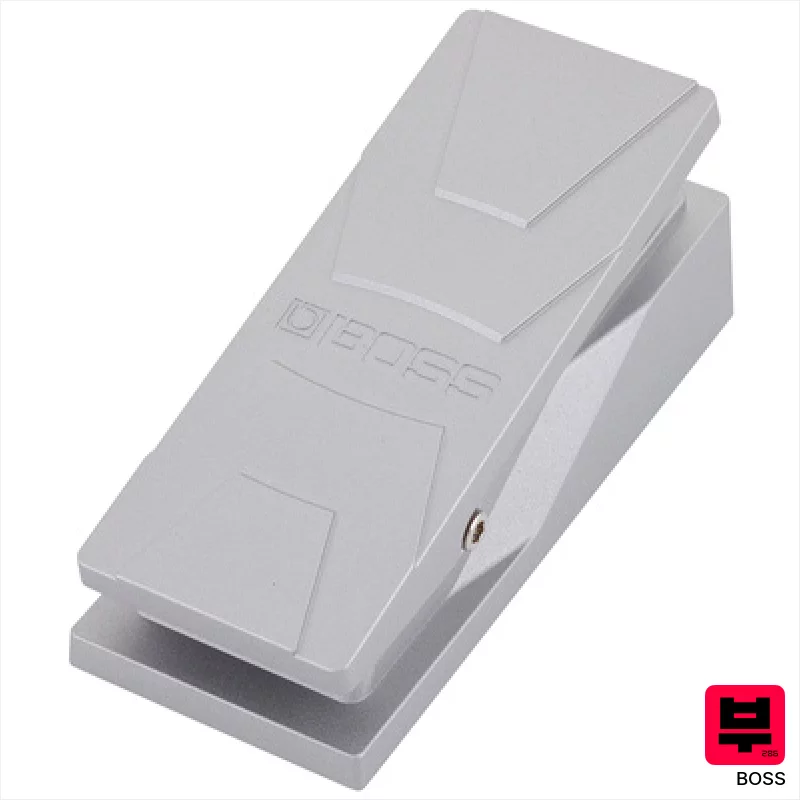
Boss FV-30H
- • Robust aluminum housing provides excellent protection during gigging.
- • High impedance input preserves signal integrity for darker, warmer tones.
- • Dedicated tuner output simplifies silent tuning without signal interruption.
- • Compact size minimizes pedalboard real estate, ideal for smaller setups.
- • The taper isn’t as pronounced as some audiophile-grade pedals.
- • Limited to mono operation; no stereo functionality available.
- • The minimum volume can be a little higher than some players prefer.
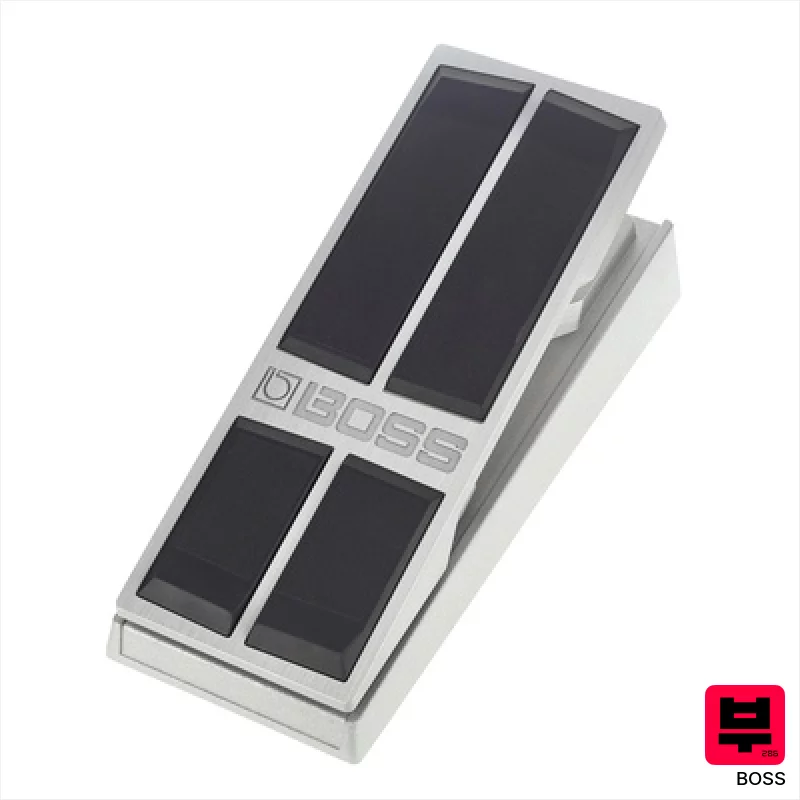
Boss FV-500-L
- • Robust aluminum housing provides excellent durability for gigging.
- • Low impedance circuitry minimizes signal loss for cleaner, quieter operation.
- • Flexible expression pedal input expands functionality beyond simple volume control.
- • Minimum volume control is a huge benefit for silent stage setups.
- • The tapered response can feel a bit abrupt for subtle swells; linear option would be preferable.
- • Size is a bit larger than some competing pedals, impacting pedalboard real estate.
- • The aluminum housing, while durable, can be a bit cold and less comfortable underfoot.

Boss FV-50L
- • Boss reliability ensures years of dependable volume swells
- • Stereo operation is genuinely useful for layered sounds
- • Tuner output is a convenient, space-saving addition
- • Compact size fits easily on most pedalboards without crowding
- • The taper feels a little less refined than higher-end pedals
- • Die-cast construction is solid, but the casing feels a little plasticky
- • Limited control beyond basic minimum volume adjustment

Boss FV-50H
- • High impedance input preserves signal clarity and dynamics
- • Dedicated tuner output simplifies signal routing for silent tuning
- • Robust plastic construction withstands gigging environments reliably
- • Compact size minimizes pedalboard real estate usage efficiently
- • Plastic housing, while durable, lacks the premium feel of metal options
- • Limited taper options restrict expressive volume swells subtly
- • Stereo operation may be overkill for mono guitar setups
How to Choose the Best Volume/Expression Pedals
Durability
Boss pedals are built like tanks, period. Years of gigging will attest to that - the footswitch feels solid, the enclosure is tough, and they just keep going. This isn't some flimsy plastic thing that's going to crack on your pedalboard.
Smoothness of Sweep
A jerky, uneven volume or expression sweep is a huge deal-breaker. Boss pedals generally offer a very smooth, consistent sweep, crucial for swells, tremolo effects, and just general dynamic control. Some models are smoother than others, though.
True Bypass
Most modern Boss pedals are true bypass, meaning they don't color your tone when disengaged. This is important for maintaining your amp's inherent character and avoiding unwanted noise when the pedal isn't active - especially crucial in a live band setting.
Expression Pedal Range
The depth of the expression pedal's range is vital. You need enough range to really manipulate the effect - too little, and you're just getting subtle changes; too much, and it's hard to dial in a usable sweet spot. Boss pedals generally offer a good, usable range.
Noise Floor
Even a subtle volume pedal can introduce noise into your signal chain. Boss pedals generally keep the noise floor remarkably low, a testament to their clean design - this is especially noticeable when recording clean tones or using high-gain amps.
Buying Guide
Don't expect a Boss volume pedal to magically transform your tone - it's a utility pedal. However, a cheap volume pedal can introduce noise or a scratchy feel that ruins a perfectly good clean tone. The FV-500R is the current top-tier offering and worth the money if you need a truly reliable, ultra-smooth expression pedal. For most players, the FV-5 is still a solid workhorse, but be aware that the pots can get a little scratchy over time and might need cleaning.
Our Methodology
We don't just stare at spec sheets here. These pedals have been through the ringer - plugged into everything from vintage Fender amps to modern high-gain heads, used in countless band rehearsals, and put through late-night recording sessions. We're A/B-ing them against other volume/expression pedals to see how they stack up in the real world, focusing on what matters: feel, dynamics, and how they interact with your signal.

