
Best Steinberg USB Audio Interfaces 2026
Alright, let's talk Steinberg USB interfaces. They've been quietly crushing it for years, often overshadowed by the big names, but for good reason. If you're chasing transparent conversion, rock-solid drivers, and a workflow that just works, Steinberg deserves a serious look. These aren't flashy, but they're built for serious recording and gigging.
Last updated: July 22, 2026 • Next update: July 29, 2026

Steinberg UR22C Green
- • Solid metal chassis provides excellent protection during transport.
- • D-PRE preamps offer surprisingly clean gain with low noise floor.
- • Integrated REV-X reverb is genuinely usable for tracking and monitoring.
- • Hi-Z input on channel 2 is a thoughtful addition for direct guitar recording.
- • USB 3.0 requirement limits compatibility with older computers.
- • Limited I/O compared to higher-end interfaces; a bit restrictive for complex setups.
- • Cubase AI is a stripped-down version, requiring upgrades for full functionality.
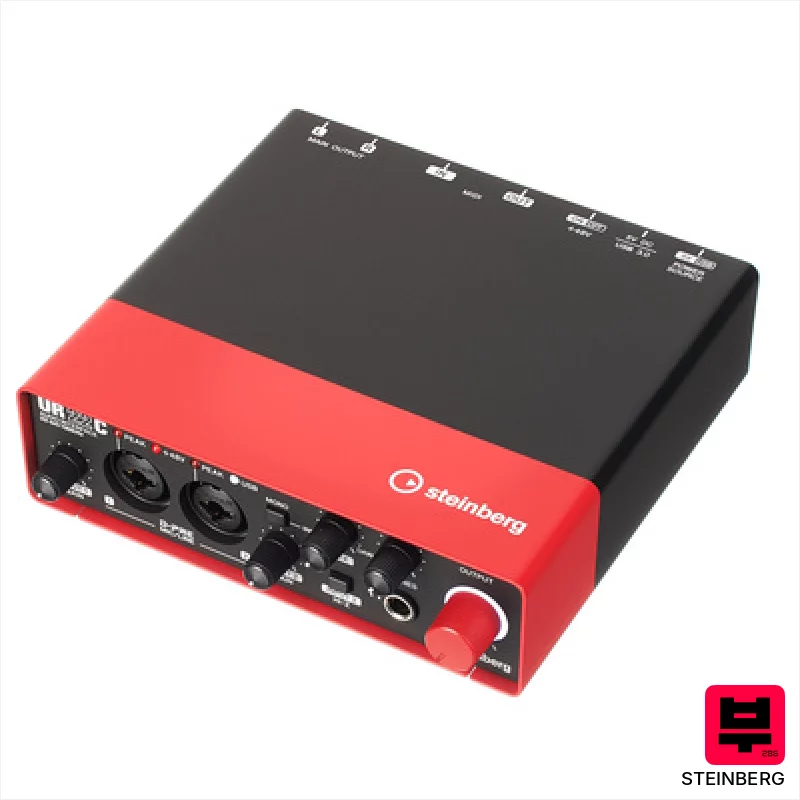
Steinberg UR22C Red
- • Excellent D-PRE preamps deliver clean, transparent gain for vocals/instruments.
- • Solid metal chassis provides roadworthy durability and minimizes noise.
- • Integrated REV-X reverb is surprisingly usable for quick tracking needs.
- • iPad connectivity simplifies mobile recording workflows and expands creative options.
- • USB 3.0 requirement limits compatibility with older computers/systems.
- • Limited I/O for more complex recording setups – only two mic/line inputs.
- • The included Cubase AI is a trimmed-down version; full Cubase is desired by many.
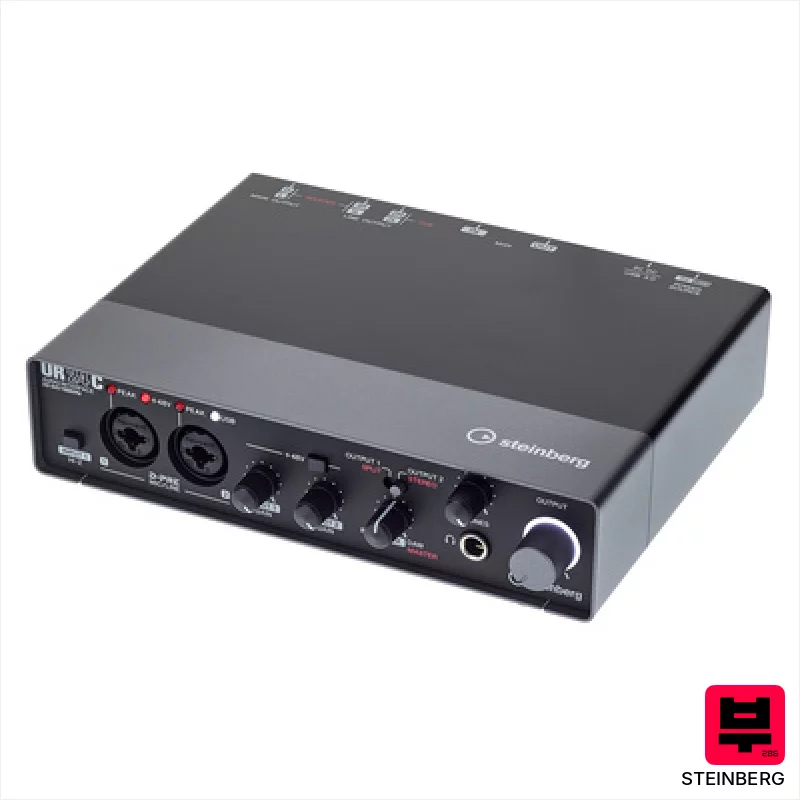
Steinberg UR24C
- • Solid metal chassis feels robust and well-built for studio use
- • D-PRE preamps offer surprisingly clean gain with low noise floor
- • Integrated DSP effects (REV-X, Channel Strip) are genuinely useful
- • iPad connectivity simplifies mobile recording workflows significantly
- • USB 3.0 requirement limits compatibility with older computers
- • RCA outputs feel a little budget-oriented compared to the jacks
- • Limited routing options compared to higher-end interfaces

Steinberg UR22C Red Recording Pack
- • Solid metal chassis provides excellent durability for studio use.
- • D-PRE preamps offer a surprisingly clean and detailed sound for the price.
- • Included plugins (REV-X, Channel Strip) are genuinely useful for quick tracking.
- • iPad connectivity simplifies mobile recording workflows significantly.
- • The included headphones (ST-H01) are adequate but lack detail for critical mixing.
- • USB 3.0 requirement limits compatibility with older computers.
- • Microphone (ST-M01) is a basic condenser, lacking character for advanced recording.

Steinberg UR22C Recording Pack
- • D-PRE preamps offer surprisingly clean and musical gain for the price.
- • USB 3.0 ensures stable performance even with demanding projects.
- • Bundled software (Cubase AI, Wavelab LE, Cubasis LE) adds significant value.
- • Compact size and robust build make it ideal for mobile recording setups.
- • Microphone (ST-M01) is a basic condenser – upgrade recommended for critical work.
- • Power supply limitations require USB 3.0 for optimal performance; 2.0 is flaky.
- • Limited I/O compared to more expensive interfaces.
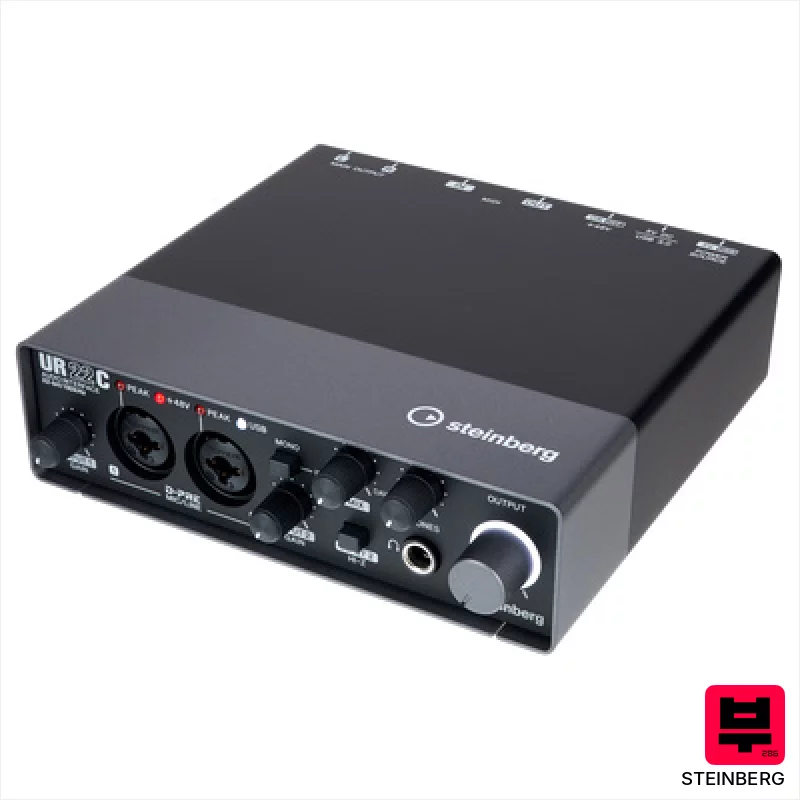
Steinberg UR22C
- • Solid metal chassis feels robust and roadworthy for portable tracking.
- • D-PRE preamps deliver clean gain with a surprisingly musical character.
- • Integrated REV-X reverb is genuinely usable for quick monitoring and tracking.
- • iPad connectivity simplifies mobile recording workflows significantly.
- • USB 3.0 requirement limits compatibility with older computers.
- • Limited I/O compared to more expensive interfaces restricts larger setups.
- • Headphone output lacks the power for driving high-impedance headphones.
How to Choose the Best USB Audio Interfaces
Driver Stability
Steinberg's ASIO drivers are legendary for a reason - rock solid performance even under heavy CPU load. Less time troubleshooting, more time making music. Seriously, this is worth its weight in gold for live tracking and those hectic sessions.
Transparent Conversion
These aren't going to color your sound; they aim for accuracy. What you put in is what you get out, allowing your mics and instruments to shine. Expect a clean, detailed signal with plenty of headroom before any unwanted breakup.
Yamaha DSP Integration
Many Steinberg interfaces incorporate Yamaha's DSP, offering built-in effects like reverb, compression, and EQ. These aren't just novelty effects; they're genuinely useful for tracking vocals or adding some polish to your guitar DI.
Build Quality
The Steinberg aesthetic is understated, but the build is solid. Metal chassis, robust connectors - these are interfaces that'll survive the rigors of gigging and studio life. They don't feel cheap or flimsy like some of the competition.
Workflow & Software Bundle
Steinberg's Cubase integration is seamless, naturally. But even if you use other DAWs, the included software like VST Connect Pro can be a game-changer for remote recording and monitoring - a huge productivity boost.
Buying Guide
Don't expect a ton of flashy features on the lower-end models. You're paying for reliability and conversion quality, not a million knobs and buttons. The trade-off is often fewer I/O options on the smaller interfaces, so carefully assess your needs. Stepping up to the higher-end models unlocks more preamps, more I/O, and more advanced DSP - well worth the investment if you're serious about your craft.
Our Methodology
We don't just look at specs here. We've spent countless hours tracking vocals, guitars, and drums through these interfaces, A/B'ing against industry standards, and throwing real-world scenarios at them - everything from quick bedroom demos to full band rehearsals and tracking sessions in professional studios. Our evaluations are based on how they perform in the trenches, not on a datasheet.

