AudioFu
AudioFu Chart · October 2026
Best USB Audio Interfaces for Professional 2026
The top pick is Prism Sound Atlas 8-Channel USB AD Converter ($5,145). RME Fireface UFX II USB Interface gives you the most for the money at $2,602. Ranked by the AudioFu Index from 206 models across 55 brands, prices checked every night.
Last updated: October 14, 2026
Top 10
Full detail for the 10 highest AudioFu Index scores. Every other model is listed below.
-
Prism Sound Atlas 8-Channel USB AD Converter
Atlas · Prism Sound
5 for sale on Reverb1 finish at Thomann
- Size19"
- Weight5 kg
The Atlas is a serious piece of kit, no doubt. It's designed for professional studios and engineers needing pristine audio quality and flexible routing options. If you demand the absolute best in conversion and have the budget to match, this interface is a game-changer.
Pros
- Titanium preamps deliver exceptionally clean, low-noise gain stages
- MDIO expansion unlocks serious flexibility for large-scale recording setups
- Prism Sound’s Overkiller provides unique, musical dynamic control
Cons
- High-end price point puts it out of reach for many home studios
- USB 2.0 connection limits bandwidth for demanding, high-channel-count workflows
45AudioFu
Index↑ 15.0%since Aug 14$4,474 · Aug 14$5,145 now$5,145€4,599 at Thomann · in stockCheck price ↗ -
- Weight9 kg
This interface packs ten inputs into a single unit, making it great for recording bands or large setups. It uses special Neve transformers in the preamps to give that classic warm microphone sound you hear on old records. However, the unit is quite heavy to carry, and the monitor section is limited compared to full mixing desks.
Pros
- Ten channels of audio capture in one box
- Built with Neve Marinair transformers for warm sound
- Includes two dedicated preamps with EQ circuits
Cons
- Heavy at nine kilograms to move around
- Lacks a dedicated stereo line output for monitors
45AudioFu
IndexStableno change since Aug 17Aug 17$4,922 now$4,922€4,399 at Thomann · in stockCheck price ↗ -
Prism Sound Titan 8-Channel USB AD Converter
Titan · Prism Sound
6 for sale on Reverb1 finish at Thomann
- Size19"
- Weight3.7 kg
The Prism Sound Titan is a serious piece of kit—it’s all about sonic purity. It’s perfect for engineers, producers, and musicians who demand the absolute best in audio conversion, especially those working in classical, jazz, or any genre where subtle nuances are critical. The build is rock solid and the flexibility is excellent.
Pros
- Exceptional Prism Sound conversion delivers pristine, transparent audio quality
- Robust, aerospace-grade aluminum chassis exudes professional build quality
- Flexible I/O options—optical, coaxial, ADAT—maximize studio connectivity
Cons
- Premium-priced, representing a significant investment for most home studios
- USB 2.0 interface limits bandwidth compared to newer USB standards
53AudioFu
IndexStableno change since Aug 14Aug 14$4,250 now$4,250€3,799 at Thomann · in stockCheck price ↗ -
- Weight3.1 kg
The Orion Studio SC is a powerhouse for serious recording and mixing engineers. It’s packed with Antelope’s renowned preamps and the Synergy Core effects engine, making it a fantastic choice if you're diving into immersive audio or need pristine, low-noise recording with incredible processing capabilities. Just be prepared for a bit of a learning curve – this is a complex machine.
Pros
- Exceptional mic preamps deliver clean gain with Antelope's signature warmth.
- Synergy Core effects offer incredible real-time processing power and flexibility.
- Immersive audio capabilities are genuinely useful for modern mixing workflows.
Cons
- High-end price point puts it out of reach for many home studios.
- USB connectivity limits bandwidth compared to Thunderbolt, impacting larger projects.
45AudioFu
Index↓ 7.1%since Aug 14 · lowest so far$3,915 · Aug 14$3,635 now$3,635€3,249 at Thomann · in stockCheck price ↗ -
- Weight3.8 kg
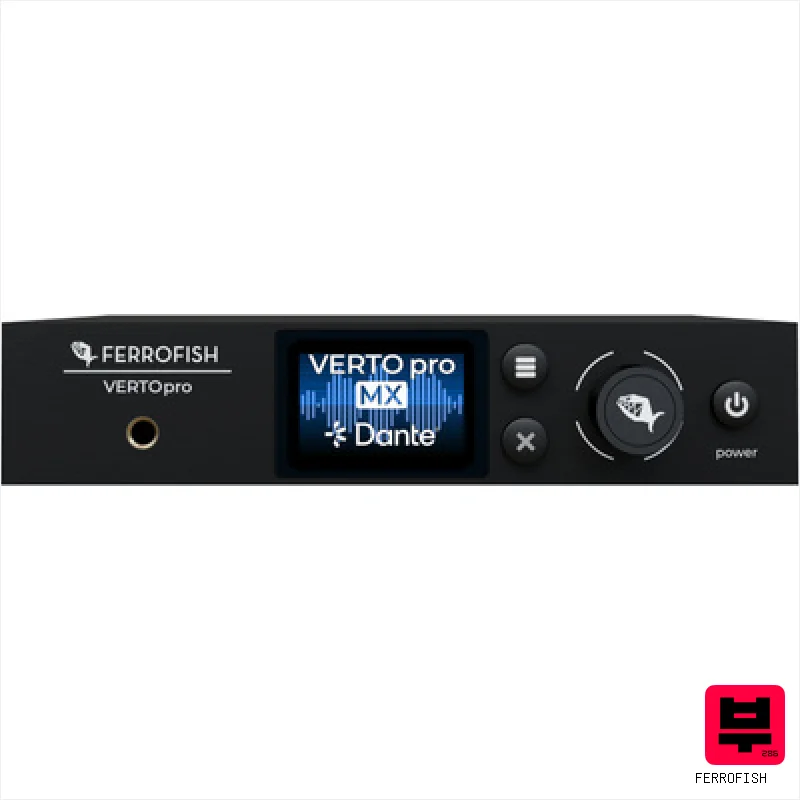
This interface runs two computers together so your show never stops if one fails. It handles huge Dante networks and gives you four great mic preamps. It is a solid choice for live bands needing backup systems, though it is heavy and lacks built-in effects.
Pros
- Handles two computers at once for zero downtime.
- Built with Dante networking for huge live venues.
- Four preamps with phantom power for mics.
Cons
- Heavy unit for smaller stage setups.
- No built-in digital effects processors.
45AudioFu
IndexStableno change since Oct 14Oct 14$3,579 now$3,579€3,199 at Thomann · in stockCheck price ↗ -
Audient ORIA USB Immersive Audio Interface and Monitor Controller
ORIA · Audient
21 for sale on Reverb1 finish at Thomann
- Size19"
The Audient ORIA is a seriously impressive interface for those diving deep into immersive audio production. Its clean preamps, vast connectivity, and built-in calibration tools make it a powerhouse for film composers, game audio engineers, and anyone needing precise monitoring and flexible routing – just be prepared for a significant investment and a bit of space required.
Pros
- Exceptional dynamic range (122dB) minimizes noise floor for pristine recordings.
- Audient's renowned preamps deliver transparent, musical gain with excellent headroom.
- Integrated Sonarworks calibration simplifies room correction for accurate monitoring.
Cons
- Premium-priced, making it inaccessible to many home recording setups.
- USB 2.0 connection limits bandwidth, potentially impacting latency with extensive routing.
62AudioFu
Index↓ 7.7%since Aug 14 · lowest so far$3,490 · Aug 14$3,221 now$3,221€2,879 at Thomann · in stockCheck price ↗ -
- Size19"
- Weight2.7 kg
The ULN-8 mkIV is a serious workhorse for engineers and producers needing pristine conversion and flexible routing. Metric Halo's DSP is a game-changer, letting you offload processing and keep your DAW clean. It’s ideal for larger studios or anyone demanding top-tier audio performance and a rock-solid, expandable system.
Pros
- Exceptional preamp clarity; reveals subtle details in sources.
- MH-Link offers unparalleled flexibility and routing capabilities.
- Robust, rack-mountable build quality; feels incredibly solid.
Cons
- Premium-priced, a significant investment for smaller studios.
- Sub-D25 connectors can be intimidating for some users.
42AudioFu
Index↑ 9.5%since Aug 14$3,064 · Aug 14$3,355 now$3,355€2,999 at Thomann · in stockCheck price ↗ -
Antelope Audio Orion Studio Synergy Core Thunderbolt Audio Interface…
Orion Studio SC Stereo Bundle · Antelope
18 for sale on Reverb1 finish at Thomann
- Weight3.1 kg
The Orion Studio SC is a serious beast – a no-compromise interface for studios wanting integrated effects and pristine conversion. It’s a fantastic option for producers, mixing engineers, and anyone diving into immersive audio, but be ready to invest the time to truly unlock its potential. It’s a premium-priced investment, but the quality and processing power are undeniable.
Pros
- Exceptional clocking provides noticeably tighter, more defined transients.
- Synergy Core effects offer genuine, high-quality processing power.
- Discrete mic preamps deliver clean gain with a pleasing, musical character.
Cons
- The sheer number of features demands a significant learning curve for new users.
- Thunderbolt 3/USB 2.0 combo limits maximum performance potential.
32AudioFu
Index↑ 7.3%since Aug 14$3,076 · Aug 14$3,299 now$3,299€2,949 at Thomann · in stockCheck price ↗ -
- Size9.5"
This is a powerful digital bridge for huge studio setups. It handles many channels at high speeds without lag, thanks to its Dante tech. But since it has no built-in preamps, you still need your own analog gear to get sound in. It fits big projects that need reliable, fast network audio.
Pros
- Supports massive 192-channel Dante networks instantly
- Includes redundant power options via PoE or USB
- Offers ultra-low 0.25ms network latency for live work
Cons
- Lacks analog preamps so you need external gear
- No dedicated analog inputs to record directly into it
42AudioFu
IndexStableno change since Aug 17Aug 17$3,053 now$3,053€2,729 at Thomann · in stockCheck price ↗ -
- Size19"
- Weight2.8 kg
The UFX III is a powerhouse interface for serious recording and mixing engineers. Its rock-solid stability, extensive I/O, and the TotalMix FX routing capabilities make it an absolute workhorse for complex projects. If you're running a professional studio or need unparalleled flexibility, this is a top-tier choice.
Pros
- AKM converters deliver exceptional clarity and dynamic range.
- DURec eliminates dropouts during critical recording moments.
- TotalMix FX provides unparalleled routing and mixing flexibility.
Cons
- The substantial weight makes rack mounting a necessity, not an option.
- Premium-priced, representing a significant investment for smaller studios.
75AudioFu
Index↓ 3.0%since Aug 14 · lowest so far$2,684 · Aug 14$2,602 now$2,602€2,326 at Thomann · in stockCheck price ↗
All 206 USB audio interfaces
Same index, same nightly prices — compact. Colour options of one model share a row. Tap a photo to zoom.
- 11
Prism Sound Lyra 2 USB Audio InterfaceLyra 2 · Prism Sound45↑ 8.7%$2,796€2,499$2,796€2,499Check ↗
- 12
Metric Halo LIO-8 mkIVMetric Halo42↑ 10.6%$2,684€2,399$2,684€2,399Check ↗
- 13
Focusrite ISA C8X Sonnox ISA EliteFocusrite · 2 finishes45↓ 5.2%$2,650€2,369$2,650€2,369Check ↗
- 14
Apogee Symphony Studio 2x12Apogee42↓ 3.5%$2,438€2,179$2,438€2,179Check ↗
- 15
RME MADIface USB 128-Channel MADI USB InterfaceMadiface XT II · RME · 2 finishes62↓ 7.1%$2,181€1,949$2,181€1,949Check ↗
- 16
Focusrite ISA C8X USB-C Audio InterfaceISA C8X · Focusrite71↓ 6.5%$2,091€1,869$2,091€1,869Check ↗
- 17
RME Digiface Ravenna Dante USB InterfaceDigiface Ravenna · RME42↓ 3.5%$2,158€1,929$2,158€1,929Check ↗
- 18
Neumann MT48 4-Channel USB-C Audio InterfaceMT 48 U · Neumann53Stable$2,013€1,799$2,013€1,799Check ↗
- 19
RME Hammerfall DSP Digiface Digital I/O For HDSP CardsDigiface AES · RME · 3 finishes62↓ 8.1%$1,901€1,699$1,901€1,699Check ↗
- 20
RME Fireface 802 FS USB Audio InterfaceFireface 802 FS AE · RME · 2 finishes76↓ 13.5%$1,789€1,599$1,789€1,599Check ↗
- 21
MOTU 848 USB-C / Thunderbolt Audio Interface848 · MOTU49↓ 7.3%$1,950€1,743$1,950€1,743Check ↗
- 22
MOTU 16A (2025)MOTU42↑ 1.9%$1,995€1,783$1,995€1,783Check ↗
- 23
MOTU 10preMOTU35Stable$1,923€1,719$1,923€1,719Check ↗
- 24
Sound Devices MixPre-6 II Orca Bag BundleSound Devices23Stable$1,677€1,499$1,677€1,499Check ↗
- 25
Black Lion Audio Revolution 14x16Black Lion Audio46↓ 13.5%$1,431€1,279$1,431€1,279Check ↗
- 26
Arturia AudioFuse 16Rig USB Audio InterfaceAudioFuse 16Rig · Arturia74↓ 5.1%$1,221€1,091$1,221€1,091Check ↗
- 27
Antelope Audio Discrete 8 Synergy Core Thunderbolt / USB Audio…Discrete 8 Oryx Synergy Core · Antelope56Stable$1,341€1,199$1,341€1,199Check ↗
- 28
RME Digiface Dante USB Audio InterfaceDigiface Dante · RME45↓ 4.7%$1,374€1,228$1,374€1,228Check ↗
- 29
Neve 88MNeve40Stable$1,330€1,189$1,330€1,189Check ↗
- 30
MOTU 828 (2024)MOTU43Stable$1,286€1,149$1,286€1,149Check ↗
- 31
iConnectivity PlayAUDIO1UiConnectivity42↓ 5.1%$1,279€1,143$1,279€1,143Check ↗
- 32
freqport FreqInOut FO1_2RKfreqport39Stable$1,286€1,149$1,286€1,149Check ↗
- 33
Arturia AudioFuse Studio Rev2Arturia44↓ 1.0%$1,095€979$1,095€979Check ↗
- 34
MOTU OctaLiteMOTU44↓ 2.5%$1,057€945$1,057€945Check ↗
- 35
Focusrite Scarlett 18i20 4th Gen USB Audio InterfaceScarlett 18i20 4th Gen · Focusrite81↓ 7.7%$715€639$715€639Check ↗
- 36
Focusrite Scarlett 16i16 4th Gen USB Audio InterfaceScarlett 16i16 4th Gen · Focusrite75↓ 8.9%$379€339$379€339Check ↗
- 37
IK Multimedia AXE I/O USB Audio InterfaceAXE I/O · IK Multimedia81↓ 16.3%$304€272$304€272Check ↗
- 38
Yamaha URX44C USB-C Audio InterfaceURX44 WH · Yamaha · 4 finishes73Stable$525€469$525€469Check ↗
- 39
Focusrite Scarlett 18i16 4th Gen USB Audio InterfaceScarlett 18i16 4th Gen · Focusrite70↓ 1.2%$536€479$536€479Check ↗
- 40
Focusrite Clarett+ 4Pre USB-C Audio InterfaceClarett+ 4Pre · Focusrite70↓ 6.5%$581€519$581€519Check ↗
- 41
Yamaha URX22C USB-C Audio InterfaceURX22 WH · Yamaha · 3 finishes69Stable$413€369$413€369Check ↗
- 42
Focusrite Clarett+ 8Pre USB-C Audio InterfaceClarett+ 8Pre · Focusrite69↑ 10.3%$961€859$961€859Check ↗
- 43
TASCAM Mixcast 4 Digital Audio WorkstationMixcast 4 · Tascam67↓ 8.1%$468€418$468€418Check ↗
- 44
Arturia AudioFuse Studio USB-C Audio InterfaceAudioFuse Studio · Arturia67↓ 10.1%$894€799$894€799Check ↗
- 45
Audient EVO 16 USB Audio InterfaceEVO 16 · Audient66↓ 10.0%$502€449$502€449Check ↗
- 46
Focusrite Scarlett 2i2 4th Gen USB Audio Interface Studio BundleScarlett 2i2 Studio 4th Gen. · Focusrite67↑ 10.8%$346€309$346€309Check ↗
- 47
Focusrite Clarett+ 2Pre USB-C Audio InterfaceClarett+ 2Pre · Focusrite63↑ 15.0%$514€459$514€459Check ↗
- 48
Apogee Duet 3 USB-C Audio InterfaceDuet 3 · Apogee63↓ 10.8%$648€579$648€579Check ↗
- 49
MOTU M6 6-Channel USB-C Audio InterfaceM6 · MOTU62↓ 7.7%$525€469$525€469Check ↗
- 50
Audient iD44 MkII USB Audio InterfaceiD44 MKII · Audient62↓ 6.1%$566€506$566€506Check ↗
- 51
Audient iD48 USB Audio InterfaceiD48 · Audient62↓ 6.8%$926€828$926€828Check ↗
- 52
Audient iD24 USB-C Audio InterfaceiD24 · Audient61↓ 1.2%$357€319$357€319Check ↗
- 53
Yamaha AG08 8 Channel Analog MixerAG08 BL · Yamaha · 2 finishes61↓ 3.3%$497€444$497€444Check ↗
- 54
Arturia MiniFuse 2 USB-C Audio InterfaceMiniFuse 2 OTG · Arturia · 3 finishes84↓ 6.9%$181€162$181€162Check ↗
- 55
Fender Studio Quantum HD2 USB-C Audio InterfaceQuantum HD2 · Fender Studio59↓ 6.4%$491€439$491€439Check ↗
- 56
Antelope Audio Zen Quadro Synergy Core USB-C Audio InterfaceZen Quadro Synergy Core · Antelope58↓ 4.2%$670€599$670€599Check ↗
- 57
Universal Audio Volt 4 Gen 2 USB-C Audio Interface 2026Volt 4P Max · Universal Audio · 3 finishes57Stable$558€499$558€499Check ↗
- 58
Black Lion Audio Revolution 6x6 USB-C Audio InterfaceRevolution 6x6 · Black Lion Audio57↓ 15.3%$558€499$558€499Check ↗
- 59
Arturia MiniFuse 4 USB-C Audio InterfaceMiniFuse 4 Black · Arturia · 2 finishes78↓ 8.5%$204€182$204€182Check ↗
- 60
ART TUBEMIX 5-Channel Mixer with USB Interface and Assignable 12AX7…TubeMix · ART56Stable$514€459$514€459Check ↗
- 61
Universal Audio Apollo Twin X Duo Heritage Edition USB 3.0 Audio…Apollo Twin X USB Heritage · Universal Audio56Stable$1,006€899$1,006€899Check ↗
- 62
Focusrite Scarlett Solo 4th Gen USB Audio Interface Studio BundleScarlett Solo Studio 4th Gen. · Focusrite67↑ 6.0%$279€249$279€249Check ↗
- 63
Reloop Flux 3-channel 6x6 DVS InterfaceFlux · Reloop55↓ 5.1%$413€369$413€369Check ↗
- 64
Universal Audio Apollo Solo Heritage Edition Thunderbolt 3 Audio…Apollo Solo USB Heritage Ed. · Universal Audio55↑ 31.7%$670€599$670€599Check ↗
- 65
Universal Audio Volt 876 USB Recording StudioUniversal Audio52Stable$978€874$978€874Check ↗
- 66
Black Lion Audio Revolution 2x2 USB Type-C Audio InterfaceRevolution 2x2 · Black Lion Audio55Stable$323€289$323€289Check ↗
- 67
Universal Audio Volt 476P USB Recording StudioUniversal Audio · 2 finishes50↓ 1.7%$458€409$458€409Check ↗
- 68
MOTU M4 USB-C Audio InterfaceM4 · MOTU54↓ 3.0%$323€289$323€289Check ↗
- 69
Roland Bridge Cast XRoland49↓ 15.8%$423€378$423€378Check ↗
- 70
MOTU UltraLite-mk5 USB-C Audio InterfaceUltraLite mk5 · MOTU49↓ 3.1%$828€740$828€740Check ↗
- 71
IK Multimedia AXE I/O+AmpliTube5+Tonex MAXIK Multimedia48↓ 10.1%$397€355$397€355Check ↗
- 72
Yamaha AG06 MKII 6 Channel Analog MixerAG06 MK2 WH · Yamaha · 2 finishes65Stable$223€199$223€199Check ↗
- 73
Audient EVO 8 USB Audio InterfaceEVO 8 · Audient69↓ 11.8%$192€172$192€172Check ↗
- 74
Lewitt Connect 6 USB-C Audio InterfaceConnect 6 · Lewitt56↑ 2.5%$274€245$274€245Check ↗
- 75
SSL 2+ MKIISSL · 2 finishes48↓ 1.3%$330€295$330€295Check ↗
- 76
Roland GO:MIXER STUDIO USB-C Audio InterfaceGO:MIXER Studio · Roland50Stable$312€279$312€279Check ↗
- 77
SSL 18SSL43↓ 2.2%$1,027€918$1,027€918Check ↗
- 78
Universal Audio Volt 2 MaxUniversal Audio · 3 finishes46Stable$335€299$335€299Check ↗
- 79
Mackie MainStream USB-C Streaming Audio InterfaceMainStream · Mackie57↓ 8.0%$256€229$256€229Check ↗
- 80
Audient iD14 MKII USB-C Audio InterfaceiD14 MKII · Audient59↓ 1.4%$239€214$239€214Check ↗
- 81
Yamaha AG03 MKII 3 Channel Analog MixerAG03 MK2 WH · Yamaha · 2 finishes64↑ 13.4%$189€169$189€169Check ↗
- 82
Tascam US-16x08 USB Audio InterfaceUS-16x08 · Tascam39↑ 4.7%$397€355$397€355Check ↗
- 83
TASCAM Mixcast 4 Digital Audio WorkstationMixcast 4 Bag Bundle · Tascam39↓ 5.8%$543€485$543€485Check ↗
- 84
Shure SM4 Large Diaphragm Cardioid Condenser MicrophoneSM4 Bundle · Shure38↓ 9.9%$408€365$408€365Check ↗
- 85
SSL 12SSL38↓ 8.1%$408€365$408€365Check ↗
- 86
Bitwig Connect 4/12Bitwig38Stable$547€489$547€489Check ↗
- 87
Harrison Audio Flex-10Harrison Audio38Stable$704€629$704€629Check ↗
- 88
RME Babyface Pro FSRME38↓ 2.7%$811€725$811€725Check ↗
- 89
TASCAM Series 102i USB Audio InterfaceSeries 102i · Tascam60↓ 23.6%$196€175$196€175Check ↗
- 90
Heritage Audio i73 Pro EdgeHeritage Audio37↓ 15.3%$947€846$947€846Check ↗
- 91
MOTU M2 USB-C Audio InterfaceM2 · MOTU50↑ 3.1%$264€236$264€236Check ↗
- 92
TC-Helicon Go XLR-WHTC-Helicon43↓ 15.5%$311€278$311€278Check ↗
- 93
Antelope Zenith 2Antelope41Stable$323€289$323€289Check ↗
- 94
Audient iD4 MKII USB-C Audio InterfaceiD4 MKII · Audient63↓ 3.3%$167€149$167€149Check ↗
- 95
Focusrite Scarlett 2i2 4th Gen. Mic BundFocusrite45Stable$290€259$290€259Check ↗
- 96
Roland Rubix 44 4x4 USB Audio InterfaceRubix44 · Roland46↑ 13.7%$279€249$279€249Check ↗
- 97
Universal Audio Volt 276 USB Recording StudioUniversal Audio45↓ 1.2%$283€253$283€253Check ↗
- 98
freqport FreqInOut FO1freqport34↓ 5.1%$625€559$625€559Check ↗
- 99
Arturia MiniFuse 2 Recording PackMiniFuse Recording Pack White · Arturia · 2 finishes38Stable$323€289$323€289Check ↗
- 100
Reloop Flux 3-channel 6x6 DVS InterfaceFlux Bag Bundle · Reloop33↓ 5.0%$430€384$430€384Check ↗
- 101
Reloop Flux 3-channel 6x6 DVS InterfaceFlux Case Bundle · Reloop33↓ 4.9%$435€389$435€389Check ↗
- 102
ART TUBEMIX 5-Channel Mixer with USB Interface and Assignable 12AX7…TubeMix Case Bundle · ART33Stable$557€498$557€498Check ↗
- 103
Apogee Jam X USB Audio InterfaceJam X · Apogee51↑ 5.3%$223€199$223€199Check ↗
- 104
Audiowerkzeug DiGI MK3Audiowerkzeug32Stable$368€329$368€329Check ↗
- 105
Audiowerkzeug CoDi MK3Audiowerkzeug32Stable$368€329$368€329Check ↗
- 106
Roland Rubix24 2x4 USB Audio InterfaceRubix24 · Roland50↑ 11.2%$223€199$223€199Check ↗
- 107
Korg microAUDIO 722 USB-C Audio InterfacemicroAUDIO 722 · Korg45Stable$256€229$256€229Check ↗
- 108
Electro Harmonix Effects Interface Hardw.PlugInElectro Harmonix35↓ 9.4%$323€289$323€289Check ↗
- 109
Audiosigma MikeHero DSPAudiosigma30Stable$357€319$357€319Check ↗
- 110
EVO 16 Rack BundleEVO30↓ 9.2%$517€462$517€462Check ↗
- 111
Modular Audio Tools MAT 16X8Modular Audio Tools30Stable$536€479$536€479Check ↗
- 112
Yellowtec PUC2 LiteYellowtec30Stable$536€479$536€479Check ↗
- 113
Focusrite Scarlett 8i6 3rd Gen USB Audio InterfaceScarlett 8i6 3rd Gen · Focusrite52Stable$200€179$200€179Check ↗
- 114
Korg microAUDIO 22 USB-C Audio InterfacemicroAUDIO 22 · Korg52Stable$195€174$195€174Check ↗
- 115
TASCAM US-4X4HR High Resolution USB Audio InterfaceUS-4x4HR · Tascam44Stable$237€212$237€212Check ↗
- 116
SSL 12 Decksaver BundleSSL27↓ 5.6%$453€405$453€405Check ↗
- 117
Focusrite Scarlett 4i4 4th GenerationFocusrite31↑ 20.3%$319€285$319€285Check ↗
- 118
Blackstar Polar 2 USB Audio InterfacePolar 2 WT · Blackstar52↓ 11.8%$167€149$167€149Check ↗
- 119
Behringer Xenyx CONTROL2USB Studio Monitor ControllerStudio L · Behringer55↓ 7.2%$144€129$144€129Check ↗
- 120
Roland Rubix 22 2x2 USB Audio InterfaceRubix22 · Roland50Stable$177€158$177€158Check ↗
- 121
ESI Amber i4ESI37↓ 3.2%$267€239$267€239Check ↗
- 122
XVive More You HubXVive38↓ 14.9%$256€229$256€229Check ↗
- 123
Universal Audio Volt 176 USB Recording StudioUniversal Audio49↓ 11.2%$178€159$178€159Check ↗
- 124
Behringer UMC1820 U-Phoria USB 2.0 Audio InterfaceUMC1820 · Behringer49↓ 5.9%$178€159$178€159Check ↗
- 125
Focusrite Scarlett 2i2 4th GenerationFocusrite43↑ 5.6%$211€189$211€189Check ↗
- 126
Fender Studio Quantum Complete BundleFender Studio20Stable$351€314$351€314Check ↗
- 127
Zoom AMS-44 USB-C Audio Interface for Music and StreamingAMS-44 · Zoom45↓ 6.1%$173€155$173€155Check ↗
- 128
IK Multimedia iRig Stream ProIK Multimedia44↓ 0.6%$178€159$178€159Check ↗
- 129
Zoom UAC-232 USB-C Audio InterfaceUAC-232 · Zoom41↑ 6.6%$198€177$198€177Check ↗
- 130
Reloop Flux GoReloop34Stable$245€219$245€219Check ↗
- 131
ESI Amber i2ESI44↓ 18.0%$173€155$173€155Check ↗
- 132
TASCAM US-2x2HR High Resolution USB Audio InterfaceUS-2x2HR · Tascam44↑ 7.6%$173€155$173€155Check ↗
- 133
ESI Gigaport eXESI44Stable$167€149$167€149Check ↗
- 134
XVive More You 2xXVive39↓ 18.7%$199€178$199€178Check ↗
- 135
SSL 1SSL42Stable$178€159$178€159Check ↗
- 136
Focusrite Scarlett Solo 3rd NT1 A BundleFocusrite27Stable$279€249$279€249Check ↗
- 137
IK Multimedia iRig Keys I/O 49iRig Keys I/O 49 Bundle · IK Multimedia36Stable$211€189$211€189Check ↗
- 138
Dante AVIO USB IO Adapter 2x2Dante33↓ 2.4%$228€204$228€204Check ↗
- 139
Dante AVIO USB-C IO Adapter 2x2Dante32Stable$234€209$234€209Check ↗
- 140
Focusrite Scarlett Solo 4th GenFocusrite44↑ 3.1%$149€133$149€133Check ↗
- 141
Shure Motiv MVX2U Gen 2Shure · 2 finishes43↓ 12.6%$156€139$156€139Check ↗
- 142
Fender Studio Quantum LT 4Fender Studio41Stable$167€149$167€149Check ↗
- 143
Universal Audio Volt 1 Gen2Universal Audio · 2 finishes42Stable$156€139$156€139Check ↗
- 144
Roland Bridge Cast OneRoland37↓ 4.0%$190€170$190€170Check ↗
- 145
Tight AV Dante 2x2 USBC 2.0 AdapterTight AV38↓ 20.1%$178€159$178€159Check ↗
- 146
Yamaha UR22 MK3 BlackYamaha · 2 finishes42Stable$148€132$148€132Check ↗
- 147
Reloop Flux Go Bag BundleReloop25Stable$263€235$263€235Check ↗
- 148
IK Multimedia iRig Pro Duo I/OIK Multimedia36Stable$185€165$185€165Check ↗
- 149
Swissonic Audio 2 Podcast BundleSwissonic28Stable$223€199$223€199Check ↗
- 150
Roland Go:Mixer Pro-XRoland35Stable$167€149$167€149Check ↗
- 151
Fender Studio Quantum Creator BundleFender Studio20Stable$272€243$272€243Check ↗
- 152
Arturia MiniFuse 1 USB-C Audio InterfaceMiniFuse 1 White · Arturia · 2 finishes78↓ 9.4%$97€87$97€87Check ↗
- 153
Xsonic Xtone Interface/Foot ControlXsonic30Stable$156€139$156€139Check ↗
- 154
Joyo Momix Pro Portable InterfaceJoyo30Stable$144€129$144€129Check ↗
- 155
IK Multimedia iRig Pro I/O PSU BundleIK Multimedia22Stable$188€168$188€168Check ↗
- 156
M-Audio M-Track Duo HD Producer PackM-Audio20Stable$173€155$173€155Check ↗
- 157
Focusrite Vocaster One USB Audio InterfaceVocaster One · Focusrite62Stable$50€45$50€45Check ↗
- 158
IK Multimedia iRig BlueTurn Compact Bluetooth Page TurneriRig USB · IK Multimedia · 2 finishes60Stable$69€62$69€62Check ↗
- 159
Fender Link I/O USB Audio InterfaceLink I/O Interface · Fender59↓ 13.9%$76€68$76€68Check ↗
- 160
Focusrite Vocaster Two USB Audio InterfaceVocaster Two · Focusrite58Stable$77€69$77€69Check ↗
- 161
Audient EVO 4 USB Audio InterfaceEVO 4 · Audient58↓ 7.0%$119€106$119€106Check ↗
- 162
IK Multimedia iRig Stream Ultra-Compact USB Audio InterfaceiRig Stream · IK Multimedia57↑ 4.2%$111€99$111€99Check ↗
- 163
M-Audio M-Track Duo USB Audio InterfaceM-Track DUO · M-Audio55Stable$60€54$60€54Check ↗
- 164
M-Audio M-Track Duo USB Audio InterfaceM-Track Duo HD · M-Audio55↓ 16.7%$73€65$73€65Check ↗
- 165
M-Audio M-Track Solo USB Audio InterfaceM-Track Solo · M-Audio53Stable$51€46$51€46Check ↗
- 166
RODE AI-1 USB Audio InterfaceAI-1 · Rode52↓ 10.1%$130€116$130€116Check ↗
- 167
Behringer UV1Behringer52Stable$140€125$140€125Check ↗
- 168
RODE Wireless Micro USB C Wireless Microphone SystemAI-Micro · Rode51Stable$77€69$77€69Check ↗
- 169
IK Multimedia iRig Pre 2 XLR Portable InterfaceiRig Pre HD · IK Multimedia50Stable$86€77$86€77Check ↗
- 170
Behringer U-Phoria UMC204HD USB Audio InterfaceU-Phoria UMC204HD · Behringer48↓ 12.7%$77€69$77€69Check ↗
- 171
Blackstar Polar Go USB-C Audio InterfacePolar Go · Blackstar48Stable$95€85$95€85Check ↗
- 172
Maono Maonocaster AME2Maono47↓ 19.8%$100€89$100€89Check ↗
- 173
Lewitt Connect 2Lewitt47↓ 28.5%$143€128$143€128Check ↗
- 174
Behringer Xenyx 302USBBehringer46↓ 4.4%$48€43$48€43Check ↗
- 175
Zoom AMS-22 USB-C Audio Interface for Music and StreamingAMS-22 · Zoom46Stable$88€79$88€79Check ↗
- 176
Focusrite Scarlett Solo 3rd GenFocusrite46Stable$100€89$100€89Check ↗
- 177
Behringer U-PHORIA UMC404HD 4x4 USB Audio InterfaceUMC404HD · Behringer46↓ 4.0%$106€95$106€95Check ↗
- 178
Zoom AMS-24 USB-C Audio Interface for Music and StreamingAMS-24 · Zoom46↓ 2.5%$130€116$130€116Check ↗
- 179
Behringer U-Phoria UMC22 USB Audio InterfaceU-Phoria UMC22 · Behringer45↓ 2.7%$40€36$40€36Check ↗
- 180
ESI UGM192ESI44↓ 55.1%$55€49$55€49Check ↗
- 181
ESI Neva OTGESI44↓ 40.0%$111€99$111€99Check ↗
- 182
ESI Amber i1ESI44↓ 17.1%$120€107$120€107Check ↗
- 183
Yamaha UR12 MK3 WhiteYamaha · 2 finishes42Stable$106€95$106€95Check ↗
- 184
Behringer U-Control UCA202Behringer41↓ 10.5%$19€17$19€17Check ↗
- 185
Fender Studio Quantum LT 2Fender Studio41Stable$131€117$131€117Check ↗
- 186
Behringer U-Phoria UM2 2x2 USB Audio InterfaceU-Phoria UM2 · Behringer39Stable$32€29$32€29Check ↗
- 187
Swissonic Audio 2Swissonic39Stable$66€59$66€59Check ↗
- 188
TC-Helicon GO XLR MiniTC-Helicon39↓ 16.1%$140€125$140€125Check ↗
- 189
the t.bone USB 1Gthe t.bone · 2 finishes38Stable$17€15$17€15Check ↗
- 190
Fun Generation UA-202Fun Generation38Stable$21€19$21€19Check ↗
- 191
ESI Neva UnoESI38↓ 3.4%$64€57$64€57Check ↗
- 192
Behringer U-PHORIA UMC202HD USB 2.0 Audio InterfaceU-Phoria UMC202HD · Behringer38↑ 1.5%$67€60$67€60Check ↗
- 193
Focusrite Vocaster One StudioFocusrite38Stable$77€69$77€69Check ↗
- 194
Behringer UFO202Behringer37Stable$17€15$17€15Check ↗
- 195
Maono Maonocaster G1 NEOMaono37↓ 12.5%$47€42$47€42Check ↗
- 196
ESI U24 XLESI37↓ 1.3%$86€77$86€77Check ↗
- 197
ESI Maya 22 USBESI36Stable$44€39$44€39Check ↗
- 198
ESI Neva DuoESI36Stable$86€77$86€77Check ↗
- 199
ESI Maya 44 USB+ESI36↓ 1.0%$110€98$110€98Check ↗
- 200
IK Multimedia iRig Pro I/OIK Multimedia36Stable$140€125$140€125Check ↗
- 201
ART USB Phono Plus PSART34↓ 2.5%$130€116$130€116Check ↗
- 202
the t.bone MicPlug USBthe t.bone33Stable$37€33$37€33Check ↗
- 203
Miditech Guitarface IIMiditech30Stable$25€22$25€22Check ↗
- 204
Behringer U-Control UCA222 2-Channel 16 Bit / 48kHz USB InterfaceU-Control UCA222 · Behringer27↑ 42.1%$22€20$22€20Check ↗
- 205
Behringer Xenyx 302USB Headset BundleBehringer26Stable$95€85$95€85Check ↗
- 206
Focusrite Vocaster Two Headphone BundleFocusrite24↓ 5.9%$90€80$90€80Check ↗
USB Audio Interfaces by the numbers
Measured across all 240 models we track, not a sample.
Median $279 — half of all USB audio interfaces here cost less.
median of 132 models · 0.32 kg–5 kg
median of 33 models · 4.3"–19"
How to choose the best USB audio interfaces
Low Latency Performance
This isn't a suggestion, it's a requirement. You need rock-solid latency, especially when monitoring through the interface. Anything above 10ms roundtrip is going to feel sluggish and mess with your timing, particularly when playing fast, articulate parts like intricate guitar runs or tight hi-hat patterns.
Preamps & Dynamic Range
Those built-in preamps are your first point of contact with your instruments. Cheap interfaces often have noisy, compressed preamps that suck the life out of your signal. We're looking for clean headroom, a usable amount of gain, and a pleasing sonic character - not just numbers on a datasheet.
Connectivity & Routing
Beyond just enough inputs, you need flexible routing options. Can you send signals to multiple monitors? Do you need ADAT for expanding your I/O? Pro interfaces are about accommodating complex recording setups and live rigs, not just plugging in a mic and a guitar.
Driver Stability & Compatibility
A killer interface is useless if the drivers crash constantly. We prioritize interfaces with a reputation for rock-solid driver performance across different operating systems and DAWs. Dropped audio mid-take is a professional's worst nightmare.
Build Quality & Durability
Gigs happen. Gear gets knocked around. A flimsy plastic chassis won't survive a tour. We're looking for robust construction and reliable components that can withstand the rigors of professional use.
Buying guide
Look, you've spent years honing your craft. You're not chasing bedroom recording dreams anymore; you're tracking real bands, dialing in complex tones, and needing an interface that can handle it. A cheap USB interface just won't cut it when you're trying to capture the nuance of a killer snare ghost note or the subtle breakup of a vintage amp. This isn't about getting 'good enough'; it's about the gear disappearing so your performance can shine.
Don't fall for marketing hype. More inputs don't always equal better performance. The biggest trade-off is usually between features and preamps - you can get an interface packed with connectivity, but the preamps might be generic and lifeless.
Spend your money on good preamps first, then worry about I/O. And always, always check driver stability reports for your specific OS - a shiny spec sheet means nothing if it crashes constantly.
How the AudioFu Index works
Five measured signals and nothing else — no stars from strangers, no “tested by experts” we didn’t do. The weights are fixed and public. We don’t play these instruments; we measure the market around them.
This chart covers 240 USB audio interfaces from the Thomann catalogue. Before you buy, read hands-on reviews and, where you can, play it. Full methodology.
AudioFu earns a commission when you buy through our Thomann links. It never changes the order — the index does.
- Demand40%
How many of this exact model are for sale on Reverb right now — what musicians actually buy and resell.
- Lineup20%
How many finishes Thomann stocks — makers expand the models that sell.
- Price15%
Where the price has moved since we started tracking in August.
- Specs15%
How completely the maker documents it.
- Maker10%
How deep the brand’s range is in this category.
Questions
What's the deal with Thunderbolt vs. USB? Is Thunderbolt really that much better?
Thunderbolt can offer lower latency and higher bandwidth, but USB-C interfaces have gotten incredibly capable. For most professional work, a high-quality USB-C interface will be perfectly adequate. Thunderbolt's main benefit is for massive I/O counts or demanding streaming setups.
How much latency is acceptable for recording vocals?
Ideally, you want under 5ms roundtrip latency. Anything higher and vocalists will start to compensate, throwing off their timing and phrasing. Experiment to find what feels comfortable, but aim for as low as possible.
I need to record drums. What should I look for?
Lots of inputs, obviously. But also, consider the preamps' ability to handle the dynamic range of a drum kit. Look for interfaces with enough gain to capture quiet hi-hats without clipping the snare. A good front-end is crucial for a punchy, balanced drum sound.
My interface introduces a high-frequency hiss. Is this normal?
It's not good, but it's unfortunately common with some interfaces. It's often a sign of noisy preamps or a poorly designed power supply. Try different USB ports and power options to see if it improves. If it's severe, it's a red flag.
Can I use this interface for live sound reinforcement?
Some can, but most are primarily designed for recording. Check the specs for output headroom and routing options. Live use puts different demands on an interface - you need clean, reliable signals that can handle stage volume without distortion.