
Best Presonus USB Audio Interfaces 2026
Alright, so you're looking at Presonus USB audio interfaces? Good choice. They've been quietly building a reputation for solid performance and a surprisingly musical character, especially for the price. Presonus isn't about flashy marketing; they're about giving you a reliable workhorse that doesn't sound sterile, whether you're tracking a bedroom demo or running a live rig.
Last updated: July 22, 2026 • Next update: July 29, 2026
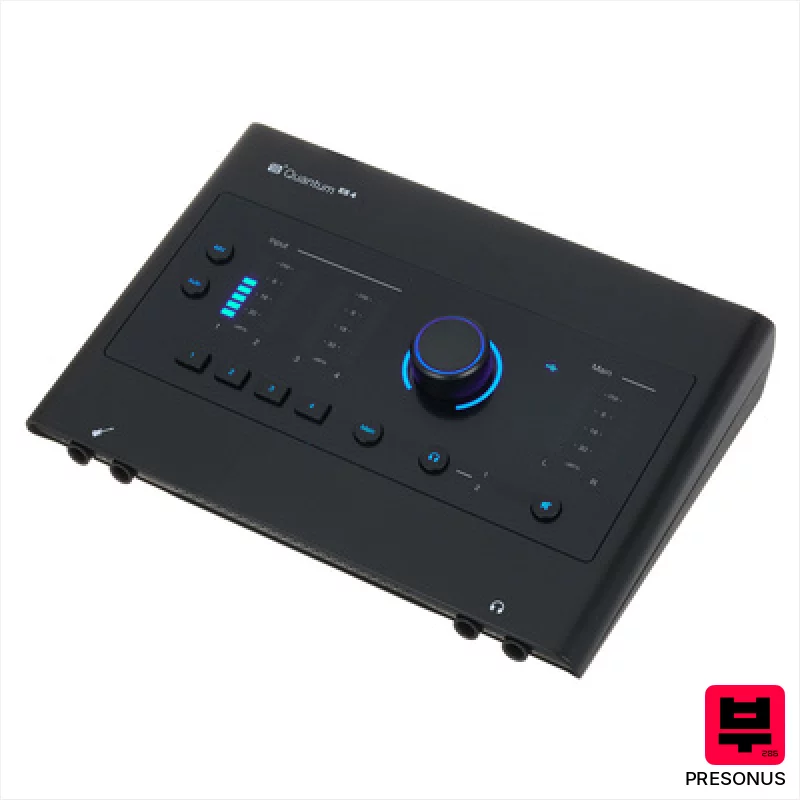
Presonus Quantum ES4
- • Excellent MAX-HD preamps deliver clean gain with low noise.
- • Front-panel instrument inputs are a real boon for tracking guitars/keys.
- • Universal Control app offers comprehensive and intuitive device management.
- • Built-in speaker switching simplifies monitoring with multiple studio setups.
- • USB 2.0 connection feels dated compared to Thunderbolt options.
- • Limited input count (4) might restrict more complex recording scenarios.
- • Bus-powered operation can introduce noise if power source is unstable.

Presonus AudioBox USB 96 Complete BDL
- • Solid build quality for a budget-friendly interface.
- • Eris 3.5 monitors offer surprisingly balanced, clear sound.
- • M7 mic delivers decent detail for vocal recording.
- • Studio One software provides a complete, immediately usable workflow.
- • Limited input count restricts recording multiple sources simultaneously.
- • Eris 3.5's bass response is noticeably lacking at lower volumes.
- • AudioBox preamps are serviceable, but lack high-end clarity.

Presonus Quantum ES Ultimate Bundle
- • Excellent preamps offer clean gain with surprising headroom.
- • Studio One+ license is a substantial value add for beginners.
- • Eris 3.5 monitors provide a surprisingly balanced, neutral sound.
- • Compact size makes it ideal for smaller home studios and mobile recording.
- • USB 2.0 interface feels dated; USB-C doesn't guarantee faster speeds.
- • HD9 headphones lack the detail and isolation for critical mixing.
- • Microphone's capsule isn't on par with higher-end studio mics.

Presonus Quantum HD8
- • Excellent MAX-HD preamps deliver clean gain with minimal noise.
- • The full-color display is genuinely useful for quick level checks.
- • Flexible I/O options (ADAT, S/PDIF, Re-Amp) boost versatility.
- • Universal Control app provides comprehensive, intuitive routing control.
- • USB 2.0 connection limits bandwidth for very large project workflows.
- • The front-panel instrument inputs lack dedicated gain controls.
- • Build quality feels somewhat plasticky for a premium-priced interface.
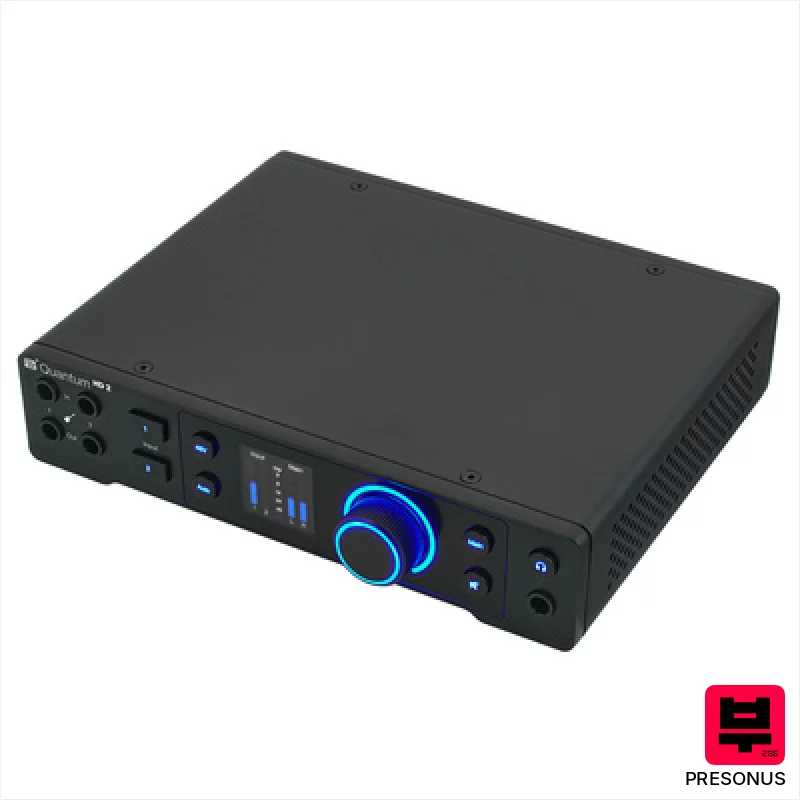
Presonus Quantum HD2
- • Excellent MAX-HD preamps deliver clean, transparent gain with low noise.
- • High-resolution color display is genuinely useful for quick monitoring.
- • Flexible I/O options (ADAT, S/PDIF, loopback) increase versatility.
- • Universal Control app provides intuitive, comprehensive interface control.
- • USB 2.0 connection limits bandwidth; USB-C would have been preferable.
- • Front instrument inputs lack dedicated gain control; a minor inconvenience.
- • Build quality feels adequate, not premium, for the price range.

Presonus Studio 1824c
- • Excellent XMAX preamp performance, delivering clean and detailed gain.
- • Flexible routing capabilities offer significant workflow customization.
- • DC-coupled outputs unlock CV/Gate control for modular setups.
- • Compact 1U rackmount form factor suits both studio and mobile setups.
- • Limited ADAT sample rate options compared to higher-end interfaces.
- • Build quality feels somewhat plasticky, not as robust as some competitors.
- • Mono/mute buttons on rear outputs are inconveniently located.

Presonus Quantum ES2
- • Excellent MAX-HD preamps deliver clean, low-noise gain for dynamic vocals.
- • Compact size makes it incredibly portable for tracking on location or travel.
- • Universal Control app offers intuitive, comprehensive routing and monitoring options.
- • Front-panel instrument input simplifies direct recording of guitars and basses.
- • USB 2.0 limits bandwidth; USB-C connection doesn't offer faster transfer speeds.
- • Limited to two inputs, restricting multi-mic drum or ensemble recording.
- • Phantom power voltage (48V) is standard; may not suit all sensitive condenser mics.

Presonus Studio 24c
- • XMAX preamps deliver clean gain with a touch of character
- • Compact size makes it ideal for small home studios and mobile setups
- • DC-coupled outputs unlock CV/Gate control for modular synth integration
- • Bundled Studio One Artist is a solid, capable DAW for beginners
- • Build quality feels a bit plasticky for frequent gigging or heavy use
- • Limited I/O might restrict users needing more inputs/outputs
- • Headphone output lacks power for high-impedance headphones

Presonus AudioBox GO Creator Bundle
- • Compact size ideal for mobile recording setups.
- • M7 mic delivers surprisingly clean and detailed vocal recordings.
- • HD7 headphones offer decent isolation and surprisingly balanced sound.
- • Studio One Artist provides a capable, streamlined DAW for beginners.
- • Interface preamps are fairly noisy; not suited for high-gain recording.
- • HD7 headphones' 32-ohm impedance limits their power response.
- • Build quality feels plasticky; not exceptionally robust for heavy use.

Presonus AudioBox USB 96 25th Anniv Ed
- • Solid metal chassis provides unexpected robustness for the price.
- • PreSonus’s MicX2 preamps deliver clean, usable gain for most vocal/instrument sources.
- • Studio One Pro inclusion offers a genuinely useful DAW for beginners.
- • Compact size makes it exceptionally portable for mobile recording setups.
- • USB 2.0 connectivity feels dated compared to newer USB-C interfaces.
- • Limited I/O restricts expandability for more complex recording scenarios.
- • Phantom power isn't the cleanest, may introduce noise with sensitive mics.

Presonus AudioBox GO
- • Compact size makes it incredibly portable for mobile recording setups.
- • Solid build quality for a budget-friendly interface; feels surprisingly robust.
- • Studio One Prime is a genuinely useful, capable DAW for beginners.
- • Combo XLR/instrument input offers flexibility for various recording sources.
- • Preamp noise floor is noticeable with lower-output microphones.
- • Limited I/O restricts use for more complex recording scenarios.
- • USB-C connector can be a limitation for older computers.
How to Choose the Best USB Audio Interfaces
Preamp Tone
Presonus preamps generally have a warmer, more forgiving character than some of the hyper-clean interfaces out there. It's not a "vintage" vibe, but it avoids that ice-picky harshness you get with some competitors - which is a huge win for vocal tracking and brighter instruments.
Driver Stability
This is where Presonus consistently shines. Their drivers are rock-solid, even under heavy load. You're less likely to experience frustrating dropouts during a critical take or a live performance - a massive relief.
Software Integration (Studio One)
If you're already in the Presonus ecosystem, the tight integration with Studio One DAW is a real time-saver. It's not a requirement, but it streamlines your workflow significantly.
Build Quality
While not quite boutique, Presonus interfaces feel reasonably robust. The gain knobs have a nice, solid feel, and the chassis is generally well-constructed - enough to handle the bumps of gigging or studio life.
Headroom
Presonus tends to give you a decent amount of headroom before things start to breakup. This is important for recording loud sources like drums or amps - you want that clean signal before you start pushing the preamps into subtle saturation.
Buying Guide
Don't expect audiophile-grade clarity from the entry-level models - they're great value, but you'll hear the compromises. The higher-end units, like the larger Thunderbolt interfaces, offer better preamps and more features, but the price jumps accordingly. Consider your I/O needs carefully; it's a pain to work around limitations during a session. And honestly, if you're only recording vocals and acoustic guitar, you don't need to break the bank.
Our Methodology
We don't just look at specs here at Audiofu. We put these interfaces through the wringer - recording vocals, electric guitars (single coils, humbuckers, the whole spectrum), acoustic instruments, and even running monitor mixes for band rehearsals. We A/B them against interfaces in similar price brackets, paying close attention to how they handle dynamics, headroom, and overall sonic character. It's about real-world performance, not just numbers on a page.

