
Best USB Audio Interfaces for Project Studio 2026
So, you're building a project studio? Awesome. Forget about the marketing hype - you need an audio interface that'll actually let you hear what you're doing and get a decent recording without breaking the bank. This isn't about fancy preamps for chasing ghost notes; it's about a reliable workhorse that'll handle tracking, mixing, and even some basic live streaming without introducing noise or latency. Let's cut through the noise and find you the right USB interface.
Last updated: July 22, 2026 • Next update: July 29, 2026

Antelope Orion Studio SC Stereo Bundle
- • Exceptional clocking provides noticeably tighter, more defined transients.
- • Synergy Core effects offer genuine, high-quality processing power.
- • Discrete mic preamps deliver clean gain with a pleasing, musical character.
- • Flexible I/O routing caters to complex studio workflows and immersive audio.
- • The sheer number of features demands a significant learning curve for new users.
- • Thunderbolt 3/USB 2.0 combo limits maximum performance potential.
- • Size and weight make it less ideal for portable or mobile recording setups.
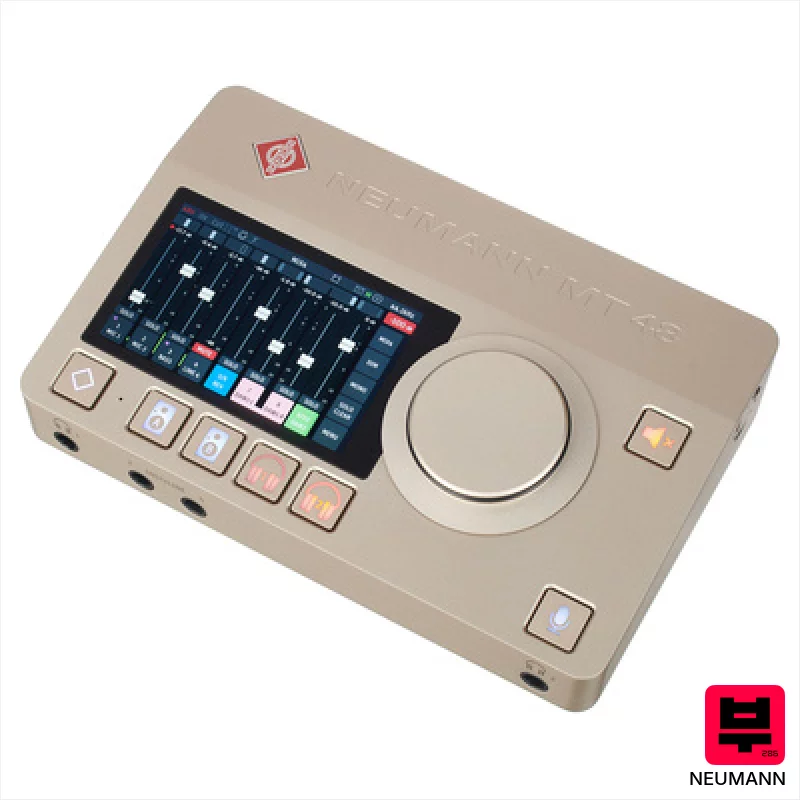
Neumann MT 48 U
- • Exceptional preamps deliver pristine clarity with impressive headroom.
- • Integrated DSP offers powerful, real-time processing, reducing external hardware needs.
- • Intuitive touchscreen interface streamlines workflow and simplifies complex routing.
- • DANTE readiness provides future-proof flexibility for networked audio environments.
- • Premium-priced, representing a significant investment for smaller studios.
- • DANTE functionality requires a separate, additional license purchase.
- • Size and weight make portability challenging; designed for studio use.

MOTU 16A (2025)
- • Dual displays offer unparalleled input/output monitoring clarity.
- • ESS Sabre32 Ultra DACs deliver exceptional dynamic range and detail.
- • Flexible DSP mixer simplifies complex routing and effects processing.
- • AVB networking provides robust scalability for large recording setups.
- • The sheer number of features may overwhelm less experienced users.
- • Size and weight will make it less portable than smaller interfaces.
- • Reliance on CueMix Pro for full functionality might frustrate some.
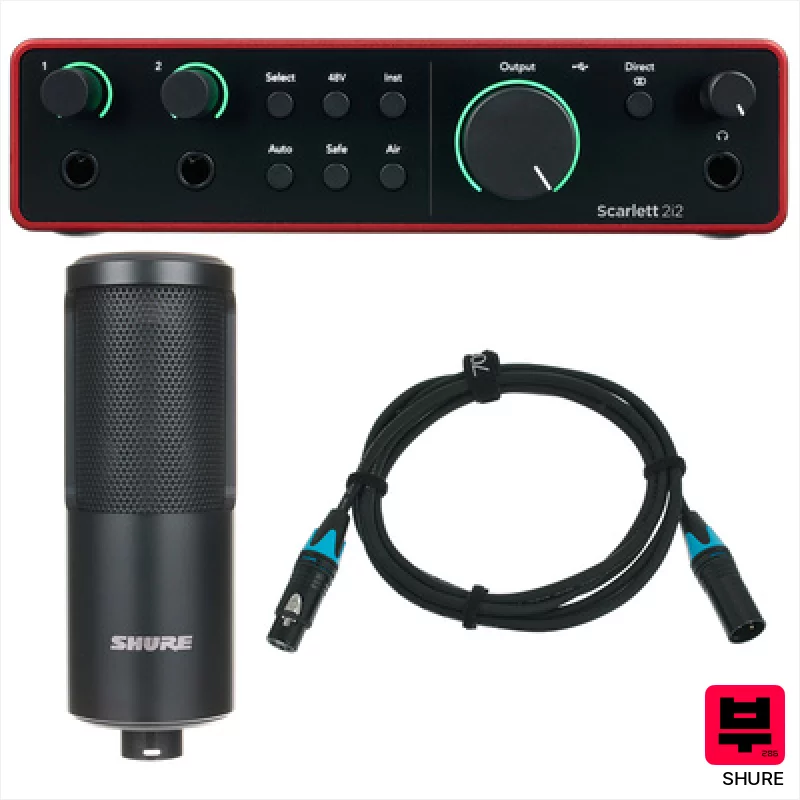
Shure SM4 Bundle
- • Shure SM4 delivers a surprisingly detailed, neutral vocal tone.
- • Focusrite Scarlett 2i2 preamps offer clean gain with usable headroom.
- • Integrated pop filter minimizes plosives, improving recording clarity.
- • Bundle provides a complete, portable recording solution for singer-songwriters.
- • SM4's Cardioid pattern limits stereo imaging possibilities.
- • Scarlett 2i2 lacks advanced routing options for complex setups.
- • The included stand is basic; a sturdier one is recommended.
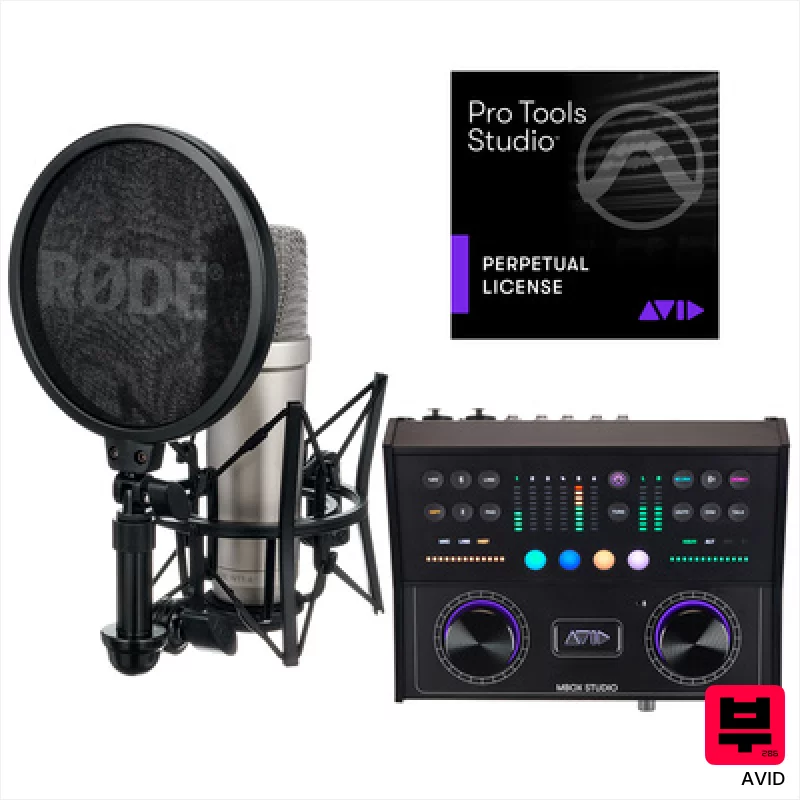
Avid MBOX Studio Recording Bundle
- • Excellent preamps offer clean gain with a musical character.
- • Integrated re-amping output is a genuinely useful feature for guitarists.
- • Bluetooth input/output adds convenient wireless connectivity options.
- • Comprehensive monitor control simplifies routing and headphone mixes.
- • USB-C connectivity limits compatibility with older computers.
- • The bundled software might feel restrictive for experienced users.
- • The physical footprint is relatively large for a studio interface.
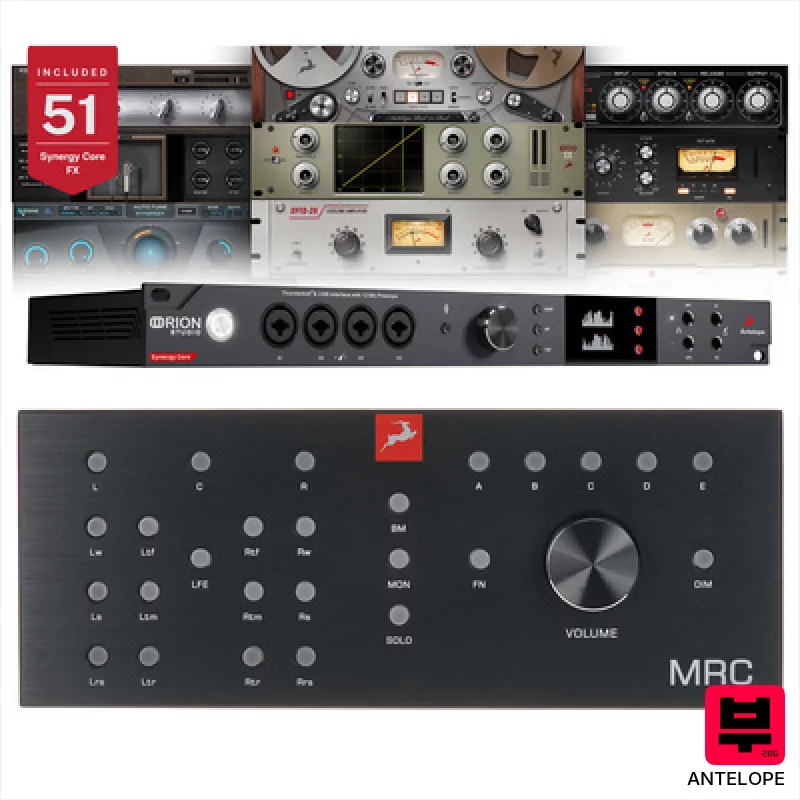
Antelope Orion Studio SC Immersive Bdl
- • Exceptional mic preamps deliver clean gain with Antelope's signature warmth.
- • Synergy Core effects offer incredible real-time processing power and flexibility.
- • Immersive audio capabilities are genuinely useful for modern mixing workflows.
- • Robust build quality; feels like a serious, professional studio tool.
- • High-end price point puts it out of reach for many home studios.
- • USB connectivity limits bandwidth compared to Thunderbolt, impacting larger projects.
- • Complex feature set demands a significant learning curve to fully utilize.

Apogee Symphony Studio 2x12
- • Apogee's renowned conversion delivers exceptional clarity and headroom.
- • DSP channel strips offer flexible, real-time processing without CPU load.
- • 7.1.4 Atmos support provides immersive audio capabilities for modern workflows.
- • Robust D-Sub25 output provides extensive routing flexibility for complex setups.
- • Premium-priced, represents a significant investment for most home studios.
- • Mac-centric design limits Windows users' full feature set.
- • Size and weight make it less portable than smaller interfaces.
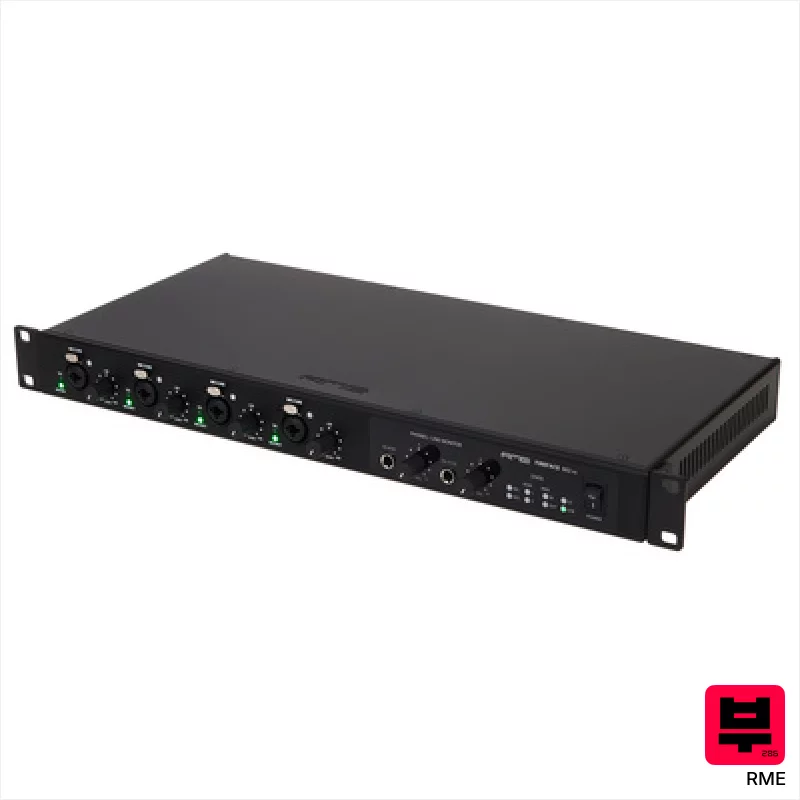
RME Fireface 802 FS AE
- • Rock-solid RME build quality; feels incredibly durable and professional.
- • Exceptional preamps deliver clean, low-noise performance across a wide range of sources.
- • TotalMix FX offers unparalleled routing flexibility and real-time processing capabilities.
- • DC-coupled outputs unlock exciting possibilities for CV/Gate control and modular synthesis.
- • Premium-priced, a significant investment for smaller studios or hobbyists.
- • The 1U rack height might be restrictive in some setups, requiring careful planning.
- • The extensive feature set can be initially overwhelming for less experienced users.
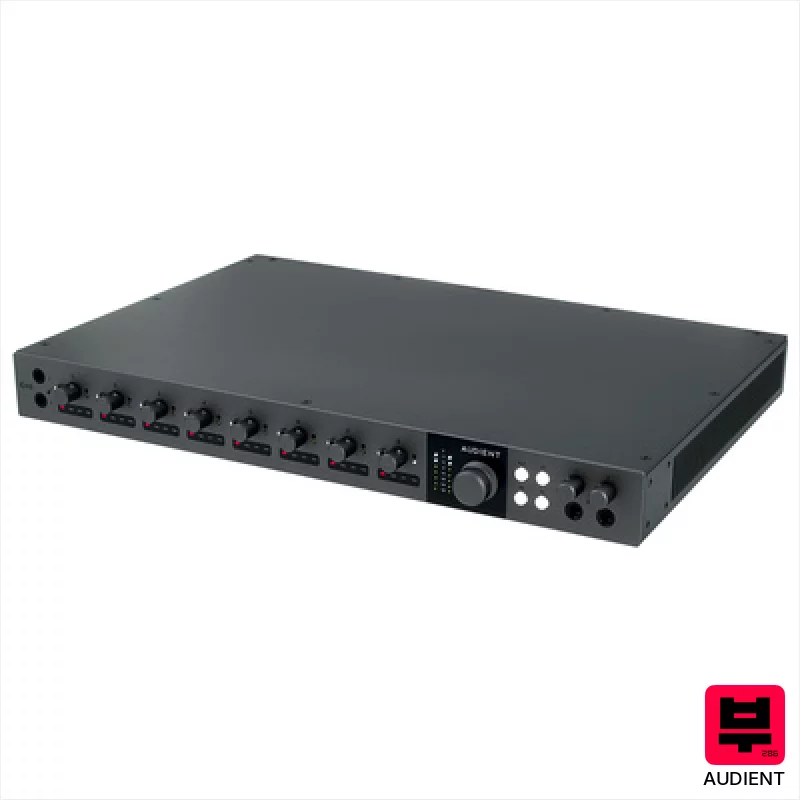
Audient iD48
- • Audient preamps deliver a clean, musical character with excellent headroom.
- • The built-in DSP mixer is genuinely useful for routing and monitoring.
- • Robust, well-damped chassis minimizes external noise and vibrations.
- • ADAT connectivity expands input count significantly for larger setups.
- • The physical size and weight make it less portable for mobile recording.
- • The software integration, while functional, could benefit from a more modern UI.
- • Limited routing flexibility compared to dedicated mixing consoles.
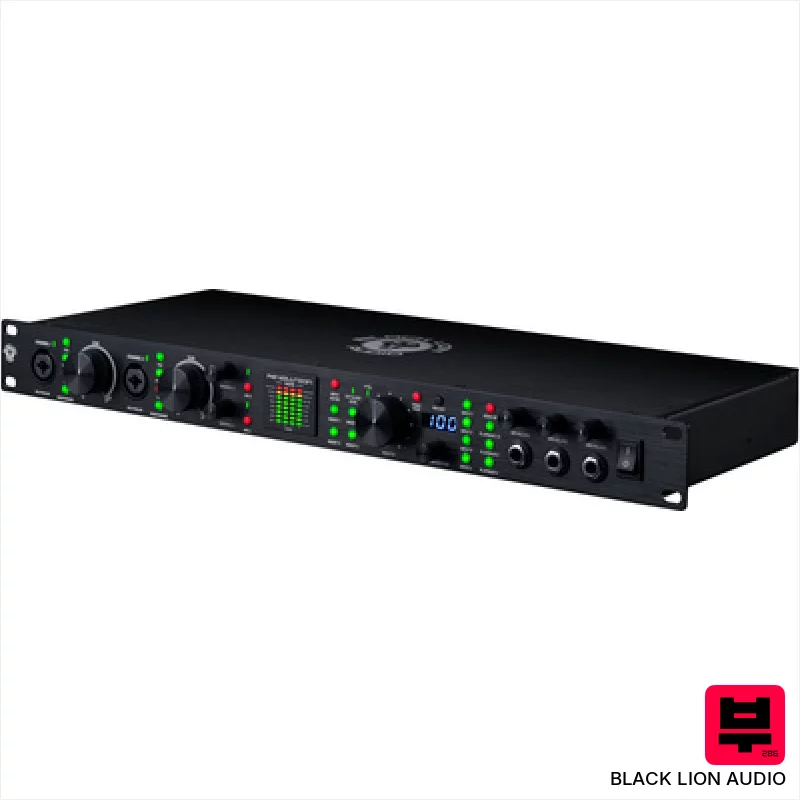
Black Lion Audio Revolution 14x16
- • Auteur preamps deliver a genuinely warm, musical character.
- • Robust build quality; feels like a serious, professional tool.
- • Flexible ADAT expansion offers significant future-proofing.
- • Multiple headphone outputs simplify tracking for multiple musicians.
- • The size and weight make it less than ideal for mobile setups.
- • USB-C only limits compatibility with older computers.
- • The included software is time-limited, a common but frustrating practice.
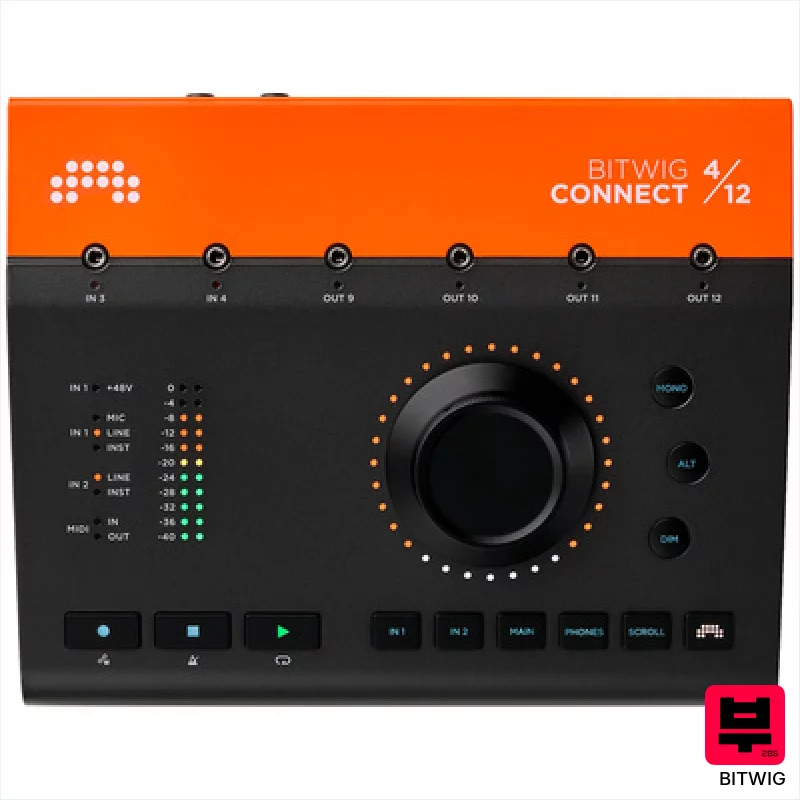
Bitwig Connect 4/12
- • Seamless Bitwig integration unlocks deep, intuitive control workflows.
- • Flexible combo XLR/TRS inputs handle mics and instruments with ease.
- • Compact size and USB-powered design prioritize portability and convenience.
- • Monitor controller function offers precise level adjustments and headphone mixes.
- • Limited input/output count restricts complex routing scenarios.
- • The plastic enclosure feels a little less robust than higher-end interfaces.
- • CV integration, while unique, requires Bitwig for full functionality.

SSL 2+ MKII
- • Excellent AKM converters deliver pristine, transparent audio quality.
- • The '4K' switch adds subtle harmonic richness, a signature SSL sound.
- • Neutrik connectors and Alps controllers inspire confidence and smooth operation.
- • Comprehensive software bundle provides immediate creative tools and plugins.
- • USB-C only connectivity limits compatibility with older systems.
- • Limited I/O count restricts versatility for complex recording setups.
- • The compact size might feel cramped for users accustomed to larger interfaces.
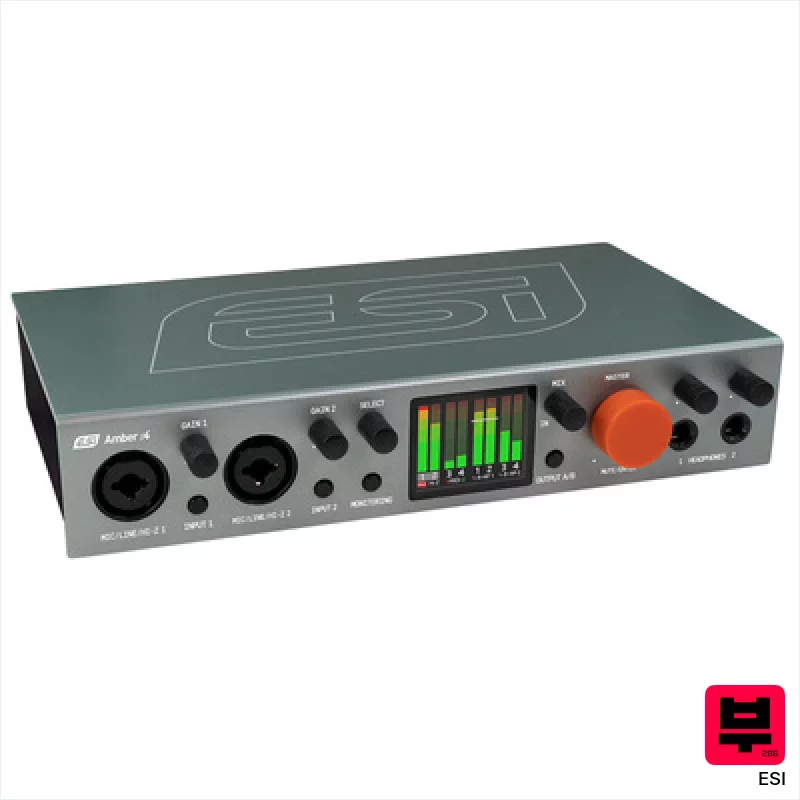
ESI Amber i4
- • Solid build quality for the price point; feels robust.
- • Clean preamps deliver surprisingly low noise floor.
- • Flexible I/O options cater to diverse recording setups.
- • USB-C connectivity offers modern convenience and power.
- • LCD display is basic; lacks detailed information at a glance.
- • Driver support, while improved, still favors Windows users.
- • Limited headroom on preamps; not ideal for very hot signals.
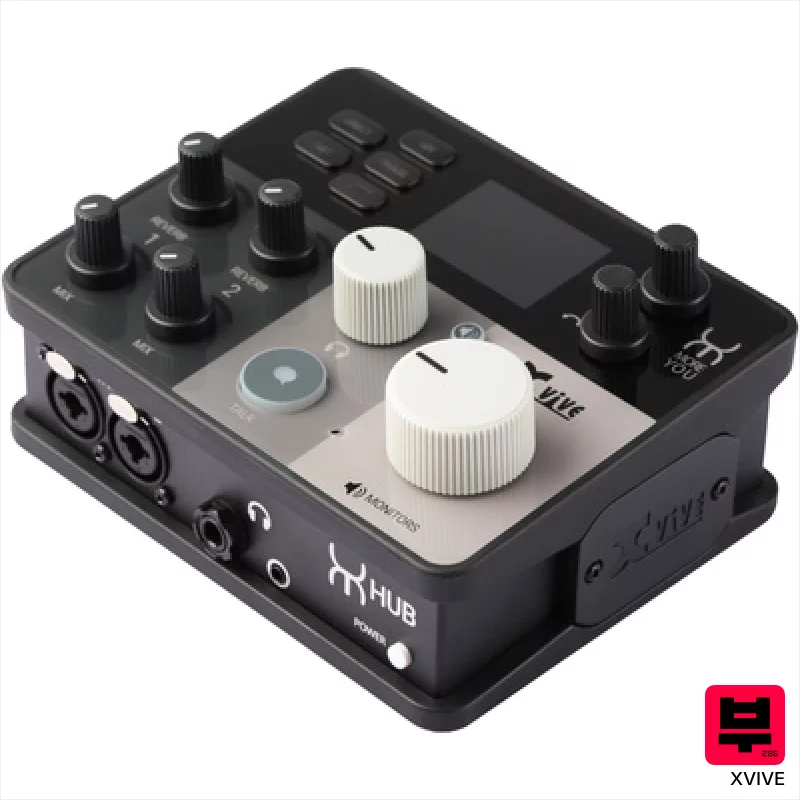
XVive More You Hub
- • Expandable 'More Port' system offers incredible routing flexibility.
- • Solid build quality; the metal chassis feels durable and roadworthy.
- • Zero-latency monitoring is pristine; great for tracking vocals and instruments.
- • Individual channel reverb provides useful creative control without plugins.
- • The weight (740g) makes it less ideal for mobile recording setups.
- • ADAT input count is limited for more complex multi-track recording needs.
- • XLR-based 'More Port' expansion might be overkill for basic users.

SSL 18
- • Exceptional dynamic range offers pristine clarity and low noise floor.
- • The '4K' switch delivers a recognizable SSL sonic signature instantly.
- • Flexible I/O routing allows for complex recording and monitoring setups.
- • Solid build quality; feels robust and well-engineered for studio use.
- • Size and weight make it less portable than smaller interfaces.
- • Limited expansion options compared to rackmount SSL consoles.
- • Price point positions it as a premium investment for serious users.
How to Choose the Best USB Audio Interfaces
Preamps
Project studios often rely on the interface preamps, so clean, low-noise preamps are key. We're looking for a neutral sound - not colored or hyped - so your plugins can do the shaping. A subtle, warm low-end thump is nice, but avoid anything harsh or brittle.
Latency
This is a killer for tracking. Low latency means you hear your input almost instantly, which is essential for feeling like you're playing with the track, not reacting to it. Anything above 10ms round trip is noticeable and frustrating.
Connectivity
How many inputs/outputs do you really need? A couple of mic preamps for vocals and acoustic guitar are often enough to start, but consider future expansion. USB-C is the standard now, offering better bandwidth and power delivery.
Driver Stability
Seriously. A fantastic-sounding interface is useless if the drivers crash your DAW every 15 minutes. We're looking for interfaces with rock-solid drivers that play nice with Windows and macOS.
Headroom
This determines how loud you can push the interface before clipping. More headroom allows for more dynamic range and less need for gain staging gymnastics. A good interface will give you some breathing room without introducing unwanted noise.
Buying Guide
Don't fall for the 'more is more' trap. A lot of project studios end up with interfaces loaded with features they'll never use. Focus on clean preamps, low latency, and reliable drivers. Corners often get cut on the quality of the internal components - listen closely for noise or distortion, especially when pushing the gain. Spending a little more on a well-regarded brand often pays off in long-term reliability.
Our Methodology
We're not just looking at spec sheets here. We've put these interfaces through the wringer - tracking drums, recording vocals, layering guitars, and even running them as a central hub for rehearsals. A/B comparisons against more expensive interfaces are crucial, and we're listening for the subtle tonal differences, the latency performance, and how they handle dynamic ranges. It's about real-world use, not lab results.

