
Best USB Audio Interfaces for Podcasting 2026
So, you're stepping up your podcast game? Ditching the built-in laptop mic and finally getting into some decent audio? Smart move. A good USB audio interface isn't just about 'better sound' - it's about minimizing noise, getting clean gain staging, and having enough inputs to handle guests or a separate production computer. Let's break down some solid options that won't leave you sounding like you're recording from inside a tin can.
Last updated: July 22, 2026 • Next update: July 29, 2026
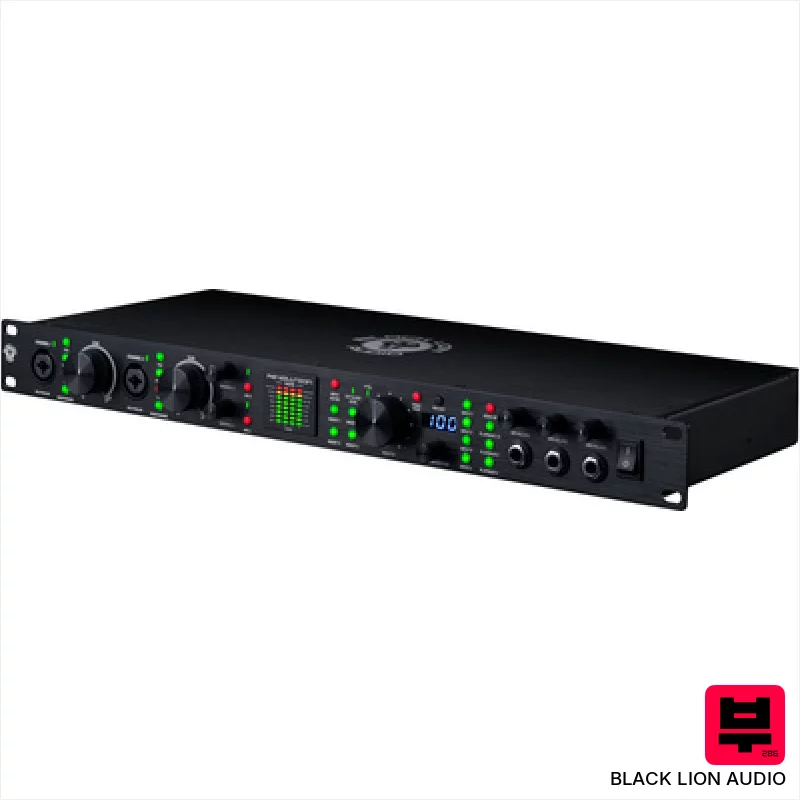
Black Lion Audio Revolution 14x16
- • Auteur preamps deliver a genuinely warm, musical character.
- • Robust build quality; feels like a serious, professional tool.
- • Flexible ADAT expansion offers significant future-proofing.
- • Multiple headphone outputs simplify tracking for multiple musicians.
- • The size and weight make it less than ideal for mobile setups.
- • USB-C only limits compatibility with older computers.
- • The included software is time-limited, a common but frustrating practice.
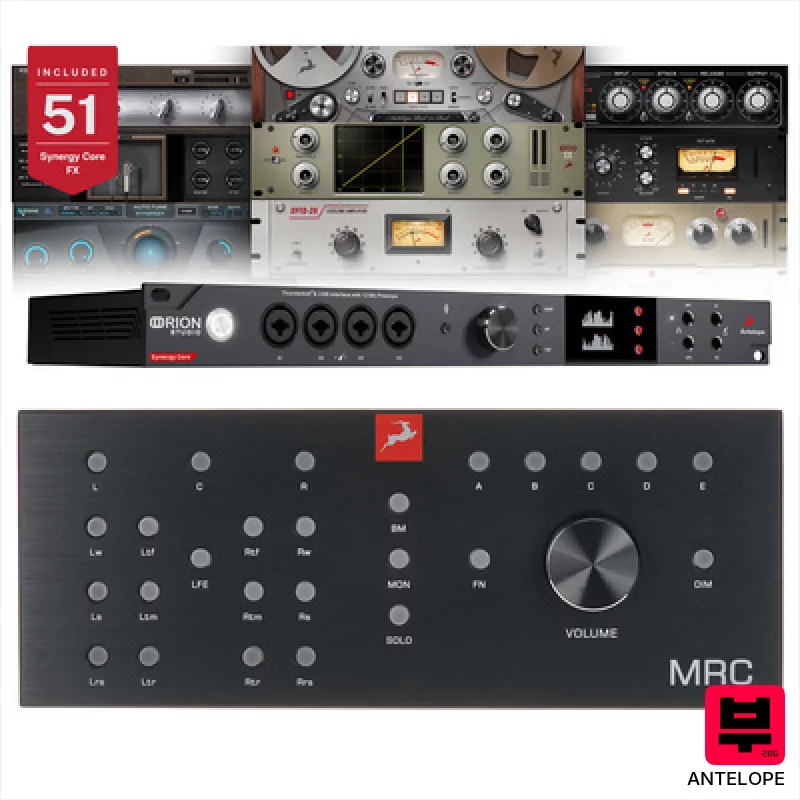
Antelope Orion Studio SC Immersive Bdl
- • Exceptional mic preamps deliver clean gain with Antelope's signature warmth.
- • Synergy Core effects offer incredible real-time processing power and flexibility.
- • Immersive audio capabilities are genuinely useful for modern mixing workflows.
- • Robust build quality; feels like a serious, professional studio tool.
- • High-end price point puts it out of reach for many home studios.
- • USB connectivity limits bandwidth compared to Thunderbolt, impacting larger projects.
- • Complex feature set demands a significant learning curve to fully utilize.
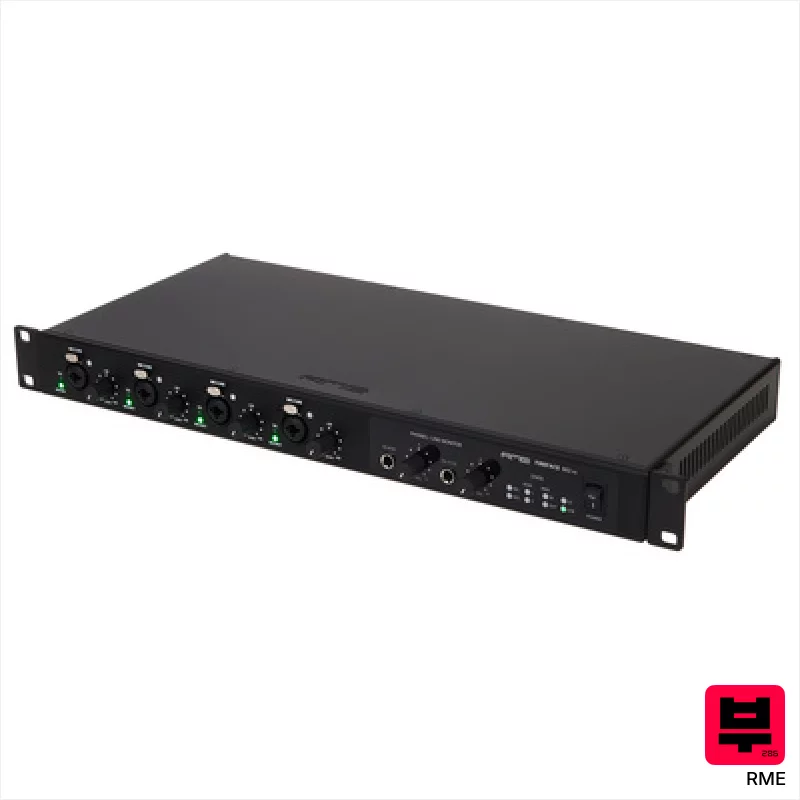
RME Fireface 802 FS AE
- • Rock-solid RME build quality; feels incredibly durable and professional.
- • Exceptional preamps deliver clean, low-noise performance across a wide range of sources.
- • TotalMix FX offers unparalleled routing flexibility and real-time processing capabilities.
- • DC-coupled outputs unlock exciting possibilities for CV/Gate control and modular synthesis.
- • Premium-priced, a significant investment for smaller studios or hobbyists.
- • The 1U rack height might be restrictive in some setups, requiring careful planning.
- • The extensive feature set can be initially overwhelming for less experienced users.

Apogee Symphony Studio 2x12
- • Apogee's renowned conversion delivers exceptional clarity and headroom.
- • DSP channel strips offer flexible, real-time processing without CPU load.
- • 7.1.4 Atmos support provides immersive audio capabilities for modern workflows.
- • Robust D-Sub25 output provides extensive routing flexibility for complex setups.
- • Premium-priced, represents a significant investment for most home studios.
- • Mac-centric design limits Windows users' full feature set.
- • Size and weight make it less portable than smaller interfaces.

MOTU 16A (2025)
- • Dual displays offer unparalleled input/output monitoring clarity.
- • ESS Sabre32 Ultra DACs deliver exceptional dynamic range and detail.
- • Flexible DSP mixer simplifies complex routing and effects processing.
- • AVB networking provides robust scalability for large recording setups.
- • The sheer number of features may overwhelm less experienced users.
- • Size and weight will make it less portable than smaller interfaces.
- • Reliance on CueMix Pro for full functionality might frustrate some.

SSL 2+ MKII
- • Excellent AKM converters deliver pristine, transparent audio quality.
- • The '4K' switch adds subtle harmonic richness, a signature SSL sound.
- • Neutrik connectors and Alps controllers inspire confidence and smooth operation.
- • Comprehensive software bundle provides immediate creative tools and plugins.
- • USB-C only connectivity limits compatibility with older systems.
- • Limited I/O count restricts versatility for complex recording setups.
- • The compact size might feel cramped for users accustomed to larger interfaces.
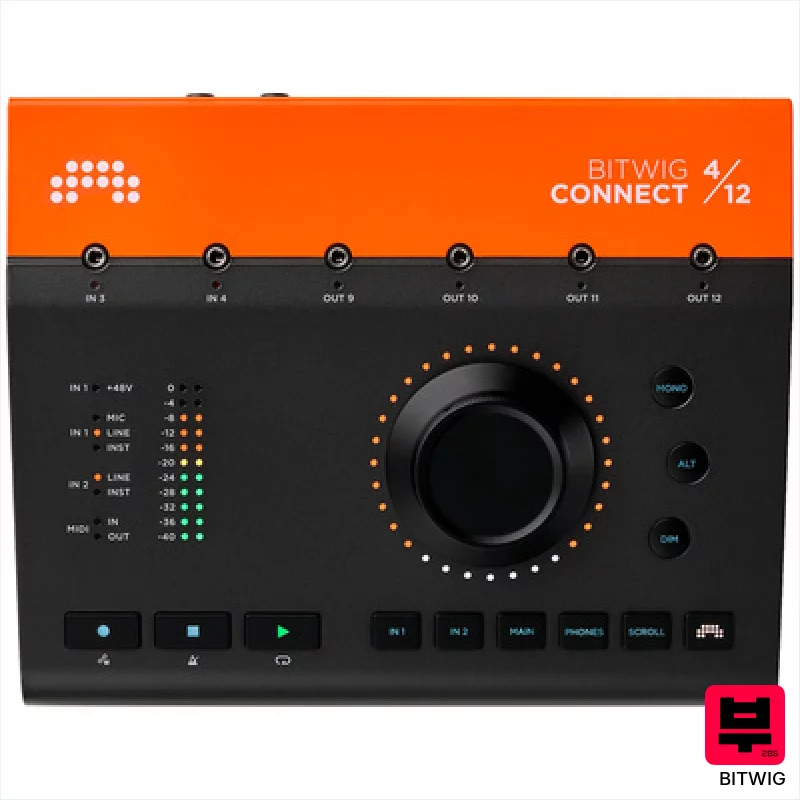
Bitwig Connect 4/12
- • Seamless Bitwig integration unlocks deep, intuitive control workflows.
- • Flexible combo XLR/TRS inputs handle mics and instruments with ease.
- • Compact size and USB-powered design prioritize portability and convenience.
- • Monitor controller function offers precise level adjustments and headphone mixes.
- • Limited input/output count restricts complex routing scenarios.
- • The plastic enclosure feels a little less robust than higher-end interfaces.
- • CV integration, while unique, requires Bitwig for full functionality.

SSL 18
- • Exceptional dynamic range offers pristine clarity and low noise floor.
- • The '4K' switch delivers a recognizable SSL sonic signature instantly.
- • Flexible I/O routing allows for complex recording and monitoring setups.
- • Solid build quality; feels robust and well-engineered for studio use.
- • Size and weight make it less portable than smaller interfaces.
- • Limited expansion options compared to rackmount SSL consoles.
- • Price point positions it as a premium investment for serious users.
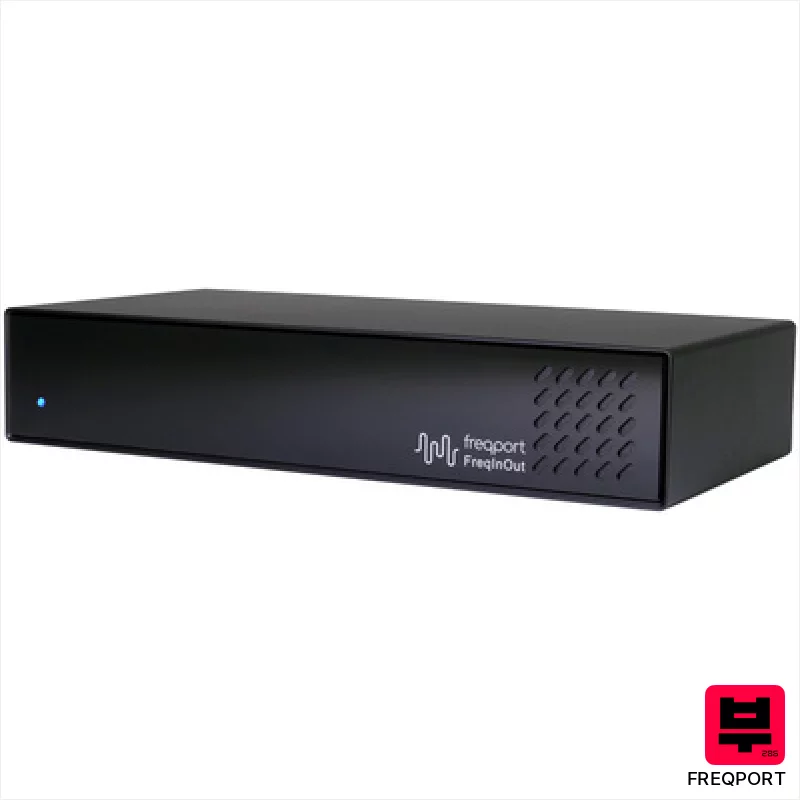
freqport FreqInOut FO1
- • Excellent ESS Sabre DAC provides pristine, transparent audio reproduction.
- • Flexible routing matrix simplifies complex signal chains with zero latency.
- • Solid build quality with robust 6.3mm jack connectors.
- • OLED display offers clear, easily readable routing status information.
- • Limited to four channels; not ideal for larger, complex setups.
- • Premium-priced, potentially prohibitive for budget-conscious home studios.
- • USB-C connection may require adapters for older computers.
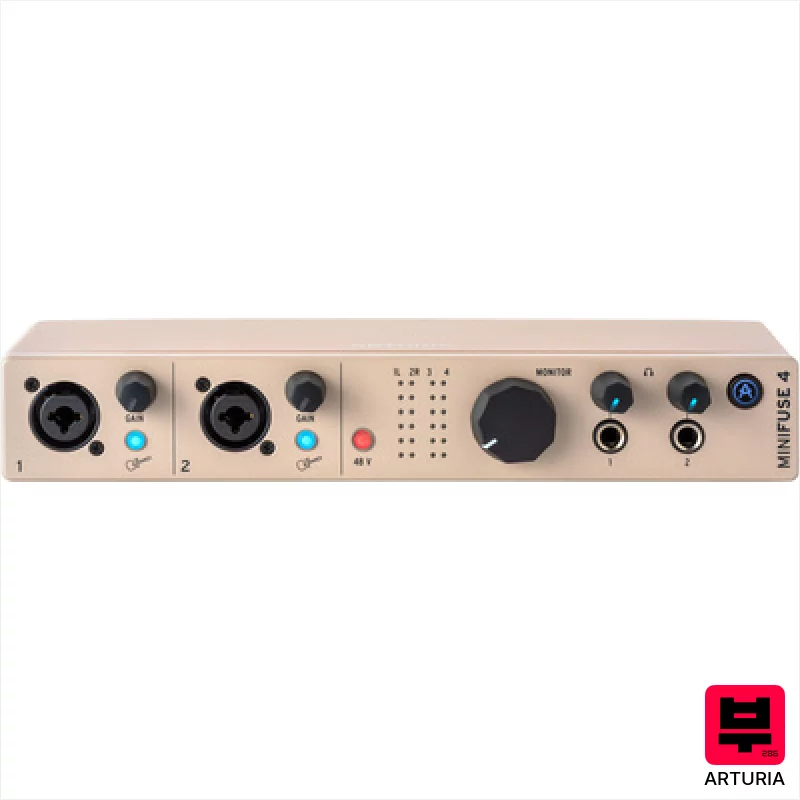
Arturia MiniFuse 4 Champagne
- • Champagne finish adds a touch of class, a nice aesthetic detail.
- • Excellent preamps deliver clean, low-noise performance for vocals and instruments.
- • Flexible I/O caters to small bands and multi-mic recording setups.
- • The included software bundle offers immediate creative production possibilities.
- • Limited bus power might require a powered hub for certain peripherals.
- • Physical size, while compact, can be a bit bulky for ultra-portable use.
- • The MIDI ports are standard, lacking advanced MIDI features.
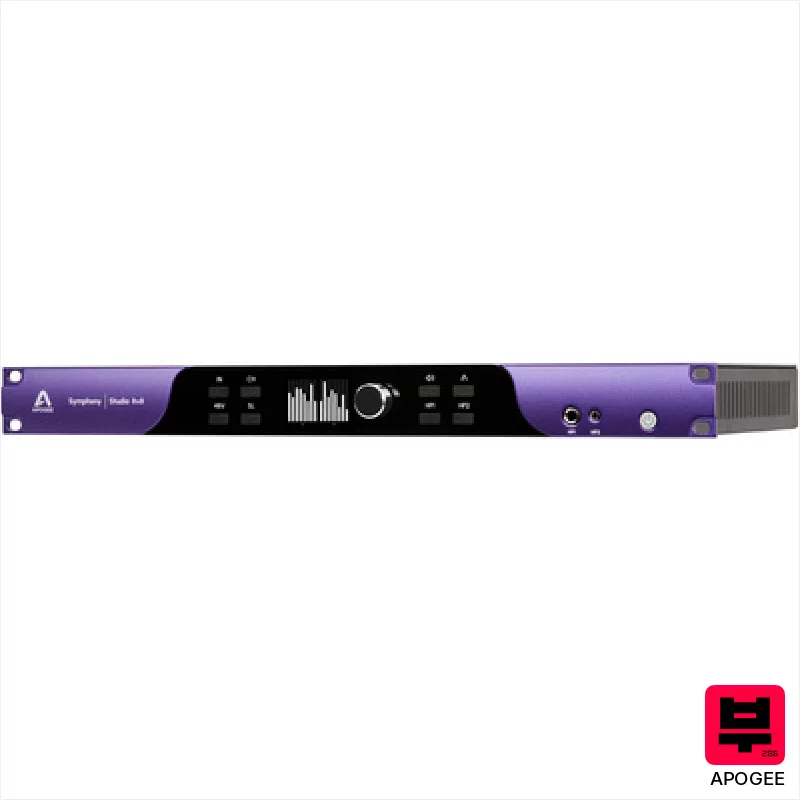
Apogee Symphony Studio 8x8
- • Exceptional preamp clarity with minimal noise floor, ideal for critical tracking.
- • DSP channel strips offer significant workflow enhancement and sonic shaping.
- • Apogee Control software provides unparalleled monitor management flexibility.
- • Robust D-Sub25 connectivity ensures compatibility with legacy studio setups.
- • High-end price point places it beyond many home studios' budgets.
- • USB-C connectivity limits flexibility for users needing Thunderbolt.
- • Size and weight make it less portable for mobile recording scenarios.
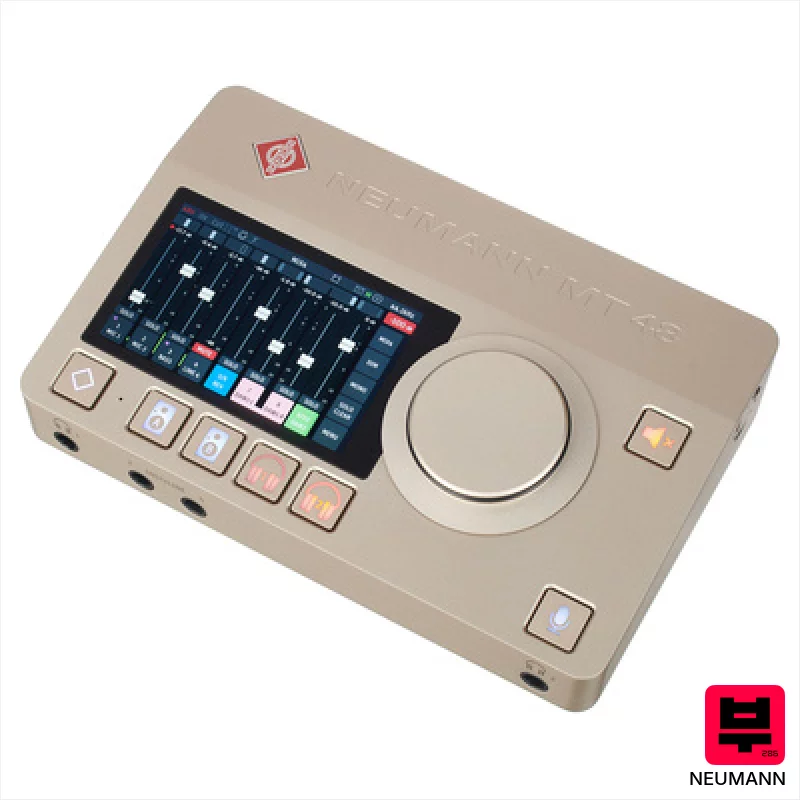
Neumann MT 48 U
- • Exceptional preamps deliver pristine clarity with impressive headroom.
- • Integrated DSP offers powerful, real-time processing, reducing external hardware needs.
- • Intuitive touchscreen interface streamlines workflow and simplifies complex routing.
- • DANTE readiness provides future-proof flexibility for networked audio environments.
- • Premium-priced, representing a significant investment for smaller studios.
- • DANTE functionality requires a separate, additional license purchase.
- • Size and weight make portability challenging; designed for studio use.
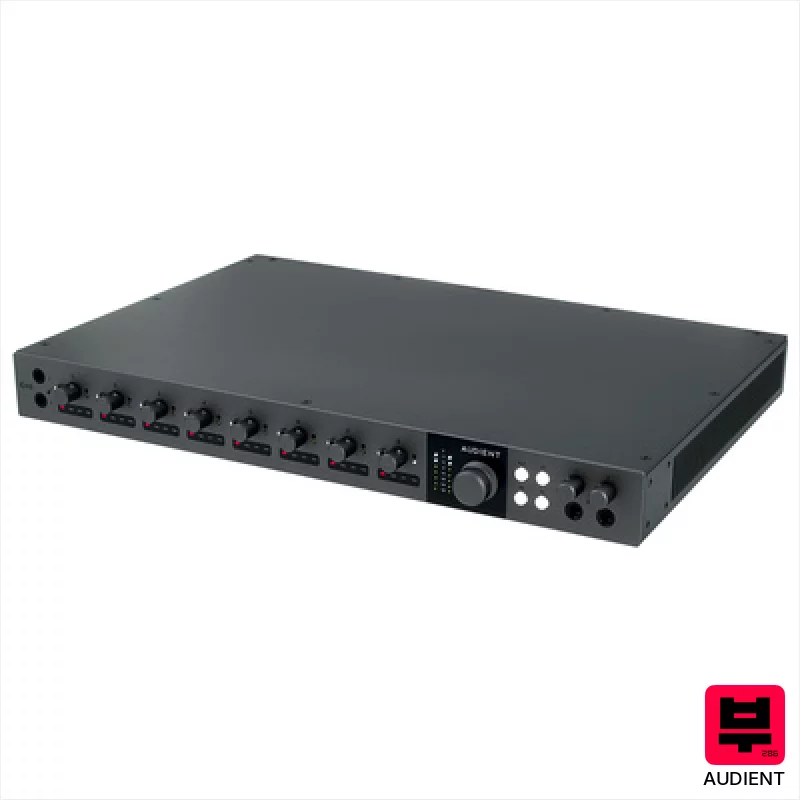
Audient iD48
- • Audient preamps deliver a clean, musical character with excellent headroom.
- • The built-in DSP mixer is genuinely useful for routing and monitoring.
- • Robust, well-damped chassis minimizes external noise and vibrations.
- • ADAT connectivity expands input count significantly for larger setups.
- • The physical size and weight make it less portable for mobile recording.
- • The software integration, while functional, could benefit from a more modern UI.
- • Limited routing flexibility compared to dedicated mixing consoles.

Antelope Orion Studio SC Stereo Bundle
- • Exceptional clocking provides noticeably tighter, more defined transients.
- • Synergy Core effects offer genuine, high-quality processing power.
- • Discrete mic preamps deliver clean gain with a pleasing, musical character.
- • Flexible I/O routing caters to complex studio workflows and immersive audio.
- • The sheer number of features demands a significant learning curve for new users.
- • Thunderbolt 3/USB 2.0 combo limits maximum performance potential.
- • Size and weight make it less ideal for portable or mobile recording setups.
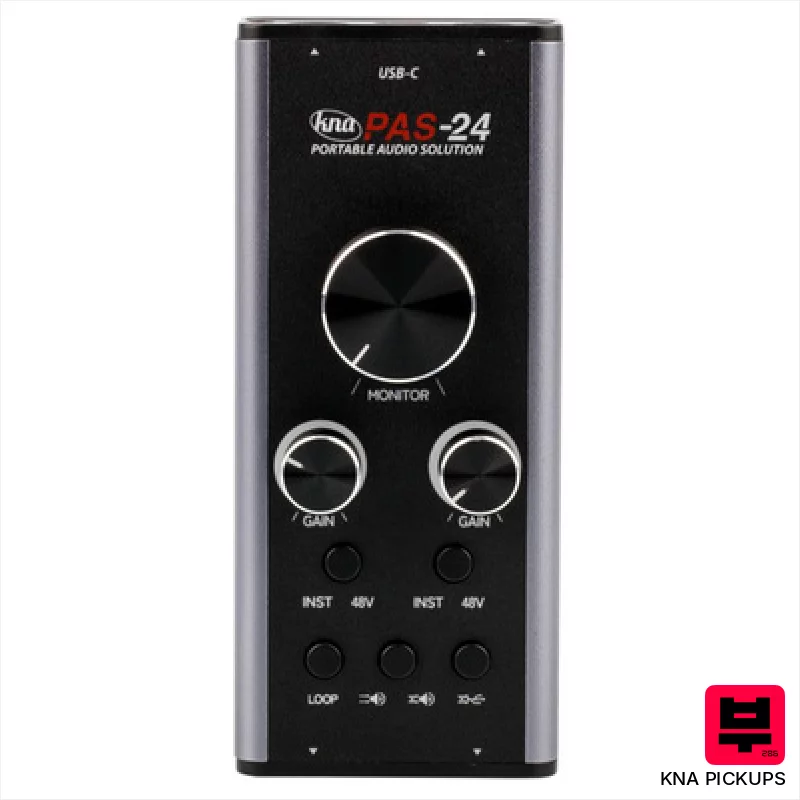
KNA Pickups PAS-24 Audio Interface
- • Solid build quality for the price point; feels surprisingly robust.
- • Clean, low-noise preamps handle dynamic signals well.
- • The dual USB-C ports offer redundancy and flexibility.
- • Loopback function is genuinely useful for streaming and podcasting.
- • 3.5mm headphone output lacks the power for studio-grade headphones.
- • Limited preamp gain range; may struggle with very quiet sources.
- • TRS jacks are a bit cramped, cable management could be tricky.
How to Choose the Best USB Audio Interfaces
Preamps
Clean preamps are essential for podcasting. You want a preamp that imparts minimal coloration, letting your voice shine without adding unwanted warmth or harshness. A slightly rolled-off high end can often be more forgiving on less-than-perfect vocal technique, which is a real-world consideration.
Dynamic Range & Headroom
This is key to avoiding clipping and digital distortion. You need enough headroom to handle unexpected peaks in your voice or guest's audio without the interface slamming into 0dBFS. Lack of headroom will make your mix sound squashed and lifeless.
Phantom Power (+48V)
If you're using condenser microphones (and you probably should be for better detail), phantom power is a must. Cheap interfaces sometimes deliver unstable phantom power that can introduce noise or even damage your mic - a costly mistake.
Input/Output Flexibility
Think about your current and future needs. Do you need multiple mic inputs for interviews? Instrument inputs for intro music? Multiple outputs to route audio to different monitors or a separate effects processor? Plan ahead, because upgrading later can be a pain.
Latency
Low latency is critical for a natural recording experience. High latency makes it feel like you're talking underwater, affecting your timing and delivery. This is especially important if you're monitoring yourself through headphones connected to the interface.
Buying Guide
Don't fall for the 'more features' trap. A lot of cheaper interfaces load you up with stuff you'll never use while cutting corners on the core components - preamps and converters. Spending a bit more on a reputable brand with solid preamps and a decent dynamic range will pay dividends in the long run. Look for transparent preamps and a robust build quality; a flimsy plastic enclosure often hints at compromised components.
Our Methodology
We don't just look at spec sheets here. We've spent years gigging, tracking bands, and building home studios, so we've A/B'd countless interfaces against each other, recorded vocals and instruments, and put these through the ringer in real-world podcasting scenarios - from solo shows to multi-person interviews. It's about how they feel to use and, crucially, how they sound in a mix.

