
Best Solid-State Guitar Combos Under $800 2026
Alright, let's be real. You want a solid-state combo amp that won't bankrupt you, but you also don't want something that sounds like tin cans hitting each other. Finding that sweet spot under $800 is totally doable, but you gotta know what to look for. We're not chasing vintage tube mojo here; we're looking for reliable, gig-ready tone that holds up in a band setting without breaking the bank.
Last updated: September 28, 2026
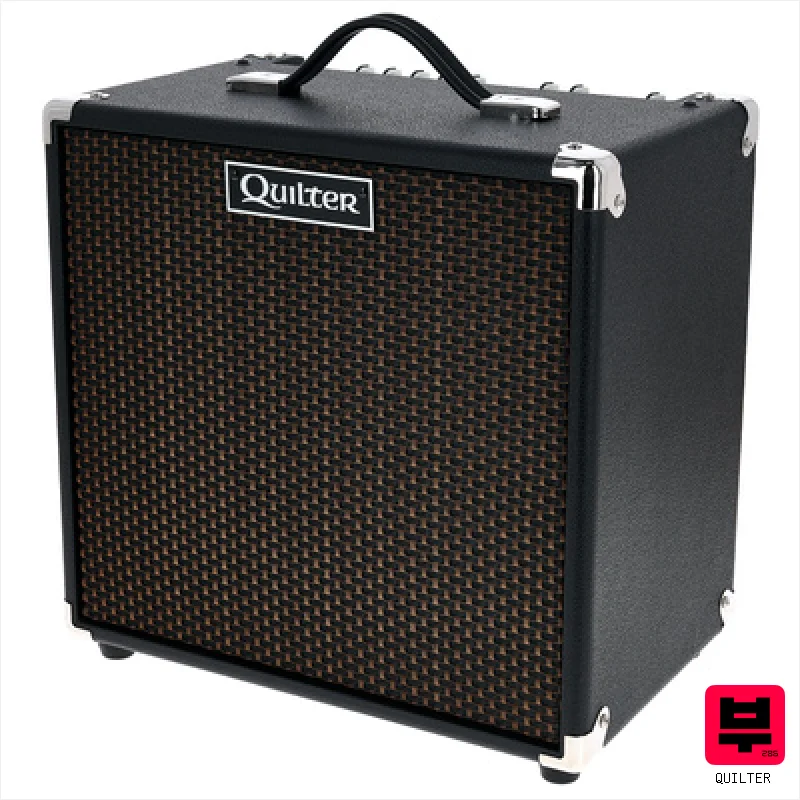
Quilter Aviator Cub UK 112 Combo
- • Offers three classic British voicing presets for immediate use.
- • Uses a custom Eminence Green speaker for reliable tone.
- • Provides a serial effects loop for external sound shaping.
- • Includes a protective cover and headphone output for portability.
- • Only one channel limits stereo guitar or bass routing.
- • No built-in distortion effects compared to modern models.
- • Weight is nearly 10kg making transport slightly heavy.
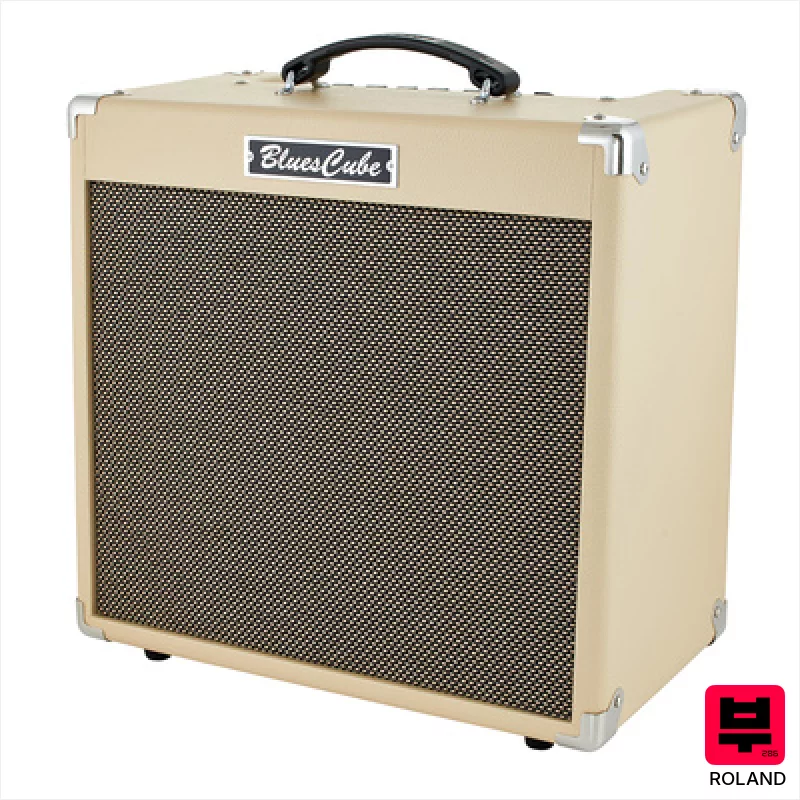
Roland Blues Cube Hot VB
- • Roland's Tube Logic convincingly emulates vintage tube amp response.
- • Custom 12 in speaker delivers a surprisingly full and articulate tone.
- • 4-way power control offers genuine tube dynamics at usable volumes.
- • USB output simplifies recording directly into your DAW.
- • Single channel limits tonal flexibility for more complex rigs.
- • Poplar enclosure, while lightweight, lacks the resonance of hardwood.
- • Boost function's character isn't always complementary to the clean tone.
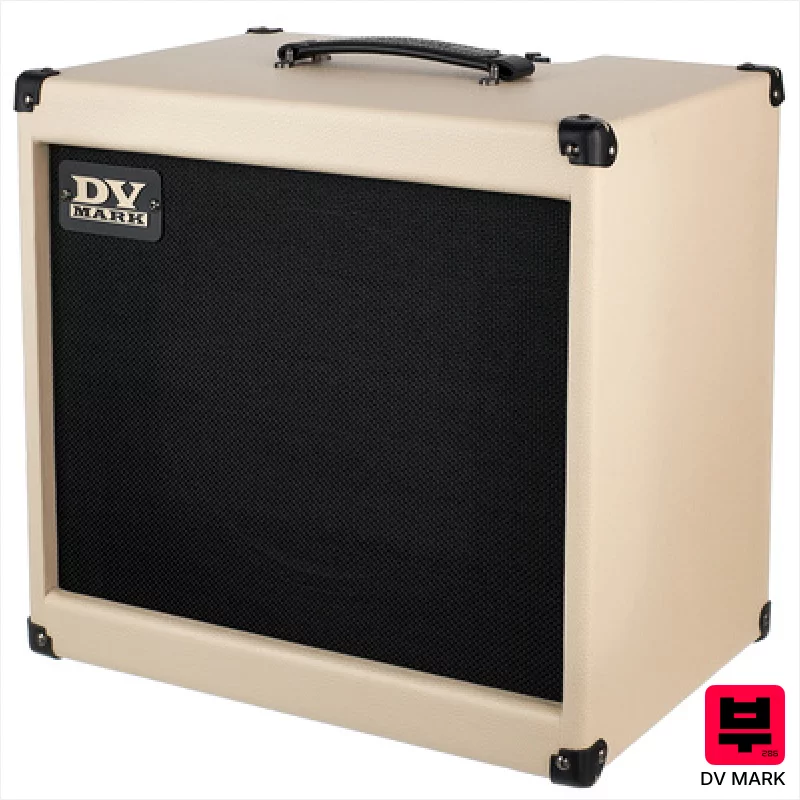
DV Mark Jazz 12
- • Compact size belies surprising power and headroom.
- • DV Mark’s custom speaker delivers a surprisingly warm, articulate tone.
- • Clean channel is versatile, responding well to overdrive pedals.
- • Solid build quality; feels robust for a combo of this size.
- • Reverb, while usable, lacks depth and character.
- • EQ is basic; lacks mid-sweep or more advanced shaping options.
- • Limited tonal palette – not ideal for extreme genres.
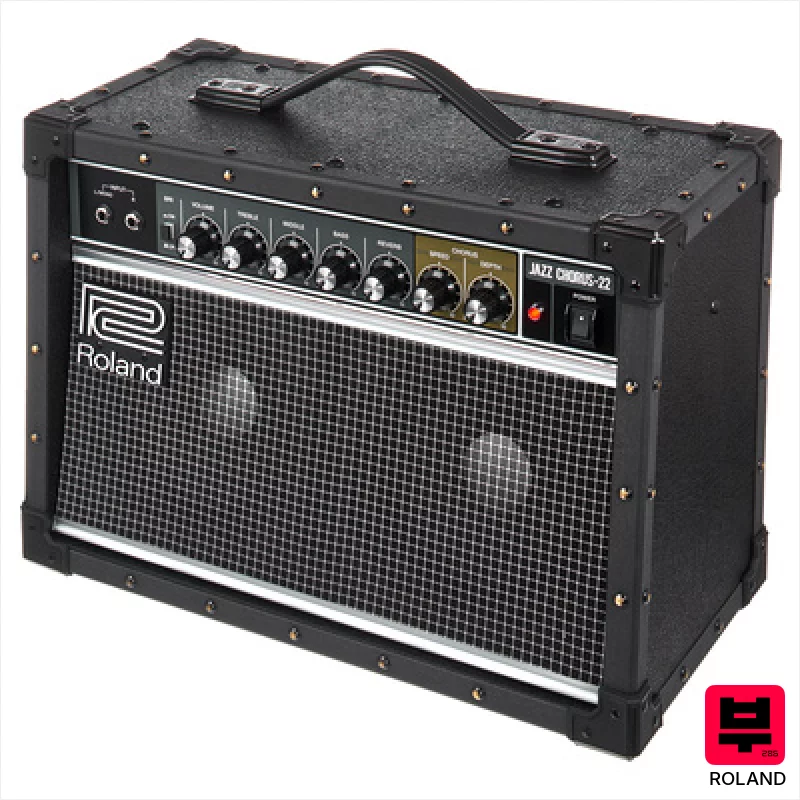
Roland JC-22
- • Iconic Jazz Chorus clean tone, remarkably pristine and clear
- • Compact size and stereo capabilities offer surprising versatility
- • Built-in chorus is genuinely usable and adds a classic vibe
- • Effects loop allows for integration with external pedals and processors
- • 6.5-inch speakers lack the low-end thump for heavier genres
- • Solid-state construction lacks the warmth of a tube amp
- • Bright switch can be overly aggressive, requiring careful EQ adjustment
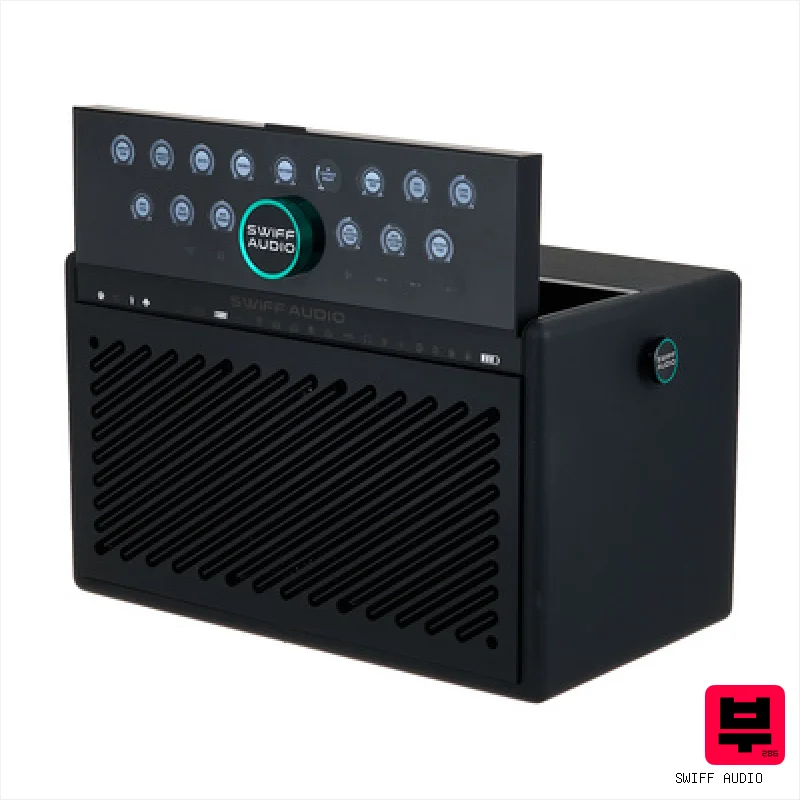
Swiff Audio S100
- • Built with wood housing for solid feel
- • Delivers 100 watts of clean power
- • Includes integrated effects in each channel
- • Supports XLR mic with 48V phantom power
- • Battery life is limited to just 5 hours
- • Lacks dedicated line-level input for instruments
- • No specified output wattage per speaker
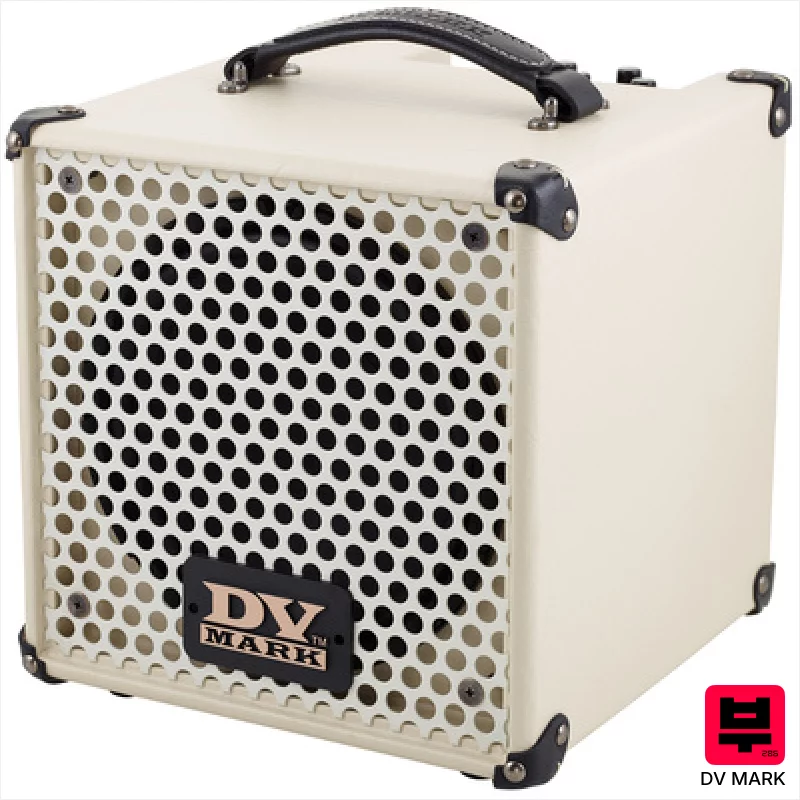
DV Mark Little Jazz
- • Excellent clean tones, surprisingly warm for a solid-state amp
- • Compact size makes it ideal for practice and small gigs
- • Built-in reverb is usable and adds pleasant ambience
- • Versatile EQ section allows for shaping the sound effectively
- • Limited headroom at higher volumes, can get fizzy
- • 8-inch speaker restricts low-end response and overall volume
- • Lack of multiple amp models restricts tonal flexibility
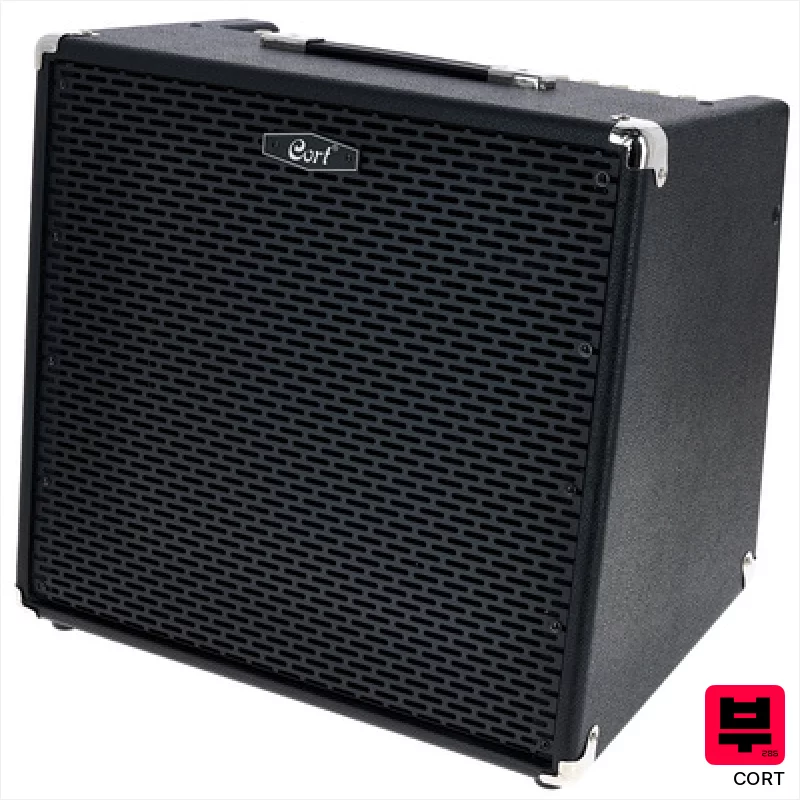
Cort MIX-5 Multi Combo
- • Versatile channel options suit recording, practice, and small gigs.
- • 150W RMS provides ample headroom for louder playing scenarios.
- • Horn tweeter adds crisp highs, expanding tonal possibilities.
- • Compact design and relatively light weight for a combo of this power.
- • Solid-state amp may lack the warmth and organic feel of a tube amp.
- • Limited EQ control compared to higher-end multi-channel amps.
- • Mini-jack input feels a bit dated and less robust than standard jacks.

Orange O Tone 40 Orange
- • The Voice of the World speaker delivers a surprisingly full, warm Orange tone.
- • Solid build quality; feels robust and well-assembled for its class.
- • Footswitchable tremolo is genuinely usable and adds vintage vibe.
- • Buffered FX loop preserves signal clarity when using external pedals.
- • Limited channel options restrict tonal flexibility for modern players.
- • Digital reverb, while decent, isn’t a substitute for a quality analog spring.
- • The 40W power is sufficient for practice but lacks headroom for louder gigs.

Orange O Tone 40 Black
- • Distinct Orange crunch delivers a surprisingly thick, warm tone.
- • Voice of the World speaker provides a balanced, articulate response.
- • Built-in tremolo adds vintage vibe and usable modulation.
- • Buffered FX loop preserves signal clarity with effects pedals.
- • Limited channel flexibility restricts tonal sculpting possibilities.
- • Solid-state design lacks the organic complexity of a tube amp.
- • Relatively heavy for a combo, impacting portability.

Peavey Josh Homme Decade Too
- • Celestion speaker delivers a surprisingly robust and articulate low-mid response.
- • ’Saturation’ switch convincingly emulates tube amp characteristics at lower volumes.
- • The bass enhancement switch adds a unique, vintage-radio-like warmth and character.
- • Footswitchable FX loop provides flexibility for integrating external effects pedals.
- • 8-inch speaker limits low-end extension; not ideal for heavier genres.
- • Solid-state design lacks the dynamic responsiveness of a comparable tube amp.
- • Limited channel options restrict tonal sculpting versatility; a single channel.
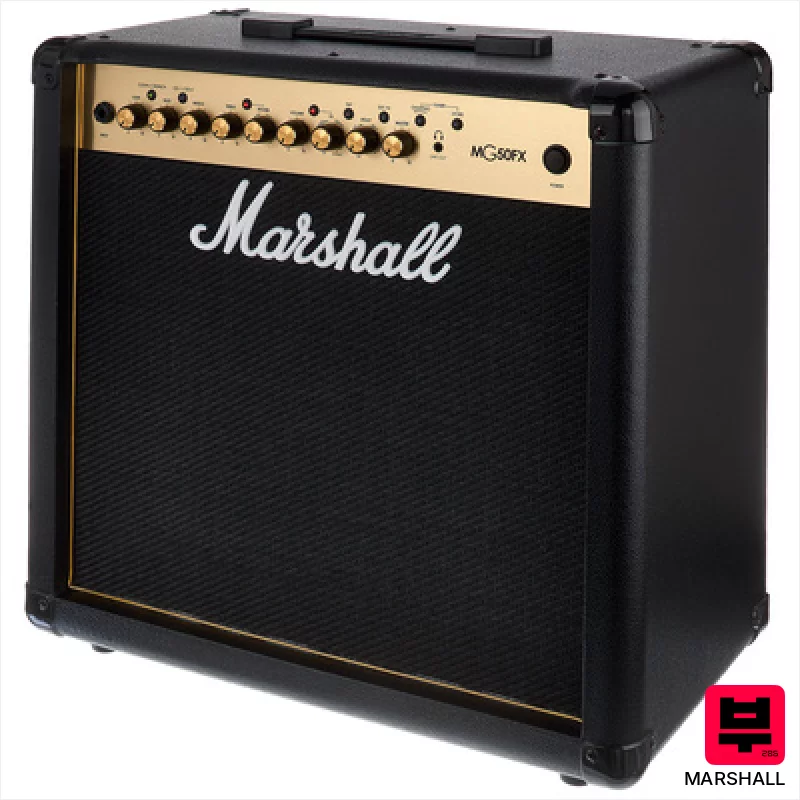
Marshall MG50GFX
- • Versatile digital effects offer a wide range of usable tones.
- • The 12 in speaker provides a surprisingly full and warm low-end.
- • Four channels allow for distinct clean, crunch, overdrive, and high-gain sounds.
- • Compact and relatively lightweight for a 50-watt combo amp.
- • Solid-state construction lacks the organic feel of a tube amp.
- • EQ isn't as detailed or flexible as higher-end Marshall offerings.
- • Footswitch for effects is optional, adding to the overall cost.
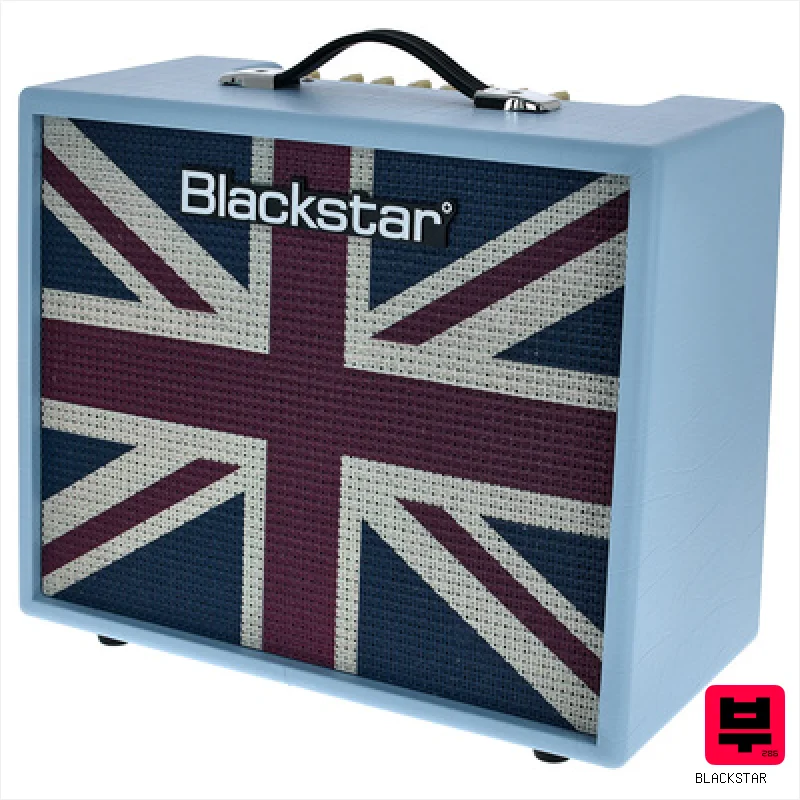
Blackstar Debut 50R UJBB
- • Solid-state design keeps the unit light and reliable for gigging.
- • Union Jack Baby Blue finish offers a unique and eye-catching look.
- • ISF EQ provides a modern, precise way to shape your tone.
- • 50 watts with 5-watt reduction delivers clean headroom at low volumes.
- • Single speaker limits low-end response compared to dual cabinet amps.
- • Reverb is limited to plate and hall types with no other options.
- • Overdrive channel lacks a dedicated boost or drive level control knob.

Blackstar Debut 50R Cream Oxblood
- • Cream Tolex and Oxblood front offer a vintage, classy aesthetic.
- • ISF control provides a wide tonal palette, surprisingly versatile.
- • 5-watt mode is perfect for bedroom practice without deafening neighbors.
- • Clean channel delivers a usable, bright platform for pedals or direct recording.
- • Mosfet preamp lacks the nuanced warmth of a tube amp's harmonic complexity.
- • 12” speaker is adequate but won't deliver the low-end thump of larger designs.
- • Limited connectivity; lacks balanced outputs for professional recording setups.
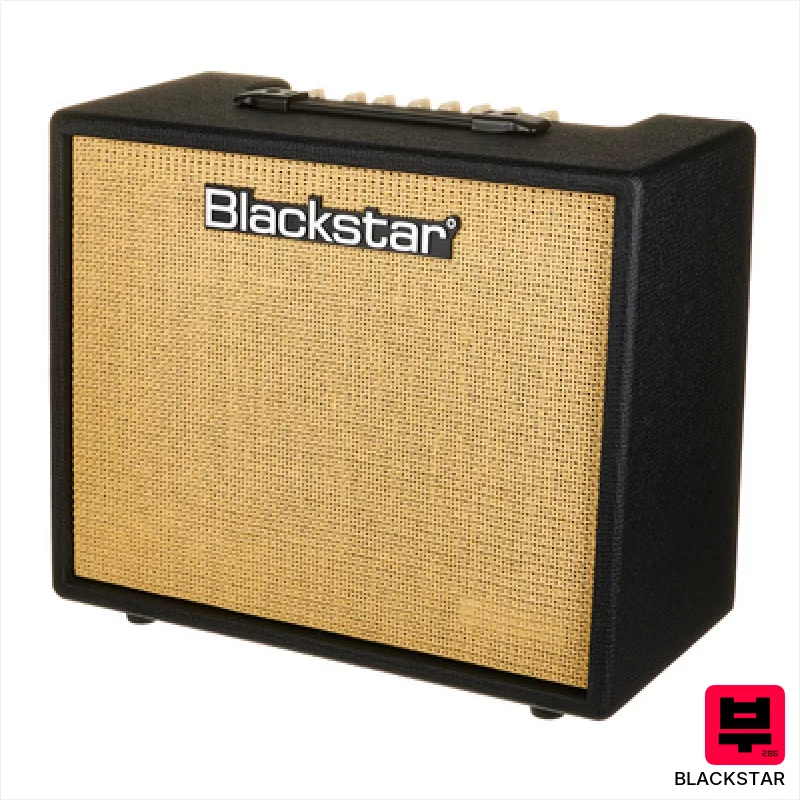
Blackstar Debut 50R Black
- • The ISF control offers surprisingly broad tonal shaping, beyond typical EQ.
- • MOSFET preamp delivers a modern, aggressive gain channel with decent clarity.
- • The 12” speaker provides a full-bodied sound, better than many in this class.
- • Built-in reverb is usable and adds a touch of ambience without being muddy.
- • Tolex covering feels a bit thin and may not withstand heavy gigging.
- • Clean channel can be a little brittle and lacks genuine warmth.
- • Loop-in lacks proper isolation, potential noise issues with high-gain pedals.

Orange Crush 20 RT Orianthi
- • White finish offers a striking, unique aesthetic from Orange.
- • Voice of the World speaker delivers surprisingly full, articulate tone for its size.
- • Orianthi's gain structure provides aggressive, modern rock distortion.
- • Compact size and weight make it ideal for practice and small gigs.
- • 20 Watts limits headroom; struggles at higher volumes without external amplification.
- • 3-band EQ is basic; lacks the flexibility for nuanced tone shaping.
- • Aux input is only 3.5mm; less convenient than a standard RCA input.
Every solid-state guitar combos that matches
84 models match this page. The 15 above are covered in detail; the rest are listed here with their published specifications.
Solid-State Guitar Combos by the numbers
Measured across all 84 models in this category, so «wide», «short» or «expensive» mean something you can check.
How to Choose the Best Solid-State Guitar Combos
Clean Tone Clarity
Solid-state amps can get muddy quickly. We're looking for amps with a clean platform that's articulate enough to handle single-coil sparkle without getting fizzy or losing definition when you add some drive.
Drive Voicing
Most of these combos will offer some kind of gain channel. Is it a warm, bluesy crunch? A high-gain metal scream? Does it retain some dynamic response, or is it just a wall of noise?
Reverb Quality
A decent reverb can make a huge difference. Cheap reverb sounds digital and artificial. We're evaluating how natural the reverb sounds and whether it adds depth or just a generic wash.
Speaker Quality
A cheap speaker will choke your tone. We're listening for a speaker that can handle a range of tones - from clean chime to distorted grit - without sounding brittle or boxy. Often, this is the biggest compromise at this price point.
Headroom and Noise Floor
Headroom is how much louder you can go before things get ugly. Solid-state amps should have more headroom than tube amps, but a low-quality amp can still introduce noise at moderate volumes. We're assessing how well they handle higher volumes and how much hiss you'll be dealing with.
Buying Guide
At this price, expect some compromises. You're unlikely to get a super-versatile amp that nails every genre perfectly. Speaker quality is often the first thing to be cut, so listen carefully to demos. Don't be fooled by a ton of features; focus on the core tones you need and make sure the amp delivers them well. And honestly, a used amp can often get you significantly better value.
How This List Is Built
We don't play these instruments — we're a catalog, not a review desk, and we'd rather say so than pretend otherwise. This page covers 84 solid-state guitar combos from the Thomann catalogue, which is the largest single source of specification data in this category: 15 in detail, the rest listed with their specifications.
Position is computed, not curated. We parse the manufacturer's own description into actual values — nut width, scale, fret count, fingerboard radius, size, alloy — and rank on them: how many specifications a model has published, how many of them are measurable numbers, and how precisely it meets this page's criterion. A product image adds a little. Price is not a ranking signal: it tells you nothing about whether a neck fits your hand. The same inputs always produce the same order, so nothing here is shuffled to look fresh.
What this list is good for: narrowing a category down to a shortlist by spec and budget. What it isn't: a substitute for hearing an instrument. Before you buy, read hands-on reviews and, where you can, play it. Full methodology.

