
Best Fender Solid-State Guitar Combos 2026
Alright, so you're looking at Fender solid-state combos? It's a bit of a surprising choice these days, I know. Most folks associate Fender with that classic tube warmth, but Fender's dipped their toes into solid-state amps for decades, and they've actually built some genuinely useful rigs. They aren't trying to replace the Twin Reverb, but they offer a different, often overlooked, set of advantages for specific situations.
Last updated: September 28, 2026
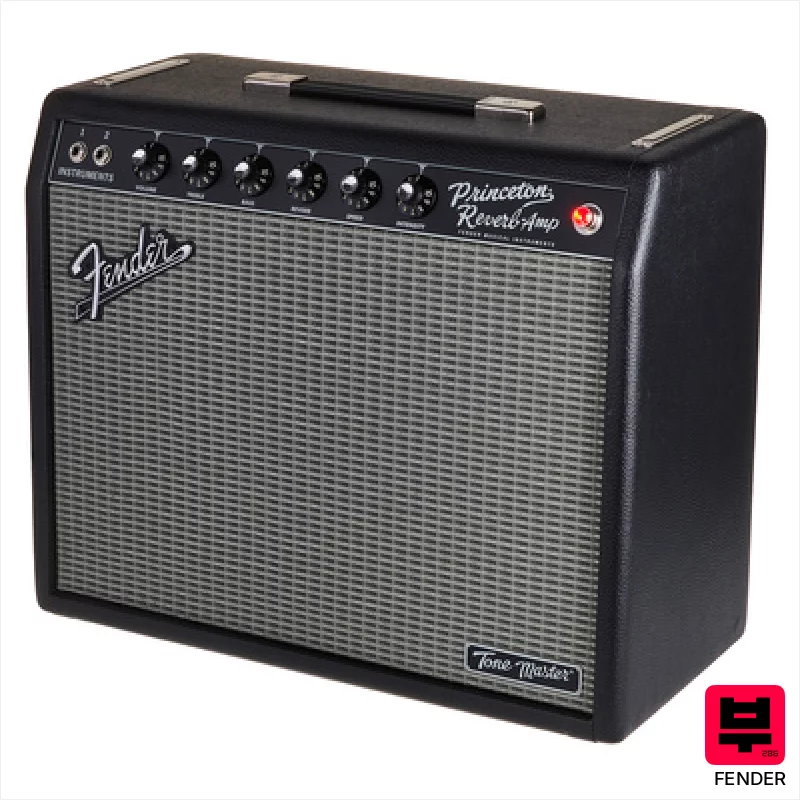
Fender Tone Master Princeton Reverb
- • Jensen C10R speaker delivers a surprisingly full, warm, and articulate low-end response.
- • Excellent emulation of the classic Princeton Reverb's chime and headroom.
- • Built-in reverb and tremolo are genuinely usable and add authentic vintage vibe.
- • Lightweight and portable compared to a tube Princeton Reverb, great for gigging.
- • Lacks the nuanced dynamic response and 'feel' of a genuine tube amp.
- • While versatile, the single channel limits tonal shaping flexibility for some players.
- • USB connectivity primarily geared towards software updates and presets, limited creative control.

Fender Frontman 10G
- • Surprisingly robust build for its price point, feels solid.
- • The Fender Special Design speaker offers a decent, usable tone.
- • Simple controls make it incredibly easy to dial in a basic sound.
- • Headphone output is a huge plus for quiet practice sessions.
- • The 6in speaker severely limits low-end response and overall volume.
- • Limited EQ (2-band) restricts tonal shaping possibilities.
- • Overdrive channel is fairly thin and lacks significant character.
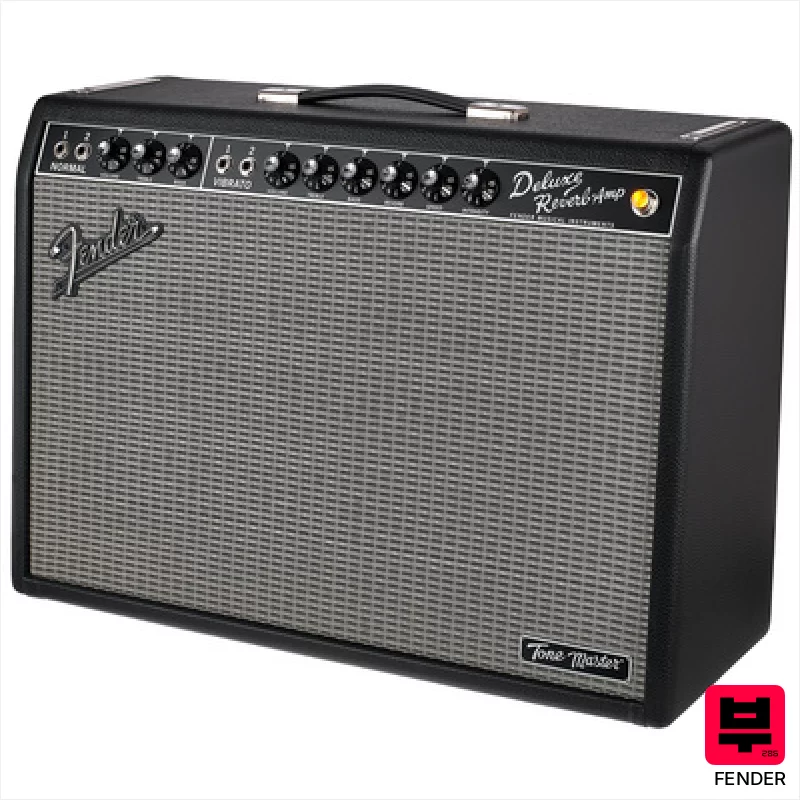
Fender Tone Master Deluxe Reverb
- • Jensen N-12K speaker delivers surprising warmth and clarity.
- • Excellent Deluxe Reverb voicing, capturing the classic chime and breakup.
- • Lightweight for a combo amp, gig-friendly at just over 11kg.
- • Versatile impulse responses expand tonal palette beyond stock settings.
- • Solid-state feel, though impressively close to a tube amp, isn’t identical.
- • Limited headroom compared to higher wattage tube amps.
- • Footswitch only controls channel switching and reverb – no global effects control.
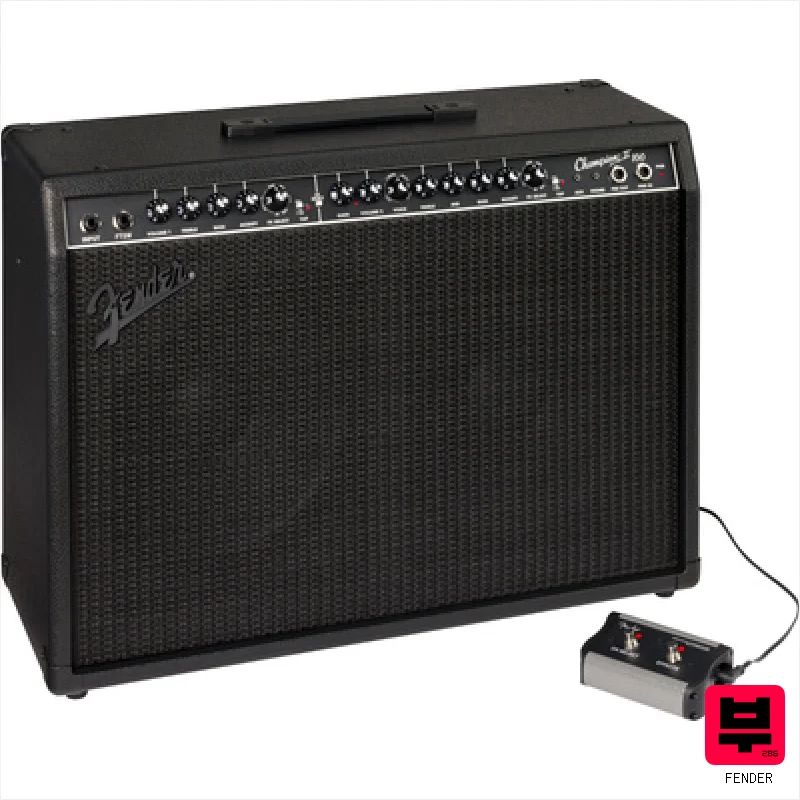
Fender Champion II 100 Blackout
- • Two distinct channels let you switch between clean and overdriven tones instantly.
- • Built-in footswitch makes changing channels or engaging effects effortless.
- • Two input jacks allow you to blend a guitar and a keyboard easily.
- • Solid 7-ply cabinet board suggests a sturdy build for road use.
- • Heavy 19-inch depth makes it difficult to store in small spaces.
- • No listed weight spec means you cannot estimate the total portability.
- • Lacks dedicated reverb or delay controls, limiting specific effect shapes.
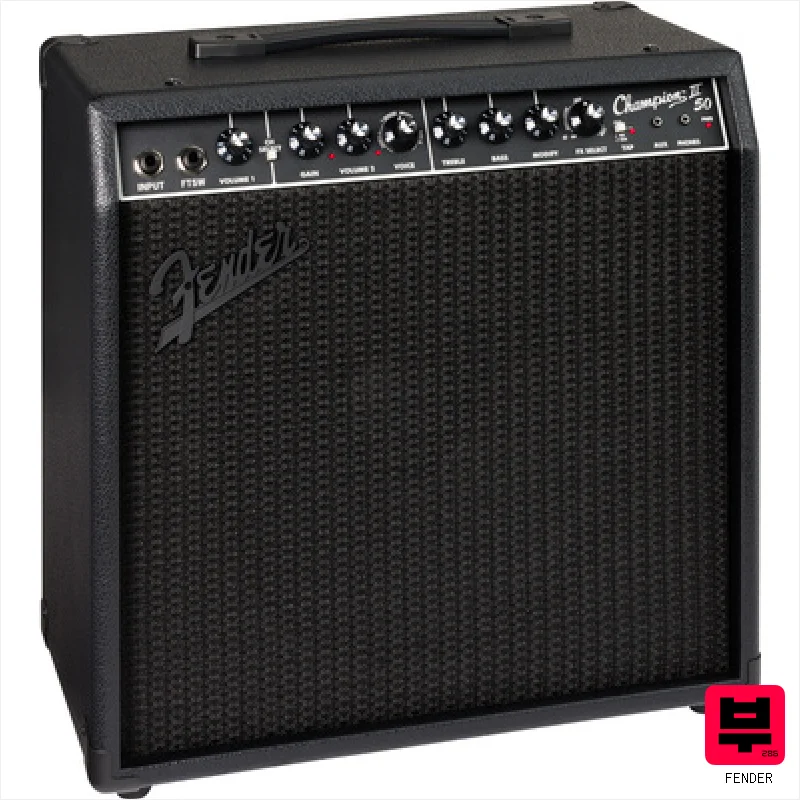
Fender Champion II 50 Blackout
- • Solid-state design keeps the amp lightweight and durable for gigging.
- • Built-in headphone jack lets you practice quietly without disturbing neighbors.
- • Two distinct channels give players more than just one sound option.
- • 7-ply medium-density fibreboard cabinet ensures sturdy construction over time.
- • No speaker-level input means you cannot connect an external mixer easily.
- • Single 8-ohm impedance limits compatibility with some other guitar amps.
- • Lack of specific wattage ranges per channel makes volume control less flexible.
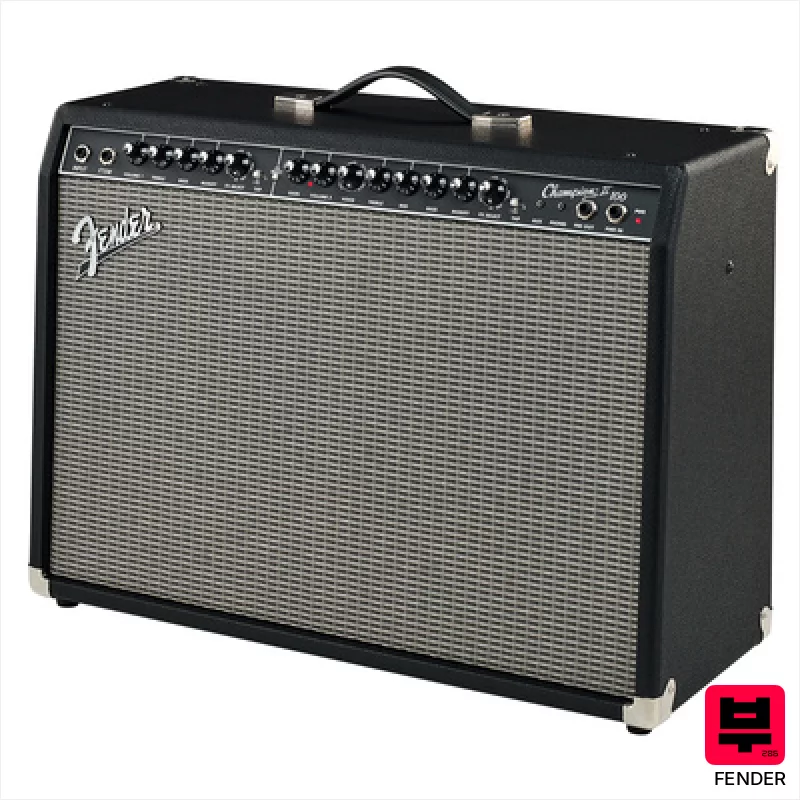
Fender Champion II 100
- • 7-ply MDF cabinet feels surprisingly sturdy for its class.
- • Versatile amp modeling covers a wide range of genres well.
- • Dual 12” speakers provide a full, surprisingly loud sound.
- • Footswitch included offers convenient channel switching.
- • The digital effects, while decent, lack the depth of dedicated pedals.
- • EQ isn't as precise or nuanced as a tube amp's.
- • The textured vinyl covering can be prone to scuffs and wear.
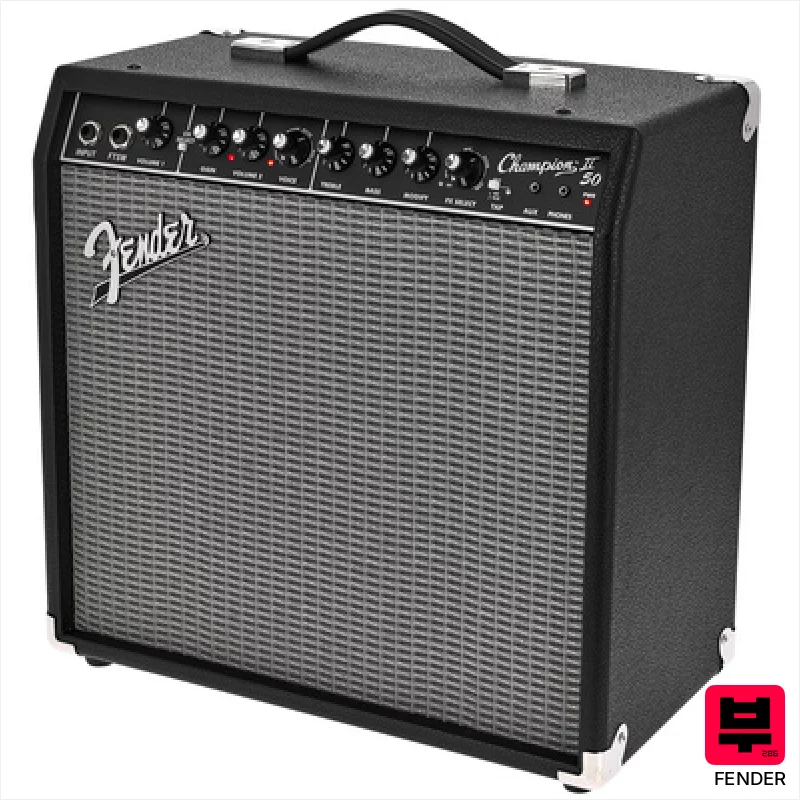
Fender Champion II 50
- • Solid MDF construction provides surprising resonance for a budget amp.
- • Versatile voicing options cover a wide range of genres convincingly.
- • The Fender Special Design speaker delivers a surprisingly full and balanced tone.
- • Compact size and lightweight design make it easy to transport and set up.
- • Solid-state amp lacks the nuanced dynamic response of a tube amp.
- • FX selection is limited, lacking depth compared to dedicated pedalboards.
- • The textured vinyl covering can feel a bit plasticky and less premium.
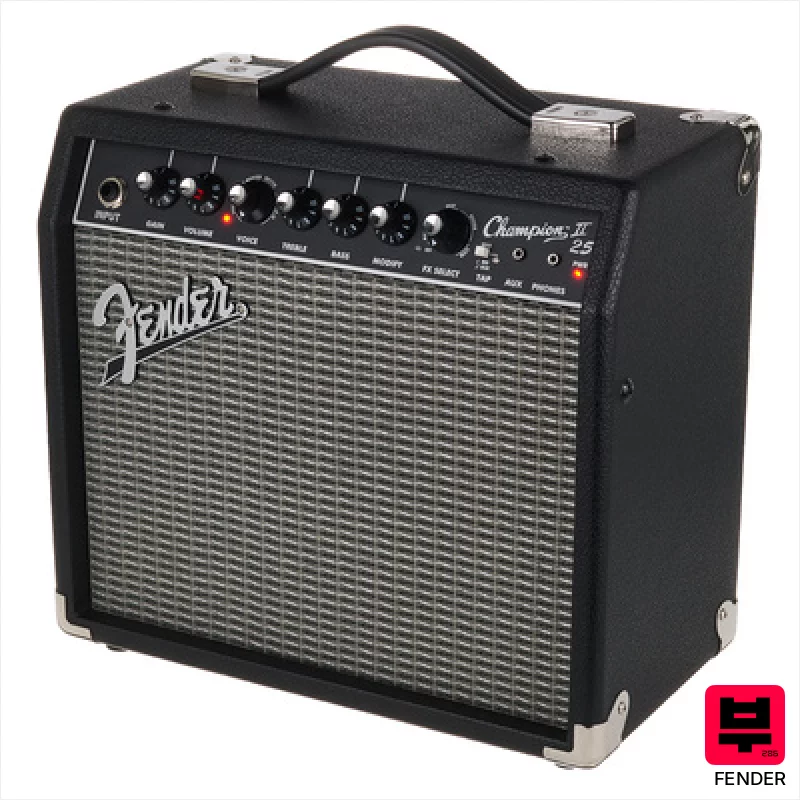
Fender Champion II 25
- • 7-ply MDF cabinet offers surprising rigidity for its price point.
- • The 'British' amp voice delivers a convincing, crunchy overdrive tone.
- • Compact size and lightweight design make it ideal for practice and small spaces.
- • Built-in effects, while basic, add useful texture and versatility.
- • 8” speaker limits low-end response, sounding thin at higher volumes.
- • Single channel design restricts tonal shaping; lacks complex amp modeling.
- • FX quality is serviceable, but not on par with dedicated stompboxes.
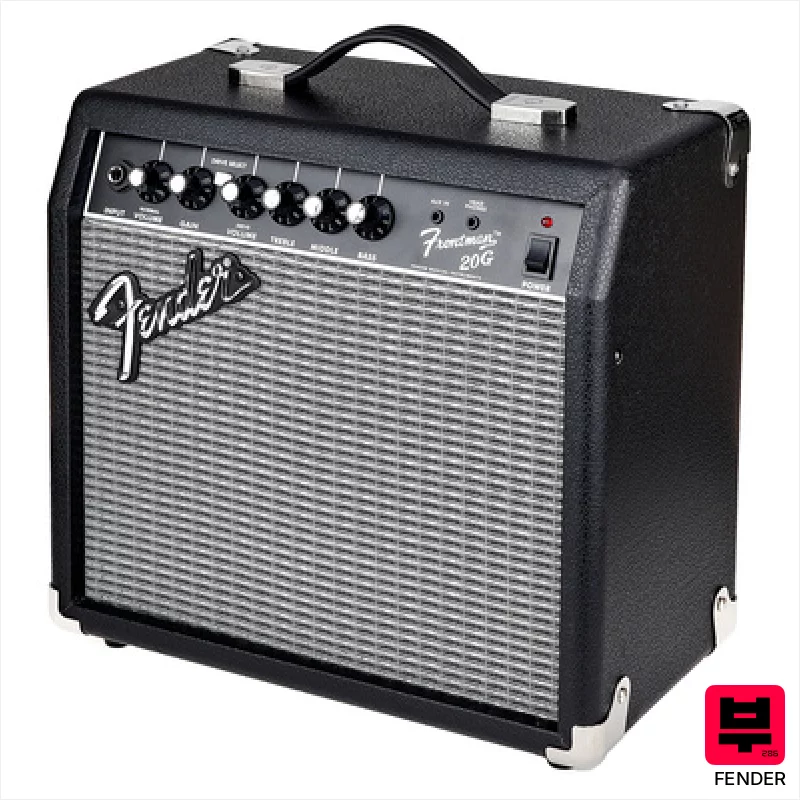
Fender Frontman 20G
- • Surprisingly clean headroom for a 20W combo, especially on the Normal channel.
- • The Fender Special Design speaker offers a decent, slightly scooped mid-range tone.
- • Simple controls allow for quick dialing-in of usable overdrive sounds.
- • Compact size and lightweight design make it easy to transport and set up.
- • The Drive channel can get a bit fizzy and harsh at higher gain settings.
- • Limited tonal flexibility; lacks more advanced EQ or effects options.
- • The 8” speaker restricts low-end response; bass frequencies are noticeably lacking.

Fender Mini '57 Twin Amp
- • Faithfully captures '57 Twin's clean, bright character.
- • Surprisingly loud for its size; great for practice.
- • Headphone jack provides silent practice versatility.
- • Portable and battery-powered for ultimate convenience.
- • 2-inch speakers severely limit low-frequency response.
- • Limited tonal shaping; EQ is very basic.
- • Build quality feels plasticky, typical of budget-friendly models.
Solid-State Guitar Combos by the numbers
Measured across all 93 models in this category, so «wide», «short» or «expensive» mean something you can check.
How to Choose the Best Solid-State Guitar Combos
Headroom
Solid-state amps are known for it, and Fender's aren't an exception. You'll get clean headroom for days before even hinting at breakup, which is fantastic for players needing to cut through a loud band or for recording clean tones.
Portability & Durability
Let's be honest, hauling a vintage Deluxe Reverb around is a workout. Fender's solid-state combos are significantly lighter and tougher - gigging regularly? These will take a beating.
Tone Characteristics
Forget that saturated tube warmth. These amps deliver a more defined, articulate sound. You get a tighter low-end thump, a brighter, more present midrange- sometimes a little too bright depending on the model-and a quicker response to your playing dynamics.
EQ Flexibility
Fender's solid-state designs often include surprisingly versatile EQ controls. You can really shape the tone to compensate for different guitars and playing styles, which is crucial for getting a usable sound in diverse situations.
Value for Money
While they won't have the 'mojo' of a vintage Fender, the price point is attractive. You're getting a reliable, loud amp with a decent feature set for less than many entry-level tube amps.
Buying Guide
Don't expect vintage Fender tone - these amps have their own character. The biggest trade-off is that missing tube saturation; if you crave that natural, gradual breakup, this isn't it. Pay close attention to the speaker - a cheap speaker can really muddy up the sound, even with a good amp. And be honest with yourself about your needs: if you're chasing a classic Fender vibe, save up for a tube amp.
How This List Is Built
We don't play these instruments — we're a catalog, not a review desk, and we'd rather say so than pretend otherwise. This page covers 10 of 93 solid-state guitar combos from the Thomann catalogue, which is the largest single source of specification data in this category: 10 in detail, the rest listed with their specifications.
Position is computed, not curated. We parse the manufacturer's own description into actual values — nut width, scale, fret count, fingerboard radius, size, alloy — and rank on them: how many specifications a model has published, how many of them are measurable numbers, and how precisely it meets this page's criterion. A product image adds a little. Price is not a ranking signal: it tells you nothing about whether a neck fits your hand. The same inputs always produce the same order, so nothing here is shuffled to look fresh.
What this list is good for: narrowing a category down to a shortlist by spec and budget. What it isn't: a substitute for hearing an instrument. Before you buy, read hands-on reviews and, where you can, play it. Full methodology.

