
Best Roland Solid-State Guitar Combos 2026
Alright, let's talk Roland solid-state combos. They've got a reputation, and it's not always the warmest and fuzzies, but dismissing them out of hand is a mistake. Roland's been churning out reliable, gig-ready amps for decades, and while they're not going to give you vintage tweed vibes, they offer a distinct character-a clean headroom that's almost surgical, and a surprisingly versatile platform for shaping your sound. If you're tired of fragile tube amps and need something that can take a beating, these are worth a serious look.
Last updated: September 28, 2026
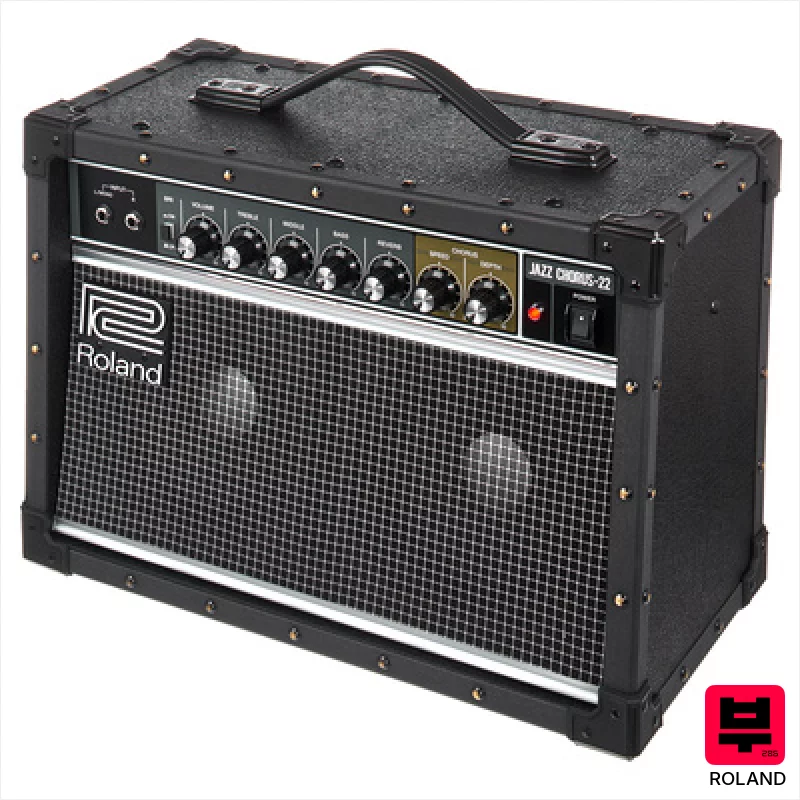
Roland JC-22
- • Iconic Jazz Chorus clean tone, remarkably pristine and clear
- • Compact size and stereo capabilities offer surprising versatility
- • Built-in chorus is genuinely usable and adds a classic vibe
- • Effects loop allows for integration with external pedals and processors
- • 6.5-inch speakers lack the low-end thump for heavier genres
- • Solid-state construction lacks the warmth of a tube amp
- • Bright switch can be overly aggressive, requiring careful EQ adjustment
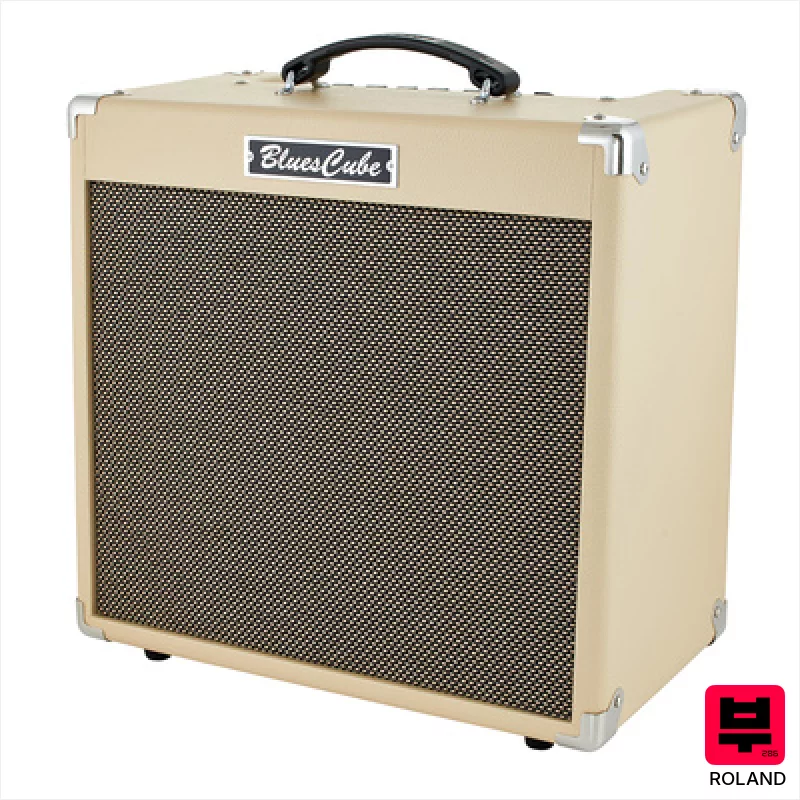
Roland Blues Cube Hot VB
- • Roland's Tube Logic convincingly emulates vintage tube amp response.
- • Custom 12 in speaker delivers a surprisingly full and articulate tone.
- • 4-way power control offers genuine tube dynamics at usable volumes.
- • USB output simplifies recording directly into your DAW.
- • Single channel limits tonal flexibility for more complex rigs.
- • Poplar enclosure, while lightweight, lacks the resonance of hardwood.
- • Boost function's character isn't always complementary to the clean tone.
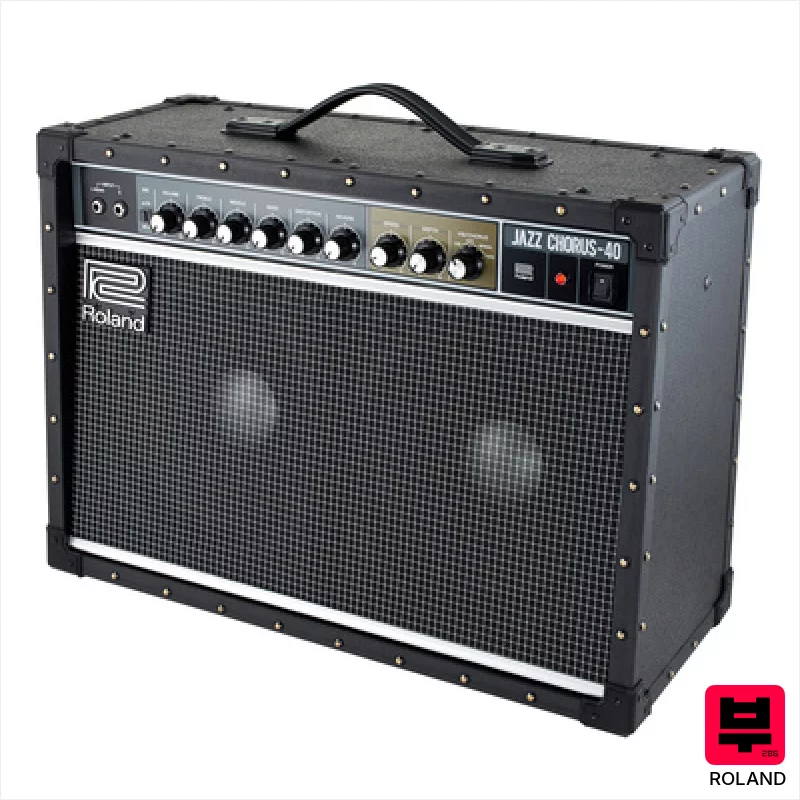
Roland JC-40
- • Classic Jazz Chorus clean tone, remarkably versatile for various genres
- • Stereo operation expands soundstage, excellent for effects and layering
- • Compact size and 40W output offer portability without sacrificing volume
- • Built-in chorus is iconic, usable and surprisingly good quality
- • Solid-state sound lacks the warmth of tube amps for some players
- • Limited EQ controls can be restrictive for complex tonal shaping
- • Lacks a reverb footswitch, requiring manual adjustment or external solutions

Roland Blues Cube Stage
- • Roland's Tube Logic convincingly emulates vintage tube amp warmth.
- • Open-back cabinet design enhances natural resonance and projection.
- • Dual-Tone mode offers surprising versatility for clean and driven tones.
- • USB output simplifies recording directly into a DAW for modern workflows.
- • The 12 in speaker limits low-end extension compared to larger combos.
- • Limited tonal sculpting beyond the 3-band EQ can feel restrictive.
- • Solid-state nature means it lacks the nuanced dynamic response of a true tube amp.

Roland Blues Cube Artist
- • Roland's Tube Logic delivers surprising warmth and responsiveness.
- • Dual-Tone mode offers a unique blend of clean and drive tones.
- • The 4-Level power control is incredibly useful for practice or gigging.
- • Built-in tremolo and reverb are surprisingly musical and usable.
- • The 1x12in speaker limits low-end extension at higher volumes.
- • Solid-state design, while reliable, lacks the complex harmonic character of tubes.
- • Limited EQ controls may require external processing for extensive tonal shaping.
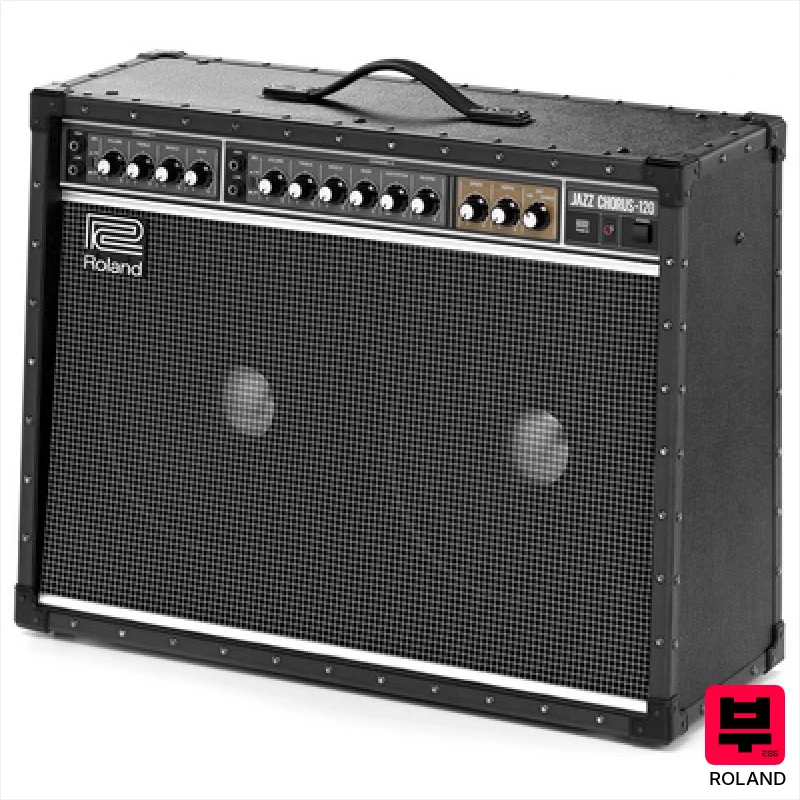
Roland JC-120
- • Exceptionally clean, transparent amplification preserves guitar's natural tonal character.
- • Iconic chorus effect is lush, adjustable, and instantly recognizable.
- • Stereo twin-speaker design creates a wide, immersive soundstage.
- • Durable construction with robust metal chassis ensures long-term reliability.
- • Limited overdrive/distortion capabilities; designed for clean tones primarily.
- • Significant weight makes portability challenging for gigging musicians.
- • High-end price point may be prohibitive for budget-conscious players.
Solid-State Guitar Combos by the numbers
Measured across all 93 models in this category, so «wide», «short» or «expensive» mean something you can check.
How to Choose the Best Solid-State Guitar Combos
Clean Headroom
Roland's signature. You'll get seriously loud before any noticeable breakup - perfect for cutting through a loud band or recording without distortion. It's not 'sterile' necessarily, but it's incredibly defined.
Digital Modeling (where applicable)
Some models incorporate Roland's modeling technology. This can be a huge advantage for versatility, but be wary - the quality of the models varies. The good ones are good, the not-so-good ones... well, they're obvious.
Effects Section
Many Roland combos have built-in effects like reverb, chorus, and delay. These are often surprisingly usable, especially for practice or smaller gigs, though serious players will likely still want external pedals.
Build Quality & Reliability
Roland gear is generally built to last. Solid construction, reliable components - these amps aren't going to fall apart on you mid-set. That said, the speaker cabinets can sometimes feel a little... utilitarian.
Tone Shaping Capabilities
While the core "Roland" sound is fairly distinct, these amps offer a surprising amount of tonal flexibility through EQ controls and sometimes, digital modeling. You can coax a wide range of sounds out of them with the right guitar and settings.
Buying Guide
Don't expect a warm, organic tube tone. That's not what these are about. The value comes from the clean headroom, reliability, and the potential for shaping your sound with effects and EQ. Higher-end models often have better speakers and more sophisticated modeling, but the basic formula is solid across the board. Watch out for older models - component quality can sometimes vary, and servicing can be a pain.
How This List Is Built
We don't play these instruments — we're a catalog, not a review desk, and we'd rather say so than pretend otherwise. This page covers 6 of 93 solid-state guitar combos from the Thomann catalogue, which is the largest single source of specification data in this category: 6 in detail, the rest listed with their specifications.
Position is computed, not curated. We parse the manufacturer's own description into actual values — nut width, scale, fret count, fingerboard radius, size, alloy — and rank on them: how many specifications a model has published, how many of them are measurable numbers, and how precisely it meets this page's criterion. A product image adds a little. Price is not a ranking signal: it tells you nothing about whether a neck fits your hand. The same inputs always produce the same order, so nothing here is shuffled to look fresh.
What this list is good for: narrowing a category down to a shortlist by spec and budget. What it isn't: a substitute for hearing an instrument. Before you buy, read hands-on reviews and, where you can, play it. Full methodology.

