
Best Solid-State Guitar Combos Under $2,000 2026
Alright, so you want a solid-state combo that won't drain your bank account but still sounds decent? It's a tricky balance - you're not chasing vintage warmth or boutique sparkle here, but you can get a reliable, versatile amp for practice, smaller gigs, or even recording without mortgaging your apartment. We're focusing on combos under $2000, and I'll be blunt about what you're getting for your money - and what you're not.
Last updated: April 11, 2026
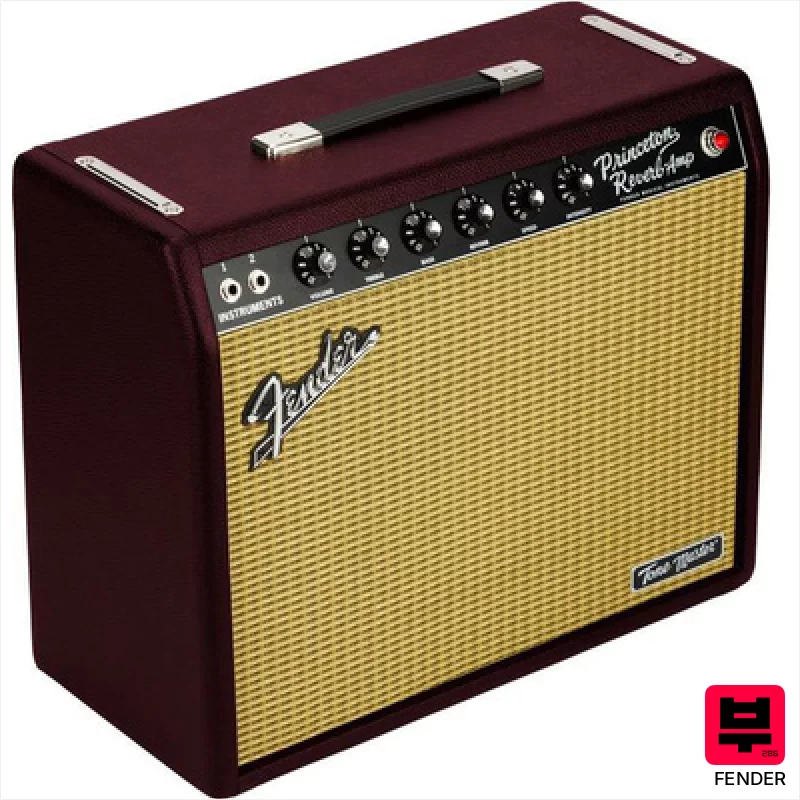
Fender Tone Master Princeton Reverb W
- • Jensen C10R speaker delivers a surprisingly full, warm low-end.
- • Bordeaux Tolex and Wheat grille offer a genuinely appealing vintage aesthetic.
- • Excellent reverb and tremolo simulation convincingly mimics classic Fender circuits.
- • Lightweight for a combo, making gigging considerably easier than a vintage Princeton.
- • Limited channel flexibility restricts tonal exploration beyond the core Princeton sound.
- • While impressive, the modeling isn't a perfect recreation of a tube amp’s dynamic response.
- • The 10in speaker, while good, lacks the headroom of a 12in in higher volume scenarios.
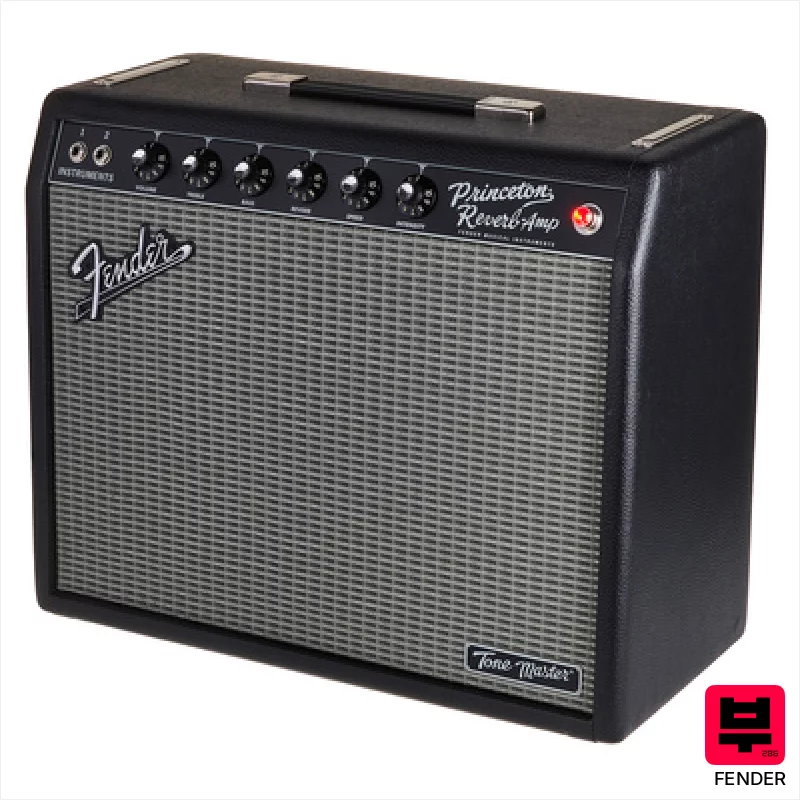
Fender Tone Master Princeton Reverb
- • Jensen C10R speaker delivers a surprisingly full, warm, and articulate low-end response.
- • Excellent emulation of the classic Princeton Reverb's chime and headroom.
- • Built-in reverb and tremolo are genuinely usable and add authentic vintage vibe.
- • Lightweight and portable compared to a tube Princeton Reverb, great for gigging.
- • Lacks the nuanced dynamic response and 'feel' of a genuine tube amp.
- • While versatile, the single channel limits tonal shaping flexibility for some players.
- • USB connectivity primarily geared towards software updates and presets, limited creative control.
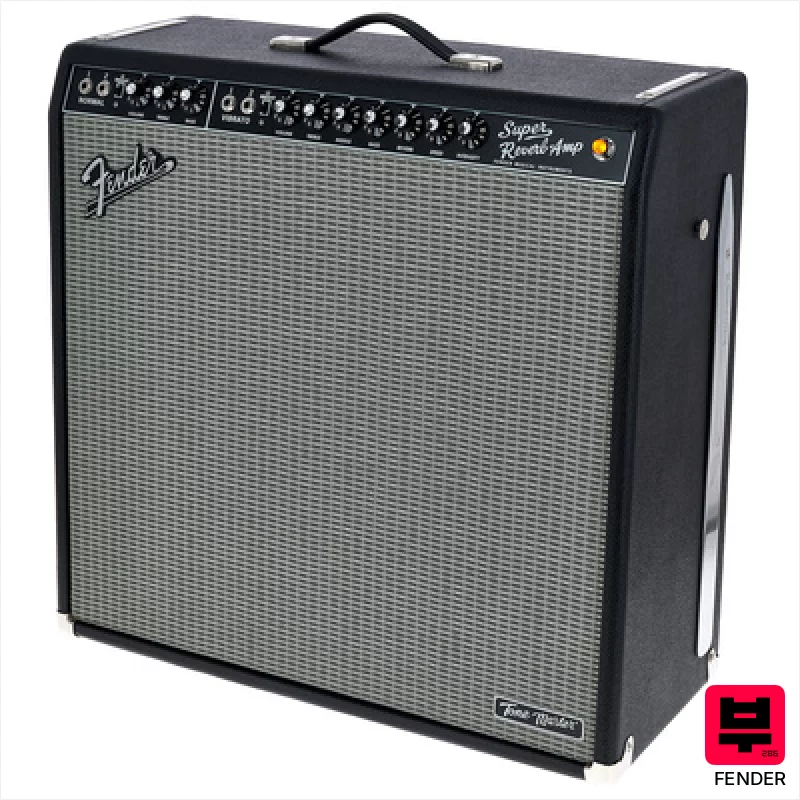
Fender Tone Master Super Reverb
- • Jensen P10R speakers deliver surprisingly warm, vintage-voiced tones.
- • Excellent spring reverb simulation – remarkably convincing and usable.
- • Lightweight for a 4x10 combo, making gigging significantly easier.
- • Versatile power attenuation allows for bedroom-friendly volumes with full tone.
- • Solid-state sound, while good, lacks the subtle dynamic response of a tube amp.
- • Limited EQ control on the 'Normal' channel feels a bit restrictive.
- • The digital nature can be sterile for players seeking raw, unfiltered character.
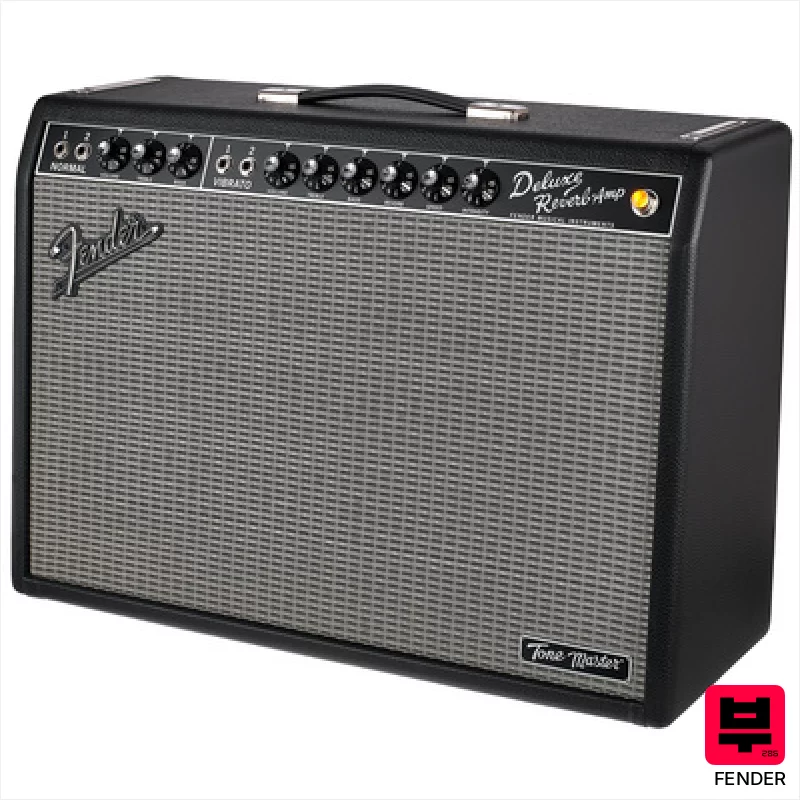
Fender Tone Master Deluxe Reverb
- • Jensen N-12K speaker delivers surprising warmth and clarity.
- • Excellent Deluxe Reverb voicing, capturing the classic chime and breakup.
- • Lightweight for a combo amp, gig-friendly at just over 11kg.
- • Versatile impulse responses expand tonal palette beyond stock settings.
- • Solid-state feel, though impressively close to a tube amp, isn’t identical.
- • Limited headroom compared to higher wattage tube amps.
- • Footswitch only controls channel switching and reverb – no global effects control.

Fender Tone Master 59 Bassman
- • Jensen P10R speakers deliver a remarkably articulate and defined low-end response.
- • The six-stage power attenuator offers incredible dynamic control and volume versatility.
- • Balanced XLR output with impulse response unlocks direct recording and PA integration.
- • Solid pine cabinet provides surprising resonance despite the solid-state nature.
- • The 'bright' channel can be overly aggressive for players preferring a darker tone.
- • While excellent, the modelling isn't a perfect recreation of a vintage Bassman.
- • The lightweight pine cabinet, while a benefit for portability, lacks the heft of a traditional amp.
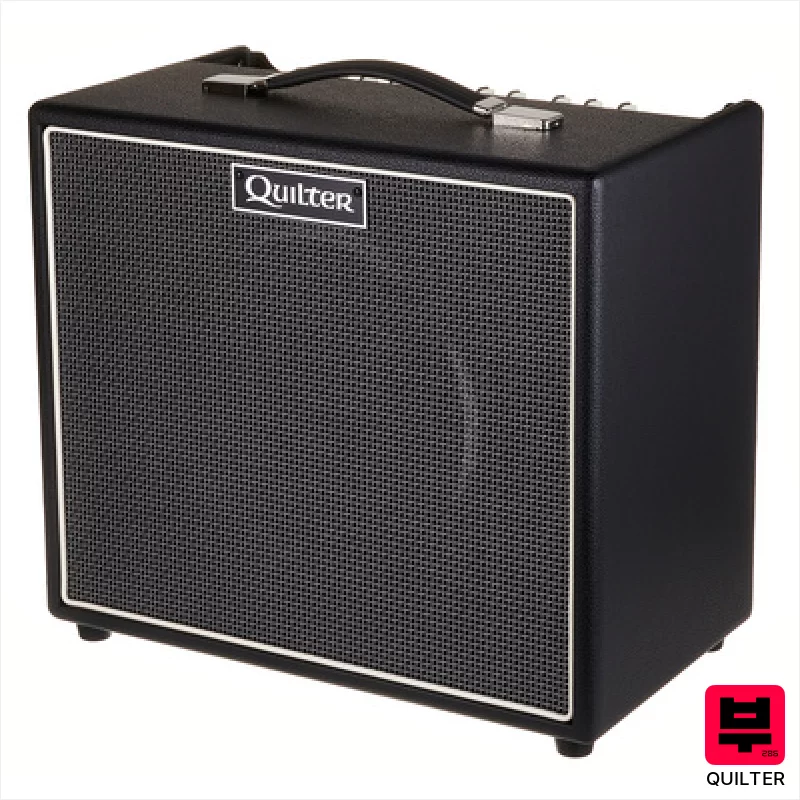
Quilter Aviator Mach 3 Combo
- • Celestion Copperback speaker delivers a surprisingly warm, articulate tone.
- • Six voicings per channel offer remarkable tonal flexibility for varied styles.
- • Mach 3 routing options provide unprecedented input signal management.
- • Built-in speaker simulation is genuinely useful for direct recording and live rigs.
- • Solid-state nature lacks the nuanced dynamic response of a tube amp.
- • While versatile, the voicing options can feel overwhelming for some users.
- • The weight, while reasonable for a combo, makes it less portable than micro amps.
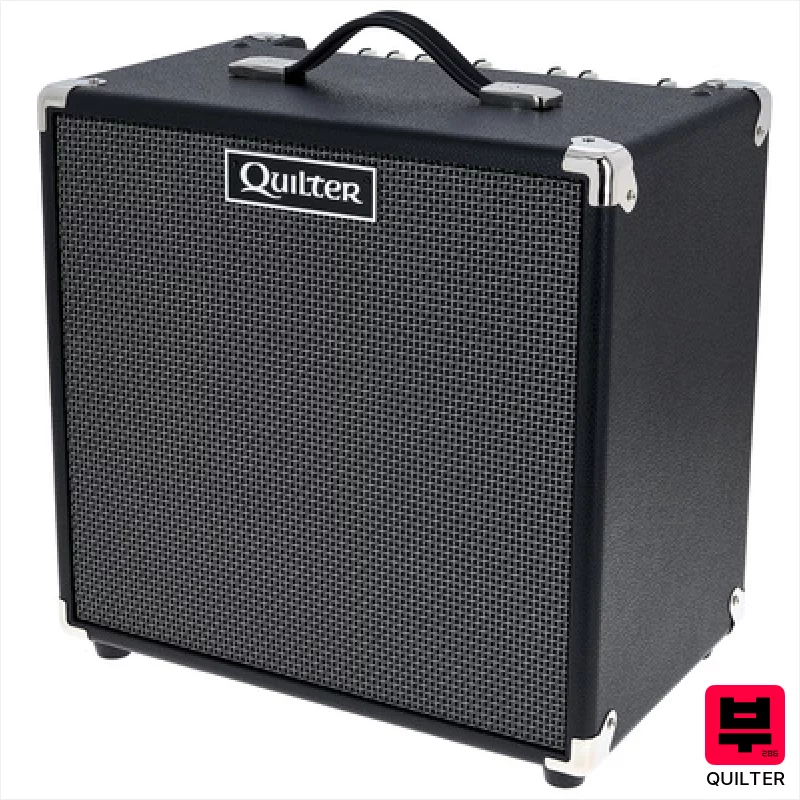
Quilter Aviator Cub 112 Combo
- • Excellent speaker choice delivers surprising warmth and clarity.
- • Quilter’s modeling is genuinely convincing across the three voicing options.
- • Compact size and relatively light weight for a 1x12 combo.
- • The built-in speaker simulation adds versatility for recording or direct use.
- • Limited tonal palette compared to multi-channel amps with more flexibility.
- • The Eminence speaker, while good, won't satisfy players wanting a truly boutique tone.
- • The '65 Black' voicing can be a bit harsh with hotter pickups.
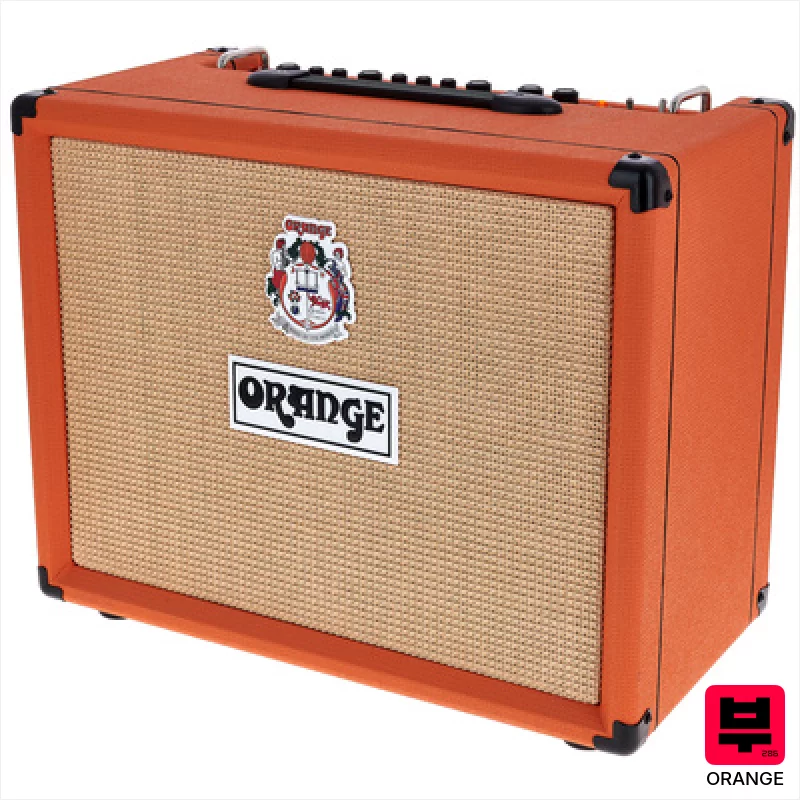
Orange Super Crush 100 Combo
- • Orange's signature crunch delivers a thick, responsive high-gain tone.
- • The Celestion G12K-150 speaker provides a tight, defined low-end response.
- • Dual channels offer flexibility – pristine cleans and aggressive overdrive.
- • Solid build quality with durable construction and robust Orange aesthetic.
- • Solid-state circuitry lacks the nuanced harmonic complexity of a tube amp.
- • Serial FX loop can introduce noise if not properly configured and isolated.
- • Limited EQ options on the clean channel may require external processing.

Roland Blues Cube Artist
- • Roland's Tube Logic delivers surprising warmth and responsiveness.
- • Dual-Tone mode offers a unique blend of clean and drive tones.
- • The 4-Level power control is incredibly useful for practice or gigging.
- • Built-in tremolo and reverb are surprisingly musical and usable.
- • The 1x12in speaker limits low-end extension at higher volumes.
- • Solid-state design, while reliable, lacks the complex harmonic character of tubes.
- • Limited EQ controls may require external processing for extensive tonal shaping.

Mooer SD 75 Modelling Guitar Combo
- • Excellent value for a modelling combo with this many features
- • Mooer’s preamp modelling delivers surprisingly authentic amp tones
- • Bluetooth connectivity adds serious convenience for backing tracks and practice
- • Jam Mode with looper and drum machine is genuinely useful for solo practice
- • Solid-state design lacks the organic warmth of a tube amp
- • The 12-inch speaker, while decent, won’t satisfy high-volume gigging
- • Preset editing interface could be more intuitive and visually clear

Blackstar Combo 100R 2x12" Beige
- • Solid MOSFET preamp delivers a surprisingly warm, vintage-inspired tone.
- • The ISF control offers broad tonal shaping without harshness.
- • 2x12in speaker configuration provides ample volume and a full low-end response.
- • Clean channel is versatile, handling everything from clean chime to slightly overdriven rhythm.
- • The 'Overdrive' channel, while usable, lacks the complexity of dedicated high-gain amps.
- • Beige color scheme isn't universally appealing; a more modern option would be welcome.
- • Solid-state construction, while reliable, lacks the organic feel of some tube amps.

Roland Blues Cube Stage
- • Roland's Tube Logic convincingly emulates vintage tube amp warmth.
- • Open-back cabinet design enhances natural resonance and projection.
- • Dual-Tone mode offers surprising versatility for clean and driven tones.
- • USB output simplifies recording directly into a DAW for modern workflows.
- • The 12 in speaker limits low-end extension compared to larger combos.
- • Limited tonal sculpting beyond the 3-band EQ can feel restrictive.
- • Solid-state nature means it lacks the nuanced dynamic response of a true tube amp.
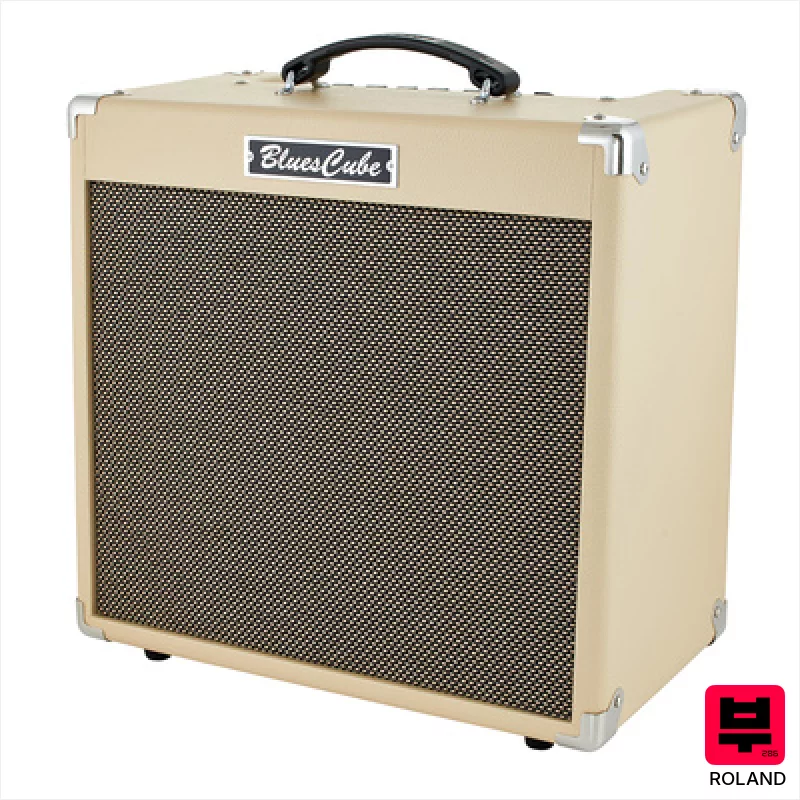
Roland Blues Cube Hot VB
- • Roland's Tube Logic convincingly emulates vintage tube amp response.
- • Custom 12 in speaker delivers a surprisingly full and articulate tone.
- • 4-way power control offers genuine tube dynamics at usable volumes.
- • USB output simplifies recording directly into your DAW.
- • Single channel limits tonal flexibility for more complex rigs.
- • Poplar enclosure, while lightweight, lacks the resonance of hardwood.
- • Boost function's character isn't always complementary to the clean tone.
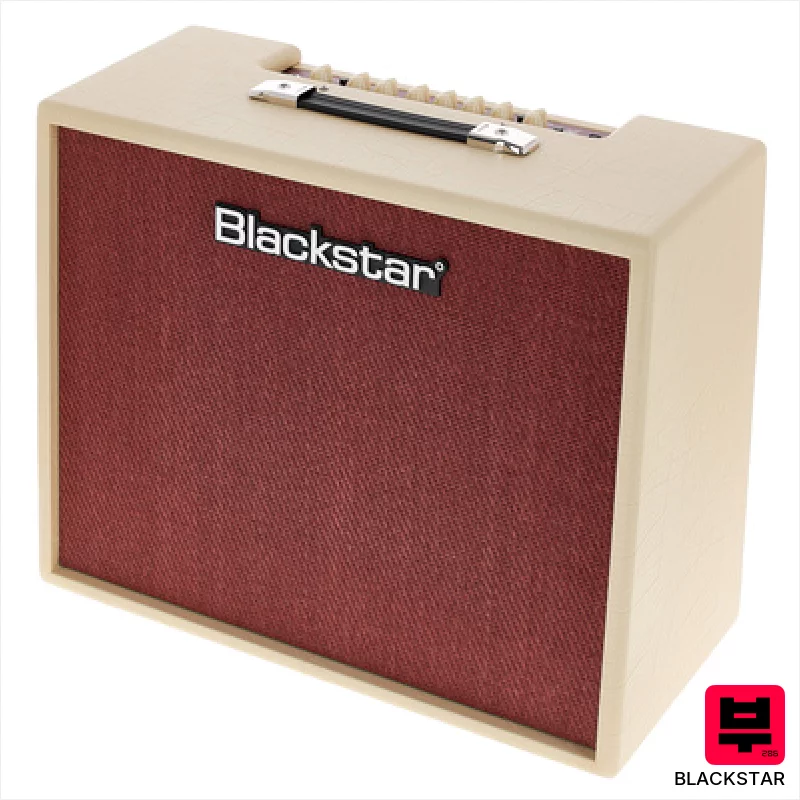
Blackstar Combo 100R 1x12" Beige
- • ISF control offers surprisingly wide tonal shaping, a Blackstar signature.
- • MOSFET preamp delivers a tight, modern clean channel with good headroom.
- • The 12” speaker provides a surprisingly full and balanced low-end response.
- • Power reduction to 5W is genuinely useful for practice without sacrificing tone.
- • Overdrive channel can sound a bit generic; lacks true character.
- • Build quality, while decent, uses primarily MDF which impacts long-term durability.
- • Limited connectivity compared to more expensive combo amps in its class.
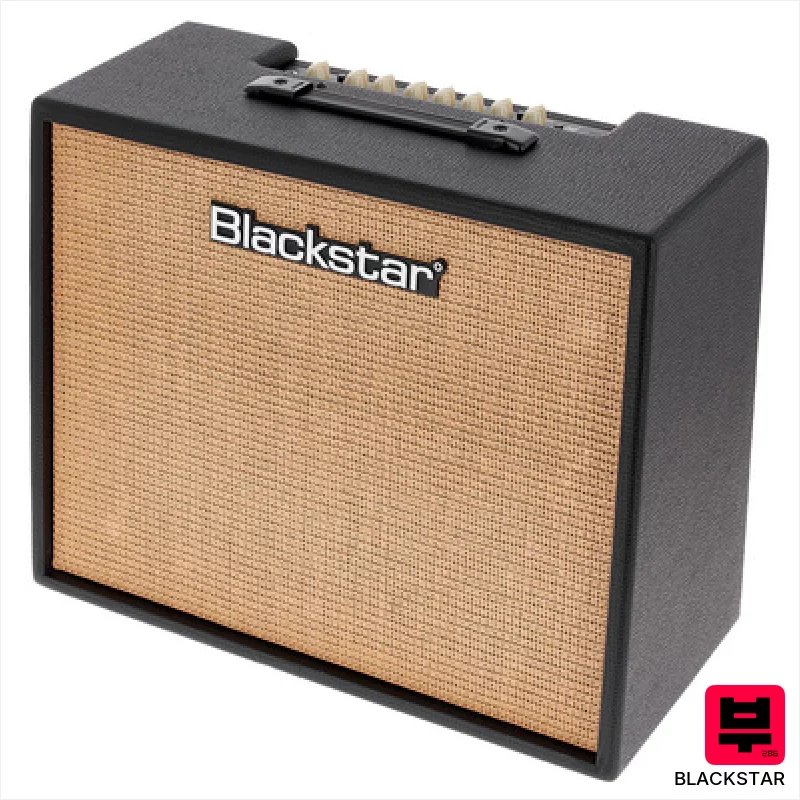
Blackstar Combo 100R 1x12" Black
- • ISF control provides surprisingly wide tonal shaping possibilities, beyond typical EQ.
- • The MOSFET preamp delivers a distinctly British, crunchy overdrive character.
- • Built-in reverb is usable and adds warmth, a welcome addition at this price.
- • Power reduction to 5W is crucial for home practice without excessive volume.
- • Solid-state construction lacks the warmth and dynamic response of a tube amp.
- • The 12” speaker, while decent, isn’t a high-end Celestion or similar.
- • The clean channel can be somewhat brittle and lacks true sparkling clarity.
How to Choose the Best Solid-State Guitar Combos
Clean headroom
Solid-state amps excel at clean tones, but headroom is crucial. You want it to stay clean enough for recording or playing with a drummer without getting fizzy and distorted prematurely.
Gain range and breakup character
While not known for their organic overdrive, many modern solid-state amps have surprisingly usable gain channels. We're looking for something that can go beyond just sparkly cleans - a usable crunch or even a gritty distortion is a big bonus.
Reverb quality
A decent reverb can make a huge difference. Cheap digital reverbs can sound like a cavern, so we're assessing the realism and depth of the built-in reverb effects.
Speaker quality & cabinet design
A weak speaker can ruin even a great amp. We're evaluating how the speaker handles different frequencies and the overall cabinet resonance - is it just a box, or does it contribute to the tone?
EQ flexibility
A flexible EQ section is essential for shaping your tone and cutting through a mix. We're looking for amps with useful mid controls and enough frequencies to dial in a variety of sounds.
Buying Guide
At this price point, you're making trade-offs. Don't expect a solid-state amp to magically emulate a tube amp's dynamic response or harmonic complexity. The biggest corner cut is often in speaker quality - upgrading the speaker is a common mod. Pay attention to the EQ controls; a well-voiced EQ can mask some of the inherent limitations of solid-state circuitry. And honestly, if you're gigging regularly, consider a head/cab setup - it'll give you more flexibility and potentially better speakers for the money.
How This List Is Built
We don't play these instruments — we're a catalog, not a review desk, and we'd rather say so than pretend otherwise. This page ranks 15 solid-state guitar combos from the Thomann catalogue, which is the largest single source of specification data in this category.
Position is computed, not curated. Four signals, in order of weight: how completely the manufacturer documents the instrument (number of published specifications), where it sits in the price range, how specific the model designation is — which filters out generic accessories — and whether a product image exists. The same inputs always produce the same order, so nothing here is shuffled to look fresh.
What this list is good for: narrowing a category down to a shortlist by spec and budget. What it isn't: a substitute for hearing an instrument. Before you buy, read hands-on reviews and, where you can, play it. Full methodology.

