
Best Orange Solid-State Guitar Combos 2026
Okay, so you're looking at Orange solid-state combos? Smart move. For years, Orange was all about that vintage-voiced tube warmth and that iconic cabinet look, but their shift to solid-state has been surprisingly well-received. They've managed to capture a lot of that Orange character - that aggressive mid-range bite - while offering reliability, consistent tone, and a price point that won't make your wallet weep. Let's break down what makes these combos tick.
Last updated: September 29, 2026

Orange O Tone 40 Black
- • Distinct Orange crunch delivers a surprisingly thick, warm tone.
- • Voice of the World speaker provides a balanced, articulate response.
- • Built-in tremolo adds vintage vibe and usable modulation.
- • Buffered FX loop preserves signal clarity with effects pedals.
- • Limited channel flexibility restricts tonal sculpting possibilities.
- • Solid-state design lacks the organic complexity of a tube amp.
- • Relatively heavy for a combo, impacting portability.

Orange O Tone 40 Orange
- • The Voice of the World speaker delivers a surprisingly full, warm Orange tone.
- • Solid build quality; feels robust and well-assembled for its class.
- • Footswitchable tremolo is genuinely usable and adds vintage vibe.
- • Buffered FX loop preserves signal clarity when using external pedals.
- • Limited channel options restrict tonal flexibility for modern players.
- • Digital reverb, while decent, isn’t a substitute for a quality analog spring.
- • The 40W power is sufficient for practice but lacks headroom for louder gigs.

Orange Crush 20 RT Orianthi
- • White finish offers a striking, unique aesthetic from Orange.
- • Voice of the World speaker delivers surprisingly full, articulate tone for its size.
- • Orianthi's gain structure provides aggressive, modern rock distortion.
- • Compact size and weight make it ideal for practice and small gigs.
- • 20 Watts limits headroom; struggles at higher volumes without external amplification.
- • 3-band EQ is basic; lacks the flexibility for nuanced tone shaping.
- • Aux input is only 3.5mm; less convenient than a standard RCA input.
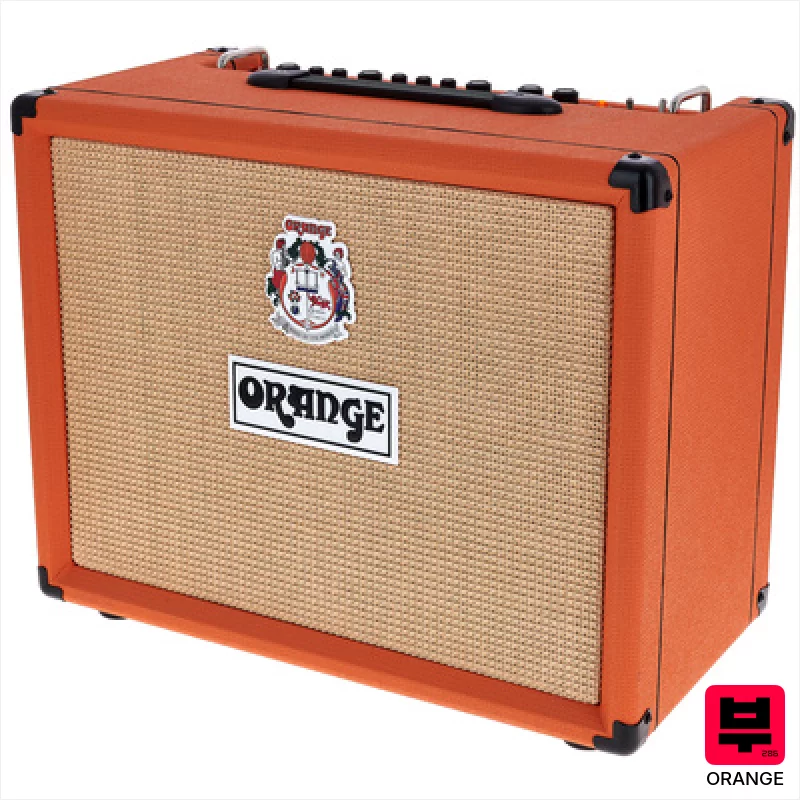
Orange Super Crush 100 Combo
- • Orange's signature crunch delivers a thick, responsive high-gain tone.
- • The Celestion G12K-150 speaker provides a tight, defined low-end response.
- • Dual channels offer flexibility – pristine cleans and aggressive overdrive.
- • Solid build quality with durable construction and robust Orange aesthetic.
- • Solid-state circuitry lacks the nuanced harmonic complexity of a tube amp.
- • Serial FX loop can introduce noise if not properly configured and isolated.
- • Limited EQ options on the clean channel may require external processing.
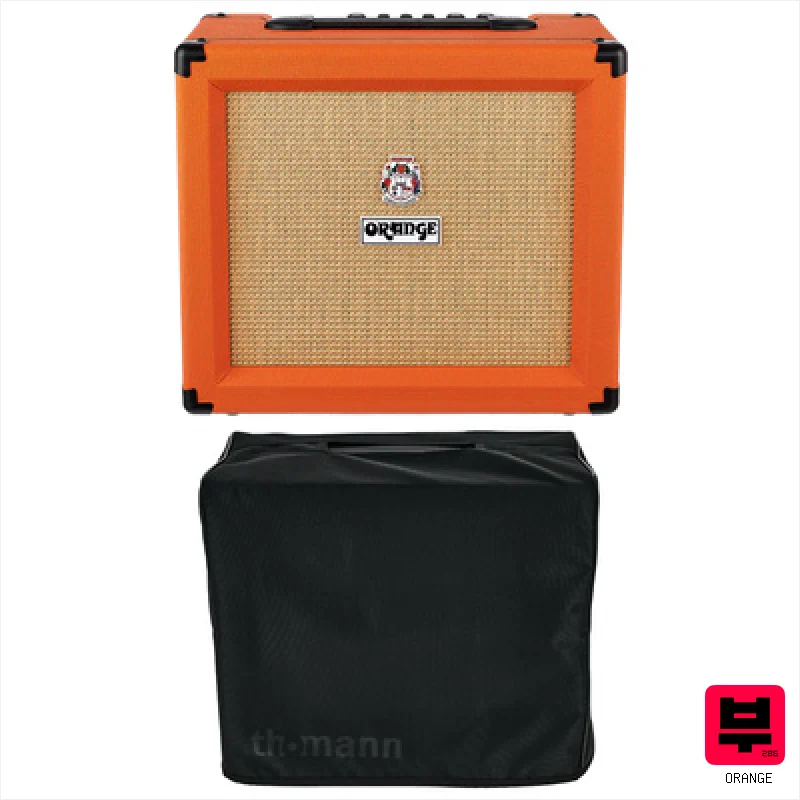
Orange Crush 35 RT Bundle
- • Includes a protective hard case for safe transport
- • Solid-state power supply keeps heat low and reliable
- • Compact design fits easily into small rehearsal rooms
- • Delivers a punchy, modern clean tone out of the box
- • Lacks built-in distortion effects for rock players
- • Mono speaker limits stereo imaging possibilities
- • No external speaker output for PA system use
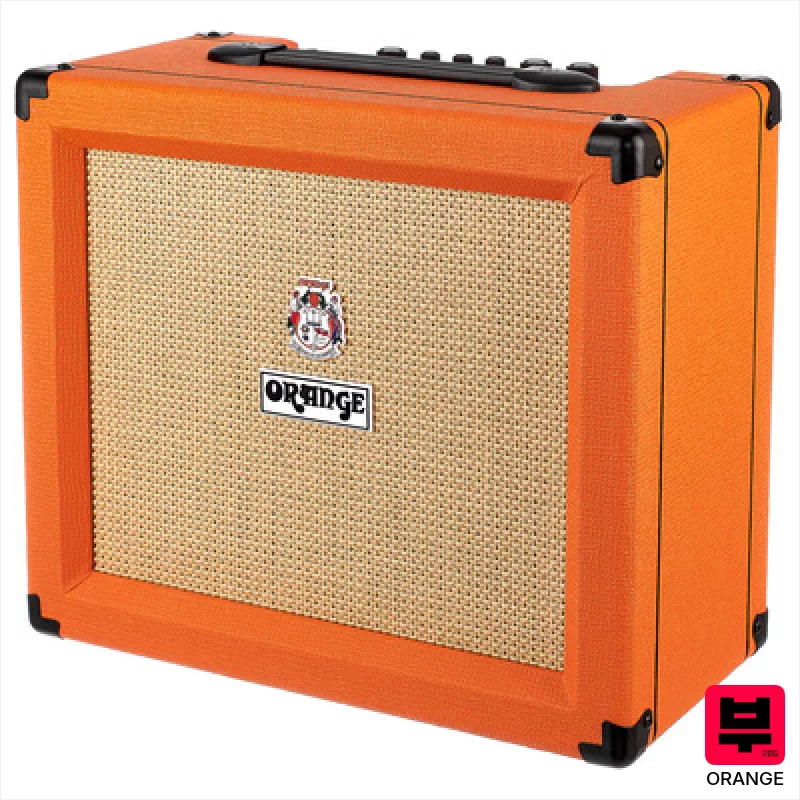
Orange Crush 35 RT
- • Classic Orange tone, surprisingly versatile for a budget amp
- • Robust build quality; feels solid despite its size and price
- • Clean channel offers usable clarity for various playing styles
- • Digital reverb is surprisingly decent, adding depth to your sound
- • FX loop lacks true flexibility without a dedicated footswitch
- • 10-inch speaker limits low-end response at higher volumes
- • Clean channel can become brittle at higher gain settings
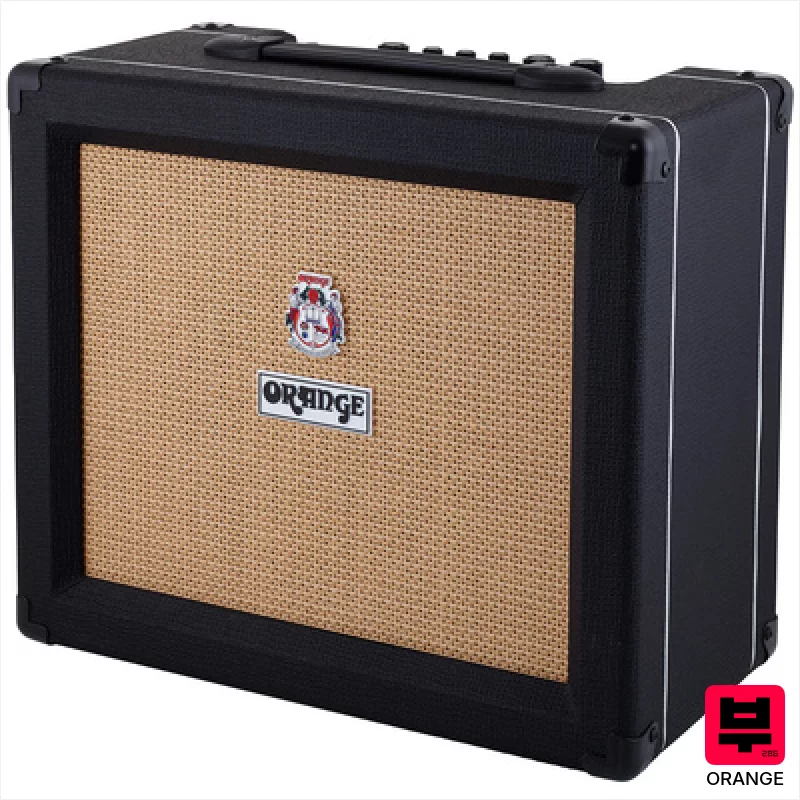
Orange Crush 35 RT black
- • Orange's signature crunch delivers authentic British amp tones.
- • Surprisingly versatile clean channel handles a wide range of styles.
- • Compact 1x10 design is gig-friendly and space-saving.
- • Built-in reverb adds depth and dimension to your sound.
- • FX loop is basic, not ideal for complex pedal setups.
- • 10” speaker limits low-end extension compared to larger cabs.
- • Plastic cabinet construction feels less robust than all-valve amps.
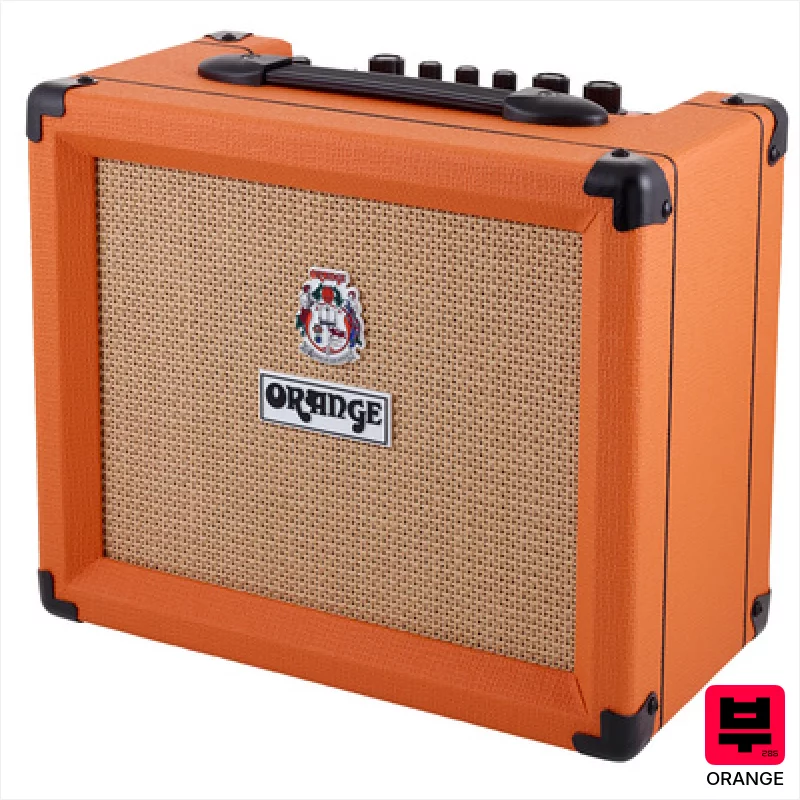
Orange Crush 20 RT
- • Classic Orange tone, surprisingly full for its size
- • Clean channel is genuinely usable, not just a placeholder
- • Built-in tuner is a handy practice feature
- • Compact and lightweight, easily portable for small gigs
- • 8-inch speaker lacks low-end extension for heavier genres
- • Gain channel can get fizzy at higher volumes
- • Footswitch sold separately feels like a cost-cutting measure
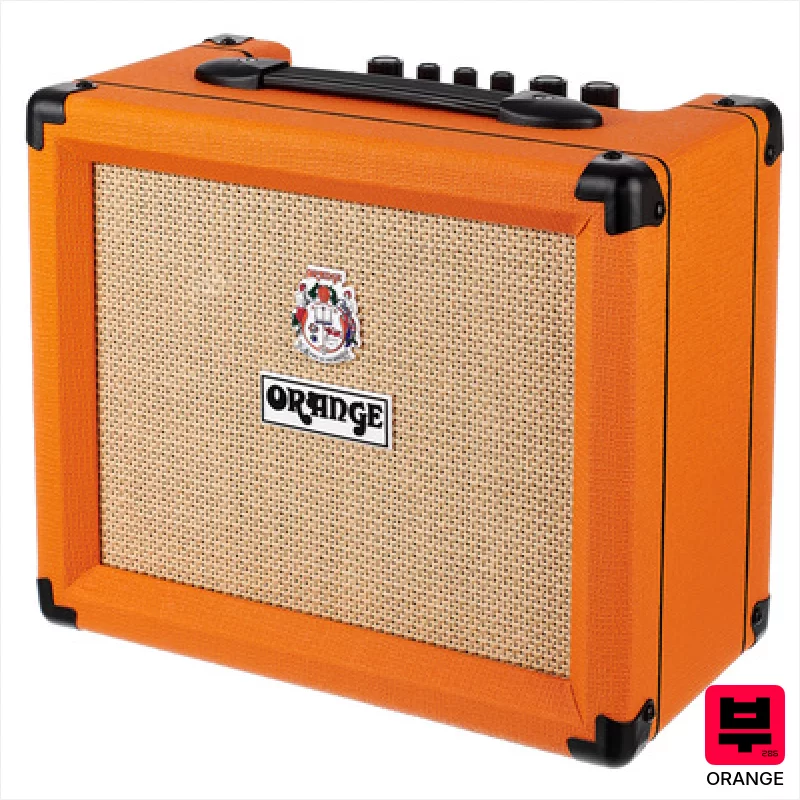
Orange Crush 20
- • Distinct Orange tone, surprisingly full for its size
- • Simple controls offer immediate, usable sounds
- • Durable build quality; feels solid for a budget amp
- • Aux input and headphone jack add serious practice versatility
- • 8in speaker limits low-end extension and volume
- • Gain channel can get a bit fizzy at higher volumes
- • EQ is basic; lacks mid-frequency control for tonal shaping
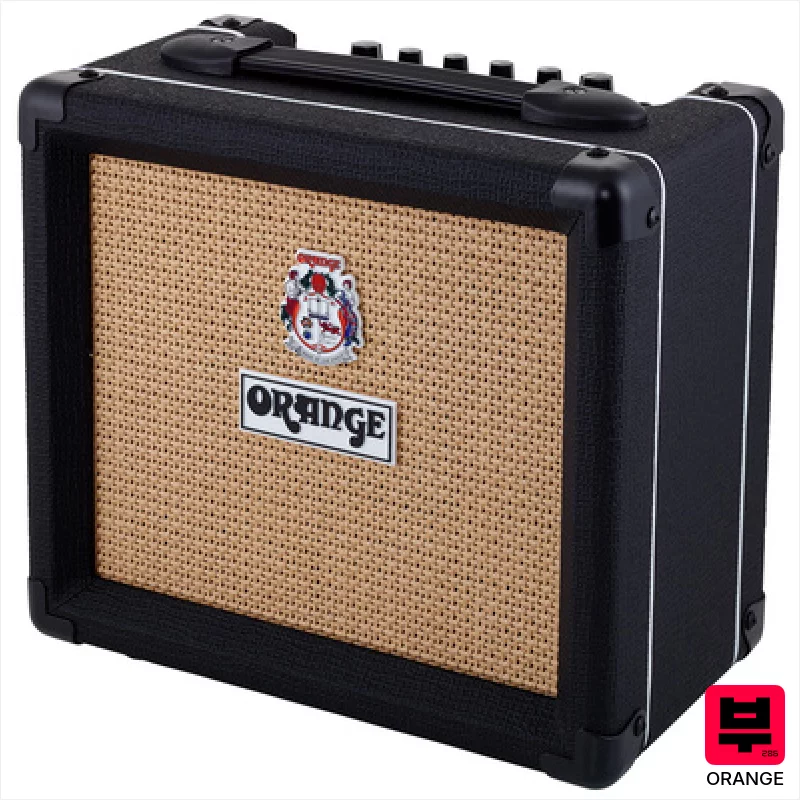
Orange Crush 12 black
- • Classic Orange tone, surprisingly full for its size
- • Simple controls deliver immediate, usable overdrive
- • Compact and lightweight, excellent for practice or small gigs
- • Headphone output is genuinely useful for quiet practice
- • 6-inch speaker limits low-end extension at higher volumes
- • EQ is basic; lacks mid-frequency control
- • Solid-state amp; lacks the dynamic response of a tube amp
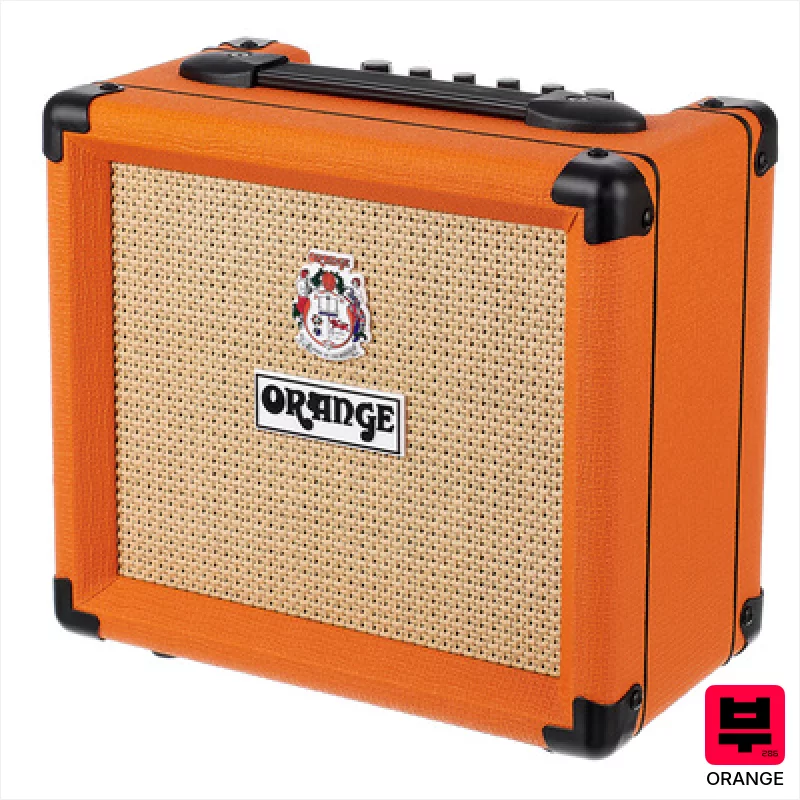
Orange Crush 12
- • Classic Orange tone, surprisingly punchy for its size
- • Simple, intuitive controls for quick sound shaping
- • Headphone output allows for silent practice sessions
- • Portable and lightweight for gigging or bedroom use
- • 6-inch speaker limits low-end extension noticeably
- • Limited tonal versatility compared to larger amps
- • Gain section can get fizzy at higher overdrive settings
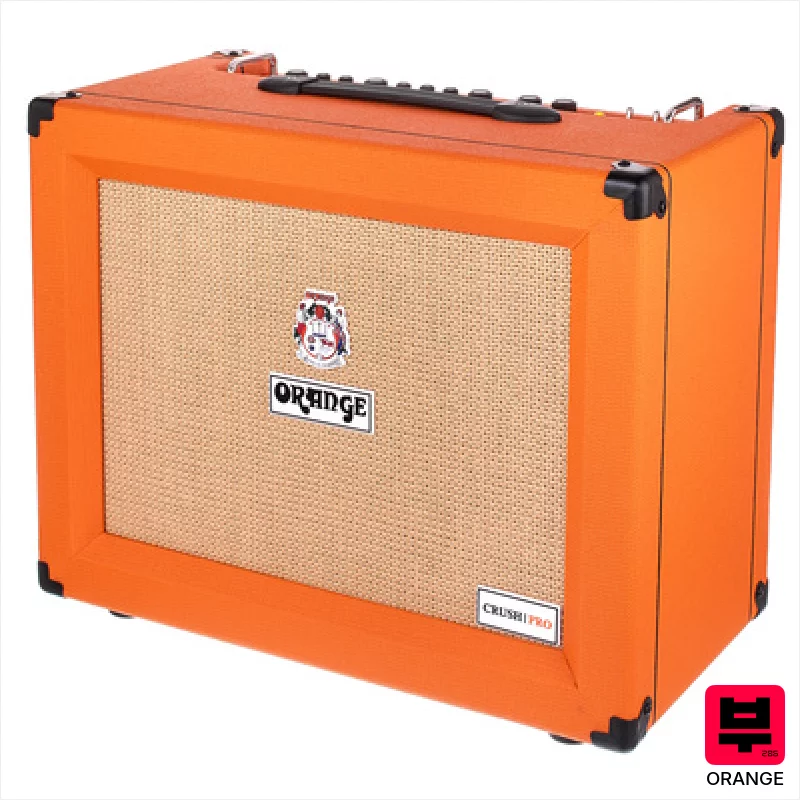
Orange Crush CR60C
- • Orange’s signature preamp voicing delivers a surprisingly warm, saturated crunch.
- • The 12in Celestion speaker provides a full-frequency response and decent volume for practice and small gigs.
- • Versatile 3-band EQ and gain control offer decent shaping of the dirty channel's tone.
- • FX loop allows for integration of external effects pedals without muddying the amp’s core sound.
- • Clean channel lacks headroom and can become fizzy at higher volumes.
- • Reverb is basic digital, lacking the depth and character of a dedicated unit.
- • Relatively heavy for a combo amp, limiting portability for some.
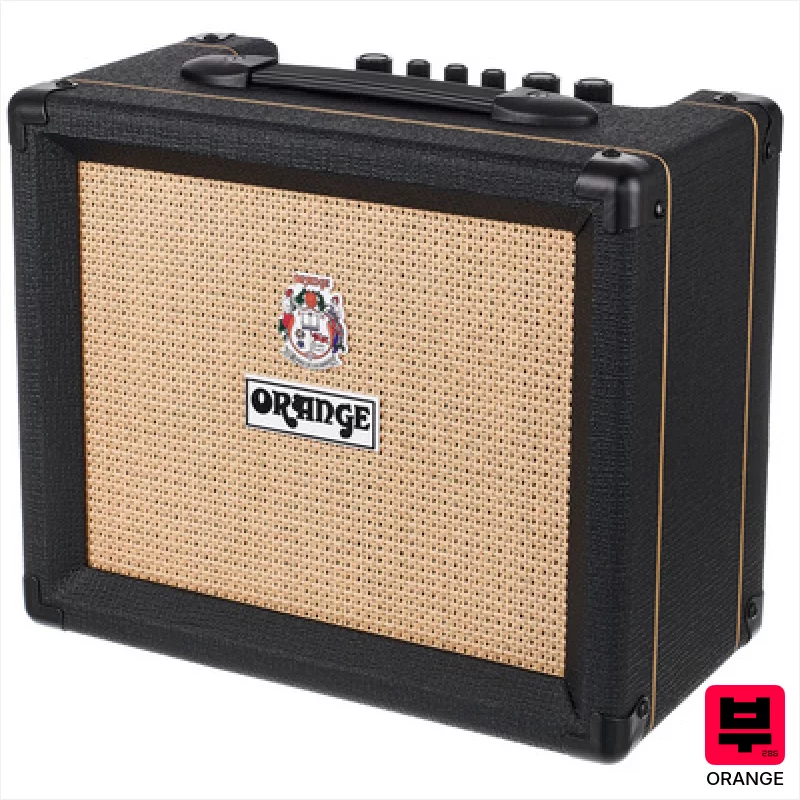
Orange Crush 20 Black
- • Classic Orange tone in a compact, affordable package
- • Surprisingly responsive clean channel with usable headroom
- • The gain channel delivers a crunchy, British overdrive
- • Simple controls make dialing in a good sound easy
- • 8-inch speaker limits low-end extension and volume at higher levels
- • EQ lacks a mid control, limiting tonal sculpting options
- • Solid-state design lacks the warmth and complexity of a tube amp
Solid-State Guitar Combos by the numbers
Measured across all 93 models in this category, so «wide», «short» or «expensive» mean something you can check.
How to Choose the Best Solid-State Guitar Combos
Tone Character
Orange's solid-state designs aim for that signature aggressive mid-range 'honk' - it's not a warm, fuzzy vibe, it's more about cutting through a mix and having some attitude. The EQ controls are usually pretty straightforward, but you can dial in a surprising amount of versatility, from crunchy rhythm tones to tight, articulate leads.
Reliability & Headroom
This is the big win for solid-state. You're getting consistent performance night after night, gig after gig, without the tube-related maintenance headaches. Headroom is generally excellent - you can crank these amps without immediate breakup, which is great for recording or playing with a loud band.
Build Quality
Orange generally nails the aesthetics - the tolex covering, the chickenhead knobs, the overall vibe is undeniably cool. The construction is solid, though the internal components are obviously where the cost savings are. Expect decent, not premium, internal components - it's a trade-off for the price.
Speaker Choice
Orange often uses Celestion speakers, which is a plus. The specific speaker model will significantly impact the overall tone - a Vintage 30 will give you more bite and aggression than a Silverback, for example. Pay attention to the speaker specs; it's a huge part of the sonic equation.
Versatility
While Orange's core sound is quite defined, the solid-state nature allows for a surprising amount of flexibility. They often incorporate features like gain boosts, reverb, and sometimes even built-in effects loops, making them usable in a wider range of musical situations - from blues to rock to even some metal.
Buying Guide
Don't expect Orange solid-state to perfectly replicate a vintage tube amp. They have their own character, and that's what you're paying for. The smaller combos (like the Crush 12) are great for practice and smaller gigs, but you'll want something with a bit more power (20W+) for louder stages. The speaker is crucial - research what Celestion model is in the combo you're considering, as that will heavily influence the final sound.
How This List Is Built
We don't play these instruments — we're a catalog, not a review desk, and we'd rather say so than pretend otherwise. This page covers 13 of 93 solid-state guitar combos from the Thomann catalogue, which is the largest single source of specification data in this category: 13 in detail, the rest listed with their specifications.
Position is computed, not curated. We parse the manufacturer's own description into actual values — nut width, scale, fret count, fingerboard radius, size, alloy — and rank on them: how many specifications a model has published, how many of them are measurable numbers, and how precisely it meets this page's criterion. A product image adds a little. Price is not a ranking signal: it tells you nothing about whether a neck fits your hand. The same inputs always produce the same order, so nothing here is shuffled to look fresh.
What this list is good for: narrowing a category down to a shortlist by spec and budget. What it isn't: a substitute for hearing an instrument. Before you buy, read hands-on reviews and, where you can, play it. Full methodology.

