
Best Solid-State Guitar Combos for Jazz 2026
Let's be honest, a lot of guitarists write off solid-state amps as sterile or lacking soul. But for jazz, that's not always a bad thing. A clean, consistent platform is often more valuable than a cranked tube amp's unpredictable breakup, especially when you're trying to dial in a delicate tone that sits well with a trio or quartet. This is about finding that sweet spot - a solid-state combo that delivers clarity, headroom, and a usable EQ curve for those late-night gigs or recording sessions.
Last updated: September 28, 2026
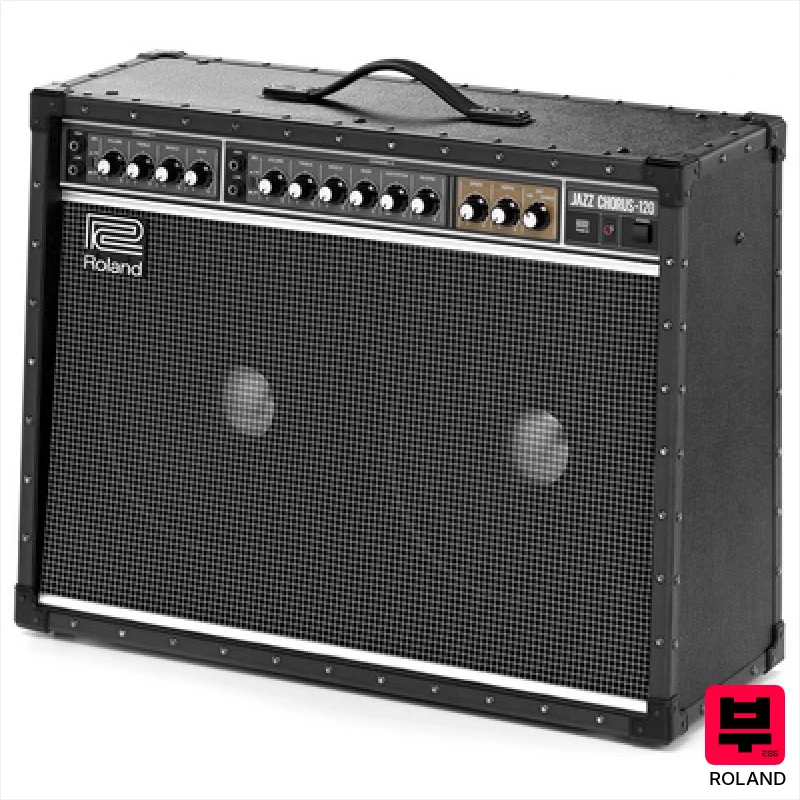
Roland JC-120
- • Exceptionally clean, transparent amplification preserves guitar's natural tonal character.
- • Iconic chorus effect is lush, adjustable, and instantly recognizable.
- • Stereo twin-speaker design creates a wide, immersive soundstage.
- • Durable construction with robust metal chassis ensures long-term reliability.
- • Limited overdrive/distortion capabilities; designed for clean tones primarily.
- • Significant weight makes portability challenging for gigging musicians.
- • High-end price point may be prohibitive for budget-conscious players.
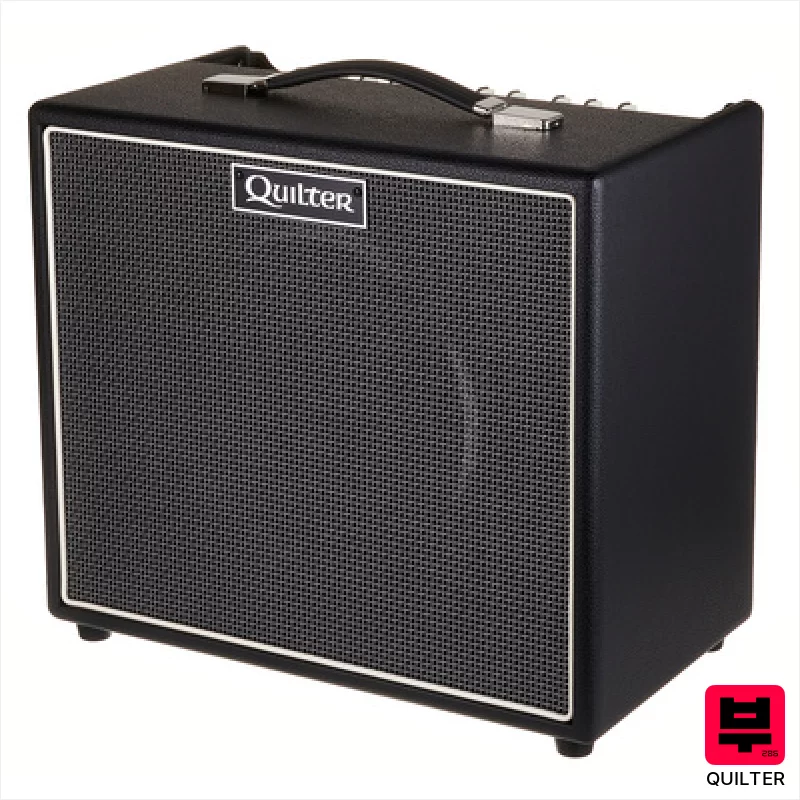
Quilter Aviator Mach 3 Combo
- • Celestion Copperback speaker delivers a surprisingly warm, articulate tone.
- • Six voicings per channel offer remarkable tonal flexibility for varied styles.
- • Mach 3 routing options provide unprecedented input signal management.
- • Built-in speaker simulation is genuinely useful for direct recording and live rigs.
- • Solid-state nature lacks the nuanced dynamic response of a tube amp.
- • While versatile, the voicing options can feel overwhelming for some users.
- • The weight, while reasonable for a combo, makes it less portable than micro amps.
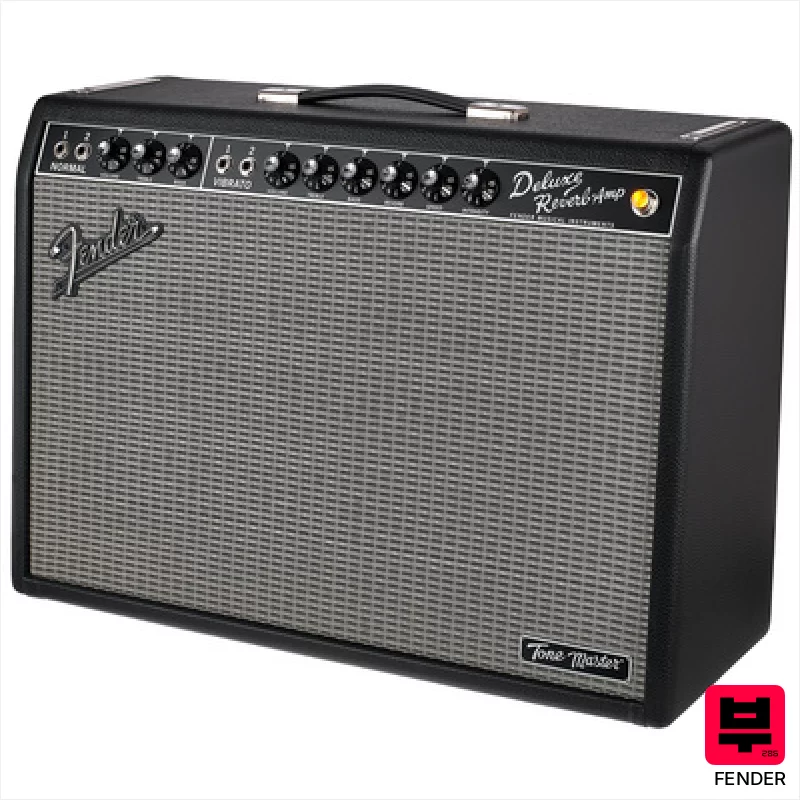
Fender Tone Master Deluxe Reverb
- • Jensen N-12K speaker delivers surprising warmth and clarity.
- • Excellent Deluxe Reverb voicing, capturing the classic chime and breakup.
- • Lightweight for a combo amp, gig-friendly at just over 11kg.
- • Versatile impulse responses expand tonal palette beyond stock settings.
- • Solid-state feel, though impressively close to a tube amp, isn’t identical.
- • Limited headroom compared to higher wattage tube amps.
- • Footswitch only controls channel switching and reverb – no global effects control.

Roland Blues Cube Artist
- • Roland's Tube Logic delivers surprising warmth and responsiveness.
- • Dual-Tone mode offers a unique blend of clean and drive tones.
- • The 4-Level power control is incredibly useful for practice or gigging.
- • Built-in tremolo and reverb are surprisingly musical and usable.
- • The 1x12in speaker limits low-end extension at higher volumes.
- • Solid-state design, while reliable, lacks the complex harmonic character of tubes.
- • Limited EQ controls may require external processing for extensive tonal shaping.
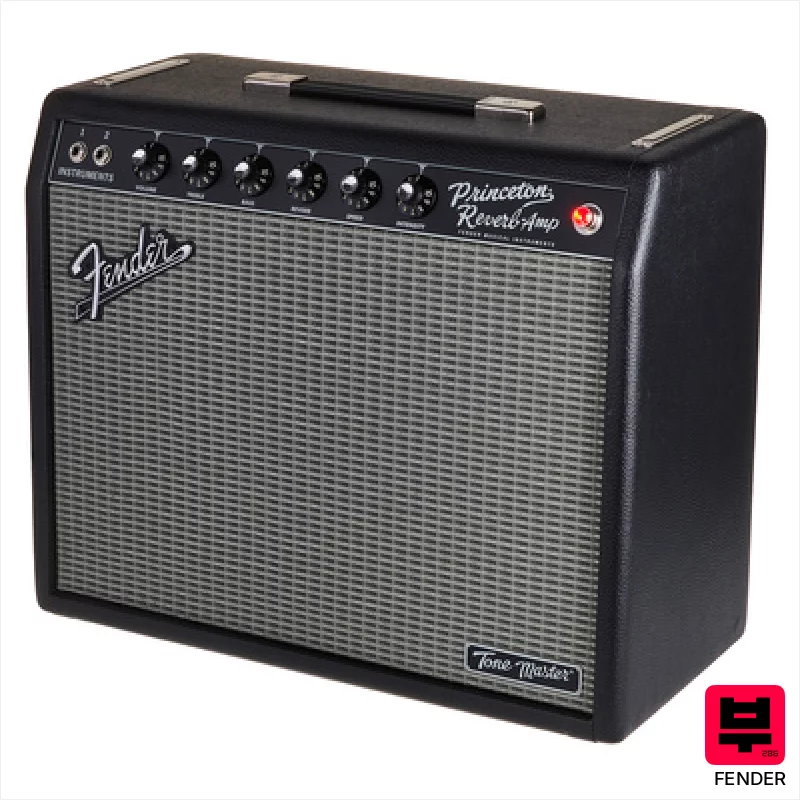
Fender Tone Master Princeton Reverb
- • Jensen C10R speaker delivers a surprisingly full, warm, and articulate low-end response.
- • Excellent emulation of the classic Princeton Reverb's chime and headroom.
- • Built-in reverb and tremolo are genuinely usable and add authentic vintage vibe.
- • Lightweight and portable compared to a tube Princeton Reverb, great for gigging.
- • Lacks the nuanced dynamic response and 'feel' of a genuine tube amp.
- • While versatile, the single channel limits tonal shaping flexibility for some players.
- • USB connectivity primarily geared towards software updates and presets, limited creative control.
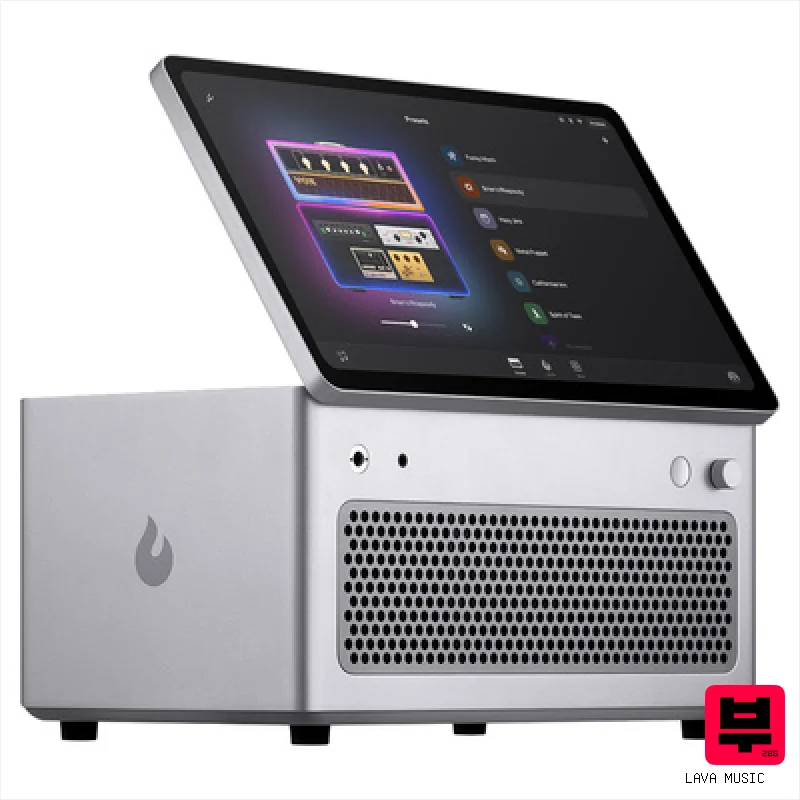
LAVA Music Studio Desktop KI Amp Silver
- • 800 MHz DSP handles complex effects with real-time speed.
- • Carbon fiber woofer and tweeters ensure clear high and mid frequencies.
- • 99.9% accurate AI neural modelling mimics authentic amp sounds.
- • Dual 6.3mm outputs plus headphone jack for flexible routing.
- • No physical knobs for manual EQ adjustments.
- • Heavy 65W power consumption for a 40W rated amp.
- • Requires separate power adapter despite internal 19V input.
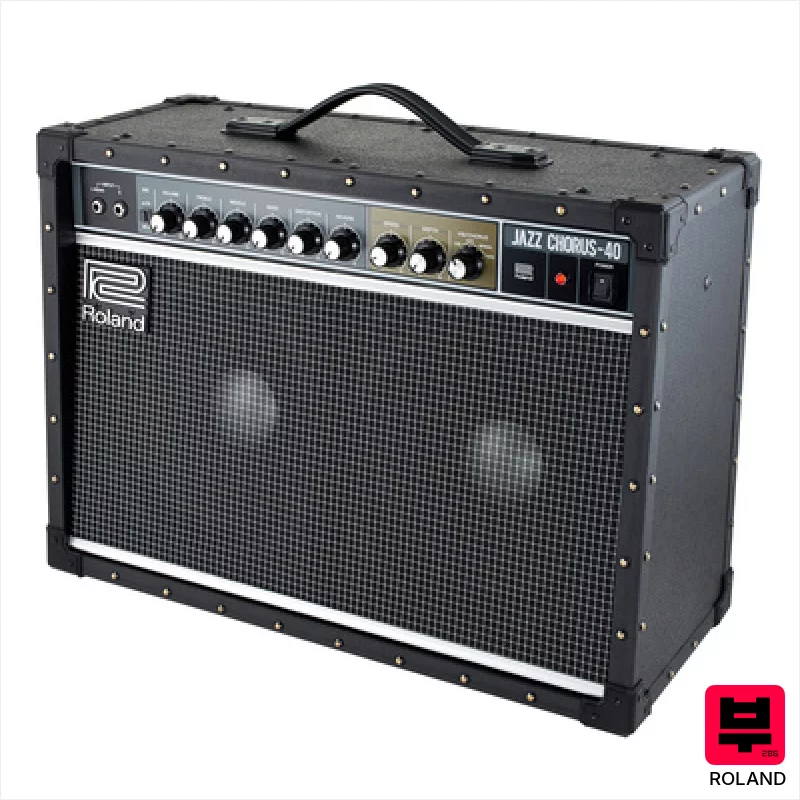
Roland JC-40
- • Classic Jazz Chorus clean tone, remarkably versatile for various genres
- • Stereo operation expands soundstage, excellent for effects and layering
- • Compact size and 40W output offer portability without sacrificing volume
- • Built-in chorus is iconic, usable and surprisingly good quality
- • Solid-state sound lacks the warmth of tube amps for some players
- • Limited EQ controls can be restrictive for complex tonal shaping
- • Lacks a reverb footswitch, requiring manual adjustment or external solutions

Roland Blues Cube Stage
- • Roland's Tube Logic convincingly emulates vintage tube amp warmth.
- • Open-back cabinet design enhances natural resonance and projection.
- • Dual-Tone mode offers surprising versatility for clean and driven tones.
- • USB output simplifies recording directly into a DAW for modern workflows.
- • The 12 in speaker limits low-end extension compared to larger combos.
- • Limited tonal sculpting beyond the 3-band EQ can feel restrictive.
- • Solid-state nature means it lacks the nuanced dynamic response of a true tube amp.
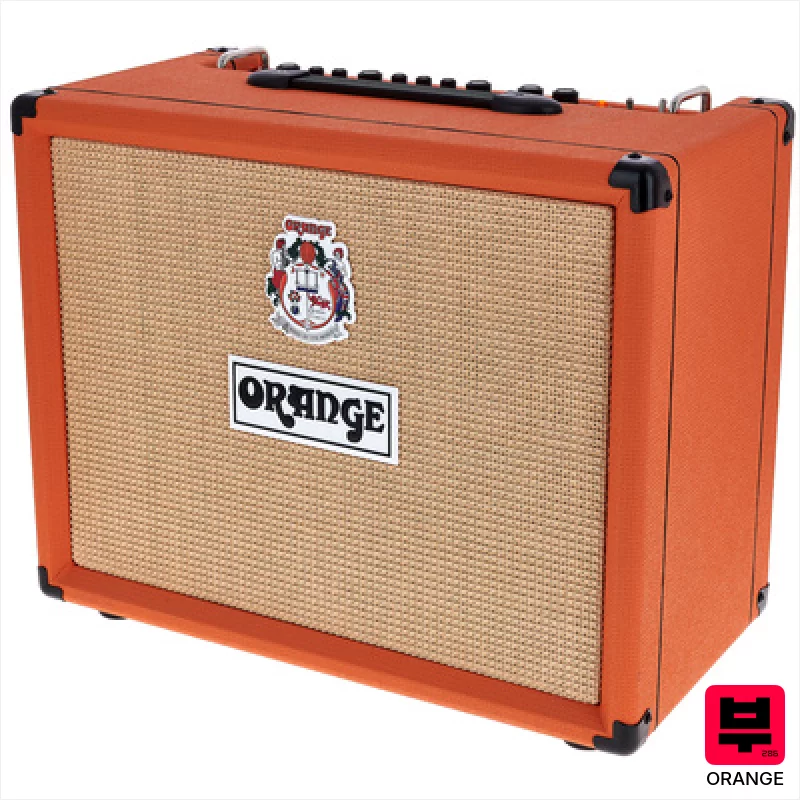
Orange Super Crush 100 Combo
- • Orange's signature crunch delivers a thick, responsive high-gain tone.
- • The Celestion G12K-150 speaker provides a tight, defined low-end response.
- • Dual channels offer flexibility – pristine cleans and aggressive overdrive.
- • Solid build quality with durable construction and robust Orange aesthetic.
- • Solid-state circuitry lacks the nuanced harmonic complexity of a tube amp.
- • Serial FX loop can introduce noise if not properly configured and isolated.
- • Limited EQ options on the clean channel may require external processing.
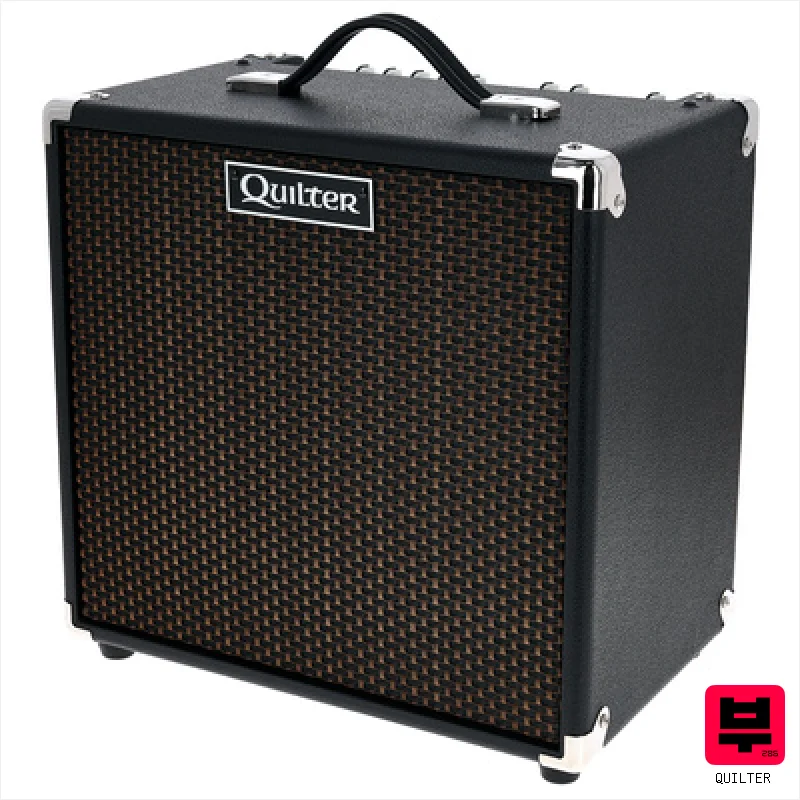
Quilter Aviator Cub UK 112 Combo
- • Offers three classic British voicing presets for immediate use.
- • Uses a custom Eminence Green speaker for reliable tone.
- • Provides a serial effects loop for external sound shaping.
- • Includes a protective cover and headphone output for portability.
- • Only one channel limits stereo guitar or bass routing.
- • No built-in distortion effects compared to modern models.
- • Weight is nearly 10kg making transport slightly heavy.
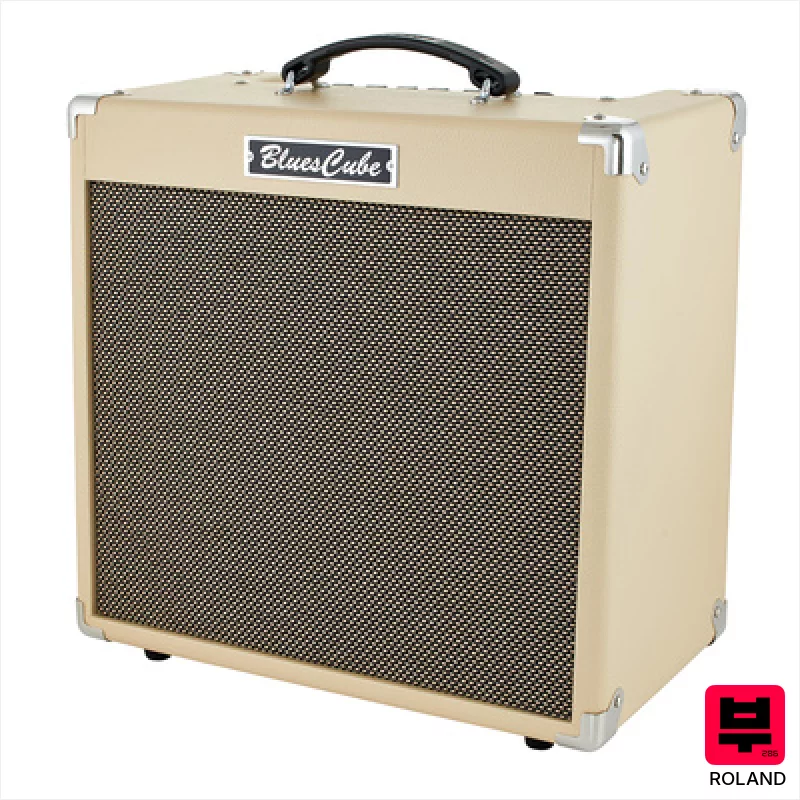
Roland Blues Cube Hot VB
- • Roland's Tube Logic convincingly emulates vintage tube amp response.
- • Custom 12 in speaker delivers a surprisingly full and articulate tone.
- • 4-way power control offers genuine tube dynamics at usable volumes.
- • USB output simplifies recording directly into your DAW.
- • Single channel limits tonal flexibility for more complex rigs.
- • Poplar enclosure, while lightweight, lacks the resonance of hardwood.
- • Boost function's character isn't always complementary to the clean tone.
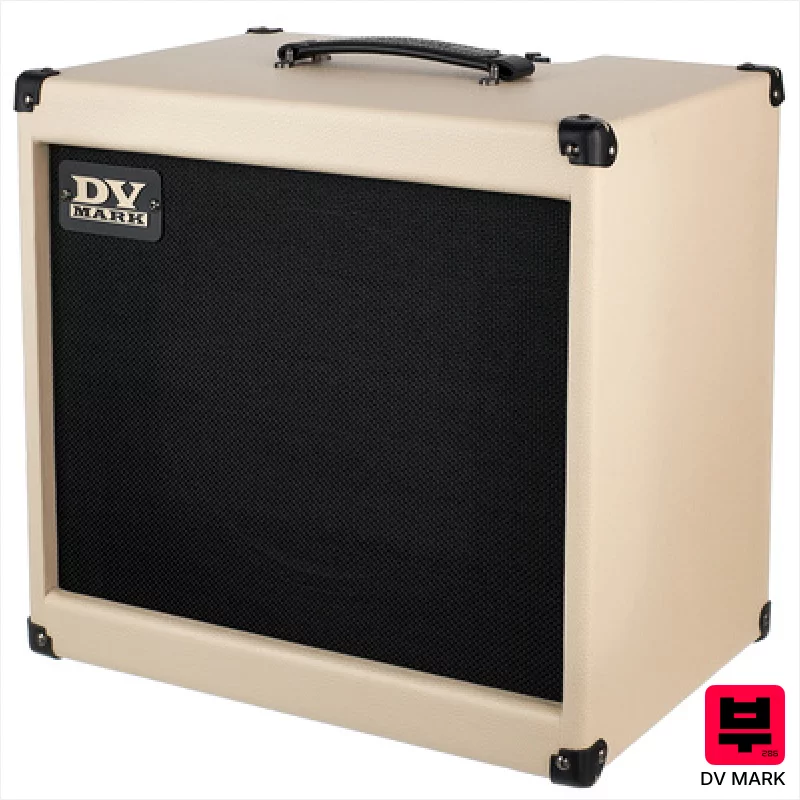
DV Mark Jazz 12
- • Compact size belies surprising power and headroom.
- • DV Mark’s custom speaker delivers a surprisingly warm, articulate tone.
- • Clean channel is versatile, responding well to overdrive pedals.
- • Solid build quality; feels robust for a combo of this size.
- • Reverb, while usable, lacks depth and character.
- • EQ is basic; lacks mid-sweep or more advanced shaping options.
- • Limited tonal palette – not ideal for extreme genres.
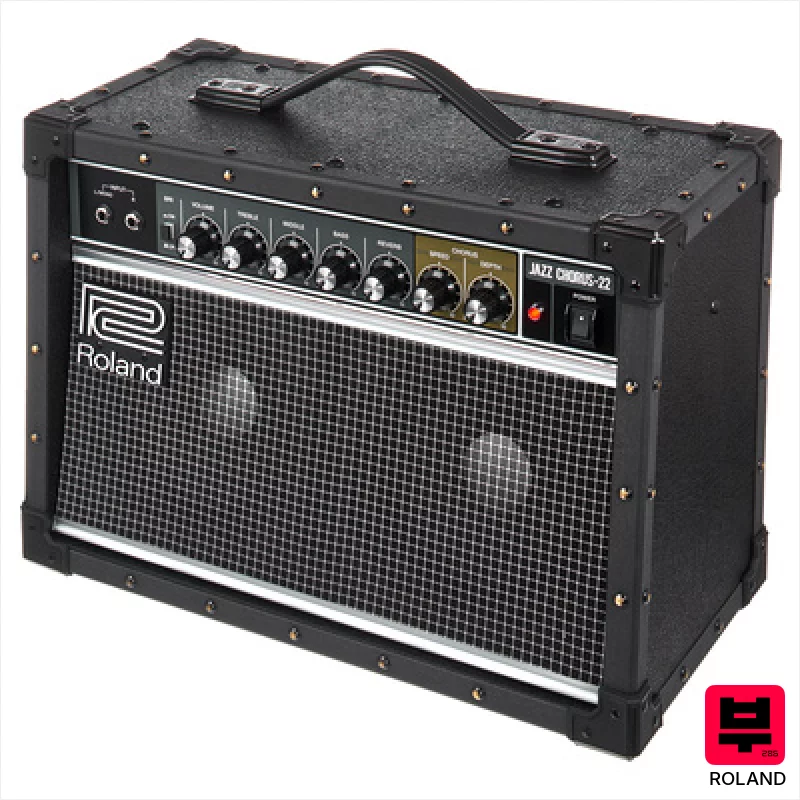
Roland JC-22
- • Iconic Jazz Chorus clean tone, remarkably pristine and clear
- • Compact size and stereo capabilities offer surprising versatility
- • Built-in chorus is genuinely usable and adds a classic vibe
- • Effects loop allows for integration with external pedals and processors
- • 6.5-inch speakers lack the low-end thump for heavier genres
- • Solid-state construction lacks the warmth of a tube amp
- • Bright switch can be overly aggressive, requiring careful EQ adjustment
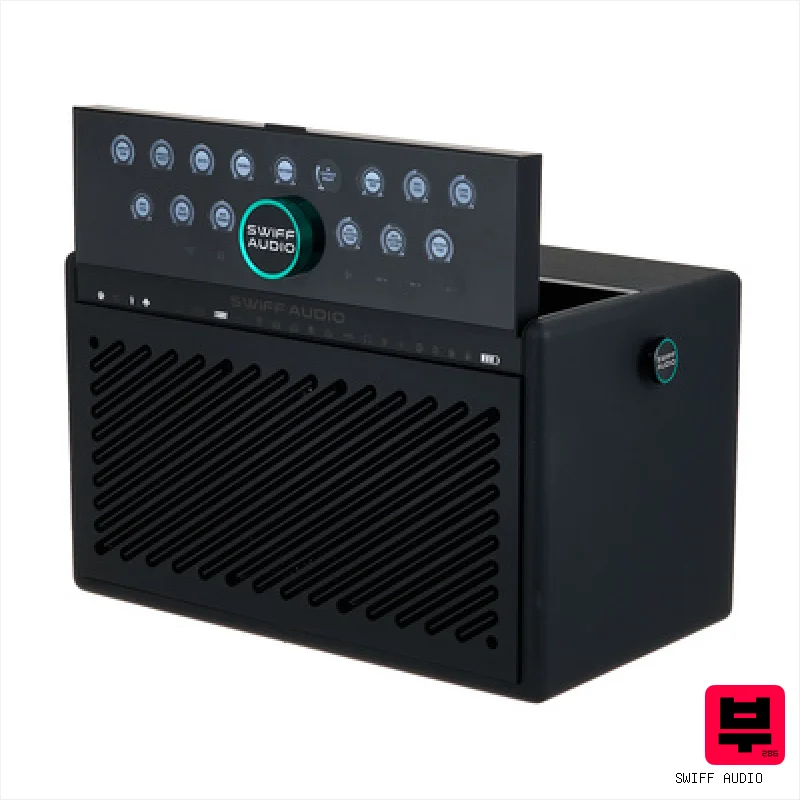
Swiff Audio S100
- • Built with wood housing for solid feel
- • Delivers 100 watts of clean power
- • Includes integrated effects in each channel
- • Supports XLR mic with 48V phantom power
- • Battery life is limited to just 5 hours
- • Lacks dedicated line-level input for instruments
- • No specified output wattage per speaker
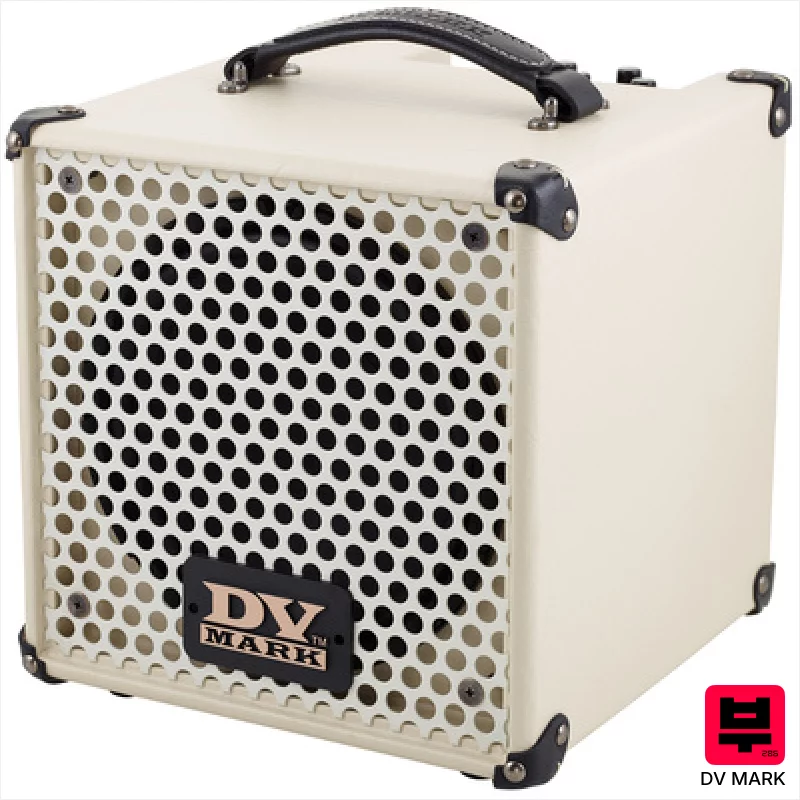
DV Mark Little Jazz
- • Excellent clean tones, surprisingly warm for a solid-state amp
- • Compact size makes it ideal for practice and small gigs
- • Built-in reverb is usable and adds pleasant ambience
- • Versatile EQ section allows for shaping the sound effectively
- • Limited headroom at higher volumes, can get fizzy
- • 8-inch speaker restricts low-end response and overall volume
- • Lack of multiple amp models restricts tonal flexibility
Every solid-state guitar combos that matches
93 models match this page. The 15 above are covered in detail; the rest are listed here with their published specifications.
Solid-State Guitar Combos by the numbers
Measured across all 93 models in this category, so «wide», «short» or «expensive» mean something you can check.
How to Choose the Best Solid-State Guitar Combos
Clean headroom
Jazz demands a wide dynamic range. You need an amp that stays clean and articulate at moderate volumes, without breaking up prematurely. That's crucial for comping and those quiet, introspective passages.
EQ versatility
A flat, neutral EQ is a starting point, but you need enough control to shape the tone - a usable bass control for low-end thump, a mid-range that can be tweaked for 'that fat midrange honk' without becoming muddy, and a treble that's sparkly without being ice-picky.
Noise floor
Solid-state amps should be quieter than their tube counterparts, but some still have noticeable hiss. A low noise floor is vital when you're playing nuanced lines and don't want unwanted noise masking your playing.
Reverb/effects
Built-in reverb can be a lifesaver, especially in dry-sounding venues. The quality of the reverb is key - it shouldn't sound like a cheap spring reverb, but rather a usable, subtle ambience.
Speaker quality
A decent speaker makes a huge difference. Cheap speakers can sound boxy or lifeless, even with a good amp. Look for something with a balanced frequency response and good transient response.
Buying Guide
Don't expect a solid-state amp to magically sound like a vintage Fender Deluxe. The goal is clean headroom and a neutral platform to build your tone on. Cheaper models often skimp on the speaker, so that's the first place to check. Paying a bit more for a combo with a decent speaker and a more flexible EQ section is almost always worth it. And remember, speaker swaps are always an option down the line if you want to breathe some more life into the amp.
How This List Is Built
We don't play these instruments — we're a catalog, not a review desk, and we'd rather say so than pretend otherwise. This page covers 93 solid-state guitar combos from the Thomann catalogue, which is the largest single source of specification data in this category: 15 in detail, the rest listed with their specifications.
Position is computed, not curated. We parse the manufacturer's own description into actual values — nut width, scale, fret count, fingerboard radius, size, alloy — and rank on them: how many specifications a model has published, how many of them are measurable numbers, and how precisely it meets this page's criterion. A product image adds a little. Price is not a ranking signal: it tells you nothing about whether a neck fits your hand. The same inputs always produce the same order, so nothing here is shuffled to look fresh.
What this list is good for: narrowing a category down to a shortlist by spec and budget. What it isn't: a substitute for hearing an instrument. Before you buy, read hands-on reviews and, where you can, play it. Full methodology.

