
Best Solid-State Guitar Combos for Beginner 2026
So, you're just starting out? Awesome! Getting a solid-state combo is a smart move for beginners - they're reliable, affordable, and don't demand constant babysitting like a tube amp. Forget the hype about 'vintage warmth' for now; we're looking for something that lets you learn, practice, and eventually gig without blowing your budget or driving your neighbors crazy. This list isn't about the coolest gear; it's about the gear that helps you get better.
Last updated: September 28, 2026

Harley Benton MA-5 Miniamp
- • Incredibly portable and lightweight, ideal for practice or travel.
- • Clean channel offers surprisingly usable, warm tones for its size.
- • Distortion channel provides a crunchy, basic overdrive for simple riffs.
- • Belt clip is genuinely useful for standing practice or casual jamming.
- • 3-inch speaker severely limits low-end response and overall volume.
- • Tone controls are basic, offering limited sculpting capabilities.
- • Battery operation makes it less convenient for extended playing sessions.
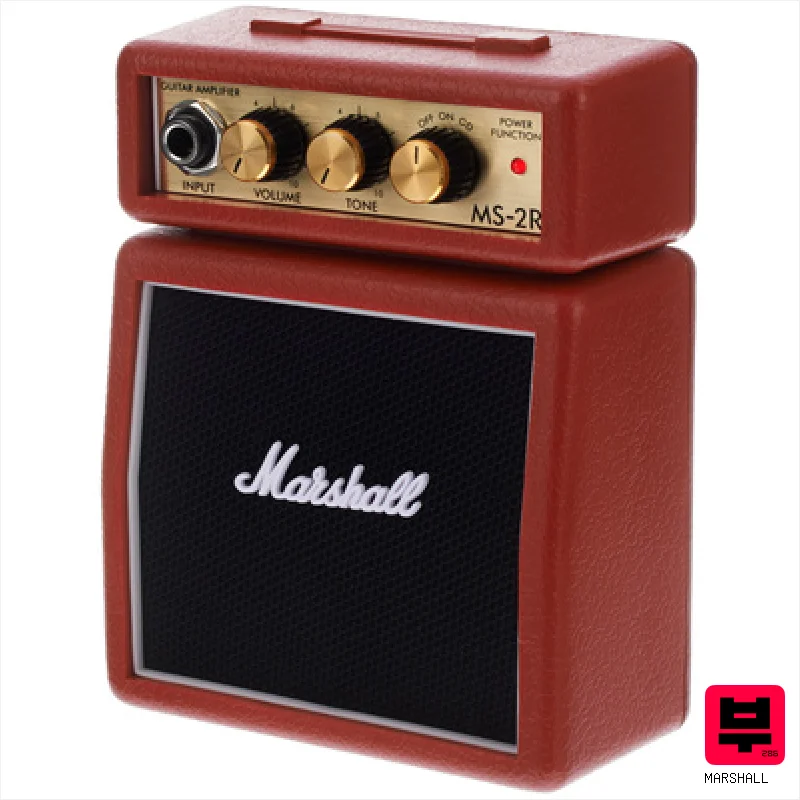
Marshall MS-2R
- • Ultra-lightweight at just 0.34 kg for easy transport
- • Compact dimensions fit in small cases or bags
- • Built-in overdrive switch for quick sound changes
- • Belt clip allows hands-free playing anywhere
- • Very low 1 watt limits volume for large rooms
- • No external speakers included in the combo
- • Power supply adapter must be bought separately

Marshall MS-2
- • Surprisingly authentic Marshall crunch for its size and price.
- • Battery-powered portability makes it ideal for practice and casual jamming.
- • Headphone output allows for silent practice or recording.
- • Simple controls offer immediate gratification without complexity.
- • The 2in speaker severely limits maximum volume and low-end response.
- • Solid-state circuitry lacks the warmth and dynamic response of a tube amp.
- • Tone control bandwidth is limited, restricting tonal shaping options.

Joyo MA-10E Portable Guitar Amp
- • Surprisingly robust build for the price point, feels solid in hand.
- • Clean channel offers a decent, usable platform for practice.
- • Battery operation provides genuine portability and convenience.
- • OD channel delivers a serviceable, gritty overdrive for blues/rock.
- • Speaker is a limiting factor; lacks low-end extension and clarity.
- • EQ is extremely basic; limited tonal shaping possibilities.
- • Gain channel can get muddy quickly with higher input levels.
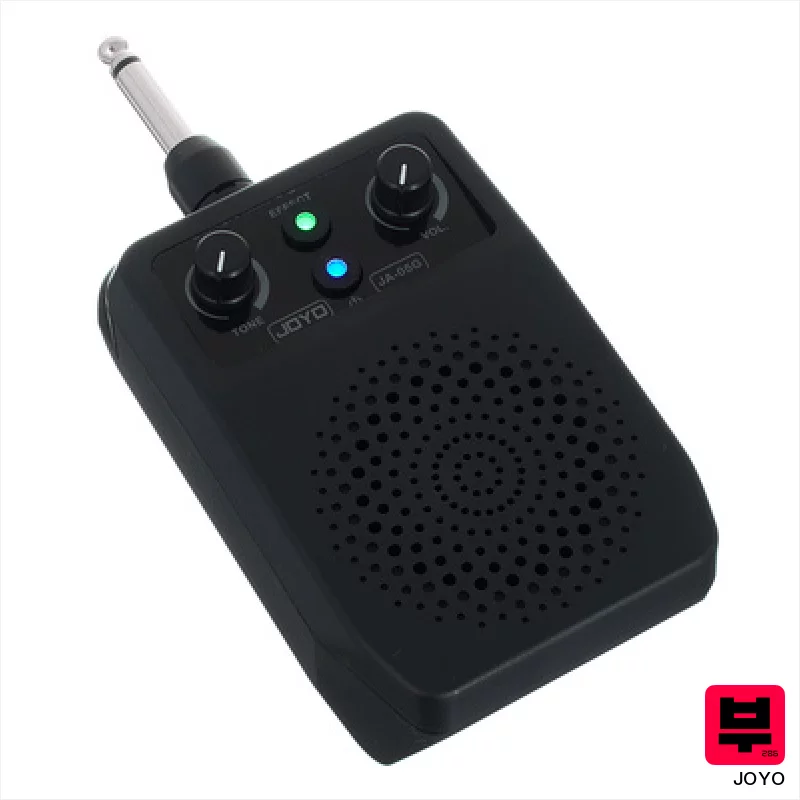
Joyo JA-05G Plug Amp
- • Extremely portable; easily fits in a gig bag or backpack.
- • Surprisingly decent clean tone for its size and price point.
- • Bluetooth connectivity offers convenient backing track play-along functionality.
- • Rechargeable battery provides a respectable amount of playtime on a single charge.
- • Sound quality is limited; lacks dynamic range and nuanced response.
- • The tiny speaker significantly restricts maximum volume and bass response.
- • Build quality feels noticeably cheap, with primarily plastic construction.
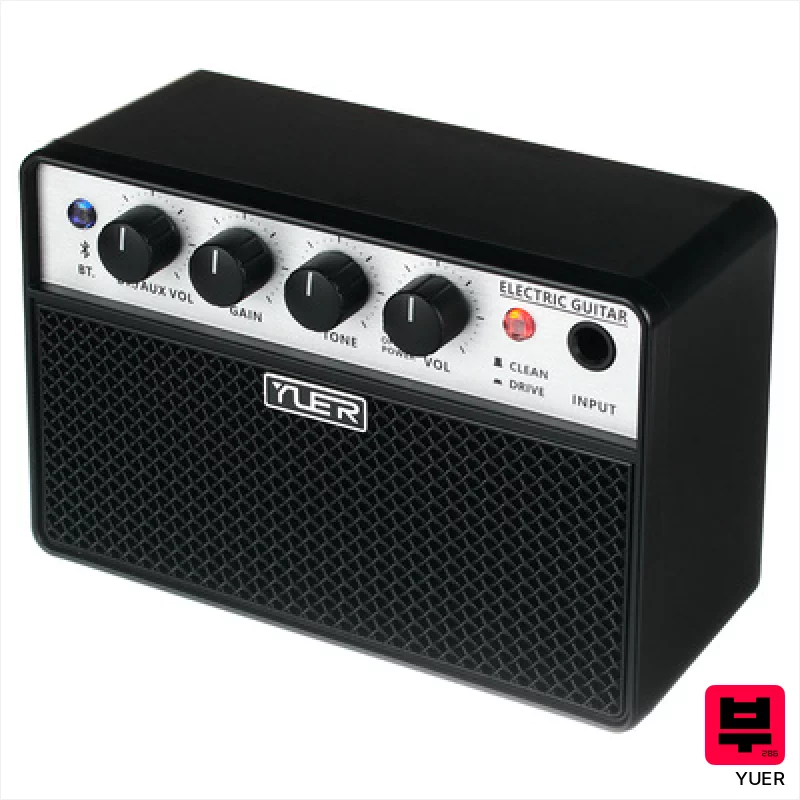
Yuer BA-10E Portable Amp BT
- • Surprisingly decent clean tone for practice and quiet playing.
- • Bluetooth 5.1 offers a stable and convenient audio connection.
- • Compact size and lightweight design enable excellent portability.
- • Simple controls make it easy to dial in basic sounds quickly.
- • The 10-watt power is really only suitable for bedroom practice.
- • Overdrive channel lacks nuance and character; quite basic.
- • Build quality feels noticeably cheap with mostly plastic construction.
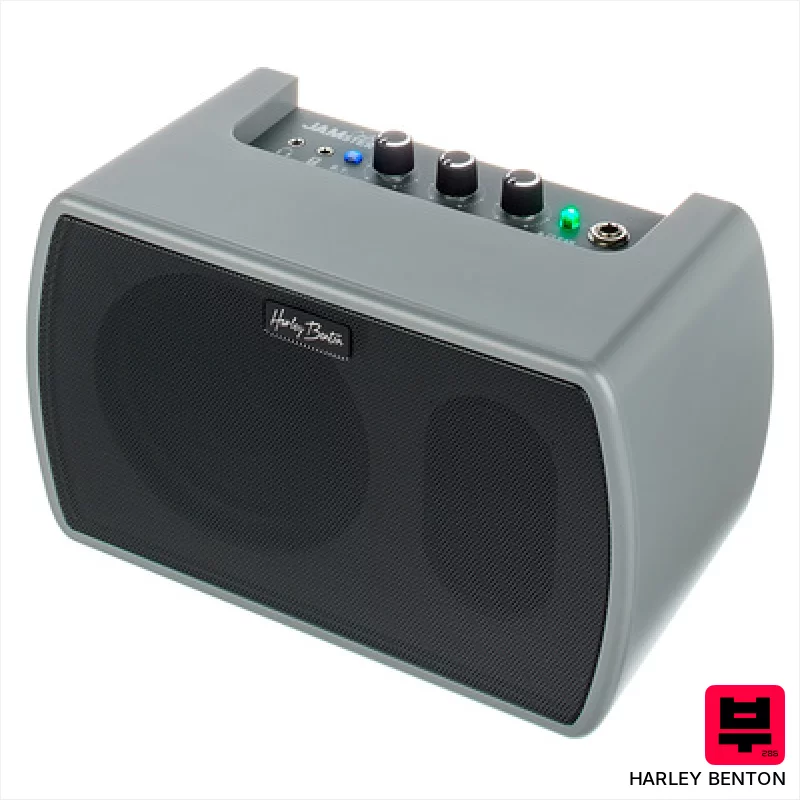
Harley Benton JAMster Guitar
- • Surprisingly decent cleans for a budget combo amp.
- • Bluetooth connectivity is genuinely useful for practice.
- • Lightweight and portable; ideal for travel or small spaces.
- • Simple controls make it incredibly easy to dial in basic sounds.
- • The 5” speaker severely limits low-end response and volume.
- • Overdrive channel lacks character and sounds quite fizzy.
- • Build quality is basic; plastic enclosure feels somewhat flimsy.
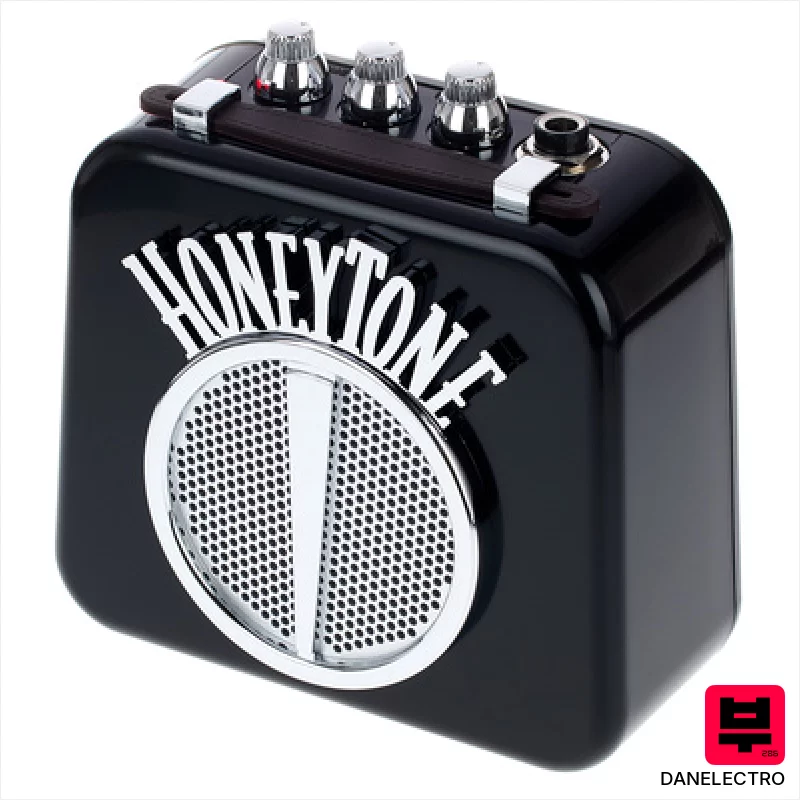
Danelectro N-10 Honeytone Mini Amp BK
- • Surprisingly robust build quality for its size; feels sturdier than expected.
- • The overdrive circuit delivers a genuinely usable, gritty vintage tone.
- • Leather handle adds a touch of class and improves portability.
- • Headphone output is a genuinely useful feature for quiet practice.
- • 1 Watt output is extremely limited; best for practice or very small rooms.
- • EQ is rudimentary; lacks the flexibility for tonal shaping.
- • Power supply not included; another expense to consider.
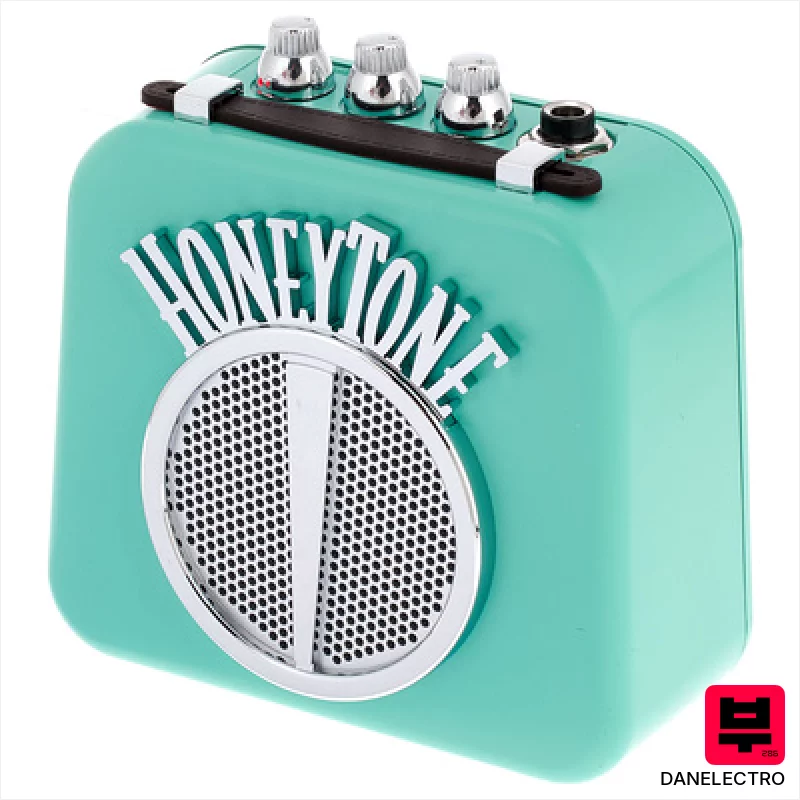
Danelectro N-10 Honeytone Mini Amp AQ
- • Real leather handle adds a touch of unexpected class.
- • Surprisingly usable overdrive for a mini amp.
- • Incredibly portable; belt clip is a genuinely useful feature.
- • Danelectro’s signature quirky, slightly hollow tone is present.
- • 1 Watt is *really* limited; struggles at anything beyond bedroom volume.
- • Speaker size (likely 2 in) severely restricts low-end response.
- • Power supply situation – battery or coaxial only, no standard option.
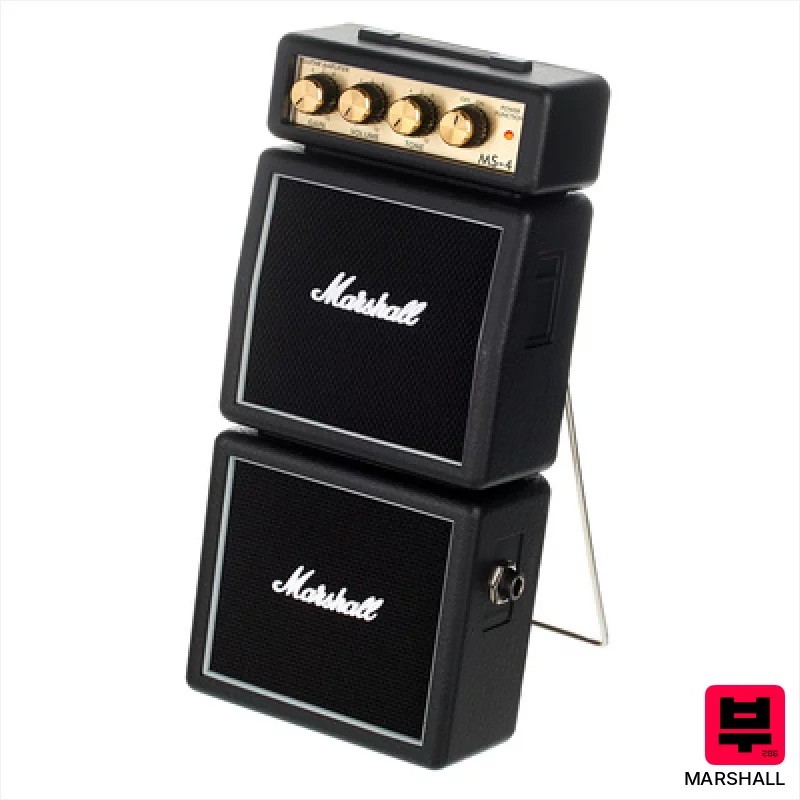
Marshall MS-4
- • Surprisingly loud for its size, captures a basic Marshall crunch
- • Portable and battery-powered for practice anywhere
- • Back-mounted bracket allows for angled placement
- • Simple controls make dialing in a usable tone easy
- • Speaker size limits low-end response significantly
- • Limited tonal versatility; not suited for clean sounds
- • Plastic enclosure feels somewhat cheap for a Marshall product
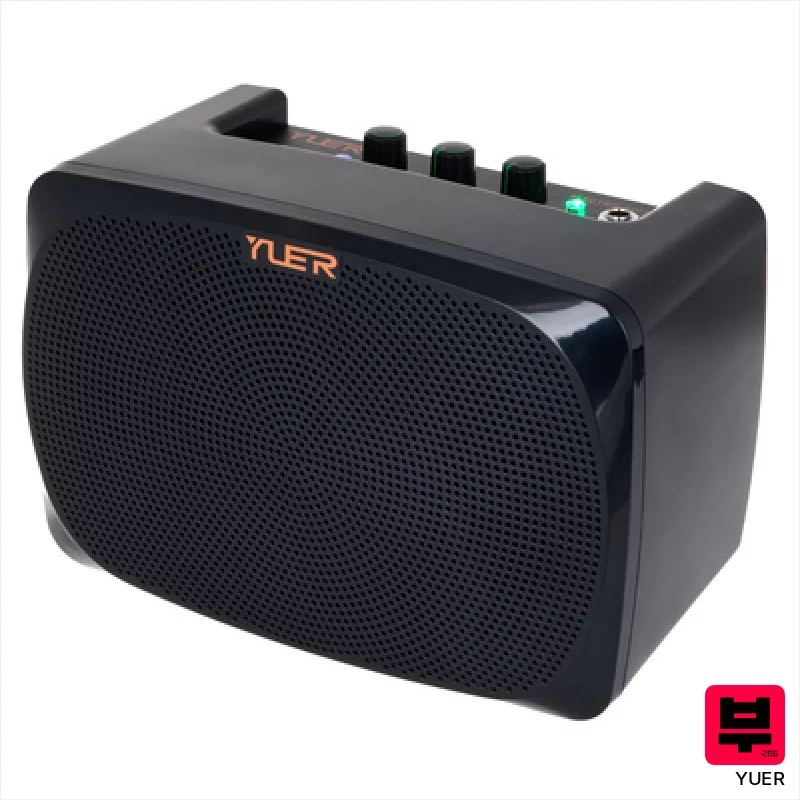
Yuer Portable Amp with Bluetooth
- • Surprisingly decent clean tone for practice, surprisingly usable.
- • Bluetooth connectivity adds convenience for backing tracks and jamming.
- • Compact size and battery power make it truly portable for travel.
- • The overdrive channel provides a passable, gritty rock tone.
- • Build quality feels noticeably cheap, mostly thin plastic construction.
- • Limited tonal shaping; EQ is basic and lacks nuance.
- • Low wattage restricts volume for anything beyond quiet practice.
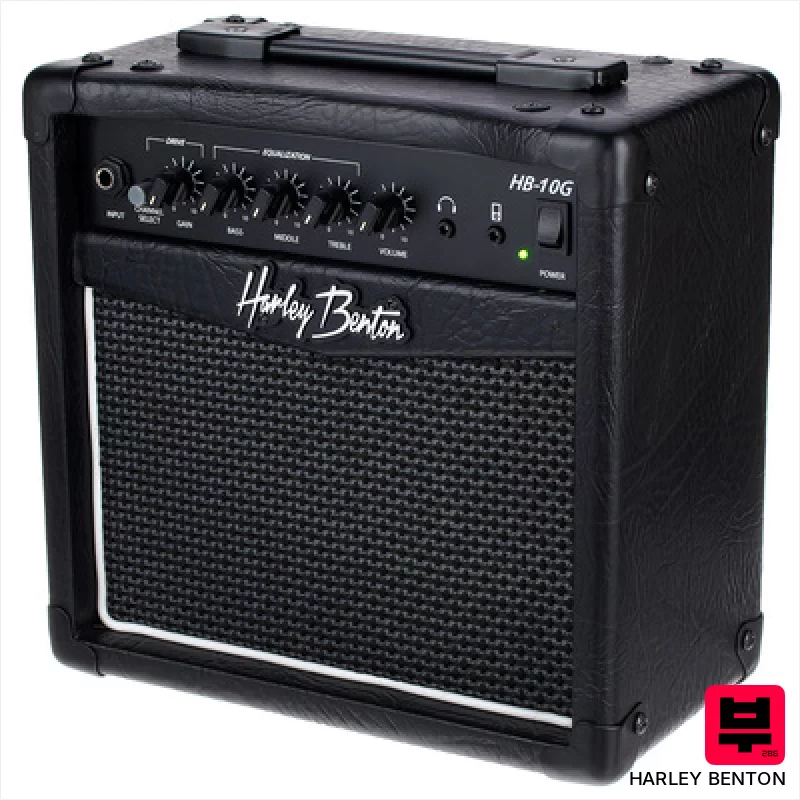
Harley Benton HB-10G
- • Surprisingly decent clean tones, usable for practice and quieter playing.
- • TEC circuitry adds a touch of warmth, avoiding sterile solid-state harshness.
- • Compact size and lightweight design make it highly portable and bedroom-friendly.
- • Aux input allows for easy jamming along with backing tracks or music.
- • 6.5 in speaker limits low-end response, lacks serious bass frequencies.
- • Overdrive channel is muddy and compressed; not ideal for high-gain styles.
- • Build quality is functional, but the cabinet feels a little flimsy and plasticky.
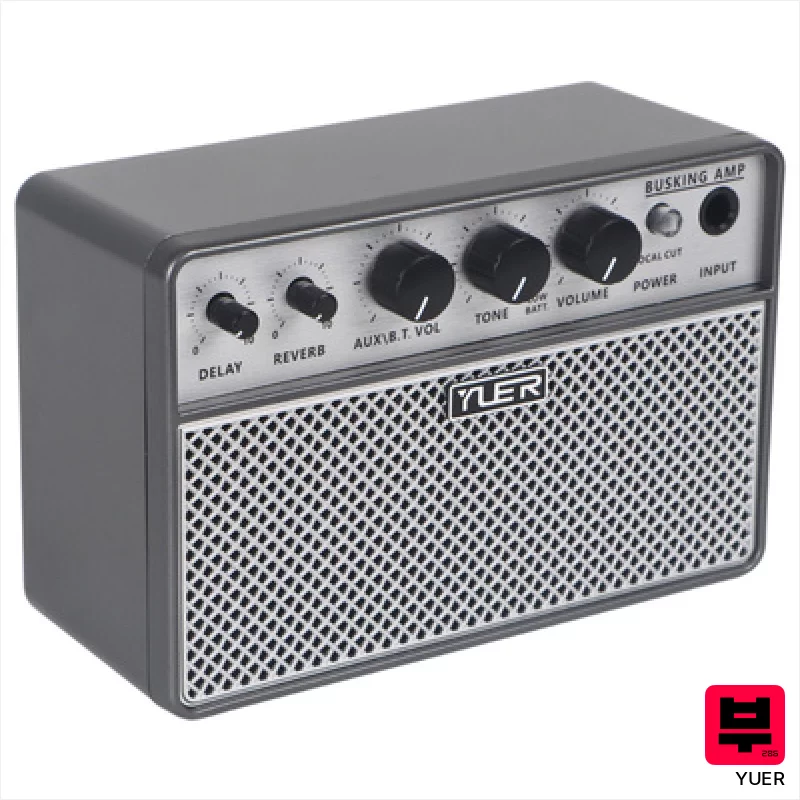
Yuer BA-10Pro Mini Busking Amp
- • Surprisingly robust build for the price point, feels solid in hand
- • Bluetooth 5.3 offers stable connection, easy pairing
- • Vocal cut feature is genuinely useful for backing track practice
- • Compact size and rechargeable battery ideal for busking and travel
- • Tiny speakers limit headroom at higher volumes; lacks low-end response
- • Effects are basic and uninspiring, more novelty than usable tones
- • Microphone preamp sounds noisy, especially with sensitive mics

Blackstar Debut 10E BLK
- • Surprisingly decent clean tones for practice and light playing.
- • ISF control offers a surprisingly wide range of tonal shaping.
- • Compact size and lightweight design make it extremely portable.
- • Integrated digital echo adds a touch of ambience and creative potential.
- • 2x3” speakers severely limit volume and low-end response.
- • Solid-state circuitry lacks the warmth and dynamic response of a tube amp.
- • Limited connectivity – no USB or footswitch input.

Blackstar Debut 10E
- • Surprisingly decent clean tones for practice and light jamming
- • ISF control offers a usable range of tonal shaping
- • Compact size and lightweight design make it ultra-portable
- • Integrated digital delay adds a touch of creative flair
- • 2x3in speakers severely limit volume and low-end response
- • Transistor amp sound lacks warmth and organic character
- • Build quality feels plasticky and not particularly robust
Every solid-state guitar combos that matches
93 models match this page. The 15 above are covered in detail; the rest are listed here with their published specifications.
Solid-State Guitar Combos by the numbers
Measured across all 93 models in this category, so «wide», «short» or «expensive» mean something you can check.
How to Choose the Best Solid-State Guitar Combos
Playability
A low action and comfortable neck profile are crucial. High fret buzz or a thick neck will make learning harder, plain and simple. We're looking for something that feels good under your fingers from the start.
Feature Set
Too many knobs and switches can be overwhelming. A few essential EQ controls (bass, mid, treble) and a clean/overdrive channel are ideal. Reverb is a nice bonus, but not a necessity.
Clean Tone
A good clean tone is the foundation. You need a platform to build on, whether you're learning scales or playing along to backing tracks. A muddy or fizzy clean tone will mask your mistakes and hinder your progress.
Overdrive/Distortion
It's tempting to crank the gain right away, but a decent overdrive channel that can deliver a usable crunch is important. It lets you explore different tones without resorting to pedals immediately.
Headroom & Dynamics
Headroom isn't just about volume; it's about how the amp responds to your playing. A good solid-state amp should have enough headroom to handle a band rehearsal without getting overly compressed and losing dynamics.
Buying Guide
Solid-state amps are inherently a trade-off. You're sacrificing some of the 'magic' of tubes for reliability and affordability. Don't expect a complex breakup or nuanced response like you'd find on a pricier tube amp. Watch out for cheap plastic components and poorly voiced pickups - they'll limit your tonal options. Spending a little more on a combo with a decent speaker and a more responsive EQ section will pay dividends in the long run.
How This List Is Built
We don't play these instruments — we're a catalog, not a review desk, and we'd rather say so than pretend otherwise. This page covers 93 solid-state guitar combos from the Thomann catalogue, which is the largest single source of specification data in this category: 15 in detail, the rest listed with their specifications.
Position is computed, not curated. We parse the manufacturer's own description into actual values — nut width, scale, fret count, fingerboard radius, size, alloy — and rank on them: how many specifications a model has published, how many of them are measurable numbers, and how precisely it meets this page's criterion. A product image adds a little. Price is not a ranking signal: it tells you nothing about whether a neck fits your hand. The same inputs always produce the same order, so nothing here is shuffled to look fresh.
What this list is good for: narrowing a category down to a shortlist by spec and budget. What it isn't: a substitute for hearing an instrument. Before you buy, read hands-on reviews and, where you can, play it. Full methodology.

