
Best Solid-State Guitar Combos Under $200 2026
Alright, so you need a practice amp or a backup rig and you're staring down a $200 budget? Solid-state isn't glamorous, but it can be reliable and surprisingly versatile. We're not talking about recreating a vintage tube amp here, but there are some combos that'll get the job done without emptying your wallet. This is about finding the most bang-for-your-buck, plain and simple.
Last updated: September 28, 2026
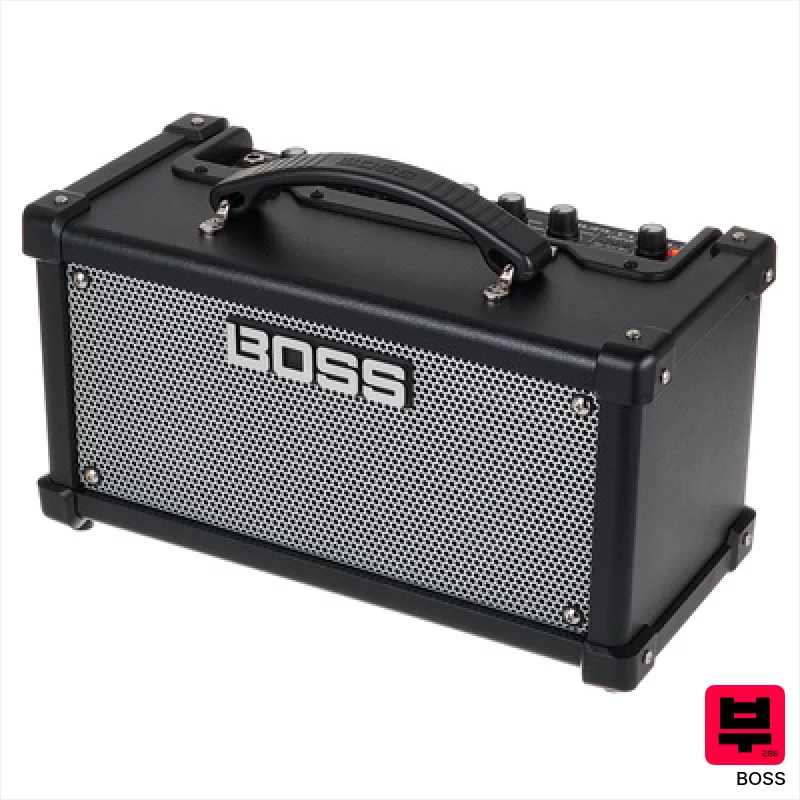
Boss Dual Cube LX
- • Surprisingly full tone for its size, thanks to the dual speaker design.
- • Excellent built-in effects, particularly the chorus and spring reverb.
- • The i-Cube Link editor app unlocks deeper customization options.
- • Battery powered operation provides portability for practice and casual jamming.
- • 4-inch speakers lack low-end extension for serious bass playing.
- • Build quality is decent but feels distinctly lightweight and plasticky.
- • Limited wattage restricts its use to practice or very small rooms.
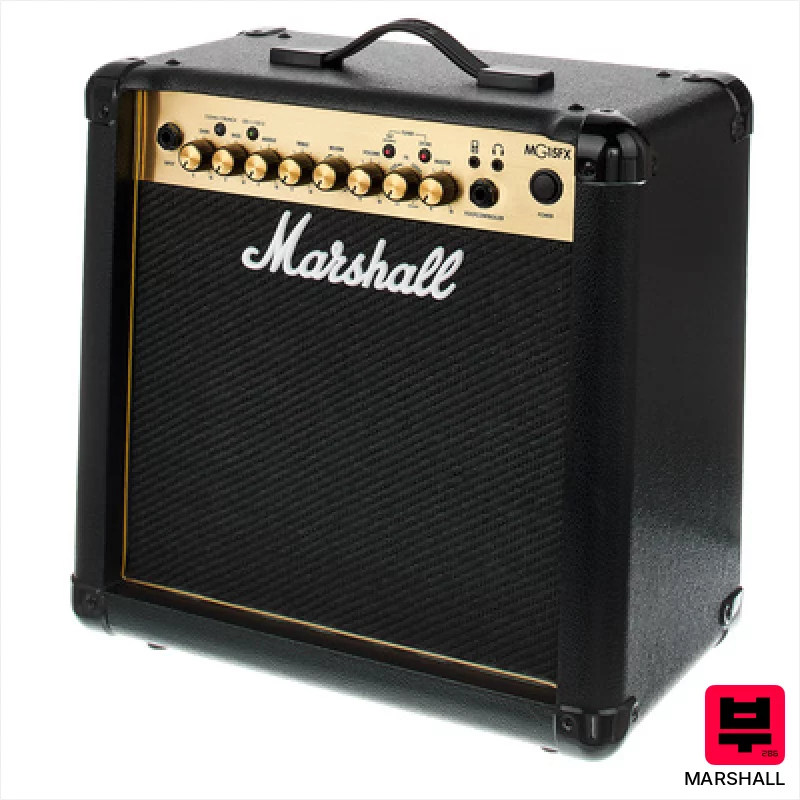
Marshall MG15GFX
- • Classic Marshall crunch, even at lower volumes
- • Versatile digital effects offer creative sonic options
- • Compact size and lightweight design for easy portability
- • MG series preamp delivers a recognizable Marshall tone
- • 8-inch speaker limits low-end response at higher volumes
- • Solid-state construction lacks the warmth of a tube amp
- • Digital effects, while useful, aren't high-end quality
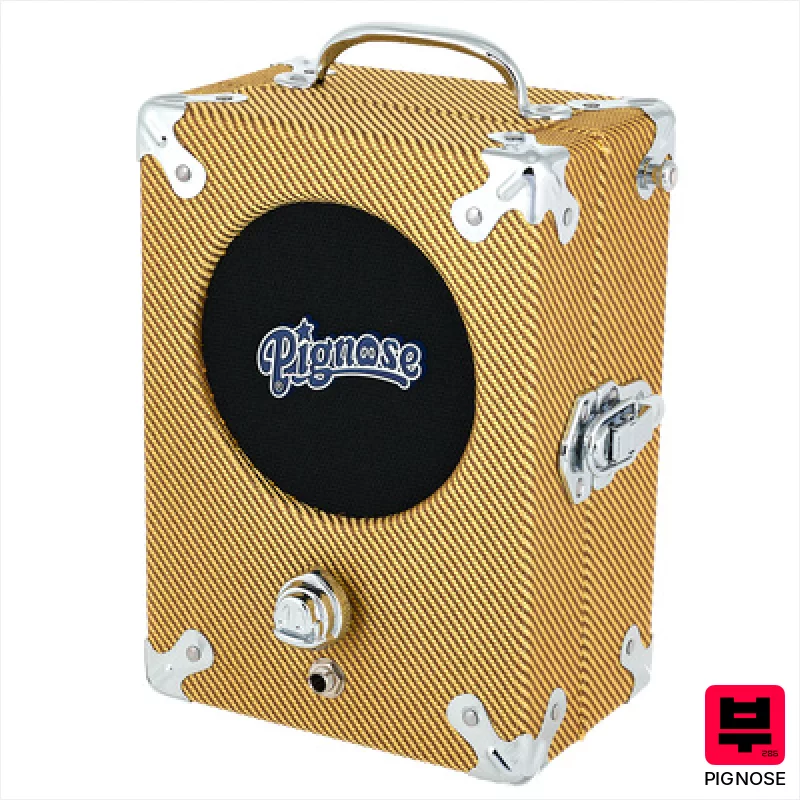
Pignose 7-100 Guitarcombo Tweed
- • The tweed covering gives it a classic, vintage aesthetic and surprisingly durable feel.
- • Battery operation provides incredible portability and freedom from outlets – perfect for practice.
- • The 5W output is surprisingly loud for its size, suitable for bedroom practice or small gatherings.
- • The preamp output allows connection to bigger amps or recording interfaces for more versatile use.
- • The single 5” speaker severely limits low-end response and overall sonic fullness.
- • Solid-state circuitry lacks the warmth and organic feel of a tube amplifier.
- • Limited EQ controls restrict tonal shaping options – it's a fairly raw sound.

Pignose 7-100 Combo BR
- • Iconic, instantly recognizable Pignose aesthetic and vibe.
- • Surprisingly robust build quality for its size and price point.
- • Battery operation offers genuine portability for practice and jams.
- • Simple, clean tone is great for blues, rockabilly, and garage rock.
- • The 5-inch speaker severely limits low-end response and volume.
- • Single channel offers limited tonal shaping options.
- • Tolex covering is prone to scuffs and wear with regular use.
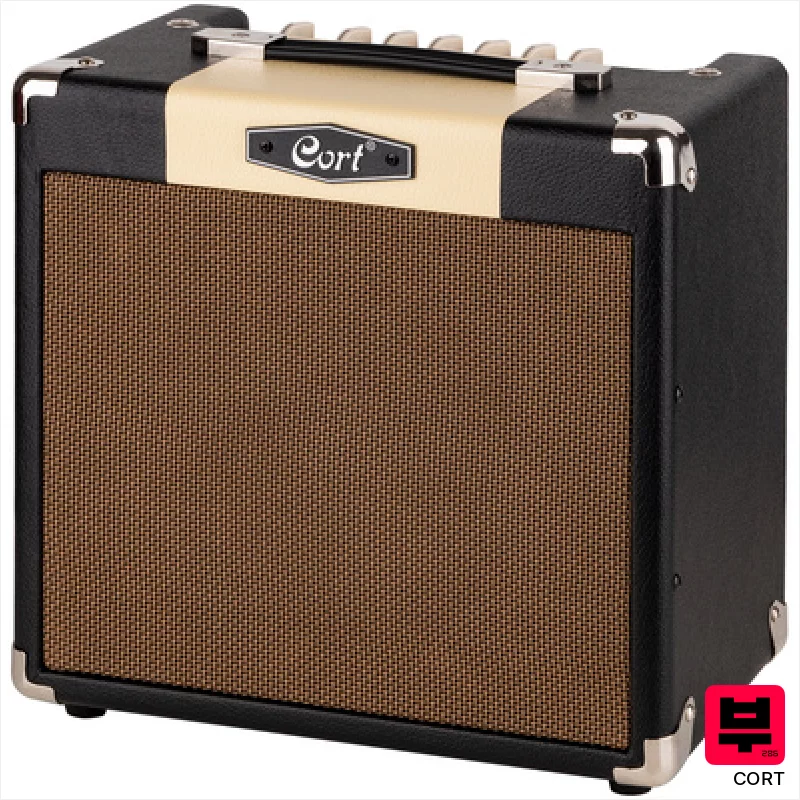
Cort CM15-R Black
- • Vintage-inspired design offers classic aesthetic appeal
- • Custom 8-inch speaker delivers surprisingly full low-end response
- • Clean channel provides pristine, usable tones for various genres
- • Headphone output enables silent practice without compromise
- • 15W power is limiting for band rehearsals or larger spaces
- • 3-band EQ offers limited tonal sculpting compared to more advanced amps
- • Speaker size restricts maximum volume and bass extension

Cort CM15-R Dark Red
- • Vintage-inspired aesthetics offer undeniable visual appeal.
- • The 8-inch speaker provides a surprisingly full, warm low-end response.
- • Clean channel delivers a usable, if somewhat basic, clean tone for practice.
- • Compact size and lightweight design (6 kg) make it highly portable.
- • The distortion channel lacks nuance and character; sounds quite generic.
- • Reverb is a simple, spring-style simulation – not particularly inspiring.
- • Limited power (15W RMS) restricts its suitability for band practice or gigging.
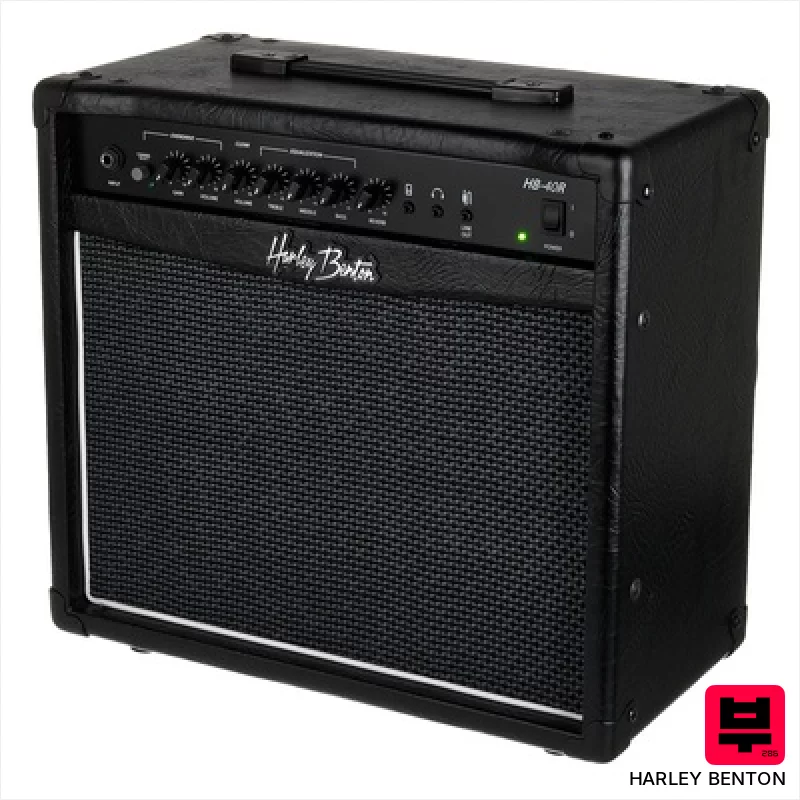
Harley Benton HB-40R
- • Surprisingly decent clean channel with usable headroom
- • TEC tube emulation adds warmth and a touch of grit
- • Compact size makes it ideal for practice and small spaces
- • Line output allows for recording or connection to a larger PA system
- • The overdrive channel is a bit fizzy and lacks character
- • Speaker is a limiting factor for higher volume/stage use
- • Build quality, while acceptable, feels a bit plasticky
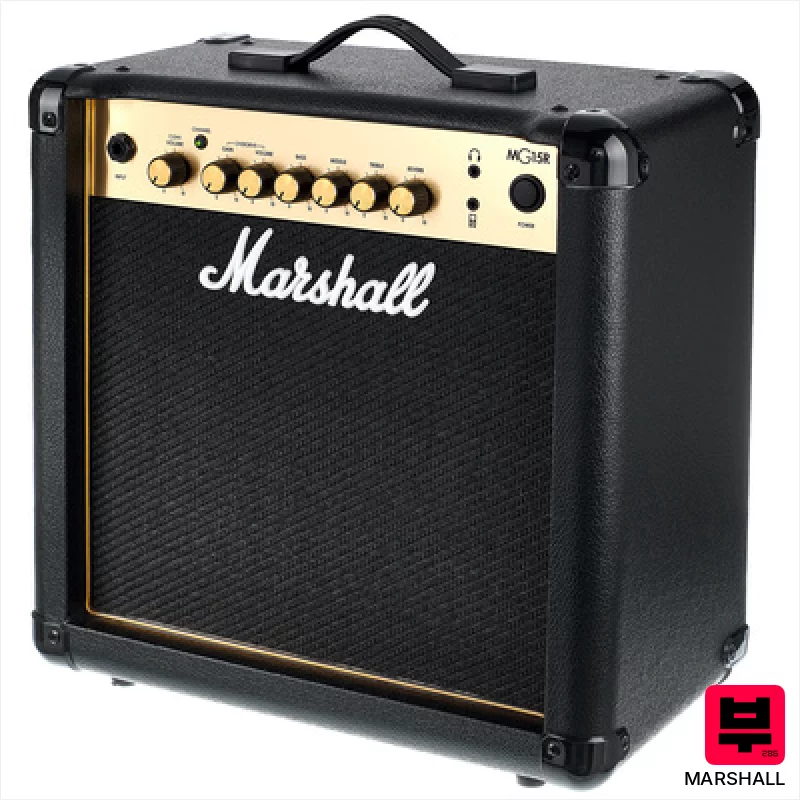
Marshall MG15GR
- • Surprisingly decent cleans for a budget amp
- • Marshall’s classic overdrive voicing is present and usable
- • Compact size and light weight make it very portable
- • Headphone output is genuinely useful for quiet practice
- • 8-inch speaker severely limits low-end response and volume
- • 3-band EQ is basic, lacks nuanced tone shaping
- • Construction feels a bit plasticky, not a premium feel

Blackstar FLY 3 Bluetooth Charge BL
- • Excellent portability with built-in rechargeable battery.
- • ISF provides surprisingly versatile tonal shaping.
- • Clean channel delivers a bright, articulate response.
- • Bluetooth connectivity simplifies music playback and recording.
- • 3-inch speaker limits maximum volume and low-end extension.
- • Single delay effect is basic, lacks nuanced control.
- • Soft-touch surface might be prone to scuffs and marks.

Boss Katana Mini
- • Surprisingly full tone for its size, thanks to Boss’s modeling tech
- • Excellent portability – truly a practice amp you can take anywhere
- • Simple controls make dialing in usable sounds incredibly fast and easy
- • The analog EQ section provides a surprisingly responsive and musical shaping
- • 4-inch speaker limits low-end extension and overall volume
- • Single channel design restricts tonal flexibility beyond the three amp models
- • Battery operation is a stopgap – AC power is highly recommended for consistent use

Blackstar FLY 3 Mini Amp Bundle
- • Surprisingly full tone for its size, thanks to the ISF control.
- • Built-in delay adds subtle depth and texture easily.
- • Battery-powered operation offers incredible portability and convenience.
- • Compact design makes it ideal for practice, recording, or travel.
- • 3 Watts is limiting for playing with a band or in noisy environments.
- • The 3-inch speaker can sound a bit strained at higher volumes.
- • Limited EQ controls restrict tonal shaping options significantly.
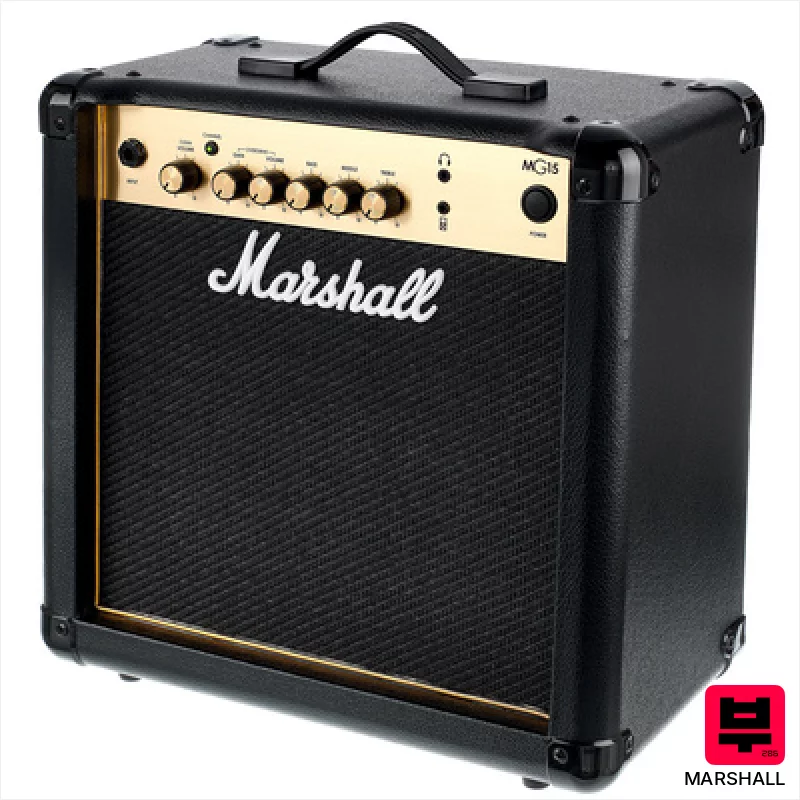
Marshall MG15G
- • Surprisingly usable clean channel with a decent sparkle.
- • Overdrive channel delivers a crunchy Marshall vibe.
- • Compact size and lightweight design make it very portable.
- • Headphone output is genuinely useful for quiet practice.
- • 8-inch speaker severely limits low-end response and volume.
- • EQ is basic, lacks mid-frequency control for tonal shaping.
- • Build quality feels a bit plasticky for a Marshall.
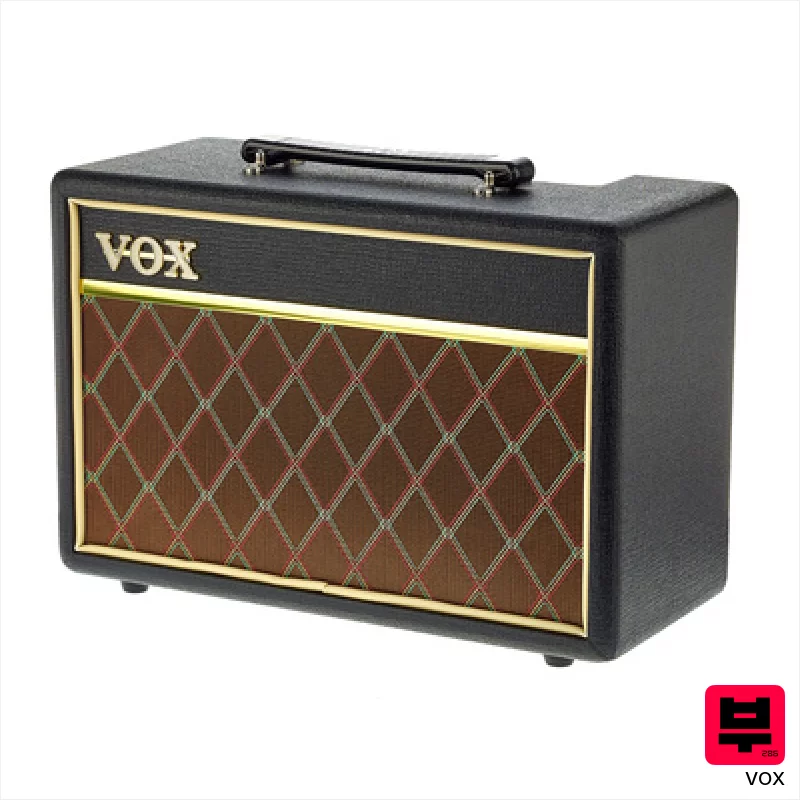
Vox Pathfinder 10
- • Distinctive Vox chime delivers classic AC30-esque tones.
- • Surprisingly robust build for its size and price point.
- • The Bulldog speaker provides a tight, focused low-end response.
- • Clean/overdrive switch offers a versatile range of sounds.
- • Limited wattage makes it unsuitable for gigging or loud band practice.
- • EQ is basic, lacking midrange control for tonal shaping.
- • The diminutive size means a lack of headroom at higher volumes.
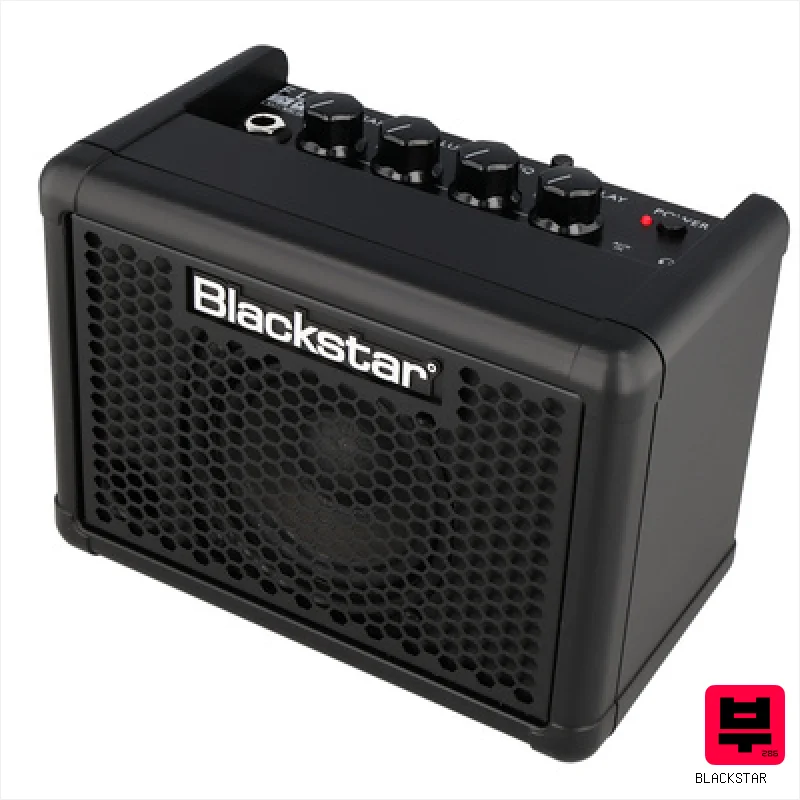
Blackstar FLY 3 High Gain
- • Runs on standard wall power or portable batteries
- • Delivers three distinct tone channels for versatile playing
- • Includes built-in delay for rhythmic textures
- • Compact size fits easily in small rehearsal spaces
- • Extremely low 3 watt output limits loudness
- • Tiny 3 inch speaker struggles with real volume
- • Very light 1 kg weight suggests minimal internal parts

Blackstar Debut 15E
- • Surprisingly decent clean tone for a budget amp, usable for practice.
- • The ISF control offers a genuinely useful range of tonal shaping.
- • Compact and lightweight, making it ideal for small spaces and travel.
- • Integrated digital delay adds a touch of creative flair for simple effects.
- • The 2x3 in speakers severely limit headroom and low-end response.
- • Overdrive channel lacks nuanced character; it's fairly generic.
- • Build quality feels noticeably cheap; expect plastic components.
Every solid-state guitar combos that matches
50 models match this page. The 15 above are covered in detail; the rest are listed here with their published specifications.
Solid-State Guitar Combos by the numbers
Measured across all 50 models in this category, so «wide», «short» or «expensive» mean something you can check.
How to Choose the Best Solid-State Guitar Combos
Clean headroom
At this price point, don't expect pristine clean tones at gig volumes. You'll be pushing these amps quickly, so look for models that retain some clarity before they start to breakup.
Drive channels
Most combos in this range will have a distorted channel. We're looking for something with usable gain - enough for crunchy rhythm tones and passable lead work, without sounding completely muddy or fizzy.
EQ controls
A decent EQ section (bass, mid, treble) is crucial for shaping the tone and cutting through a mix. Too often, budget amps have weak or ineffective EQ, leaving you stuck with a generic sound.
Speaker quality
The speaker is the final voice of the amp. A cheap speaker can ruin even a decent-sounding amp. Listen for clarity, definition, and a reasonable low-end response - not necessarily a massive low-end thump.
Build quality
Let's be honest, these are budget amps. We're assessing how well they're put together - sturdy controls, a reasonable enclosure, and generally, how long they might last under gigging conditions.
Buying Guide
At this price, you're making compromises. Don't expect a wide range of features like reverb or effects - those are usually digital and often sound...okay, at best. Focus on finding an amp with a usable clean tone and a distortion channel that you can tweak to your liking. The speaker will be a limiting factor - consider upgrading it later if you really love the amp. And pay attention to the neck profile compatibility with your guitars - a thin, dark voicing can sound terrible through a bright amp.
How This List Is Built
We don't play these instruments — we're a catalog, not a review desk, and we'd rather say so than pretend otherwise. This page covers 50 solid-state guitar combos from the Thomann catalogue, which is the largest single source of specification data in this category: 15 in detail, the rest listed with their specifications.
Position is computed, not curated. We parse the manufacturer's own description into actual values — nut width, scale, fret count, fingerboard radius, size, alloy — and rank on them: how many specifications a model has published, how many of them are measurable numbers, and how precisely it meets this page's criterion. A product image adds a little. Price is not a ranking signal: it tells you nothing about whether a neck fits your hand. The same inputs always produce the same order, so nothing here is shuffled to look fresh.
What this list is good for: narrowing a category down to a shortlist by spec and budget. What it isn't: a substitute for hearing an instrument. Before you buy, read hands-on reviews and, where you can, play it. Full methodology.

