AudioFu
AudioFu Chart · October 2026
Best Shure Condenser Microphones 2026
The top pick is Shure BETA 52A Supercardioid Dynamic Bass Drum Microphone ($379). Shure KSM11B/C Cardioid Handlheld Condenser Microphone leads the high end. Ranked by the AudioFu Index from 4 models, prices checked every night.
Last updated: October 13, 2026
Top 4
Full detail for the 4 highest AudioFu Index scores. Every other model is listed below.
-
Shure BETA 52A Supercardioid Dynamic Bass Drum Microphone
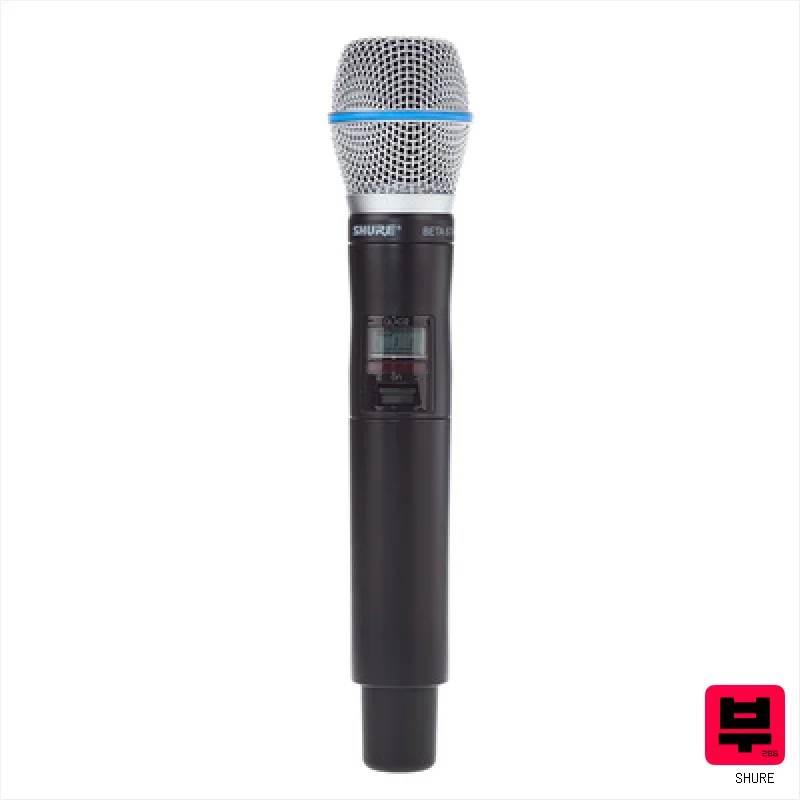
Beta 87C · Shure
94 for sale on Reverb2 finishes at Thomann
The Beta 87C is a workhorse vocal mic – seriously clean and detailed. It’s a fantastic choice for singers who want a natural, present sound, especially those using in-ear monitors. If you're looking for professional-grade vocal reproduction without a huge investment, this is a solid pick.
Pros
- Exceptional clarity and detail across the vocal spectrum.
- Robust, all-metal construction feels incredibly durable.
- Excellent off-axis rejection minimizes stage bleed and room noise.
Cons
- Can be overly sensitive for loud, aggressive vocalists.
- Lacks a pad switch for extremely high SPL sources.
68AudioFu
Index↓ 2.9%since Aug 14 · lowest so far$390 · Aug 14$379 now$379€339 at Thomann · in stockCheck price ↗ -
The KSM 9 HS is a serious tool for vocalists who need top-tier feedback rejection and clarity in challenging live environments. It’s a workhorse mic—the dual-diaphragm design provides a really present and detailed sound, perfect for lead singers or anyone needing to cut through a loud band. It’s a premium investment, but the performance is undeniable.
Pros
- Exceptional off-axis rejection minimizes stage bleed effectively.
- Die-cast construction provides robust durability for demanding live use.
- Dual-diaphragm design delivers a remarkably natural and detailed vocal capture.
Cons
- The supercardioid pattern demands precise mic technique for optimal results.
- Premium-priced, potentially prohibitive for budget-conscious performers.
56AudioFu
Index↓ 2.5%since Aug 14 · lowest so far$759 · Aug 14$740 now$740€662 at Thomann · in stockCheck price ↗ -
Shure KSM11B/
C Cardioid Handlheld Condenser Microphone KSM11 · Shure
10 for sale on Reverb1 finish at Thomann
- Size4"
The KSM11 is a seriously impressive mic—a step up from your typical studio condenser. Its balanced sound profile and excellent off-axis rejection make it ideal for singers needing a clean, present vocal, particularly in less-than-perfect acoustic spaces. It's a premium-priced tool, but delivers professional results.
Pros
- The 3/4” gold diaphragm delivers exceptional transient response and detail.
- Optimized off-axis rejection minimizes room noise and feedback effectively.
- Robust hardened steel grille and integrated pop filter handle demanding live performances.
Cons
- Cardioid-only pattern limits versatility for complex stereo recording setups.
- Relatively high sensitivity requires careful gain staging to avoid noise floor.
51AudioFu
IndexStableno change since Aug 14Aug 14$993 now$993€888 at Thomann · in stockCheck price ↗ -
Shure Beta 87A Handheld Supercardioid Condenser Microphone
Beta 87A Bundle · Shure
78 for sale on Reverb1 finish at Thomann
- Weight2.8 kg
The Beta 87A is a workhorse vocal mic, plain and simple. It delivers a clear, articulate sound that cuts through a mix—perfect for powerful lead vocals and tight harmonies. If you need a reliable, high-quality condenser for live performance or studio tracking, this bundle is a solid choice.
Pros
- Excellent vocal clarity with a defined, present midrange
- Thicker shaft improves grip and stage handling comfort
- Supercardioid pattern minimizes feedback in live settings
Cons
- Supercardioid pattern demands precise mic technique for optimal results
- Can be slightly bright for some vocalists needing a warmer tone
Condenser Microphones by the numbers
Measured across all 285 models we track, not a sample.
median of 17 models · 0.06 kg–3 kg
median of 16 models · 4"–8"
How to choose the best condenser microphones
Heritage & Reliability
Shure's been around forever, and their mics are built to last. They've earned their place in countless recordings, and that history speaks to a certain level of design and build quality that you just don't find everywhere.
Signature Tone
That classic Shure 'snap' - it's not always the warmest or lushest tone, but it's incredibly clear and present. They tend to emphasize articulation, which is fantastic for cutting through a busy mix, but might need some EQ love for smoother vocals.
Build Quality
Let's be honest, Shure mics are tanks. Stage bumps? No problem. Years of studio use? They'll still be kicking. The ruggedness is a huge factor for gigging musicians; you're not constantly worried about snapping off a delicate capsule.
Polar Patterns
Shure offers a range of polar patterns, from cardioid for focused vocals to omni for room mics. Understanding these patterns is key to getting the right sound, and Shure's implementation is generally consistent and predictable.
Value Proposition
While not always the cheapest, Shure's mics offer a fantastic balance of performance and durability. You're paying for a reputation and a level of build quality that often justifies the price, especially if you're gigging regularly.
Buying guide
Alright, so you're looking at Shure condensers - a solid choice. They've been a workhorse in studios and on stages for decades, and for good reason. Shure isn't about flashy gimmicks; they focus on delivering reliable, articulate sound with a character that just works - even if it's not the most exciting on paper. Let's break down the best options and what makes them special.
Don't chase the 'perfect' vocal mic - find one that complements your voice and the music you're making. Cheaper condensers often try to be too much, too soon, resulting in harsh highs or muddy lows. With Shure, you're getting a reliable foundation that you can shape with EQ.
Spend a little more for the build quality; it'll save you headaches down the road.
How the AudioFu Index works
Five measured signals and nothing else — no stars from strangers, no “tested by experts” we didn’t do. The weights are fixed and public. We don’t play these instruments; we measure the market around them.
This chart covers 6 condenser microphones from the Thomann catalogue (of 285 in the category). Before you buy, read hands-on reviews and, where you can, play it. Full methodology.
AudioFu earns a commission when you buy through our Thomann links. It never changes the order — the index does.
- Demand40%
How many of this exact model are for sale on Reverb right now — what musicians actually buy and resell.
- Lineup20%
How many finishes Thomann stocks — makers expand the models that sell.
- Price15%
Where the price has moved since we started tracking in August.
- Specs15%
How completely the maker documents it.
- Maker10%
How deep the brand’s range is in this category.
Questions
Are Shure condensers good for recording acoustic guitar?
Absolutely. Their clarity and transient response really capture the detail in acoustic instruments, though you might need to tame some upper-midrange harshness depending on the guitar and room.
I heard Shure mics can be 'bright' - is that a bad thing?
It's not inherently bad. That brightness can be a plus for cutting through a live band, but for softer vocals or a warmer sound, you'll likely need to dial back the highs with EQ. It's more about clarity than a warm, vintage vibe.
Which Shure condenser is best for live vocals?
The SM58 is a dynamic, not a condenser, but the KSM141 is a solid choice for live use - it's durable and has excellent feedback rejection. The Beta 87A is another great option, known for its tailored response for vocal clarity.
Can I use a Shure condenser with an audio interface?
Definitely. Most interfaces provide phantom power (+48V) needed to power condenser mics. Just make sure your interface is compatible and you're using a decent XLR cable.
Are Shure condensers easy to EQ?
They respond well to EQ, but their inherent character is relatively 'honest.' You're not going to completely transform the sound, but you can shape it to fit the mix. Be mindful of that upper-midrange 'snap' - too much EQ can make things brittle.