AudioFu
AudioFu Chart · October 2026
Best Condenser Microphones for Advanced 2026
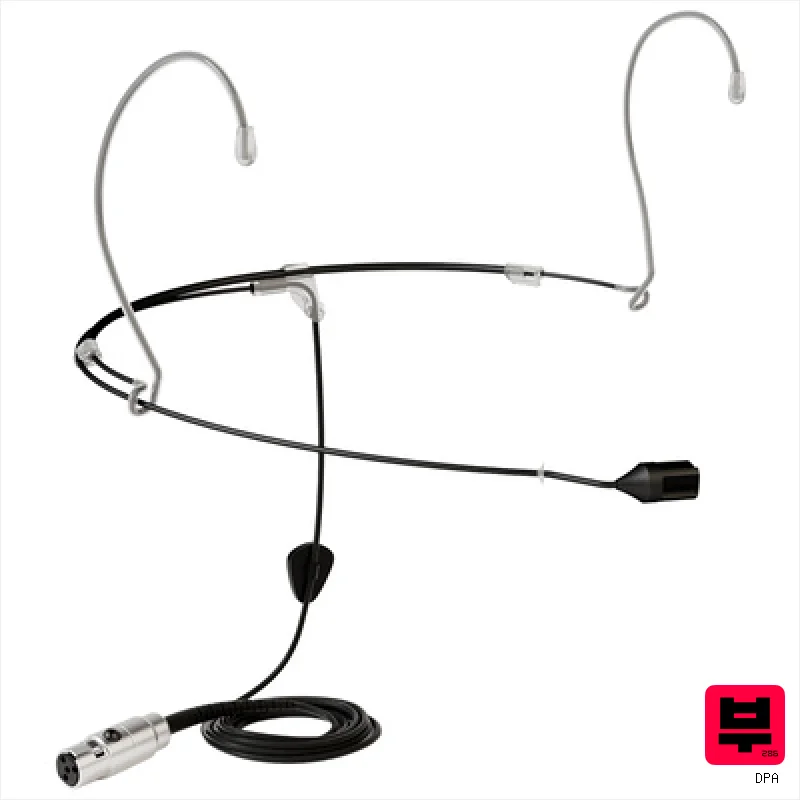
The top pick is DPA 4097-DP-F-B01-120 ($1,397). Audio-Technica AT2010 Handheld Condenser Microhone gives you the most for the money at $116. Ranked by the AudioFu Index from 27 models across 14 brands, prices checked every night.
Last updated: October 14, 2026
Top 10
Full detail for the 10 highest AudioFu Index scores. Every other model is listed below.
-
- Weight5.1 kg
This mic is great for choirs because it rejects side noise and handles very loud singers. It's built heavy so it won't move on the stand, but the height is huge and it's tough to carry. Perfect for a choir director who needs reliability over portability.
Pros
- Supercardoid pattern rejects side noise well
- Wide frequency range captures full sound
- High dynamic range handles loud singers
Cons
- Heavy weight makes it hard to carry
- Very tall design takes up lots of space
40AudioFu
IndexStableno change since Aug 17Aug 17$1,397 now$1,397€1,249 at Thomann · in stockCheck price ↗ -
Shure KSM11B/
C Cardioid Handlheld Condenser Microphone KSM11 · Shure
10 for sale on Reverb1 finish at Thomann
- Size4"
The KSM11 is a seriously impressive mic—a step up from your typical studio condenser. Its balanced sound profile and excellent off-axis rejection make it ideal for singers needing a clean, present vocal, particularly in less-than-perfect acoustic spaces. It's a premium-priced tool, but delivers professional results.
Pros
- The 3/4” gold diaphragm delivers exceptional transient response and detail.
- Optimized off-axis rejection minimizes room noise and feedback effectively.
- Robust hardened steel grille and integrated pop filter handle demanding live performances.
Cons
- Cardioid-only pattern limits versatility for complex stereo recording setups.
- Relatively high sensitivity requires careful gain staging to avoid noise floor.
51AudioFu
IndexStableno change since Aug 14Aug 14$993 now$993€888 at Thomann · in stockCheck price ↗ -
Neumann KMS 105 Handheld Supercardioid Condenser Microphone
KMS 105 BK Elegance Bundle · Neumann
52 for sale on Reverb4 finishes at Thomann
- Size8"
- Weight3 kg
This mic is built for singers who need clear sound without feedback. Its supercardioid shape keeps background noise out while the special filter stops wind and plosives. As a transformerless condenser, it sounds transparent and lets you control your voice perfectly on stage.
Pros
- Optimally transmits the human voice for demanding live use
- Super-cardioid pattern reduces feedback effectively on stage
- Innovative filter avoids popping, wind, and handling noise
Cons
- Frequency range and sensitivity numbers are not listed
- No specific max SPL rating is provided in the text
50AudioFu
IndexStableno change since Aug 17Aug 17$916 now$916€819 at Thomann · in stockCheck price ↗ -
Neumann KMS 104 Handheld Cardioid Condenser Microphone
KMS 104 BK+ Elegance Bundle · Neumann
20 for sale on Reverb6 finishes at Thomann
- Size8"
- Weight3 kg
This bundle is a solid choice for female singers in rock or pop. The mic is built to capture those voices clearly, and the stand is heavy enough to stay put during loud performances. You get everything you need in one box, from the bag to the holder.
Pros
- Optimized specifically for female vocals in rock and pop settings.
- Heavy-duty one-hand stand with a massive round steel base.
- Unique trilobular aluminum tubing design for stability.
Cons
- No maximum SPL rating is provided in the description.
- Sensitivity figures are not listed in the text.
48AudioFu
IndexStableno change since Aug 17Aug 17$894 now$894€799 at Thomann · in stockCheck price ↗ -
The DPA 4018V-B-B01 is a phenomenal vocal mic, delivering an incredibly clean and detailed sound – almost surgically precise. It’s a top-tier choice for professional singers, broadcast, and situations where pristine audio is paramount, especially when paired with wireless systems. Just be prepared for the investment and the slightly heavier feel in your hand.
Pros
- Exceptional clarity and detail across the vocal spectrum
- Robust, all-steel construction ensures long-term durability
- Adaptable capsule system provides wireless flexibility and cost savings
Cons
- Premium-priced, a significant investment for many vocalists
- Weight can be fatiguing for extended handheld use
36AudioFu
Index↓ 7.0%since Aug 14 · lowest so far$1,118 · Aug 14$1,039 now$1,039€929 at Thomann · in stockCheck price ↗ -
The SR314 BK is a seriously impressive mic—it's got this incredibly detailed, natural sound that just captures everything. It’s a great choice for vocalists who want a mic that’s both articulate and powerful, especially those in genres needing a clean, present tone like pop, R&B, or even spoken word. The build quality is top-notch, too.
Pros
- Exceptional transient response captures nuance often missed by other mics.
- Extended frequency range delivers clarity across a wide vocal spectrum.
- Robust, all-metal construction feels incredibly solid and durable.
Cons
- The relatively high mass can be fatiguing for extended handheld use.
- Lacks multiple polar patterns, limiting versatility in some recording scenarios.
40AudioFu
IndexStableno change since Aug 14Aug 14$894 now$894€799 at Thomann · in stockCheck price ↗ -
Shure BETA 52A Supercardioid Dynamic Bass Drum Microphone
Beta 87C · Shure
94 for sale on Reverb2 finishes at Thomann
The Beta 87C is a workhorse vocal mic – seriously clean and detailed. It’s a fantastic choice for singers who want a natural, present sound, especially those using in-ear monitors. If you're looking for professional-grade vocal reproduction without a huge investment, this is a solid pick.
Pros
- Exceptional clarity and detail across the vocal spectrum.
- Robust, all-metal construction feels incredibly durable.
- Excellent off-axis rejection minimizes stage bleed and room noise.
Cons
- Can be overly sensitive for loud, aggressive vocalists.
- Lacks a pad switch for extremely high SPL sources.
68AudioFu
Index↓ 2.9%since Aug 14 · lowest so far$390 · Aug 14$379 now$379€339 at Thomann · in stockCheck price ↗ -
Sennheiser e865 Handheld Condenser Microphone
E 865 S · Sennheiser
29 for sale on Reverb2 finishes at Thomann
The E 865 S is a workhorse condenser mic, built for serious stage vocalists. Its supercardioid pickup is fantastic for cutting through a loud band, and it delivers a clear, detailed sound without being overly colored. A solid choice for singers needing excellent isolation and reliable performance.
Pros
- Supercardioid pattern excels at isolating vocals in loud live environments.
- Robust metal construction provides excellent durability for stage use.
- Extended frequency response captures nuanced vocal details and clarity.
Cons
- Supercardioid pattern demands precise mic technique to avoid feedback.
- Requires phantom power, limiting use with some older or simpler audio interfaces.
60AudioFu
Index↓ 11.3%since Aug 14 · lowest so far$267 · Aug 14$237 now$237€212 at Thomann · in stockCheck price ↗ -
The KSM 9 HS is a serious tool for vocalists who need top-tier feedback rejection and clarity in challenging live environments. It’s a workhorse mic—the dual-diaphragm design provides a really present and detailed sound, perfect for lead singers or anyone needing to cut through a loud band. It’s a premium investment, but the performance is undeniable.
Pros
- Exceptional off-axis rejection minimizes stage bleed effectively.
- Die-cast construction provides robust durability for demanding live use.
- Dual-diaphragm design delivers a remarkably natural and detailed vocal capture.
Cons
- The supercardioid pattern demands precise mic technique for optimal results.
- Premium-priced, potentially prohibitive for budget-conscious performers.
56AudioFu
Index↓ 2.5%since Aug 14 · lowest so far$760 · Aug 14$741 now$741€662 at Thomann · in stockCheck price ↗ -
Audio-Technica AT2010 Handheld Condenser Microhone
AT 2010 · Audio-Technica
25 for sale on Reverb1 finish at Thomann
The AT 2010 is a solid, budget-friendly condenser mic that punches above its weight class. It’s a great option for gigging vocalists or anyone needing a reliable, clear vocal mic without breaking the bank—it delivers a familiar AT2020-like sound in a live-ready package.
Pros
- Robust metal housing offers surprising durability for the price point.
- Cardioid pattern effectively rejects stage bleed and background noise.
- Shares sonic character with the popular AT2020, delivering a clear vocal presence.
Cons
- Lacks a high-pass filter, potentially problematic with proximity effect and low-frequency rumble.
- Limited versatility; primarily designed for vocal performance, not instruments.
51AudioFu
Index↓ 3.7%since Aug 14 · lowest so far$121 · Aug 14$116 now$116€104 at Thomann · in stockCheck price ↗
All 27 condenser microphones
Same index, same nightly prices — compact. Colour options of one model share a row. Tap a photo to zoom.
- 11
RODE M2 Handheld Condenser MicrophoneM2 · Rode · 2 finishes50↓ 10.1%$100€89$100€89Check ↗
- 12
Lewitt Lewitt MTP-350 CM Handheld Condenser MicrophoneMTP 350 CM · Lewitt49↓ 4.3%$149€133$149€133Check ↗
- 13
Sennheiser e965 Handheld Vocal Condenser MicrophoneE 965 · Sennheiser49↑ 1.9%$603€539$603€539Check ↗
- 14
AKG C636 Master Reference Handheld Vocal Condenser MicrophoneC636 BLK · AKG46Stable$525€469$525€469Check ↗
- 15
Austrian Audio OC707 Handheld Cardioid Condenser MicrophoneOC707 · Austrian Audio42Stable$480€429$480€429Check ↗
- 16
Shure Beta 87A Handheld Supercardioid Condenser MicrophoneBeta 87A Bundle · Shure40↑ 4.5%$420€375$420€375Check ↗
- 17
Audio-Technica ATM710 Handheld Cardioid Condenser MicrophoneATM 710 · Audio-Technica39Stable$200€179$200€179Check ↗
- 18
AKG C7 Reference Condenser Vocal MicrophoneC7 · AKG38↑ 9.1%$267€239$267€239Check ↗
- 19
Mojave MA-C GreyMojave37Stable$838€749$838€749Check ↗
- 20
DPA Microphones 2028B-B01 Supercardioid Wired Dynamic Microphone2028-B-B01 · DPA36Stable$592€529$592€529Check ↗
- 21
the t.bone MB 78 Betathe t.bone · 2 finishes35Stable$62€55$62€55Check ↗
- 22
Earthworks Audio SR117Earthworks Audio33Stable$279€249$279€249Check ↗
- 23
Audio-Technica AE5400 Large-Diaphragm Cardioid Condenser Vocal…AE 5400 · Audio-Technica33↑ 19.1%$531€475$531€475Check ↗
- 24
EV RE520EV31Stable$352€315$352€315Check ↗
- 25
EV RE420EV31Stable$357€319$357€319Check ↗
- 26
Lewitt MTP W950Lewitt31Stable$816€729$816€729Check ↗
- 27
Ehrlund Microphones EHR-HEhrlund Microphones28↑ 2.7%$860€769$860€769Check ↗
Condenser Microphones by the numbers
Measured across all 285 models we track, not a sample.
Median $726 — half of all condenser microphones here cost less.
median of 17 models · 0.06 kg–3 kg
median of 16 models · 4"–8"
How to choose the best condenser microphones
Transient Response
How quickly the mic reacts to the initial attack of a sound. Crucial for percussive instruments - a sluggish mic will muddy a snare or a hi-hat, while a snappy one can give a kick drum real punch. It's not just about speed; it's about accuracy.
Off-Axis Response
It's easy to get hung up on the 'sweet spot,' but what happens when you move slightly? A good mic maintains clarity and a natural sound even when not directly in front of the source. Bad off-axis response introduces unwanted coloration and phase issues, especially in stereo recordings.
Self-Noise
Low self-noise is paramount, especially for quiet vocals or acoustic instruments. You don't want to have to crank the gain to mask hiss-that just introduces noise floor. Listen for that subtle background hum that can ruin a delicate performance.
Polar Pattern Versatility
Beyond cardioid, multiple patterns (figure-8, omni) open up a world of creative possibilities for stereo miking, room ambience, and isolating sources. For advanced players, this is about having options to tailor the mic's pickup to the specific sonic needs of a track.
Headroom & Distortion Characteristics
A mic that clips early isn't useful, but even more importantly, how it distorts matters. A clean, transparent mic is great for pristine recordings, but a mic with a pleasing saturation point can add warmth and character when pushed. It's about controlled breakup, not just abrupt clipping.
Buying guide
Alright, so you're past the 'plug it in and hope it sounds good' phase with microphones. You're chasing nuance, you want to capture the subtle attack of a snare drum, the breathy intimacy of a vocal, or the way your fingers graze the fretboard. This isn't about finding something 'good enough'; it's about finding the mic that translates your artistry. We're diving into condenser mics for players who actually listen and understand what a microphone is doing, not just what it costs.
Don't fall for the 'more expensive = better' trap. A $300 mic might sound fantastic on a male baritone, while a $2000 mic might be harsh on a soprano. Spend time researching specific models and listening to audio samples, ideally in a similar vocal range to yours.
Beware of mics that promise 'studio quality' at a budget price - those almost always cut corners on capsule quality or internal components, resulting in a thin or colored sound. It's better to invest in a well-regarded, mid-range mic than chase a hyped flagship that doesn't suit your voice or instrument.
How the AudioFu Index works
Five measured signals and nothing else — no stars from strangers, no “tested by experts” we didn’t do. The weights are fixed and public. We don’t play these instruments; we measure the market around them.
This chart covers 42 condenser microphones from the Thomann catalogue (of 285 in the category). Before you buy, read hands-on reviews and, where you can, play it. Full methodology.
AudioFu earns a commission when you buy through our Thomann links. It never changes the order — the index does.
- Demand40%
How many of this exact model are for sale on Reverb right now — what musicians actually buy and resell.
- Lineup20%
How many finishes Thomann stocks — makers expand the models that sell.
- Price15%
Where the price has moved since we started tracking in August.
- Specs15%
How completely the maker documents it.
- Maker10%
How deep the brand’s range is in this category.
Questions
What's the difference between a large-diaphragm and small-diaphragm condenser?
Large-diaphragm mics are generally more sensitive and better at capturing low frequencies, making them a common choice for vocals and acoustic instruments. Small-diaphragm mics tend to be more accurate and less prone to coloration, excelling on percussion and instruments where detail is key.
I'm recording vocals at home. Do I need a pop filter and shock mount?
Absolutely. Plosives (those 'p' and 'b' sounds) can wreck a vocal take, and a shock mount isolates the mic from vibrations that can muddy the sound. It's cheap insurance against a bad recording.
What does 'polar pattern' actually mean?
It's the mic's pickup pattern - how it responds to sound from different directions. Cardioid picks up sound from the front, rejecting sound from the back. Figure-8 picks up sound from the front and back, rejecting the sides. Omni picks up sound equally from all directions.
My mic sounds 'harsh.' What's going on?
It could be a few things: the mic's inherent frequency response, your recording environment, or your preamp. Try a different preamp, move the mic slightly, or use a low-cut filter to tame those high frequencies.
I'm getting a lot of room noise. How do I fix it?
Acoustic treatment is the ideal solution, but in a pinch, try moving closer to the mic, using a hypercardioid pattern (if available), or experimenting with blankets or furniture to absorb reflections. Sometimes, it's just a matter of finding the 'deadest' spot in the room.