AudioFu
AudioFu Chart · October 2026
Best Condenser Microphones for Intermediate 2026
The top pick is Shure BETA 52A Supercardioid Dynamic Bass Drum Microphone ($379). Sennheiser e865 Handheld Condenser Microphone gives you the most for the money at $237. Earthworks Audio SR314 SB BK leads the high end. Ranked by the AudioFu Index from 27 models across 14 brands, prices checked every night.
Last updated: October 13, 2026
Top 10
Full detail for the 10 highest AudioFu Index scores. Every other model is listed below.
-
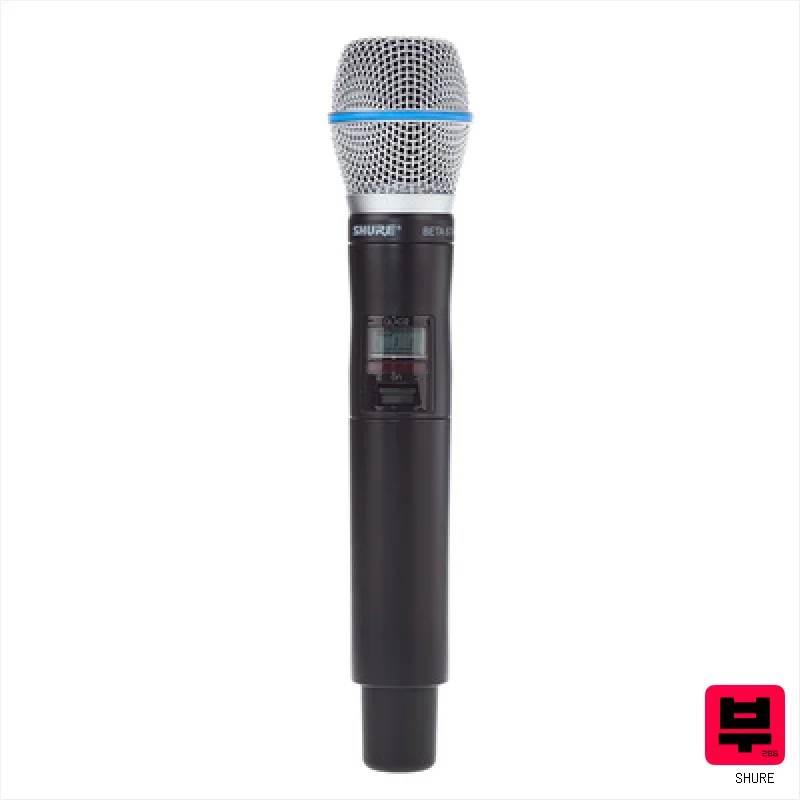
Shure BETA 52A Supercardioid Dynamic Bass Drum Microphone
Beta 87C · Shure
94 for sale on Reverb2 finishes at Thomann
The Beta 87C is a workhorse vocal mic – seriously clean and detailed. It’s a fantastic choice for singers who want a natural, present sound, especially those using in-ear monitors. If you're looking for professional-grade vocal reproduction without a huge investment, this is a solid pick.
Pros
- Exceptional clarity and detail across the vocal spectrum.
- Robust, all-metal construction feels incredibly durable.
- Excellent off-axis rejection minimizes stage bleed and room noise.
Cons
- Can be overly sensitive for loud, aggressive vocalists.
- Lacks a pad switch for extremely high SPL sources.
68AudioFu
Index↓ 2.9%since Aug 14 · lowest so far$390 · Aug 14$379 now$379€339 at Thomann · in stockCheck price ↗ -
Neumann KMS 105 Handheld Supercardioid Condenser Microphone
KMS 105 · Neumann
52 for sale on Reverb4 finishes at Thomann
The KMS 105 is a focused tool—built for the vocalist who demands absolute clarity and rejection of stage noise. It’s a game-changer for solo performers and front people in bands needing pristine vocal capture. Expect professional-grade performance and a build to match.
Pros
- Robust build quality; Neumann’s reputation for longevity is well-earned.
Cons
- Limited versatility; primarily excels in vocal-focused live scenarios.
-
Neumann KMS 104 Handheld Cardioid Condenser Microphone
KMS 104 Plus · Neumann
20 for sale on Reverb6 finishes at Thomann
The KMS 104 Plus is Neumann’s take on a stage-ready vocal mic, and it delivers. It’s incredibly clean and detailed, really bringing out the nuances in a female vocal, especially in a rock or pop setting. If you’re a frontwoman looking for a professional-grade mic that cuts through a live mix, this is a solid choice.
Pros
- Exceptional clarity and detail, especially in the midrange
- Robust nickel plating offers excellent durability and a classic look
- Cardioid pattern effectively rejects stage bleed and feedback
Cons
- Narrower tonal palette; less forgiving with less-than-perfect vocal technique
- Primarily suited for female vocals; male voices may lack body
64AudioFu
IndexStableno change since Aug 14Aug 14$748 now$748€669 at Thomann · in stockCheck price ↗ -
The KSM 9 HS is a serious tool for vocalists who need top-tier feedback rejection and clarity in challenging live environments. It’s a workhorse mic—the dual-diaphragm design provides a really present and detailed sound, perfect for lead singers or anyone needing to cut through a loud band. It’s a premium investment, but the performance is undeniable.
Pros
- Exceptional off-axis rejection minimizes stage bleed effectively.
- Die-cast construction provides robust durability for demanding live use.
- Dual-diaphragm design delivers a remarkably natural and detailed vocal capture.
Cons
- The supercardioid pattern demands precise mic technique for optimal results.
- Premium-priced, potentially prohibitive for budget-conscious performers.
56AudioFu
Index↓ 2.5%since Aug 14 · lowest so far$759 · Aug 14$740 now$740€662 at Thomann · in stockCheck price ↗ -
Sennheiser e865 Handheld Condenser Microphone
E 865 S · Sennheiser
29 for sale on Reverb2 finishes at Thomann
The E 865 S is a workhorse condenser mic, built for serious stage vocalists. Its supercardioid pickup is fantastic for cutting through a loud band, and it delivers a clear, detailed sound without being overly colored. A solid choice for singers needing excellent isolation and reliable performance.
Pros
- Supercardioid pattern excels at isolating vocals in loud live environments.
- Robust metal construction provides excellent durability for stage use.
- Extended frequency response captures nuanced vocal details and clarity.
Cons
- Supercardioid pattern demands precise mic technique to avoid feedback.
- Requires phantom power, limiting use with some older or simpler audio interfaces.
60AudioFu
Index↓ 11.3%since Aug 14 · lowest so far$267 · Aug 14$237 now$237€212 at Thomann · in stockCheck price ↗ -
Sennheiser e965 Handheld Vocal Condenser Microphone
E 965 · Sennheiser
27 for sale on Reverb1 finish at Thomann
The E 965 is a seriously capable condenser mic, especially for live performance. Its tight pattern and high SPL handling make it shine on stage, particularly for lead vocals and dynamic performers. It's a great choice if you need a reliable, focused sound without sacrificing quality.
Pros
- Excellent off-axis rejection minimizes stage bleed effectively.
- The robust zinc die-cast body feels incredibly solid and durable.
- Switchable low-cut provides useful flexibility for different vocal styles.
Cons
- Can be overly sensitive for very loud, aggressive vocalists without the -10dB pad.
- The supercardioid pattern requires precise mic technique to avoid phase issues.
-
AKG C636 Master Reference Handheld Vocal Condenser Microphone
C636 BLK · AKG
19 for sale on Reverb1 finish at Thomann
The C636 BLK is a workhorse vocal mic, built for the stage. Its clear, uncolored sound and feedback resistance make it ideal for lead vocals and spoken word in loud live settings. If you need a reliable, affordable mic that cuts through the mix without fuss, this is a solid choice.
Pros
- Robust metal housing withstands demanding stage use.
- Cardioid pattern offers excellent isolation and feedback rejection.
- Double bearing capsule ensures smooth operation and longevity.
Cons
- Somewhat heavy, can be fatiguing during extended performances.
- Lacks a pad switch, limiting headroom in very loud environments.
46AudioFu
IndexStableno change since Aug 14Aug 14$524 now$524€469 at Thomann · in stockCheck price ↗ -
The SR314 is a seriously impressive mic – it’s incredibly detailed and accurate, capturing vocals with a clarity you wouldn't expect. It's built like a tank and handles loud sources with ease, making it a great choice for powerhouse vocalists and demanding stage environments. If you want a mic that really lets your voice shine, this is a strong contender.
Pros
- Exceptional transient response captures nuanced vocal details.
- The stainless steel basket offers robust protection against stage abuse.
- Cardioid pattern minimizes bleed from monitors effectively.
Cons
- The weight can be fatiguing for extended handheld use.
- Limited polar pattern options restrict versatility in complex recording scenarios.
-
Austrian Audio OC707 Handheld Cardioid Condenser Microphone
OC707 · Austrian Audio
6 for sale on Reverb1 finish at Thomann
- Weight0.35 kg
The OC707 is a seriously impressive mic, especially for the price. It delivers a really clean, detailed sound with a natural presence that sits beautifully in a mix – perfect for singer-songwriters, voiceover artists, and anyone needing a reliable, high-quality vocal mic without the premium price tag.
Pros
- Exceptional transient response for detailed vocal recordings.
- Robust die-cast housing provides excellent durability on stage.
- Cardioid pattern effectively isolates vocals in untreated rooms.
Cons
- Limited polar pattern options restrict versatility for certain recording scenarios.
- 275 Ohm impedance can require a high-quality preamp for optimal performance.
42AudioFu
IndexStableno change since Aug 14Aug 14$480 now$480€429 at Thomann · in stockCheck price ↗ -
Shure Beta 87A Handheld Supercardioid Condenser Microphone
Beta 87A Bundle · Shure
78 for sale on Reverb1 finish at Thomann
- Weight2.8 kg
The Beta 87A is a workhorse vocal mic, plain and simple. It delivers a clear, articulate sound that cuts through a mix—perfect for powerful lead vocals and tight harmonies. If you need a reliable, high-quality condenser for live performance or studio tracking, this bundle is a solid choice.
Pros
- Excellent vocal clarity with a defined, present midrange
- Thicker shaft improves grip and stage handling comfort
- Supercardioid pattern minimizes feedback in live settings
Cons
- Supercardioid pattern demands precise mic technique for optimal results
- Can be slightly bright for some vocalists needing a warmer tone
All 27 condenser microphones
Same index, same nightly prices — compact. Colour options of one model share a row. Tap a photo to zoom.
- 11
Mojave MA-C GreyMojave37Stable$837€749$837€749Check ↗
- 12
DPA Microphones 2028B-B01 Supercardioid Wired Dynamic Microphone2028-B-B01 · DPA36Stable$591€529$591€529Check ↗
- 13
AKG C7 Reference Condenser Vocal MicrophoneC7 · AKG38↑ 9.1%$267€239$267€239Check ↗
- 14
Earthworks Audio SR117Earthworks Audio33Stable$278€249$278€249Check ↗
- 15
Audio-Technica AE5400 Large-Diaphragm Cardioid Condenser Vocal…AE 5400 · Audio-Technica33↑ 19.1%$531€475$531€475Check ↗
- 16
EV RE520EV31Stable$352€315$352€315Check ↗
- 17
EV RE420EV31Stable$357€319$357€319Check ↗
- 18
Lewitt MTP W950Lewitt31Stable$815€729$815€729Check ↗
- 19
Ehrlund Microphones EHR-HEhrlund Microphones28↑ 2.7%$860€769$860€769Check ↗
- 20
Lewitt Lewitt MTP-350 CM Handheld Condenser MicrophoneMTP 350 CM · Lewitt49↓ 4.3%$149€133$149€133Check ↗
- 21
Audio-Technica ATM710 Handheld Cardioid Condenser MicrophoneATM 710 · Audio-Technica39Stable$200€179$200€179Check ↗
- 22
Audio-Technica AT2010 Handheld Condenser MicrohoneAT 2010 · Audio-Technica51↓ 3.7%$116€104$116€104Check ↗
- 23
RODE M2 Handheld Condenser MicrophoneM2 · Rode · 2 finishes50↓ 10.1%$100€89$100€89Check ↗
- 24
Shure KSM11B/C Cardioid Handlheld Condenser MicrophoneKSM11 · Shure51Stable$993€888$993€888Check ↗
- 25
the t.bone MB 78 Betathe t.bone · 2 finishes35Stable$62€55$62€55Check ↗
- 26
DPA 4097-DP-F-B01-120DPA40Stable$1,397€1,249$1,397€1,249Check ↗
- 27
DPA 4018V-B-B01DPA36↓ 7.0%$1,039€929$1,039€929Check ↗
Condenser Microphones by the numbers
Measured across all 285 models we track, not a sample.
Median $726 — half of all condenser microphones here cost less.
median of 17 models · 0.06 kg–3 kg
median of 16 models · 4"–8"
How to choose the best condenser microphones
Polar Pattern Versatility
Many intermediate players need a mic that can handle different vocal styles and recording situations. Cardioid is essential, but the ability to switch to figure-8 for duets or omni for room tone is a big plus.
Noise Floor
Condensers are inherently more sensitive, so a low self-noise is crucial. You don't want the mic amplifying the hum of your preamps - that's a recipe for frustration and noise reduction headaches later.
Transient Response
This is about how quickly the mic captures and reproduces sounds. A slow transient response will muddy your recordings, especially with percussive vocals or acoustic instruments. We're looking for mics that capture the snap and attack.
Frequency Response & Tonality
While a 'flat' frequency response is often touted, a little character can be a good thing. We're looking for mics that offer a pleasing, usable tone-something that doesn't need excessive EQ to sound decent. That 'fat midrange honk' or a smooth high end can make a big difference.
Build Quality & Reliability
Gigging musicians need gear that can take a beating. We consider the mic's construction, the quality of the capsule, and overall durability - because a mic that fails mid-set is just bad luck.
Buying guide
So, you're leveling up your recording game beyond that dynamic Shure SM58 and eyeing a condenser mic? Smart move. Condensers unlock a whole new level of detail and nuance, but they can be a bit overwhelming. This isn't a list for the absolute beginner; we're talking about players who understand gain staging and basic mic techniques, but aren't ready to drop three grand on a Neumann.
Don't chase the 'studio mic' dream on a budget. Entry-level condensers often cut corners on the capsule and electronics, leading to a grainy sound or excessive noise. Look for models with solid build quality and a reputation for clean, articulate sound.
Spending a little more upfront can save you time and headaches down the road, and often results in a mic that cuts through the mix better.
How the AudioFu Index works
Five measured signals and nothing else — no stars from strangers, no “tested by experts” we didn’t do. The weights are fixed and public. We don’t play these instruments; we measure the market around them.
This chart covers 42 condenser microphones from the Thomann catalogue (of 285 in the category). Before you buy, read hands-on reviews and, where you can, play it. Full methodology.
AudioFu earns a commission when you buy through our Thomann links. It never changes the order — the index does.
- Demand40%
How many of this exact model are for sale on Reverb right now — what musicians actually buy and resell.
- Lineup20%
How many finishes Thomann stocks — makers expand the models that sell.
- Price15%
Where the price has moved since we started tracking in August.
- Specs15%
How completely the maker documents it.
- Maker10%
How deep the brand’s range is in this category.
Questions
What's the difference between a large-diaphragm and a small-diaphragm condenser?
Large-diaphragm mics are generally more sensitive and often have a warmer, more 'romantic' sound. Small-diaphragm mics are known for their accuracy and transient response, making them great for acoustic instruments and overheads. For vocals, large-diaphragm is usually the go-to for intermediates.
I've heard about phantom power - what is it?
Phantom power is 48V DC that powers the condenser capsule. Most audio interfaces and mixers provide it, but you need to make sure your gear supports it before plugging in a condenser mic.
My recordings sound 'thin' - what am I doing wrong?
Check your gain staging! Too little gain can result in a noisy recording, while too much can cause distortion. Also, experiment with mic placement - moving just a few inches can dramatically change the tone.
Can I use a condenser mic for live gigs?
While possible, condensers are more fragile and sensitive to feedback. Dynamic mics are generally preferred for live performance, but a good condenser can work if you're careful with gain and monitor placement.
What's the deal with multiple polar patterns?
Different polar patterns pick up sound from different directions. Cardioid focuses on the front, figure-8 picks up front and back, and omnidirectional picks up sound equally from all directions - useful for capturing room ambiance or recording duets.