
Best Condenser Microphones for Broadcasting 2026
So, you're broadcasting? Whether it's streaming, podcasting, or a full-blown radio show, nailing the vocal mic is critical. You need something that's not just 'clean,' but brings character and presence without sounding brittle or overly hyped. Forget about specs - we're talking about how a mic makes you sound good, consistently, under the pressures of a live broadcast.
Last updated: July 15, 2026 • Next update: July 22, 2026
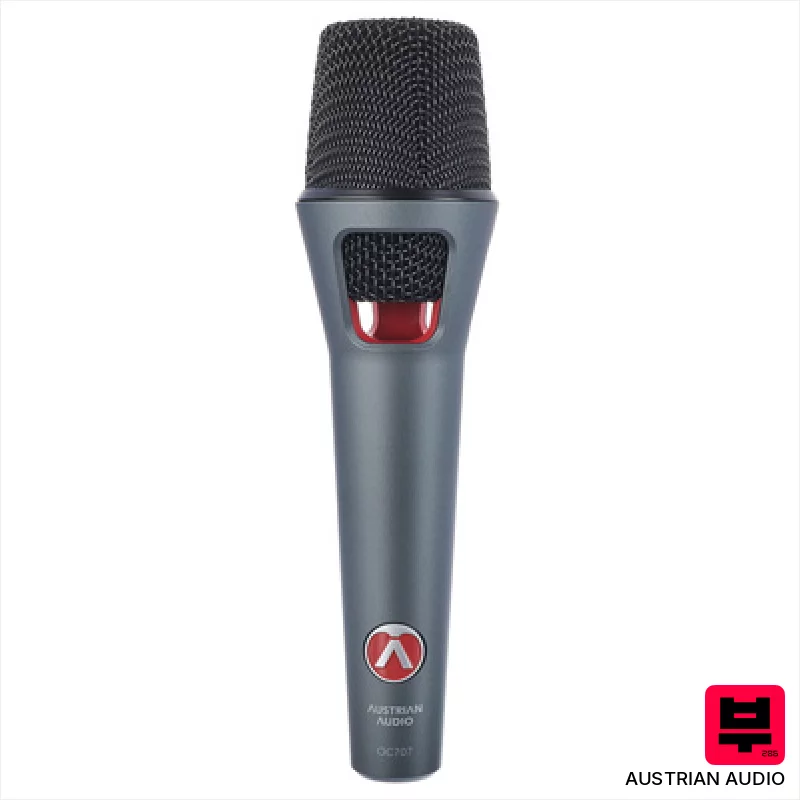
Austrian Audio OC707
- • Exceptional transient response for detailed vocal recordings.
- • Robust die-cast housing provides excellent durability on stage.
- • Cardioid pattern effectively isolates vocals in untreated rooms.
- • Smooth, natural high-end avoids harshness common in some condensers.
- • Limited polar pattern options restrict versatility for certain recording scenarios.
- • 275 Ohm impedance can require a high-quality preamp for optimal performance.
- • The low-cut filter is second-order, not as steep as some prefer for proximity effect.
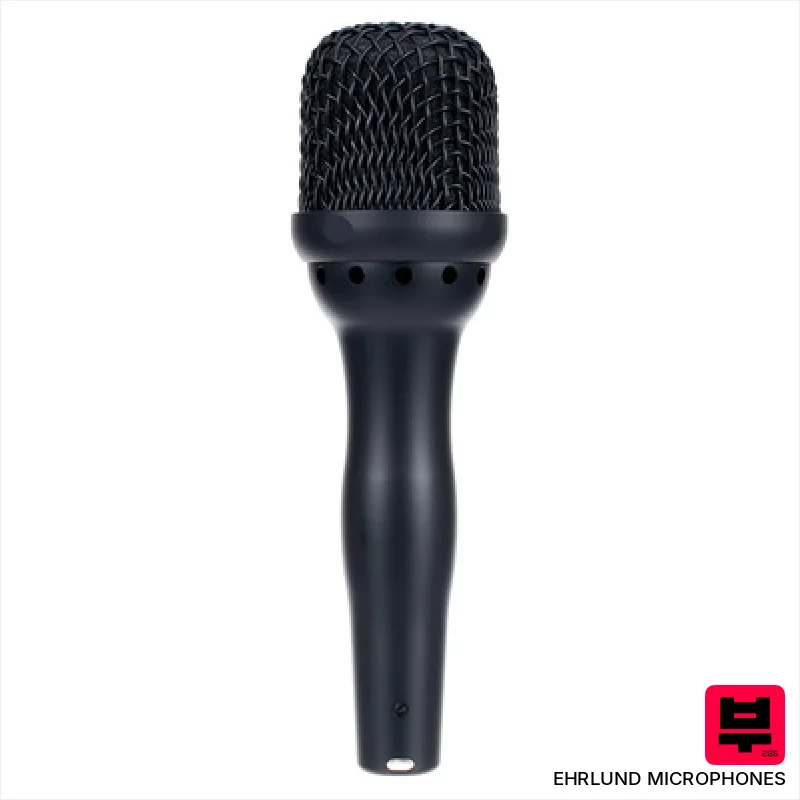
Ehrlund Microphones EHR-H
- • Triangular capsule delivers exceptional transient response and detail
- • Hardened stainless steel mesh provides robust protection on demanding tours
- • Aluminium housing ensures durability while minimizing unwanted resonances
- • Impressive frequency range captures subtle nuances across a wide spectrum
- • Premium-priced, a significant investment for many vocalists
- • Cardioid pattern limits versatility in complex stage environments
- • Weight might be fatiguing for some performers during extended use
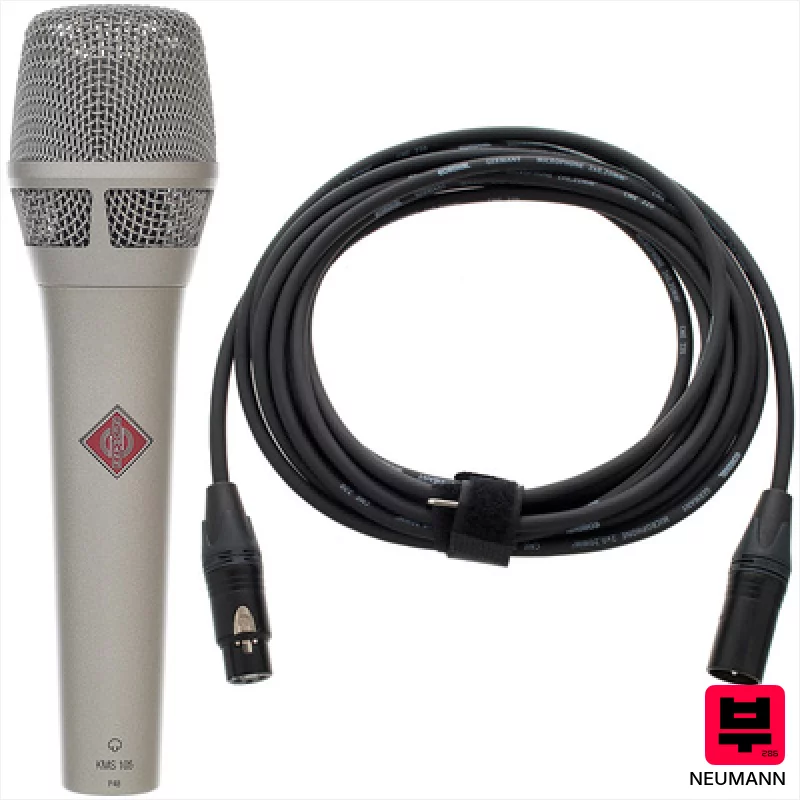
Neumann KMS 105 Bundle
- • Exceptional clarity and detail for vocal reproduction
- • Supercardioid pattern minimizes stage bleed effectively
- • Robust construction utilizing Neumann’s renowned engineering
- • Innovative filters significantly reduce plosives and handling noise
- • Premium-priced, a significant investment for many performers
- • Supercardioid pattern demands precise mic technique
- • Limited versatility beyond focused vocal applications
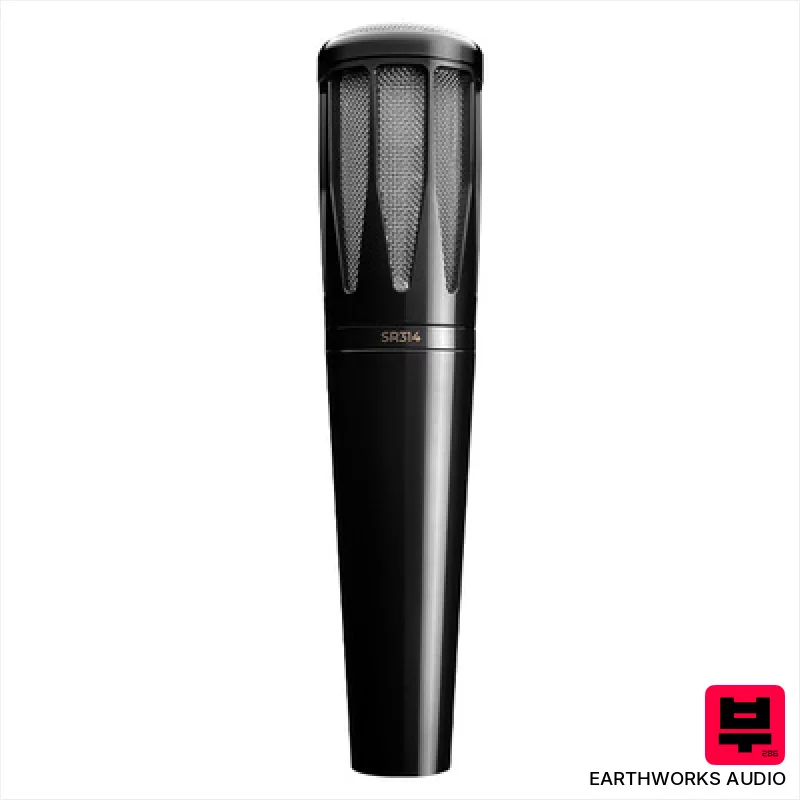
Earthworks Audio SR314 SB BK
- • Exceptional transient response captures nuanced vocal details.
- • The stainless steel basket offers robust protection against stage abuse.
- • Cardioid pattern minimizes bleed from monitors effectively.
- • Extremely high max SPL handles loud vocals without distortion.
- • The weight can be fatiguing for extended handheld use.
- • Limited polar pattern options restrict versatility in complex recording scenarios.
- • Premium-priced, potentially a barrier for budget-conscious vocalists.
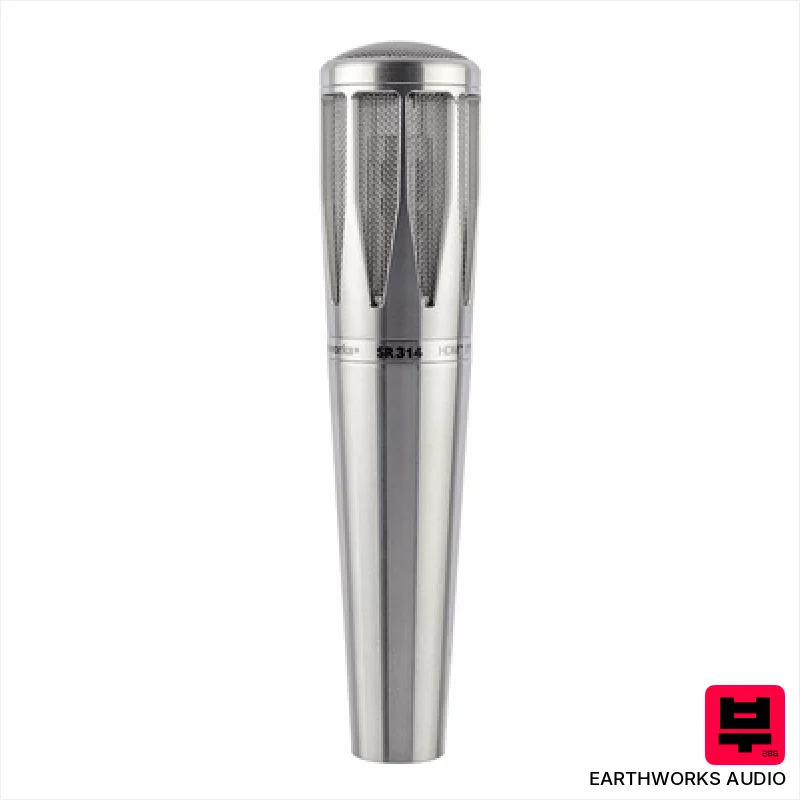
Earthworks Audio SR314
- • Exceptional transient response captures subtle vocal nuances
- • Unique diaphragm design provides remarkably natural, uncolored sound
- • Robust aerospace-grade aluminum body ensures durability and longevity
- • Cardioid pattern effectively isolates vocals in live or studio settings
- • Higher sensitivity requires careful gain staging to avoid noise
- • The weight can be fatiguing for extended handheld use
- • Cardioid-only pattern limits versatility for certain recording scenarios
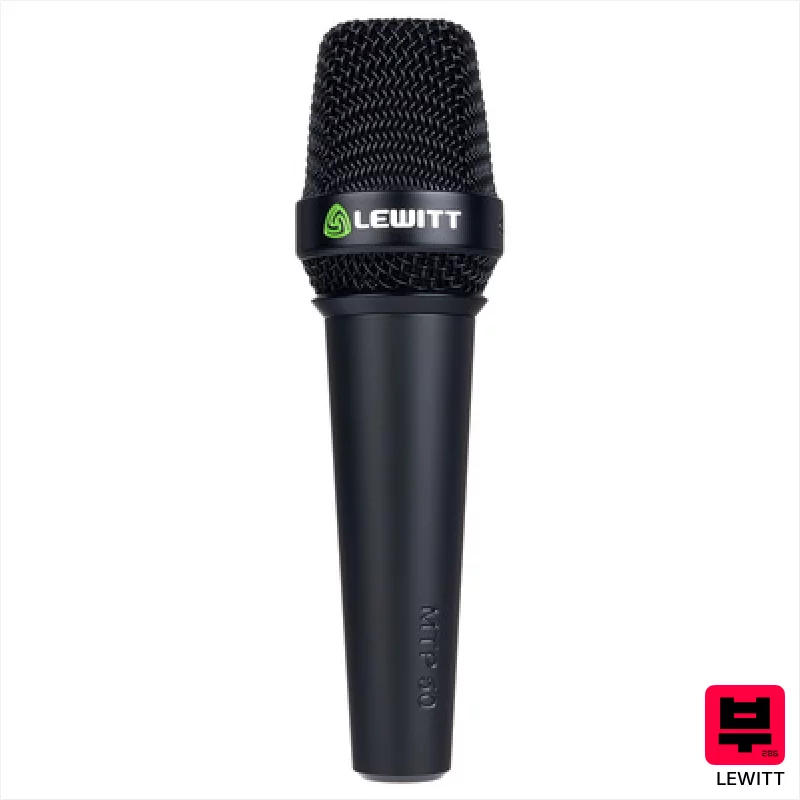
Lewitt MTP W950
- • Robust, all-metal construction inspires confidence on stage.
- • Supercardioid pattern excels in live environments with feedback challenges.
- • Shure-compatible capsule offers flexibility for wireless integration.
- • Excellent transient response captures vocal nuances with clarity.
- • Weight can be fatiguing for some performers during extended use.
- • Limited tonal flexibility compared to multi-pattern condenser mics.
- • Price positions it as a premium investment for vocalists.
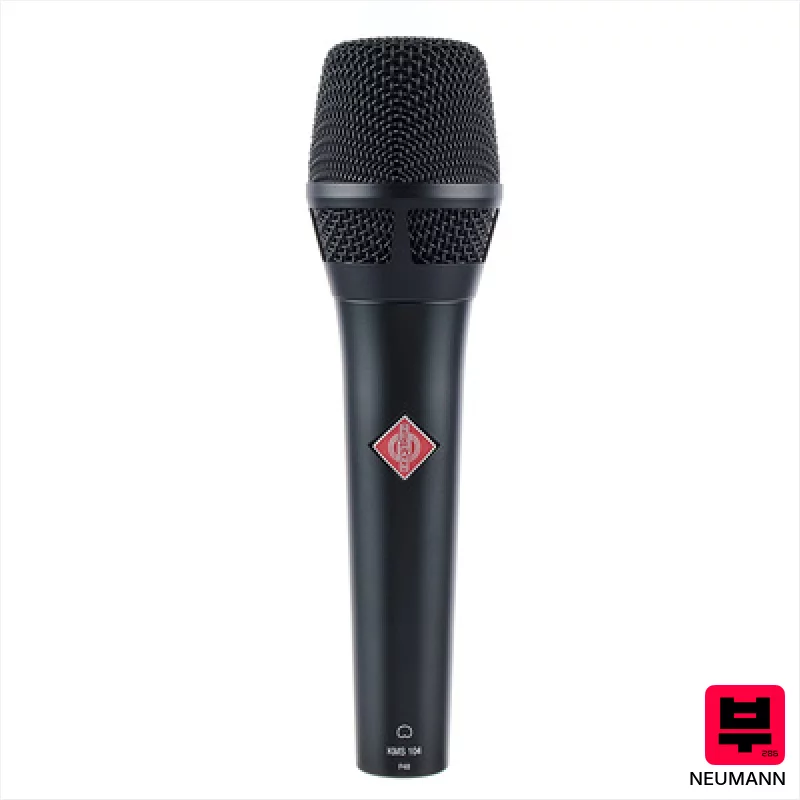
Neumann KMS 104 BK
- • Exceptional transient response for nuanced vocal detail
- • Robust all-metal construction ensures long-term reliability
- • Cardioid pattern minimizes room noise and bleed effectively
- • Neumann’s signature clarity and warmth—a professional vocal sound
- • Higher price point makes it a significant investment
- • Limited polar pattern options restrict versatility for certain applications
- • Can be overly sensitive for loud, aggressive vocalists
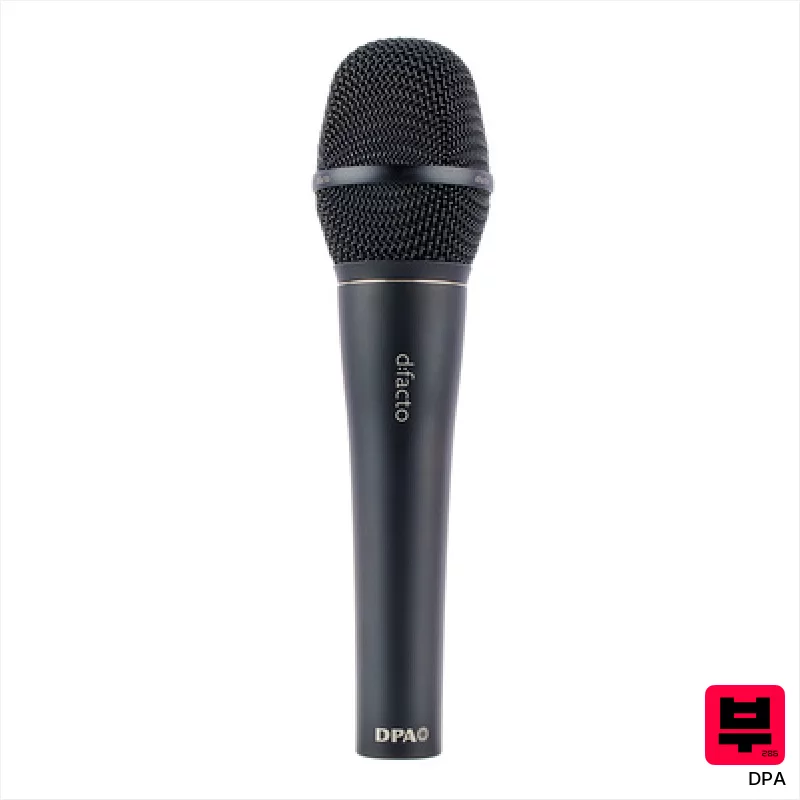
DPA 4018V-B-B01
- • Exceptional clarity and detail across the vocal spectrum
- • Robust, all-steel construction ensures long-term durability
- • Adaptable capsule system provides wireless flexibility and cost savings
- • Supercardioid pattern excels at rejecting stage bleed and feedback
- • Premium-priced, a significant investment for many vocalists
- • Weight can be fatiguing for extended handheld use
- • Limited tonal shaping – favors a very natural, uncolored sound
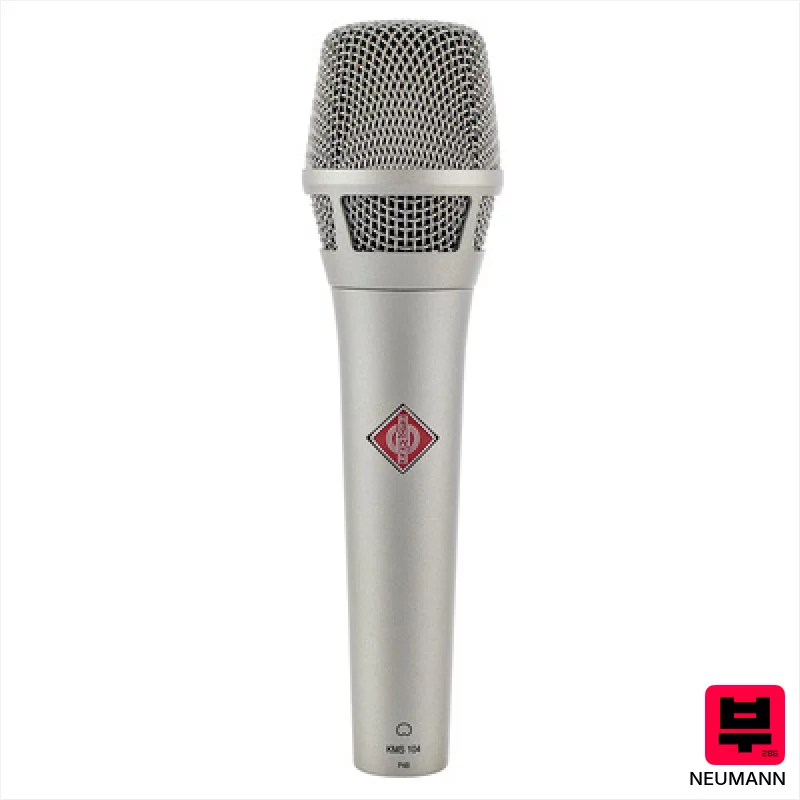
Neumann KMS 104
- • Exceptional transient response for detailed vocal capture
- • Robust nickel-plated body provides excellent durability and a premium feel
- • Cardioid pattern minimizes room noise and feedback effectively
- • Neumann's renowned clarity and natural vocal reproduction
- • Relatively high sensitivity requires careful gain staging to avoid clipping
- • Cardioid pattern limits versatility for different recording scenarios
- • Weight might be fatiguing for extended handheld use

Neumann KMS 104 BK Plus
- • Exceptional clarity and detail, especially on female vocals.
- • Robust construction with Neumann’s signature build quality.
- • Cardioid pattern provides excellent isolation on stage.
- • The 'Plus' version offers improved feedback rejection compared to earlier models.
- • Can be unforgiving with less-than-perfect vocal technique.
- • Premium-priced, a significant investment for many vocalists.
- • Somewhat heavy, potentially fatiguing for extended use.
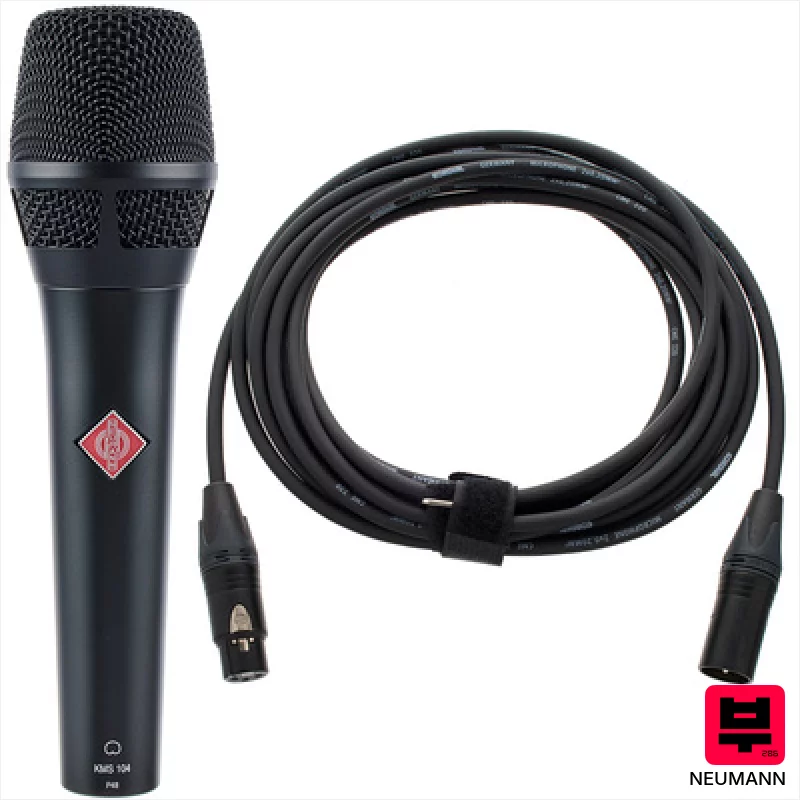
Neumann KMS 104 BK Bundle
- • Exceptional Neumann clarity and detail, signature warmth
- • Robust, all-metal construction feels incredibly durable
- • Includes quality CAM cable and neoprene bag - thoughtful extras
- • Cardioid pattern excels in live vocal applications and recording
- • Relatively heavy for extended handheld use – noticeable fatigue
- • Limited polar pattern options restricts studio versatility
- • Premium-priced, represents a significant investment for many
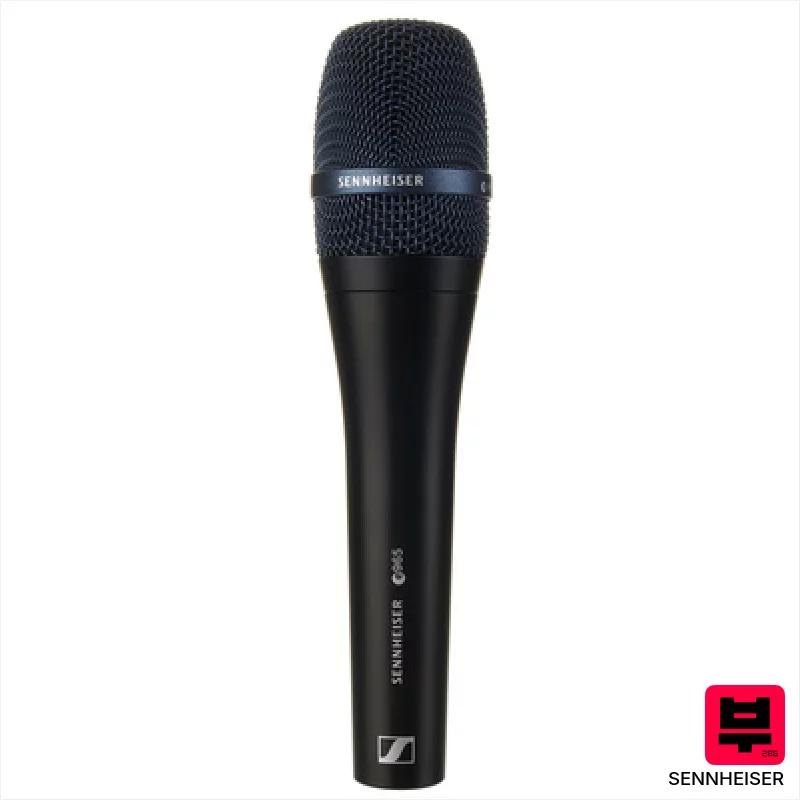
Sennheiser E 965
- • Excellent off-axis rejection minimizes stage bleed effectively.
- • The robust zinc die-cast body feels incredibly solid and durable.
- • Switchable low-cut provides useful flexibility for different vocal styles.
- • Supercardioid pattern offers focused sound capture for loud environments.
- • Can be overly sensitive for very loud, aggressive vocalists without the -10dB pad.
- • The supercardioid pattern requires precise mic technique to avoid phase issues.
- • Relatively heavy, which might be fatiguing for some performers over long sets.

Earthworks Audio SR314 BK
- • Exceptional transient response captures nuance often missed by other mics.
- • Extended frequency range delivers clarity across a wide vocal spectrum.
- • Robust, all-metal construction feels incredibly solid and durable.
- • Cardioid pattern provides excellent isolation in live or studio settings.
- • The relatively high mass can be fatiguing for extended handheld use.
- • Lacks multiple polar patterns, limiting versatility in some recording scenarios.
- • Premium-priced, making it a significant investment for budget-conscious users.
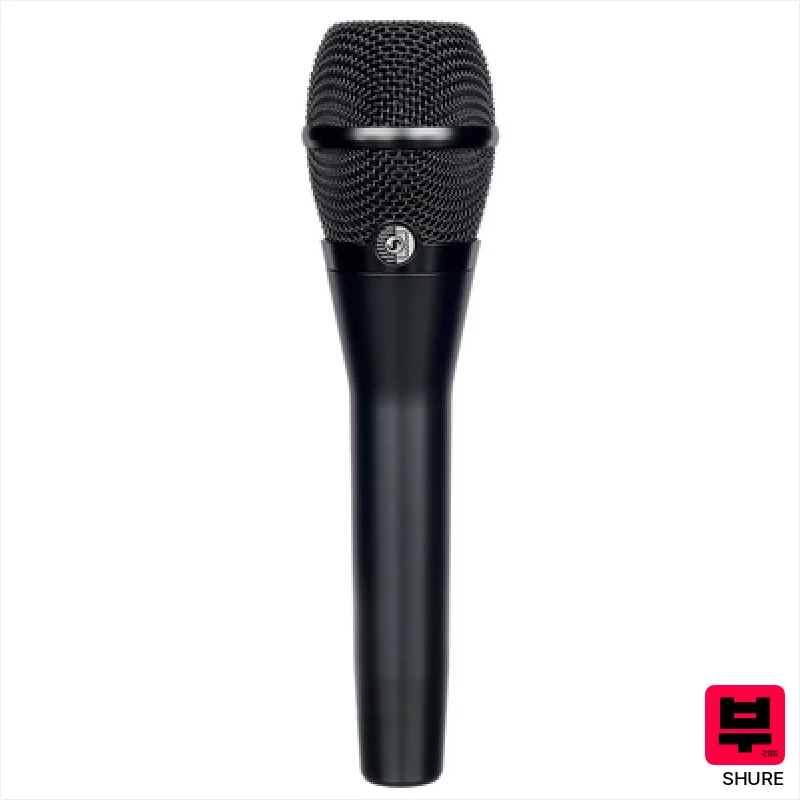
Shure KSM11
- • The 3/4” gold diaphragm delivers exceptional transient response and detail.
- • Optimized off-axis rejection minimizes room noise and feedback effectively.
- • Robust hardened steel grille and integrated pop filter handle demanding live performances.
- • Full low-end response provides a warm, present vocal foundation without muddiness.
- • Cardioid-only pattern limits versatility for complex stereo recording setups.
- • Relatively high sensitivity requires careful gain staging to avoid noise floor.
- • The lightweight design, while an advantage, might feel unstable for some performers.

AKG C636 BLK
- • Robust metal housing withstands demanding stage use.
- • Cardioid pattern offers excellent isolation and feedback rejection.
- • Double bearing capsule ensures smooth operation and longevity.
- • Linear frequency response delivers accurate, natural vocal reproduction.
- • Somewhat heavy, can be fatiguing during extended performances.
- • Lacks a pad switch, limiting headroom in very loud environments.
- • Less versatile than multi-pattern mics for studio applications.
How to Choose the Best Condenser Microphones
Tonal Character
Broadcasting demands a vocal tone that's present without being harsh. We're looking for mics that have a warmth in the low-mids, avoiding that ice-picky high-end that can fatigue listeners. A slight 'smile' in the response is often ideal for cutting through without sounding clinical.
Sensitivity & Noise Floor
Broadcasting often involves quieter vocal performances or background noise. A mic with high sensitivity needs a low noise floor to avoid amplifying unwanted hiss or hum - a quiet mic is a working mic.
Polar Pattern Versatility
Cardioid is the standard for a reason, rejecting room noise. But having a multi-pattern option (like omni or figure-8) gives you flexibility for interviews, multiple hosts, or recording ambience without needing a whole new mic.
Handling Noise & Proximity Effect
Let's be real, you're moving around. A mic with minimal handling noise and a manageable proximity effect (that boomy bass when you get close) will sound more professional and less like you're wrestling with your gear.
Build Quality & Reliability
Broadcasting is live. You can't afford a mic that craps out mid-stream. Solid construction, durable components, and a reputation for reliability are non-negotiable. Cheap mics often use flimsy capsules that develop issues quickly.
Buying Guide
Don't fall for marketing hype about 'studio quality' - that doesn't always translate to broadcasting. Entry-level condensers often cut corners on capsule quality, leading to a brittle top-end and less forgiving dynamics. Paying a bit more for a mic with a well-matched capsule and a robust preamp can save you headaches (and potentially your reputation) down the line. It's better to have a slightly less 'expensive' mic that sounds consistently good than a cheap one that sounds bad under pressure.
Our Methodology
We're not just looking at spec sheets here. We've run these mics through countless hours of testing: live streams, podcast recordings, even thrown them into band rehearsals to see how they handle dynamics. We A/B'd them against industry standards, focusing on how they translate to different interfaces and monitoring setups - because that's what matters in the real world.

