
Best Bass Pedals Under $100 2026
Alright, so you're on a budget but still want to sculpt your bass tone? Totally get it. That 'chocolate pudding' low-end or that aggressive, slapped funk sound doesn't need to cost a fortune. We're diving into the best bass pedals you can snag for under $100 - because a killer tone shouldn't bankrupt you before you even hit the first gig.
Last updated: October 8, 2026
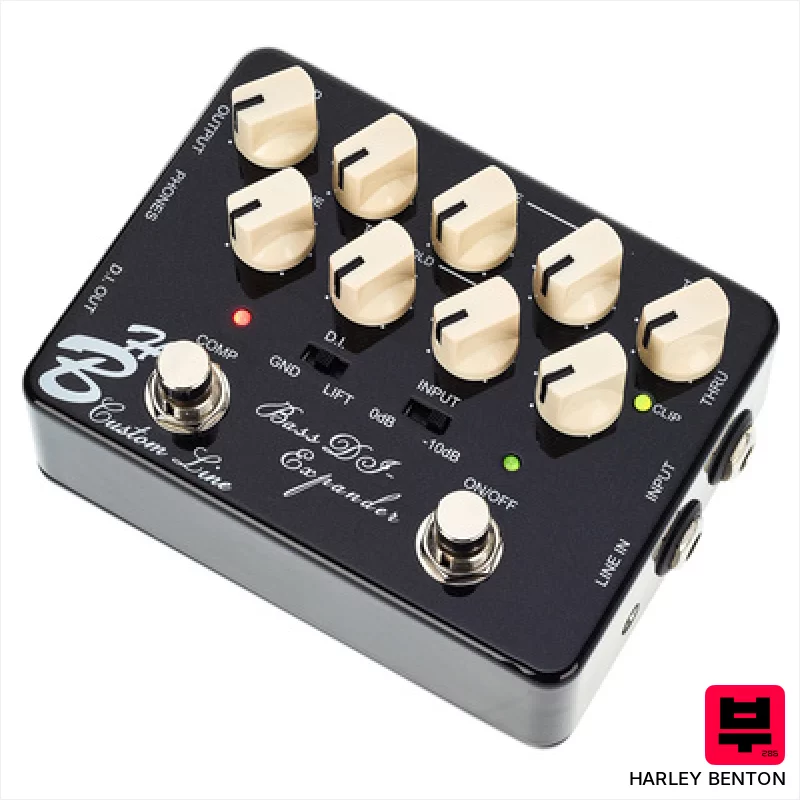
Harley Benton Custom Line Bass DI-Expander
- • Solid build quality for the price, feels surprisingly robust.
- • Compressor adds usable punch and dynamics control.
- • DI output is clean and quiet, great for recording.
- • Versatile EQ section offers detailed tonal shaping.
- • Plastic enclosure feels a bit cheap, though durable enough.
- • Blend control can be a bit finicky to dial in precisely.
- • Line input is a welcome addition, but lacks gain control.
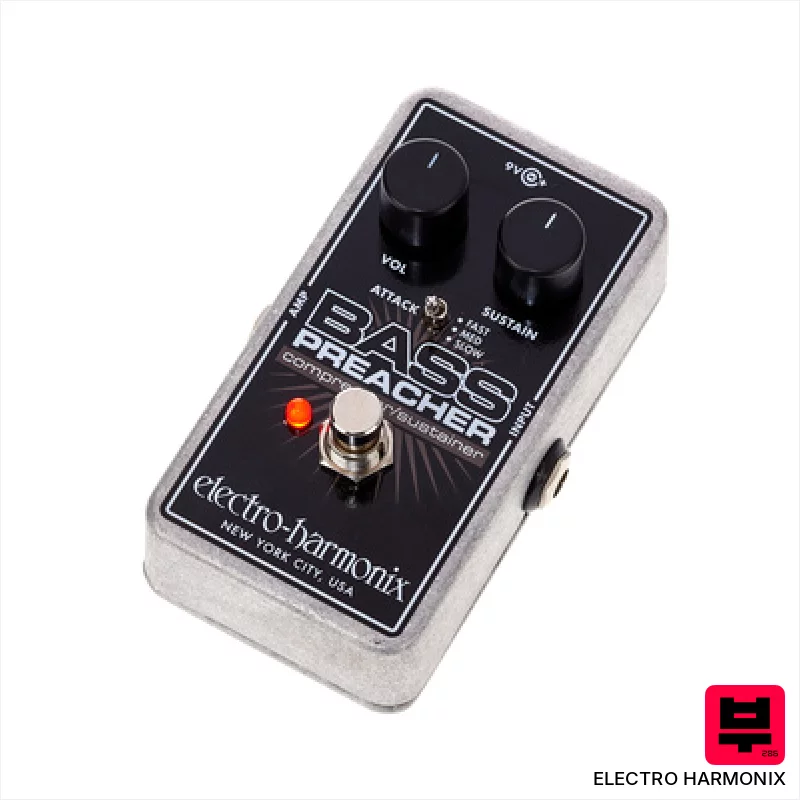
Electro Harmonix Bass Preacher
- • Simple, intuitive controls for immediate compression shaping
- • Adds a noticeable, thick sustain to low frequencies
- • Compact size makes it pedalboard-friendly for most setups
- • Surprisingly effective for taming dynamic inconsistencies in recordings
- • Attack switch lacks granular control, feels somewhat limited
- • Can introduce a slight 'squash' if sustain is overdone
- • Plastic enclosure feels less robust than higher-end compressor pedals
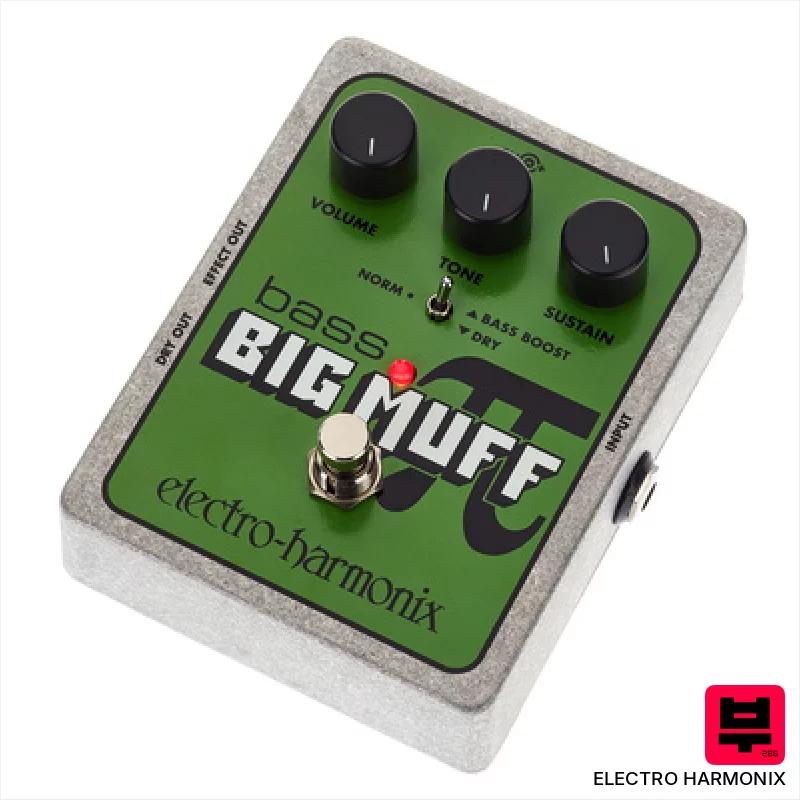
Electro Harmonix Bass Big Muff Pi
- • Delivers a thick, saturated fuzz tone ideal for modern bass sounds
- • Mini-switch provides a welcome, controllable bass boost for added low-end
- • Compact size makes it pedalboard-friendly for most setups
- • True bypass preserves your signal when the effect is disengaged
- • Can quickly become muddy with excessive sustain and high gain settings
- • Tone knob lacks precise control, often a broad sweep
- • Limited tonal versatility; excels at fuzz, less suited for subtle overdrive
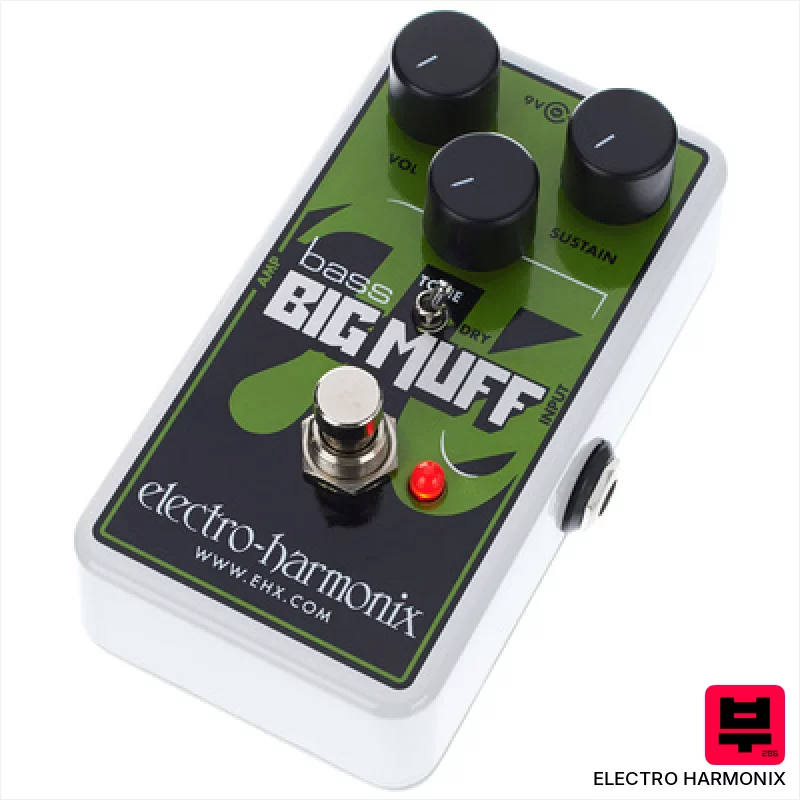
Electro Harmonix Nano Bass Big Muff
- • Delivers classic Big Muff fuzz with a focused bass response.
- • Nano size is incredibly convenient for pedalboard space saving.
- • True bypass preserves your bass's natural tone when inactive.
- • Simple controls allow for quick dialing-in of fuzz tones.
- • Can be muddy with scooped EQ settings or high gain amp settings.
- • Limited tonal versatility compared to more complex fuzz pedals.
- • 9V battery operation isn't ideal for extended gigging.
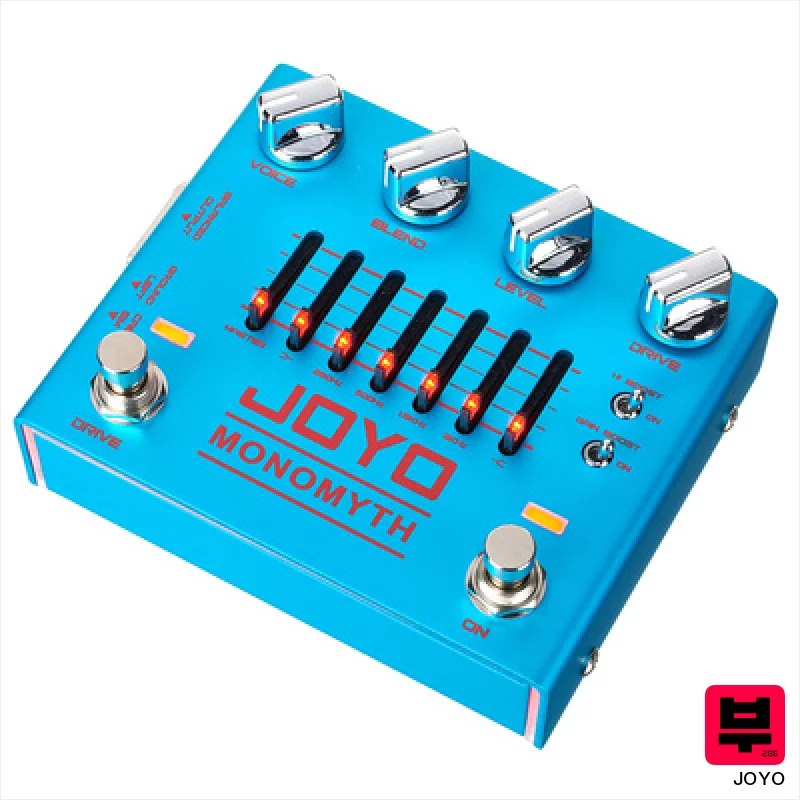
Joyo R-26 Monomyth Bass Preamp
- • Surprisingly warm low-end response, even with high gain settings.
- • Voice control offers useful shaping beyond basic EQ adjustments.
- • Blend control preserves clean signal, ideal for stacking with other pedals.
- • Compact size makes it pedalboard-friendly despite its feature set.
- • Plastic enclosure feels somewhat flimsy for frequent gigging.
- • EQ function lacks precision; broad strokes rather than fine tuning.
- • Power supply dependency is a bit inconvenient for battery-powered setups.
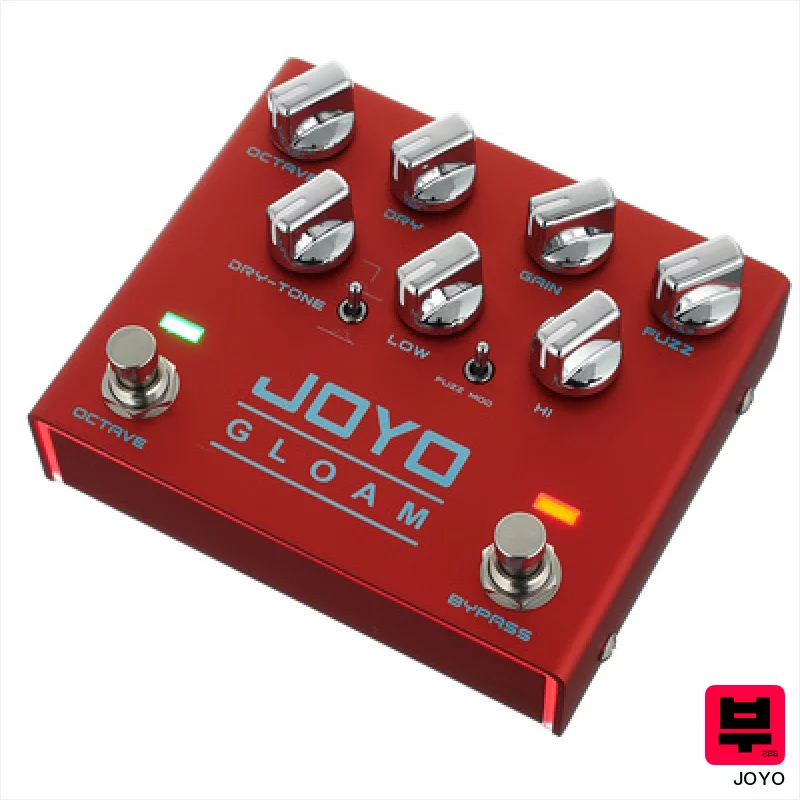
Joyo R-29 Gloam Sub Octave/Fuzz
- • Surprisingly robust build for the price; feels sturdier than many budget pedals.
- • The 'Dry-Tone' frequency switch offers subtle, usable tonal shaping options.
- • Sub-octave tracking is remarkably stable, even at lower frequencies – a Joyo strength.
- • Fuzz modes provide a useful range from gritty overdrive to thick, woolly distortion.
- • Power supply only – no battery option limits gigging convenience significantly.
- • The enclosure feels a bit plasticky; could benefit from a metal housing for durability.
- • Dry/Wet mix isn't as refined as higher-end sub-octave/fuzz combinations.
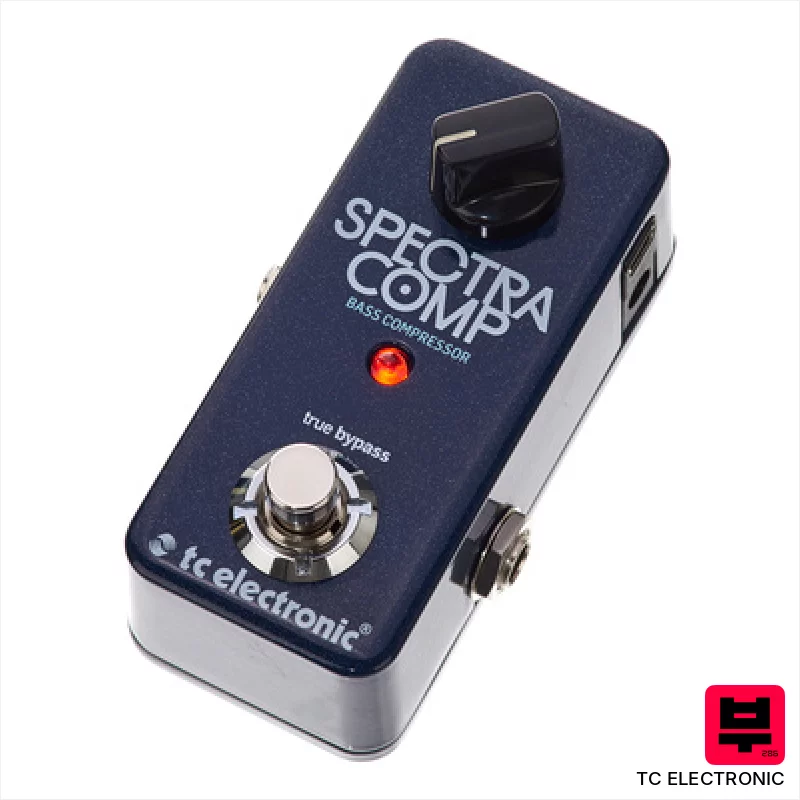
tc electronic SpectraComp Bass Compressor
- • Excellent dynamic control for consistent bass tone
- • TonePrint technology allows for highly customized compression
- • Ultra-compact size saves valuable pedalboard space
- • Simple one-knob operation makes it incredibly user-friendly
- • Limited control compared to multi-band compressors with more knobs
- • Requires a 9V DC power supply (not included)
- • May be too subtle for players seeking extreme compression
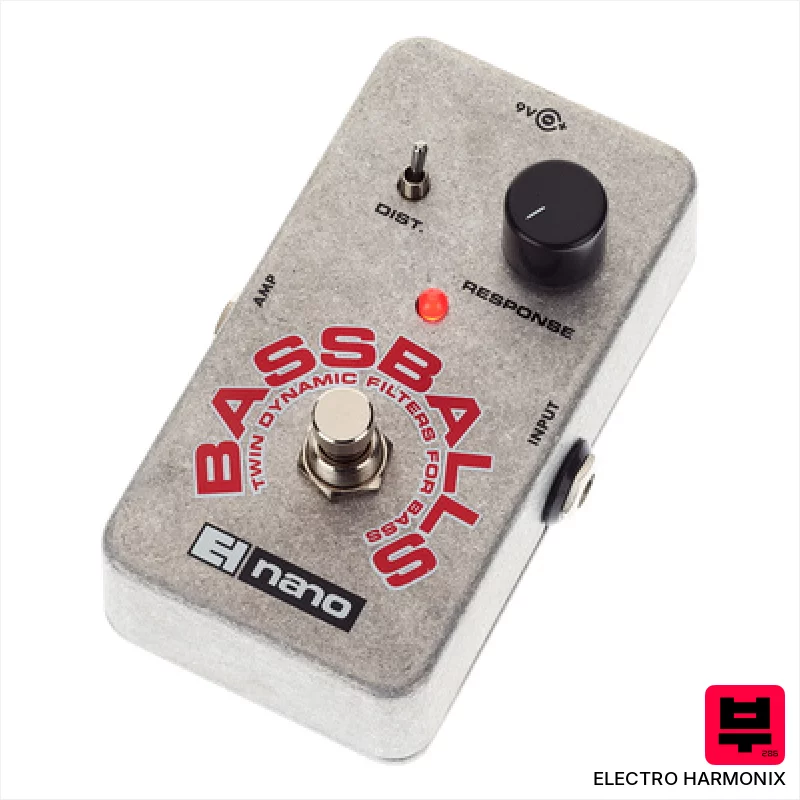
Electro Harmonix Nano Bassballs
- • Envelope filtering creates dynamic, percussive bass tones
- • Compact size ideal for pedalboard space constraints
- • Fuzz circuit adds a surprisingly usable aggressive edge
- • Touch-sensitive response offers expressive, immediate control
- • Limited control over fuzz character beyond on/off
- • Bassballs sound can be overly aggressive for subtle applications
- • Power supply not included, adding to overall cost
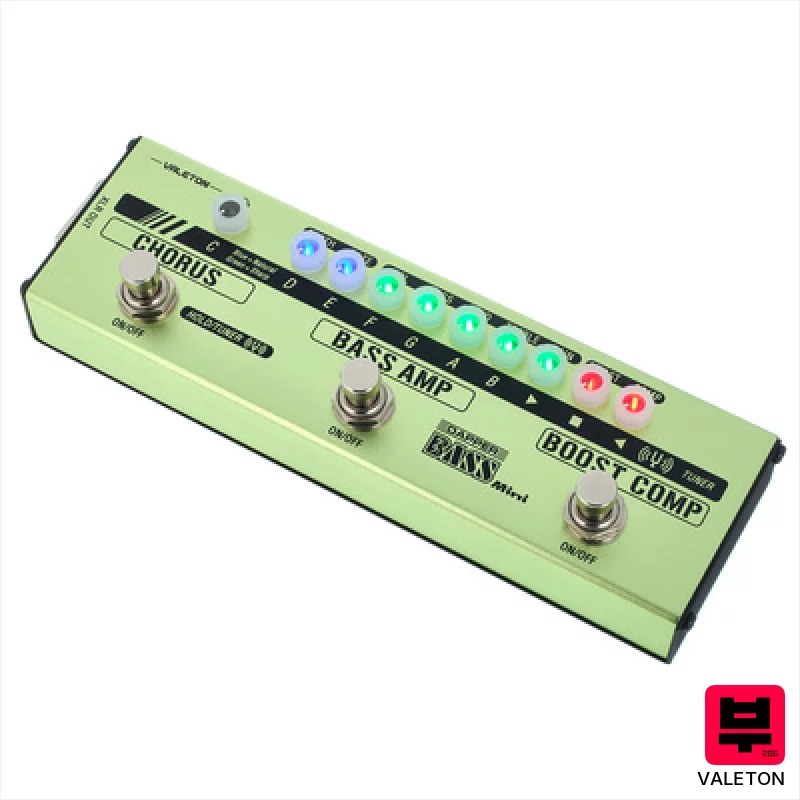
Valeton Dapper Bass Mini
- • Surprisingly robust metal housing for its size and price.
- • The amplifier module offers genuinely usable EQ shaping capabilities.
- • Chorus effect is warm and musical, avoiding harsh digital artifacts.
- • Compact size makes it ideal for travel or small pedalboard setups.
- • XLR output lacks phantom power, requiring a DI box for direct PA connection.
- • Aux input is a quirky addition, not a core feature for bassists.
- • Limited effect selection; relies on a few core bass tones.
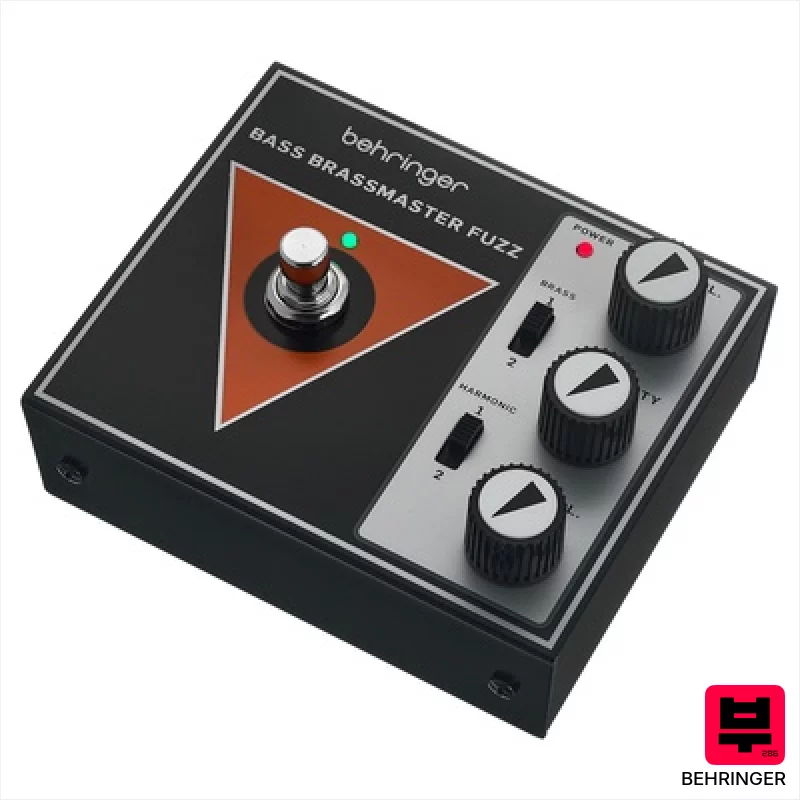
Behringer Bass Brassmaster Fuzz
- • Unique brass-like tone is genuinely usable and characterful.
- • Ring modulation adds surprisingly versatile textures and chaos.
- • True bypass preserves your signal when the effect is off.
- • Remarkably affordable, offering a lot for the price point.
- • Build quality feels plasticky; not built for heavy gigging.
- • Sensitivity control can be finicky, requiring careful adjustment.
- • The 'brass' sound might be too niche for some players.

Electro Harmonix Bass Clone
- • Tight, focused bass chorus avoids muddy low-end chaos.
- • Crossover switch offers crucial clarity for defined bass lines.
- • Simple controls allow quick dialing in of usable sounds.
- • True bypass preserves your signal when the effect is off.
- • Depth control can be overly sensitive, leading to modulation extremes.
- • Plastic enclosure feels a bit flimsy compared to higher-end pedals.
- • Limited tonal palette; best for chorus, not complex soundscapes.
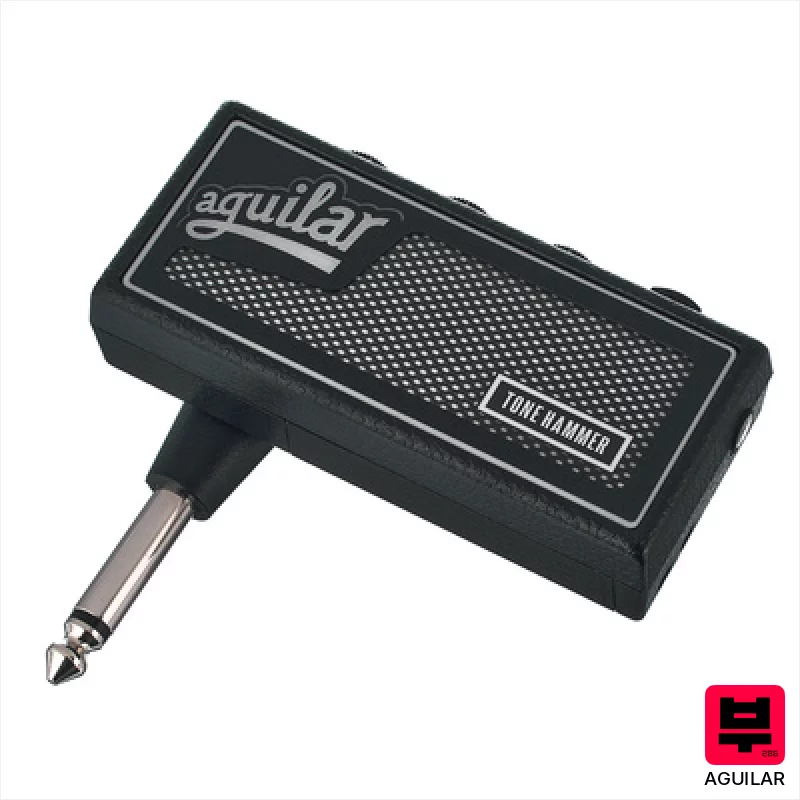
Aguilar amPlug3 Tone Hammer
- • Aguilar's signature punchy, aggressive distortion tone is surprisingly present.
- • Compact design is genuinely pocketable for silent practice anywhere.
- • Solid build quality; feels far more robust than its size suggests.
- • AUX input allows layering of backing tracks for realistic practice.
- • Battery life is decent, but AAA replacements add ongoing expense.
- • Tone Hammer’s character is very specific – lacks broad versatility.
- • Limited EQ controls restrict tonal shaping beyond the core distortion.
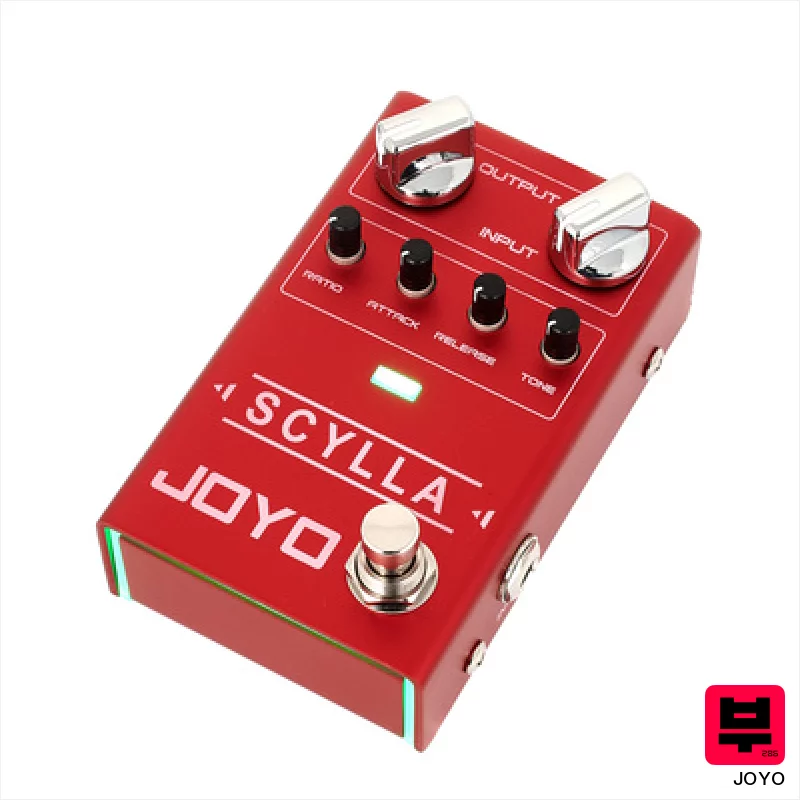
Joyo R-27 Bass Compressor Scylla
- • Surprisingly transparent compression, maintains bass character.
- • Effective output gain for adding sustain and presence.
- • Compact size makes it pedalboard-friendly, even in tight spaces.
- • Adjustable attack/release offers nuanced dynamic shaping.
- • Plastic enclosure feels a bit flimsy, lacks premium durability.
- • Limited tonal shaping beyond basic compression adjustments.
- • Power supply dependency is inconvenient for gigging situations.
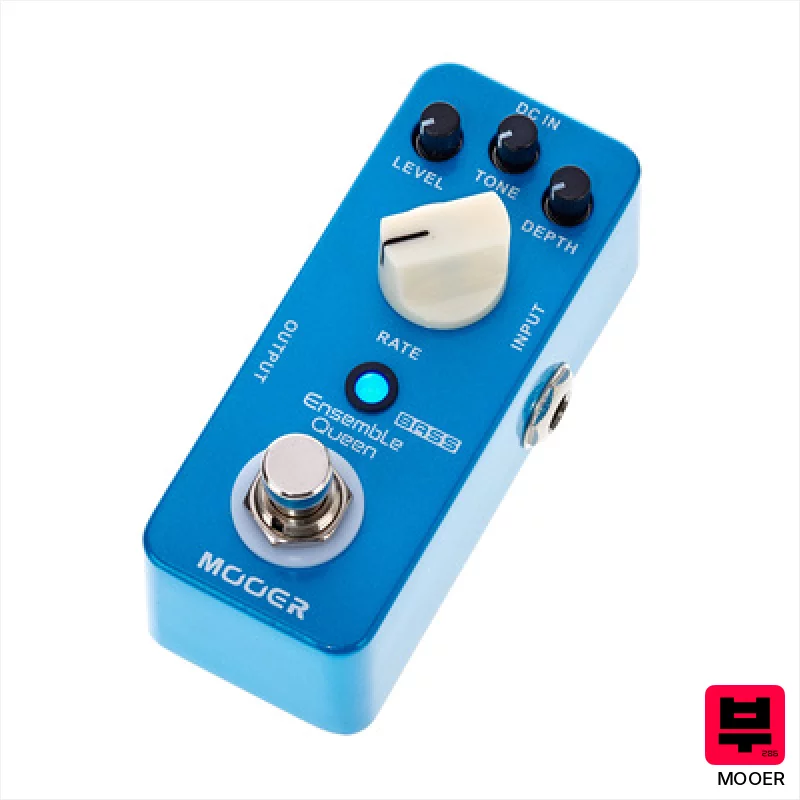
Mooer Ensemble Queen
- • Metal housing offers surprising durability for the price point
- • Chorus sound is surprisingly lush and usable, not overly digital
- • Compact size makes it pedalboard-friendly, even in tight spaces
- • True bypass preserves your signal when the effect is off.
- • Power supply not included feels like a cost-cutting compromise
- • Depth control can be a bit subtle, limiting extreme settings
- • Limited control options compared to more expensive chorus pedals.
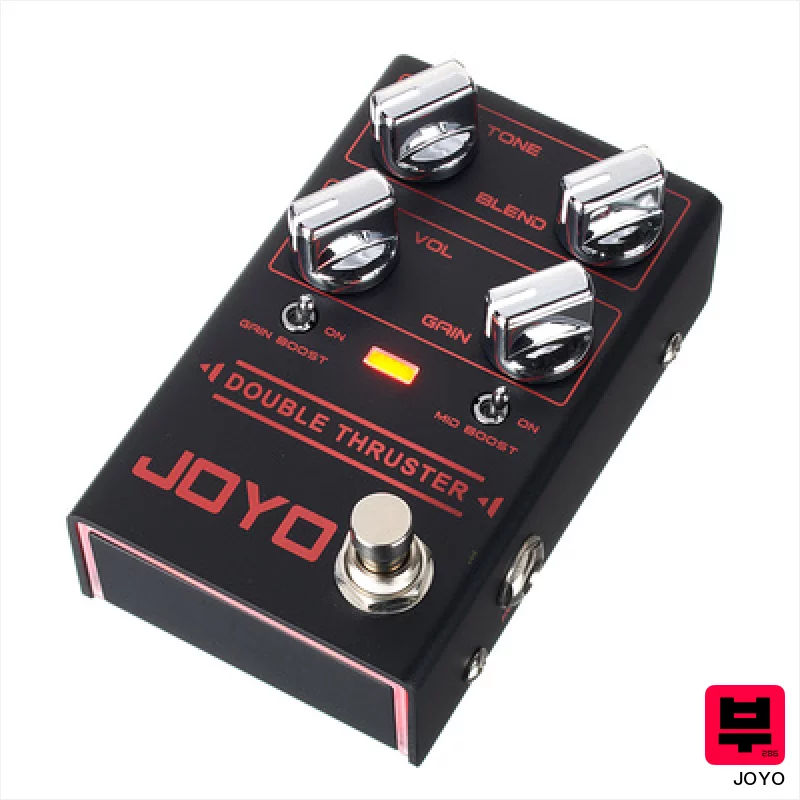
Joyo R-28 Double Thruster Bass OD
- • Surprisingly robust enclosure for the price point; feels more substantial than expected.
- • Mid Boost switch adds crucial clarity and cuts through dense mixes effectively.
- • Blend control allows clean signal integration, preventing muddy low-end issues.
- • Gain Boost provides a welcome extra push for aggressive, saturated tones.
- • Plastic enclosure feels a little cheap; durability could be a concern with heavy use.
- • Limited tonal flexibility; excels in overdrive, less suited for subtle clean boosts.
- • Power supply only; no battery option restricts portability and convenience.
Every bass pedals that matches
22 models match this page. The 15 above are covered in detail; the rest are listed here with their published specifications.
| # | Model | Specifications | Price |
|---|---|---|---|
| 16 | Vox AmPlug 3 Modern Bass | not published | $50 |
| 17 | Nux 59 Bassguy | not published | $47 |
| 18 | Vox AmPlug 3 Bass | not published | $47 |
| 19 | Yuer RS-22 Bass FD Fuzz | not published | $40 |
| 20 | Yuer RS-27 Bass Filter Wah | not published | $31 |
| 21 | Behringer BOD400 | not published | $29 |
| 22 | Harley Benton MiniStomp The Deep | not published | $22 |
Bass Pedals by the numbers
Measured across all 22 models in this category, so «wide», «short» or «expensive» mean something you can check.
How to Choose the Best Bass Pedals
Tone Quality
This isn't about 'good' or 'bad' - it's about character. Does it offer usable breakup? Does the distortion have a defined low-end or just muddy the waters? Does the compression squash dynamics or add sustain? We're listening for specific flavors, not generic praise.
Build Quality
Under $100, plastic enclosures are common. But even plastic can be well-constructed. We're checking for flimsy pots, loose footswitches, and generally questionable durability - stuff that'll fail mid-set.
Versatility
Can this pedal do more than one thing decently? A distortion that can also act as an overdrive? A chorus that can lean towards flanger territory? More versatility means more mileage out of a single pedal.
Noise Floor
Budget pedals can be noisy. We're listening for hiss and hum, especially when stacking multiple effects or using high gain settings. A quiet pedal is a usable pedal, period.
Ease of Use
Complex controls can be overwhelming, especially when you're trying to dial in a sound quickly between songs. Simple, intuitive layouts are a huge plus, particularly for gigging situations.
Buying Guide
At this price point, expect some trade-offs. You won't get the pristine, ultra-low noise floor of a $300 pedal. The components will be simpler, and the build will be more basic. Focus on pedals that nail the core sound you're after - a gritty distortion, a usable chorus - rather than trying to be everything to everyone. Don't chase 'vintage' accurately; look for something that inspires you and fits your style.
How This List Is Built
We don't play these instruments — we're a catalog, not a review desk, and we'd rather say so than pretend otherwise. This page covers 22 bass pedals from the Thomann catalogue, which is the largest single source of specification data in this category: 15 in detail, the rest listed with their specifications.
Position is computed, not curated. We parse the manufacturer's own description into actual values — nut width, scale, fret count, fingerboard radius, size, alloy — and rank on them: how many specifications a model has published, how many of them are measurable numbers, and how precisely it meets this page's criterion. A product image adds a little. Price is not a ranking signal: it tells you nothing about whether a neck fits your hand. The same inputs always produce the same order, so nothing here is shuffled to look fresh.
What this list is good for: narrowing a category down to a shortlist by spec and budget. What it isn't: a substitute for hearing an instrument. Before you buy, read hands-on reviews and, where you can, play it. Full methodology.

