
Best Bass Pedals for Intermediate 2026
So, you're past the basic overdrive and maybe a chorus - good! Now you're looking to sculpt your bass tone beyond just 'louder' or 'wobbly'. That's where bass pedals come in, but the sheer number of options can be overwhelming. This isn't about the top-tier boutique stuff; it's about finding pedals that'll genuinely expand your sonic palette without sending you into a signal chain spiral.
Last updated: October 8, 2026
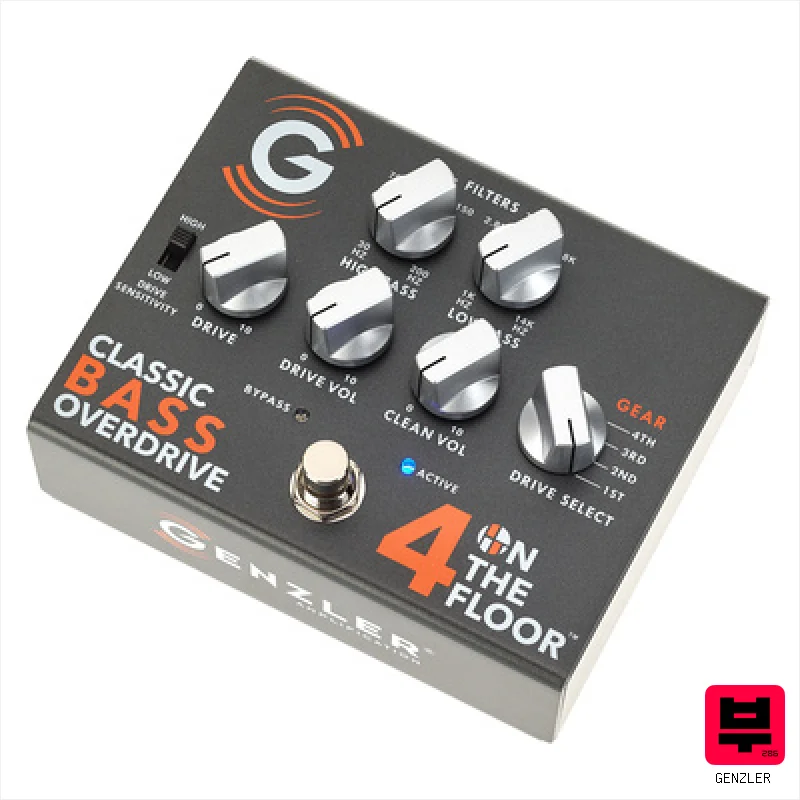
Genzler 4 On The Floor Overdrive
- • Four distinct control knobs for shaping tone
- • Built specifically for electric bass instruments
- • Includes dedicated drive and clean volume knobs
- • Compact size fits easily on any pedalboard
- • Mains adapter is not included in the box
- • Requires a separate power supply to operate
- • No specific power supply model is recommended
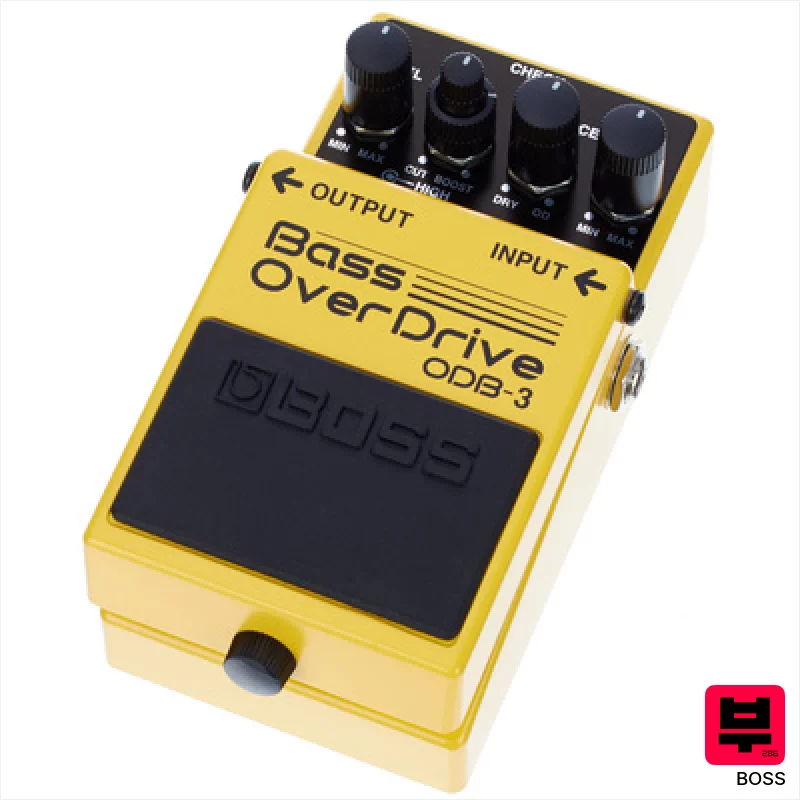
Boss ODB-3
- • Excellent low-end response, even with extreme overdrive settings.
- • The BALANCE control genuinely preserves fundamental bass frequencies.
- • Boss's renowned road-worthy build quality ensures lasting durability.
- • Simple, intuitive controls make dialing in usable tones remarkably easy.
- • Limited tonal flexibility beyond overdrive and EQ; not a full preamp.
- • Can sound a bit 'processed' if not carefully dialed – requires finesse.
- • May lack the organic warmth of a tube-driven overdrive.

Death by Audio Bass War - Fuzz
- • Delivers genuinely massive, saturated bass tones perfect for modern genres
- • Handmade NYC construction ensures robust metal housing and quality control
- • Tunable notch filter tames unruly frequencies, cleans up the fuzz
- • Excellent clean blend preserves fundamental clarity amidst the distortion
- • Relatively high current draw necessitates a strong power supply or battery changes
- • Limited tonal palette – primarily focused on fuzz and distortion sounds
- • Size and weight make it less ideal for very compact pedalboard setups
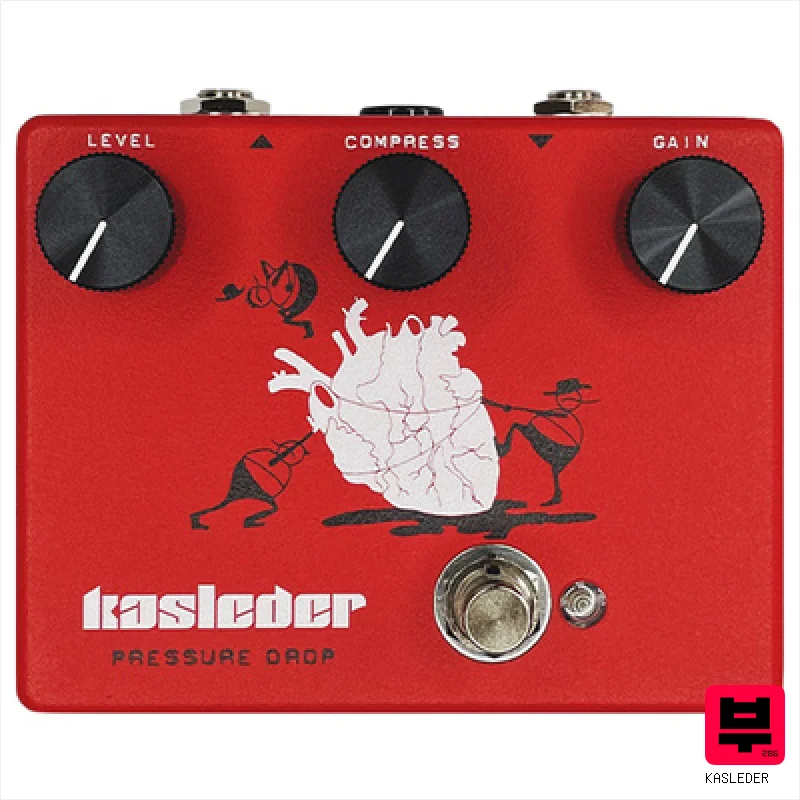
Kasleder Pressure Drop Bass Compressor
- • Classic LA-2A optical compression feel
- • Warm, musical, and smooth sound character
- • Compact pedalboard-friendly design
- • Handmade in Hungary with solid build
- • Power adapter sold separately
- • No specified power supply model
- • Lack of dedicated EQ controls
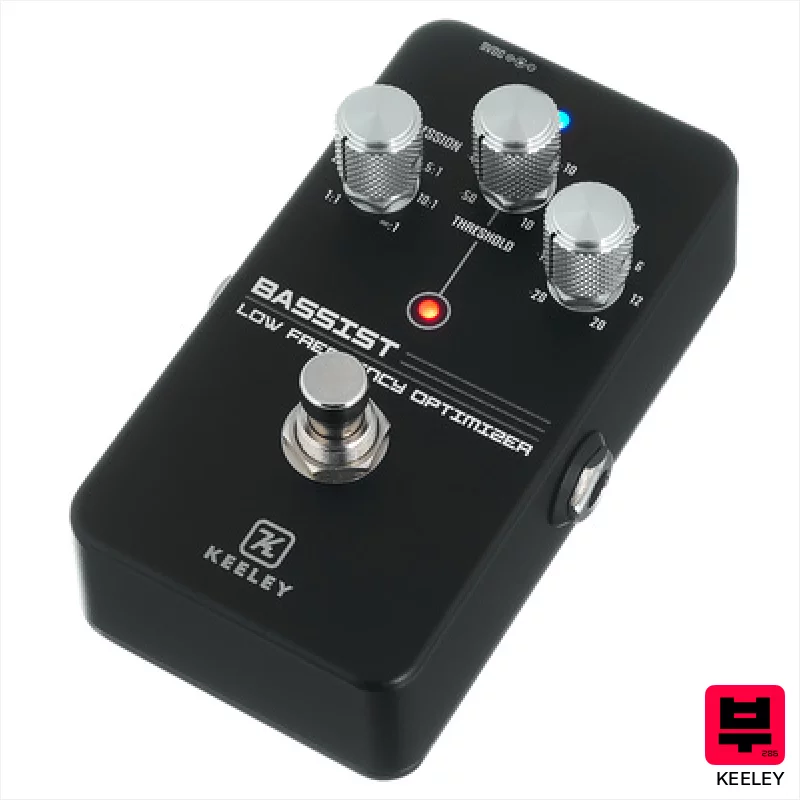
Keeley Bass Compressor 2K24
- • Chromalux finish elevates aesthetics and perceived value.
- • Threshold LED provides intuitive visual feedback on compression.
- • Keeley’s renowned build quality ensures durability and longevity.
- • Gain control allows for subtle shaping or aggressive leveling.
- • Relatively high current draw may necessitate a robust power supply.
- • Limited control set might restrict advanced compression sculpting.
- • Size (112mm) could be a constraint in smaller pedalboards.
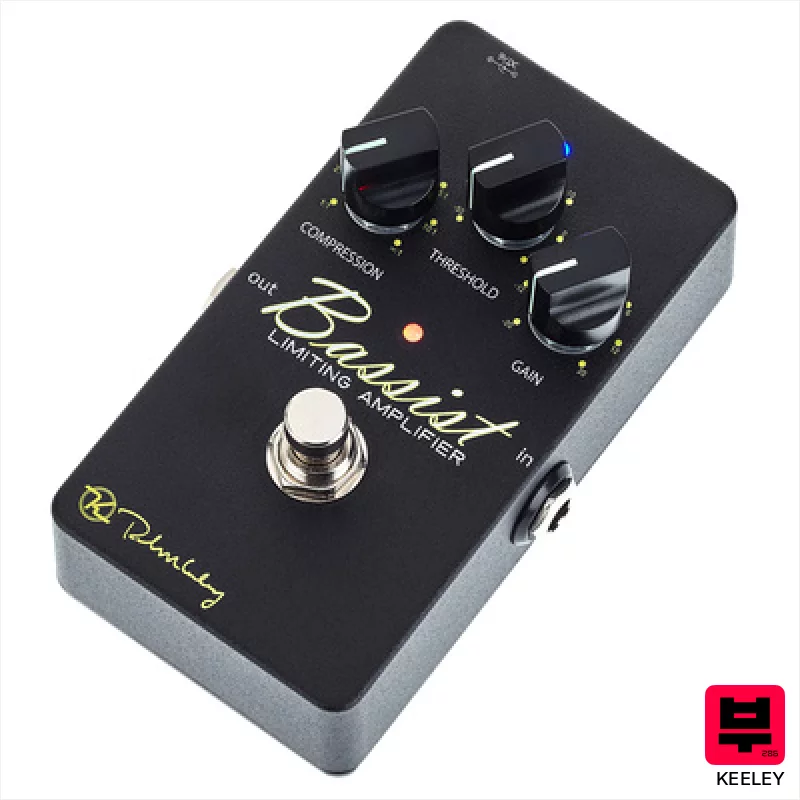
Keeley Bassist Compressor
- • Exceptional transparency; preserves bass tone with subtle compression.
- • Versatile gain control handles both subtle leveling and aggressive limiting.
- • Robust build quality; feels solid and durable for gigging.
- • Low noise floor; cleans up even with high gain settings.
- • Limited control set compared to more complex compressors.
- • Power supply not included; adds to the overall investment.
- • May be overkill for players seeking extreme compression effects.
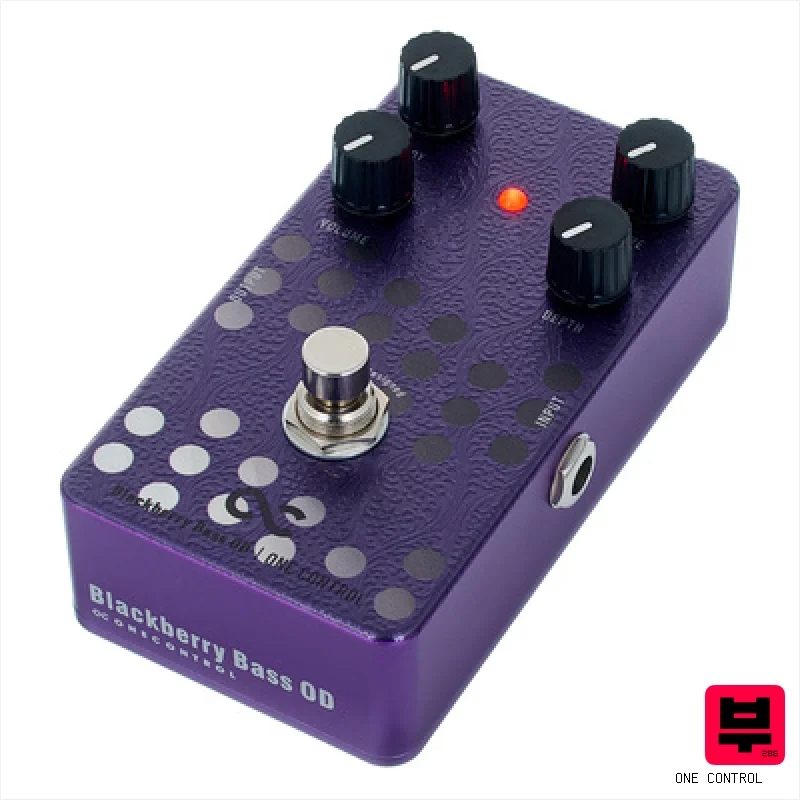
One Control Blackberry Bass OD Overdrive
- • Aluminium housing keeps the pedal sturdy and durable on stage.
- • True bypass circuit ensures clean signal when the effect is off.
- • Designed specifically for bassists to handle present bass tones well.
- • Body, drive, volume, and depth knobs let you shape the sound easily.
- • Power supply and battery are not included with the unit.
- • Uses a standard 9V barrel connector instead of a modern adapter.
- • Input and output jacks are small 6.3mm mono plugs only.

Rodenberg M2-OD Bass Overdrive
- • Three distinct overdrive voices offer surprising tonal flexibility.
- • Marcus Miller's input yields a genuinely usable and musical overdrive.
- • Robust build quality suggests longevity, even with frequent gigging.
- • Boost section provides clean, transparent level increase for solos.
- • The compact size can make tweaking controls mid-performance challenging.
- • Requires a separate power supply, adding to overall expense.
- • High-gain mode can get a bit muddy with heavily scooped bass EQ.

MXR Bass Chorus Bundle PS A1 RB
- • Solid MXR build quality; feels rock-solid and dependable.
- • The X-Over function is genuinely useful for bass clarity.
- • Analog circuit delivers a warm, musical chorus tone, not sterile.
- • Rockboard cover is a nice touch, protecting the pedal from dust.
- • Chorus can get muddy quickly if settings aren't dialed in carefully.
- • The flanger mode feels like an afterthought; not its strong suit.
- • Power adapter not included; a common but frustrating omission.
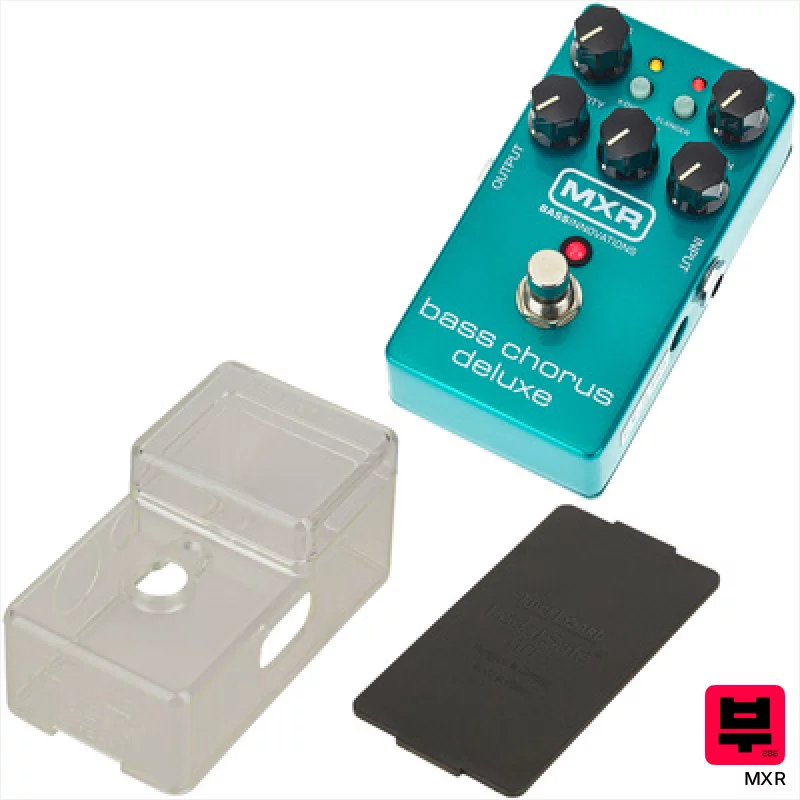
MXR Bass Chorus Bundle PS A1
- • Solid MXR build quality; feels robust and ready for the road
- • Bass-focused X-Over preserves low-end frequencies beautifully
- • Versatile chorus tones, easily dialable from subtle shimmer to flanger-like swirl
- • Protective cover is a genuinely useful, thoughtful inclusion
- • Analog circuitry can be a bit noisy at higher intensity settings
- • The flanger mode feels like an afterthought, lacks depth
- • Size might be a constraint for smaller pedalboards – it’s a standard MXR housing.

Darkglass Alpha Omicron Bass Distortion
- • Darkglass' signature harmonically rich distortion, condensed into a smaller format.
- • Growl and Bite switches offer substantial tonal variation for aggressive sounds.
- • Blend knob allows for clean signal integration, avoiding muddiness at high gain.
- • Solid Finnish build quality; feels robust and durable for pedalboard use.
- • Lacks battery operation, requiring an external power supply.
- • Limited control set compared to the larger Alpha-Omega, some flexibility lost.
- • May be overly aggressive for players seeking subtle overdrive or vintage tones.
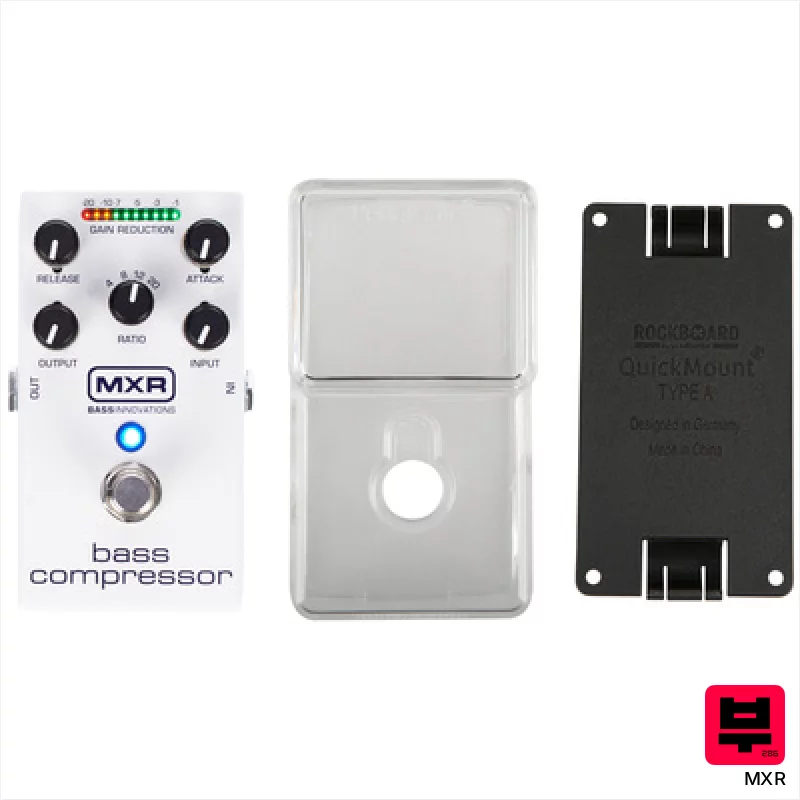
MXR Bass Comp Bundle PS A1 RB
- • MXR’s Constant Headroom Technology delivers exceptionally clean compression.
- • Rockboard Pedalsafe Type A1 provides practical, secure pedal protection.
- • The M87's attack and release controls offer nuanced dynamic shaping.
- • Robust metal housing ensures durability for gigging and studio use.
- • The included Rockboard cover is a bit basic, lacking aesthetic flair.
- • 9V battery power isn't ideal for long gigs; AC adapter sold separately.
- • Compression can be a learning curve for bassists new to the effect.
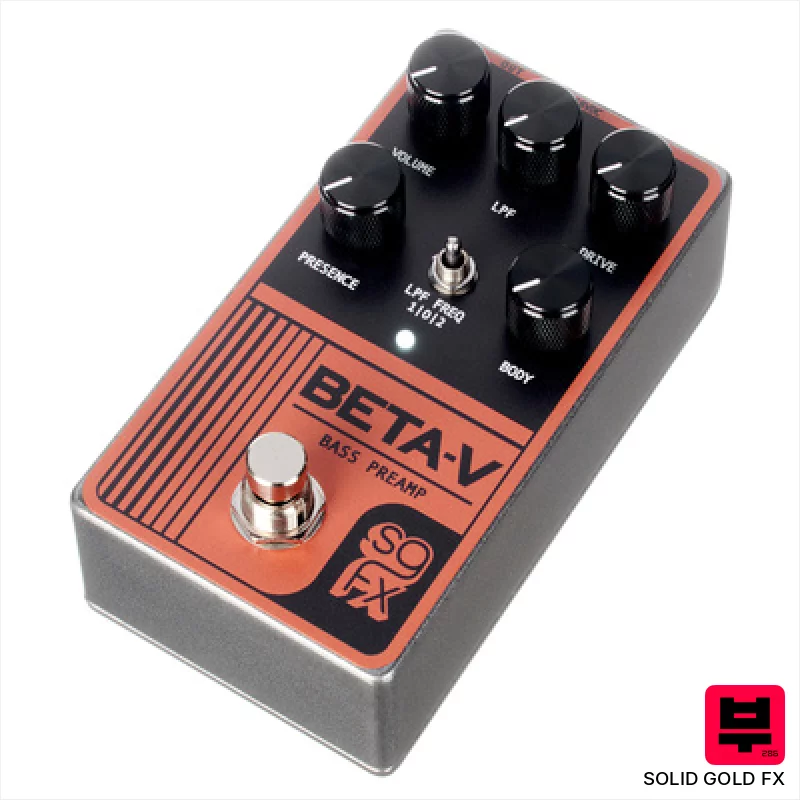
Solid Gold FX Beta V Bass Preamp
- • Warm, tube-amp emulation convincingly captures vintage bass tones.
- • Three LPF settings offer surprising tonal sculpting versatility.
- • Compact footprint saves pedalboard space without sacrificing features.
- • Solid construction hints at durability for gigging musicians.
- • Limited power options; requires external power supply, no battery operation.
- • Body control can be subtle, requiring careful tweaking for noticeable changes.
- • Drive isn't extreme; better suited for subtle grit than full distortion.
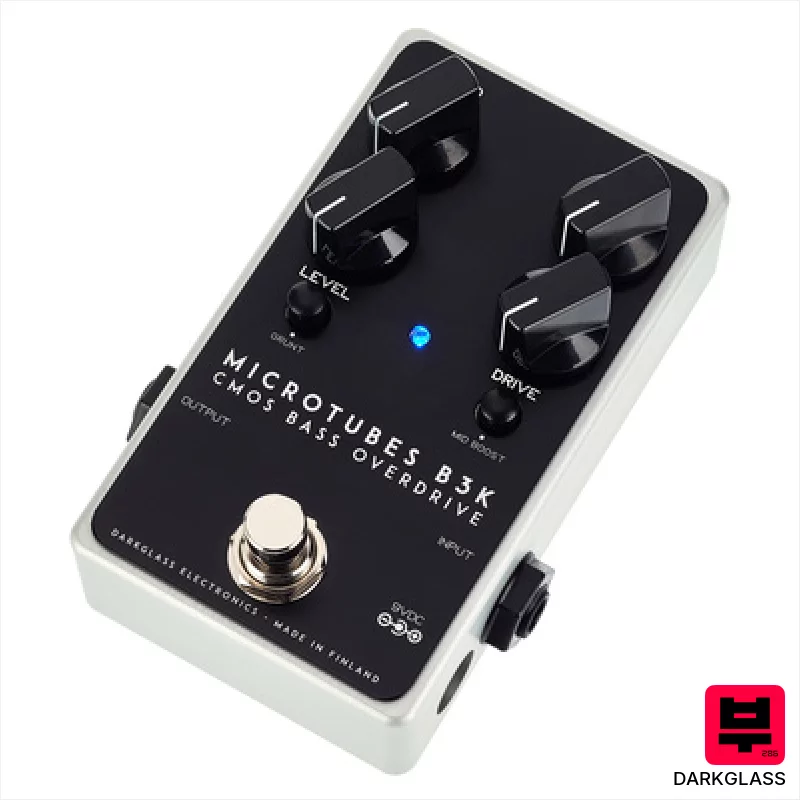
Darkglass Microtubes B3K v2 Bass Overdr
- • CMOS preamp delivers aggressive, modern bass distortion with clarity
- • Mid-boost provides essential harmonic balance, avoiding muddiness
- • Blend control allows for subtle saturation or full-on overdrive
- • Compact size and true bypass make it pedalboard-friendly
- • Limited tonal flexibility compared to multi-effect units
- • Requires external power supply, adding to overall cost
- • Can be overly aggressive for players seeking subtle warmth
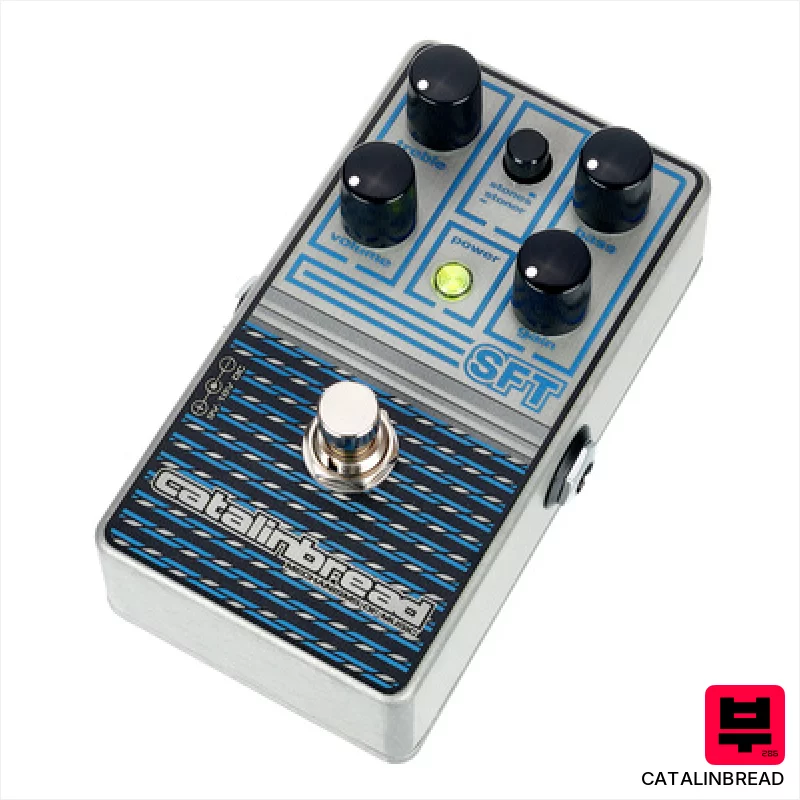
Catalinbread SFT
- • Delivers authentic Ampeg-style grit, surprisingly versatile for a preamp
- • Stones/Stoner switch offers distinct, usable tonal variations
- • Robust, all-metal enclosure feels incredibly solid and durable
- • Gain range is surprisingly wide, handling clean boost to mild overdrive
- • Limited control set; EQ is basic, lacks mid-frequency adjustment
- • Power draw, while low, could benefit from a more efficient design
- • SFT's character is very specific; not a universal preamp solution
Every bass pedals that matches
148 models match this page. The 15 above are covered in detail; the rest are listed here with their published specifications.
Bass Pedals by the numbers
Measured across all 148 models in this category, so «wide», «short» or «expensive» mean something you can check.
How to Choose the Best Bass Pedals
Playability
How easily can you dial in usable sounds? Complex pedals can be a time sink on stage; you want something intuitive, even if it has a lot of knobs.
Feature Set
Intermediate players often want versatility - overdrive, fuzz, compression, envelope filters, maybe a sub-oscillator. Finding a pedal that covers a few bases is smart, but don't get bogged down in features you won't use.
Learning Curve
Some pedals have a steeper learning curve than others. A complex envelope filter might sound amazing, but if you can't get it to sit well in a band mix without hours of tweaking, it's not practical.
Signal Integrity
Does the pedal color your sound in a way you don't want? Cheap pedals often introduce noise or muddy the low-end. Clarity and headroom are critical, especially when you're trying to cut through a loud band.
Durability
Gigs happen. Pedals get kicked. You need something that can handle the road without falling apart after a few shows. Solid construction and reliable components are worth the investment.
Buying Guide
At this level, you're probably willing to spend a bit more for a pedal that actually does something unique and sounds good. Don't chase the latest buzzword; focus on pedals with a reputation for reliability and a usable feature set. Cheaper pedals often cut corners on components, leading to noise, distortion (the bad kind), and a shorter lifespan. A good compression pedal alone can elevate your playing more than a stack of mediocre effects.
How This List Is Built
We don't play these instruments — we're a catalog, not a review desk, and we'd rather say so than pretend otherwise. This page covers 148 bass pedals from the Thomann catalogue, which is the largest single source of specification data in this category: 15 in detail, the rest listed with their specifications.
Position is computed, not curated. We parse the manufacturer's own description into actual values — nut width, scale, fret count, fingerboard radius, size, alloy — and rank on them: how many specifications a model has published, how many of them are measurable numbers, and how precisely it meets this page's criterion. A product image adds a little. Price is not a ranking signal: it tells you nothing about whether a neck fits your hand. The same inputs always produce the same order, so nothing here is shuffled to look fresh.
What this list is good for: narrowing a category down to a shortlist by spec and budget. What it isn't: a substitute for hearing an instrument. Before you buy, read hands-on reviews and, where you can, play it. Full methodology.

