
Best MXR Bass Pedals 2026
Alright, let's talk MXR bass pedals. They've got a serious legacy, stretching back to the days of phasers and fuzzes for guitar, but their bass offerings have really come into their own. If you're looking for something that's going to add some serious character and versatility to your bass tone - something beyond the usual fuzz and chorus - MXR is a brand worth digging into. They're not always the easiest to dial in, but when they work, they really work.
Last updated: October 8, 2026

MXR Bass Chorus Bundle PS A1 RB
- • Solid MXR build quality; feels rock-solid and dependable.
- • The X-Over function is genuinely useful for bass clarity.
- • Analog circuit delivers a warm, musical chorus tone, not sterile.
- • Rockboard cover is a nice touch, protecting the pedal from dust.
- • Chorus can get muddy quickly if settings aren't dialed in carefully.
- • The flanger mode feels like an afterthought; not its strong suit.
- • Power adapter not included; a common but frustrating omission.

MXR Bass Octave Bundle PS A1 RB
- • Excellent low-end depth with the 'Girth' control for a powerful sound
- • Growl knob adds crucial harmonic richness to the octave effect
- • MXR's robust build quality ensures reliable performance over time
- • The bundle provides immediate octave capabilities without additional purchases
- • Can introduce muddiness at higher settings if EQ isn’t dialed in properly
- • True bypass might be preferred by some for pristine signal integrity
- • The octave range isn’t as extensive as some higher-end dedicated octave units
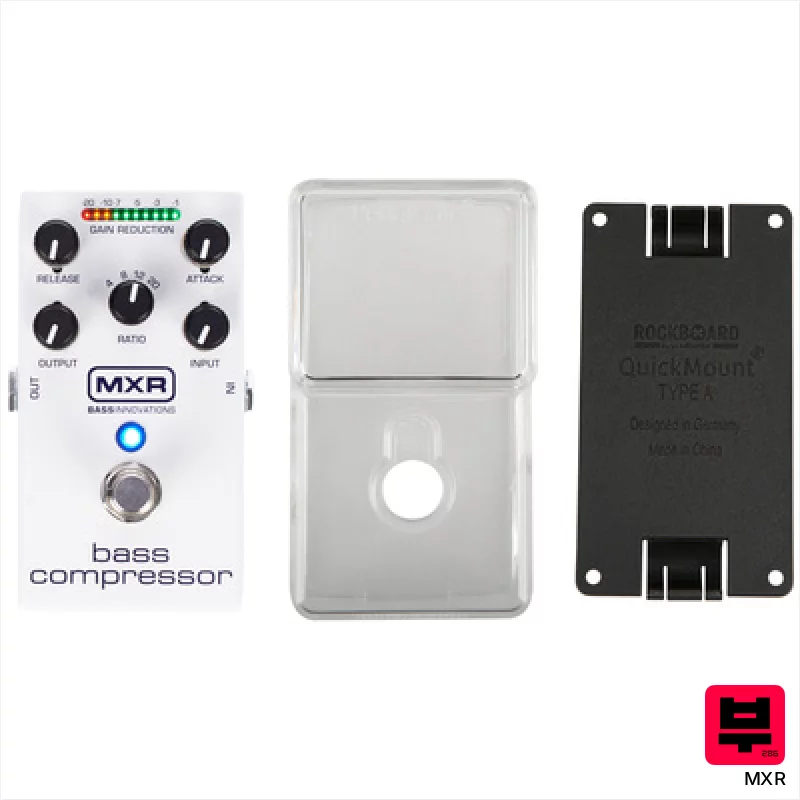
MXR Bass Comp Bundle PS A1 RB
- • MXR’s Constant Headroom Technology delivers exceptionally clean compression.
- • Rockboard Pedalsafe Type A1 provides practical, secure pedal protection.
- • The M87's attack and release controls offer nuanced dynamic shaping.
- • Robust metal housing ensures durability for gigging and studio use.
- • The included Rockboard cover is a bit basic, lacking aesthetic flair.
- • 9V battery power isn't ideal for long gigs; AC adapter sold separately.
- • Compression can be a learning curve for bassists new to the effect.
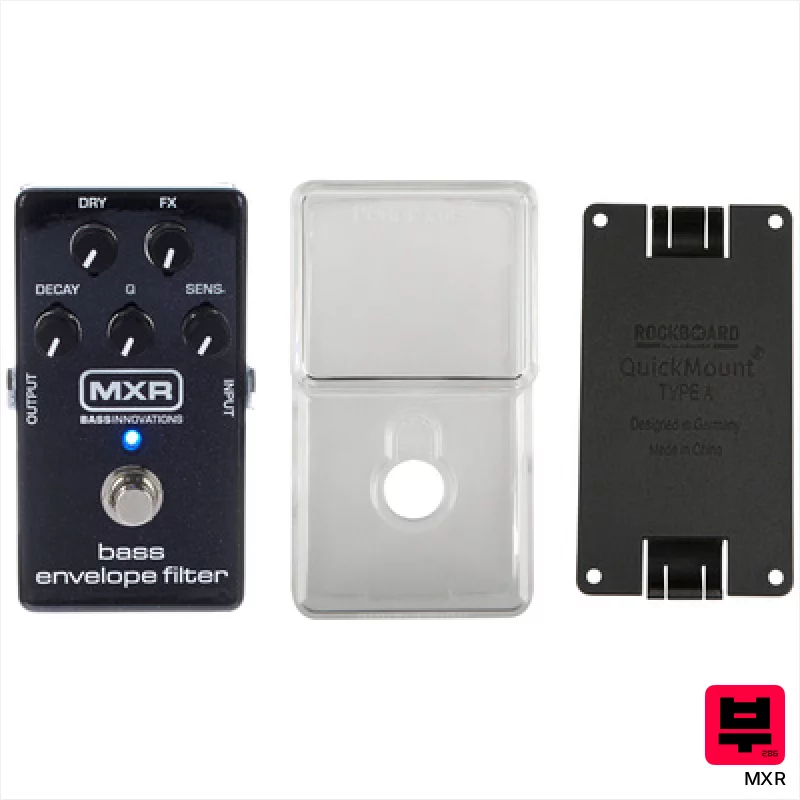
MXR Bass Envelope Bundle PS A1 RB
- • Classic MXR envelope filter sound, instantly recognizable and usable
- • Rockboard pedalboard cover offers excellent protection and secure mounting
- • True bypass preserves your bass's natural tone when the effect is off
- • Sens control allows for a wide range of subtle to aggressive response
- • Envelope filter sound isn't universally appealing; takes practice to master
- • The Rockboard cover is only compatible with specific pedal sizes and mounting systems
- • Limited control over the decay characteristics compared to some higher-end filters

MXR M 280 Vintage Bass Octave
- • Excellent tracking, even with fast basslines and complex rhythms.
- • The MID switch provides crucial tonal shaping for clarity.
- • Solid metal housing feels robust and gig-ready; reliable build.
- • Dual sub-octave voices offer a wide range of low-end textures.
- • Lacks battery operation, requiring a power supply – a modern inconvenience.
- • The MID trimpot adjustment is internal, limiting fine-tuning.
- • Can introduce some muddiness if not carefully dialed in with EQ.

MXR Bass Distortion M 85
- • Ryan Ratajski’s input delivers a genuinely usable and musical bass distortion.
- • Silicon/LED clipping options offer diverse distortion textures – from aggressive to open.
- • Robust metal housing provides excellent durability for gigging and studio use.
- • Independent volume controls for clean and distorted signals enable stacking and blending.
- • The tone control’s range is somewhat limited, impacting high-end shaping.
- • Requires a separate power supply, adding to the overall investment.
- • Its compact size might be a drawback for players preferring larger pedal footprints.
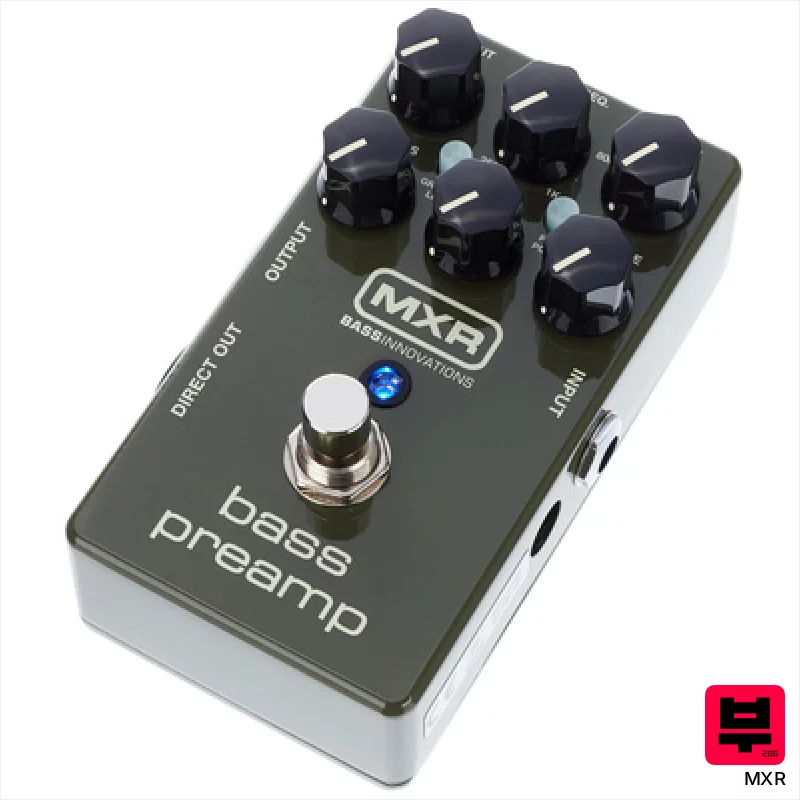
MXR M 81 Bass Preamp
- • Excellent EQ flexibility with parametric mids for precise shaping
- • DI output is clean and robust, a great stage solution
- • Solid MXR build quality; feels durable and ready for touring
- • Input/Output controls allow for gain staging and level matching
- • Can be a bit bulky for smaller pedalboards or gig bags
- • Mid-frequency control range might be limited for some tonal needs
- • Battery operation isn't ideal for long gigs; AC adapter recommended

MXR M 83 Bass Chorus Deluxe
- • Excellent bass-focused chorus tones, avoids muddy low-end issues
- • The X-Over function preserves fundamental bass frequencies beautifully
- • Robust MXR build quality; feels solid and reliable
- • Flanger mode adds a surprisingly useful alternative texture
- • Intensity control can be a bit too sensitive, requiring careful tweaking
- • Stereo operation is internal, lacking a dedicated footswitch
- • Chorus depth isn't as extreme as some boutique offerings.
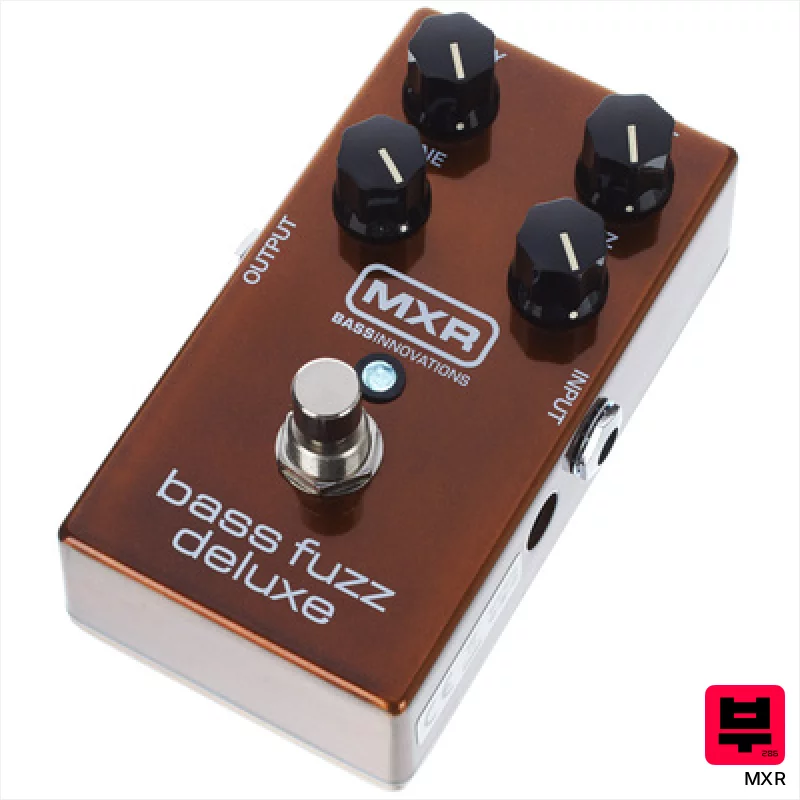
MXR M84 Bass Fuzz Deluxe
- • Vintage-voiced fuzz delivers thick, woolly bass tones perfect for stoner rock.
- • Dry blend control allows for subtle saturation or full-on fuzz.
- • Robust MXR construction ensures durability for gigging musicians.
- • Tone control offers a wide range, from dark and muddy to more articulate.
- • Can get muddy at higher gain settings, especially with active basses.
- • Limited versatility – primarily a fuzz pedal, not a broad tone-shaping tool.
- • 9V battery operation can be inconvenient for extended gigs.
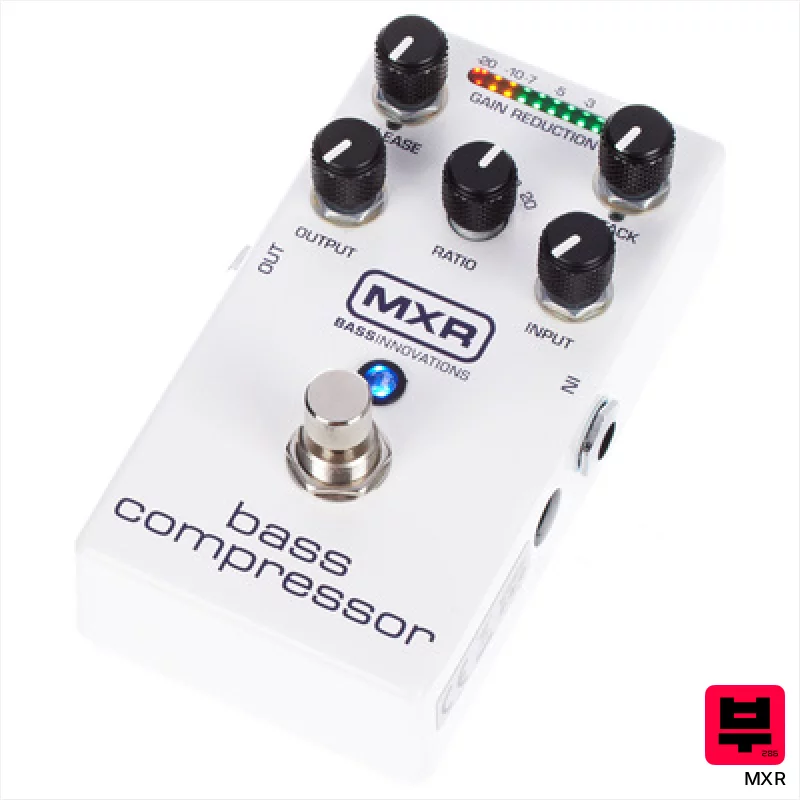
MXR M87 Bass Compressor
- • Robust metal enclosure provides excellent durability for gigging musicians.
- • CHT technology delivers transparent compression without unwanted distortion.
- • Well-spaced controls allow for precise shaping of attack, release, and ratio.
- • Versatile enough for subtle leveling to aggressive slap compression.
- • Attack knob can be a bit sensitive, requiring careful adjustment.
- • Limited flexibility compared to multi-function compressor pedals.
- • Size is a bit larger than some competing bass compressor pedals.

MXR M 82 Bass Envelope Filter
- • Excellent auto-wah character, true to the original 808 bass circuit
- • Robust aluminum die-cast enclosure provides lasting durability
- • Intuitive controls allow for quick and precise envelope filter shaping
- • Dry blend feature preserves bass frequencies and adds fullness
- • Can be overly sensitive to pick attack, requiring careful gain staging
- • Limited tonal range compared to more complex, digital envelope filters
- • The 'Q' control can become overly aggressive quickly, losing clarity
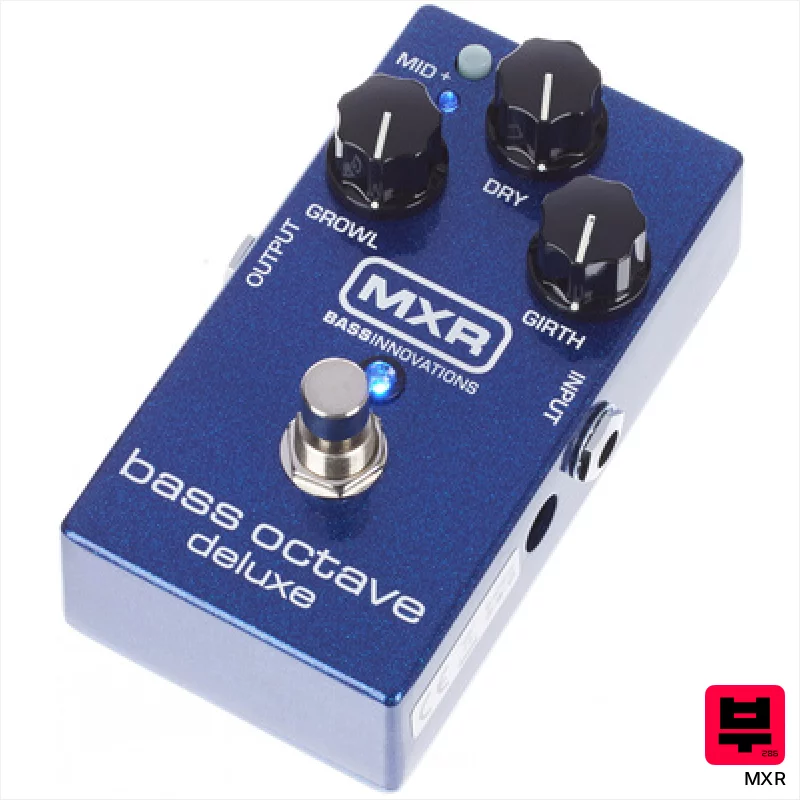
MXR M288 Bass Octave Deluxe
- • Growl control significantly improves octave tone realism and clarity.
- • Girth knob offers substantial tonal shaping, from deep to synth-like.
- • MXR’s robust build quality ensures durability for gigging bassists.
- • Offers a versatile range of octave effects, from subtle to extreme.
- • True bypass isn't present, potential for slight tone coloration.
- • Can introduce muddiness at higher octave and Girth settings.
- • Footprint is relatively large, may be an issue for smaller pedalboards.
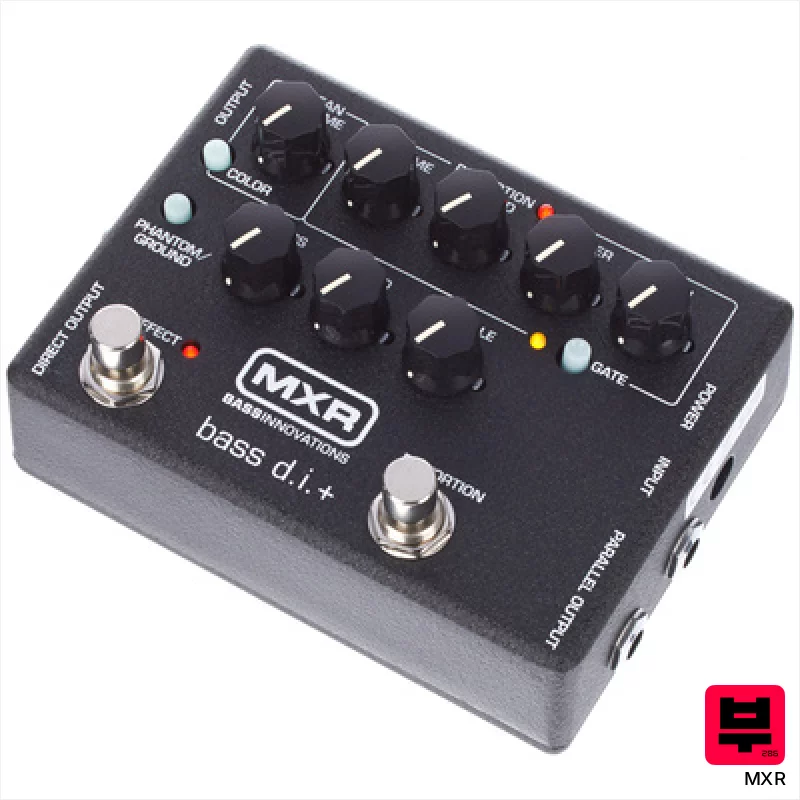
MXR M80 Bass DI Plus
- • Rugged metal housing inspires confidence on stage and in the studio
- • Versatile EQ section shapes tone from scooped mids to aggressive highs
- • Distortion offers usable grit, not just fuzz – surprisingly musical
- • Gate effectively tames unwanted noise without choking sustain
- • Size and weight make it less ideal for gigging bassists with limited space
- • Distortion character might be too subtle for players seeking extreme distortion
- • EQ controls, while versatile, could benefit from more precise markings

MXR MB301 Bass Synth
- • Analog circuitry delivers thick, warm, and responsive synth tones
- • Voice/Shape buttons offer surprisingly diverse sonic palettes
- • Sub mix control allows for subtle or massive low-end augmentation
- • Compact size makes it pedalboard-friendly for most bassists
- • Limited modulation depth compared to dedicated synth pedals
- • Envelope response can be a little sluggish with extreme settings
- • Voice selection can feel slightly overwhelming initially
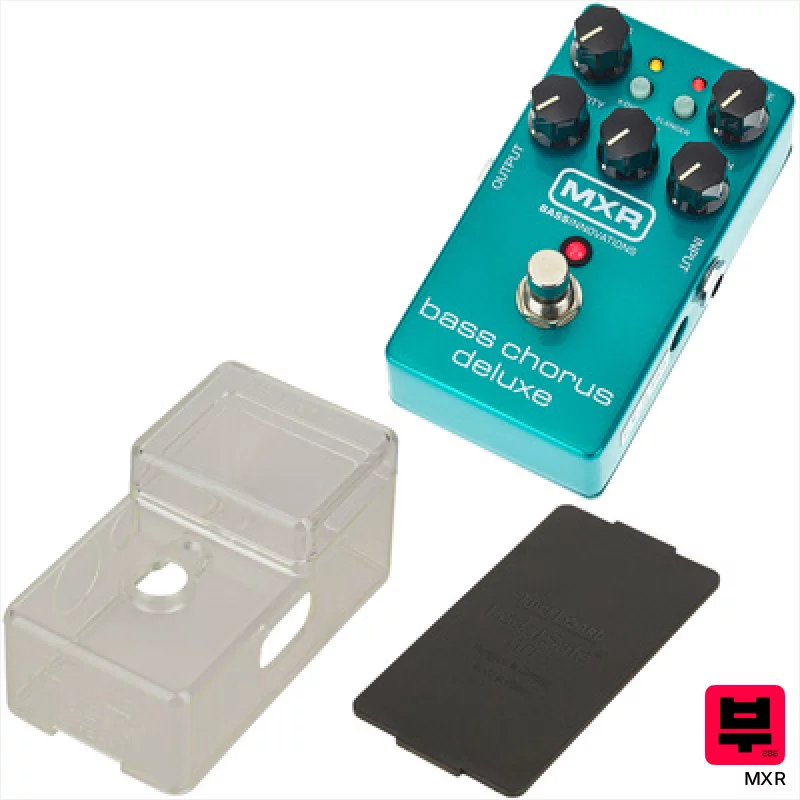
MXR Bass Chorus Bundle PS A1
- • Solid MXR build quality; feels robust and ready for the road
- • Bass-focused X-Over preserves low-end frequencies beautifully
- • Versatile chorus tones, easily dialable from subtle shimmer to flanger-like swirl
- • Protective cover is a genuinely useful, thoughtful inclusion
- • Analog circuitry can be a bit noisy at higher intensity settings
- • The flanger mode feels like an afterthought, lacks depth
- • Size might be a constraint for smaller pedalboards – it’s a standard MXR housing.
Every bass pedals that matches
17 models match this page. The 15 above are covered in detail; the rest are listed here with their published specifications.
| # | Model | Specifications | Price |
|---|---|---|---|
| 16 | MXR Bass Octave Bundle PS A1 | not published | $193 |
| 17 | MXR Bass Envelope Bundle PS A1 | not published | $217 |
Bass Pedals by the numbers
Measured across all 148 models in this category, so «wide», «short» or «expensive» mean something you can check.
How to Choose the Best Bass Pedals
Heritage & Design Philosophy
MXR's roots are in effects that add something, not just clean boosts. They lean into saturated, characterful sounds - think vintage amp tones and unique textures, rather than pristine, transparent processing. This isn't about sterile clarity.
Tone Characteristics
That's that distinct MXR vibe. It's often described as having a "forward" sound - meaning it cuts through a mix well, even with heavier distortion. The low-end is usually present, but can sometimes need a little tweaking to avoid muddiness, especially with overly aggressive settings. The mids are often where the magic happens - that fat midrange honk that really defines a bass tone.
Build Quality
These are generally solid pedals. The stompboxes are metal, the footswitches are reliable, and the pots feel decent. They're not boutique-level luxury, but they're built to withstand the rigors of gigging - something you can't always say about cheaper alternatives. The knob labels are often a bit small, though, which can be a pain in low light.
Versatility
MXR's bass pedals aren't just one trick ponies. While some are obviously designed for specific sounds (like the Bass Distortion+), many offer a surprising amount of tonal flexibility. You can dial in everything from subtle overdrive to full-blown fuzz, and often find usable sounds in between. The blend knob on some models is especially crucial for preserving your fundamental tone.
Signal Integrity
MXR pedals generally maintain good signal integrity, meaning you're not losing a ton of low-end or dynamics. However, pushing them into extreme distortion can sometimes introduce a little noise - a trade-off for that extra saturation. It's rarely a dealbreaker, but something to be aware of, especially if you're recording in a quiet environment.
Buying Guide
Don't expect pristine, transparent sounds from MXR. They're designed to add something, and that's where their strength lies. If you're after a subtle clean boost, look elsewhere. Pay attention to the blend knob - it's your friend for preserving the fundamental tone. Also, be prepared to spend some time dialing them in; they can be a little less intuitive than some other brands.
How This List Is Built
We don't play these instruments — we're a catalog, not a review desk, and we'd rather say so than pretend otherwise. This page covers 17 of 148 bass pedals from the Thomann catalogue, which is the largest single source of specification data in this category: 15 in detail, the rest listed with their specifications.
Position is computed, not curated. We parse the manufacturer's own description into actual values — nut width, scale, fret count, fingerboard radius, size, alloy — and rank on them: how many specifications a model has published, how many of them are measurable numbers, and how precisely it meets this page's criterion. A product image adds a little. Price is not a ranking signal: it tells you nothing about whether a neck fits your hand. The same inputs always produce the same order, so nothing here is shuffled to look fresh.
What this list is good for: narrowing a category down to a shortlist by spec and budget. What it isn't: a substitute for hearing an instrument. Before you buy, read hands-on reviews and, where you can, play it. Full methodology.

