
Best Bass Pedals for Professional Bass Setup 2026
Alright, let's talk bass pedals for the serious player. You're not just slapping on a fuzz for bedroom jams anymore; you're gigging, tracking, needing something that can cut through a loud band or sit perfectly in a polished studio mix. A pro bass setup demands more than just a cool sound - it needs reliability, headroom, and versatility, and that starts with the right pedalboard. This isn't about cheap thrills; it's about tools that actually help you do your job.
Last updated: July 8, 2026 • Next update: July 15, 2026
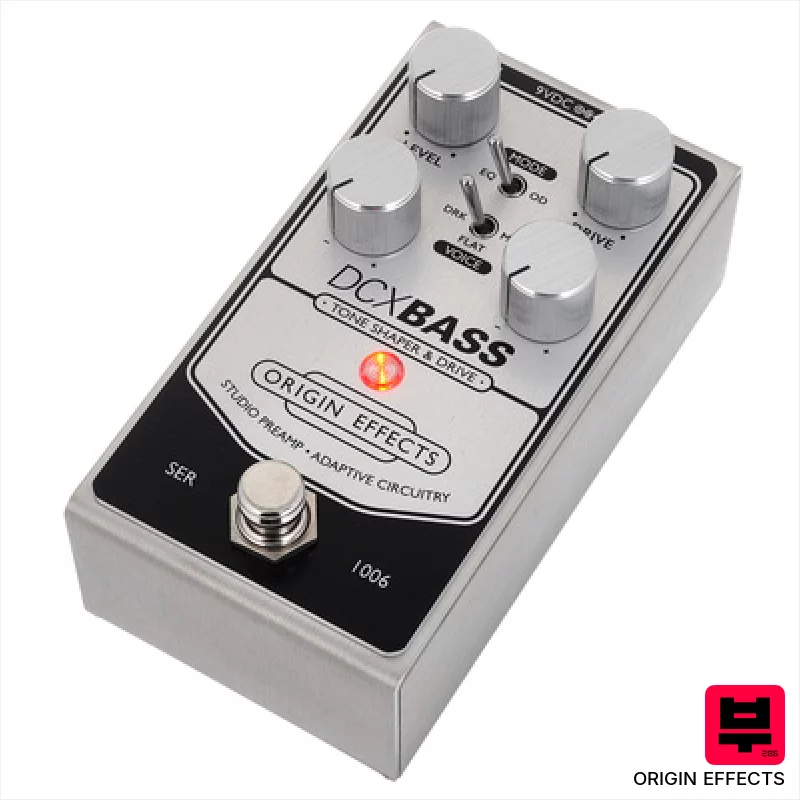
Origin Effects DCX Bass Overdrive
- • Adaptive treble response truly reacts to playing dynamics, adding clarity and articulation.
- • UK-built construction ensures robust, roadworthy build quality with premium components.
- • The 'DRK' voice setting delivers a wonderfully thick, saturated, almost fuzz-like overdrive.
- • Optimized EQ frequencies provide a natural, balanced tone for a wide range of basses.
- • Relatively high power consumption (90mA) may be a concern for battery-powered setups.
- • Limited versatility; excels in overdrive but isn’t a broad-spectrum tone shaper.
- • The size (124mm deep) can be a bit bulky on smaller pedalboards.
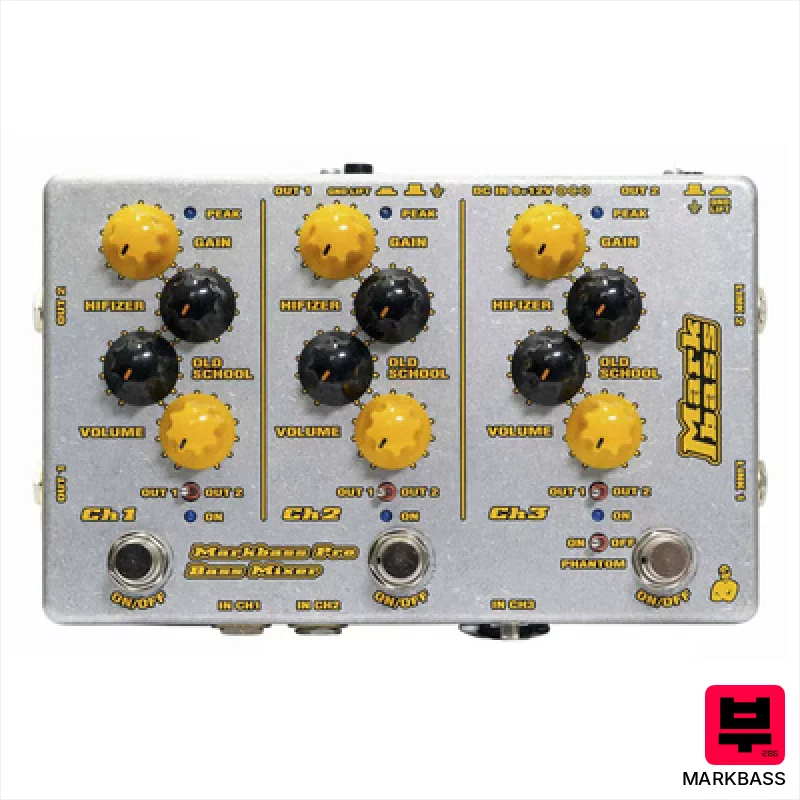
Markbass Pro Bass Mixer
- • Markbass’s Hifizer filter delivers a modern, clean, and articulate tonal shaping.
- • The 'Old School' filter provides a warm, vintage-voiced saturation and character.
- • Compact size makes it ideal for gigging bassists with limited pedalboard space.
- • Link capability expands channel count, offering flexibility for multiple instruments.
- • Limited number of channels initially; expansion requires additional modules.
- • Phantom power only on channel 3 restricts microphone usage to that input.
- • The power supply is external, adding another cable to manage on stage.
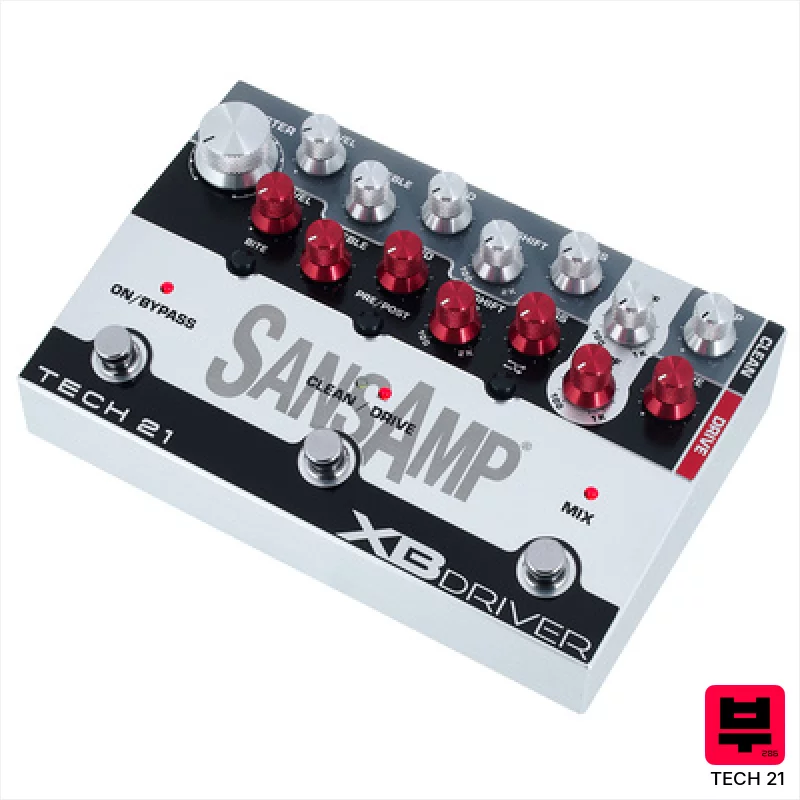
Tech 21 SansAmp XB Driver
- • Dual channels offer immense tonal flexibility for varied playing styles.
- • FET compressor adds warmth and sustain, a genuine vintage vibe.
- • CabRig outputs provide excellent amp simulation, surprisingly realistic.
- • Solid build quality; feels robust for gigging and studio use.
- • Price point places it firmly in the premium-priced category.
- • Analogue-only design lacks digital recall/preset capabilities.
- • Size can be a constraint for players with smaller pedalboards.

Origin Effects Cali76 V2 Bass Compressor BK
- • Exceptional 1176-style compression delivers classic studio warmth and punch.
- • Parallel compression control offers subtle smoothing or aggressive density.
- • The internal voltage boost provides clean headroom even with high gain settings.
- • Sidechain filtering tames low-end muddiness, essential for bass clarity.
- • Relatively compact size might feel cramped for some players’ pedalboards.
- • The 9V DC power requirement can be inconvenient compared to universal power supplies.
- • Limited control over attack and release times compared to more complex compressors.
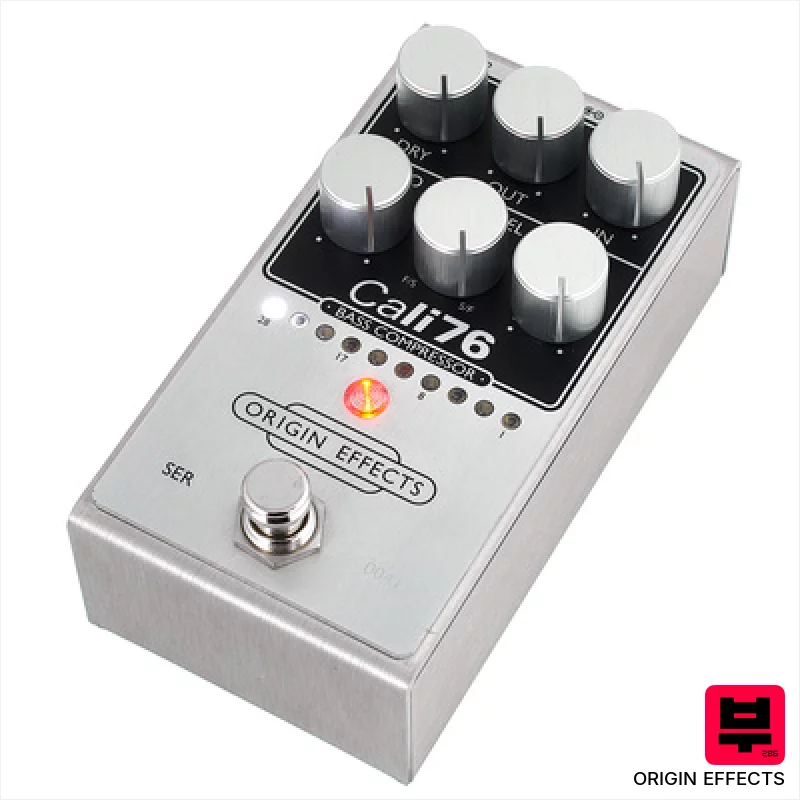
Origin Effects Cali76 V2 Bass Compressor
- • Exceptional 1176-style compression for bass clarity and punch.
- • Parallel compression control offers subtle to aggressive tone shaping.
- • Gain reduction metering provides precise control over compression depth.
- • Compact housing maximizes pedalboard space without sacrificing functionality.
- • Price point places it in a premium-priced category for bass effects.
- • Requires a standard 9V DC power supply (not included).
- • High-pass filter lacks extensive frequency range adjustment.
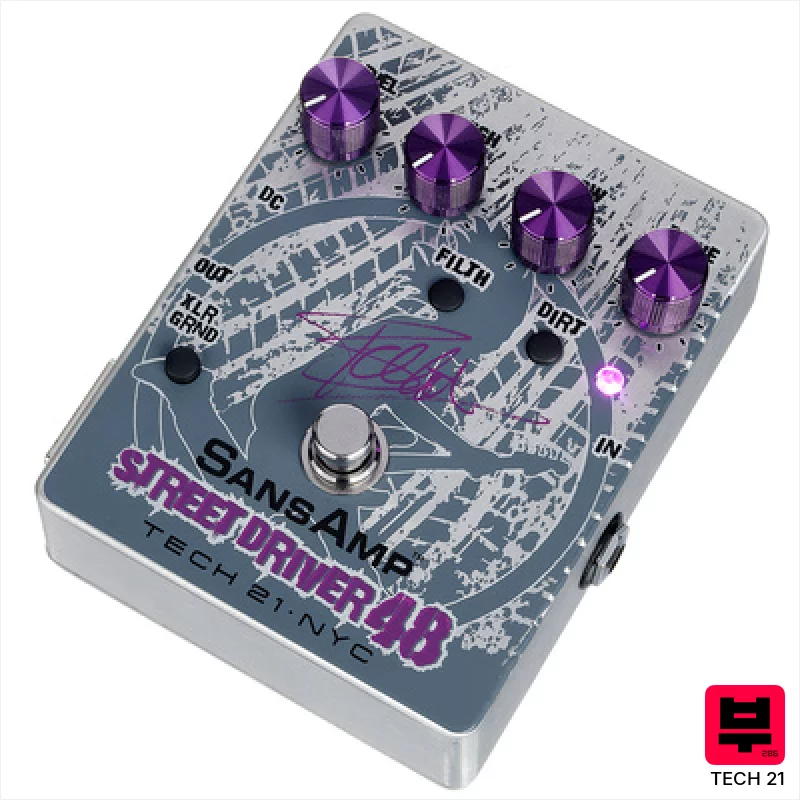
Tech 21 SansAmp Street Driver 48
- • Frank Bello's signature tone delivers aggressive, punchy, and articulate low-end.
- • The all-analog circuitry provides a warm, tube-like saturation without digital artifacts.
- • Robust metal housing ensures durability for gigging and studio use.
- • Balanced XLR output with ground lift offers noise-free connection to mixing consoles.
- • Limited control flexibility compared to more complex multi-effect units.
- • The '80s-inspired sound may not suit all modern musical styles.
- • Street Driver 48's size, while compact, can still be a factor on crowded pedalboards.

Empress Effects Bass ParaEQ
- • Exceptional low-end clarity and definition across the spectrum.
- • Hi-Z input handles piezo pickups with remarkable accuracy and warmth.
- • Dynamic low shelf provides subtle or aggressive sub-bass shaping.
- • Balanced output ensures pristine DI signal for recording and live use.
- • Relatively large footprint may be an issue on smaller pedalboards.
- • Limited overall tonal palette; primarily an EQ, not a tone-shaping effect.
- • Power consumption, while not excessive, requires a robust power supply.

Source Audio SA 249 One Series C4 Sy Bundle
- • Brushed aluminum housing feels incredibly robust and professional.
- • Neuro Editor unlocks truly expansive sound design capabilities.
- • Multiple oscillator waveforms offer diverse sonic textures beyond basic synths.
- • Universal bypass provides flexibility for various pedalboard setups.
- • Steep learning curve with the Neuro Editor; requires dedicated time investment.
- • Four voices might limit complexity for users desiring massive polyphony.
- • The sheer number of parameters can be overwhelming for beginners.

Darkglass Kaamos
- • Excellent recreation of vintage British amp saturation and harmonic complexity.
- • Flexible routing options allow for incredibly diverse tonal sculpting possibilities.
- • The 'Drive Mod' adds a unique, aggressive edge beyond standard distortion.
- • Solid Darkglass build quality; feels robust and will withstand gigging.
- • Complex routing can be overwhelming for beginners needing simpler distortion.
- • The 'Tone' control can be a bit narrow, limiting precise treble shaping.
- • Premium-priced, potentially prohibitive for budget-conscious bassists.
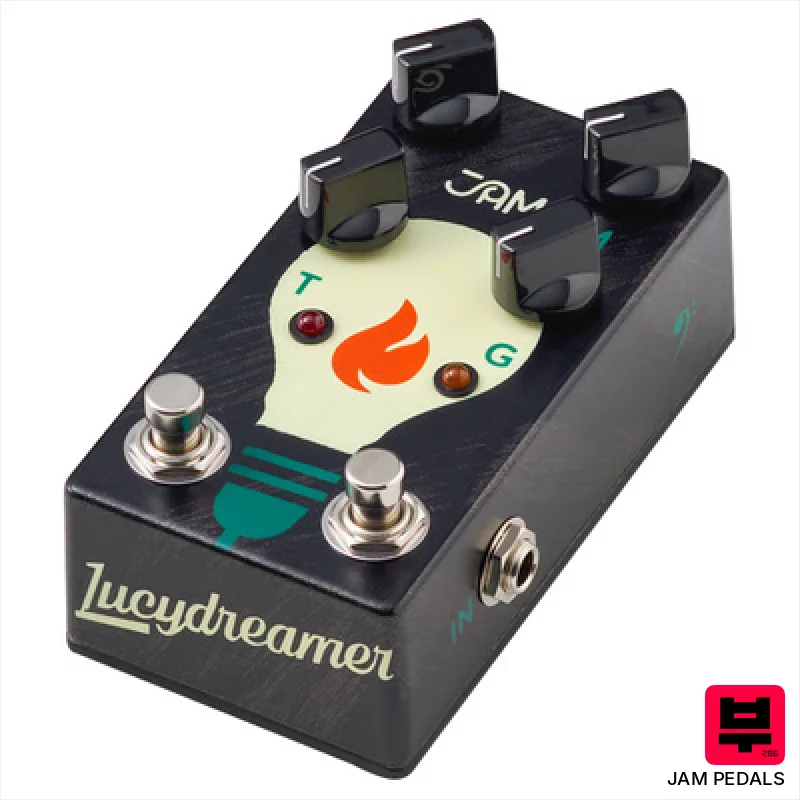
JAM pedals LucyDreamer Bass Overdrive
- • Dynamic overdrive delivers thick, saturated bass tones with clarity.
- • High-gain mode adds a powerful, aggressive edge for heavier styles.
- • True bypass preserves your bass's natural tone when the effect is off.
- • Handmade Greek construction suggests robust build quality and attention to detail.
- • Limited control set might restrict experimentation for advanced users.
- • Lack of battery operation makes it reliant on a power supply.
- • Smaller footprint could be problematic for pedalboard space constraints.
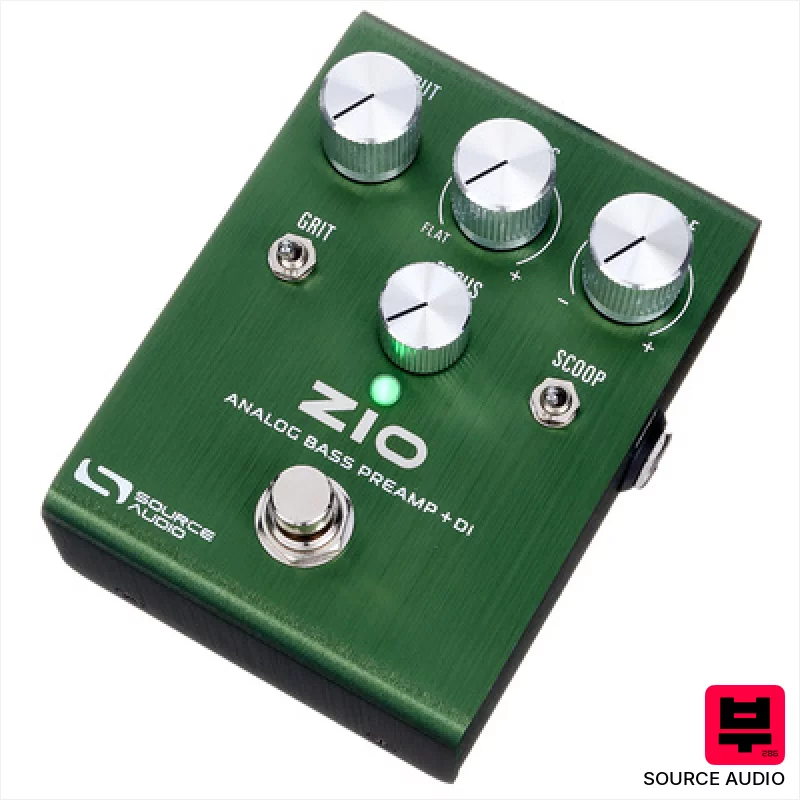
Source Audio SA 272 ZIO Analog Bass Preamp
- • Burr Brown JFET op-amp delivers exceptional clarity and headroom.
- • Anodized aluminum housing provides robust durability and a premium feel.
- • Flexible tone controls, including a high-pass filter, shape bass tones precisely.
- • XLR DI output with ground lift is a huge boon for live performance and recording.
- • Power supply not included, adding to the overall investment.
- • Relatively compact size might feel cramped for players with larger feet.
- • Limited onboard presets; best suited for players who dial in and commit.
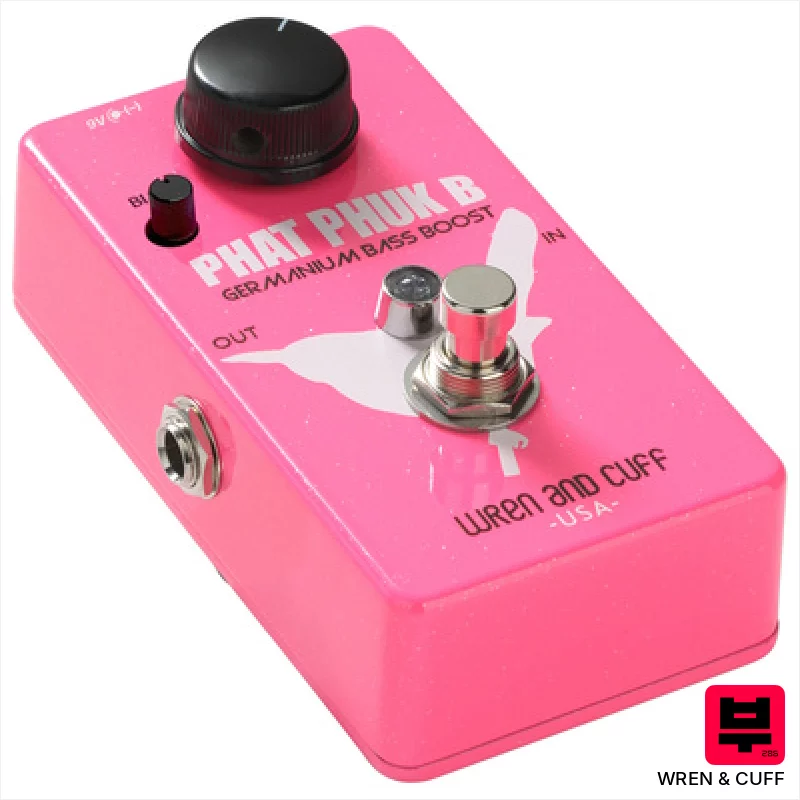
Wren & Cuff Germanium/JFET V2 Bass Boost
- • Germanium grit adds warmth, character, and subtle harmonic complexity.
- • JFET input handles active/passive basses without harshness or noise.
- • Bias control offers nuanced tonal shaping beyond a simple boost.
- • Solid metal enclosure feels robust and well-constructed for pedalboard use.
- • Limited to a single circuit – lacks versatility for broader tonal sculpting.
- • Power supply not included; adds to the overall investment.
- • Can introduce a slight phase shift depending on the source signal and settings.
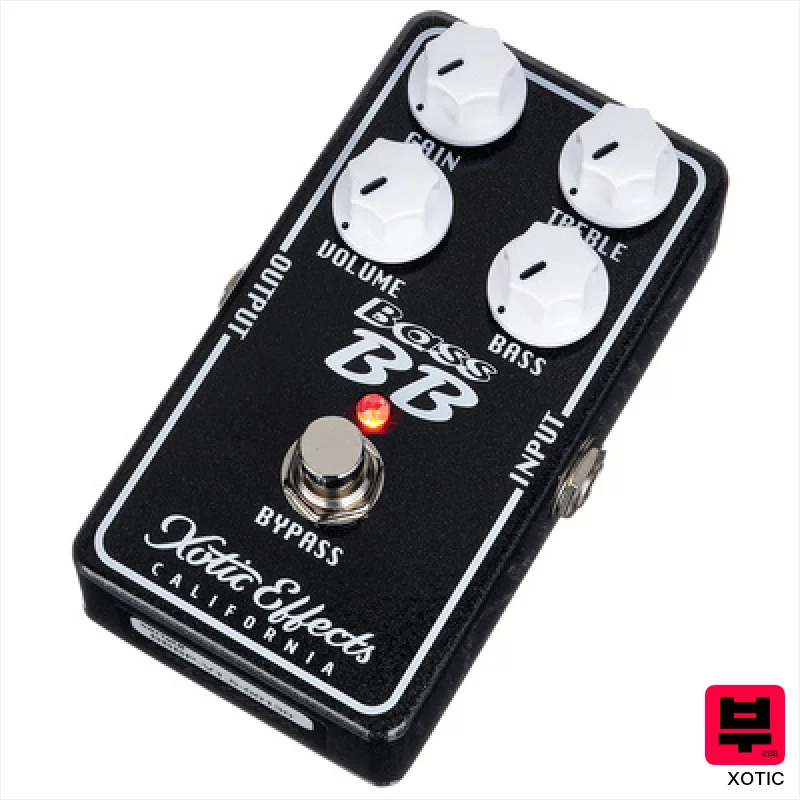
Xotic Bass BB Preamp V1.5
- • Warm, tube-like saturation adds considerable harmonic richness.
- • Effective ±30dB boost/cut provides significant dynamic shaping.
- • Solid build quality; feels robust for its size and price point.
- • Controls offer a surprisingly wide range of usable tones, from clean to grit.
- • Limited tonal versatility; excels in specific genres, less adaptable.
- • No MIDI control; a modern feature absent for complex setups.
- • Power supply not included; adds to the overall investment.
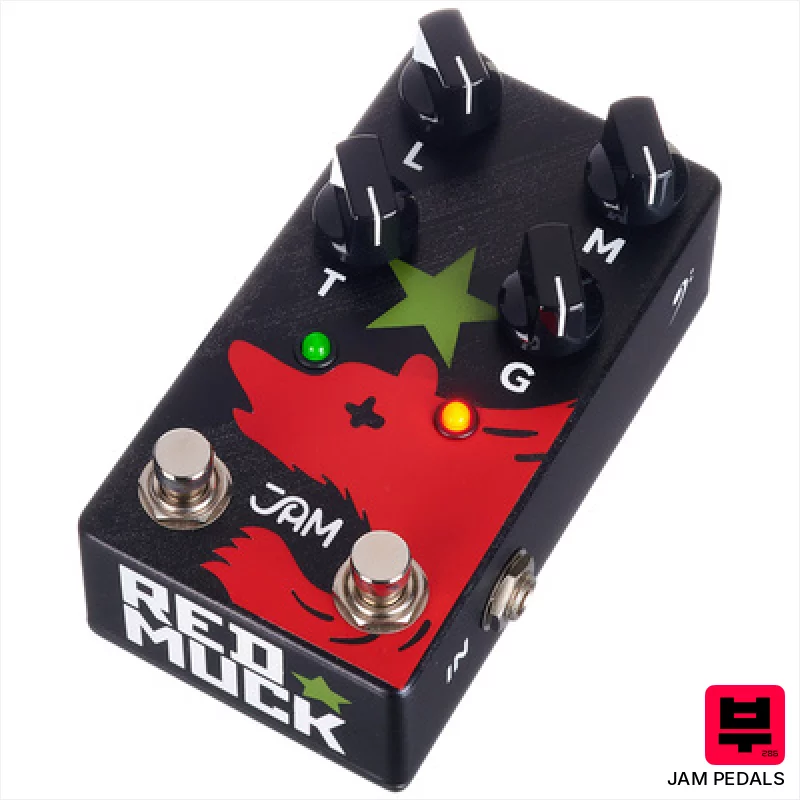
JAM pedals Red Muck Bass Fuzz/Distortion
- • Inspired circuitry delivers thick, vintage fuzz tones.
- • Extended tone control offers surprising versatility for bass.
- • Dual-gain stage option expands sonic possibilities significantly.
- • Solid Greek construction suggests durability and long-term reliability.
- • Price point places it in a premium-priced category for fuzz.
- • Size, while compact, might be restrictive on small pedalboards.
- • Mix control could benefit from a wider range for cleaner blending.

JAM pedals WaterFall Bass
- • Warm, analogue chorus/vibrato creates lush, swirling textures.
- • Handmade Greek construction suggests robust build quality and attention to detail.
- • True bypass preserves your bass's natural tone when the effect is off.
- • Simple, intuitive controls allow for immediate, usable sound shaping.
- • Limited control set might frustrate players needing highly nuanced effects.
- • No battery operation restricts portability and requires a power supply.
- • The effect's character leans towards vintage, less suitable for modern, aggressive tones.
How to Choose the Best Bass Pedals
Dynamic Range
A pro bass sound needs to respond to your playing. Pedal that squash your dynamics flat just won't cut it - you need that subtle ghost note to be heard, that aggressive pick attack to translate. Headroom is critical, especially when gigging loud.
Cleanliness/Dirt Character
'Dirt' isn't just fuzz. It's overdrive, distortion, saturation - and a professional player needs options. A subtle preamp boost for more presence, a smooth overdrive for warmth, or a full-on distortion for heavier tones - all while retaining low-end definition.
EQ Flexibility
Bass frequencies can get muddy fast. A powerful EQ section, with enough bands and enough range, is non-negotiable. You need to carve out space in the mix, eliminate unwanted resonances, and sculpt your tone precisely.
Low-End Preservation
This is the big one. A lot of pedals mangle the low end, turning a solid thump into a weak, undefined mess. We're prioritizing pedals that maintain that fundamental low-end thump while adding color and character.
Noise Performance
Pro studios and quiet venues demand low noise. Pedal that hiss and hum like crazy will be a constant source of frustration, and a pain to mix. A good power supply and a well-designed circuit are essential.
Buying Guide
Don't chase hype. Cheap pedals often cut corners on components, resulting in a compressed, lifeless sound and a lot of noise. Paying more can get you better components and more thoughtful design, but research is key - read reviews, watch demos, and ideally, try before you buy. Versatility is great, but if a pedal only does one thing well, it might be worth the investment.
Our Methodology
We're not looking at spec sheets here. Our evaluations are based on hands-on playing across a variety of basses and amps, A/B comparisons against industry standards, and real-world testing - live gigs, tracking sessions, and countless hours in rehearsal rooms. We're listening for the nuances, the subtle shifts in articulation, and how these pedals interact with different rigs. It's about how they feel and what they deliver.

