
Best Bass Pedals for Studio Recording 2026
Alright, so you're tracking bass in the studio - that's a different beast than laying down a quick take at rehearsal. You need pedals that offer flexibility, clean headroom, and the ability to dial in tones that sit perfectly in the mix. This isn't about stage volume; it's about sculpting a bass part that's both impactful and doesn't muddy the waters. Let's look at some pedals that'll elevate your studio bass game.
Last updated: July 8, 2026 • Next update: July 15, 2026

Origin Effects Cali76 V2 Bass Compressor BK
- • Exceptional 1176-style compression delivers classic studio warmth and punch.
- • Parallel compression control offers subtle smoothing or aggressive density.
- • The internal voltage boost provides clean headroom even with high gain settings.
- • Sidechain filtering tames low-end muddiness, essential for bass clarity.
- • Relatively compact size might feel cramped for some players’ pedalboards.
- • The 9V DC power requirement can be inconvenient compared to universal power supplies.
- • Limited control over attack and release times compared to more complex compressors.
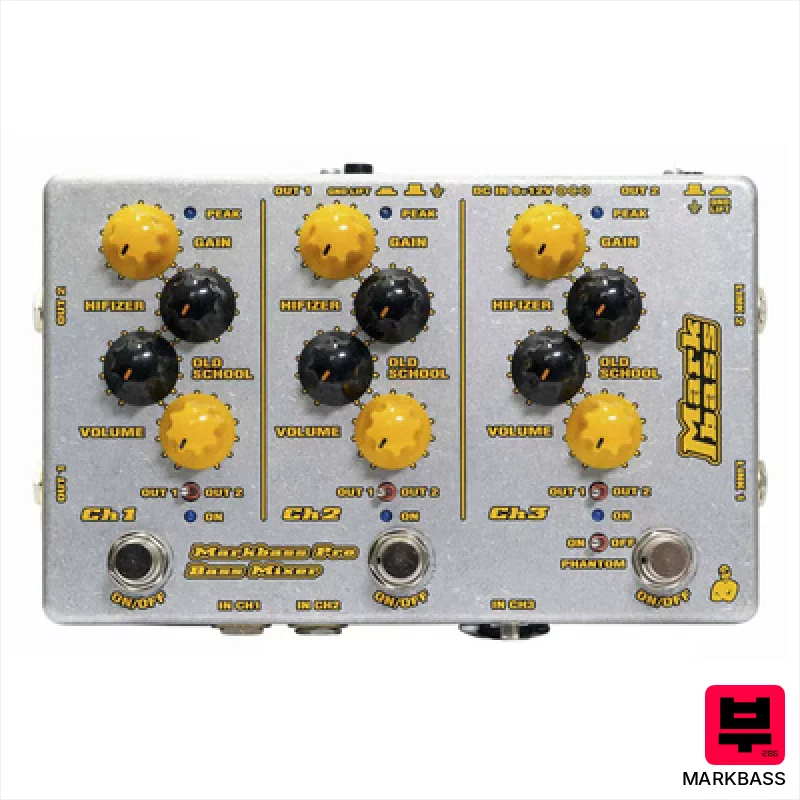
Markbass Pro Bass Mixer
- • Markbass’s Hifizer filter delivers a modern, clean, and articulate tonal shaping.
- • The 'Old School' filter provides a warm, vintage-voiced saturation and character.
- • Compact size makes it ideal for gigging bassists with limited pedalboard space.
- • Link capability expands channel count, offering flexibility for multiple instruments.
- • Limited number of channels initially; expansion requires additional modules.
- • Phantom power only on channel 3 restricts microphone usage to that input.
- • The power supply is external, adding another cable to manage on stage.
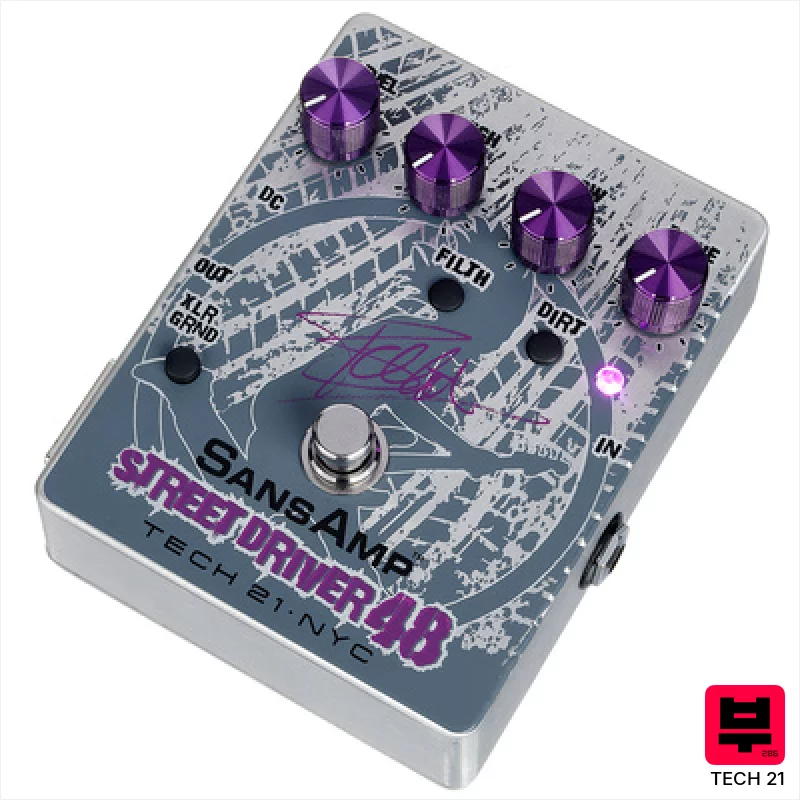
Tech 21 SansAmp Street Driver 48
- • Frank Bello's signature tone delivers aggressive, punchy, and articulate low-end.
- • The all-analog circuitry provides a warm, tube-like saturation without digital artifacts.
- • Robust metal housing ensures durability for gigging and studio use.
- • Balanced XLR output with ground lift offers noise-free connection to mixing consoles.
- • Limited control flexibility compared to more complex multi-effect units.
- • The '80s-inspired sound may not suit all modern musical styles.
- • Street Driver 48's size, while compact, can still be a factor on crowded pedalboards.
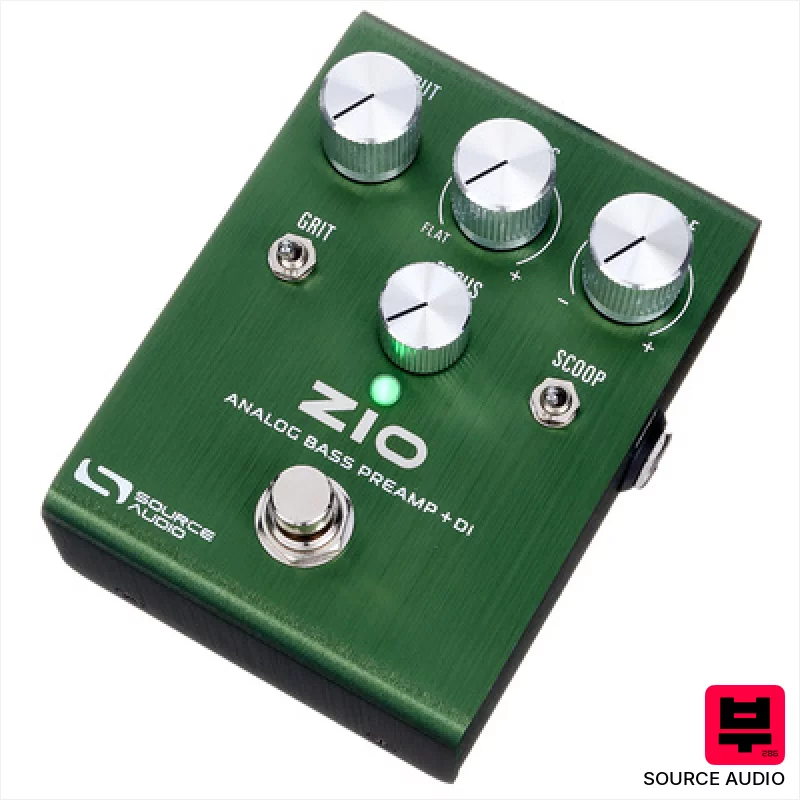
Source Audio SA 272 ZIO Analog Bass Preamp
- • Burr Brown JFET op-amp delivers exceptional clarity and headroom.
- • Anodized aluminum housing provides robust durability and a premium feel.
- • Flexible tone controls, including a high-pass filter, shape bass tones precisely.
- • XLR DI output with ground lift is a huge boon for live performance and recording.
- • Power supply not included, adding to the overall investment.
- • Relatively compact size might feel cramped for players with larger feet.
- • Limited onboard presets; best suited for players who dial in and commit.

Source Audio SA 249 One Series C4 Sy Bundle
- • Brushed aluminum housing feels incredibly robust and professional.
- • Neuro Editor unlocks truly expansive sound design capabilities.
- • Multiple oscillator waveforms offer diverse sonic textures beyond basic synths.
- • Universal bypass provides flexibility for various pedalboard setups.
- • Steep learning curve with the Neuro Editor; requires dedicated time investment.
- • Four voices might limit complexity for users desiring massive polyphony.
- • The sheer number of parameters can be overwhelming for beginners.

Darkglass Kaamos
- • Excellent recreation of vintage British amp saturation and harmonic complexity.
- • Flexible routing options allow for incredibly diverse tonal sculpting possibilities.
- • The 'Drive Mod' adds a unique, aggressive edge beyond standard distortion.
- • Solid Darkglass build quality; feels robust and will withstand gigging.
- • Complex routing can be overwhelming for beginners needing simpler distortion.
- • The 'Tone' control can be a bit narrow, limiting precise treble shaping.
- • Premium-priced, potentially prohibitive for budget-conscious bassists.

Empress Effects Bass ParaEQ
- • Exceptional low-end clarity and definition across the spectrum.
- • Hi-Z input handles piezo pickups with remarkable accuracy and warmth.
- • Dynamic low shelf provides subtle or aggressive sub-bass shaping.
- • Balanced output ensures pristine DI signal for recording and live use.
- • Relatively large footprint may be an issue on smaller pedalboards.
- • Limited overall tonal palette; primarily an EQ, not a tone-shaping effect.
- • Power consumption, while not excessive, requires a robust power supply.

Death by Audio Bass War - Fuzz
- • Delivers genuinely massive, saturated bass tones perfect for modern genres
- • Handmade NYC construction ensures robust metal housing and quality control
- • Tunable notch filter tames unruly frequencies, cleans up the fuzz
- • Excellent clean blend preserves fundamental clarity amidst the distortion
- • Relatively high current draw necessitates a strong power supply or battery changes
- • Limited tonal palette – primarily focused on fuzz and distortion sounds
- • Size and weight make it less ideal for very compact pedalboard setups
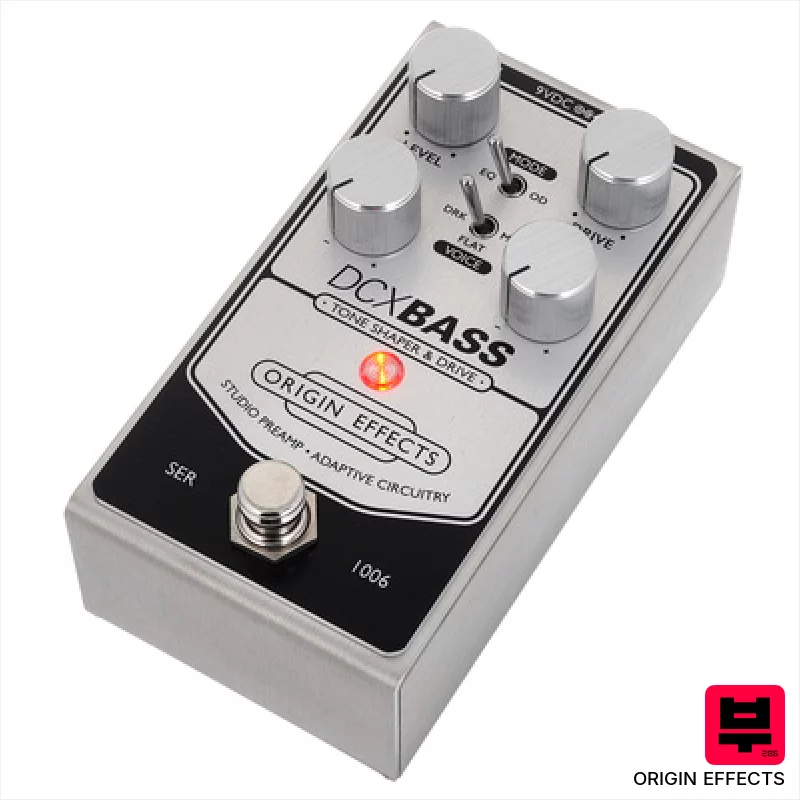
Origin Effects DCX Bass Overdrive
- • Adaptive treble response truly reacts to playing dynamics, adding clarity and articulation.
- • UK-built construction ensures robust, roadworthy build quality with premium components.
- • The 'DRK' voice setting delivers a wonderfully thick, saturated, almost fuzz-like overdrive.
- • Optimized EQ frequencies provide a natural, balanced tone for a wide range of basses.
- • Relatively high power consumption (90mA) may be a concern for battery-powered setups.
- • Limited versatility; excels in overdrive but isn’t a broad-spectrum tone shaper.
- • The size (124mm deep) can be a bit bulky on smaller pedalboards.
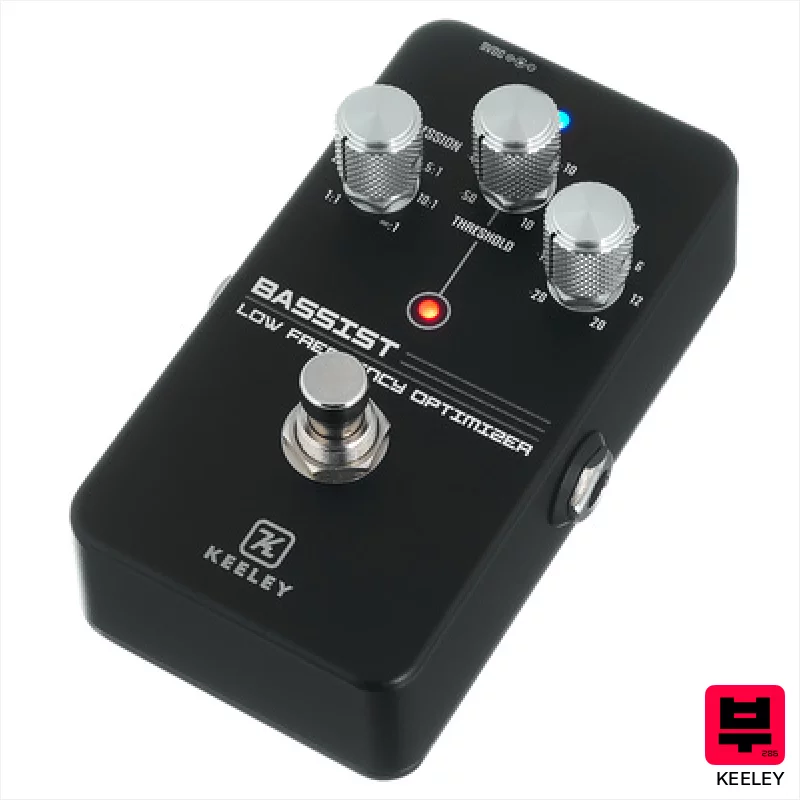
Keeley Bass Compressor 2K24
- • Chromalux finish elevates aesthetics and perceived value.
- • Threshold LED provides intuitive visual feedback on compression.
- • Keeley’s renowned build quality ensures durability and longevity.
- • Gain control allows for subtle shaping or aggressive leveling.
- • Relatively high current draw may necessitate a robust power supply.
- • Limited control set might restrict advanced compression sculpting.
- • Size (112mm) could be a constraint in smaller pedalboards.
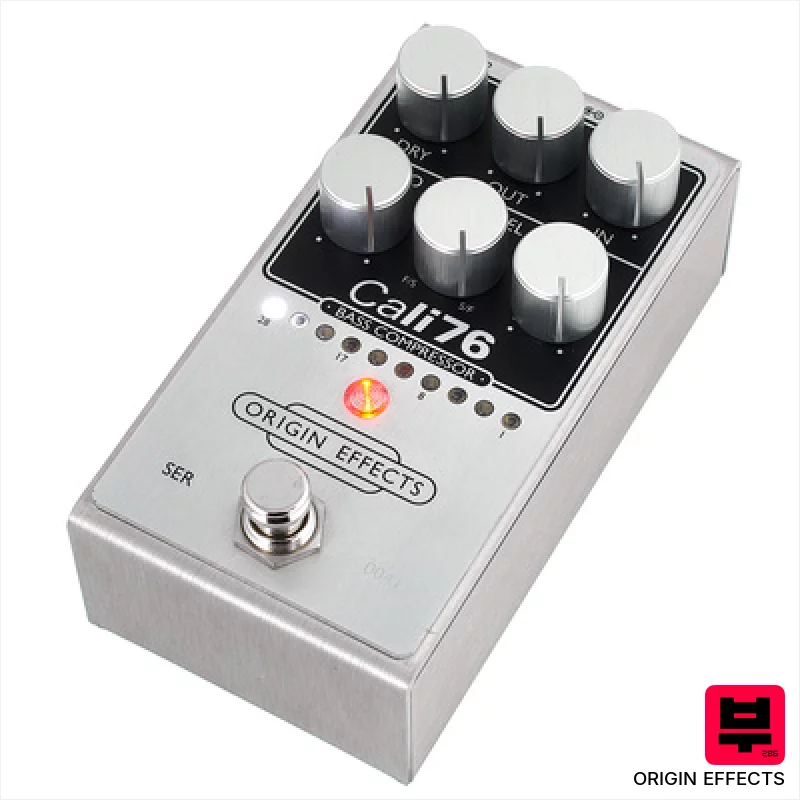
Origin Effects Cali76 V2 Bass Compressor
- • Exceptional 1176-style compression for bass clarity and punch.
- • Parallel compression control offers subtle to aggressive tone shaping.
- • Gain reduction metering provides precise control over compression depth.
- • Compact housing maximizes pedalboard space without sacrificing functionality.
- • Price point places it in a premium-priced category for bass effects.
- • Requires a standard 9V DC power supply (not included).
- • High-pass filter lacks extensive frequency range adjustment.
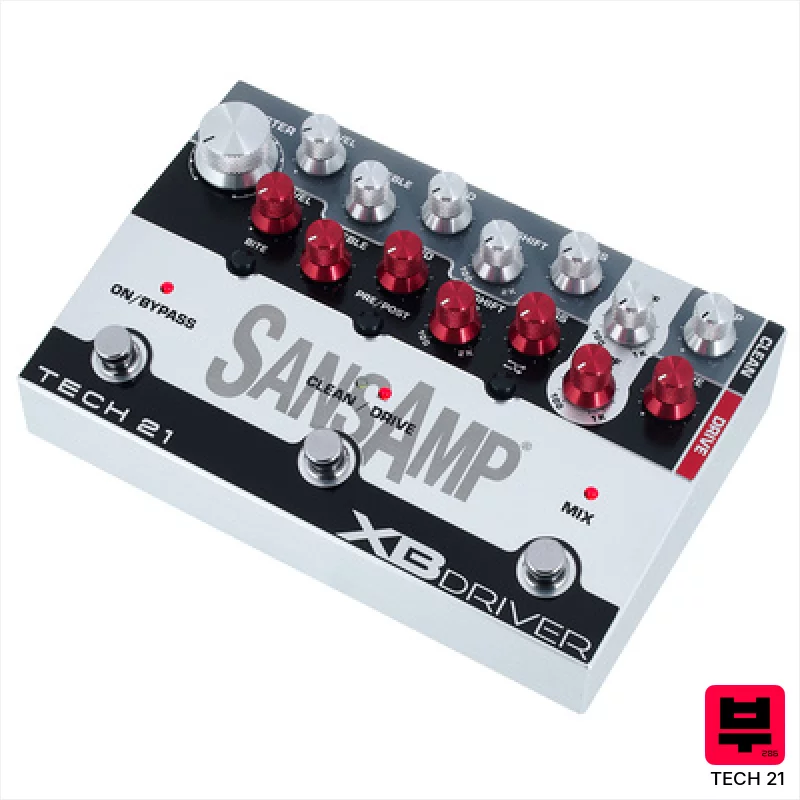
Tech 21 SansAmp XB Driver
- • Dual channels offer immense tonal flexibility for varied playing styles.
- • FET compressor adds warmth and sustain, a genuine vintage vibe.
- • CabRig outputs provide excellent amp simulation, surprisingly realistic.
- • Solid build quality; feels robust for gigging and studio use.
- • Price point places it firmly in the premium-priced category.
- • Analogue-only design lacks digital recall/preset capabilities.
- • Size can be a constraint for players with smaller pedalboards.
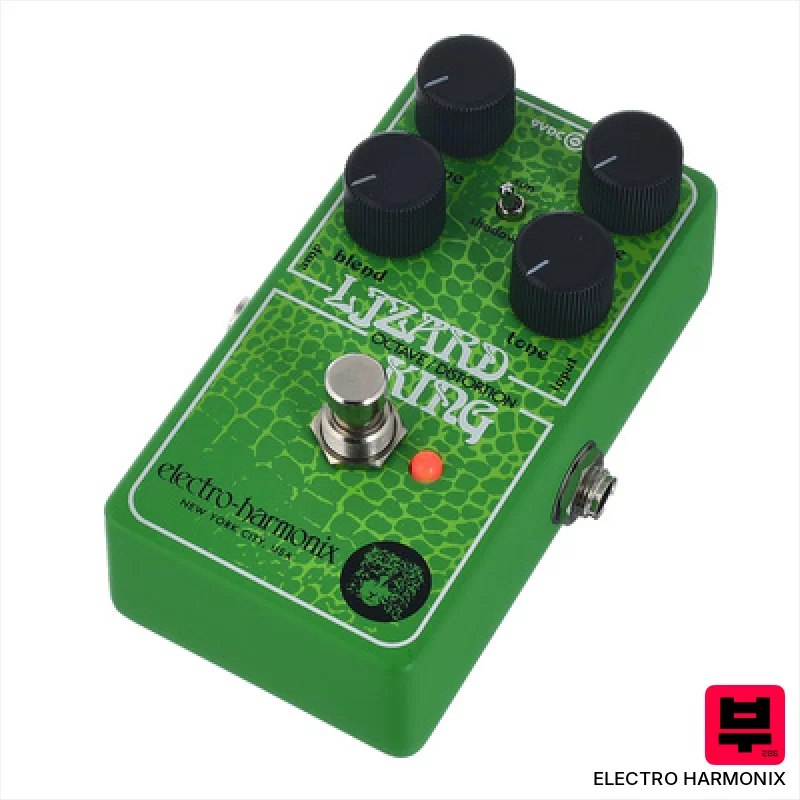
Electro Harmonix Lizard King Bass Octave Fuzz
- • Excellent low-end preservation; maintains bass frequencies unlike many octave fuzzes.
- • Blend control allows subtle octave layering or full-on fuzz saturation.
- • Sun/Shadow switch offers distinct tonal characters, from smooth to aggressive.
- • Tone control is genuinely effective at shaping the fuzz’s high-end presence.
- • Can get muddy quickly with excessive octave and blend settings; requires careful tweaking.
- • Plastic enclosure feels a little less robust than some higher-end bass pedals.
- • Limited versatility beyond octave fuzz tones; not a general-purpose bass distortion.

JAM pedals WaterFall Bass
- • Warm, analogue chorus/vibrato creates lush, swirling textures.
- • Handmade Greek construction suggests robust build quality and attention to detail.
- • True bypass preserves your bass's natural tone when the effect is off.
- • Simple, intuitive controls allow for immediate, usable sound shaping.
- • Limited control set might frustrate players needing highly nuanced effects.
- • No battery operation restricts portability and requires a power supply.
- • The effect's character leans towards vintage, less suitable for modern, aggressive tones.
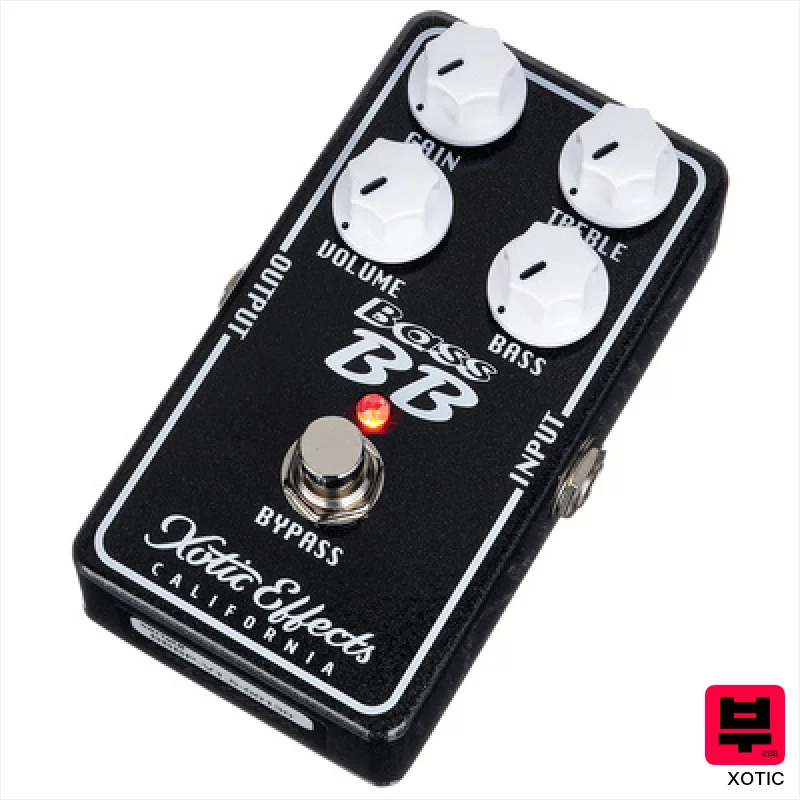
Xotic Bass BB Preamp V1.5
- • Warm, tube-like saturation adds considerable harmonic richness.
- • Effective ±30dB boost/cut provides significant dynamic shaping.
- • Solid build quality; feels robust for its size and price point.
- • Controls offer a surprisingly wide range of usable tones, from clean to grit.
- • Limited tonal versatility; excels in specific genres, less adaptable.
- • No MIDI control; a modern feature absent for complex setups.
- • Power supply not included; adds to the overall investment.
How to Choose the Best Bass Pedals
Clean Headroom
Crucial for studio bass. You want a pedal that doesn't introduce unwanted noise or compression when pushing it - especially when layering or tracking complex parts. That's headroom, not just volume.
Tonal Versatility
Studio tracking demands more than just a straight tone. Think subtle saturation, envelope filtering for texture, or even a touch of chorus for a vintage vibe - all dialed in with precision.
Dynamic Response
A pedal that reacts to your playing is key. It should enhance your articulation and ghost notes, not squash them into a muddy mess. Responsive compression and filters are your friends.
Noise Performance
Studio recordings demand silence. Any hiss or hum from your pedals will be amplified during mixing, so low noise floor is non-negotiable. Budget pedals often sacrifice here.
Mix-Friendly EQ
Bass needs to cut through, but without stepping on other instruments. Pedals with flexible EQ controls (parametric mids, high/low shelves) let you carve out space in the sonic spectrum.
Buying Guide
Don't chase the loudest, most distorted tone. Studio bass is about nuance and precision. Cheap overdrive pedals often introduce a harsh, brittle breakup that's a nightmare to mix. Spend a little more for a pedal with a wider dynamic range, better components, and a more transparent overdrive circuit. Look for true bypass switching to avoid any unwanted tone coloration when the pedal isn't engaged.
Our Methodology
We're not looking at spec sheets here. We've spent countless hours A/B'ing these pedals through various interfaces, mic setups (DI, amp sims, and real cabs), and alongside other instruments in a full band mix. Our testing focuses on how the pedals translate to a finished track, how they react to subtle dynamics, and how much flexibility they offer for different recording scenarios.

