
Best Aguilar Bass Pedals 2026
Okay, so you're looking at Aguilar bass pedals? Smart move. They've quietly become the go-to for a lot of pros, not because they're shouting about it, but because they just work-reliably and with a signature Aguilar sonic character. Forget the gimmicks; we're talking about pedals that enhance your bass tone, not mask it. Let's break down what makes them special.
Last updated: October 8, 2026
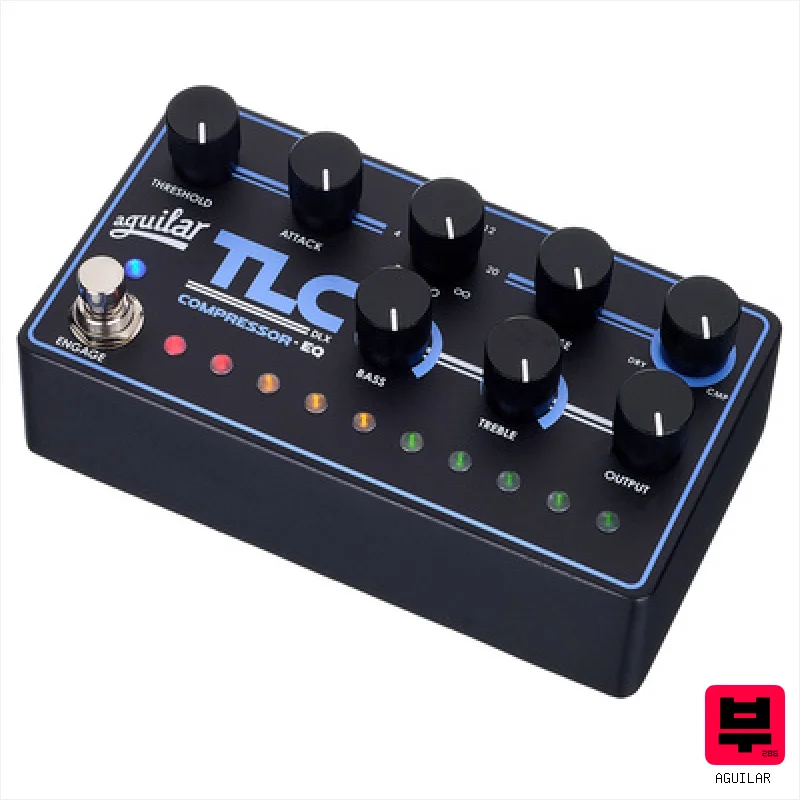
Aguilar TLC DLX
- • Ultralow noise floor ensures clean signal
- • Independent EQ and compression controls
- • Robust metal housing for durability
- • Built-in bass and treble boost
- • Power supply unit not included
- • No stated bypass mode details
- • Limited to mono jack connections
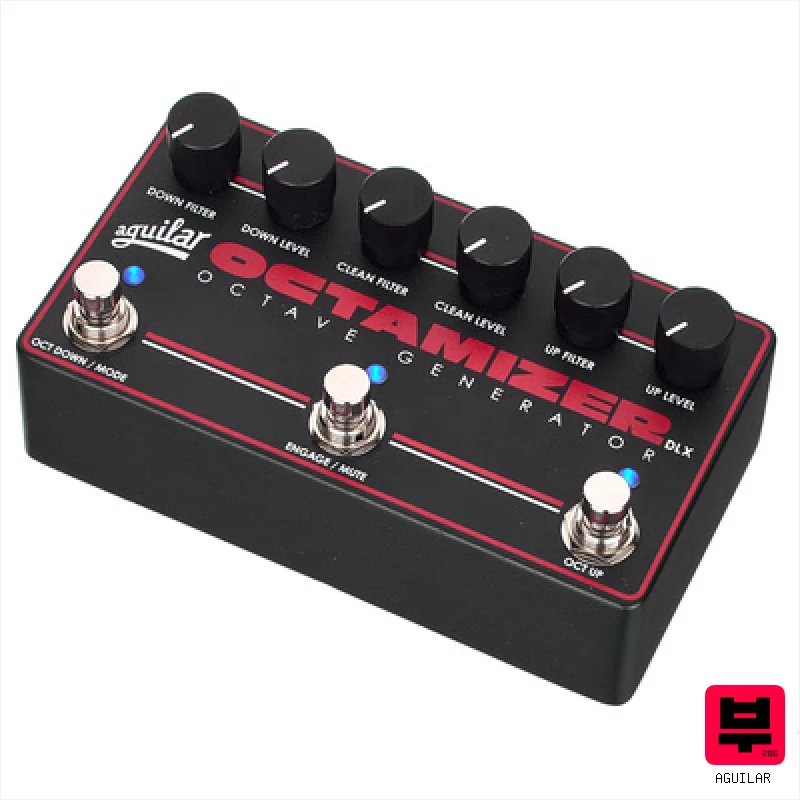
Aguilar Octamizer DLX
- • Proprietary algorithms boost classic Aguilar sound bandwidth
- • Robust metal housing protects the unit from wear
- • Three independent footswitches allow easy voice stacking
- • Advanced DSP platform handles up and down filters
- • Power supply unit is not included in the box
- • No specific frequency range numbers are listed
- • Bypass type behavior is not explicitly stated

Aguilar Filter Twin
- • Dual filters offer incredible tonal flexibility for nuanced expression.
- • Aguilar’s renowned filter circuitry delivers a smooth, musical, and responsive sweep.
- • Gig-saver bypass ensures your core tone remains unaffected when disengaged.
- • Robust aluminum enclosure provides excellent durability for gigging musicians.
- • Limited control range compared to more complex, multi-mode envelope filters.
- • Requires an external power supply, adding to the overall investment.
- • Can be overwhelming for beginners unfamiliar with envelope filter nuances.
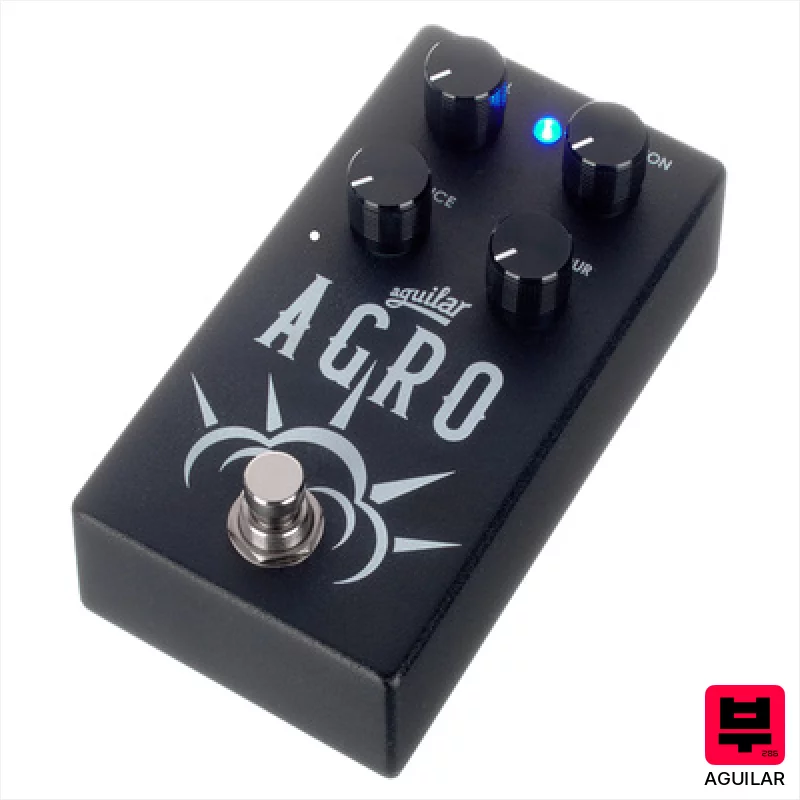
Aguilar Agro Pedal
- • Steel housing offers exceptional durability for gigging musicians
- • Contour knob delivers surprisingly wide tonal shaping possibilities
- • Midscoop at 900Hz cleans up muddiness common in bass overdrive
- • Gig saver bypass prevents total signal loss during battery drain
- • Limited control flexibility compared to multi-band or fully programmable pedals
- • Steel housing adds noticeable weight, not ideal for pedalboard travel
- • Saturation character leans towards a specific, darker overdrive tone.
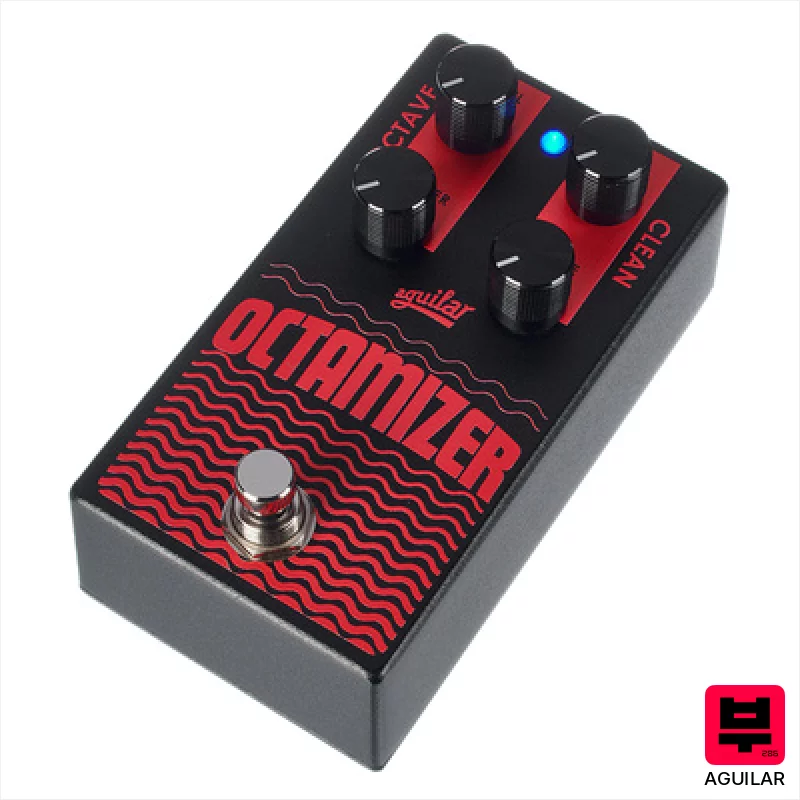
Aguilar Octamizer
- • Solid Aguilar build quality; feels robust and dependable.
- • Excellent tracking even with fast, complex lines.
- • Warm, musical sub-octave – avoids a brittle, synth-like tone.
- • Gig Saver function is genuinely useful for reliable performance.
- • Limited tonal shaping beyond the core octave effect.
- • Can muddy up a clean signal if level settings aren’t precise.
- • The octave filter isn’t as comprehensive as some competitors.
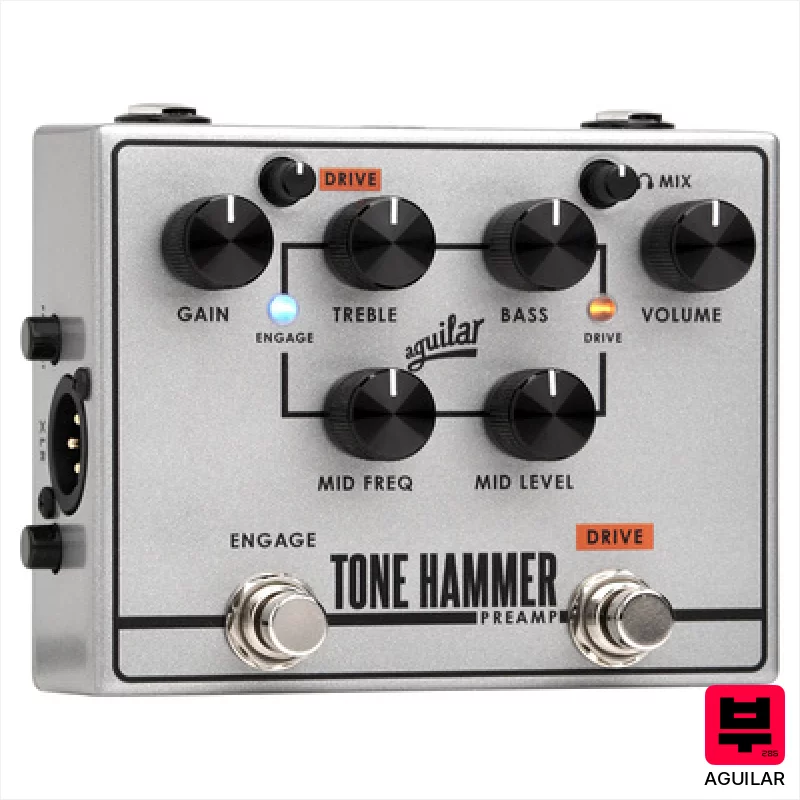
Aguilar Tone Hammer Bass Effect Pedal
- • Aguilar's drive circuit delivers a remarkably warm, vintage-voiced overdrive.
- • The fully adjustable midrange offers unparalleled tonal sculpting flexibility.
- • The DI output with ground lift is a studio and live performance essential.
- • Solid, roadworthy construction with robust footswitch and controls.
- • The unbalanced output limits its use in some high-end studio setups.
- • Requires an 18V power supply, adding to the overall investment.
- • EQ range, while versatile, might feel limiting for extreme sonic textures.
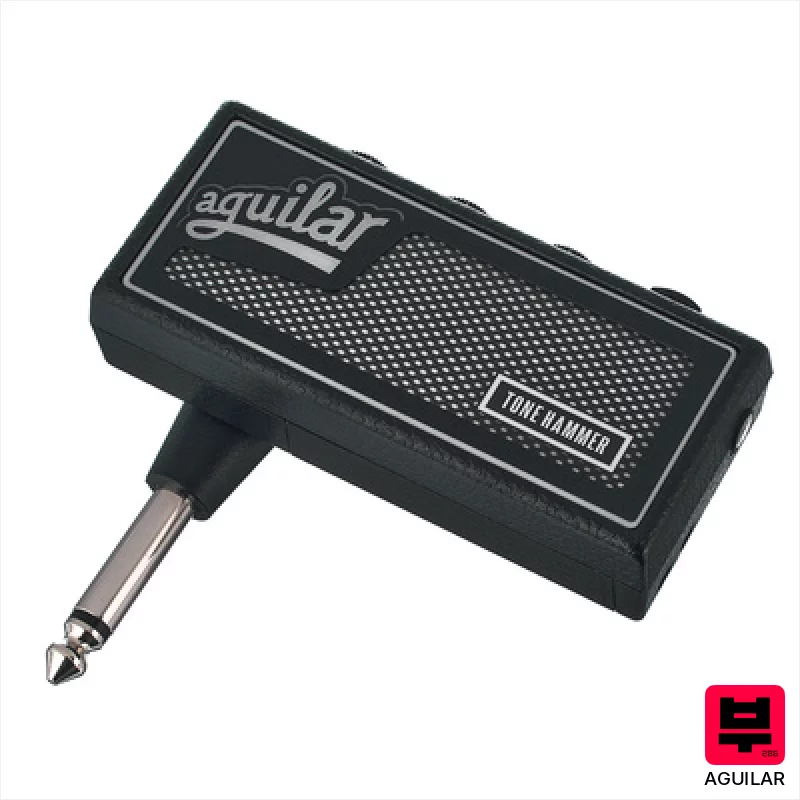
Aguilar amPlug3 Tone Hammer
- • Aguilar's signature punchy, aggressive distortion tone is surprisingly present.
- • Compact design is genuinely pocketable for silent practice anywhere.
- • Solid build quality; feels far more robust than its size suggests.
- • AUX input allows layering of backing tracks for realistic practice.
- • Battery life is decent, but AAA replacements add ongoing expense.
- • Tone Hammer’s character is very specific – lacks broad versatility.
- • Limited EQ controls restrict tonal shaping beyond the core distortion.
Bass Pedals by the numbers
Measured across all 148 models in this category, so «wide», «short» or «expensive» mean something you can check.
How to Choose the Best Bass Pedals
Heritage & Design Philosophy
Aguilar started with amplification, so their pedal design is rooted in that understanding of how bass frequencies need to be handled. It's not about creating wild effects; it's about sculpting and enhancing your existing tone-adding sustain, shaping the low-end thump, and giving you headroom.
Sonic Signature
That Aguilar 'sound'-it's hard to pin down, but it's there. Think warm, fundamental-rich overdrive with a focused midrange, avoiding that brittle, ice-picky top-end you get with some distortion pedals. It's about adding weight and presence without sacrificing clarity or articulation.
Build Quality & Reliability
Aguilar pedals are built like tanks. We're talking heavy-duty footswitches, robust enclosures, and high-quality components. This isn't a pedal you'll be replacing every year; it's something you can trust to survive the rigors of touring and countless gigs.
Dynamic Response & Articulation
Aguilar pedals react beautifully to your playing dynamics. They don't flatten out your attack or muddy the low end; instead, they amplify your nuances, letting your technique shine through, whether you're playing delicate fingerstyle or aggressive slap.
Clean Gain Staging
Aguilar pedals excel at providing clean gain for boosting your signal or creating a subtle saturation. This is a huge benefit for cutting through a dense mix or adding a touch of warmth without introducing unwanted noise or compression.
Buying Guide
Aguilar pedals aren't the cheapest option out there, and you're paying for that quality and the specific Aguilar tone. Don't fall for the 'more knobs equals better' trap; some of their simpler pedals are absolute workhorses. Consider your needs - do you need a full-blown distortion, a subtle overdrive, or just a clean boost? And always, always A/B with your existing setup - that signature Aguilar sound isn't for everyone, and it's vital to make sure it complements your bass and amp.
How This List Is Built
We don't play these instruments — we're a catalog, not a review desk, and we'd rather say so than pretend otherwise. This page covers 7 of 148 bass pedals from the Thomann catalogue, which is the largest single source of specification data in this category: 7 in detail, the rest listed with their specifications.
Position is computed, not curated. We parse the manufacturer's own description into actual values — nut width, scale, fret count, fingerboard radius, size, alloy — and rank on them: how many specifications a model has published, how many of them are measurable numbers, and how precisely it meets this page's criterion. A product image adds a little. Price is not a ranking signal: it tells you nothing about whether a neck fits your hand. The same inputs always produce the same order, so nothing here is shuffled to look fresh.
What this list is good for: narrowing a category down to a shortlist by spec and budget. What it isn't: a substitute for hearing an instrument. Before you buy, read hands-on reviews and, where you can, play it. Full methodology.

