
Best Boss Bass Pedals 2026
Alright, let's talk Boss bass pedals. For years, Boss has been a workhorse for gigging bassists - reliable, road-ready, and delivering that signature Japanese utilitarianism. They're not always the most inspiring-sounding units straight out of the box, but they're built to work, and with a little tweaking or stacking, they can be serious tone shapers. We're diving into the best they offer, because let's be honest, you probably have a Boss pedal somewhere already.
Last updated: October 8, 2026
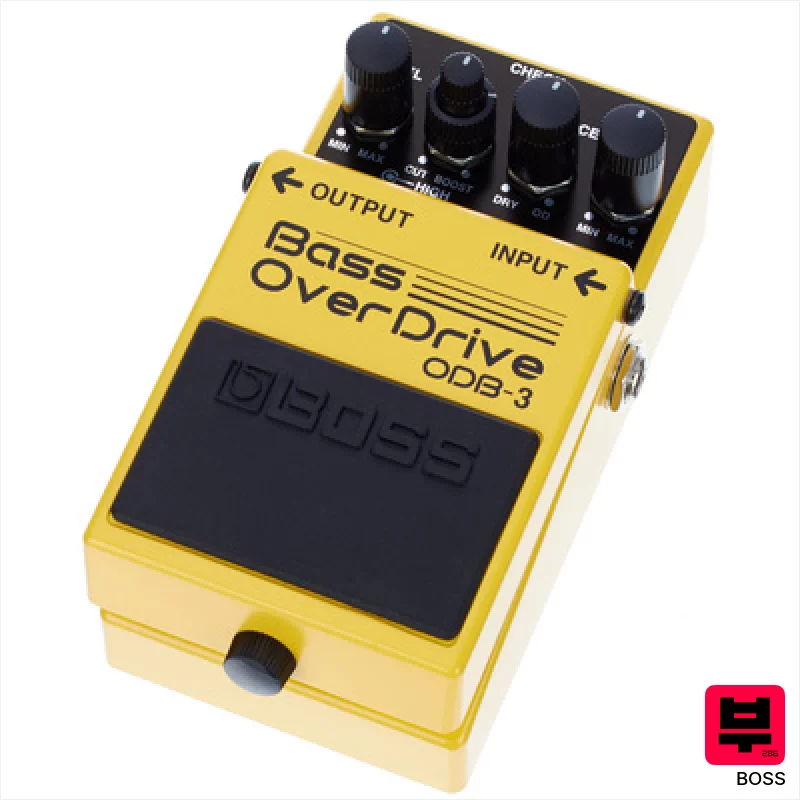
Boss ODB-3
- • Excellent low-end response, even with extreme overdrive settings.
- • The BALANCE control genuinely preserves fundamental bass frequencies.
- • Boss's renowned road-worthy build quality ensures lasting durability.
- • Simple, intuitive controls make dialing in usable tones remarkably easy.
- • Limited tonal flexibility beyond overdrive and EQ; not a full preamp.
- • Can sound a bit 'processed' if not carefully dialed – requires finesse.
- • May lack the organic warmth of a tube-driven overdrive.

Boss BC-1X Bass Compressor
- • Intelligent multiband compression sounds remarkably natural for a digital pedal.
- • 18V power supply provides a surprising amount of headroom and clarity.
- • Gain Reduction Display is genuinely useful for dialing in compression precisely.
- • Boss's robust construction ensures it can handle serious gigging and touring.
- • The 'intelligent' circuit can occasionally misinterpret complex basslines.
- • Limited control over the compression’s attack time feels restrictive.
- • While versatile, it’s not a substitute for a high-end, dedicated analog compressor.

Boss Bass Driver BB-1X
- • Boss’s Adaptive Distortion preserves low-end clarity even with high drive.
- • Blend control allows clean signal mixing for a balanced, articulate tone.
- • Balanced DI output provides a professional, noise-free recording or live signal.
- • Rugged Boss construction ensures reliable performance for years of gigging.
- • Drive can get muddy quickly if EQ isn’t carefully adjusted.
- • Limited tonal palette – primarily overdrive, less suited for clean boosts or complex effects.
- • Power supply sold separately, adding to the overall cost.

Boss LMB-3
- • Boss build quality ensures robust pedalboard reliability.
- • Enhancer subtly sweetens tone without artificiality.
- • Ratio control offers precise dynamic shaping.
- • Compact size saves valuable pedalboard real estate.
- • Limited control set might restrict advanced customization.
- • 25mA power draw can be noticeable on battery power.
- • Enhancer can occasionally introduce a slight 'sheen' to the bass.
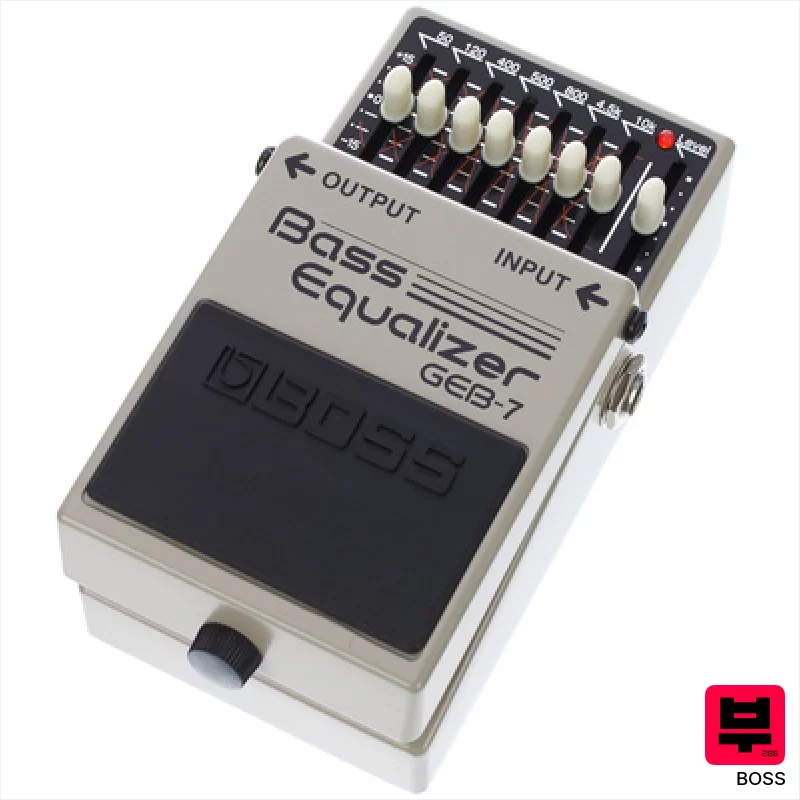
Boss GEB-7 Bass Equalizer
- • Excellent frequency range caters to diverse bass tones and styles
- • Boss’s robust build ensures pedal will withstand gigging demands
- • Precise mid-frequency controls sculpt bass character effectively
- • Simple layout allows for quick adjustments on stage or in the studio
- • Limited versatility compared to multi-band parametric equalizers
- • Slider-based design lacks the precision of rotary knobs
- • Can introduce noise if gain staging isn’t carefully managed

Boss CEB-3 Bass Chorus
- • Dedicated bass frequencies preserve low-end clarity and punch.
- • Low filter control precisely shapes the bass response for optimal tone.
- • True chorus effect delivers rich, swirling modulation without muddiness.
- • Boss’s renowned durability ensures reliable performance for years.
- • Limited control range compared to more complex chorus pedals.
- • Can sound overly subtle for players seeking extreme modulation.
- • The CEB-3’s sound signature might not suit all musical genres.
Bass Pedals by the numbers
Measured across all 148 models in this category, so «wide», «short» or «expensive» mean something you can check.
How to Choose the Best Bass Pedals
Durability
Boss pedals are built like tanks. Seriously, they've taken a beating on countless stages, and the footswitches are known for their longevity. This isn't just about aesthetics; it's about reliability when your set's about to start.
Signature Tone
That classic Boss sound - often described as a bit compressed and direct - isn't always what you're looking for, but it's a solid foundation. It's a neutral platform that allows your bass and amp to shine, but can also be tweaked with other pedals.
Ease of Use
The layouts are generally straightforward. While some can feel a little cramped, they're designed for quick adjustments on the fly, which is crucial when you're in the heat of a live performance.
Value
You're getting a lot of build quality for the price. Boss pedals aren't the cheapest, but they hold their value and are often found used at reasonable prices, making them a smart investment.
Versatility
From overdrive to chorus to synth sounds, Boss covers a lot of ground. While individual pedals might not be the absolute best in each category, their breadth of offerings gives you a lot of options for building a complete bass rig.
Buying Guide
Don't expect mind-blowing, boutique-level tones straight out of the box. Boss pedals often benefit from being part of a chain - a compressor before, an EQ after, for example. The older pedals, while robust, might lack some of the finer control of the newer generations. Ultimately, if you need something that will reliably get the job done night after night, and you're willing to put in a little effort to dial in the tone, Boss is a solid choice.
How This List Is Built
We don't play these instruments — we're a catalog, not a review desk, and we'd rather say so than pretend otherwise. This page covers 6 of 148 bass pedals from the Thomann catalogue, which is the largest single source of specification data in this category: 6 in detail, the rest listed with their specifications.
Position is computed, not curated. We parse the manufacturer's own description into actual values — nut width, scale, fret count, fingerboard radius, size, alloy — and rank on them: how many specifications a model has published, how many of them are measurable numbers, and how precisely it meets this page's criterion. A product image adds a little. Price is not a ranking signal: it tells you nothing about whether a neck fits your hand. The same inputs always produce the same order, so nothing here is shuffled to look fresh.
What this list is good for: narrowing a category down to a shortlist by spec and budget. What it isn't: a substitute for hearing an instrument. Before you buy, read hands-on reviews and, where you can, play it. Full methodology.

