
Best Active Stage Monitors Under $5,000 2026
Alright, so you need stage monitors and you're smart enough to not blow your entire gig budget on them. Getting decent wedge monitors under $5000 is totally doable, but you gotta know what you're looking for. We're talking about getting enough headroom to cut through a loud band without sounding brittle or muddy, and that's a surprisingly tricky balance. This isn't about the flashiest features; it's about reliable performance on stage, night after night.
Last updated: April 11, 2026

dB Technologies FM12 Monitor Bundle
- • Excellent coaxial design provides consistent sound across the stage
- • Robust nylon covers offer reliable protection from bumps and spills
- • The FRFR response is surprisingly clean and versatile for a monitor
- • Solid build quality; feels durable enough for regular gigging
- • Weight at 17kg each makes transport a significant consideration
- • Limited EQ options on the onboard DSP require external processing for complex mixes
- • Coaxial design may not be ideal for all stage environments; potential for feedback
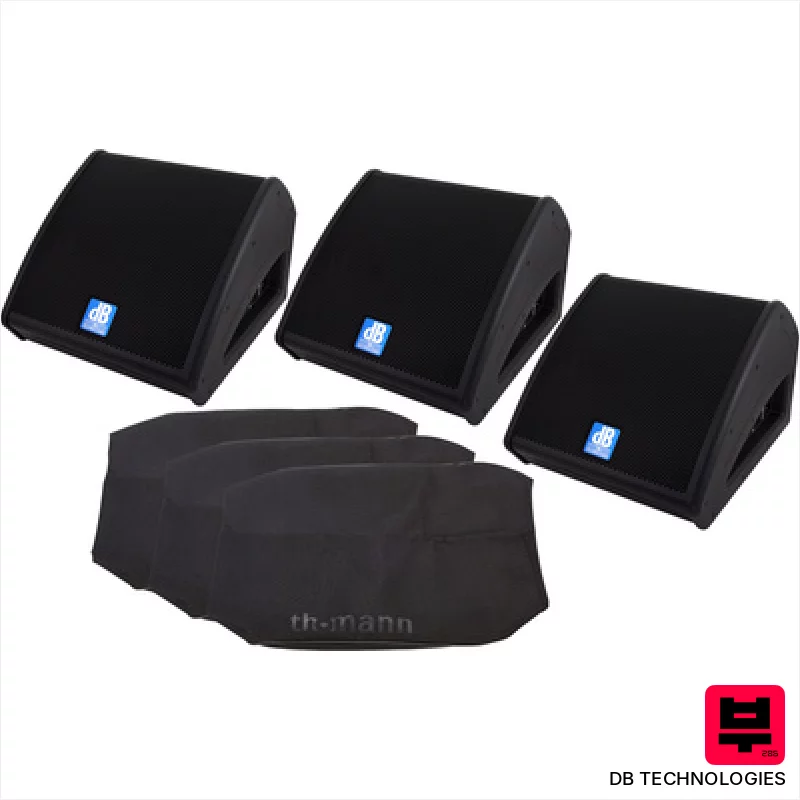
dB Technologies Flexsys FM10 Bundle
- • Coaxial design offers surprisingly wide, even sound coverage.
- • Robust nylon covers provide excellent protection during transport.
- • The digipack amplifier delivers clean power without excessive distortion.
- • Compact size and manageable weight for stage monitor applications.
- • Limited low-end extension compared to larger PA systems.
- • Plastic enclosure, while durable, lacks the premium feel of aluminum.
- • Connections are somewhat basic; lacks advanced routing options.

DAS Audio EVENT-M210A-230
- • Birch plywood enclosure offers excellent resonance damping and durability.
- • The 60°x20°/30° dispersion is surprisingly well-controlled for a stage monitor.
- • Class-D amplification delivers ample power without excessive heat or weight.
- • EASY-DSP provides convenient, accessible EQ adjustments for quick optimization.
- • The vertical dispersion, while controllable, might be limiting for some applications.
- • At 23.5kg, these are a bit hefty for frequent single-person transport.
- • Limited input options – only two inputs restricts flexibility in complex setups.
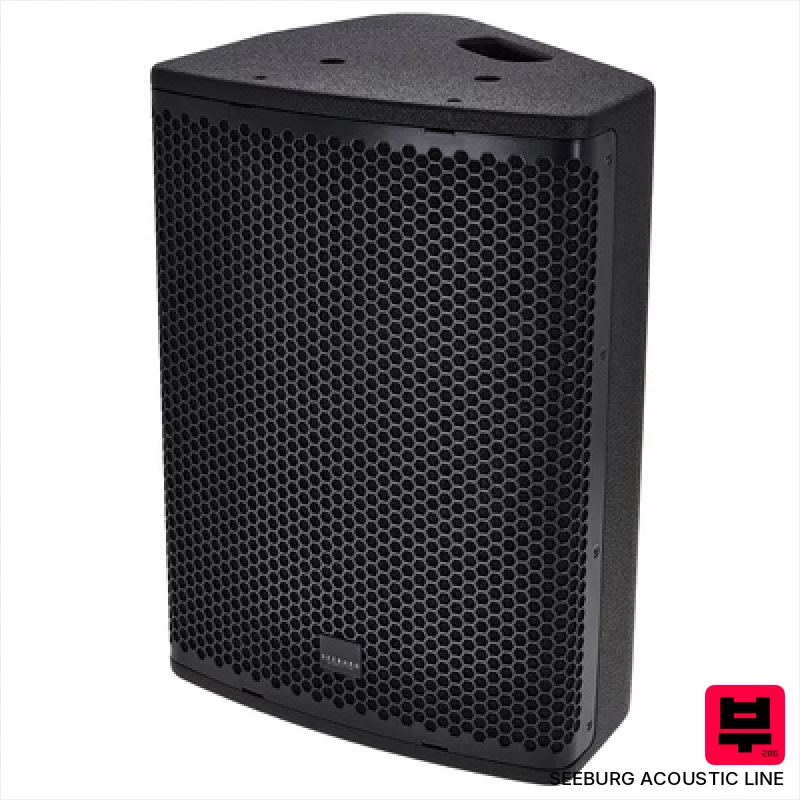
Seeburg Acoustic Line X6 dp
- • Baltic birch construction ensures exceptional durability and resonance.
- • Coaxial design provides remarkably consistent coverage and imaging.
- • Neodymium drivers deliver impressive power with reduced weight compared to ferrite.
- • Rotatable horn offers flexibility for various stage configurations and aiming.
- • The 15.5kg weight makes transport and setup a two-person job.
- • Premium-priced, placing it beyond the reach of budget-conscious users.
- • Limited EQ controls onboard necessitate external processing for complex sound shaping.
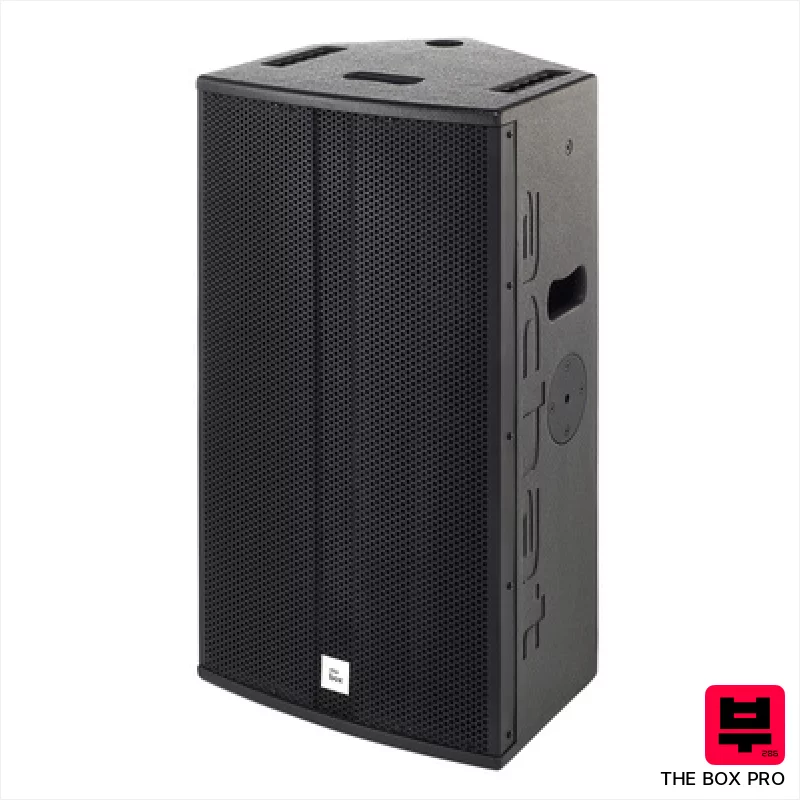
the box pro Achat 115 MA MKII
- • Robust 15’ woofer delivers surprisingly tight, controlled low-end.
- • High-output compression driver offers clear, articulate high frequencies.
- • Integrated presets provide useful tonal shaping for various applications.
- • Aeroquip rail and mounting lugs enhance versatility for stage setups.
- • Weight (38.7 kg) makes transport a two-person job, especially for smaller gigs.
- • EQ is basic; more advanced users might desire more comprehensive control.
- • 60° x 40° coverage may be narrow for wider stages, requiring careful placement.
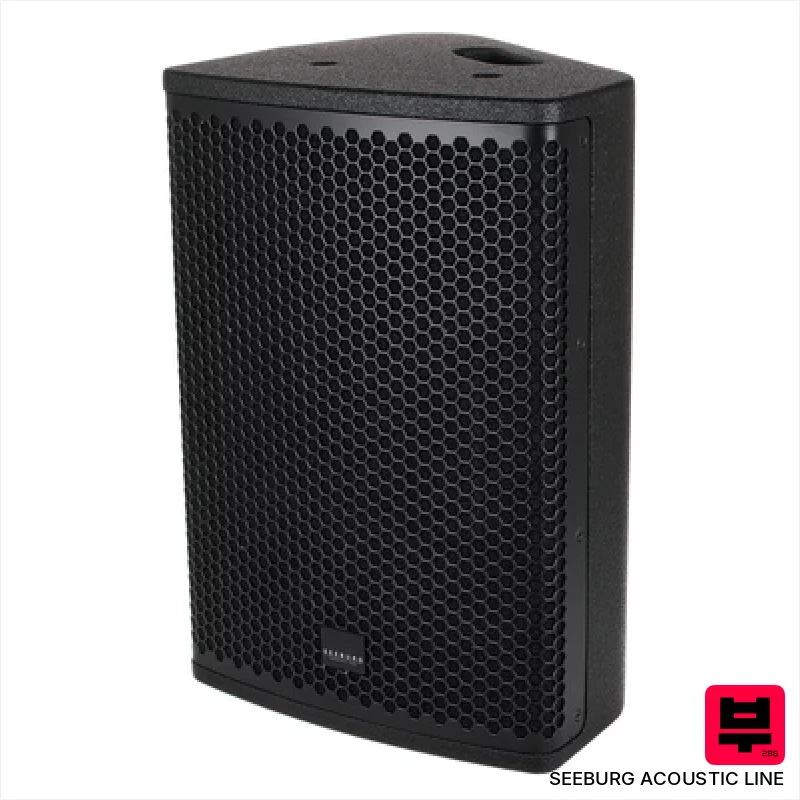
Seeburg Acoustic Line X4 dp
- • Baltic birch construction ensures exceptional durability and resonance.
- • Coaxial design provides surprisingly wide and consistent coverage.
- • Neodymium drivers deliver powerful output with reduced weight compared to ferrite.
- • Rotatable horn allows for flexible aiming and controlled directivity.
- • The weight, while reasonable for its power, can still be a challenge for solo rig setups.
- • The polyurea coating, while protective, might feel slightly less premium than a full wood finish.
- • The limited connection options might require external DSP for complex routing needs.

RCF NX 915-SMA
- • Robust plywood cabinet provides excellent durability for stage use.
- • The compression driver delivers clear highs without harshness or fatigue.
- • Powerful Class-D amp provides ample headroom for demanding applications.
- • The integrated limiter protects components from overload and distortion.
- • Weight (20kg) makes transport and setup a two-person job.
- • Coverage pattern, while adequate, might be restrictive for very wide stages.
- • Limited EQ controls compared to some competitors; requires external processing for fine-tuning.
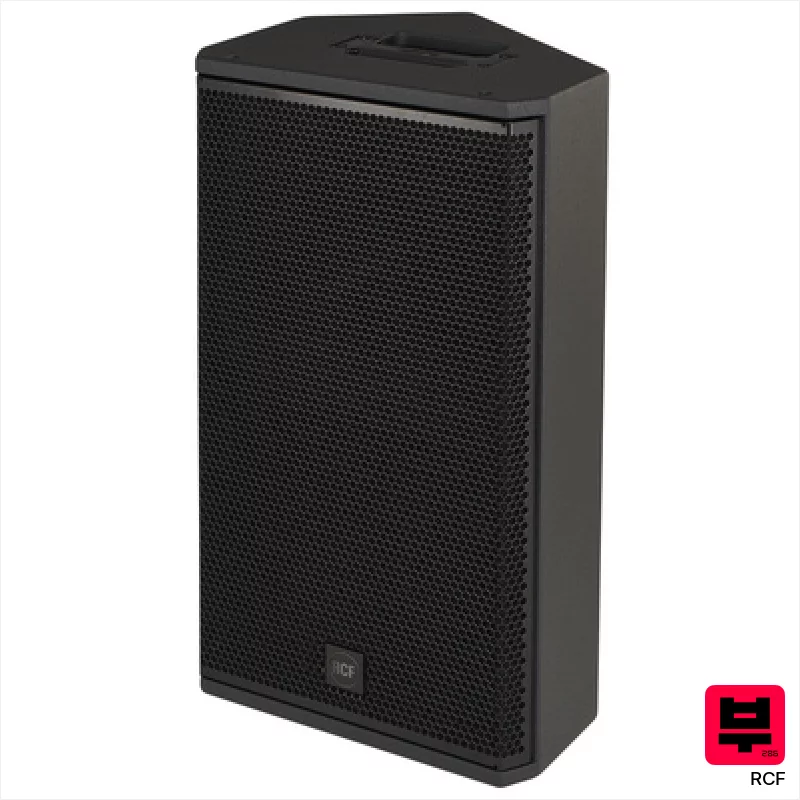
RCF NX 912-SMA
- • Robust plywood cabinet provides excellent resonance and durability.
- • The compression driver delivers clear, articulate highs even at high levels.
- • Class D amplification offers efficient power with minimal heat generation.
- • The angled design and handles make it practical for stage monitoring applications.
- • The substantial weight makes transportation a two-person job at larger venues.
- • While versatile, it might lack the extreme low-end punch for dedicated bass-heavy EDM.
- • The coverage pattern, while adequate, isn't as wide as some competing monitors.
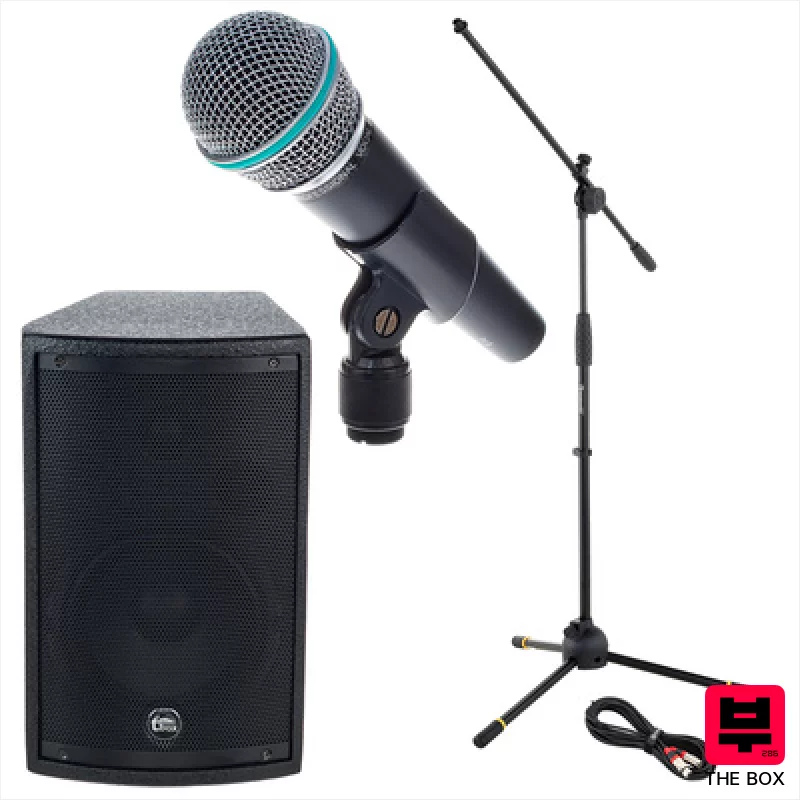
the box Six Mix Singer Start Set
- • Wooden cabinet provides surprising resonance and reduces unwanted vibrations.
- • Built-in effects processor offers usable presets for quick vocal enhancement.
- • Combo XLR/6.3mm inputs simplify connectivity for various microphone and line sources.
- • Compact size and lightweight design (5.8kg) make it easily portable for small gigs.
- • 70W RMS power is limiting; struggles with larger venues or louder bands.
- • EQ is basic (2-band channel, 3-band main); lacks precision for critical mixing.
- • The included microphone (t.bone MB 85) is a budget option; coloration is noticeable.

DAS Audio Action-M512A
- • The bi-amp Class-D design delivers impressive power and headroom for its size.
- • Integrated DSP offers flexible voicing options, simplifying monitor mixing on the fly.
- • Robust 12” woofer provides a surprisingly full and punchy low-end response.
- • The 1” compression driver offers clear highs without excessive harshness or fatigue.
- • At nearly 20kg, it's a hefty monitor, limiting portability for solo acts.
- • 80° x 50° dispersion might be restrictive for wider stage setups requiring more coverage.
- • While versatile, the DSP presets may not suit all mixing engineer preferences.
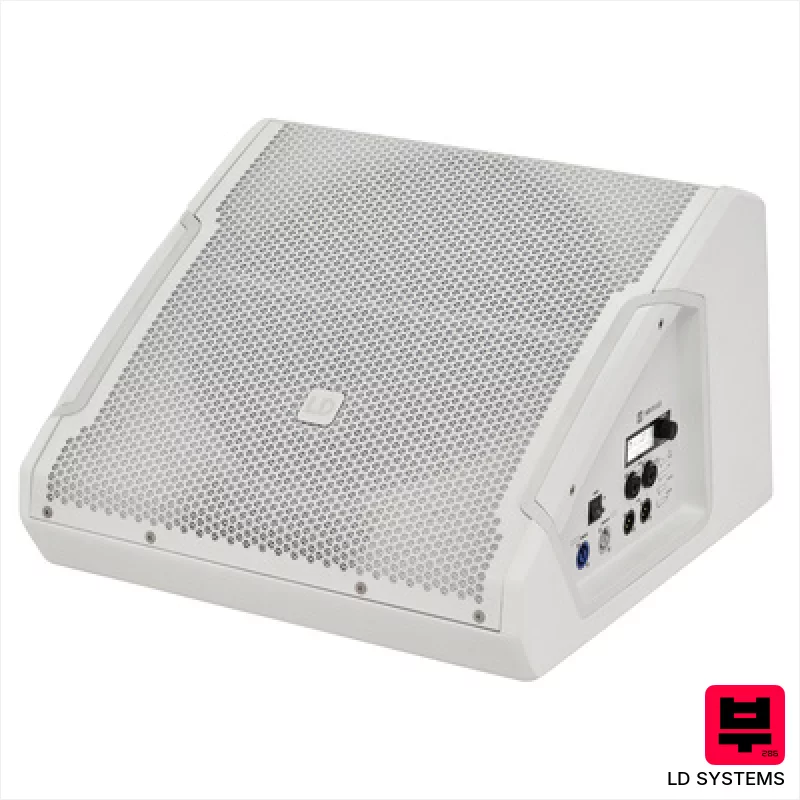
LD Systems MON 15 A G3 W
- • Birch multiplex housing offers exceptional resonance and durability.
- • DynX DSP provides precise EQ control and excellent feedback suppression.
- • Coaxial design delivers remarkably consistent coverage and imaging.
- • Powerful Class-D amp ensures clean, headroom-rich performance at high volumes.
- • The white finish might show scuffs and marks easily on stage.
- • While versatile, the EQ presets may not suit all mixing preferences.
- • The substantial weight makes transportation and setup a two-person job.
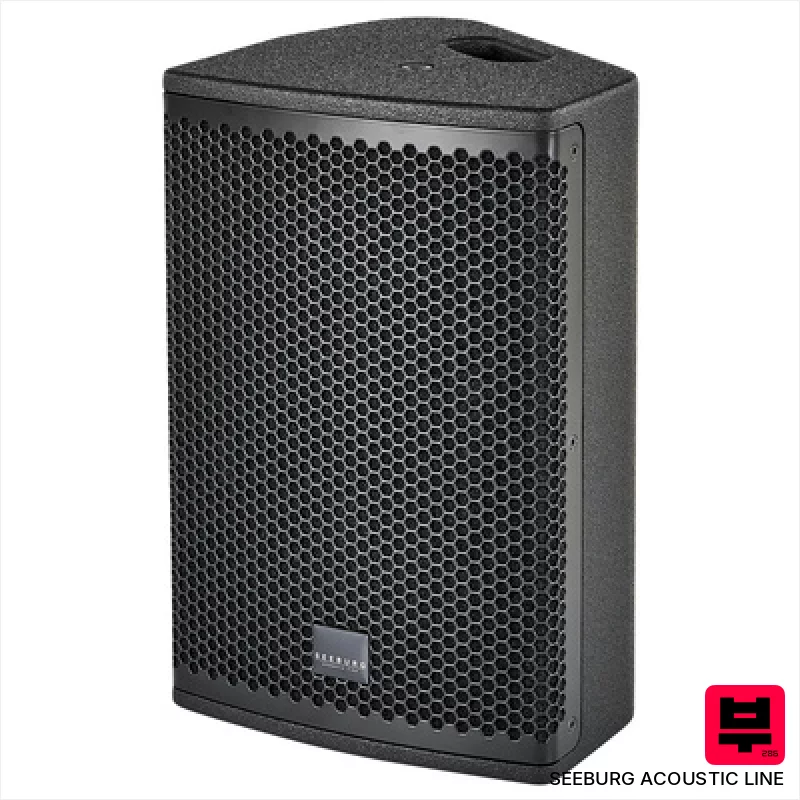
Seeburg Acoustic Line X2 dp
- • Baltic birch construction ensures exceptional durability and resonance.
- • Coaxial design delivers remarkably consistent coverage and imaging.
- • Neodymium drivers offer impressive power and efficiency for their size.
- • Rotatable horn provides flexible vertical coverage for various stage setups.
- • 8kg is relatively heavy for a monitor, limiting portability for solo performers.
- • The polyurea coating, while durable, might feel less premium than a lacquered finish.
- • Limited EQ controls on board require external processing for detailed shaping.

LD Systems MON 12 A G3 W
- • Birch multiplex housing delivers excellent resonance and durability.
- • DynX DSP provides remarkable clarity and controlled feedback rejection.
- • Coaxial driver design offers surprisingly wide, consistent coverage.
- • Powerful Class-D amp handles demanding gigs with ease.
- • White finish might not suit all stage aesthetics or preferences.
- • Weight (17.4kg) makes transportation a bit cumbersome for solo performers.
- • Limited EQ flexibility compared to full-featured mixing consoles.
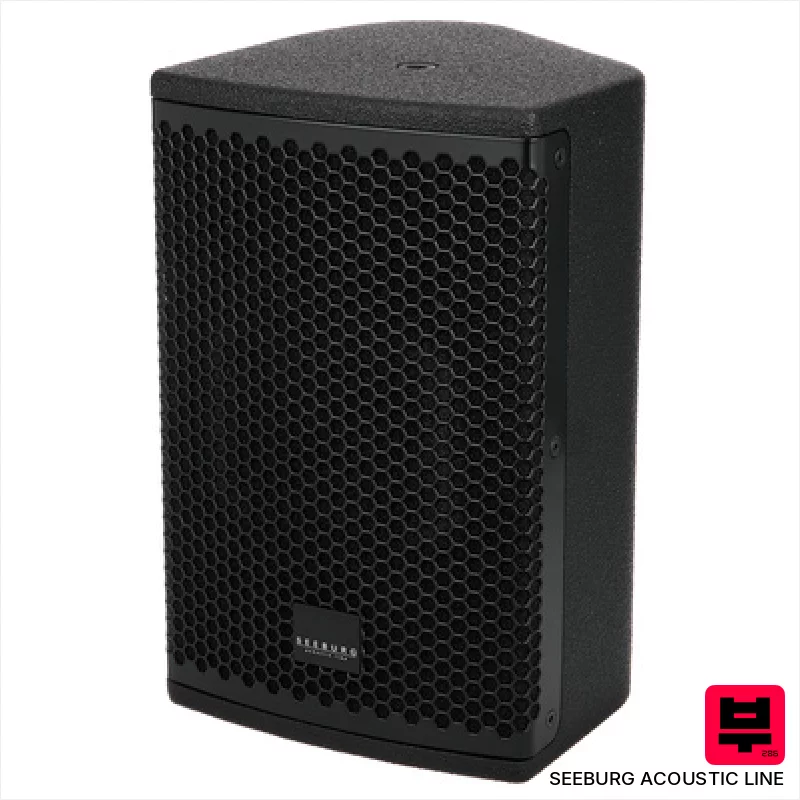
Seeburg Acoustic Line X1 dp
- • Baltic birch construction ensures exceptional durability and resonance.
- • Coaxial design provides remarkably consistent coverage and imaging.
- • Neodymium drivers deliver efficient power and tight, controlled bass response.
- • Rotatable horn offers versatile coverage options for various stage setups.
- • 5.5kg is surprisingly heavy for a speaker of this size; portability limited.
- • Polyurea coating, while durable, might feel slightly less premium than a full wood finish.
- • Lacks internal DSP; reliant on external processing for complex sound shaping.
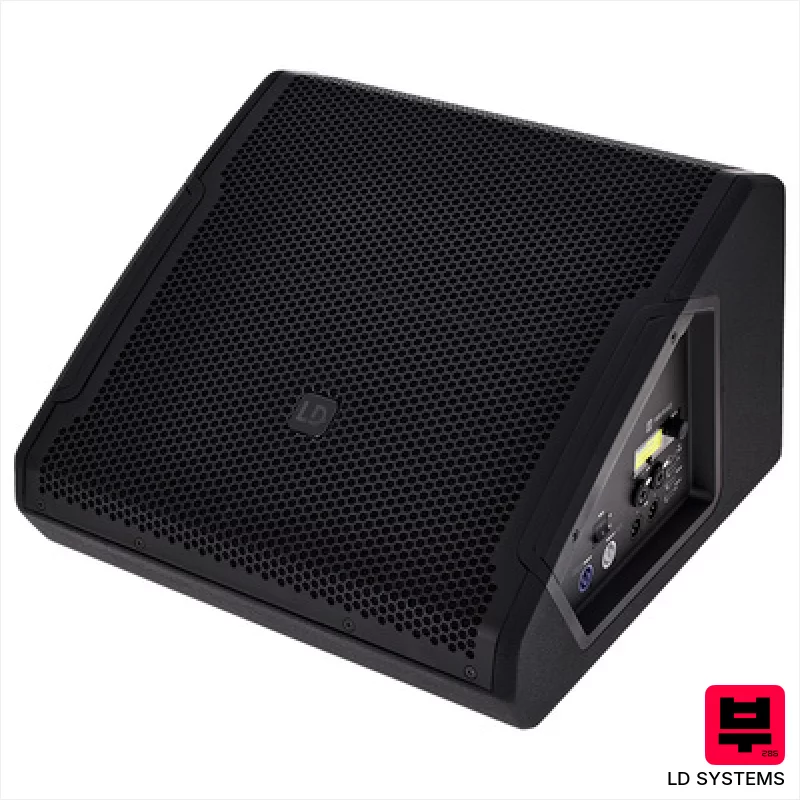
LD Systems MON 15 A G3
- • Birch multiplex enclosure provides excellent resonance and durability.
- • DynX DSP offers genuinely useful presets for various monitoring scenarios.
- • Coaxial design delivers surprisingly accurate imaging for a stage monitor.
- • Robust Class-D amplifier ensures clean power and efficient operation.
- • Weight (23.2 kg) makes transport a challenge for solo performers.
- • EQ, while present, lacks the precision of higher-end studio monitors.
- • Limited versatility beyond stage monitoring; not ideal for front-of-house duties.
How to Choose the Best Active Stage Monitors
Headroom & Power
This is paramount. You need enough clean power to handle dynamic peaks without distortion. Expect around 1200-1600 watts peak power for a decent 12" monitor, less for smaller sizes. Insufficient headroom means a compressed, lifeless sound.
Frequency Response & Clarity
Look for a balanced response - not too scooped in the mids (that'll make you sound thin) and not overly hyped in the bass (muddy mix). Good articulation is key; you need to hear your instrument clearly, not just a low-end thump.
Coverage Pattern
A wider horizontal dispersion is generally better for stage monitoring, ensuring more people hear you clearly. Vertical dispersion is less critical, but some models offer adjustable angles to control reflections.
Build Quality & Durability
Stage monitors take a beating. Solid construction, robust grilles, and reliable power amps are essential. Check reviews for common failure points - blown fuses, flaky connectors, etc.
EQ & Routing
Basic EQ controls (high, mid, low) are a must. Some monitors offer more advanced features like parametric EQ or multiple input channels, which can be a huge help for dialing in your sound.
Buying Guide
At this price point, you're going to find trade-offs. Don't expect studio-grade neutrality. You'll likely be sacrificing some of the nuanced detail you'd get from higher-end monitors. Watch out for models that claim incredible power but sound thin or distorted at moderate volumes - that's often a sign of cheap components. Spending a bit more on a brand with a reputation for reliability will save you headaches down the road.
How This List Is Built
We don't play these instruments — we're a catalog, not a review desk, and we'd rather say so than pretend otherwise. This page ranks 15 active stage monitors from the Thomann catalogue, which is the largest single source of specification data in this category.
Position is computed, not curated. Four signals, in order of weight: how completely the manufacturer documents the instrument (number of published specifications), where it sits in the price range, how specific the model designation is — which filters out generic accessories — and whether a product image exists. The same inputs always produce the same order, so nothing here is shuffled to look fresh.
What this list is good for: narrowing a category down to a shortlist by spec and budget. What it isn't: a substitute for hearing an instrument. Before you buy, read hands-on reviews and, where you can, play it. Full methodology.

