
Best Shure Wireless Microphones with Headset Microphone 2026
Alright, so you're needing a wireless headset mic - probably for vocals, maybe for brass or woodwinds, maybe even for a silent stage monitor. Shure's been the go-to for serious players for decades, and for good reason. They've built a reputation on rock-solid reliability and a sound that cuts through, and their wireless headset options are no exception - but they aren't all created equal. Let's break down the best Shure wireless headset options for your needs.
Last updated: April 11, 2026

Shure SLXD 8x DH5T/O G59 Set
- • Robust galvanized steel receiver offers exceptional durability for stage use.
- • DH5T/O headset's DuraPlex construction ensures reliable performance and longevity.
- • IR sync simplifies pairing, crucial for fast setup and complex productions.
- • Excellent 118dB dynamic range minimizes noise and maximizes clarity.
- • The system's substantial weight (1.9kg) can be cumbersome for extended use.
- • High-end price point limits accessibility for smaller venues or budget-conscious users.
- • While versatile, the 470-608 MHz band may face interference in densely populated areas.
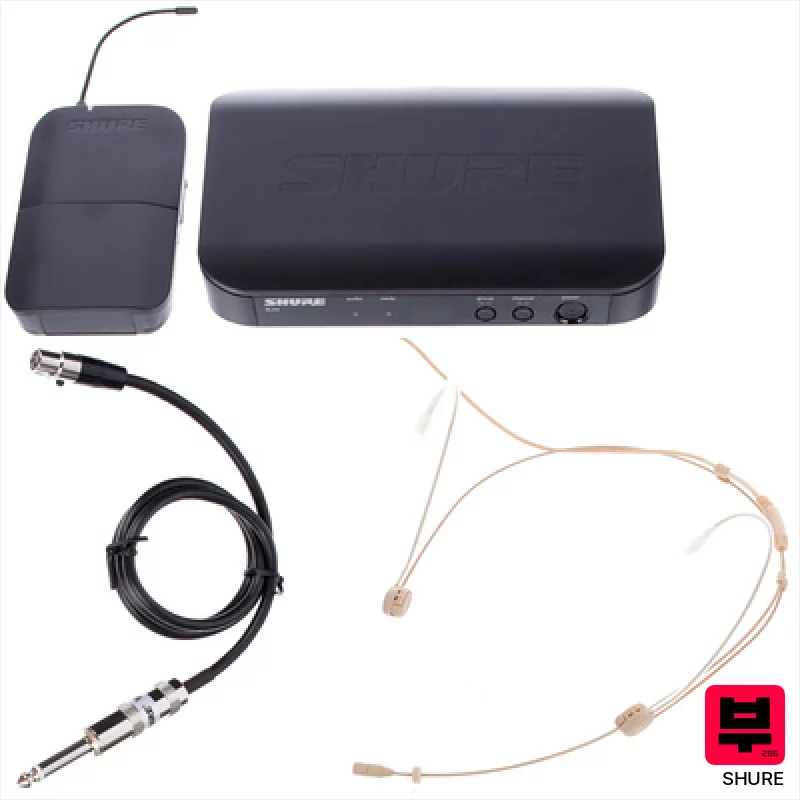
Shure BLX14 T11 HeadmiKe O Bundle
- • Shure reliability ensures robust performance on stage or in practice.
- • The T11 frequency range offers relatively clean operation in many regions.
- • HeadmiKe’s omnidirectional pickup captures vocals clearly, even with movement.
- • BLX system’s Quick-Scan simplifies frequency selection, saving setup time.
- • BLX system's range is limited compared to higher-end Shure wireless options.
- • HeadmiKe’s omni pattern picks up more ambient noise – not ideal for loud environments.
- • Plastic receiver feels noticeably less durable than metal-bodied Shure units.
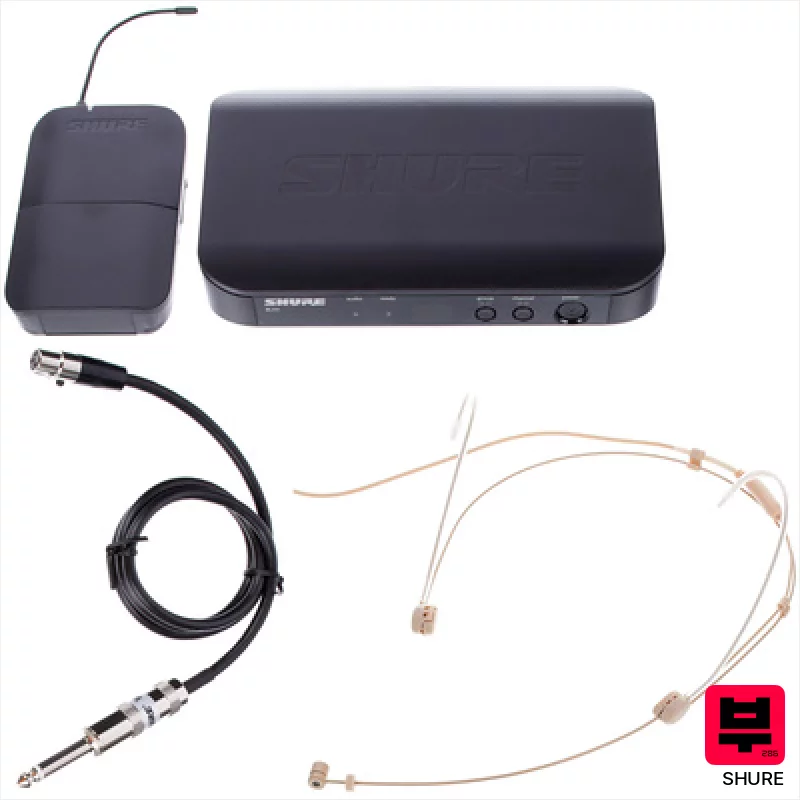
Shure BLX14 T11 HeadmiKe D Bundle
- • Shure reliability ensures consistent, clear wireless audio performance.
- • The T11 frequency range offers good availability in many regions.
- • HeadmiKe's cardioid pattern minimizes stage noise and feedback effectively.
- • Lightweight headset allows for comfortable extended use during performances.
- • BLX system is aging technology; lacks modern features like Bluetooth or digital encryption.
- • Plastic receiver feels less robust compared to Shure's higher-end metal builds.
- • Limited frequency selection within the T11 band can be restrictive in crowded RF environments.
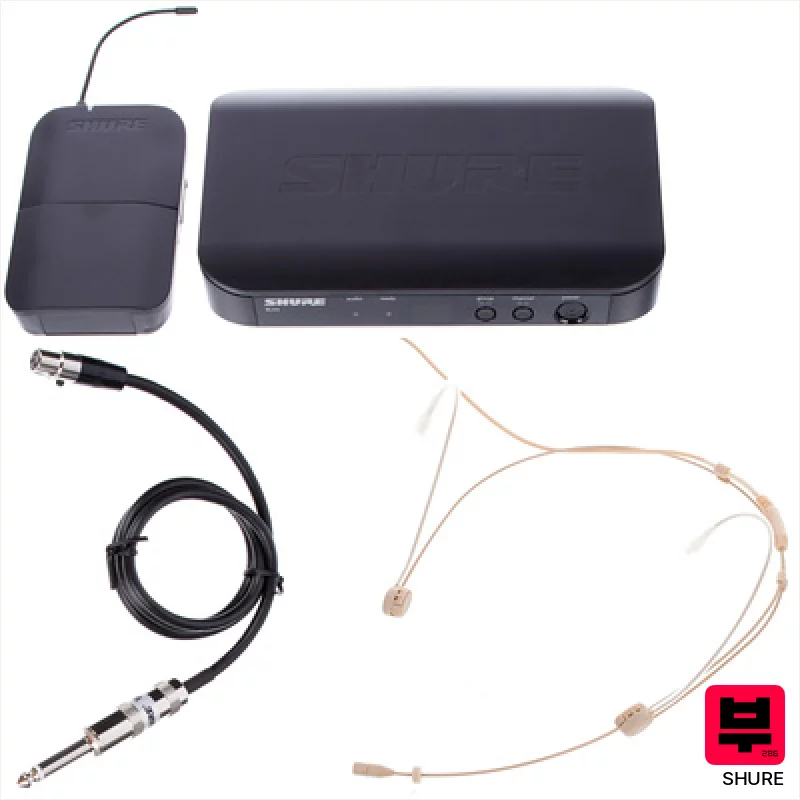
Shure BLX14 S8 HeadmiKe O Bundle
- • Shure’s reliable UHF system offers excellent RF stability.
- • The HeadmiKe O's omni pattern captures clear vocals even with movement.
- • TQG connector ensures a secure, low-noise connection to the bodypack.
- • Lightweight headset allows for comfortable extended use during performances.
- • BLX series is aging tech; lacks modern features like digital encryption.
- • Omnidirectional pickup is susceptible to stage noise and feedback.
- • Plastic receiver construction feels less robust than Shure’s higher-end options.
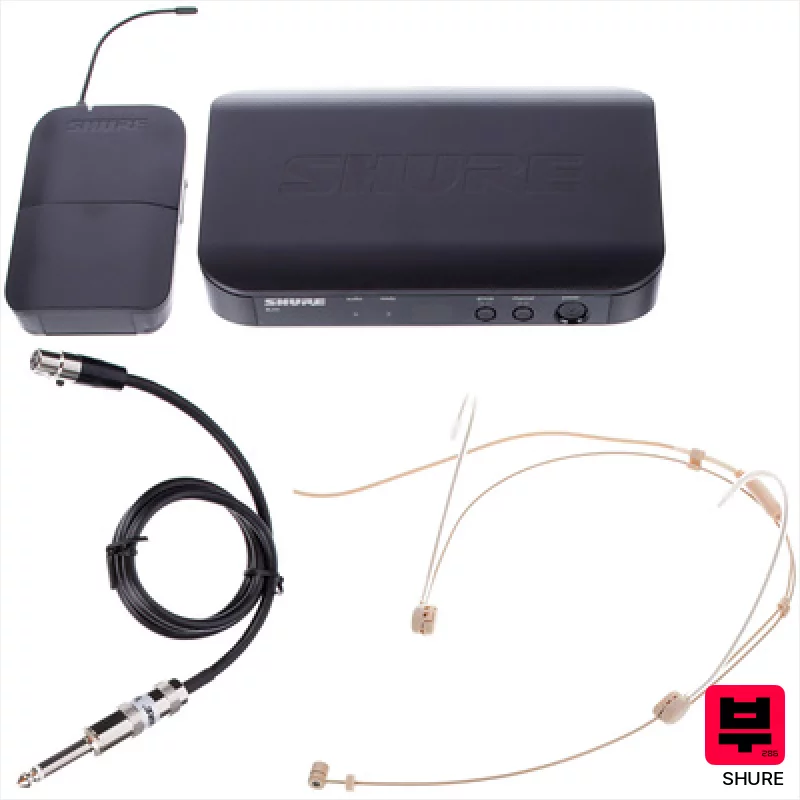
Shure BLX14 S8 HeadmiKe D Bundle
- • Shure reliability & sound quality are consistently excellent
- • BLX system offers simple setup and robust performance
- • HeadmiKe's cardioid pattern minimizes stage noise effectively
- • TQG connector ensures a secure and reliable wireless connection
- • BLX series is aging tech; lacks modern features like Bluetooth
- • Plastic receiver feels less premium than all-metal options
- • Limited frequency range may cause interference in crowded RF environments
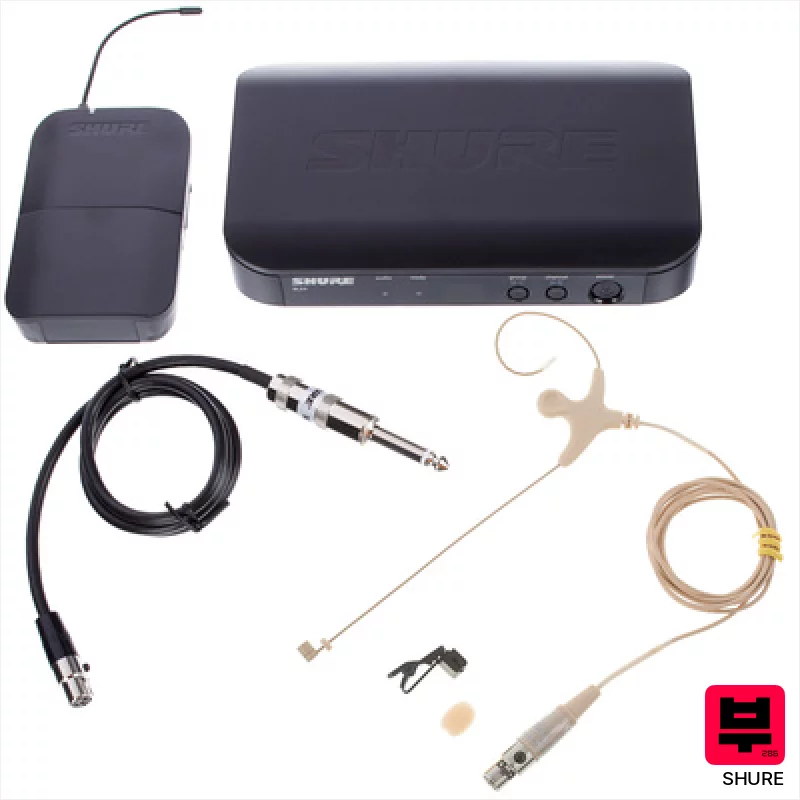
Shure BLX14 T11 EarmiKe D Bundle
- • Shure reliability ensures consistent, predictable wireless performance.
- • The T11 frequency band offers relatively clear operation in many regions.
- • EarmiKe D headset is surprisingly comfortable for extended use, even with glasses.
- • BLX system's Quick-Scan frequency detection simplifies setup significantly.
- • Plastic receiver construction feels somewhat budget-oriented, lacks premium heft.
- • Limited frequency range restricts channel availability in congested RF environments.
- • BLX system is not expandable beyond three channels, limiting scalability.
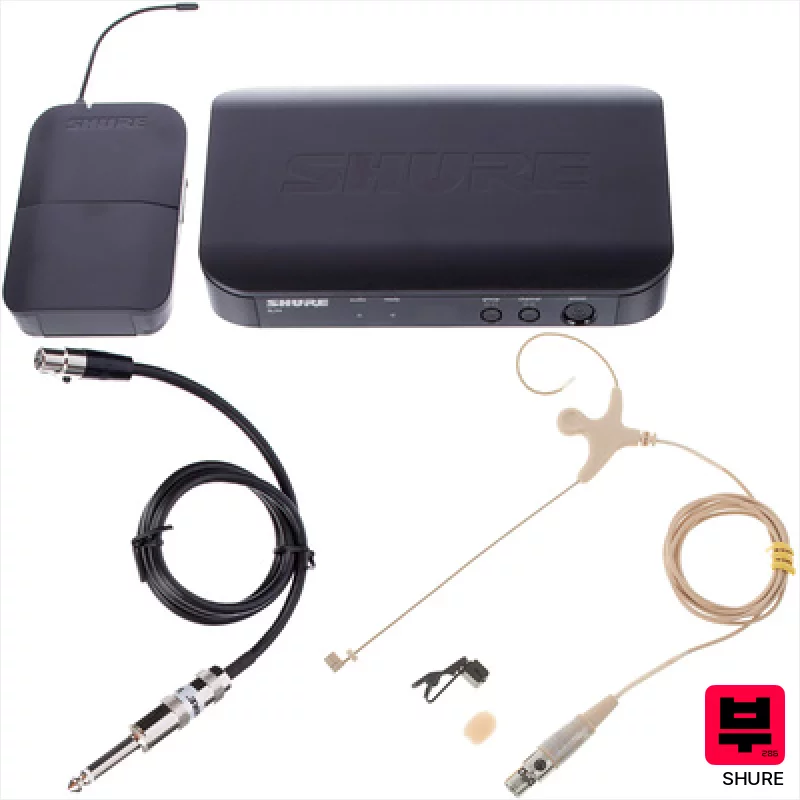
Shure BLX14 M17 EarmiKe D Bundle
- • Shure reliability; solid build quality for a budget wireless system
- • TQG connector ensures secure, consistent audio transmission
- • EarmiKe's flexible design adapts comfortably to various ear shapes
- • Quick-Scan frequency finding avoids interference headaches on the fly
- • BLX series is aging tech; lacks modern features like digital encryption
- • Plastic receiver feels a bit flimsy compared to metal alternatives
- • Limited frequency range may pose issues in congested RF environments
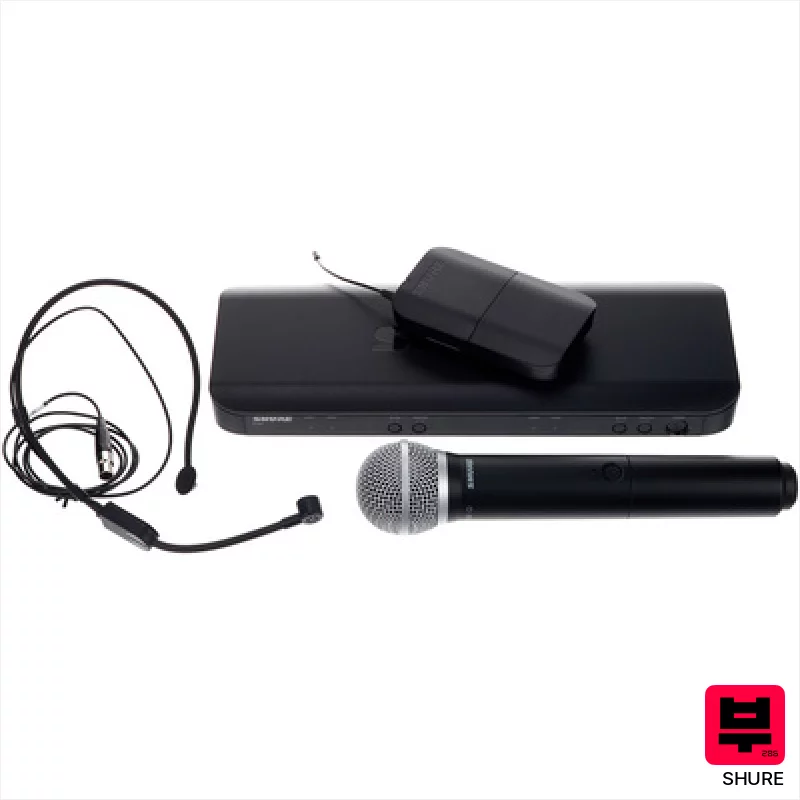
Shure BLX1288/P31 Combo K3E
- • Solid Shure build quality; receiver feels robust and reliable
- • PG58 handheld delivers Shure's signature vocal clarity and warmth
- • PGA31 headset mic offers comfortable fit and decent vocal reproduction
- • QuickScan frequency selection simplifies setup in potentially crowded RF environments
- • Plastic receiver construction feels less premium than all-metal options
- • K3E frequency band offers limited channel availability in some regions
- • PGA31's condenser capsule can be prone to wind noise without a proper shield
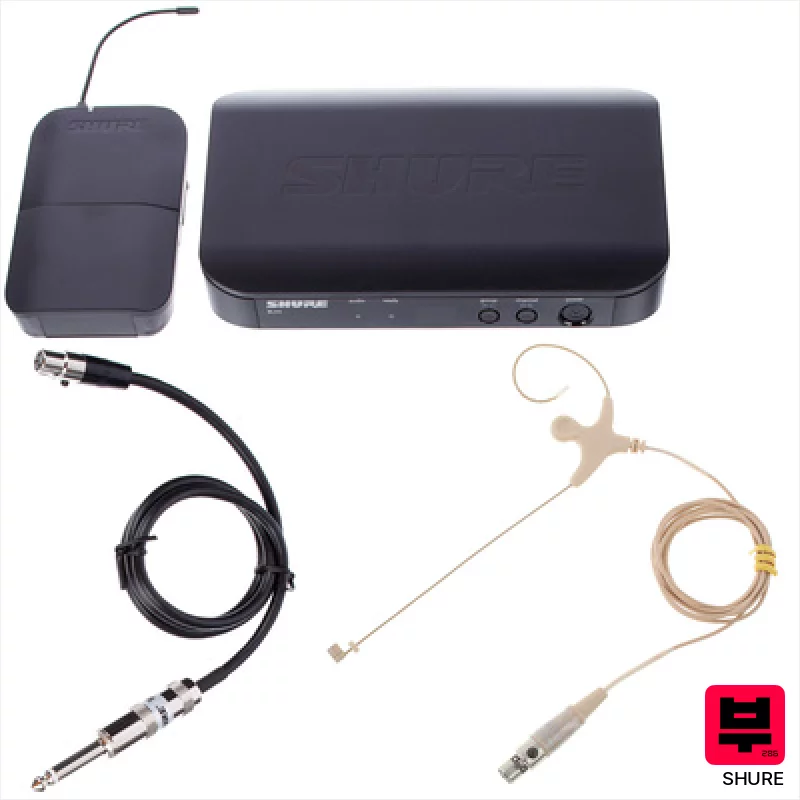
Shure BLX14 S8 EarmiKe D Bundle
- • Shure reliability ensures consistent, clear audio transmission
- • Lightweight EarmiKe design minimizes fatigue during extended use
- • Quick-Scan frequency detection simplifies setup in crowded RF environments
- • Integrated antennae provide decent range without external options
- • BLX system lacks the advanced features of Shure’s higher-end wireless lines
- • Plastic receiver construction feels less robust than metal alternatives
- • Frequency range (S8) can be restrictive in some areas with heavy wireless usage
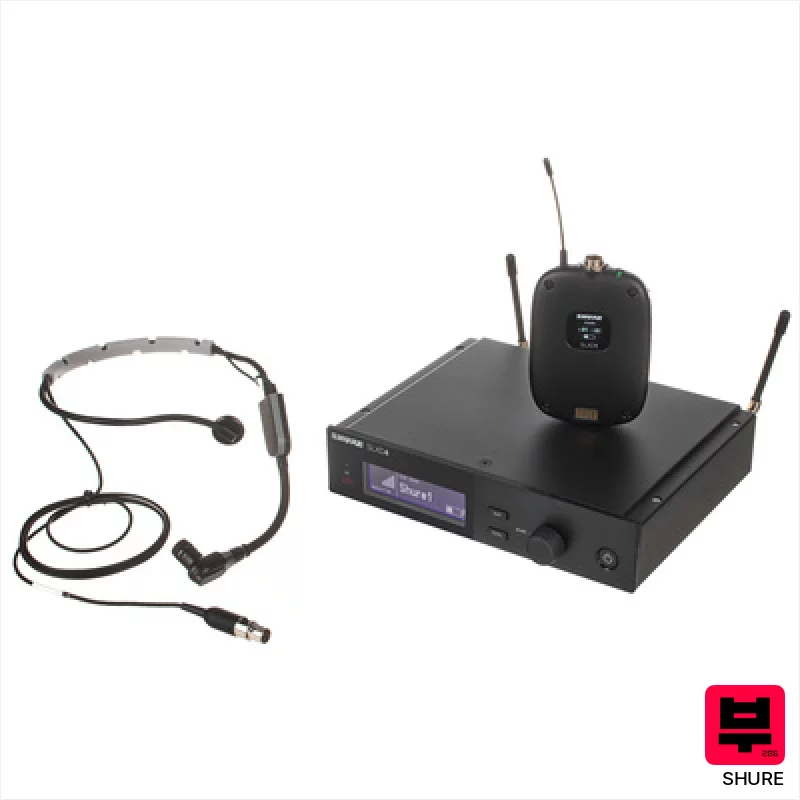
Shure SLXD14E/SM35 K59
- • SM35 delivers clear, articulate vocal capture with excellent feedback rejection.
- • SLXD14E offers rock-solid 24-bit/48kHz digital transmission quality.
- • 44 MHz switching bandwidth provides reliable operation in congested RF environments.
- • Infrared sync simplifies channel management; genuinely user-friendly.
- • The SM35 headset can feel a little bulky for extended wear, especially with glasses.
- • The reliance on AA batteries (or optional Li-Ion) can be inconvenient for some users.
- • Limited frequency range compared to some competing systems; might face availability issues in certain locations.
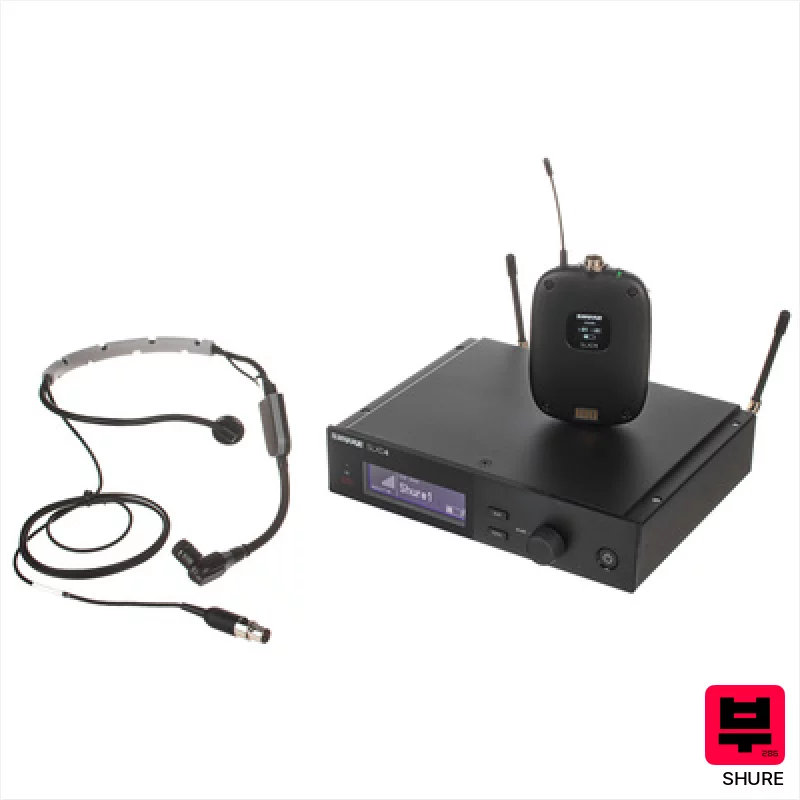
Shure SLXD14E/SM35 G59
- • Rock-solid Shure build quality; transmitter feels robust and reliable.
- • SM35 delivers clear, intelligible vocals with excellent feedback rejection.
- • G59 digital system offers clean audio and minimized interference.
- • Infrared sync simplifies channel setup, a huge time saver on stage.
- • SM35 can feel a little bulky and restrictive for extended wear.
- • AA battery dependency adds to potential on-stage anxiety.
- • Limited frequency band compared to some competing systems.
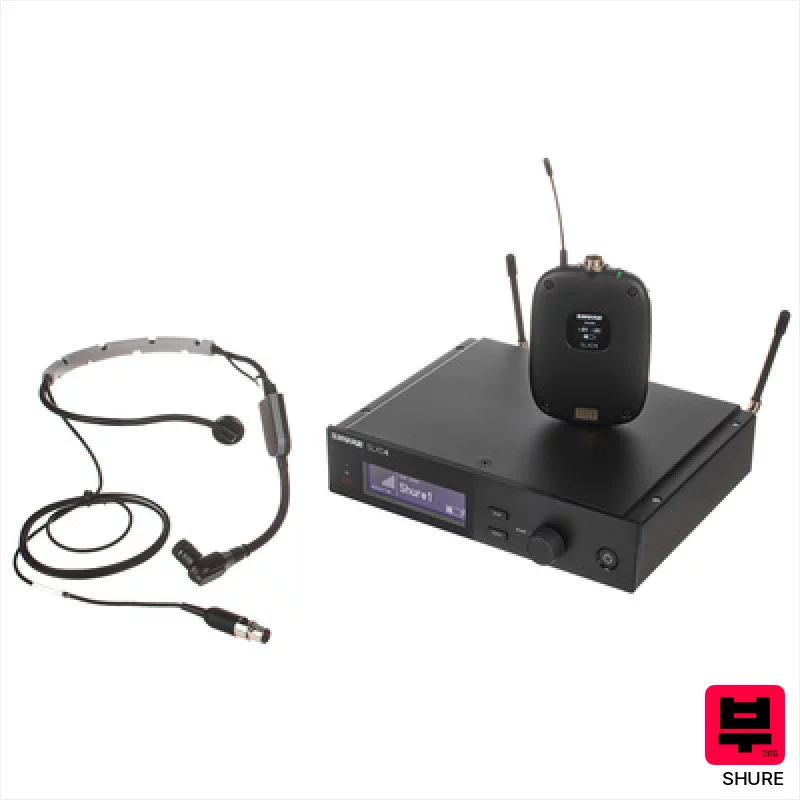
Shure SLXD14E/SM35 S50
- • SM35 capsule delivers clear, articulate vocals with excellent detail
- • SLXD14E receiver offers robust digital clarity and reliable signal
- • Infrared sync simplifies frequency management, avoiding frustrating setup
- • Compact pocket transmitter is comfortable for extended performance use
- • SM35 can be susceptible to wind noise, requiring a windscreen in windy conditions
- • Limited frequency band compared to some other systems; check local regulations
- • AA battery operation can be inconvenient; rechargeable option is extra
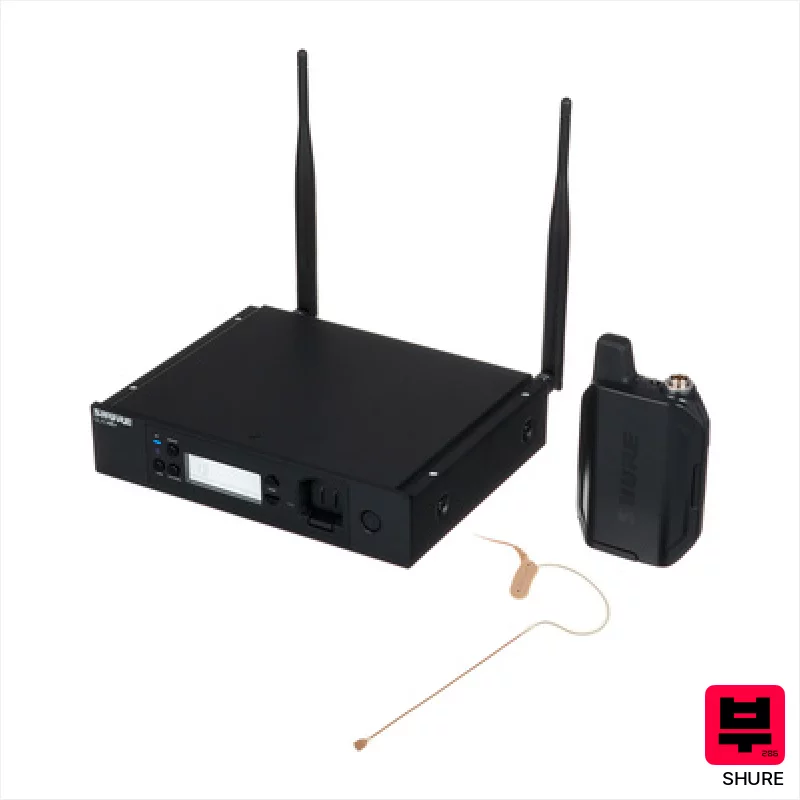
Shure GLXD14R+/MX53
- • Dual-band operation avoids interference, a huge benefit for crowded RF spaces.
- • Metal transmitter feels robust and inspires confidence on stage.
- • Excellent Shure audio quality; MX153 delivers clear, natural vocal reproduction.
- • Integrated battery charging is incredibly convenient for gigging musicians.
- • The receiver's plastic construction feels a little less premium than the transmitter.
- • Limited channel options compared to higher-end Shure systems.
- • The MX153's omnidirectional pickup can be prone to feedback in loud environments.
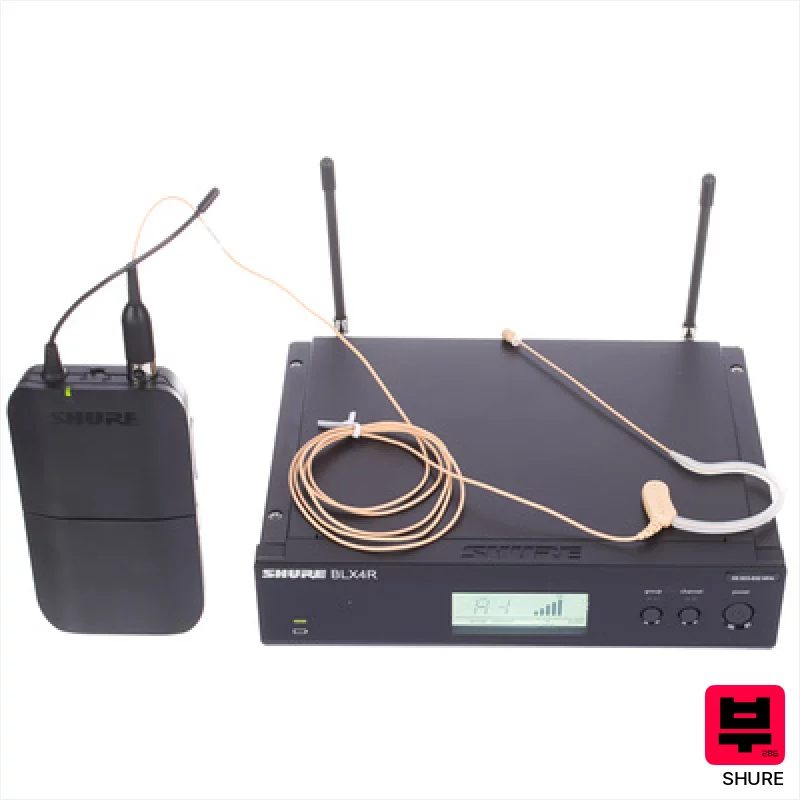
Shure BLX14R/MX53 K3E
- • Robust metal receiver chassis offers excellent durability for stage use
- • MX153 Earmic provides surprisingly natural vocal capture for a headset mic
- • QuickScan frequency selection simplifies setup in crowded RF environments
- • BLX bodypack is compact and comfortable, even for extended performances
- • K3E frequency band offers limited channel availability in congested areas
- • BLX series lacks the advanced features of Shure’s higher-end wireless systems
- • Battery life, while decent, requires regular charging for demanding events
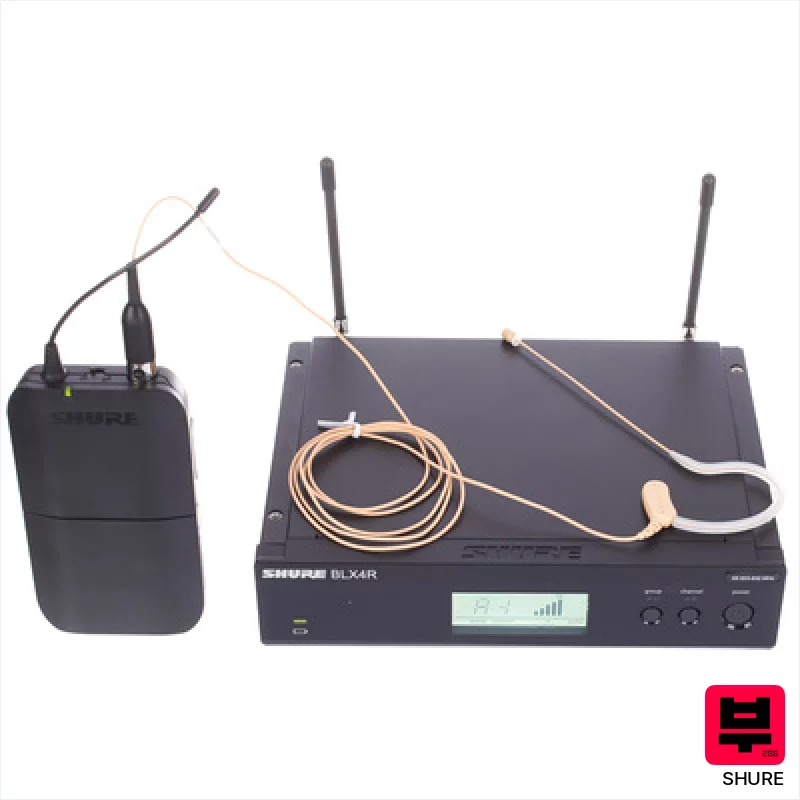
Shure BLX14R/MX53 H8E
- • Robust metal receiver provides excellent durability for stage use
- • QuickScan frequency selection simplifies setup in crowded RF environments
- • MX153 earset delivers clear vocal capture with good feedback rejection
- • BLX1 bodypack transmitter offers comfortable ergonomics for extended use
- • Limited frequency band (H8E) might face interference in densely populated areas
- • BLX series is a step down from Shure’s higher-end wireless systems
- • Earset microphone's omnidirectional pickup can be prone to ambient noise
How to Choose the Best Wireless Microphones with Headset Microphone
Sound Quality
Shure's signature is a clear, articulate sound. Their mics generally avoid that harsh, brittle top-end you hear with cheaper options, offering a more natural, present tone. It's not about a hyped-up sound; it's about clarity and headroom - letting your instrument or voice breathe.
Reliability
This is where Shure truly shines. Their wireless systems are known for their rock-solid frequency stability and resistance to interference, crucial for avoiding dropouts mid-song. That's worth its weight in gold when you're paying for a gig.
Build Quality
Shure gear is built to take a beating. The headset components, the transmitters, the receivers - they're all robust and designed for the demands of professional use. You're paying for longevity, not a disposable gadget.
Frequency Hopping & Interference Rejection
Live sound is a chaotic environment. Shure's systems use sophisticated frequency hopping to avoid interference from other wireless devices - a lifesaver in crowded venues or on festival stages.
Ergonomics & Comfort
A headset mic is only useful if you can actually wear it for extended periods. Shure's designs prioritize comfort with adjustable headbands and microphone booms, though fit can still vary depending on head size and style.
Buying Guide
Don't cheap out on wireless. Seriously. The frustration of dropouts and interference is a killer. Shure's entry-level systems are decent, but the higher-end models (SLX, ULX, and now the QxD series) offer vastly improved range, interference rejection, and features. If you're doing anything beyond bedroom practice, invest in a system with multiple frequencies and a good receiver display. The extra cost is an investment in your sanity and your performance.
How This List Is Built
We don't play these instruments — we're a catalog, not a review desk, and we'd rather say so than pretend otherwise. This page ranks 15 wireless microphones with headset microphone from the Thomann catalogue, which is the largest single source of specification data in this category.
Position is computed, not curated. Four signals, in order of weight: how completely the manufacturer documents the instrument (number of published specifications), where it sits in the price range, how specific the model designation is — which filters out generic accessories — and whether a product image exists. The same inputs always produce the same order, so nothing here is shuffled to look fresh.
What this list is good for: narrowing a category down to a shortlist by spec and budget. What it isn't: a substitute for hearing an instrument. Before you buy, read hands-on reviews and, where you can, play it. Full methodology.

