
Best Wireless Microphones with Headset Microphone Under $500 2026
So, you need a wireless headset mic for gigs or rehearsals but you're not looking to drop a grand? Been there, done that. Getting decent wireless without breaking the bank is totally doable, but you gotta know what to look for - it's not all about flashy specs. We're going to cover some solid options under $500 that'll let you move freely without sounding like you're singing through a tin can.
Last updated: April 11, 2026
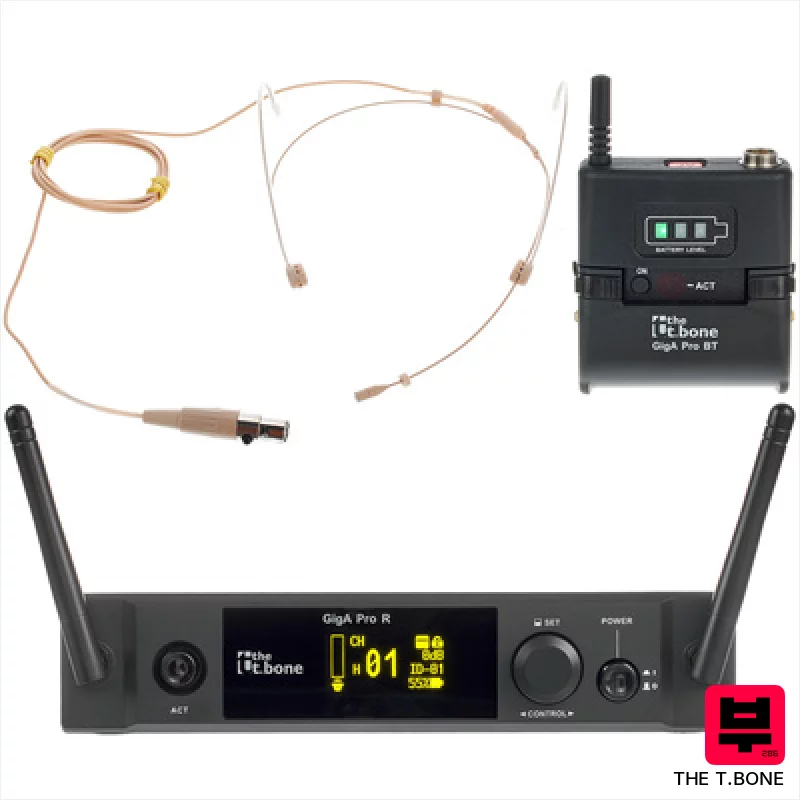
the t.bone GigA Pro Body HeadmikeO Bundle
- • True diversity receiver minimizes dropouts in challenging environments
- • OLED display provides clear, real-time battery and frequency status
- • Compact pocket transmitter offers comfortable, discreet wearability
- • IR sync simplifies frequency matching across multiple systems
- • Plastic housing feels less premium compared to metal alternatives
- • 100m range is optimistic; real-world performance will vary greatly
- • 3.5mm mini-jack for external mute is a slightly clunky solution

the t.bone GigA Pro Body Earmike D Bundle
- • Robust plastic housing feels surprisingly durable for the price point
- • ACT sync simplifies frequency coordination across multiple systems
- • OLED display provides clear, concise battery and status information
- • Compact pocket transmitter is comfortable for extended performance use
- • 2.4 GHz band can be susceptible to interference in crowded wireless environments
- • Limited channel count compared to higher-end systems restricts scalability
- • External mute button requires separate purchase, adding to overall cost
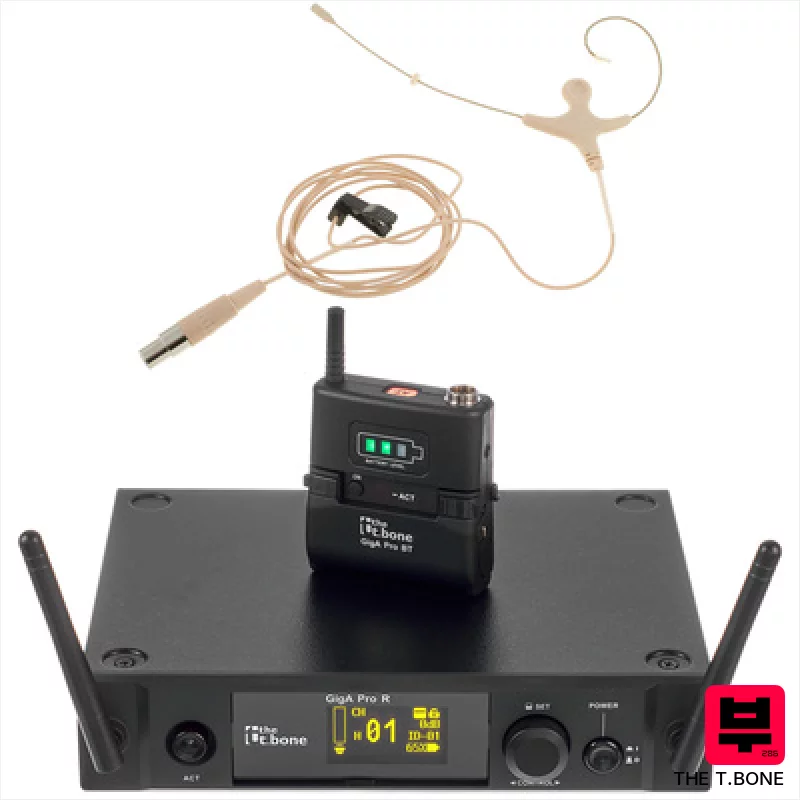
the t.bone GigA Pro Body Earmike O Bundle
- • True diversity receiver minimizes dropouts, a real performance saver
- • 2.4 GHz ISM band offers decent range and avoids common crowding
- • OLED display provides clear battery status and frequency information
- • Included battery charger adds convenience and extends battery usage
- • Plastic housing feels budget-oriented, lacks premium robustness
- • 100m range is optimistic; expect reduced range with obstacles
- • Limited frequency options might cause interference in crowded RF environments
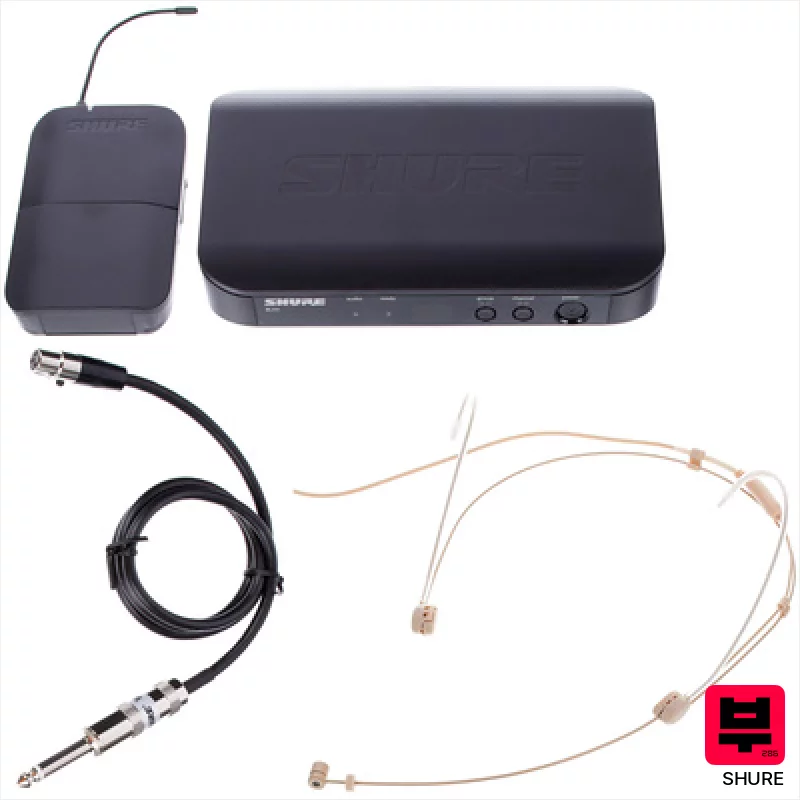
Shure BLX14 T11 HeadmiKe D Bundle
- • Shure reliability ensures consistent, clear wireless audio performance.
- • The T11 frequency range offers good availability in many regions.
- • HeadmiKe's cardioid pattern minimizes stage noise and feedback effectively.
- • Lightweight headset allows for comfortable extended use during performances.
- • BLX system is aging technology; lacks modern features like Bluetooth or digital encryption.
- • Plastic receiver feels less robust compared to Shure's higher-end metal builds.
- • Limited frequency selection within the T11 band can be restrictive in crowded RF environments.
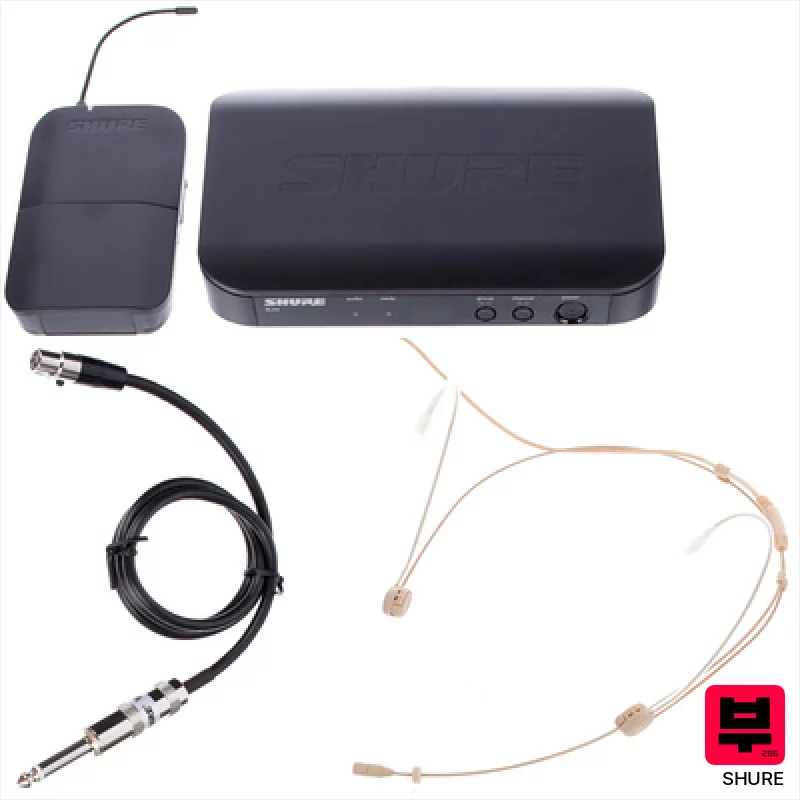
Shure BLX14 T11 HeadmiKe O Bundle
- • Shure reliability ensures robust performance on stage or in practice.
- • The T11 frequency range offers relatively clean operation in many regions.
- • HeadmiKe’s omnidirectional pickup captures vocals clearly, even with movement.
- • BLX system’s Quick-Scan simplifies frequency selection, saving setup time.
- • BLX system's range is limited compared to higher-end Shure wireless options.
- • HeadmiKe’s omni pattern picks up more ambient noise – not ideal for loud environments.
- • Plastic receiver feels noticeably less durable than metal-bodied Shure units.
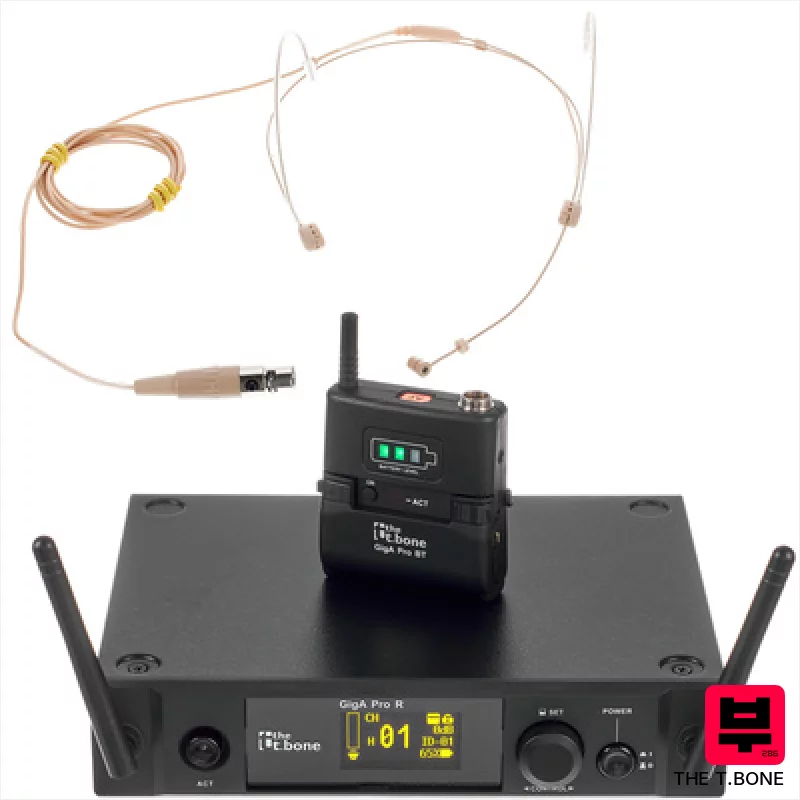
the t.bone GigA Pro Body Headmike Bundle
- • True diversity receiver minimizes interference, crucial for live stages
- • OLED display provides clear battery status and frequency info
- • Lightweight transmitter allows for comfortable extended use
- • Included battery charger simplifies power management and increases convenience
- • Plastic housing feels less premium than metal alternatives in this category
- • Limited frequency selection might present issues in congested wireless environments
- • 3.5mm external mute button requires a separate purchase, adding cost
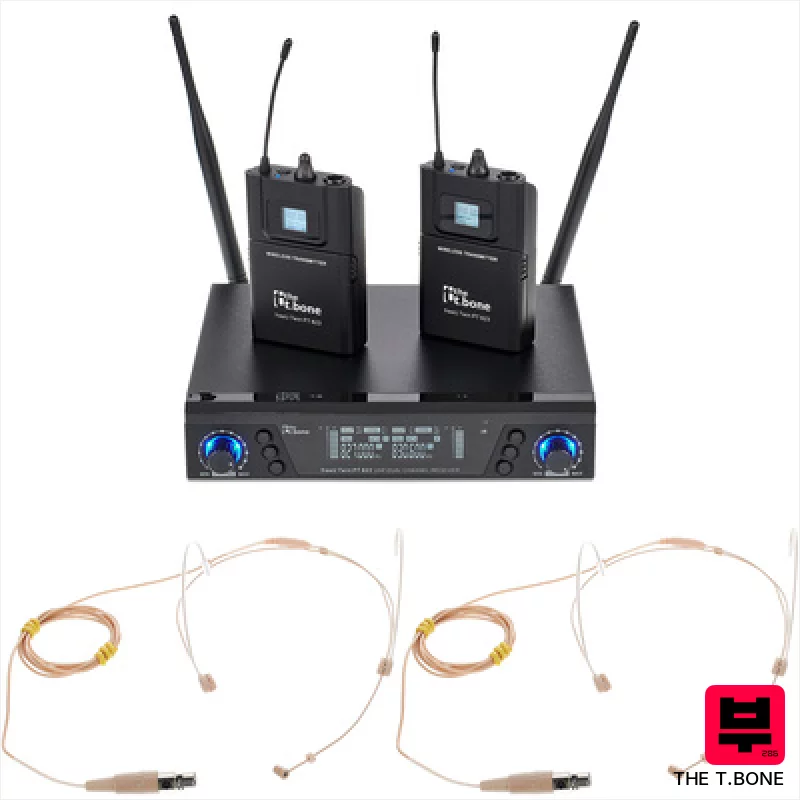
the t.bone freeU Twin PT 823 Hm-D Bundle
- • Solid build quality for the price point; plastic housing feels surprisingly robust.
- • The included guitar cable is a thoughtful addition for instrument use.
- • Infrared sync simplifies channel pairing; a real time-saver on stage.
- • Decent frequency range captures a wide spectrum of vocal and instrument tones.
- • Plastic transmitter housing can feel less premium than metal alternatives.
- • AA battery reliance can add up in cost and require frequent changes.
- • Limited frequency agility; potential interference in crowded RF environments.
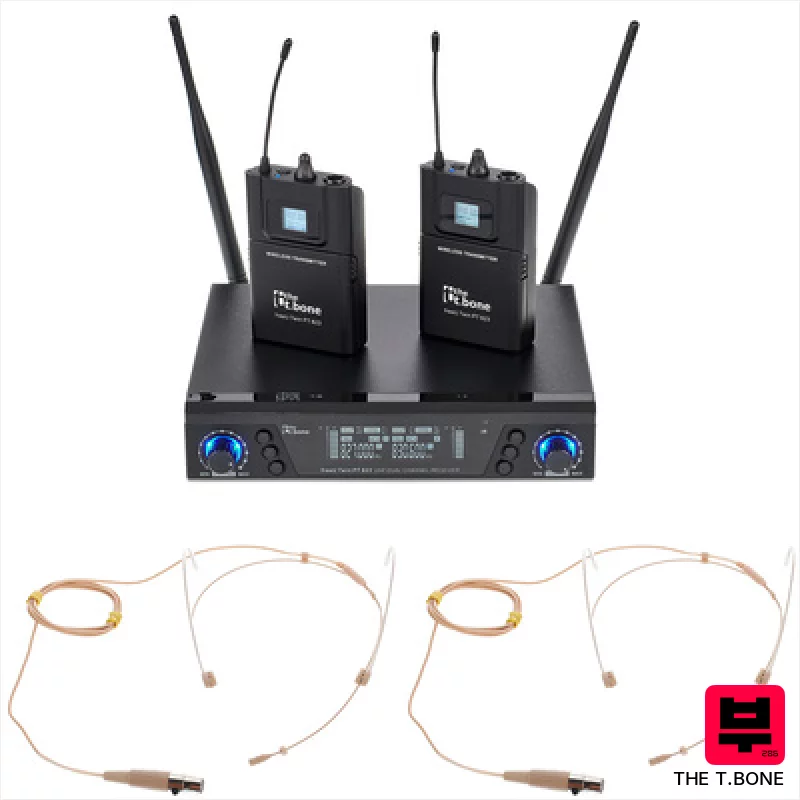
the t.bone freeU Twin PT 823 Hm-O Bundle
- • Solid UHF frequency range minimizes interference in most performance environments
- • Infrared sync simplifies channel matching; a real time-saver on stage
- • Pocket transmitter design offers discreet and comfortable stage presence
- • Versatile output options (XLR, Jack) cater to diverse sound reinforcement setups
- • Plastic transmitter housing feels noticeably less robust than metal alternatives
- • AA battery power requires frequent changes during longer gigs
- • Limited frequency band compared to higher-end, more flexible wireless systems
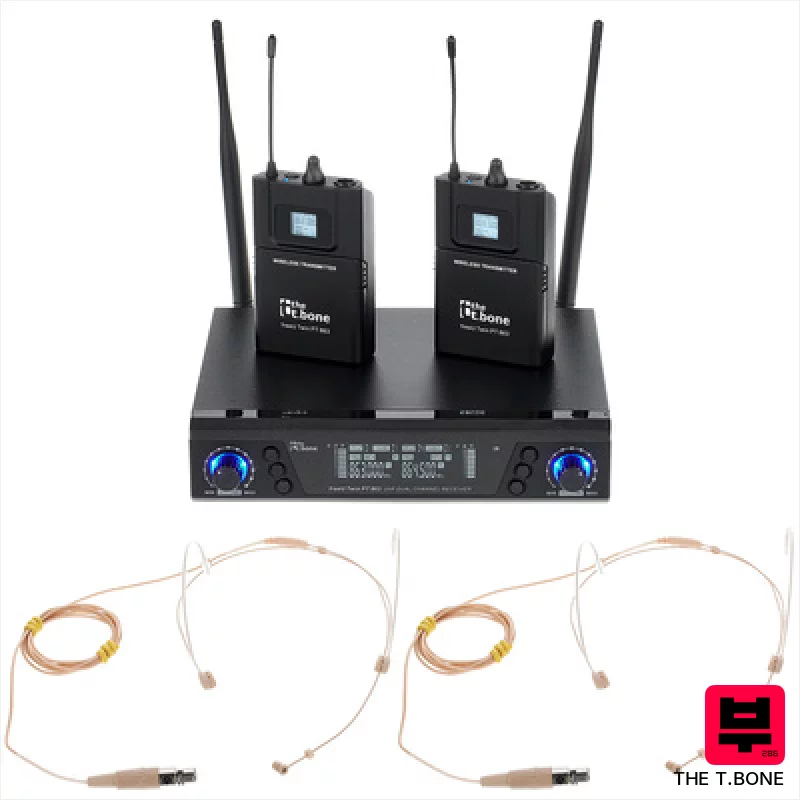
the t.bone freeU Twin PT 863 Hm-D Bundle
- • 863-865 MHz band offers decent interference rejection in most performance environments.
- • Pocket transmitter design is genuinely convenient for instrument use, minimizing stage clutter.
- • Infrared sync simplifies channel matching, a time-saver for gigging musicians.
- • Dual-channel receiver caters to multiple performers or backup redundancy.
- • Plastic transmitter housing feels a bit flimsy compared to metal alternatives.
- • AA battery operation can become costly and inconvenient during long shows.
- • Limited frequency band and channel options may restrict use in crowded RF spaces.
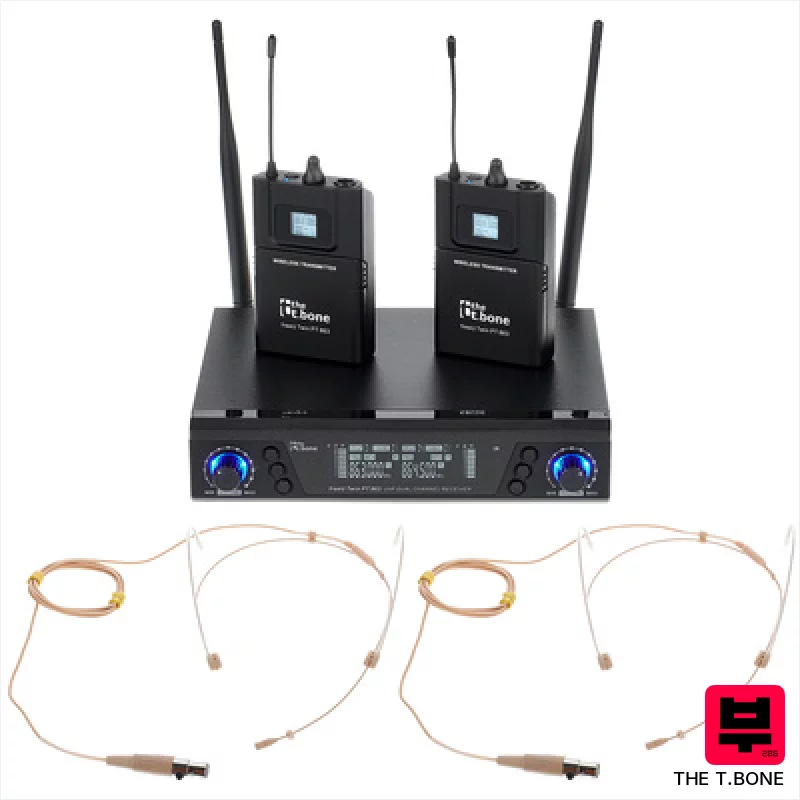
the t.bone freeU Twin PT 863 Hm-O Bundle
- • Plastic housing keeps the pocket transmitter surprisingly lightweight for stage use
- • 863-865 MHz band offers decent range with less interference than crowded 2.4 GHz
- • Infrared sync simplifies channel matching, a huge time-saver on the fly
- • Dual-channel receiver accommodates a second instrument or vocalist for duo performances
- • Plastic construction feels less robust than metal-bodied wireless systems
- • AA battery power means potential for mid-performance power loss without spares
- • Frequency range, while adequate, limits high-end clarity for critical recording applications
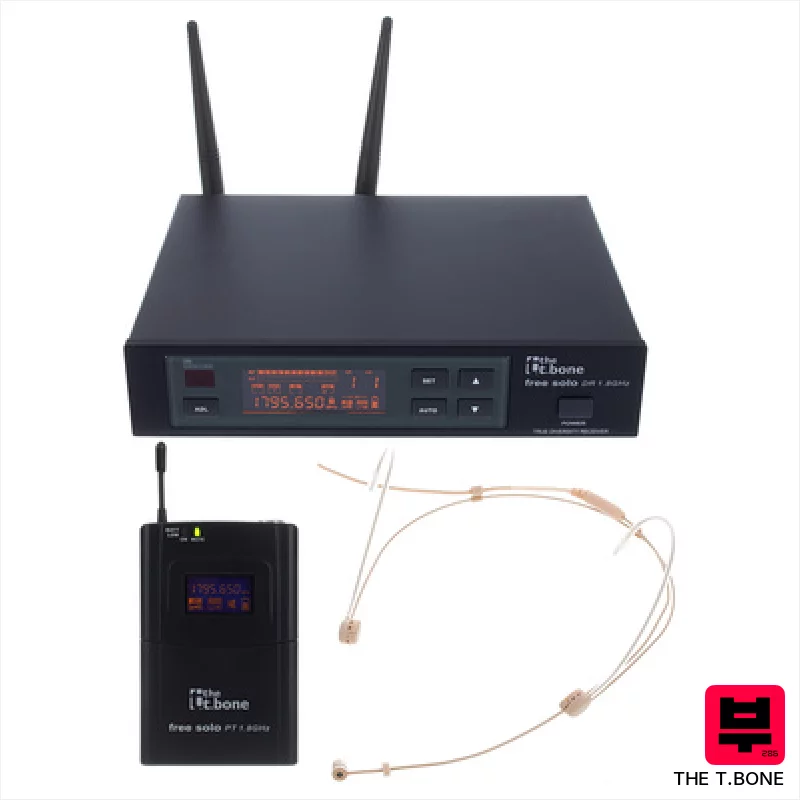
the t.bone free solo 1.8 HeadmikeD Bundle
- • 1.8 GHz band offers decent immunity to common interference.
- • Compact bodypack is surprisingly comfortable for extended use.
- • Infrared sync simplifies transmitter-receiver pairing, a real time-saver.
- • Multiple presets allow quick switching between different performers/sources.
- • Plastic bodypack feels a bit cheap compared to metal alternatives.
- • AA battery power is inconvenient; rechargeable pack a must-have.
- • Limited frequency range restricts channel availability in congested areas.
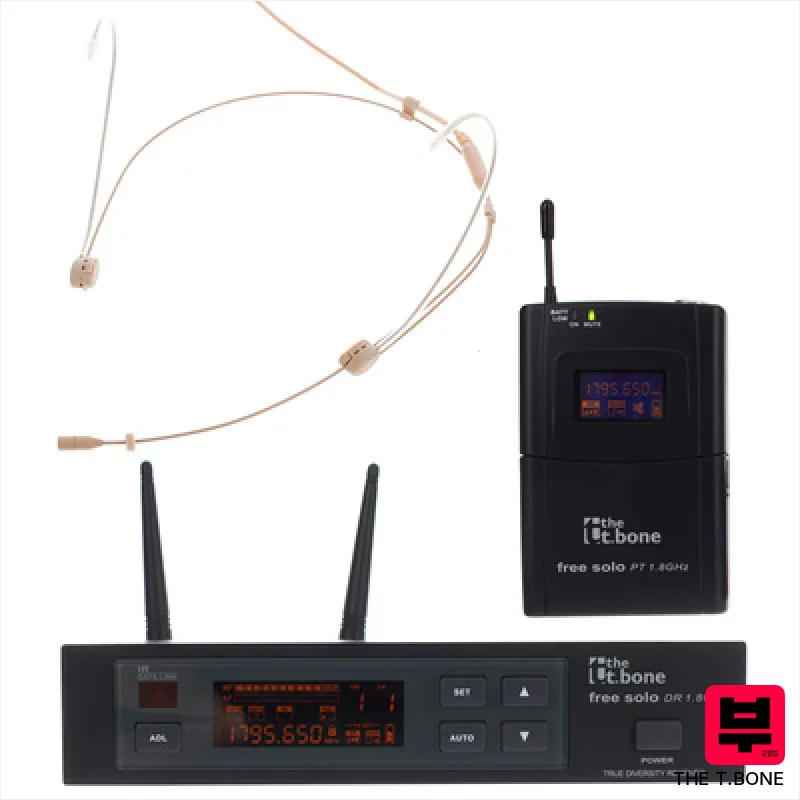
the t.bone free solo 1.8 HeadmikeO Bundle
- • 1.8 GHz band offers decent immunity to common RF interference.
- • Plastic bodypack is lightweight, crucial for extended wear.
- • Infrared sync simplifies pairing between transmitter and receiver.
- • Receiver’s adjustable squelch helps manage background noise effectively.
- • Plastic construction feels less robust than metal alternatives.
- • AA battery power is inconvenient; rechargeable pack is a must.
- • 1.8 GHz range is shorter than 2.4 GHz systems; line-of-sight critical.
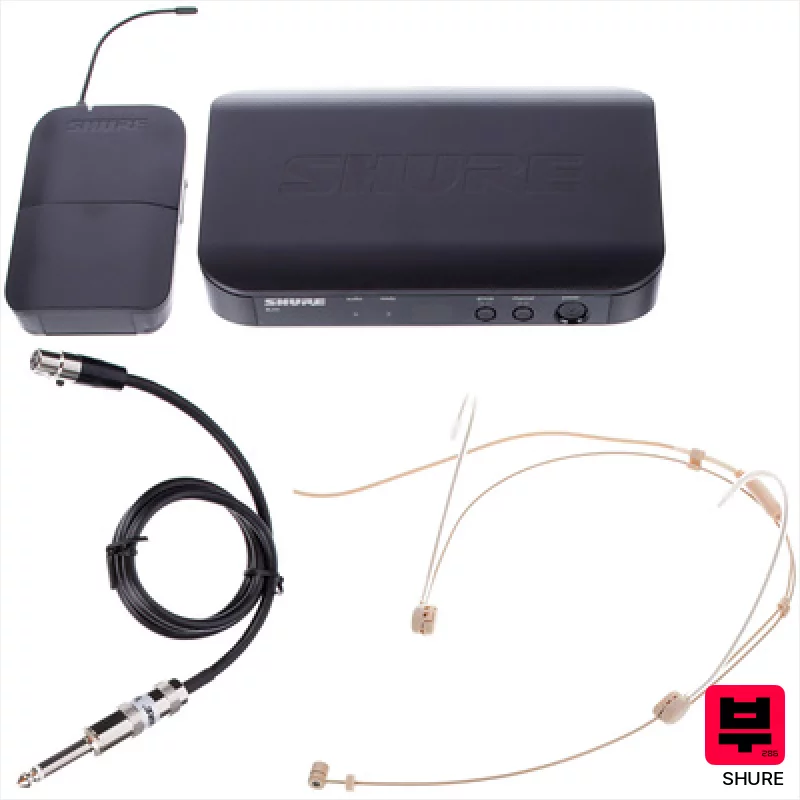
Shure BLX14 S8 HeadmiKe D Bundle
- • Shure reliability & sound quality are consistently excellent
- • BLX system offers simple setup and robust performance
- • HeadmiKe's cardioid pattern minimizes stage noise effectively
- • TQG connector ensures a secure and reliable wireless connection
- • BLX series is aging tech; lacks modern features like Bluetooth
- • Plastic receiver feels less premium than all-metal options
- • Limited frequency range may cause interference in crowded RF environments
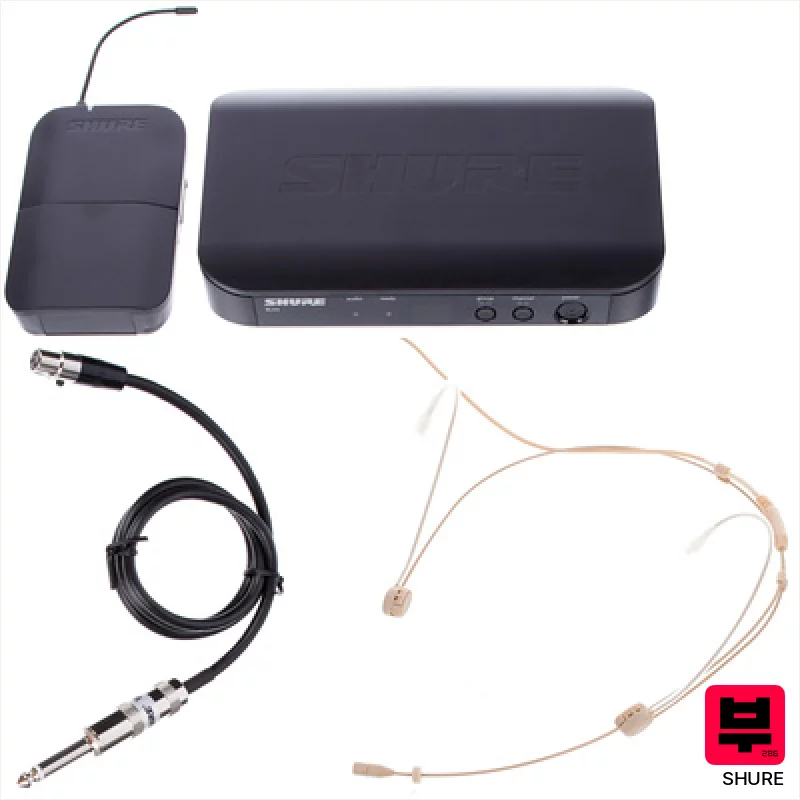
Shure BLX14 S8 HeadmiKe O Bundle
- • Shure’s reliable UHF system offers excellent RF stability.
- • The HeadmiKe O's omni pattern captures clear vocals even with movement.
- • TQG connector ensures a secure, low-noise connection to the bodypack.
- • Lightweight headset allows for comfortable extended use during performances.
- • BLX series is aging tech; lacks modern features like digital encryption.
- • Omnidirectional pickup is susceptible to stage noise and feedback.
- • Plastic receiver construction feels less robust than Shure’s higher-end options.

the t.bone freeU Twin PT 823 Em-D Bundle
- • UHF 823-832 MHz band offers relatively clean, interference-free operation.
- • Pocket transmitter design provides excellent stage mobility and comfort.
- • Infrared sync simplifies frequency matching, a boon for multi-mic setups.
- • Dual-channel receiver accommodates two performers or instruments simultaneously.
- • Plastic transmitter housing feels somewhat less robust than metal alternatives.
- • AA battery power necessitates frequent replacements or rechargeable investment.
- • Limited frequency range may encounter interference in densely populated areas.
How to Choose the Best Wireless Microphones with Headset Microphone
Sound Quality
Let's be honest, at this price point, you're making compromises. We're looking for mics that offer clear articulation, a decent frequency response - you want to hear the nuances of your vocals, not just a muffled blob. Expect a slight lack of low-end thump compared to higher-end models.
Range & Reliability
Wireless is only useful if it actually works. We tested range in crowded environments (think noisy bars) and checked for dropouts and interference. A stable signal is non-negotiable.
Build Quality
Gigs are rough. These mics need to withstand sweat, bumps, and general abuse. We're assessing the robustness of the headset, the transmitter, and the receiver - plastic versus metal, cable strain relief, overall feel.
Latency
A noticeable delay between when you sing and when the audience hears it is a deal-breaker. We measured latency to ensure it's minimal, crucial for live performance and avoiding that awkward, robotic feel.
Ergonomics & Comfort
A headset that's uncomfortable is useless. We evaluated the headset's fit, weight distribution, and adjustability to ensure it can be worn for extended periods without causing fatigue. A tight fit can color your vocal tone too.
Buying Guide
At this price, you're trading something. You likely won't get the pristine audio of a Shure or Sennheiser flagship system. Expect slightly more noise floor, potentially less dynamic range, and maybe a little more susceptibility to interference. Prioritize range and reliability over absolute sonic perfection - a mic that cuts through the mix and doesn't drop out is far more valuable than one with a slightly 'better' tone you can't hear anyway. Watch out for overly cheap systems with questionable components; a few extra dollars for a reputable brand is worth it.
How This List Is Built
We don't play these instruments — we're a catalog, not a review desk, and we'd rather say so than pretend otherwise. This page ranks 15 wireless microphones with headset microphone from the Thomann catalogue, which is the largest single source of specification data in this category.
Position is computed, not curated. Four signals, in order of weight: how completely the manufacturer documents the instrument (number of published specifications), where it sits in the price range, how specific the model designation is — which filters out generic accessories — and whether a product image exists. The same inputs always produce the same order, so nothing here is shuffled to look fresh.
What this list is good for: narrowing a category down to a shortlist by spec and budget. What it isn't: a substitute for hearing an instrument. Before you buy, read hands-on reviews and, where you can, play it. Full methodology.

