
Best LD Systems Wireless Microphones with Headset Microphone 2026
So, you're looking for a reliable wireless headset mic from LD Systems? Smart move. They've been quietly building a reputation for solid, no-nonsense performance, especially in live sound situations where you need something that'll cut through the noise without breaking the bank. Forget the flashy marketing - we're talking about mics that just work, letting you focus on the gig, not the gear.
Last updated: April 11, 2026
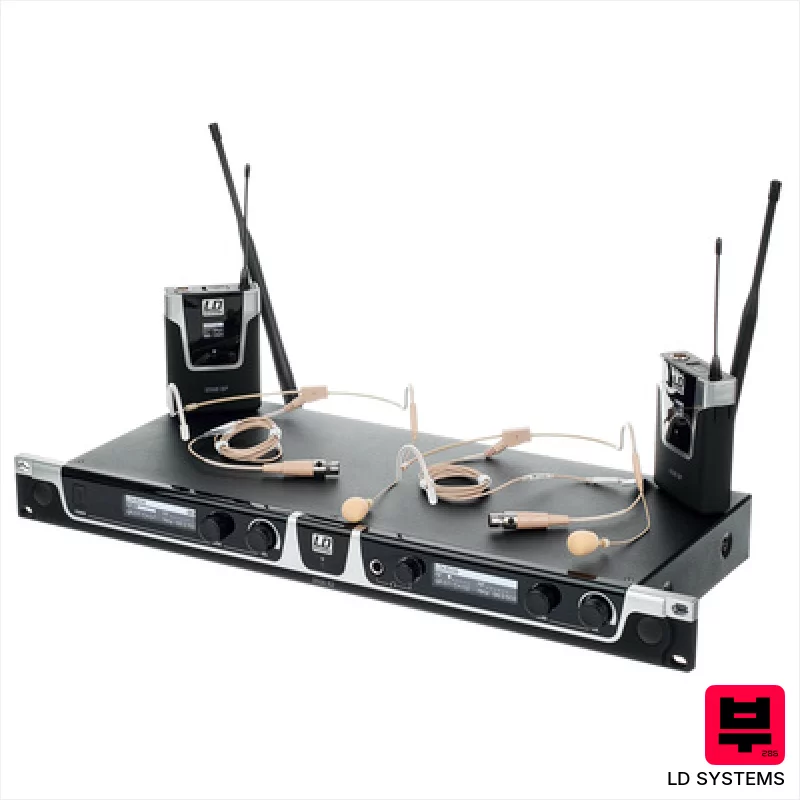
LD Systems U508 BPHH2
- • True diversity receiver minimizes interference, crucial for live stages
- • MH3 condenser mics offer surprisingly clear, detailed vocal capture
- • Switchable power settings extend battery life and transmission range
- • Solid build quality for reliable performance in demanding environments
- • Beige color scheme might not suit all stage aesthetics
- • AA battery operation can be a recurring expense if not using rechargables
- • Limited frequency band compared to some higher-end systems
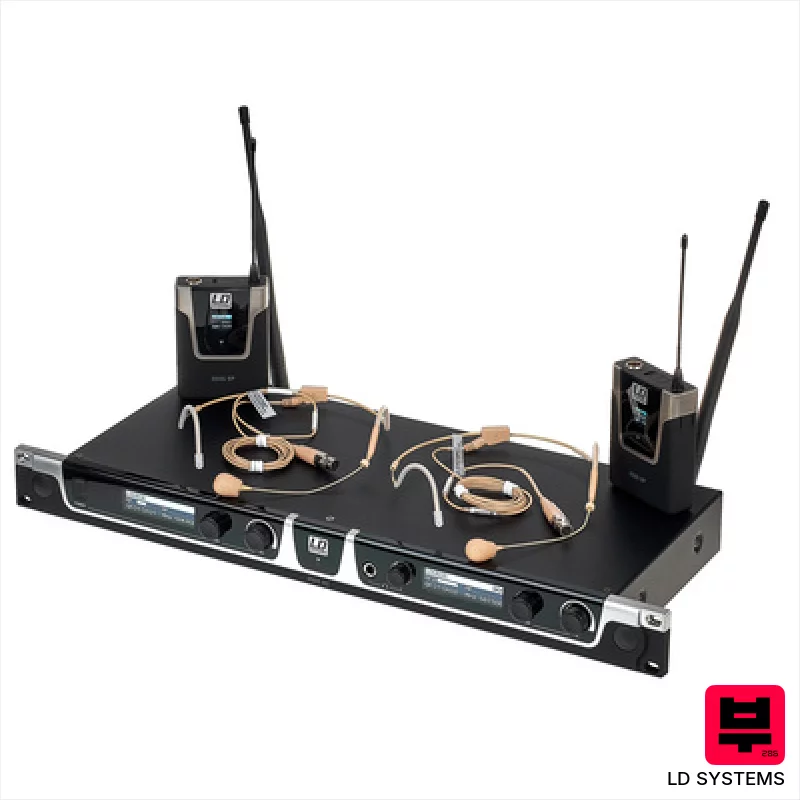
LD Systems U505 BPHH2
- • True diversity receiver minimizes interference in crowded RF environments
- • MH3 headset mics offer surprisingly clear, natural vocal reproduction
- • Automatic frequency scan simplifies setup, especially for less experienced users
- • Multiple power settings offer flexibility for extended operation or increased range
- • The beige color scheme might not appeal to everyone's aesthetic preferences
- • Transmitter battery life is decent, but not exceptional; expect around 6-8 hours
- • While versatile, the headset mic form factor limits applications outside of performance
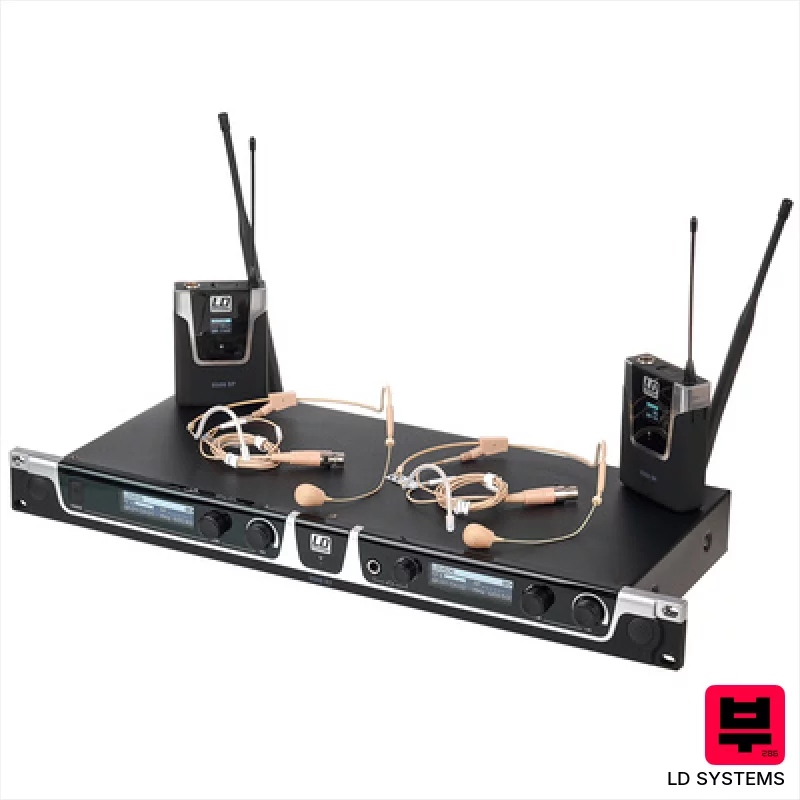
LD Systems U506 BPHH2
- • True diversity receiver minimizes interference, crucial for live stages
- • MH3 condenser mics offer surprisingly clear and natural vocal reproduction
- • Automatic frequency scanning simplifies setup and avoids channel conflicts
- • Switchable transmitter power extends range and battery life flexibility
- • The beige color scheme might not appeal to everyone’s aesthetic preferences
- • Pocket transmitters can be a bit bulky for prolonged use, especially for smaller performers
- • Limited frequency band compared to some higher-end systems restricts channel availability in congested areas
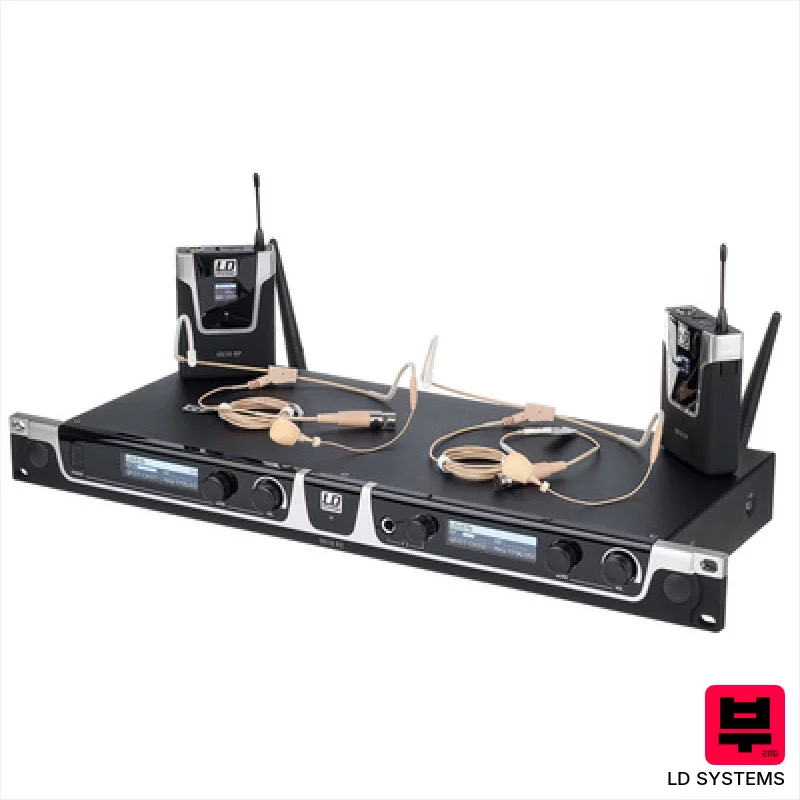
LD Systems U518 BPHH2
- • True diversity receiver minimizes dropouts in challenging environments
- • MH3 headsets offer surprisingly natural sound for stage use
- • Automatic frequency scan simplifies setup, a boon for touring techs
- • Solid 19 in, 1U rackmount design for professional integration
- • Limited frequency band restricts operation in some regions; check local regulations
- • AA battery power in transmitters introduces potential for inconsistent runtime
- • MH3's cardioid pattern can be unforgiving with performer mic technique
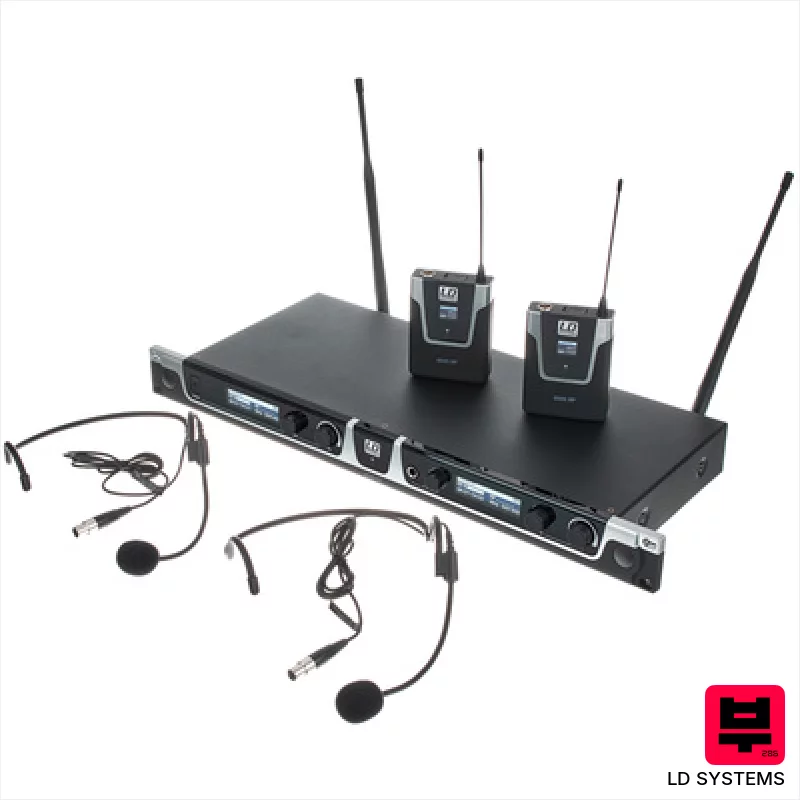
LD Systems U505 BPH2
- • True diversity receiver minimizes dropouts in challenging RF environments
- • OLED display offers clear, real-time information on status and frequencies
- • MH1 condenser mics deliver surprisingly detailed and natural vocal reproduction
- • Flexible power options – AA batteries or rechargeable packs – enhance portability
- • The 584-608 MHz band is increasingly congested, potentially limiting channel availability
- • The plastic construction, while lightweight, doesn't inspire premium confidence
- • Limited frequency range (60-16,000 Hz) might lack extreme highs for some applications
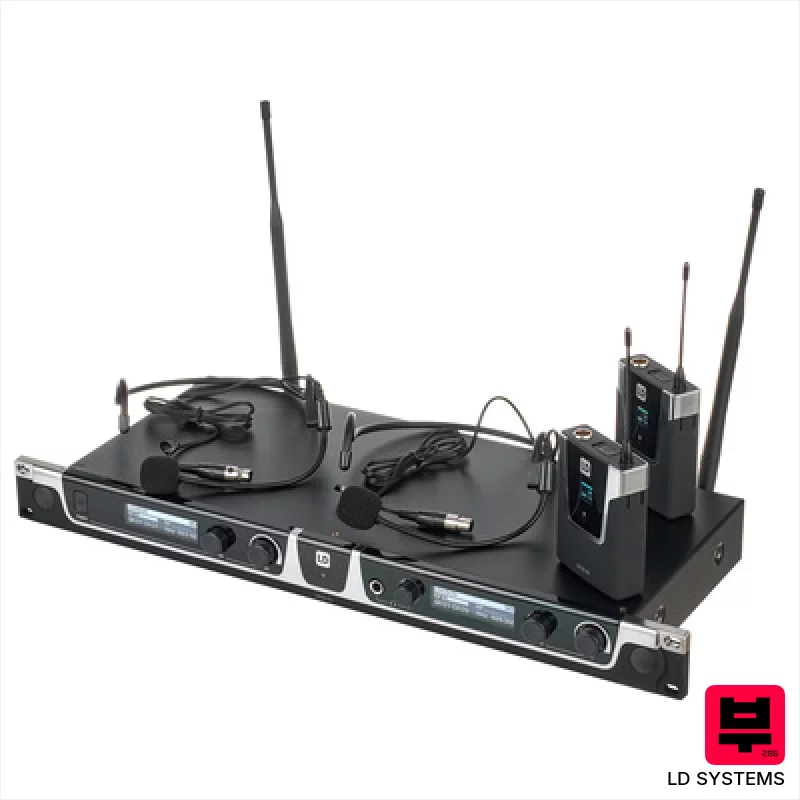
LD Systems U508 BPH2
- • True diversity receiver minimizes interference in crowded RF environments.
- • MH1 headset mics offer surprisingly clear, natural vocal reproduction for headsets.
- • Frequency scanning and infrared sync simplify setup and channel management.
- • Dual transmitter setup provides redundancy and flexibility for multiple performers.
- • AA battery power in transmitters can be a maintenance hassle; consider external power packs.
- • 823-832/863-865 MHz band might face regulatory restrictions in some regions.
- • While versatile, lacks advanced features of higher-end, premium-priced systems.
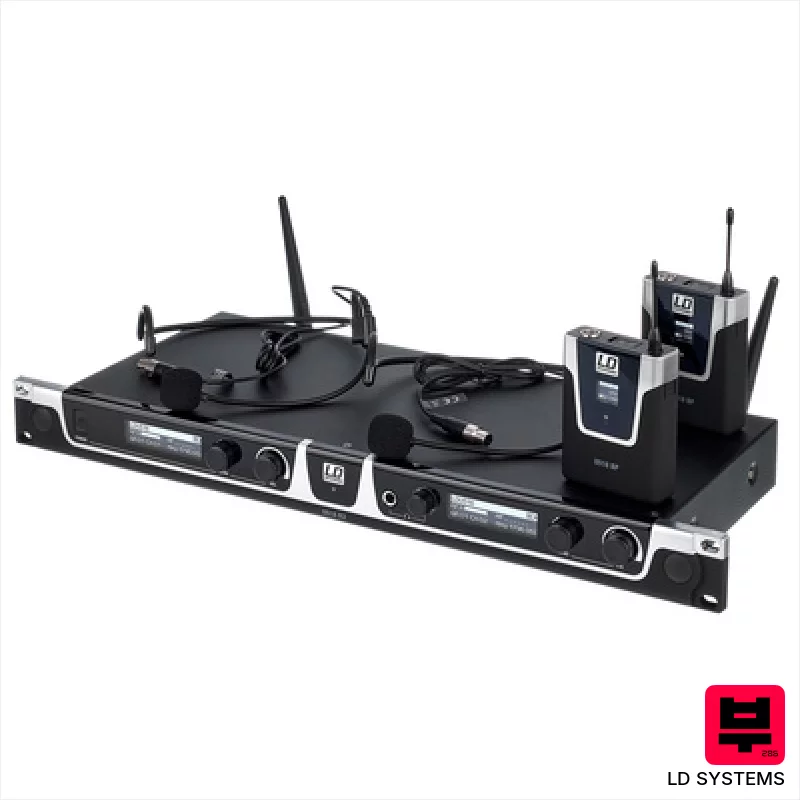
LD Systems U518 BPH2
- • True diversity receiver minimizes interference in crowded RF environments
- • MH1 headset mics offer decent cardioid rejection of stage noise
- • Automatic frequency scan simplifies setup and avoids channel conflicts
- • The OLED display is clear and provides essential operating information
- • Limited frequency band (1785-1800 MHz) restricts operation in some regions
- • AA battery operation in transmitters can be inconvenient for prolonged use
- • MH1 headset mics lack premium sound quality, suitable for speech primarily
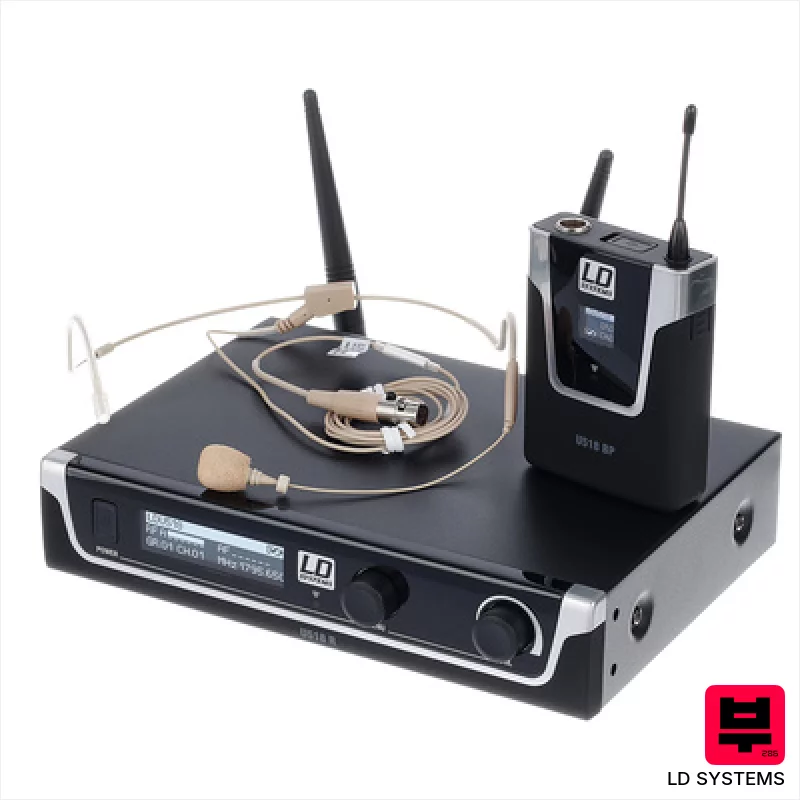
LD Systems U518 BPHH
- • True Diversity receiver minimizes dropouts, a real benefit on stage
- • MH3 headset offers clear, intelligible vocal capture with good isolation
- • 96 channels provide ample flexibility to avoid interference
- • Compact 1U receiver saves valuable rack space in tight rigs
- • Limited frequency band restricts usage in some congested RF environments
- • AA battery power in the bodypack can be inconvenient for long gigs
- • The beige color might not suit all performers' aesthetic preferences

LD Systems U508 BPHH
- • True diversity reception minimizes interference in crowded RF environments
- • MH3 condenser mic delivers clear, articulate vocal capture for stage performance
- • Switchable transmission power extends range and optimizes signal strength
- • OLED display provides clear visual feedback on settings and battery status
- • Beige headset color is aesthetically dated and not universally appealing
- • AA battery operation can be inconvenient compared to integrated rechargeable packs
- • Limited frequency band flexibility compared to more premium wireless systems
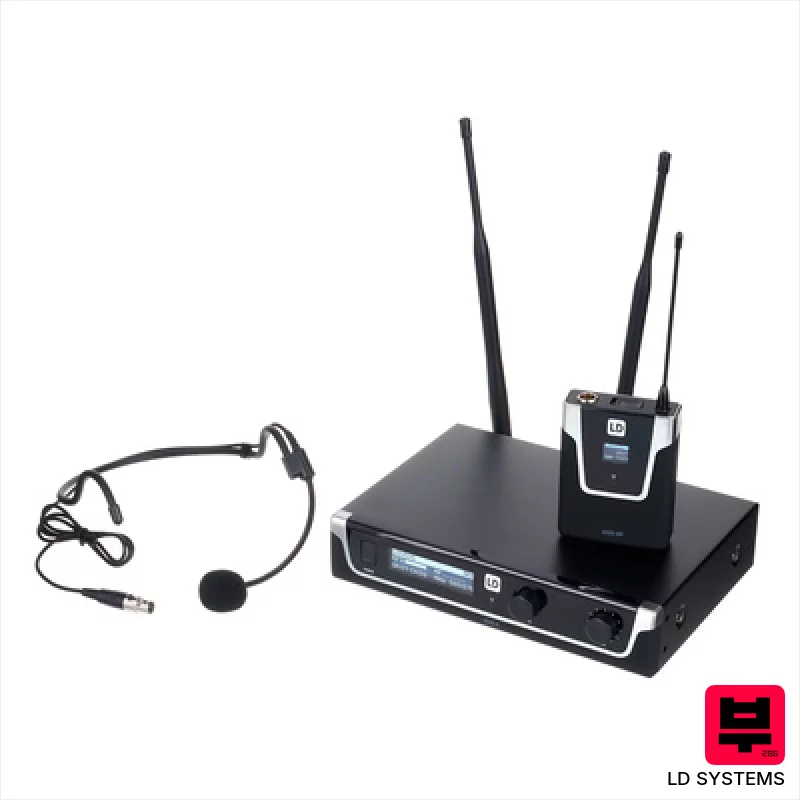
LD Systems U505 BPH
- • Pocket transmitter design offers excellent portability and discreetness.
- • MH1 condenser mic delivers clear, articulate vocal reproduction for speech.
- • True Diversity system significantly minimizes interference in crowded RF environments.
- • OLED display provides clear visual feedback on settings and battery status.
- • Build quality feels somewhat plasticky, not as robust as higher-end wireless systems.
- • Battery life is decent but expect to swap AA's frequently during longer performances.
- • Limited frequency band might encounter more interference in densely populated wireless environments.
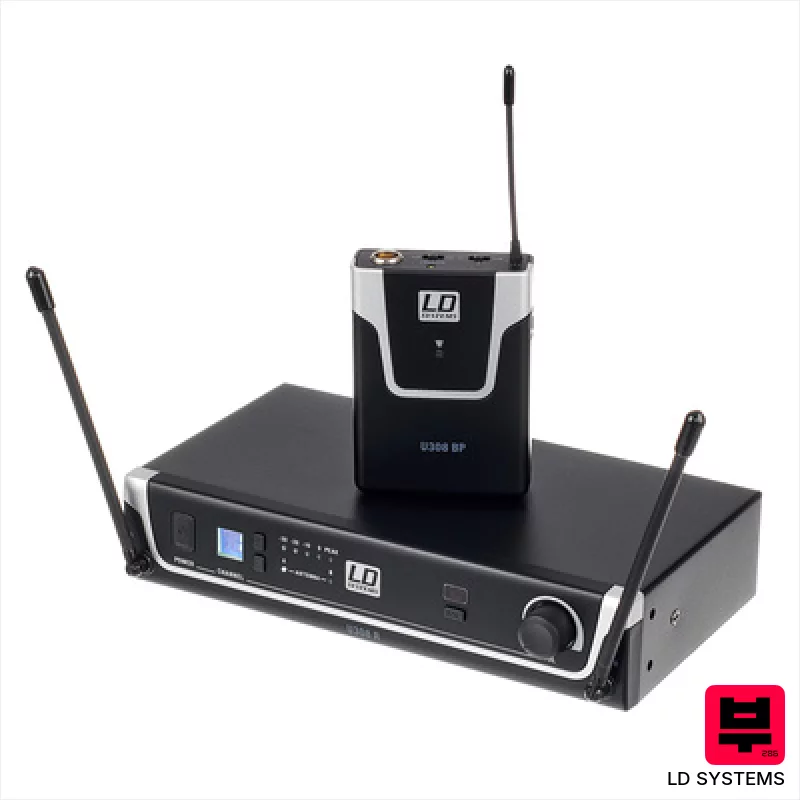
LD Systems U308 BPH
- • Solid metal receiver housing offers reliable durability on stage.
- • ASC infrared sync simplifies channel selection, avoiding frequency clashes.
- • Decent 10-hour battery life ensures extended performance without interruption.
- • Headset mic delivers clear vocal capture, ideal for presenters and performers.
- • UHF frequency band can be susceptible to interference in crowded RF environments.
- • Limited channel selection compared to higher-end systems; potential for dropouts.
- • Bodypack design may feel bulky or uncomfortable for some users.
How to Choose the Best Wireless Microphones with Headset Microphone
Frequency Response & Clarity
LD Systems generally delivers a clean, articulate sound. It's not overly colored - you're not going to get a hyped low-end thump or a brittle high-end sparkle. It's a neutral canvas, which is great for vocalists who want their natural tone to shine, but might require a bit more EQ to really pop in a dense mix.
Feedback Rejection
This is where LD Systems often surprises. Their mics, especially the UHF models, have surprisingly good feedback rejection for the price point. That's a huge win for stage performers battling unruly monitors. It's not perfect, but it's a noticeable step up from some of the cheaper competitors.
Build Quality & Durability
LD Systems isn't building boutique instruments, but their headset mics feel reasonably robust. The boom arms are flexible but don't feel flimsy, and the capsules seem well-protected. They're gig-ready; they'll take a beating from being crammed into a case or knocked against a mic stand.
Wireless Range & Reliability
The UHF models offer solid range, typically what you need for most stage setups. The 2.4GHz systems are decent, but can be more susceptible to interference in crowded RF environments. Always do a quick frequency scan before a gig, just to be safe - that's standard practice regardless of brand.
Ergonomics & Comfort
Headset mics need to be comfortable, especially for long gigs. LD Systems' designs are generally practical and adjustable, but the fit can vary. It's worth trying one on if possible to ensure it sits comfortably and stays in place, especially if you're an active performer.
Buying Guide
LD Systems offers a good balance of performance and price. Don't expect boutique-level detail, but you're getting a reliable system that'll handle the demands of regular gigging. The cheaper 2.4GHz systems are fine for practice or smaller venues, but for anything with potential RF interference, spring for the UHF models. Pay attention to the included accessories - some bundles might skimp on the receiver mounting options.
How This List Is Built
We don't play these instruments — we're a catalog, not a review desk, and we'd rather say so than pretend otherwise. This page ranks 11 wireless microphones with headset microphone from the Thomann catalogue, which is the largest single source of specification data in this category.
Position is computed, not curated. Four signals, in order of weight: how completely the manufacturer documents the instrument (number of published specifications), where it sits in the price range, how specific the model designation is — which filters out generic accessories — and whether a product image exists. The same inputs always produce the same order, so nothing here is shuffled to look fresh.
What this list is good for: narrowing a category down to a shortlist by spec and budget. What it isn't: a substitute for hearing an instrument. Before you buy, read hands-on reviews and, where you can, play it. Full methodology.

