
Best Wireless Microphones with Handheld Microphone Under $100 2026
Okay, so you need wireless and you're on a budget? Totally get it. Gigs don't pay what they used to, and that dream vintage amp isn't going to fund itself. Finding a decent handheld wireless mic under $100 is a challenge, but it's not impossible - you just need to know what to look for and what you're giving up. Let's cut through the marketing hype and find something that'll actually work for rehearsals, smaller gigs, or even some basic recording.
Last updated: April 11, 2026

ANT START 8 HDM MIC SET 190-200
- • Affordable entry point to wireless vocal performance.
- • Decent dynamic range provides reasonable clarity.
- • Lightweight handheld transmitter minimizes performance fatigue.
- • Balanced XLR output allows connection to professional mixers.
- • VHF frequency band prone to interference in crowded areas.
- • Limited frequency range restricts channel availability and flexibility.
- • Dynamic mic capsule lacks detail for nuanced vocal styles.

ANT START 8 HDM MIC SET 206-216
- • Decent range for budget wireless, around 50 meters is usable.
- • Cardioid dynamic mic handles stage volume effectively.
- • Balanced XLR output allows for professional mixing console integration.
- • Lightweight handheld transmitter reduces performer fatigue.
- • VHF frequency band prone to interference in crowded areas.
- • Limited frequency range restricts channel selection options.
- • Dynamic mic lacks sensitivity, struggles with quiet vocals.
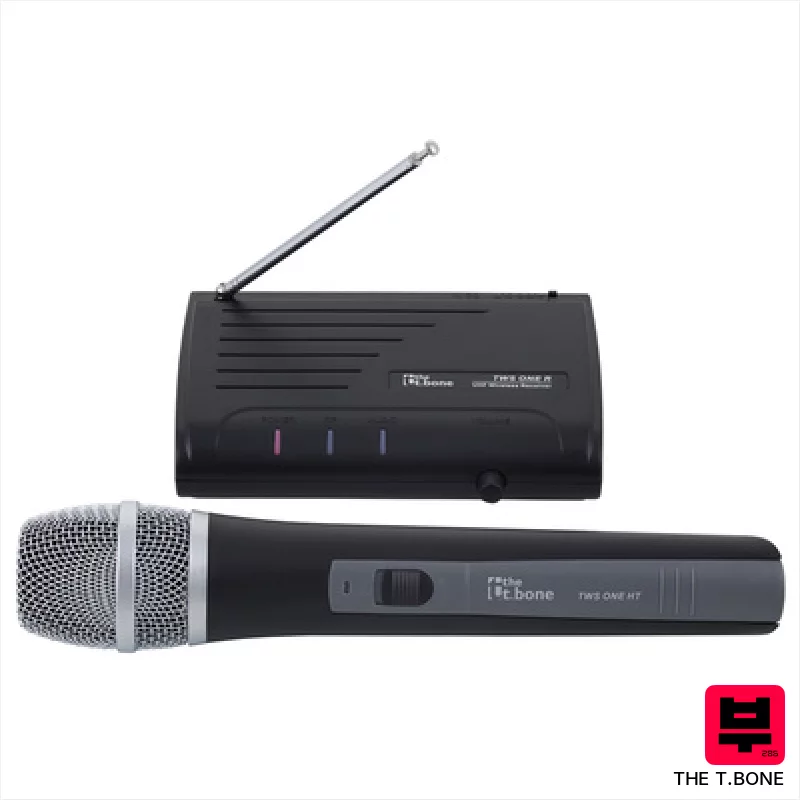
the t.bone TWS One A Vocal
- • Solid build quality for the price point; feels surprisingly robust.
- • Simple, fixed-frequency operation minimizes setup headaches.
- • Decent cardioid capsule rejects some stage bleed effectively.
- • Transport case is a genuinely useful and appreciated inclusion.
- • Fixed frequency means limited channel availability and potential interference.
- • Non-diversity design makes it susceptible to dropouts in crowded RF environments.
- • AA battery reliance is less convenient than a rechargeable pack.

the t.bone TWS One B Vocal
- • Surprisingly robust handheld construction for the price point.
- • Fixed frequency provides reliable signal in controlled environments.
- • Simple, straightforward operation – ideal for beginners.
- • Includes a useful transport case for protection and portability.
- • Single fixed frequency limits versatility and adaptability.
- • Non-diversity design is susceptible to interference in crowded RF spaces.
- • Requires AA batteries, adding ongoing operational costs.

the t.bone TWS One C Vocal
- • Surprisingly robust build for the price point, feels solid in hand
- • Cardioid capsule offers decent feedback rejection onstage
- • Simple, straightforward operation – ideal for beginners
- • Includes transport case, a nice touch for portability
- • Single fixed frequency limits flexibility and potential interference
- • Non-diversity design means less robust signal handling
- • Battery life is directly tied to AA battery quality and usage
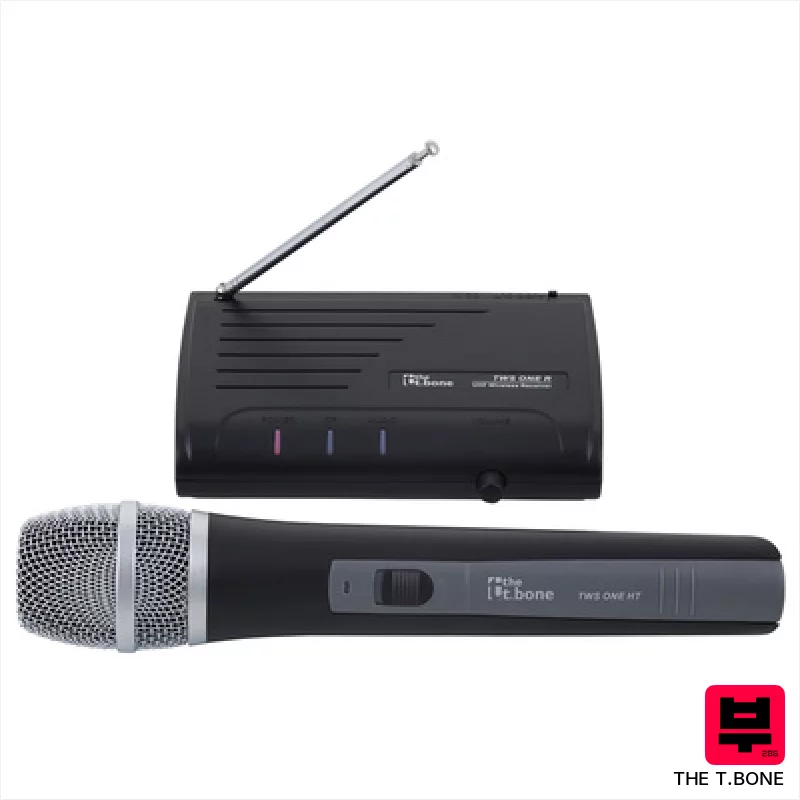
the t.bone TWS One D Vocal
- • Fixed frequency ensures stable signal, avoiding interference.
- • Dynamic capsule delivers robust vocal presence, handling loud stages.
- • Simple, non-diversity design is incredibly easy to set up and use.
- • Included transport case protects the system during travel and storage.
- • Single frequency limits flexibility for multiple performers.
- • Non-diversity means no frequency scanning – potential for dropouts.
- • AA battery power is less convenient than rechargeable options.
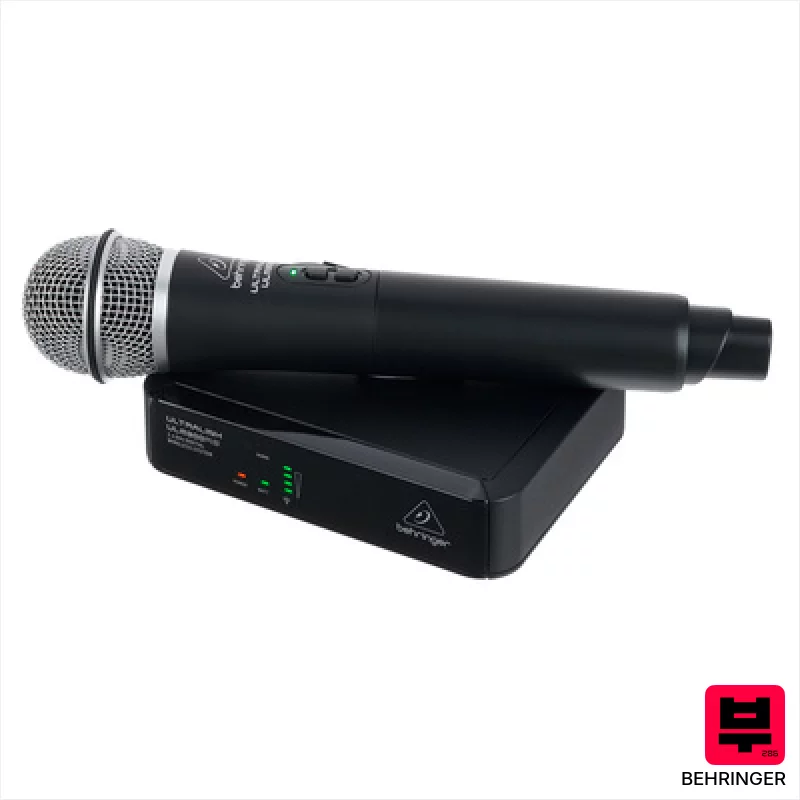
Behringer ULM300MIC
- • Lightweight handheld design promotes comfortable stage presence
- • 2.4 GHz license-free operation simplifies setup and use
- • XLR and 1/4” outputs offer versatile connection options
- • Remote control provides convenient volume and mute adjustments
- • Plastic construction feels noticeably less robust than premium wireless systems
- • Limited channel availability can be restrictive in crowded RF environments
- • Battery life will be a constant concern without rechargeables
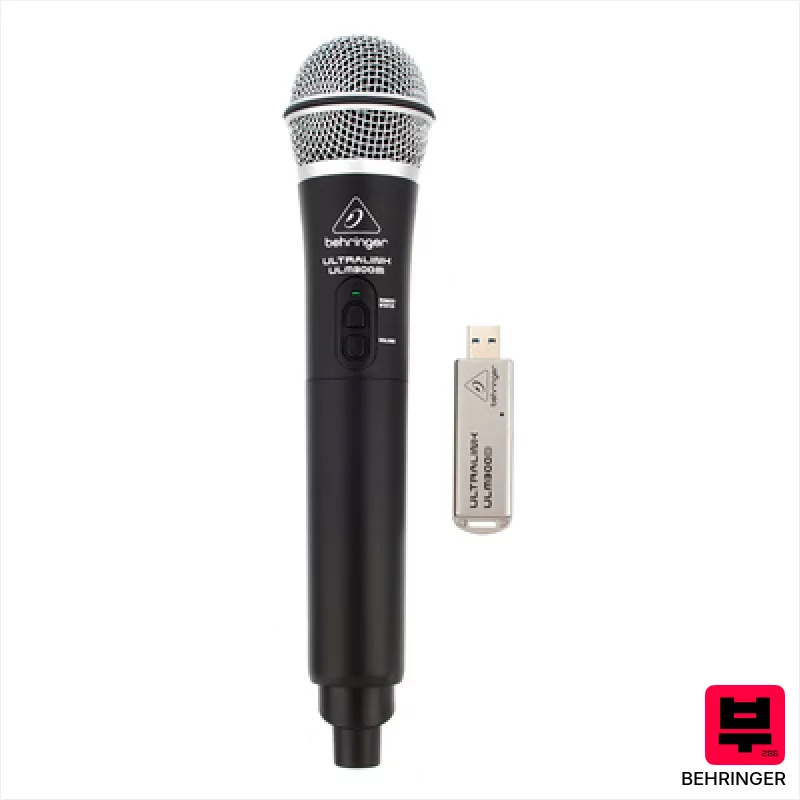
Behringer ULM300USB
- • 2.4GHz license-free operation simplifies setup and avoids interference
- • Integrated volume and mute controls on the handheld mic offer user convenience
- • Lightweight build (0.3 kg) makes it comfortable for extended use
- • USB powered receiver eliminates the need for external power adapters
- • Plastic construction feels budget-oriented and may not withstand heavy abuse
- • Limited channel options restrict use in crowded RF environments
- • 60m range is optimistic; expect reduced performance with obstacles
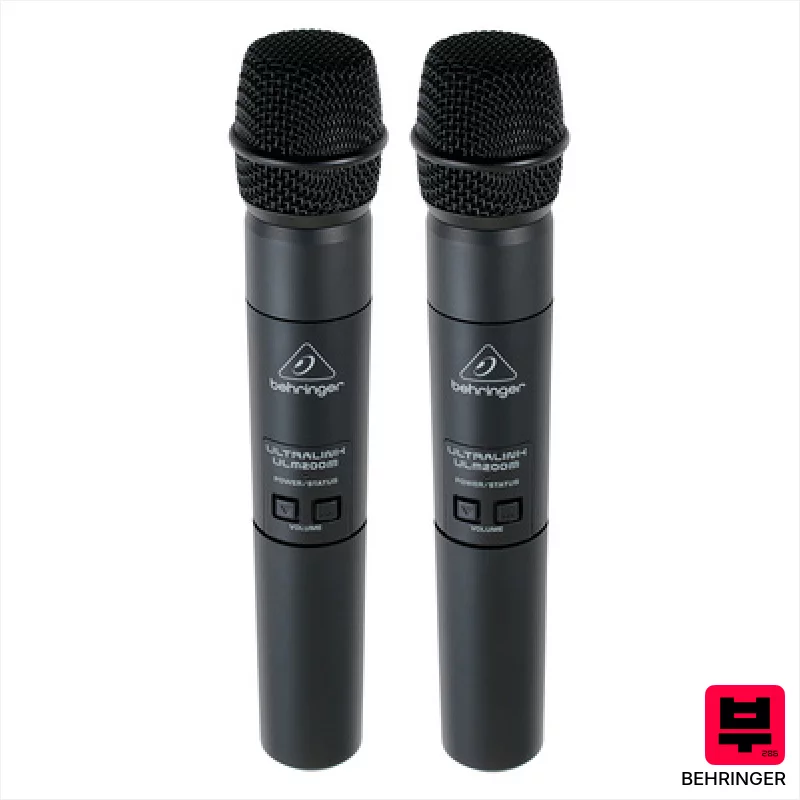
Behringer ULM202USB
- • Solid 2.4GHz digital transmission avoids common RF interference
- • Decent, clear vocal reproduction for spoken word and basic singing
- • USB powered receiver simplifies setup and eliminates external power
- • Lightweight microphone bodies are comfortable for extended use
- • Plastic microphone bodies feel noticeably cheap and less durable
- • Limited frequency band restricts channel availability in crowded wireless environments
- • Sound quality lacks the warmth and detail of higher-end wireless systems
How to Choose the Best Wireless Microphones with Handheld Microphone
Frequency Response
Expect a mid-focused sound. These budget systems often roll off the extreme lows and highs to simplify the transmitter design and reduce interference. Don't expect deep low-end thump; prioritize clarity and cut in the midrange - that's what helps you hear the vocals over a drummer.
Dynamic Range
This is where you'll feel the biggest compromise. Limited dynamic range means less headroom - you'll hit distortion sooner when you're belting it out. Watch for clipping, especially with louder vocals or a full band. It won't sound 'clean' in the pristine sense.
Range
Realistically, expect around 50-75 feet of usable range. Walls, interference, and other wireless devices will eat into that quickly. Don't expect to wander offstage and still be heard.
Build Quality
Plastic is the name of the game here. The mics and transmitters won't feel rock-solid, but they'll be fine for regular gigging as long as you treat them with a little care. The receivers are often a bit flimsy, so protect them.
Interference
2.4GHz is crowded. Be prepared for dropouts and interference from Wi-Fi routers, smartphones, and other wireless devices. Channel selection is key - scan for clear frequencies before each gig.
Buying Guide
At this price point, you're making trade-offs. Don't expect studio-grade sound - these are tools for practicality, not sonic perfection. Prioritize a system with a decent frequency response and a reliable receiver. Be prepared to deal with occasional dropouts and interference; it's part of the deal. And for goodness sake, read the manual and learn how to properly scan for frequencies - it'll save you a lot of frustration onstage.
How This List Is Built
We don't play these instruments — we're a catalog, not a review desk, and we'd rather say so than pretend otherwise. This page ranks 9 wireless microphones with handheld microphone from the Thomann catalogue, which is the largest single source of specification data in this category.
Position is computed, not curated. Four signals, in order of weight: how completely the manufacturer documents the instrument (number of published specifications), where it sits in the price range, how specific the model designation is — which filters out generic accessories — and whether a product image exists. The same inputs always produce the same order, so nothing here is shuffled to look fresh.
What this list is good for: narrowing a category down to a shortlist by spec and budget. What it isn't: a substitute for hearing an instrument. Before you buy, read hands-on reviews and, where you can, play it. Full methodology.

