
Best Wireless Microphones with Handheld Microphone for Beginner 2026
Alright, so you're stepping up from a wired mic - that's awesome. Wireless handhelds open up a world of freedom on stage, but they can be overwhelming. This isn't about flashy features; it's about getting a reliable mic that lets you focus on singing, not wrestling with tech. We'll break down the best options for beginners, keeping things simple and practical.
Last updated: April 11, 2026

ANT START 8 HDM MIC SET 206-216
- • Decent range for budget wireless, around 50 meters is usable.
- • Cardioid dynamic mic handles stage volume effectively.
- • Balanced XLR output allows for professional mixing console integration.
- • Lightweight handheld transmitter reduces performer fatigue.
- • VHF frequency band prone to interference in crowded areas.
- • Limited frequency range restricts channel selection options.
- • Dynamic mic lacks sensitivity, struggles with quiet vocals.

ANT START 8 HDM MIC SET 190-200
- • Affordable entry point to wireless vocal performance.
- • Decent dynamic range provides reasonable clarity.
- • Lightweight handheld transmitter minimizes performance fatigue.
- • Balanced XLR output allows connection to professional mixers.
- • VHF frequency band prone to interference in crowded areas.
- • Limited frequency range restricts channel availability and flexibility.
- • Dynamic mic capsule lacks detail for nuanced vocal styles.
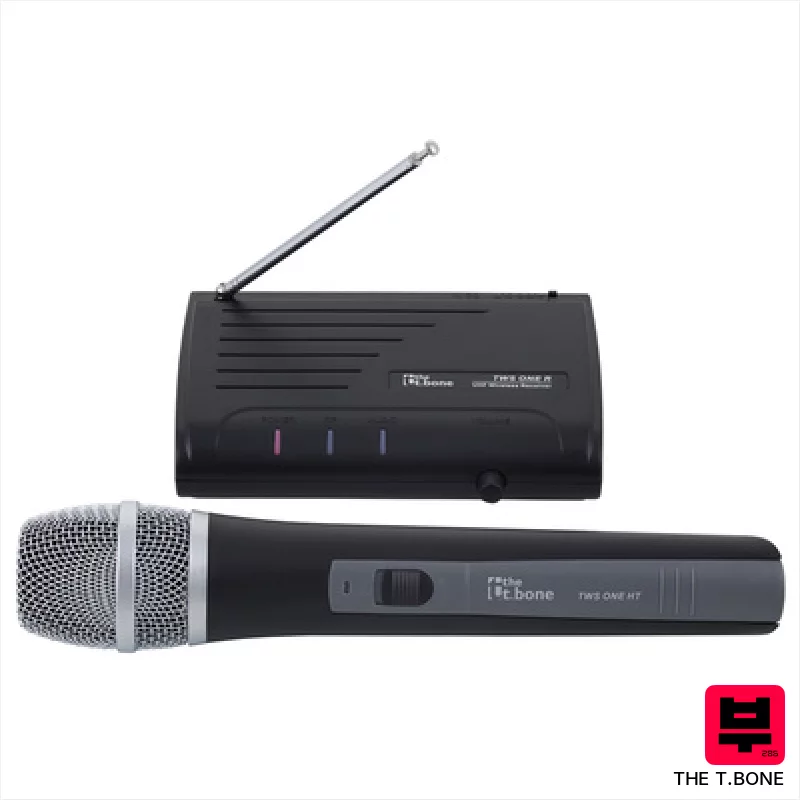
the t.bone TWS One A Vocal
- • Solid build quality for the price point; feels surprisingly robust.
- • Simple, fixed-frequency operation minimizes setup headaches.
- • Decent cardioid capsule rejects some stage bleed effectively.
- • Transport case is a genuinely useful and appreciated inclusion.
- • Fixed frequency means limited channel availability and potential interference.
- • Non-diversity design makes it susceptible to dropouts in crowded RF environments.
- • AA battery reliance is less convenient than a rechargeable pack.
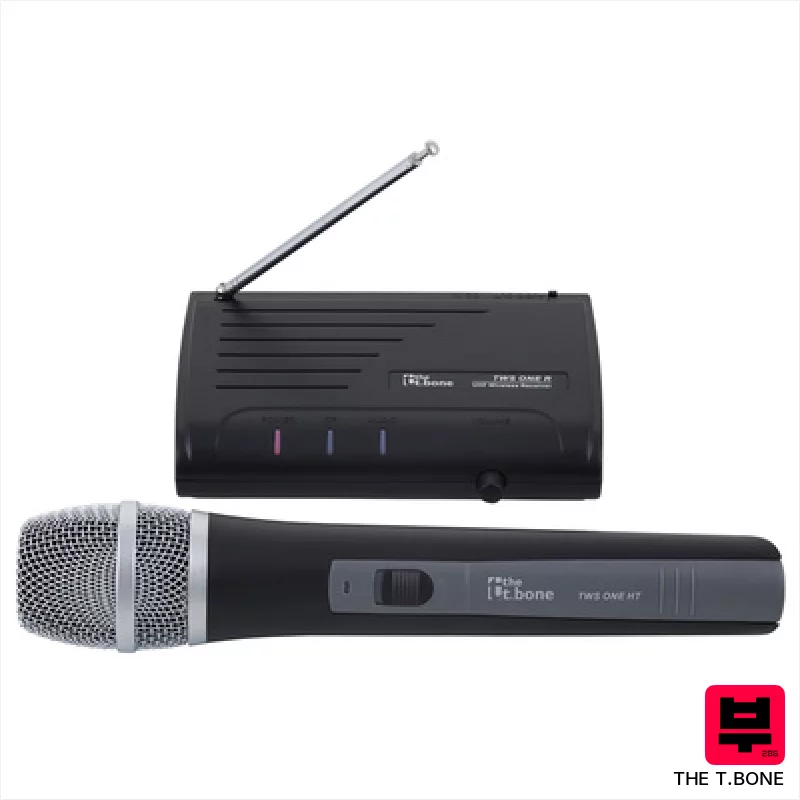
the t.bone TWS One D Vocal
- • Fixed frequency ensures stable signal, avoiding interference.
- • Dynamic capsule delivers robust vocal presence, handling loud stages.
- • Simple, non-diversity design is incredibly easy to set up and use.
- • Included transport case protects the system during travel and storage.
- • Single frequency limits flexibility for multiple performers.
- • Non-diversity means no frequency scanning – potential for dropouts.
- • AA battery power is less convenient than rechargeable options.

the t.bone TWS One C Vocal
- • Surprisingly robust build for the price point, feels solid in hand
- • Cardioid capsule offers decent feedback rejection onstage
- • Simple, straightforward operation – ideal for beginners
- • Includes transport case, a nice touch for portability
- • Single fixed frequency limits flexibility and potential interference
- • Non-diversity design means less robust signal handling
- • Battery life is directly tied to AA battery quality and usage

the t.bone TWS One B Vocal
- • Surprisingly robust handheld construction for the price point.
- • Fixed frequency provides reliable signal in controlled environments.
- • Simple, straightforward operation – ideal for beginners.
- • Includes a useful transport case for protection and portability.
- • Single fixed frequency limits versatility and adaptability.
- • Non-diversity design is susceptible to interference in crowded RF spaces.
- • Requires AA batteries, adding ongoing operational costs.
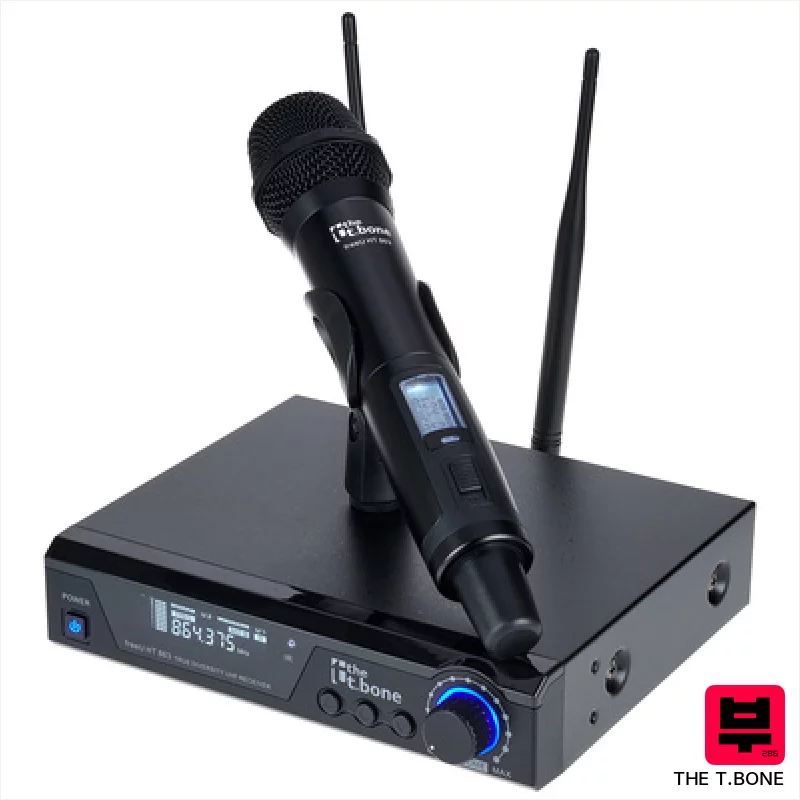
the t.bone freeU HT 863
- • Robust metal transmitter feels surprisingly solid and durable.
- • Supercardioid capsule provides excellent gain before feedback on stage.
- • Frequency scan and auto squelch simplify setup and minimize interference.
- • Infrared sync is a genuinely useful and quick feature.
- • The 863-865 MHz band can be congested in densely populated areas.
- • AA battery power is less convenient than a rechargeable pack or internal cell.
- • The LCD displays on both units are a bit small and can be hard to read in bright light.
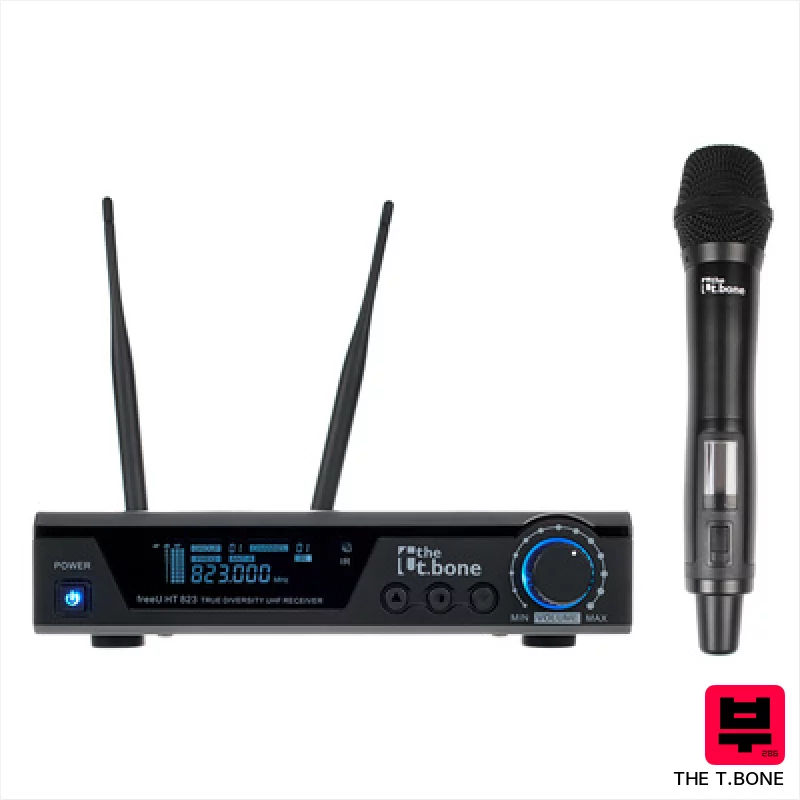
the t.bone freeU HT 823
- • Solid metal handheld construction feels surprisingly robust for the price.
- • Supercardioid pattern minimizes stage bleed, crucial for live use.
- • Frequency scanning helps avoid interference in crowded RF environments.
- • Rack-mountable receiver with BNC antennas offers professional integration.
- • The 823-832 MHz band can be congested in some areas, limiting range.
- • AA batteries are less convenient than rechargeable options; expect shorter runtimes.
- • Dynamic capsule lacks the nuanced detail preferred for studio vocal recording.
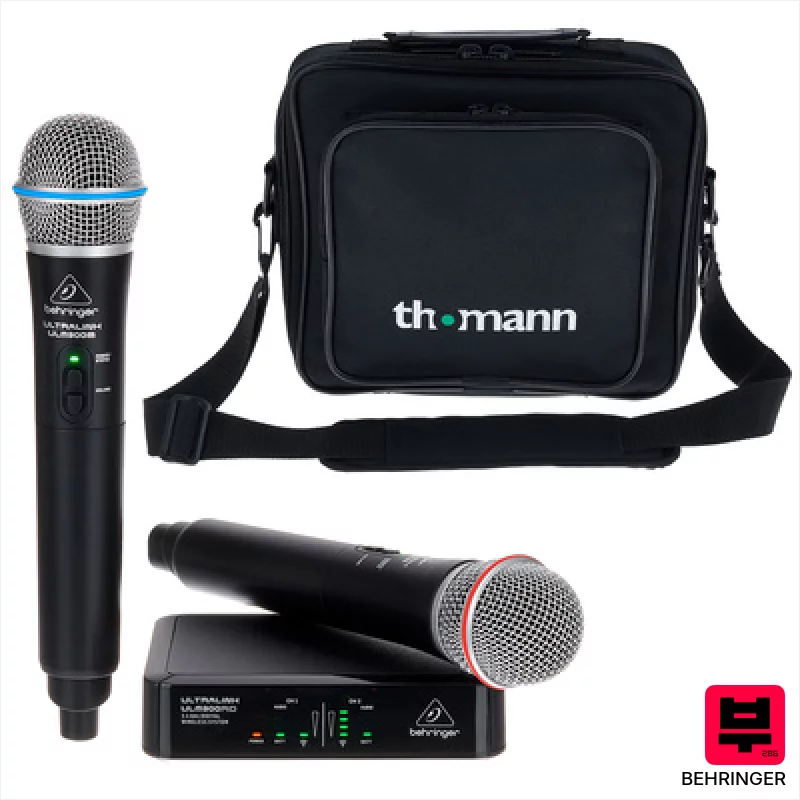
Behringer ULM302MIC Bag Bundle
- • Surprisingly clean, digital audio quality for the price point.
- • The transport bag is genuinely useful for gigging musicians.
- • Simple controls and intuitive operation—easy to set up quickly.
- • Dual transmitters offer flexibility for multiple vocalists or presenters.
- • Build quality feels plasticky; not designed for heavy abuse.
- • 2.4GHz band can be susceptible to interference in crowded wireless environments.
- • Battery life on the transmitters will be a constant consideration.
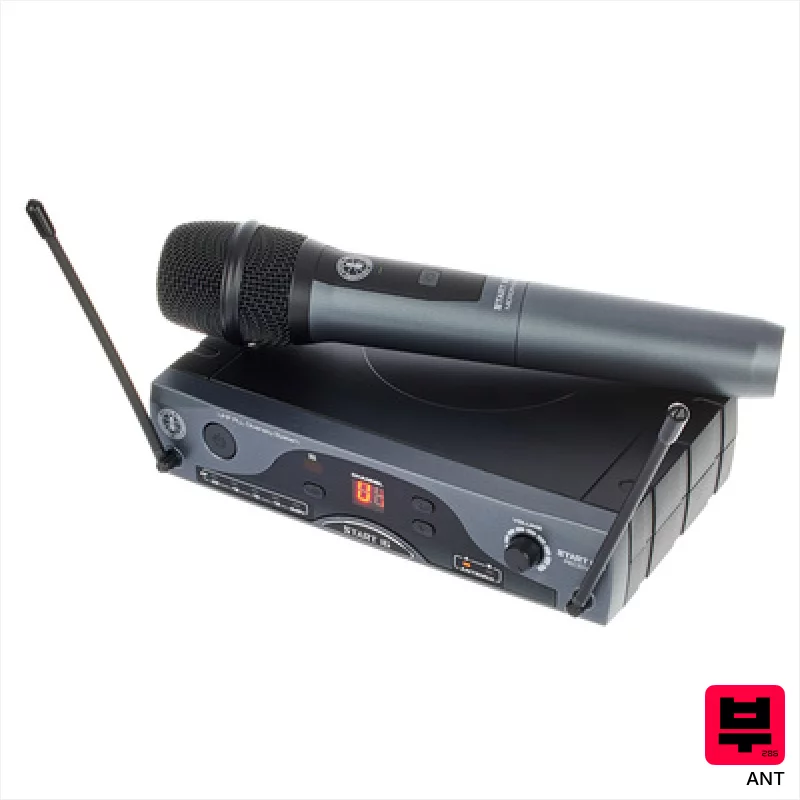
ANT Start 16 HDM
- • UHF 863-865 MHz provides decent range for most small gigs
- • Dynamic capsule delivers robust sound, handling higher stage volumes
- • FM diversity minimizes dropouts, a welcome feature at this price
- • Compact receiver design is relatively portable for a wireless system
- • Build quality feels plasticky; likely won’t withstand heavy road use
- • Limited frequency range (60-15000 Hz) lacks high-end sparkle
- • AA batteries are inconvenient; rechargeable packs would be preferable
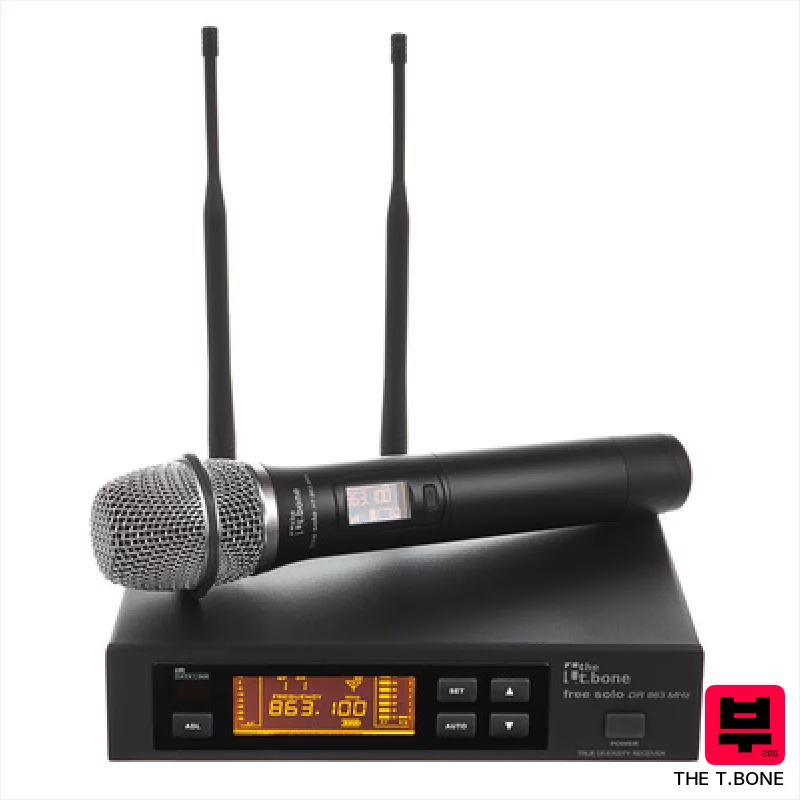
the t.bone free solo HT 863 MHz
- • Solid metal transmitter housing offers excellent durability for stage use
- • Infrared sync simplifies channel matching, a real time-saver on gigs
- • Cardioid dynamic mic rejects stage bleed effectively for cleaner vocals
- • Rackmount included makes integration into existing setups straightforward
- • 863-865 MHz band can be susceptible to interference in crowded RF environments
- • AA battery operation adds ongoing cost and potential for mid-performance failure
- • Limited frequency allocation might restrict use in large, multi-wireless setups
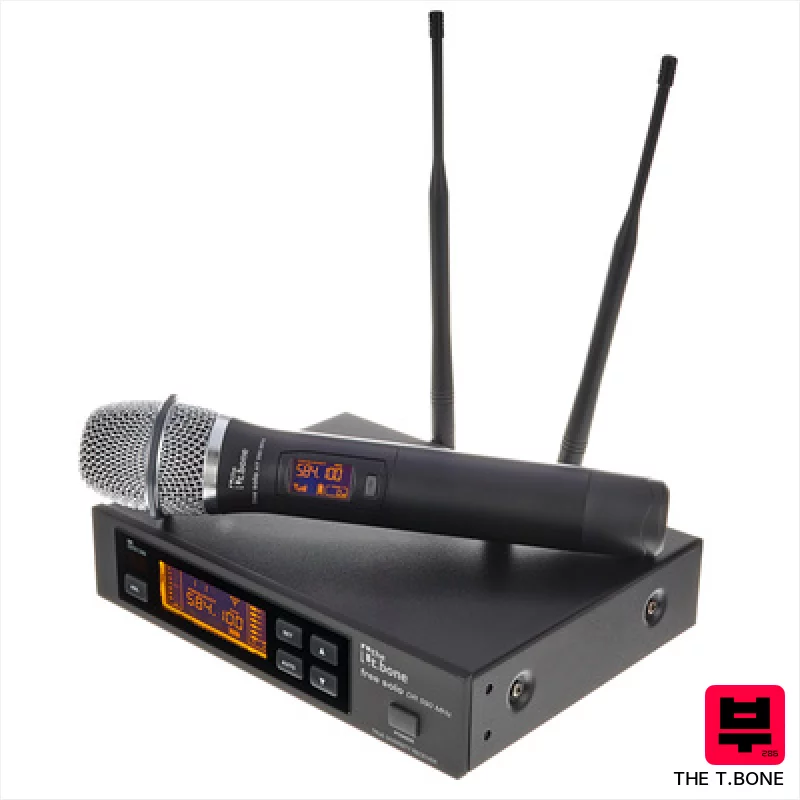
the t.bone free solo HT 590 MHz
- • Solid metal handheld construction feels robust and dependable.
- • Cardioid pattern effectively isolates vocals, minimizing stage bleed.
- • Infrared sync simplifies frequency matching – a real time-saver.
- • Multiple frequency groups offer flexibility in crowded RF environments.
- • 590 MHz band can be congested in some areas, limiting range.
- • AA battery power is less convenient than integrated rechargeable packs.
- • Limited frequency agility compared to more advanced systems.
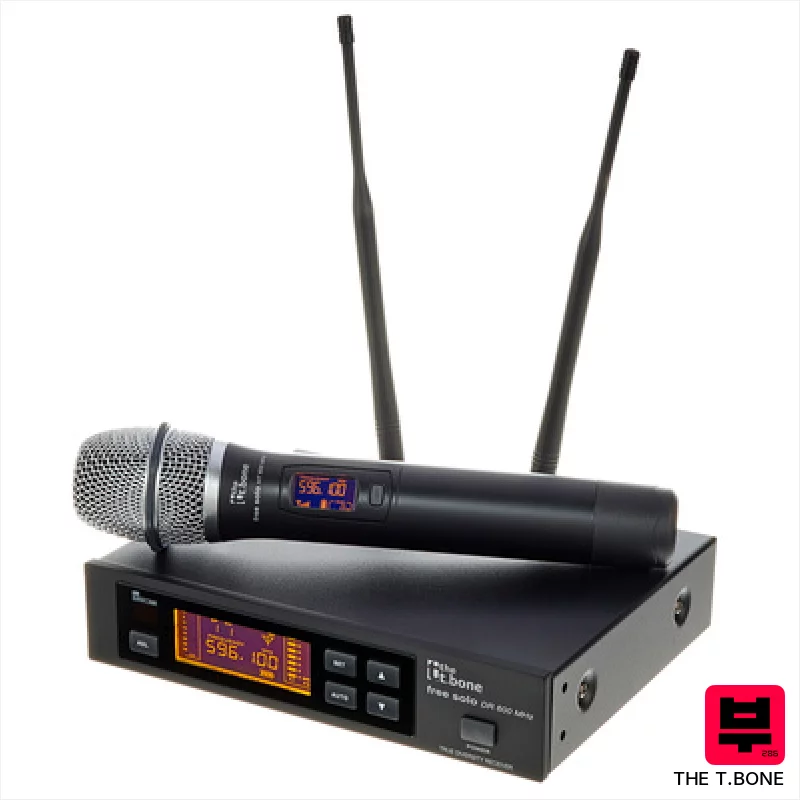
the t.bone free solo HT 600 MHz
- • Metal transmitter housing feels robust, inspiring confidence on stage.
- • Cardioid capsule effectively rejects stage bleed for cleaner vocals.
- • Infrared sync simplifies frequency matching, a real time-saver.
- • Adjustable power allows for flexibility in varying RF environments.
- • 600 MHz band can be congested in some areas, potentially causing interference.
- • AA battery operation limits runtime compared to rechargeable packs.
- • Receiver's 1U height might be restrictive in very compact setups.
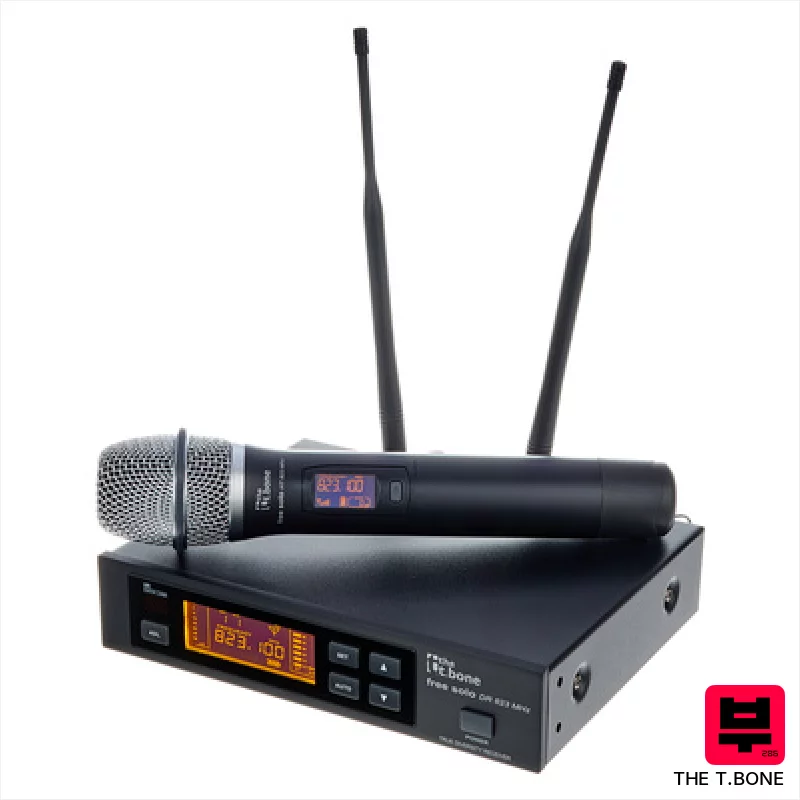
the t.bone free solo HT 823 MHz
- • Metal transmitter housing feels robust and well-built.
- • Infrared sync simplifies channel setup significantly.
- • Cardioid dynamic mic effectively rejects stage noise.
- • Multiple presets offer flexibility for various vocalists.
- • 823 MHz band can be prone to interference in crowded RF environments.
- • AA battery power is less convenient than a rechargeable pack.
- • Limited frequency range restricts expandability for larger groups.
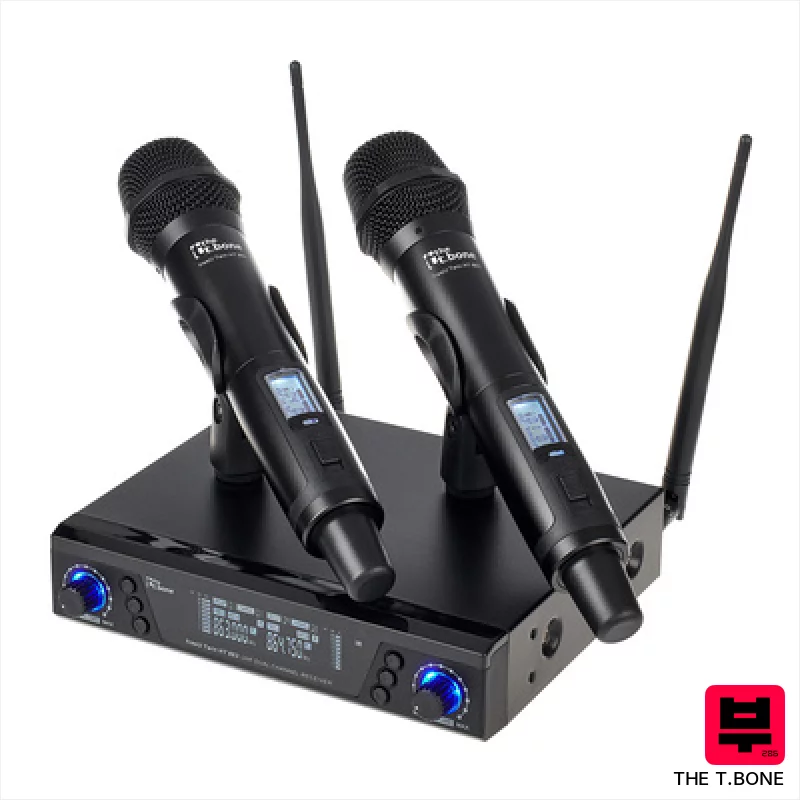
the t.bone freeU Twin HT 863
- • Solid metal handheld transmitter feels robust and durable for stage use
- • 863-865 MHz band offers relatively clean spectrum in many regions
- • Infrared sync simplifies frequency matching between receiver and transmitter
- • Pre-programmed frequency groups offer flexibility for multiple performers
- • Dynamic capsule lacks the sensitivity for nuanced vocal performances or quieter sources
- • Limited frequency scanning range can be problematic in crowded RF environments
- • AA battery power in the transmitter isn't ideal for long, demanding gigs
How to Choose the Best Wireless Microphones with Handheld Microphone
Frequency Response & Articulation
A beginner doesn't need a mic that's trying to be a Swiss Army knife. You want clarity - a response that lets your vocals cut through a mix without sounding harsh or muddy. We're looking for a balanced tone, not a hyped-up low-end thump that'll just create rumble.
Build Quality & Durability
Gigs can be rough. Dropped mics happen. A mic that can take a beating and still sound decent is a huge win. We're checking for solid construction, not just plastic bits and flimsy clips.
Ease of Use & Setup
Complicated menus and pairing headaches are a nightmare when you're trying to get a show started. Simple, intuitive operation is key - you shouldn't need a degree in electronics to get it working.
Range & Reliability
Dropped signal mid-song? Not cool. We're testing range in realistic scenarios - crowded stages, rooms with lots of interference. Consistent signal is non-negotiable.
Feedback Rejection
Let's be honest, feedback is a reality. A mic with decent feedback rejection will save you from embarrassing squeals and give you more headroom to work with on stage.
Buying Guide
For beginners, don't chase the top-tier features. Those fancy digital displays and multiple channels are nice, but they're also a distraction and a cost increase. Prioritize a solid, reliable system with good range and a mic that sounds decent - a Shure PG58-style vocal character is a safe bet. Be wary of super-cheap wireless systems; they almost always cut corners on build quality and range, and the frustration isn't worth the small savings.
How This List Is Built
We don't play these instruments — we're a catalog, not a review desk, and we'd rather say so than pretend otherwise. This page ranks 15 wireless microphones with handheld microphone from the Thomann catalogue, which is the largest single source of specification data in this category.
Position is computed, not curated. Four signals, in order of weight: how completely the manufacturer documents the instrument (number of published specifications), where it sits in the price range, how specific the model designation is — which filters out generic accessories — and whether a product image exists. The same inputs always produce the same order, so nothing here is shuffled to look fresh.
What this list is good for: narrowing a category down to a shortlist by spec and budget. What it isn't: a substitute for hearing an instrument. Before you buy, read hands-on reviews and, where you can, play it. Full methodology.

