
Best Vocal Microphones Under $500 2026
Alright, so you need a workhorse dynamic mic but your bank account isn't screaming 'platinum endorsement deal'? Been there. Finding a mic that cuts through a loud band, handles a screaming vocalist, or captures decent acoustic guitar without breaking the bank is totally doable. This list focuses on the best dynamic mics you can snag for under $500 - mics that actually deliver for the price.
Last updated: June 10, 2026 • Next update: June 17, 2026
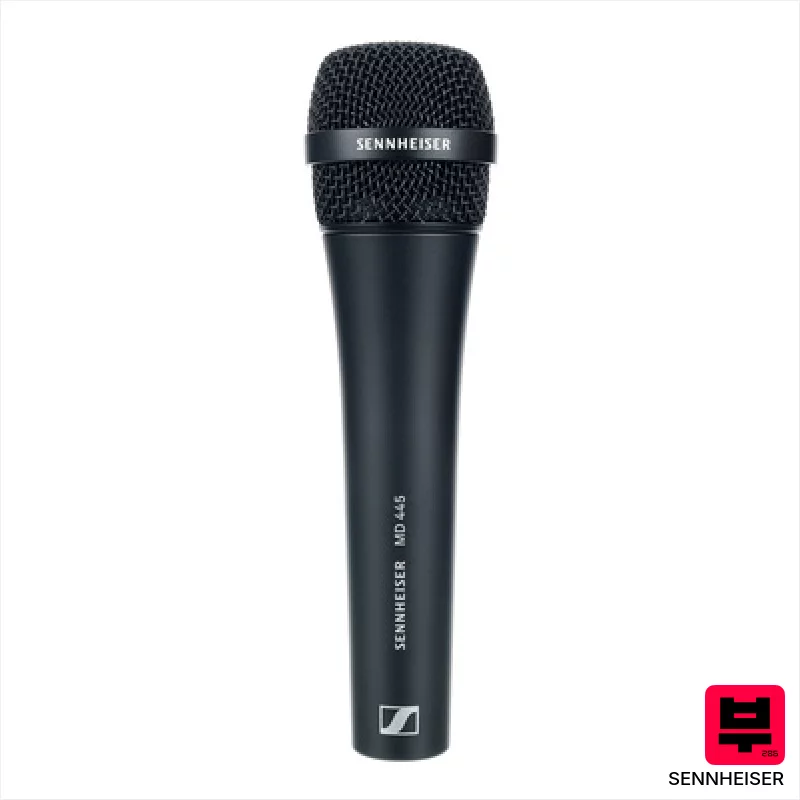
Sennheiser MD 445
- • Excellent off-axis rejection minimizes stage bleed effectively.
- • Robust zinc die-cast body offers superb durability for live use.
- • Supercardioid pattern excels in loud environments, capturing vocals clearly.
- • Spring-mounted capsule effectively isolates the capsule from handling noise.
- • Supercardioid pattern demands precise mic technique for optimal results.
- • Lacks the warmth of some vintage dynamic mics; brighter character.
- • Somewhat heavy for extended handheld use, especially for smaller performers.
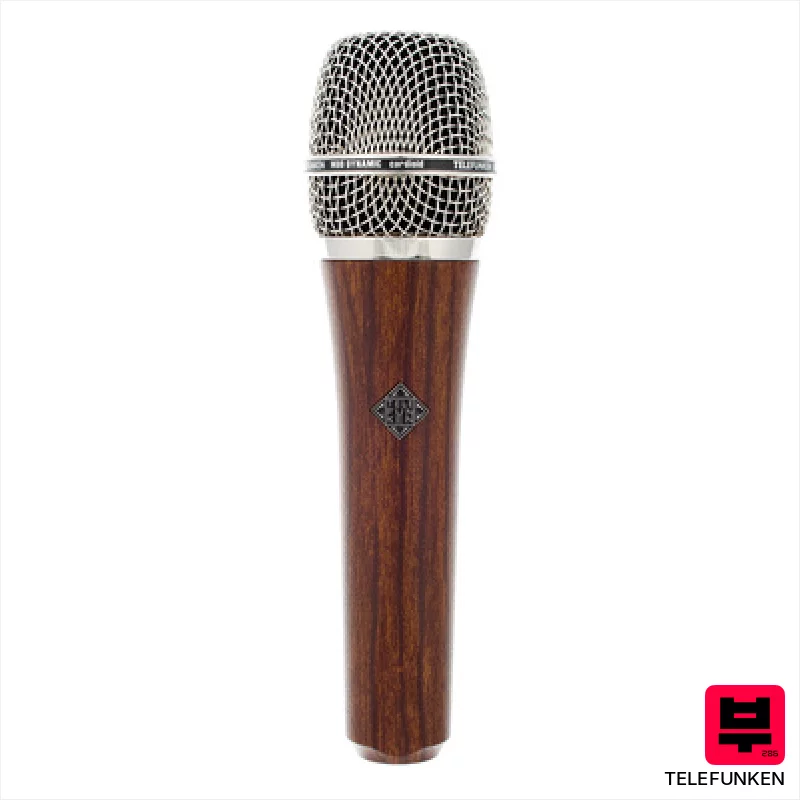
Telefunken M80 Cherry
- • Robust zinc die-cast body provides excellent durability for stage use
- • Supercardioid pattern offers excellent isolation from stage bleed
- • Smooth, natural midrange presence suits a wide range of vocal styles
- • Well-defined transient response captures subtle nuances in performance
- • Supercardioid pattern demands precise mic technique to avoid feedback
- • Higher impedance may require a preamp with ample headroom
- • Limited frequency response compared to condenser microphones
- • Weight can be fatiguing for extended handheld use
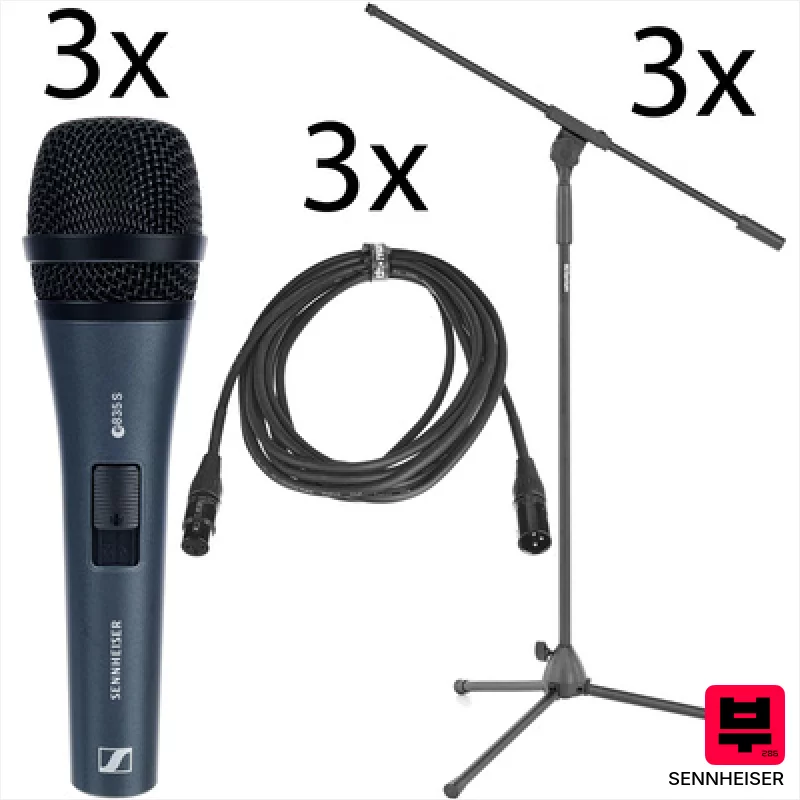
Sennheiser E835 S 3Pack Bundle
- • Robust build quality; feels like it'll survive countless gigs
- • Cardioid pattern effectively isolates vocals from stage noise
- • Included stands offer decent stability for live performance
- • Rean XLR connectors ensure reliable signal transfer and durability
- • The bundled stands are basic, not ideal for studio use
- • E835’s sound can be slightly muddy in dense mixes
- • Microphone weight (330g) might be fatiguing for extended handheld use

Sennheiser MD 435
- • Robust, all-steel construction inspires confidence on stage.
- • Cardioid pattern effectively rejects bleed, great for loud environments.
- • Spring-mounted capsule minimizes handling noise, a crucial detail.
- • Clear, intelligible vocal reproduction; cuts through a dense mix.
- • Can be a bit dark sounding, lacking bright airiness for some vocal styles.
- • Higher impedance requires a quality preamp for optimal performance.
- • Relatively heavy, might be fatiguing for extended handheld use.

Shure Beta 87C
- • Exceptional clarity and detail across the vocal spectrum.
- • Robust, all-metal construction feels incredibly durable.
- • Excellent off-axis rejection minimizes stage bleed and room noise.
- • Linear frequency response delivers a natural, uncolored vocal reproduction.
- • Can be overly sensitive for loud, aggressive vocalists.
- • Lacks a pad switch for extremely high SPL sources.
- • Cardioid pattern limits versatility for certain recording scenarios.
- • Premium-priced compared to some entry-level condenser mics.
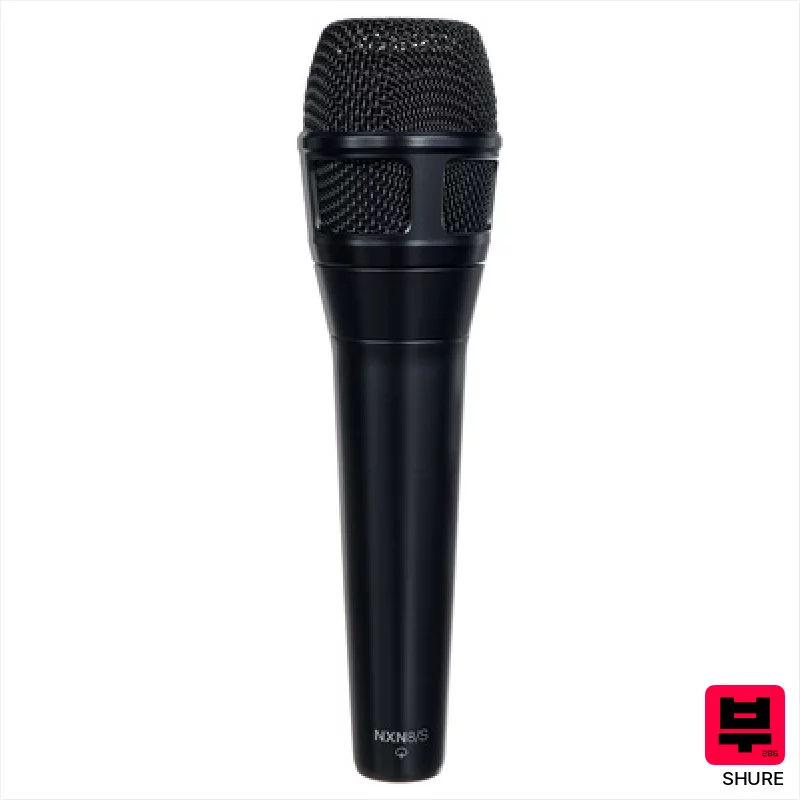
Shure Nexadyne 8/S
- • Revonic tech significantly reduces stage rumble and feedback issues.
- • Supercardioid pattern provides excellent isolation in loud environments.
- • Robust zinc alloy body feels solid and durable for gigging.
- • Lightweight design (145g) minimizes fatigue during extended performances.
- • Supercardioid's tight pickup pattern demands precise mic technique.
- • Limited frequency response compared to condenser mics; lacks subtle detail.
- • ANXNC pouch is a nice touch, but not a truly premium accessory.

Shure Nexadyne 8/C
- • Revonic dual-capsule design significantly reduces handling noise.
- • Cardioid pattern offers excellent gain-before-feedback on stage.
- • Robust zinc alloy body feels durable and roadworthy.
- • Frequency response extends surprisingly high for a dynamic mic.
- • Lacks the warmth and low-end extension of premium vocal mics.
- • Sensitivity is lower, requiring more preamp gain for quiet stages.
- • Limited tonal flexibility; not ideal for diverse vocal styles.

Audio-Technica AE 3300
- • Cardioid pattern excels at isolating vocals in less-than-ideal rooms.
- • Robust metal body feels substantial, hinting at durability for stage use.
- • High SPL handling allows for capturing powerful vocal performances without distortion.
- • Integrated pad and high-pass filter provide flexibility for various recording scenarios.
- • Lacks the warmth and vintage character of higher-end studio condensers.
- • Cardioid-only pattern limits versatility for group vocals or ambient recordings.
- • While solid, the build doesn’t feel quite as premium as some competitors.
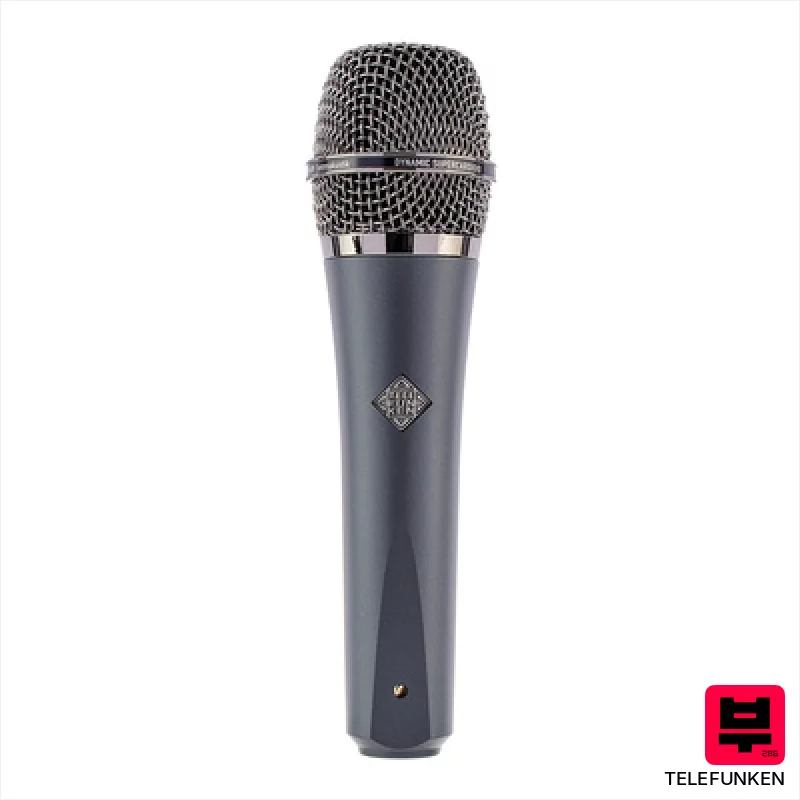
Telefunken M81 Universal Dynamic
- • Robust zinc die-cast body provides excellent durability for stage use
- • Supercardioid pattern effectively rejects bleed from unwanted sources
- • Detailed, clear sound with a surprisingly warm low-mid presence
- • Excellent feedback rejection, a real asset in live performance environments
- • Supercardioid pattern demands precise mic technique for optimal results
- • Higher impedance requires a quality preamp for best performance
- • Can sound slightly clinical on some vocals without EQ adjustment
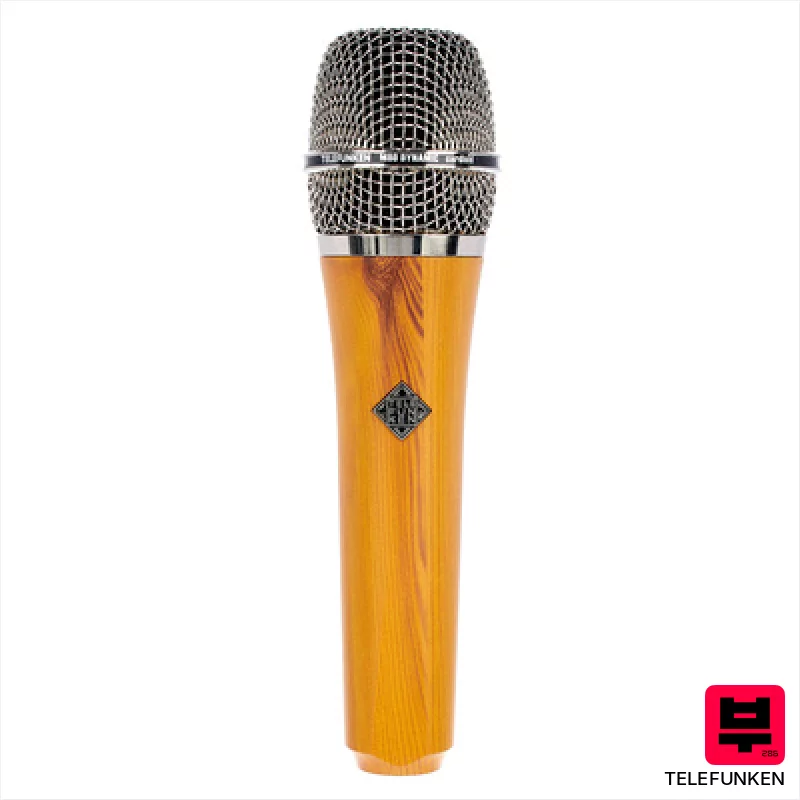
Telefunken M80 Oak
- • Solid oak handle provides excellent grip and unique aesthetic.
- • Supercardioid pattern excels at isolating vocals in live settings.
- • Robust internal capsule delivers Telefunken’s signature clarity and warmth.
- • Well-suited for stage and studio recording of vocals and instruments.
- • Supercardioid pattern demands careful mic placement to avoid feedback.
- • 325 Ohm impedance might require a preamp with sufficient gain.
- • Oak handle can be susceptible to scratches and finish wear with heavy use.
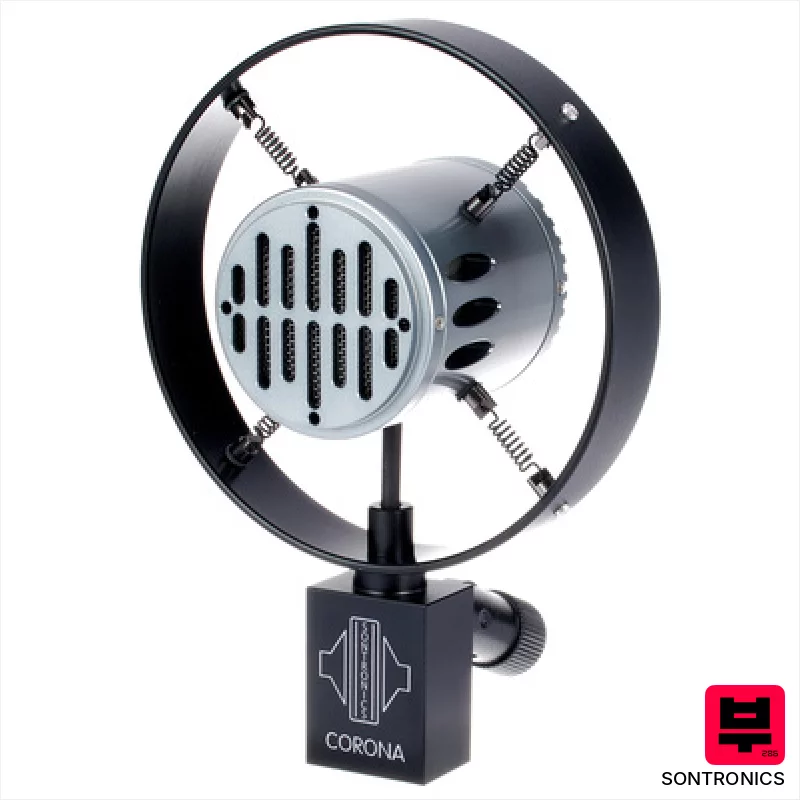
Sontronics Corona
- • Solid, retro-inspired build with robust internal bracing
- • Supercardioid pattern excels at isolating vocals in less-than-ideal spaces
- • Surprisingly detailed transient response for a dynamic mic
- • Versatile enough for guitar amps, offering a usable, gritty tone
- • High impedance requires a preamp with sufficient drive capability
- • Supercardioid pattern can be tricky to manage on stage
- • Plastic case feels a bit cheap compared to the microphone itself
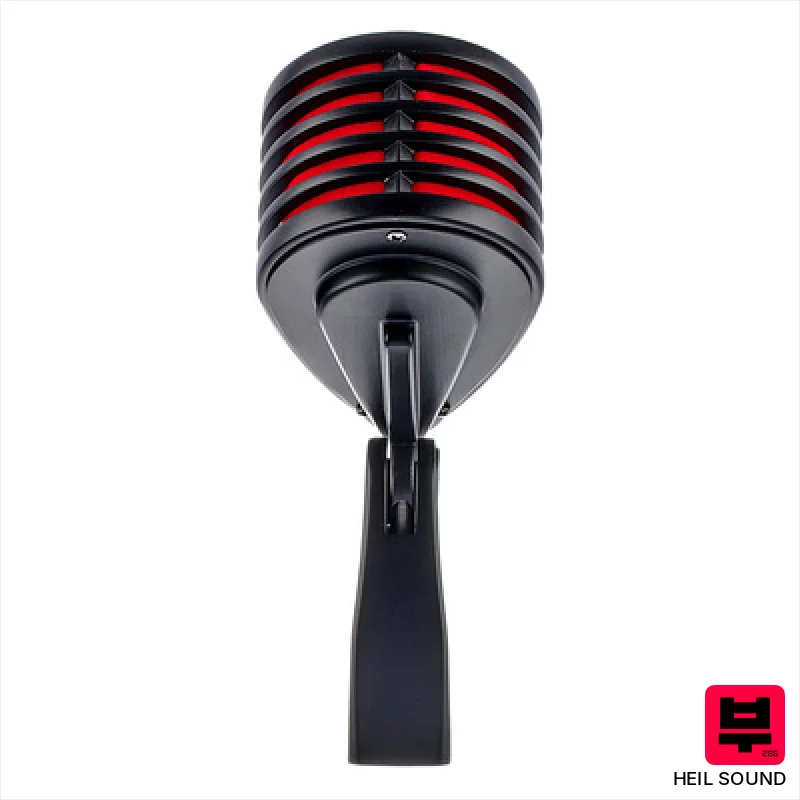
Heil Sound The Fin Black/Red
- • Robust all-alloy construction feels incredibly solid and durable.
- • Heil’s custom dynamic element delivers surprisingly detailed vocal reproduction.
- • Cardioid pattern effectively isolates vocals, minimizing background noise.
- • Integrated LEDs add a cool visual flair, great for stage presence.
- • High impedance requires a preamp or transformer for optimal performance.
- • The vintage aesthetic might not appeal to all performers.
- • Limited frequency response compared to premium condenser microphones.
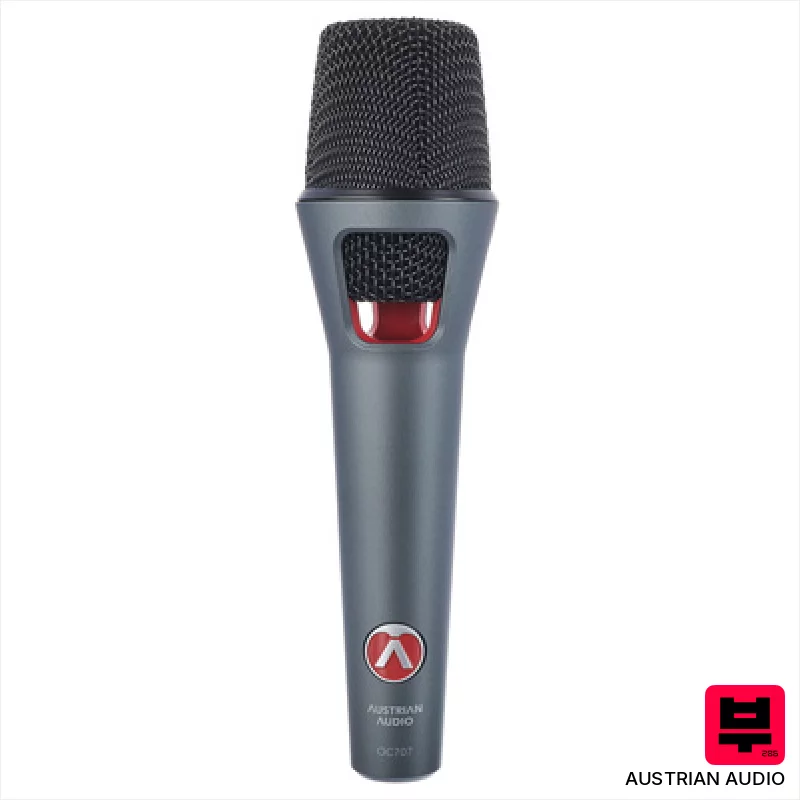
Austrian Audio OC707
- • Exceptional transient response for detailed vocal recordings.
- • Robust die-cast housing provides excellent durability on stage.
- • Cardioid pattern effectively isolates vocals in untreated rooms.
- • Smooth, natural high-end avoids harshness common in some condensers.
- • Limited polar pattern options restrict versatility for certain recording scenarios.
- • 275 Ohm impedance can require a high-quality preamp for optimal performance.
- • The low-cut filter is second-order, not as steep as some prefer for proximity effect.
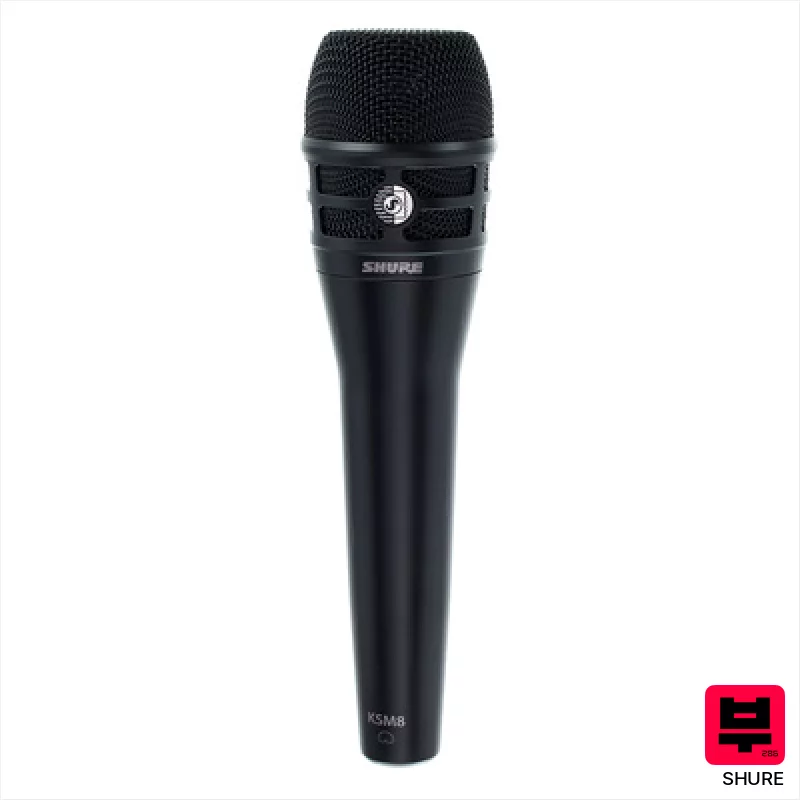
Shure KSM8 B
- • Dualdyne system delivers remarkably consistent off-axis rejection.
- • Hardened steel mesh protects the capsule from stage abuse.
- • Aluminium build provides a robust, premium feel and durability.
- • Minimal proximity effect reduces boomy low-end in close-mic situations.
- • The sensitivity is relatively low, requiring more preamp gain.
- • Lacks a switchable pad for handling extremely loud sound sources.
- • Cardioid pattern limits versatility for certain stage setups.
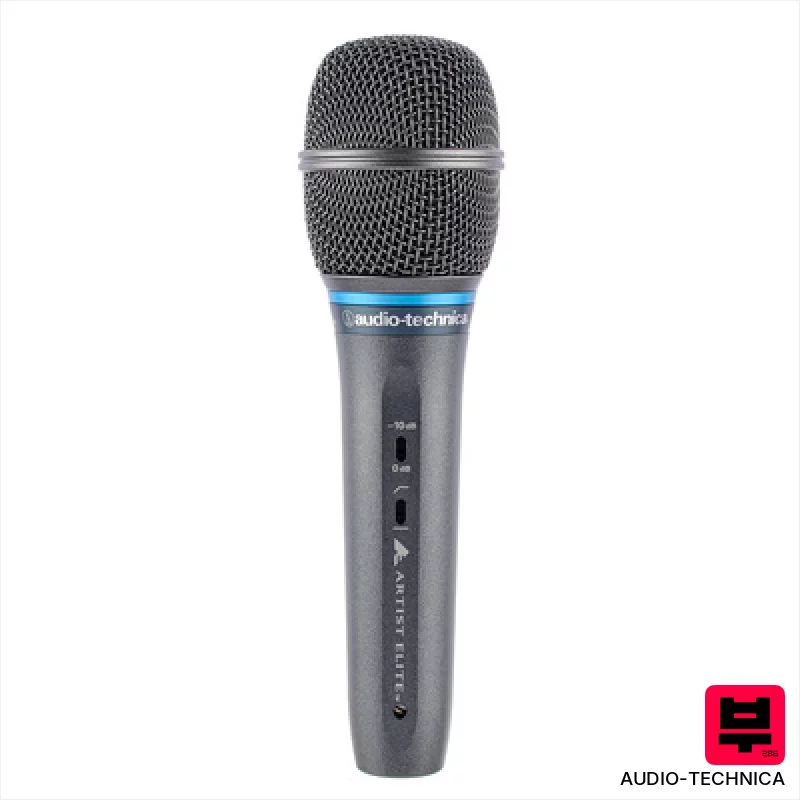
Audio-Technica AE 5400
- • Excellent transient response for detailed vocal recordings
- • Robust internal capsule offers consistent performance over time
- • Cardioid pattern minimizes room noise effectively for home studios
- • The included pad & HPF provide flexibility for various vocal styles
- • Can be slightly bright for darker vocal timbres, requiring EQ
- • Heavier than some competing mics, potentially unstable on lighter stands
- • Limited polar pattern options restrict versatility for certain applications
How to Choose the Best Vocal Microphones
Frequency Response
It's not just about numbers; it's about the character. A hyped low-end can add thump for vocals or kick drums, while a smooth top end avoids that ice-pick harshness that'll make your ears bleed. We're looking for a balanced response that's usable across various sources.
Polar Pattern
Cardioid is king for most situations - good rejection of stage noise and focused pickup. Supercardioid offers even better isolation but can be more finicky about mic placement. Figure-8 is niche but useful for duets or specific recording techniques.
Sensitivity & Handling Noise
A sensitive mic captures more detail, but also more room noise and stage rumble. Low handling noise is critical for vocals - nobody wants to hear your mic stand rattling through the PA.
Durability & Build Quality
Gigs are brutal. We're looking for mics that can take a beating - robust construction, a solid clip, and a reliable capsule that won't fail mid-set. Cheap plastics and flimsy grilles are red flags.
Off-Axis Rejection
How well does the mic reject sound coming from the sides and rear? This is crucial for minimizing bleed from other instruments in a band setting or controlling room reflections in a less-than-ideal recording environment.
Buying Guide
Under $500, you're making trade-offs. Don't expect the nuanced detail of a condenser mic or the pristine clarity of a flagship dynamic. You'll likely be sacrificing some top-end sparkle and low-end extension. Pay attention to the mic's 'voicing' - some will have that classic 'vintage' warmth, others a more modern, neutral sound. A good preamp can do wonders to compensate for any shortcomings, so factor that into your overall budget.
Our Methodology
We're not just looking at spec sheets here. We've spent years gigging, recording in everything from pro studios to cramped bedroom setups, and A/B'd these mics against far more expensive competition. This list is based on real-world performance - how they sound live, how they track, and how they hold up to the abuse of a touring musician's life.

