
Best Vocal Microphones 2026
So, you're looking at condenser mics? Good choice - they're the workhorses for a reason. Whether you're tracking vocals, acoustic guitars, or drum overheads, a condenser can add that air and detail that dynamic mics just can't deliver. But wading through the options can be overwhelming, so let's cut through the hype and figure out what you really need.
Last updated: June 10, 2026 • Next update: June 17, 2026

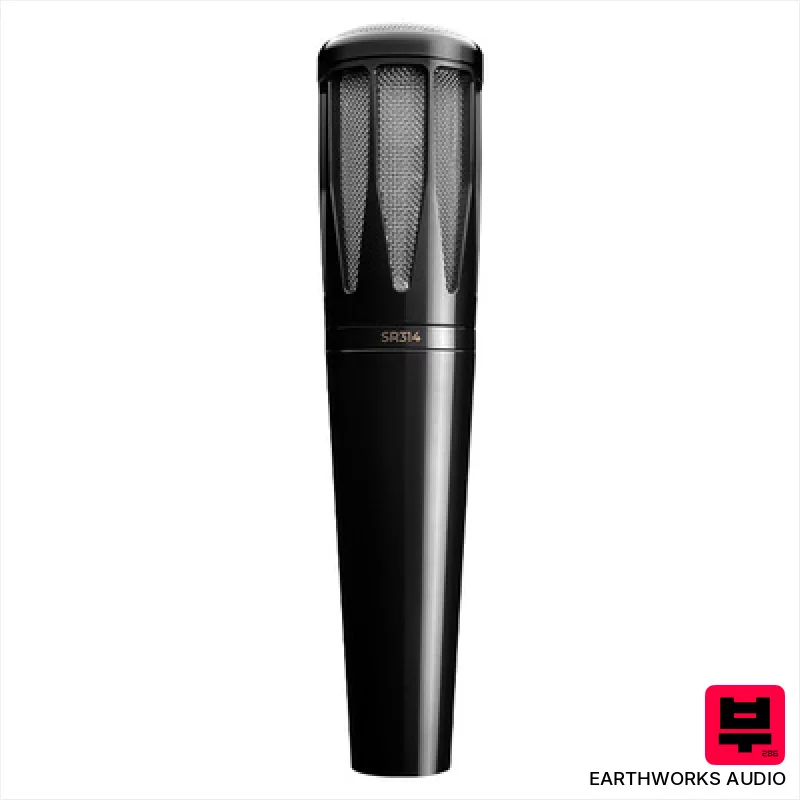
Earthworks Audio SR314 BK
- • Exceptional transient response captures nuance often missed by other mics.
- • Extended frequency range delivers clarity across a wide vocal spectrum.
- • Robust, all-metal construction feels incredibly solid and durable.
- • Cardioid pattern provides excellent isolation in live or studio settings.
- • The relatively high mass can be fatiguing for extended handheld use.
- • Lacks multiple polar patterns, limiting versatility in some recording scenarios.
- • Premium-priced, making it a significant investment for budget-conscious users.
Earthworks Audio SR314 SB BK
- • Exceptional transient response captures nuanced vocal details.
- • The stainless steel basket offers robust protection against stage abuse.
- • Cardioid pattern minimizes bleed from monitors effectively.
- • Extremely high max SPL handles loud vocals without distortion.
- • The weight can be fatiguing for extended handheld use.
- • Limited polar pattern options restrict versatility in complex recording scenarios.
- • Premium-priced, potentially a barrier for budget-conscious vocalists.
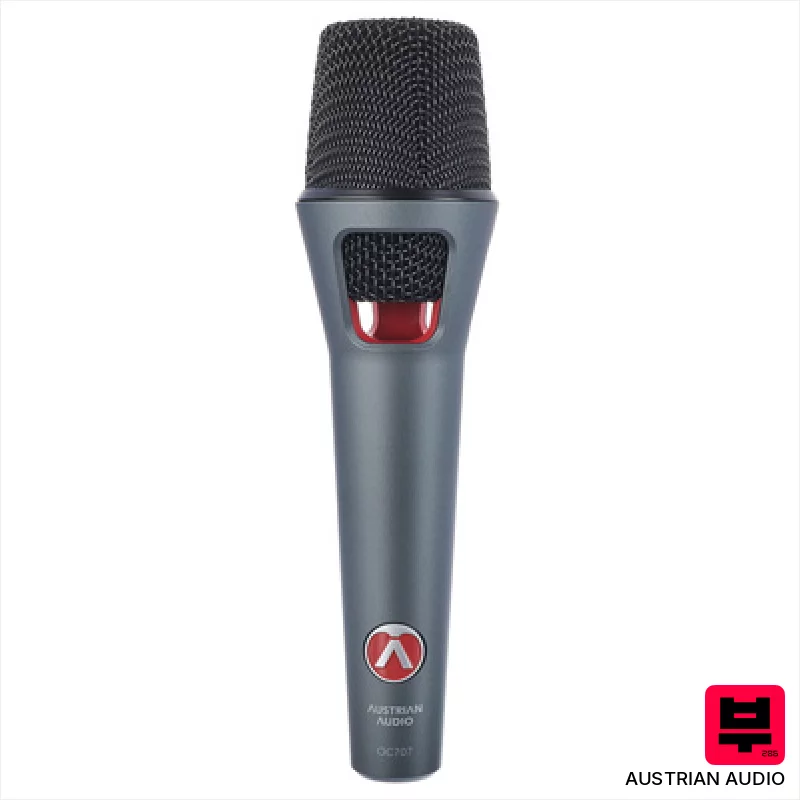
Austrian Audio OC707
- • Exceptional transient response for detailed vocal recordings.
- • Robust die-cast housing provides excellent durability on stage.
- • Cardioid pattern effectively isolates vocals in untreated rooms.
- • Smooth, natural high-end avoids harshness common in some condensers.
- • Limited polar pattern options restrict versatility for certain recording scenarios.
- • 275 Ohm impedance can require a high-quality preamp for optimal performance.
- • The low-cut filter is second-order, not as steep as some prefer for proximity effect.
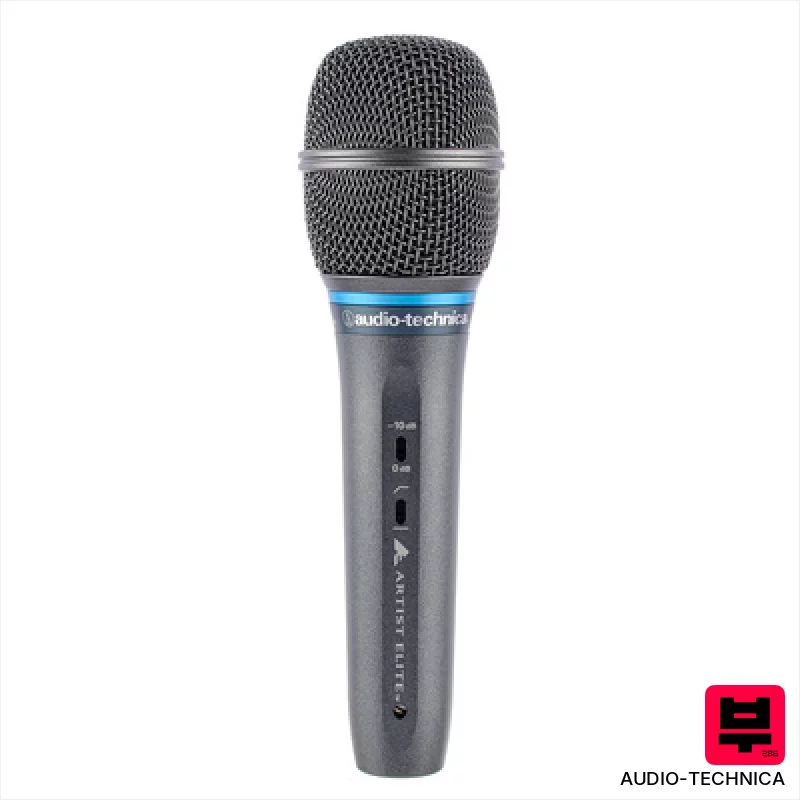
Audio-Technica AE 5400
- • Excellent transient response for detailed vocal recordings
- • Robust internal capsule offers consistent performance over time
- • Cardioid pattern minimizes room noise effectively for home studios
- • The included pad & HPF provide flexibility for various vocal styles
- • Can be slightly bright for darker vocal timbres, requiring EQ
- • Heavier than some competing mics, potentially unstable on lighter stands
- • Limited polar pattern options restrict versatility for certain applications
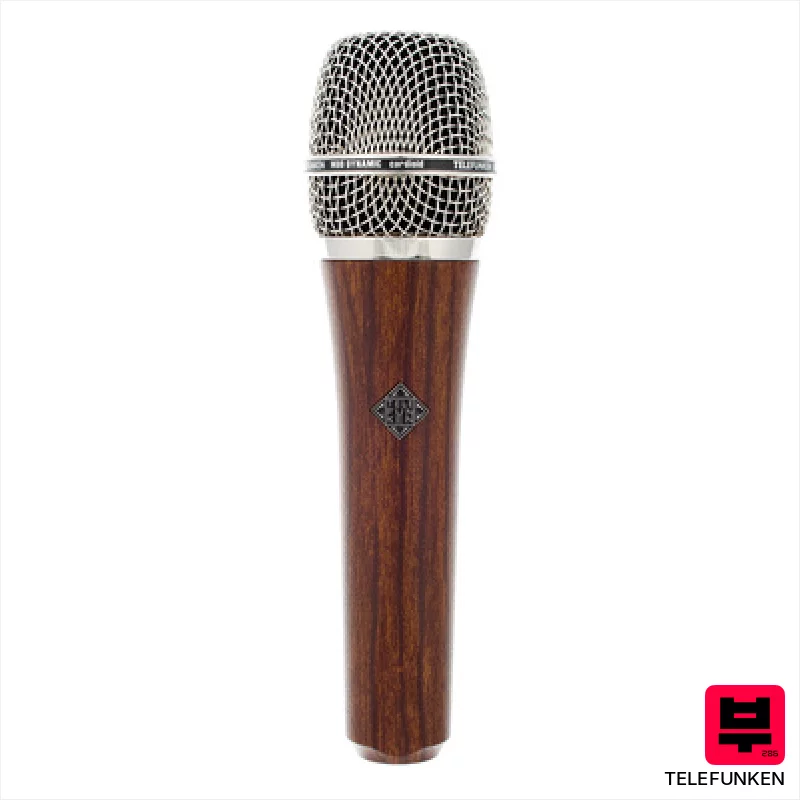
Telefunken M80 Cherry
- • Robust zinc die-cast body provides excellent durability for stage use
- • Supercardioid pattern offers excellent isolation from stage bleed
- • Smooth, natural midrange presence suits a wide range of vocal styles
- • Well-defined transient response captures subtle nuances in performance
- • Supercardioid pattern demands precise mic technique to avoid feedback
- • Higher impedance may require a preamp with ample headroom
- • Limited frequency response compared to condenser microphones
- • Weight can be fatiguing for extended handheld use
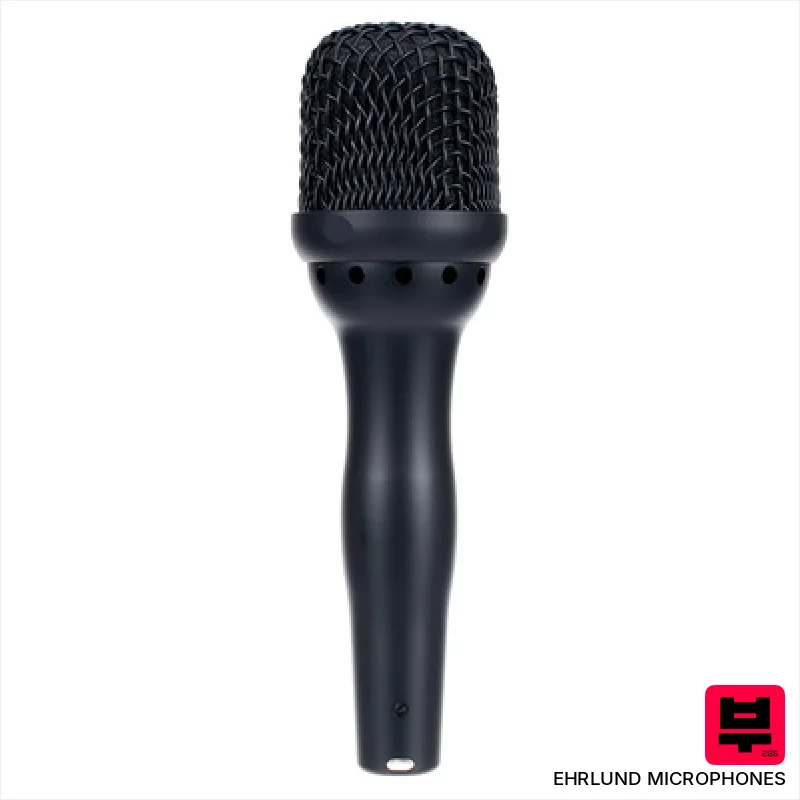
Ehrlund Microphones EHR-H
- • Triangular capsule delivers exceptional transient response and detail
- • Hardened stainless steel mesh provides robust protection on demanding tours
- • Aluminium housing ensures durability while minimizing unwanted resonances
- • Impressive frequency range captures subtle nuances across a wide spectrum
- • Premium-priced, a significant investment for many vocalists
- • Cardioid pattern limits versatility in complex stage environments
- • Weight might be fatiguing for some performers during extended use

Sennheiser MD431II Profipower
- • Excellent feedback rejection for loud stage environments
- • Shock-mounted capsule minimizes handling noise effectively
- • Integrated pop filter delivers clean vocal recordings
- • Robust stainless steel mesh minimizes wind and plosive issues
- • Supercardioid pattern limits versatility in less controlled spaces
- • Can be a bit dark sounding, requiring EQ for brighter vocals
- • Premium-priced, a significant investment for budget-conscious users

Neumann KMS 105 BK
- • Exceptional clarity and detail reproduction across the vocal spectrum.
- • Supercardioid pickup pattern minimizes stage bleed and feedback effectively.
- • Innovative filter significantly reduces plosives and handling noise.
- • Transformerless design ensures a clean, uncolored, and natural vocal tone.
- • Relatively heavy for extended handheld use, impacting performer comfort.
- • Supercardioid pattern demands precise mic technique for optimal results.
- • Limited versatility outside of focused vocal performance applications.

Telefunken M80 Copper
- • Robust, all-copper voice coil delivers a warm, vintage-inspired tone
- • Exceptional off-axis rejection minimizes bleed in live settings
- • Solid construction with a zinc die-cast body feels substantial and durable
- • Supercardioid pattern excels at isolating vocals in challenging environments
- • Supercardioid pattern demands precise mic technique for optimal results
- • Higher impedance may require a preamp with sufficient gain
- • Copper finish is prone to fingerprints and may require more frequent cleaning
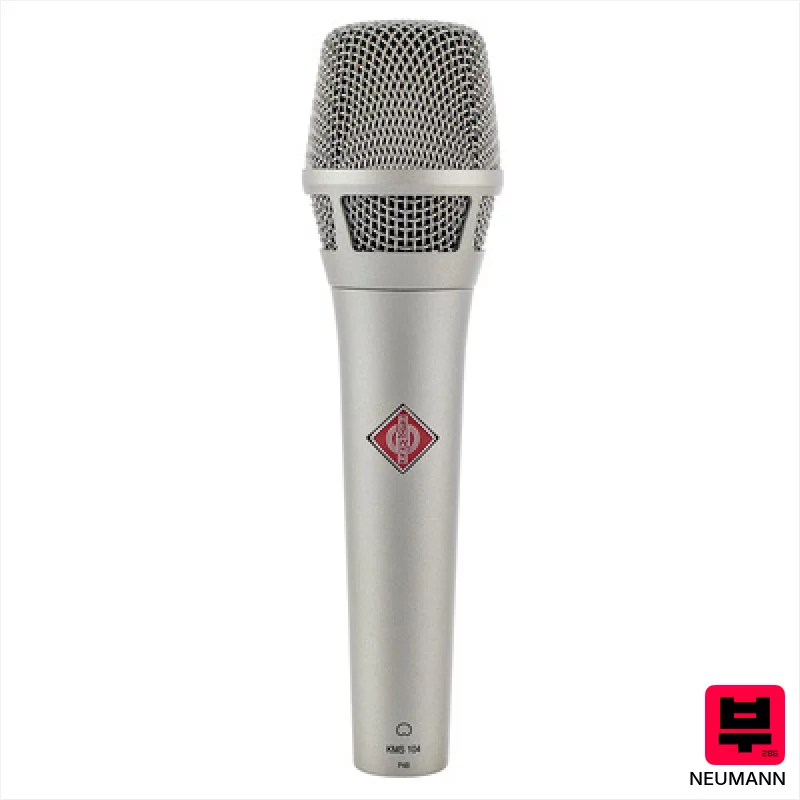
Neumann KMS 104
- • Exceptional transient response for detailed vocal capture
- • Robust nickel-plated body provides excellent durability and a premium feel
- • Cardioid pattern minimizes room noise and feedback effectively
- • Neumann's renowned clarity and natural vocal reproduction
- • Relatively high sensitivity requires careful gain staging to avoid clipping
- • Cardioid pattern limits versatility for different recording scenarios
- • Weight might be fatiguing for extended handheld use
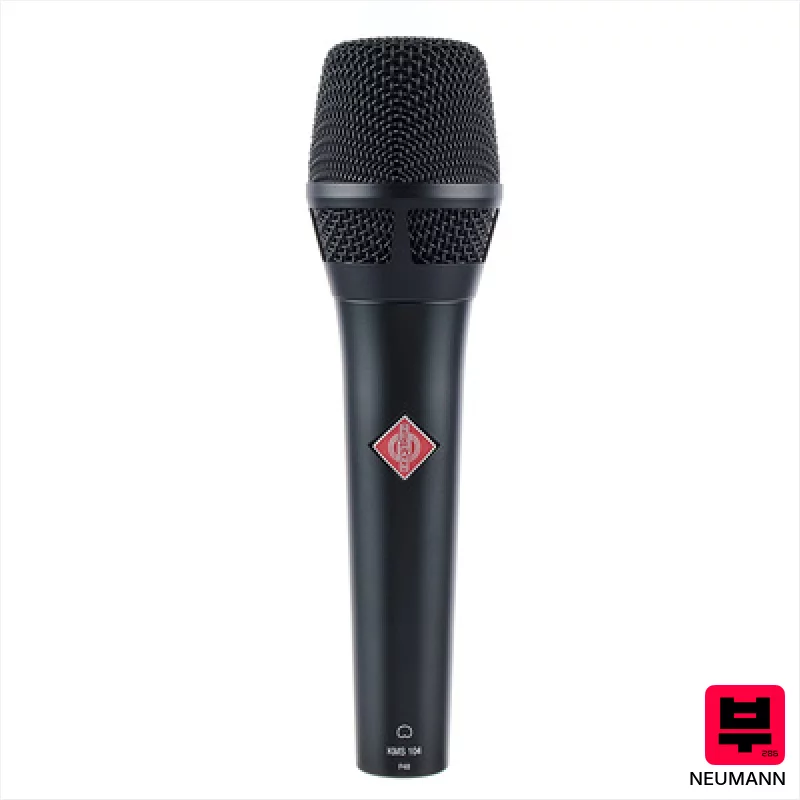
Neumann KMS 104 BK
- • Exceptional transient response for nuanced vocal detail
- • Robust all-metal construction ensures long-term reliability
- • Cardioid pattern minimizes room noise and bleed effectively
- • Neumann’s signature clarity and warmth—a professional vocal sound
- • Higher price point makes it a significant investment
- • Limited polar pattern options restrict versatility for certain applications
- • Can be overly sensitive for loud, aggressive vocalists
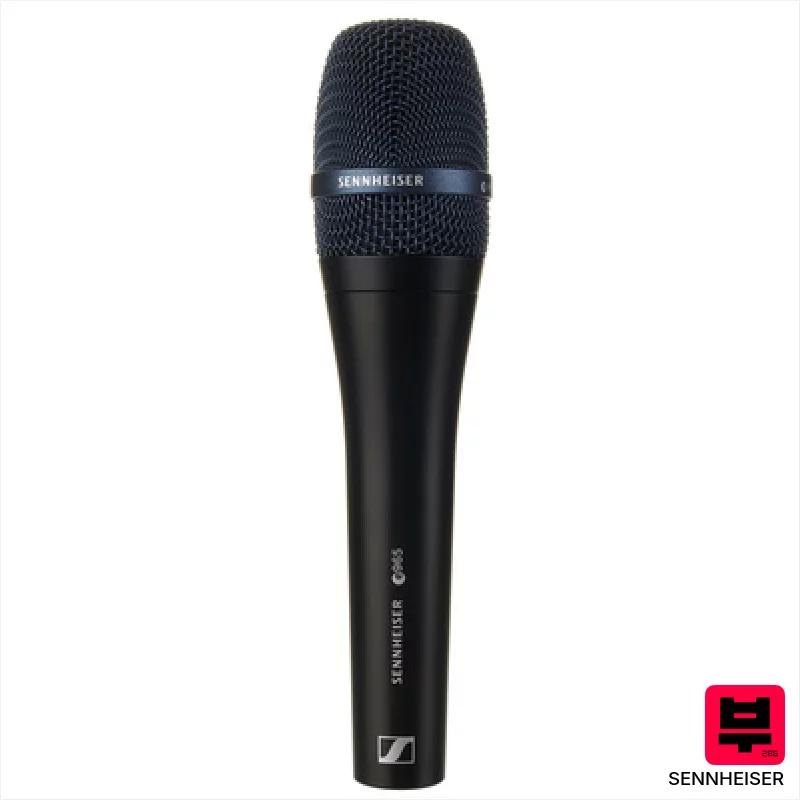
Sennheiser E 965
- • Excellent off-axis rejection minimizes stage bleed effectively.
- • The robust zinc die-cast body feels incredibly solid and durable.
- • Switchable low-cut provides useful flexibility for different vocal styles.
- • Supercardioid pattern offers focused sound capture for loud environments.
- • Can be overly sensitive for very loud, aggressive vocalists without the -10dB pad.
- • The supercardioid pattern requires precise mic technique to avoid phase issues.
- • Relatively heavy, which might be fatiguing for some performers over long sets.
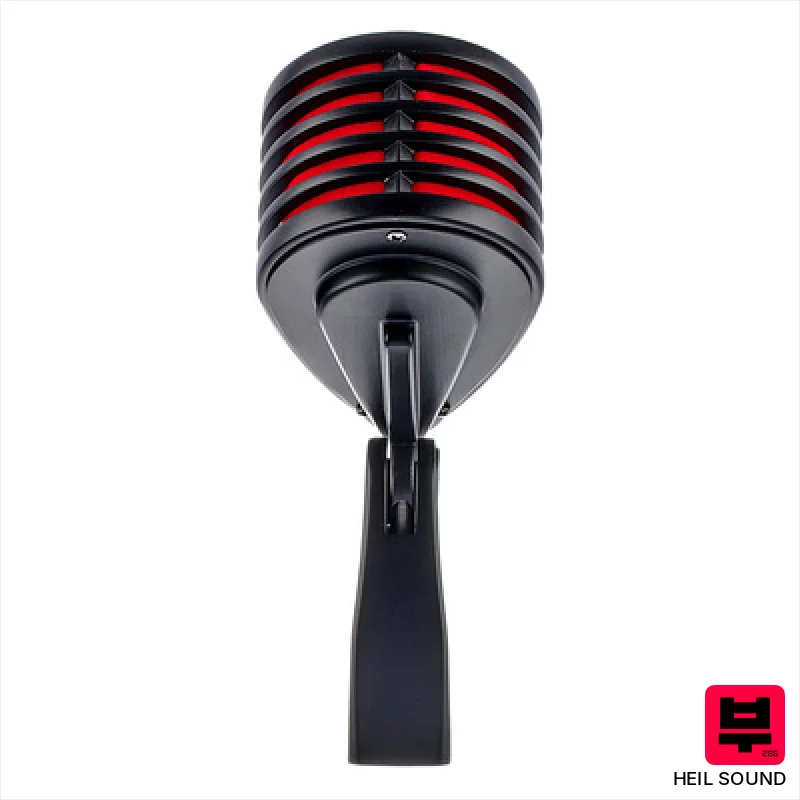
Heil Sound The Fin Black/Red
- • Robust all-alloy construction feels incredibly solid and durable.
- • Heil’s custom dynamic element delivers surprisingly detailed vocal reproduction.
- • Cardioid pattern effectively isolates vocals, minimizing background noise.
- • Integrated LEDs add a cool visual flair, great for stage presence.
- • High impedance requires a preamp or transformer for optimal performance.
- • The vintage aesthetic might not appeal to all performers.
- • Limited frequency response compared to premium condenser microphones.
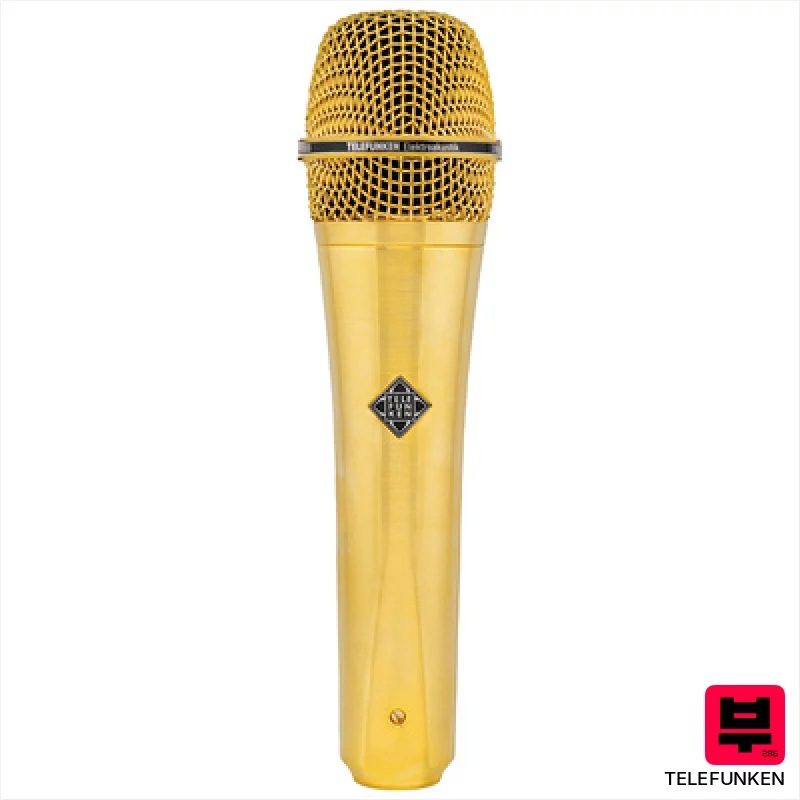
Telefunken M80 Satin Gold
- • Exceptional transient response for crisp, detailed vocal recordings.
- • Robust, all-steel construction feels built to withstand heavy gigging.
- • Supercardioid pattern effectively rejects stage bleed and feedback.
- • Warm, vintage-inspired tone with surprising clarity and articulation.
- • Supercardioid pattern demands precise mic technique for optimal results.
- • Higher impedance may require a preamp with adequate gain for optimal performance.
- • The satin gold finish can be a fingerprint magnet, requiring frequent cleaning.
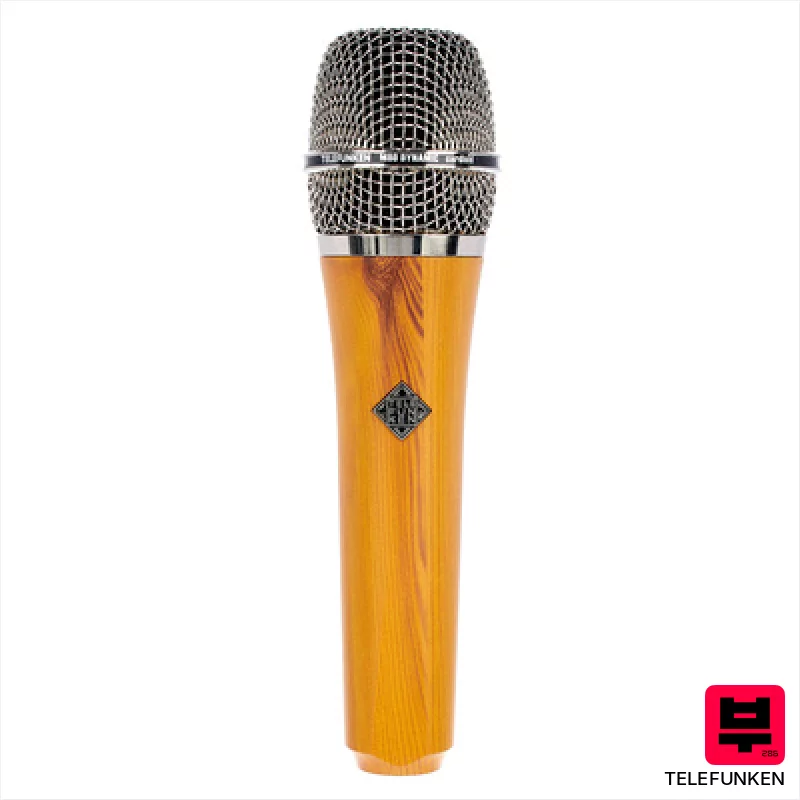
Telefunken M80 Oak
- • Solid oak handle provides excellent grip and unique aesthetic.
- • Supercardioid pattern excels at isolating vocals in live settings.
- • Robust internal capsule delivers Telefunken’s signature clarity and warmth.
- • Well-suited for stage and studio recording of vocals and instruments.
- • Supercardioid pattern demands careful mic placement to avoid feedback.
- • 325 Ohm impedance might require a preamp with sufficient gain.
- • Oak handle can be susceptible to scratches and finish wear with heavy use.
How to Choose the Best Vocal Microphones
Polar Pattern
Cardioid is the go-to for vocals, rejecting sound from behind. Figure-8 is great for duets or stereo miking. Omni is beautiful for room tone, but picks up everything, so be mindful of background noise. Don't underestimate the importance of pattern consistency across frequencies - a poorly implemented multi-pattern mic can sound uneven.
Capsule Size
Larger diaphragms (1 inch or greater) tend to have a smoother, more natural response and better transient response, which is crucial for capturing the nuance of a vocal performance. Smaller capsules are often lighter and can be more forgiving on harsh vocals, but can lack some of that high-end sparkle.
Frequency Response
Don't be fooled by a pretty graph. Look for a mic that has a balanced response, not just hyped highs or lows. That 'warm' low-end can quickly turn into muddy boom in a mix, and excessive high-end can sound brittle and fatiguing. The 'sweet spot' often lies somewhere in that mid-range, offering clarity without harshness.
Self-Noise
This is the mic's inherent hiss. Lower self-noise is critical when recording quiet sources like acoustic instruments or breathy vocals. Anything above 15dB-A is noticeable, especially when amplifying the signal. It's a trade-off - cheaper mics often cut corners on this.
Sensitivity & Max SPL
Sensitivity dictates how much signal you get out of the mic. Higher sensitivity is good for quiet sources, but can also make the mic more prone to feedback on stage. Max SPL (Sound Pressure Level) tells you how loud a source the mic can handle without distorting - crucial for drums and loud vocals.
Buying Guide
Don't chase the 'magic mic' - often, a good preamp and a well-treated room will do more for your recordings than an expensive microphone. Entry-level condensers can be surprisingly decent, but be aware they often have limited headroom and can sound a bit thin or harsh. Spending more generally gets you lower self-noise, more accurate transient response, and a more robust build, but it's not always a night-and-day difference. Ultimately, trust your ears and demo before you drop a ton of cash.
Our Methodology
Here at Audiofu, we don't rely on spec sheets. We've spent years putting mics through the wringer - recording everything from screaming metal vocals to delicate fingerpicked nylon strings, A/B'ing them against industry standards, and, most importantly, using them in real-world gigging and tracking situations. Our evaluations are based on how a mic sounds and how it performs, not just what the manufacturer claims.

