
Best Vocal Microphones Under $50 2026
Alright, so you're on a budget but need a decent dynamic mic? Been there, gigged there. Spending a fortune on a mic isn't always the answer - sometimes you just need something that'll handle a loud stage without sounding like you're recording through a tin can. This list is about getting the most bang for your buck in the under $50 range - we're talking about what you can realistically expect and which mics will actually cut through a band rehearsal or handle a basic vocal track.
Last updated: June 10, 2026 • Next update: June 17, 2026
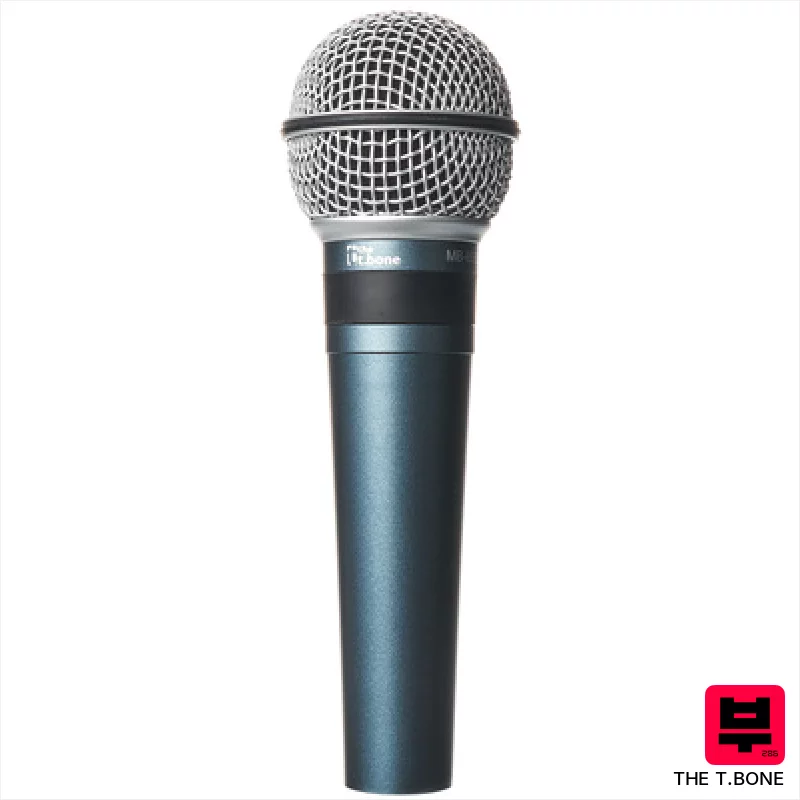
the t.bone MB85 Beta
- • Surprisingly robust zinc alloy body for a budget mic.
- • Supercardioid pattern offers excellent isolation from stage bleed.
- • Handles high SPLs well, suitable for loud sources like snare drums.
- • Fuller, warmer low-mids than typical budget dynamic mics.
- • Plastic box feels cheap and offers minimal protection during transport.
- • Lacks a bass roll-off switch; low-end can be boomy in some situations.
- • Supercardioid pattern requires careful mic placement to avoid feedback.
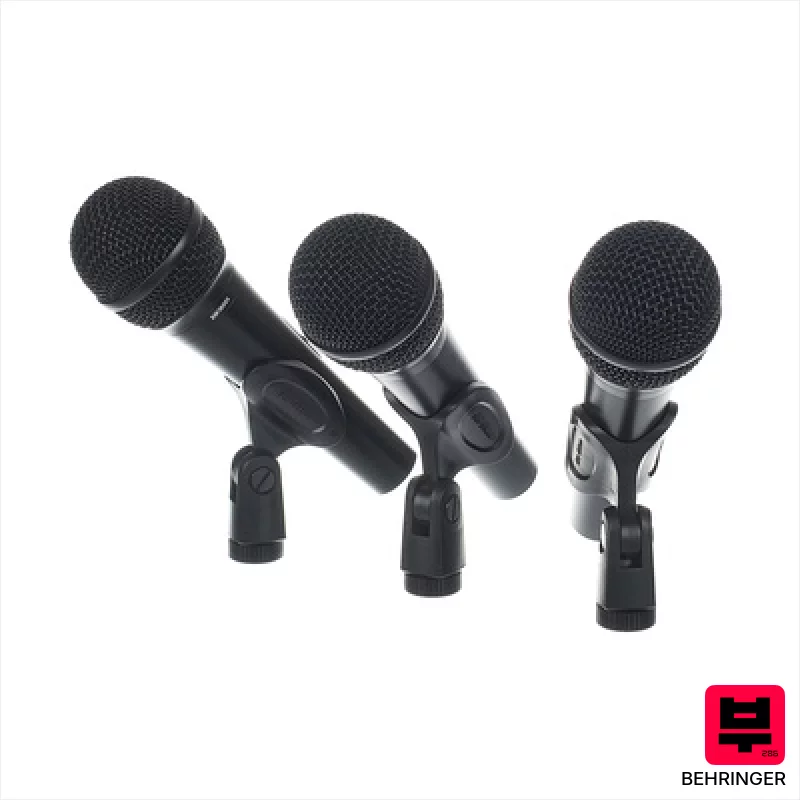
Behringer XM1800S Set
- • Surprisingly robust zinc alloy body resists stage abuse.
- • Supercardioid pattern excels at isolating vocals in loud environments.
- • Decent frequency response captures a usable vocal range.
- • Included case and adapter offer portability and convenience.
- • 600 Ohm impedance requires a preamp with ample gain.
- • Supercardioid pattern can be tricky to manage onstage.
- • Sound lacks the detail and clarity of higher-end microphones.
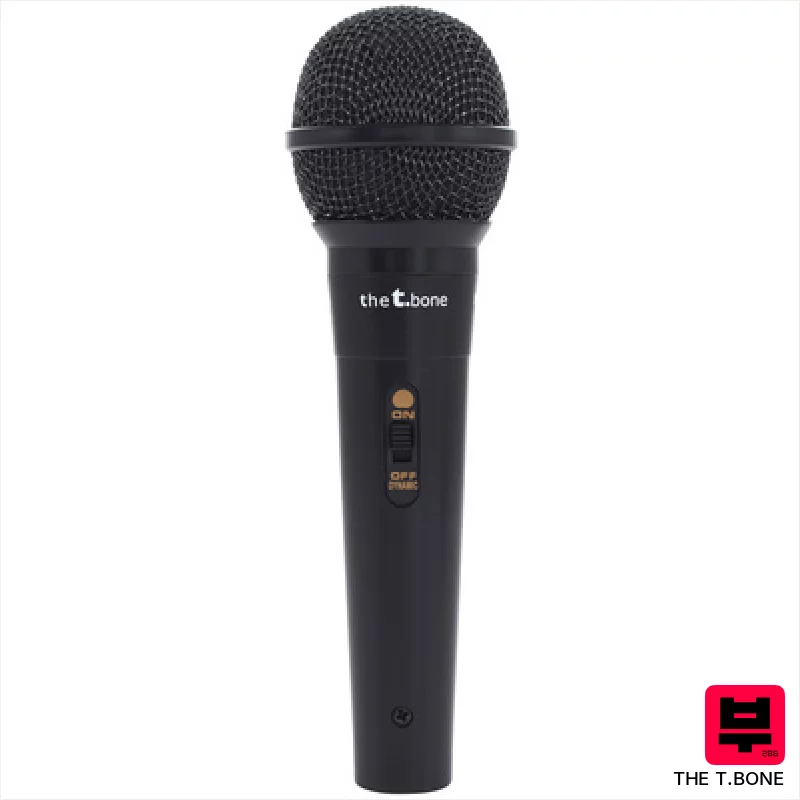
the t.bone MB 45 II
- • Surprisingly robust plastic construction for its price point.
- • Supercardioid pattern effectively rejects bleed from stage monitors.
- • The included cable and holder offer immediate usability.
- • Decent transient response makes drums sound surprisingly punchy.
- • High-output design can be noisy with less-than-stellar preamps.
- • Supercardioid pattern demands precise mic placement for optimal results.
- • Lacks the nuanced detail of more premium vocal microphones.
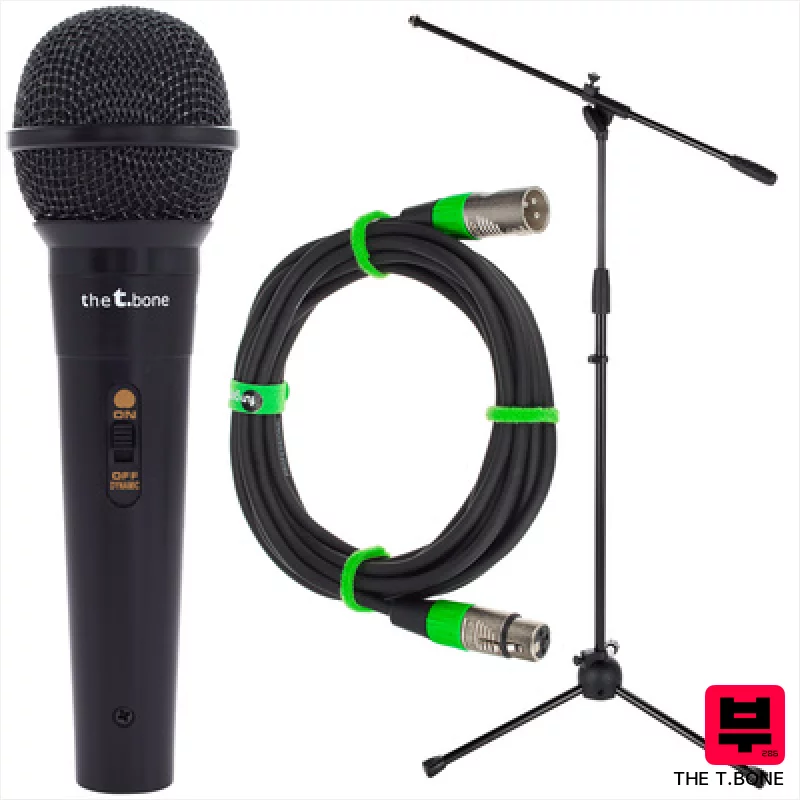
the t.bone MB 45 II Bundle
- • Supercardioid pattern effectively rejects bleed from multiple sources.
- • Included Rean connectors ensure reliable signal transfer and low noise.
- • Boom arm stand offers flexible positioning for recording vocals or instruments.
- • Bundle provides a complete, functional recording setup at a budget-friendly price.
- • Plastic microphone holder feels flimsy and lacks long-term durability.
- • Supercardioid pattern demands careful mic placement to avoid phase issues.
- • Frequency response leans towards a darker sound, less detailed highs.

Behringer BA 85A
- • Supercardioid pattern provides excellent isolation in live performance environments.
- • High output level minimizes preamp gain requirements, useful for quieter setups.
- • Integrated wind/pop filter noticeably reduces plosives and breath noise.
- • Solid construction and included accessories offer surprising value for the price.
- • The 300 Ohm impedance requires a decent preamp for optimal performance.
- • Supercardioid pattern can be tricky to manage; requires precise mic placement.
- • While durable, the plastic case feels a bit cheap for regular gigging.
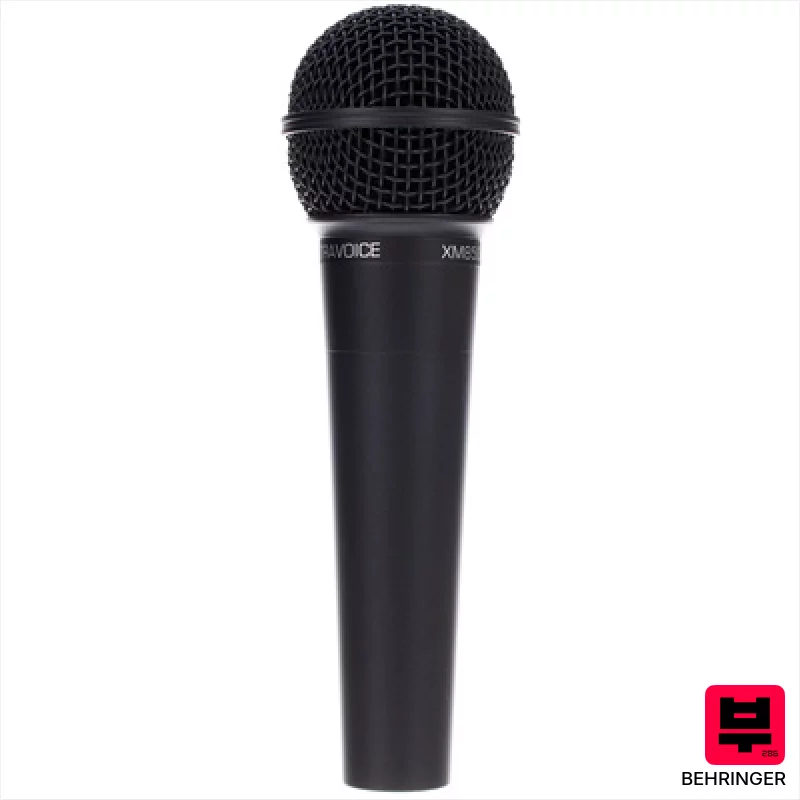
Behringer XM8500
- • Robust zinc die-cast body handles serious stage abuse.
- • Surprisingly clear midrange presence for a budget dynamic.
- • Cardioid pattern effectively rejects background noise on stage.
- • Included clamp and case offer convenient portability and protection.
- • High-frequency response can sound slightly harsh with brighter vocalists.
- • Limited frequency extension; lacks low-end warmth for bass instruments.
- • Simple design lacks features found on more premium microphones.
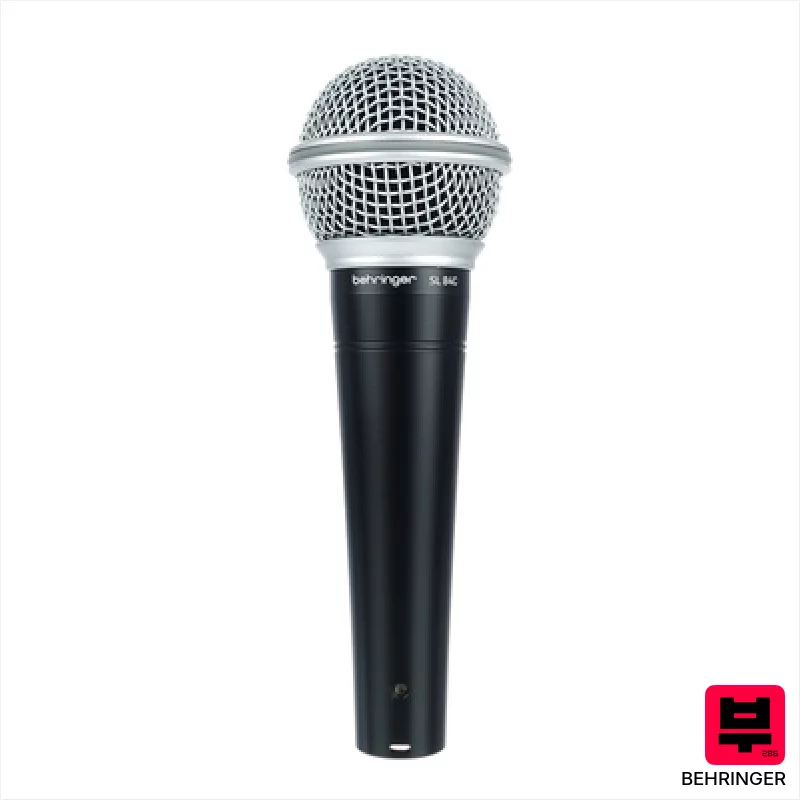
Behringer SL 84C
- • Cardioid pattern effectively isolates vocals, minimizing room noise.
- • Integrated pop filter noticeably reduces plosives and breath noise.
- • Robust construction feels surprisingly durable for its price point.
- • Decent frequency response captures a usable range of vocal frequencies.
- • Limited frequency response lacks detail for nuanced vocal performances.
- • Lower sensitivity requires a preamp with ample gain for adequate signal.
- • Basic build quality won't withstand heavy professional use.
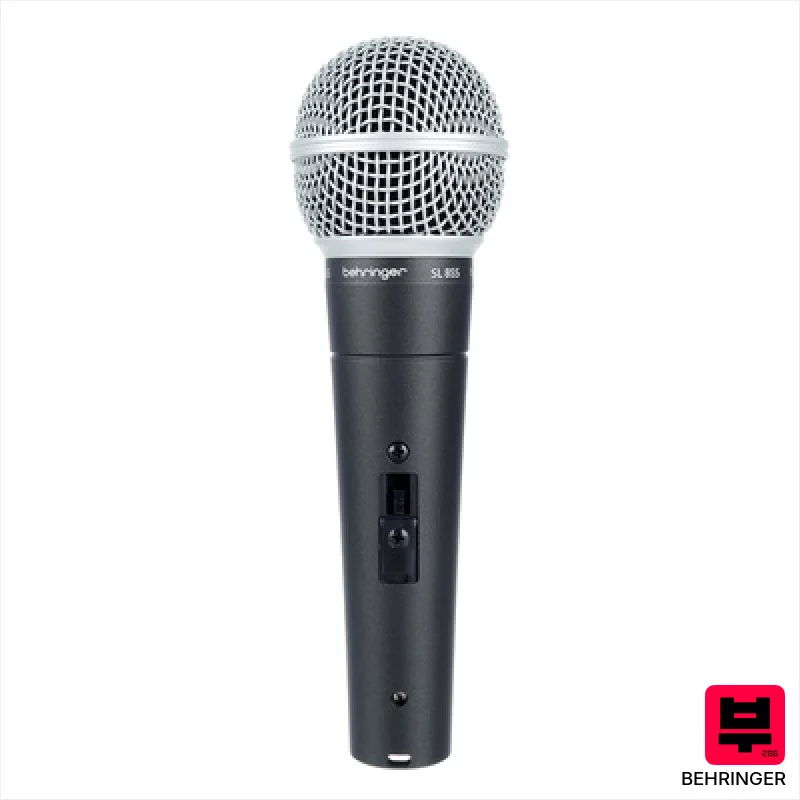
Behringer SL 85S
- • Surprisingly robust zinc die-cast body for its price bracket
- • Cardioid pattern effectively rejects stage bleed, great for live use
- • Mid-frequency boost enhances vocal clarity and presence
- • Included stand adapter and case offer genuine value and portability
- • High impedance requires a preamp with sufficient gain, can sound thin
- • Limited frequency response lacks nuance for critical studio recording
- • Basic internal shock mount isn't as effective as premium models
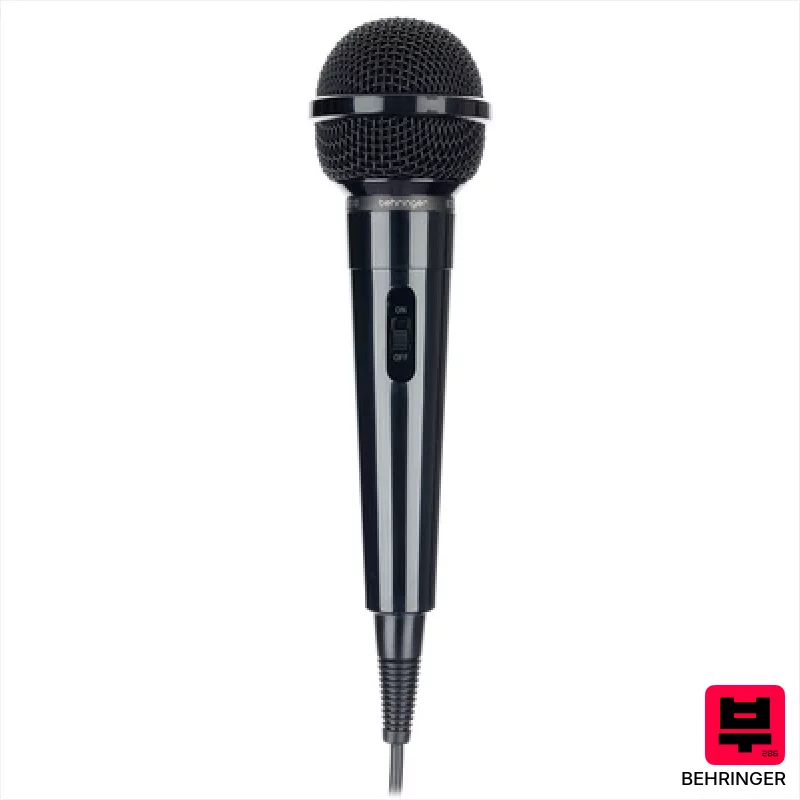
Behringer Bc110
- • Surprisingly robust plastic construction for the price point.
- • Cardioid pattern effectively minimizes room noise and bleed.
- • Decent frequency response captures vocals with reasonable clarity.
- • Included cable and adapter offer immediate usability out of the box.
- • Thin diaphragm limits transient response and detail reproduction.
- • 3.5mm connector is unusual and restricts compatibility.
- • Low sensitivity requires a preamp with ample gain for optimal levels.
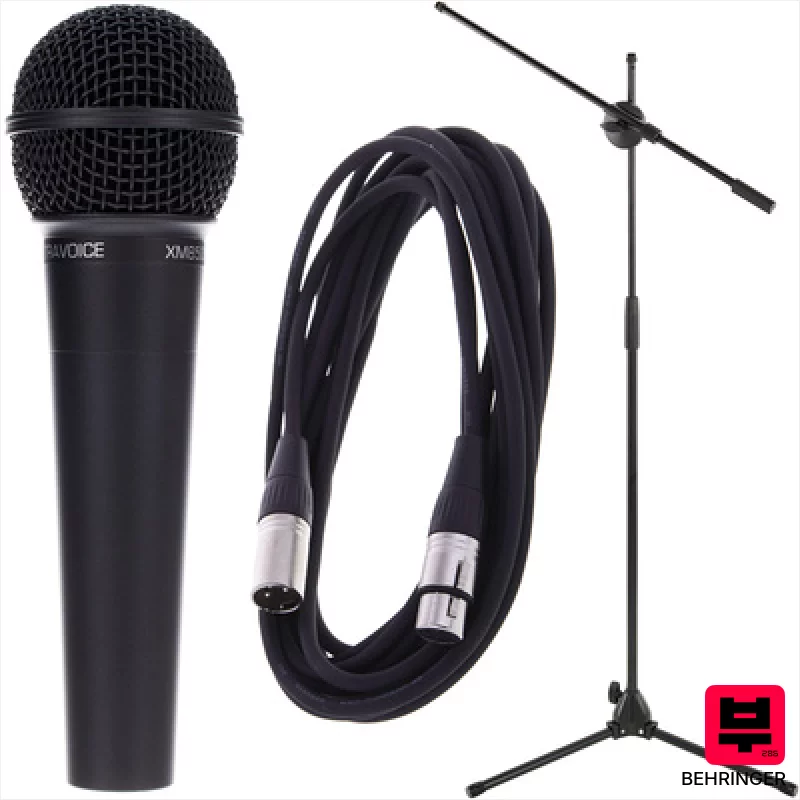
Behringer XM8500 Bundle
- • Robust metal clamp provides surprising stability for the price.
- • Cardioid pattern effectively isolates vocals in less-than-ideal rooms.
- • Decent frequency response captures a usable vocal range, surprisingly clear.
- • Included cable and stand make it a complete, ready-to-use solution.
- • The microphone’s sensitivity is low, requiring a preamp with gain.
- • The stand’s cast metal base feels a bit lightweight and prone to tipping.
- • Cable quality is basic; a higher-end XLR cable would improve signal.

the t.bone MB 88U Dual
- • Surprisingly robust zinc die-cast body for its price point.
- • Dual connectivity (XLR & USB) offers immense flexibility for recording.
- • Cardioid pattern effectively isolates vocals, minimizing room noise.
- • Decent transient response for capturing percussive vocal styles.
- • 600 Ohm impedance requires a preamp or interface for optimal gain.
- • Frequency response lacks refinement; may sound slightly boxy.
- • Plastic USB cable feels cheap and could be a point of failure.

the t.bone MB 85
- • Surprisingly robust zinc alloy body for its price bracket
- • Cardioid pattern provides decent isolation in less-than-ideal rooms
- • Acceptable transient response for drums and amplified instruments
- • Lightweight design makes it usable for extended vocal performances
- • High output impedance requires a preamp with good gain and impedance matching
- • Frequency response lacks refinement; can sound boxy at lower mids
- • Limited high-frequency extension results in a slightly dull overall tone
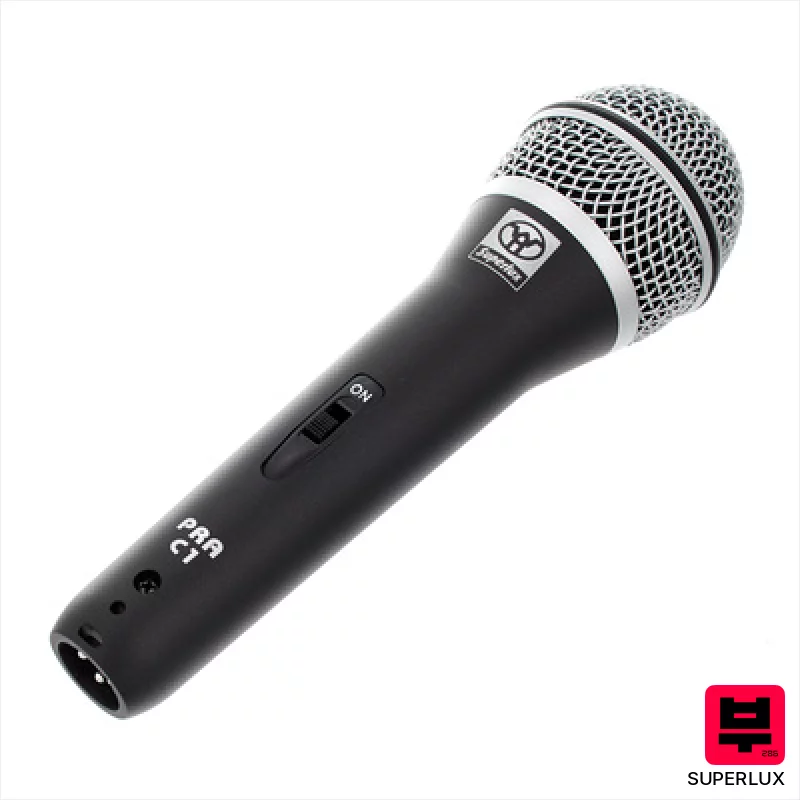
Superlux PRA C1
- • Surprisingly robust zinc alloy housing feels solid for the price.
- • Supercardioid pattern effectively rejects stage bleed, a real plus.
- • Clear, intelligible vocal reproduction, handles moderate volume well.
- • Decent transient response for a budget dynamic – captures some detail.
- • Lacks the refined low-end response of higher-end vocal mics.
- • The 'grey housing' finish feels plasticky and basic.
- • Sensitivity is low, requiring more preamp gain than many.
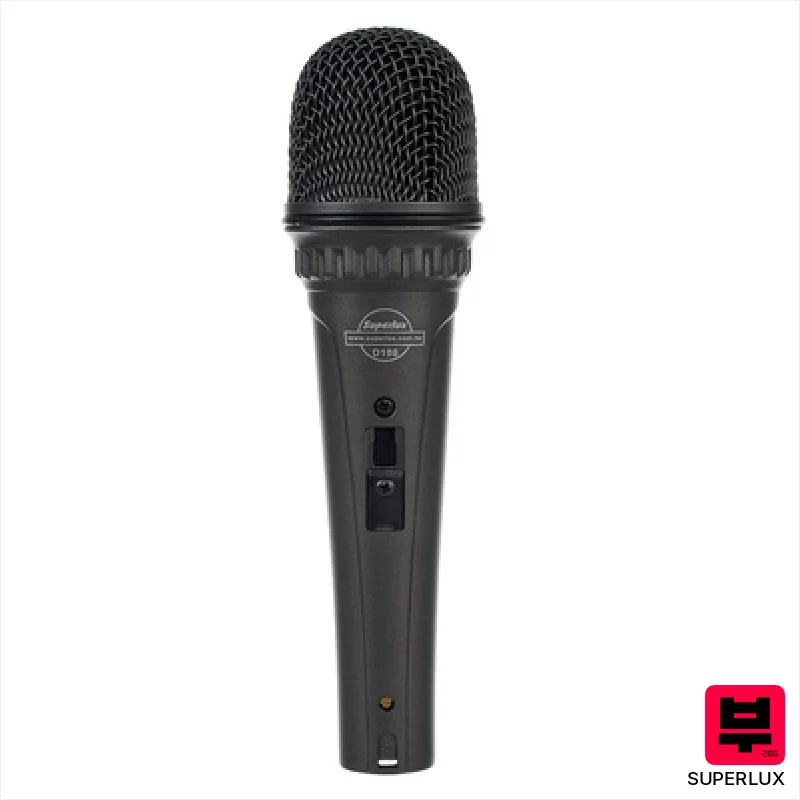
Superlux D108A
- • Surprisingly robust zinc alloy body for its price point
- • Tight supercardioid pattern minimizes bleed in live settings
- • Clear, intelligible vocal presence with a slight mid-forward emphasis
- • Lockable switch prevents accidental pattern changes onstage
- • High-frequency response can be a bit harsh without EQ
- • Basic included clip feels flimsy and doesn't inspire confidence
- • Lacks the warmth and low-end fullness of more expensive mics
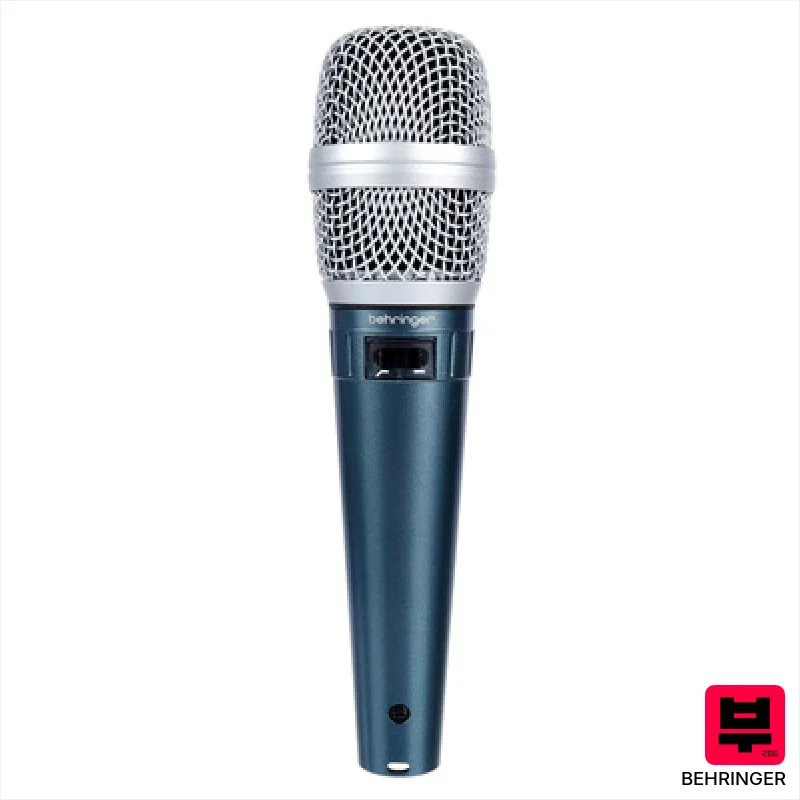
Behringer SB 78A
- • Cardioid pattern offers excellent off-axis rejection for cleaner recordings
- • Lightweight build makes it comfortable for extended vocal sessions
- • Wide frequency response captures a surprisingly natural vocal tone
- • Includes stand adapter and case – a nice, budget-friendly touch
- • The capsule's construction feels noticeably less robust than higher-end mics
- • Sensitivity is relatively low, requiring more preamp gain and potential noise
- • Limited polar pattern options restrict versatility in different recording scenarios
How to Choose the Best Vocal Microphones
Frequency Response
Expect a fairly limited range. You're not getting a super-detailed, nuanced sound. Look for something that at least handles the core vocal frequencies (200Hz - 1kHz) reasonably well, avoiding excessive muddiness or a brittle top end.
Sensitivity
Lower sensitivity means you'll need more gain, which can introduce noise. A mic that picks up more signal will be easier to use with less powerful preamps, especially important for live situations.
Durability
Let's be honest, these mics are going to get tossed in cases and potentially abused. Construction quality - the heft of the body, the robustness of the clip - matters more than you think.
Polar Pattern
Most will be cardioid, which is generally what you want for vocal work - it rejects sound from the rear, minimizing bleed from other instruments. Don't expect super-tight patterns like hypercardioid at this price.
Off-Axis Rejection
How well does it reject sound coming from the sides and back? Poor off-axis rejection means more stage rumble and feedback issues - a critical factor for live performance.
Buying Guide
At this price point, you're making trade-offs. Don't expect a mic that'll rival an industry standard. The biggest corner cut is usually in the internal components and capsule design - you'll likely hear more proximity effect (bass boost when close) and less natural detail. Focus on something that handles the core job - delivering a usable vocal signal - and don't sweat the nuances. A slightly warmer tone is often preferable to a harsh, brittle one in this price range.
Our Methodology
We're not just looking at spec sheets here. We've put these mics through the wringer: live band practice, recording vocals (both clean and screamed), and A/B comparisons against more expensive mics we have lying around. We're evaluating based on real-world performance - how it sounds in a band mix, how it handles loud sources, and how durable it feels in your hand after a few gigs.

