
Best Vocal Microphones Under $200 2026
Alright, so you need a dynamic mic and you're working with a budget - I get it. Spending a fortune on a mic isn't always the answer, especially when you're gigging out regularly or just starting out. There are some seriously capable dynamic mics under $200 that'll get the job done and sound decent, and we're going to break down the best ones, focusing on what you actually get for your money.
Last updated: June 10, 2026 • Next update: June 17, 2026
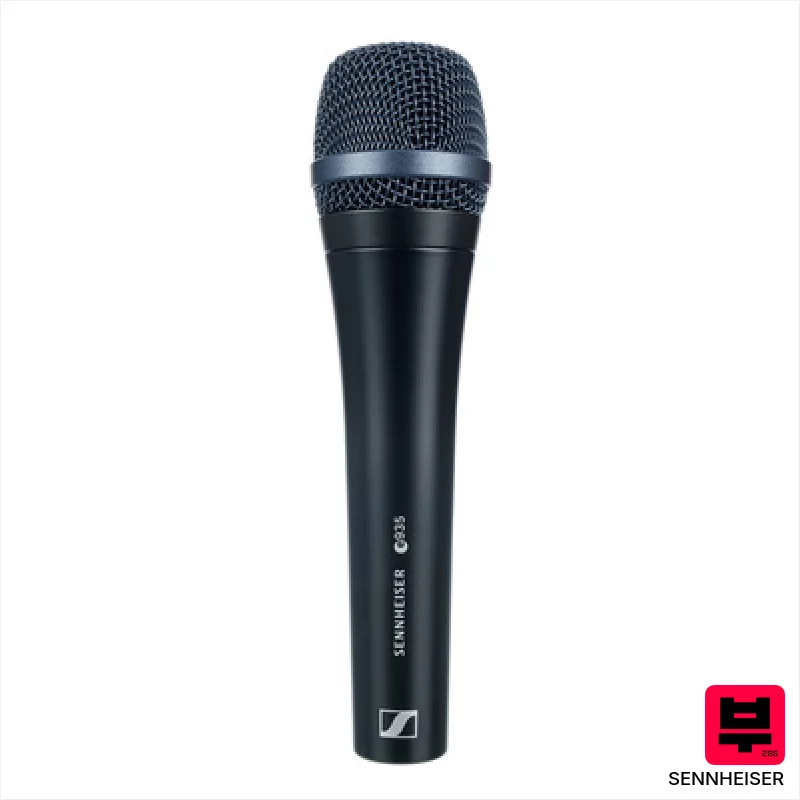
Sennheiser E 935
- • Excellent off-axis rejection minimizes bleed in loud stage environments.
- • Robust metal housing provides exceptional durability for gigging musicians.
- • Shock-mounted capsule reduces handling noise and unwanted vibrations.
- • Consistent directivity ensures predictable vocal capture across the stage.
- • Lacks the extended high-frequency detail of premium condenser microphones.
- • Relatively heavy, potentially fatiguing for some performers during long sets.
- • Cardioid pattern limits versatility for more complex stereo recording setups.

SE Electronics V7 Switch
- • Supercardioid pattern excels at isolating vocals in noisy environments.
- • Robust spring steel mesh protects the capsule from damage on stage.
- • Integrated pop filter minimizes plosives without needing an external accessory.
- • Elastic mount reduces handling noise, crucial for live performers.
- • Supercardioid pattern requires careful mic placement; prone to feedback.
- • 300 Ohm impedance might necessitate a preamp with sufficient gain.
- • Limited frequency response compared to condenser mics; less detail overall.
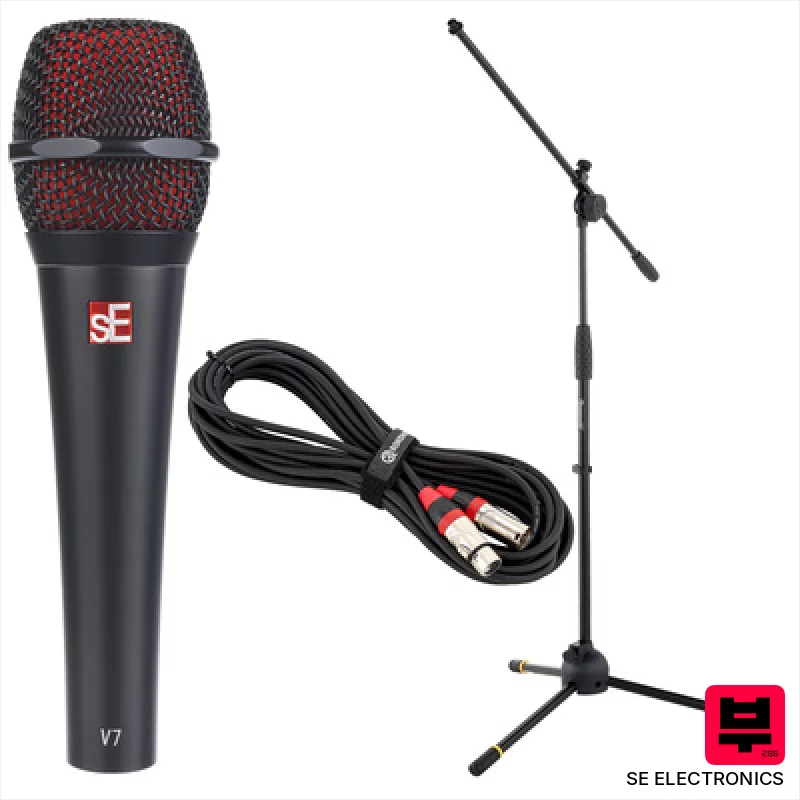
SE Electronics V7 Black Set
- • Robust spring steel head offers excellent durability for stage use.
- • Supercardioid pattern effectively rejects bleed from stage monitors.
- • Integrated pop filter minimizes plosives for cleaner vocal recordings.
- • Included stand and cable offer a complete, ready-to-use vocal package.
- • Sensitivity (-54dB) may require a preamp with ample gain for quieter sources.
- • Supercardioid pattern demands precise mic technique to avoid feedback.
- • Limited frequency response compared to condenser mics; lacks nuanced detail.

Aston Microphones Apex Storm
- • Robust nickel-plated body offers excellent durability and a premium feel
- • Stealth technology dual voicing provides flexibility for varied vocal styles
- • Integrated Class-A preamp adds clean gain, useful for less-than-ideal recording environments
- • Surprisingly tight low-end response for a dynamic, cuts through the mix well
- • Limited polar pattern options restrict versatility for complex stereo recording setups
- • Shiny nickel finish can be prone to fingerprints and require more cleaning
- • Active mode's preamp can introduce a touch of noise in very quiet recording situations
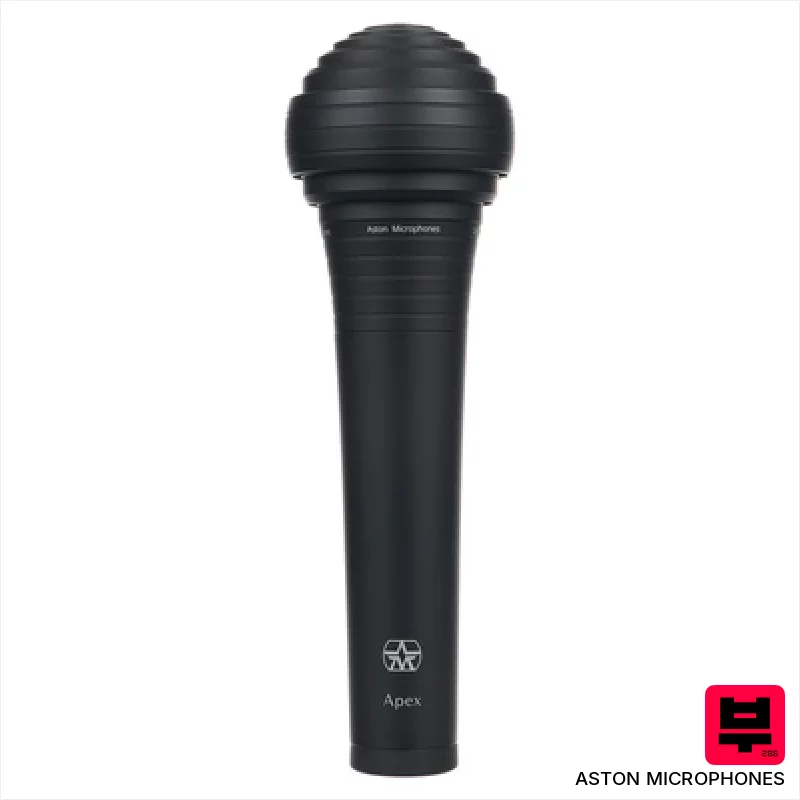
Aston Microphones Apex Void
- • Dual voicing offers surprising versatility for a dynamic mic, adapting to different vocal styles.
- • Integrated Class-A preamp delivers a clean, powerful signal, reducing noise floor.
- • Aston's Stealth technology minimizes proximity effect, providing consistent tone close or far.
- • Robust metal construction feels solid and durable, suggesting a long operational lifespan.
- • Lacks the nuanced detail of a condenser microphone, limiting its use for very delicate recordings.
- • Limited polar pattern selection restricts its adaptability to certain recording environments.
- • While affordable, the build quality doesn't match premium-priced offerings from Shure or Sennheiser.

Audio-Technica AT 2010
- • Robust metal housing offers surprising durability for the price point.
- • Cardioid pattern effectively rejects stage bleed and background noise.
- • Shares sonic character with the popular AT2020, delivering a clear vocal presence.
- • Included shock mount minimizes handling noise and vibrations on stage.
- • Lacks a high-pass filter, potentially problematic with proximity effect and low-frequency rumble.
- • Limited versatility; primarily designed for vocal performance, not instruments.
- • Relatively heavy for extended handheld use, especially for smaller performers.
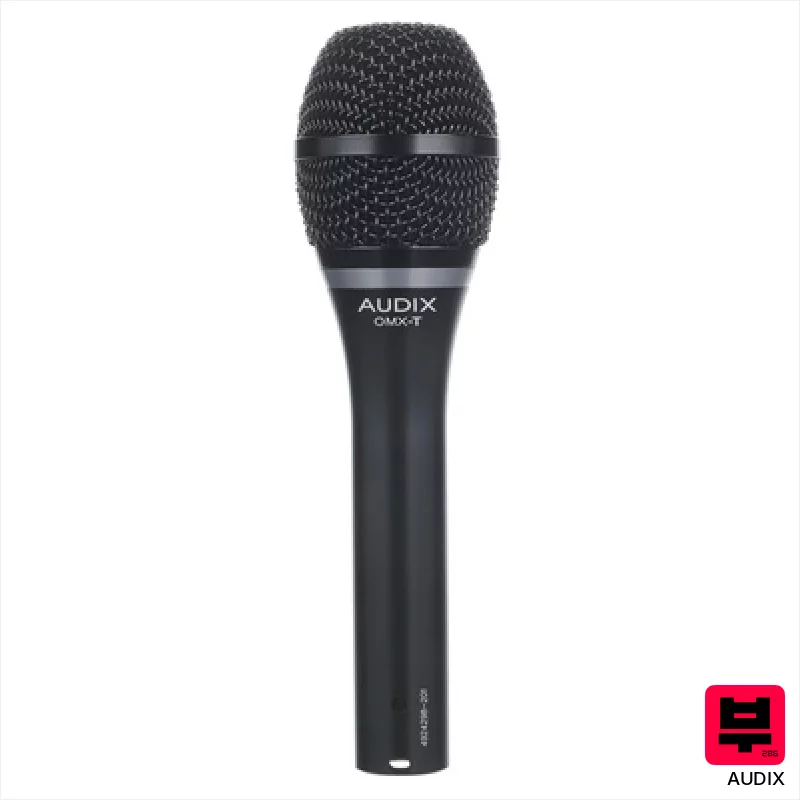
Audix OMX-T
- • VLM capsule delivers remarkably clear vocal reproduction, even at high SPL.
- • Supercardioid pattern excels in live settings, minimizing stage bleed effectively.
- • Robust construction feels solid and durable for frequent gigging and travel.
- • The tight frequency response avoids muddiness common in cheaper dynamic mics.
- • Supercardioid's tight pickup can be tricky to manage without precise mic technique.
- • Limited frequency response compared to condenser mics; less nuanced detail.
- • The handling noise, while not excessive, is present and may require a shock mount.
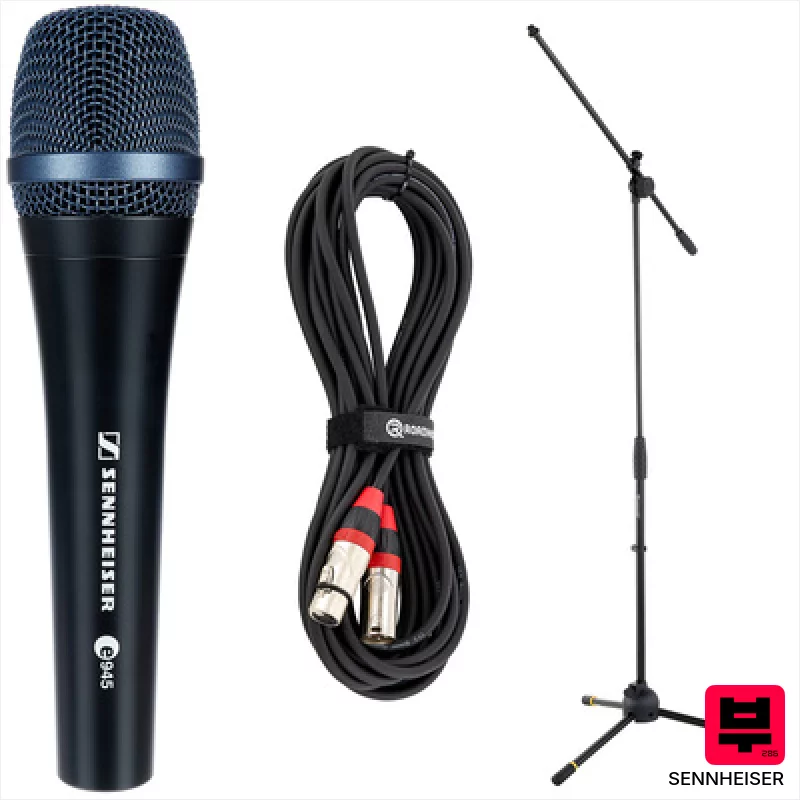
Sennheiser E 945 Complete Bundle
- • Supercardioid pattern excels in live, loud environments minimizing bleed
- • Roadworx stand provides surprising stability for a budget setup
- • MZQ 800 clamp offers secure, reliable mic mounting
- • Natural, gentle sound captures vocal nuances effectively
- • Supercardioid's proximity effect can muddy low-end without proper technique
- • Bundle cable is serviceable but not a premium-grade XLR
- • Heavier than many stage vocal mics; can be fatiguing for some
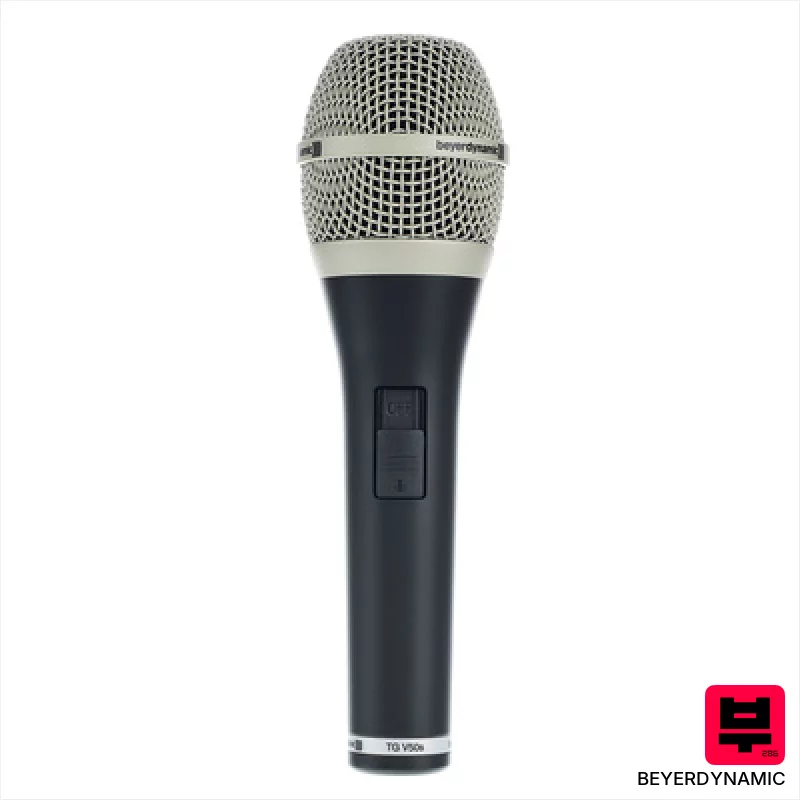
beyerdynamic TG V50 s
- • Excellent feedback rejection due to unique acoustic design.
- • Cardioid pattern provides focused vocal pickup, minimizing stage bleed.
- • Robust build quality; feels solid and durable for live use.
- • Extended frequency response delivers clear highs without harshness.
- • Can sound slightly boxy compared to more open-sounding mics.
- • Higher impedance requires a good preamp for optimal performance.
- • Relatively heavy, potentially fatiguing for some performers.
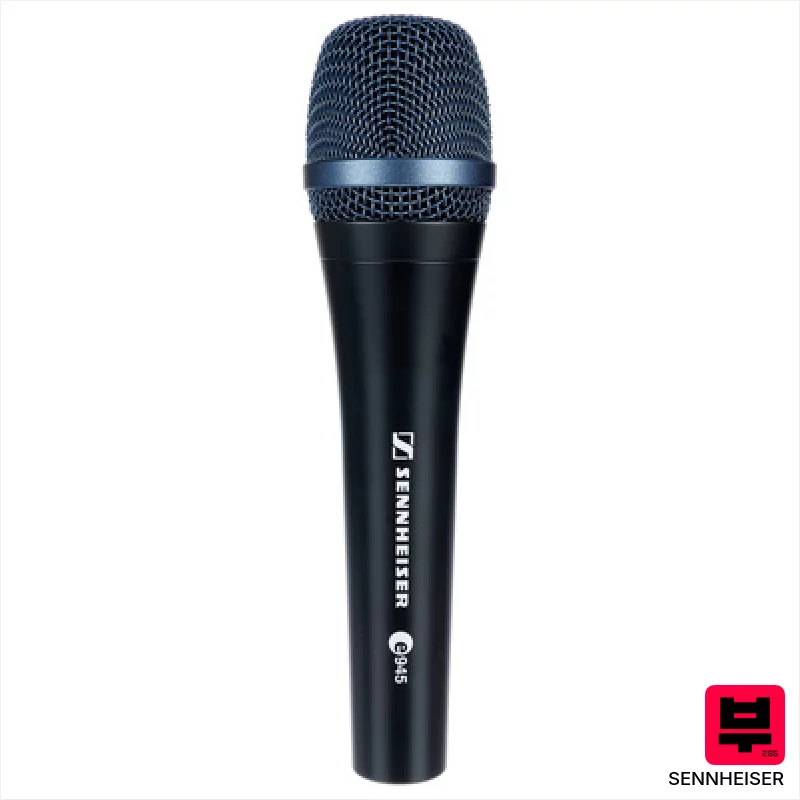
Sennheiser E 945
- • Excellent feedback rejection for loud stage environments
- • Supercardioid pattern isolates vocals effectively
- • Robust zinc die-cast body handles heavy use
- • Smooth, natural vocal reproduction with clear articulation
- • Can be a bit unwieldy due to its size and weight
- • Supercardioid pattern demands precise mic technique
- • Limited versatility for instruments beyond vocals
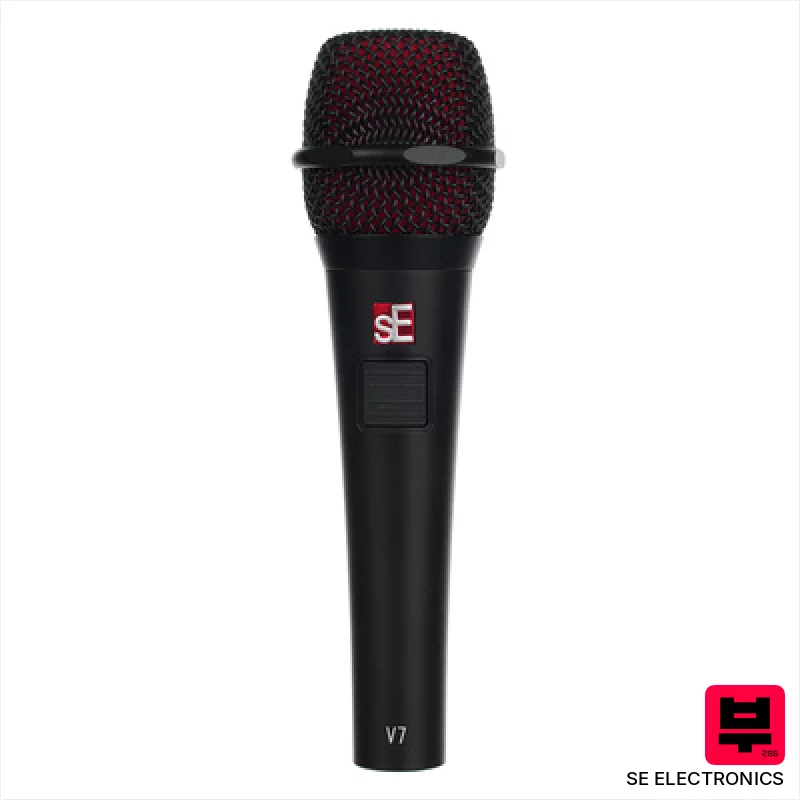
SE Electronics V7 PTT
- • Robust spring steel head provides excellent durability and shock resistance.
- • Supercardioid pattern minimizes bleed, ideal for talkback and monitoring.
- • Integrated windscreen tames harsh sibilance for cleaner vocal capture.
- • Gold-plated XLR connector ensures reliable signal transfer and reduces noise.
- • Supercardioid pattern demands precise mic technique for optimal results.
- • Sensitivity is relatively low, requiring a preamp with ample gain.
- • Limited frequency response compared to condenser mics; lacks nuanced detail.
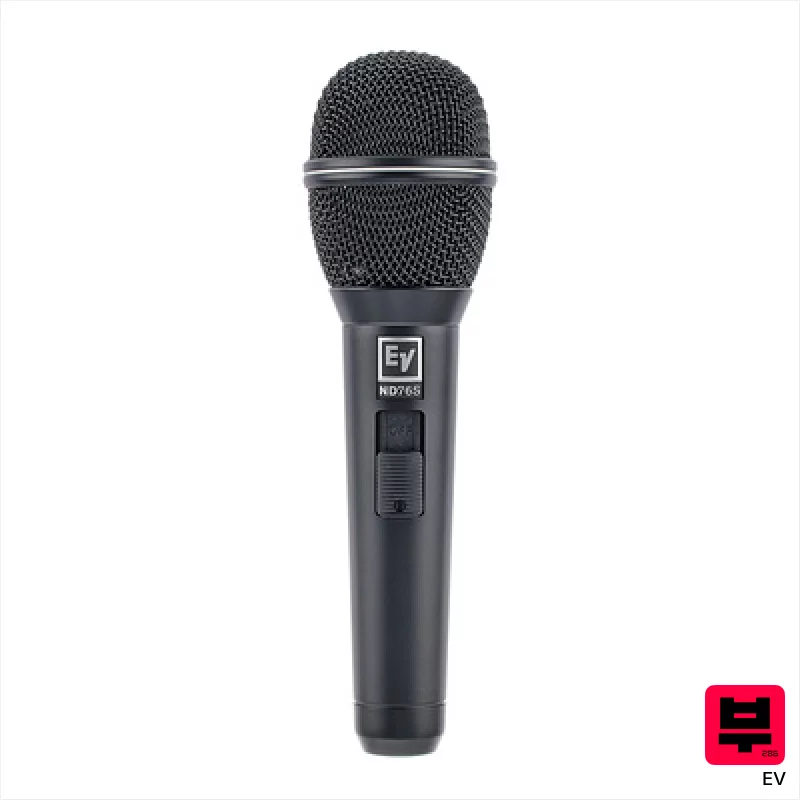
EV ND76s
- • Robust zinc diecast housing provides excellent durability for stage use
- • Cardioid pattern effectively rejects stage bleed and room noise
- • Extended frequency response captures detail beyond typical vocal mics
- • Surprisingly smooth mid-range avoids harshness common in similar mics
- • Can be slightly heavy for extended handheld use, especially for smaller performers
- • Lacks versatility; supercardioid or omni patterns would expand applications
- • Lower sensitivity may require a preamp with good gain for quieter voices

Austrian Audio OD303
- • Supercardioid pattern provides excellent isolation for live and recording situations.
- • Die-cast zinc housing ensures robust durability for stage and studio use.
- • Clear, detailed sound with surprising warmth for a dynamic mic in this price bracket.
- • Lightweight design (330g) minimizes fatigue during extended vocal performances.
- • Supercardioid pattern requires careful mic placement to avoid feedback issues.
- • Lacks the extended frequency response of higher-end condenser microphones.
- • While rugged, the finish might feel a little basic compared to premium models.
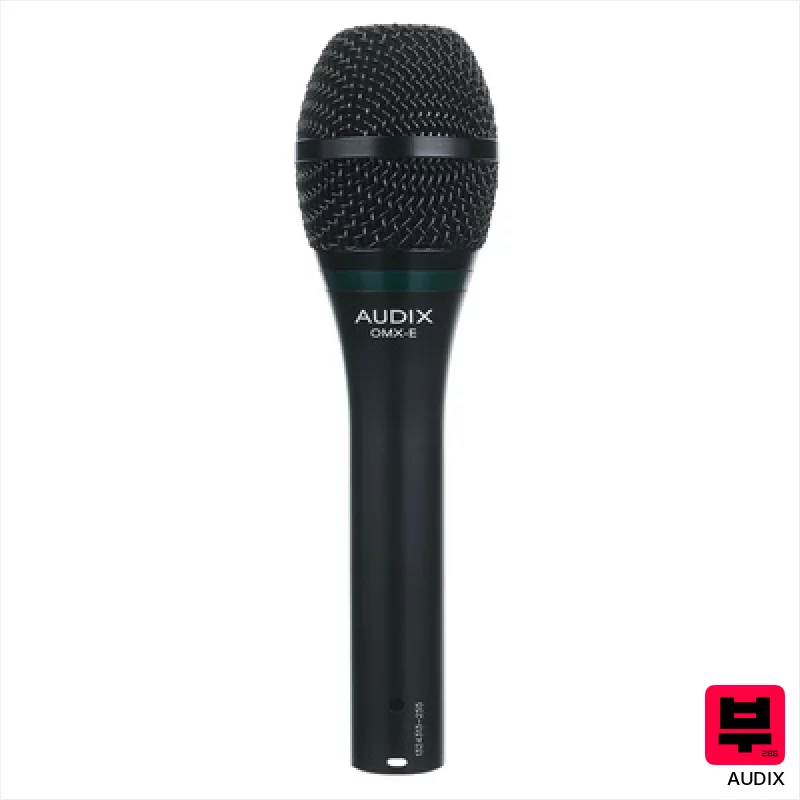
Audix OMX-E
- • VLM capsule delivers surprisingly clear and natural vocal reproduction for a dynamic.
- • Cardioid pattern effectively isolates vocals, minimizing stage bleed and feedback.
- • Robust construction with a durable handle feels solid and dependable on stage.
- • Surprisingly low self-noise contributes to a clean, professional sound even at higher gain.
- • Lacks the extended high-frequency detail of more premium condenser microphones.
- • Impedance is relatively high, potentially requiring a preamp with ample gain.
- • The capsule's sensitivity, while adequate, isn't ideal for extremely quiet sources.
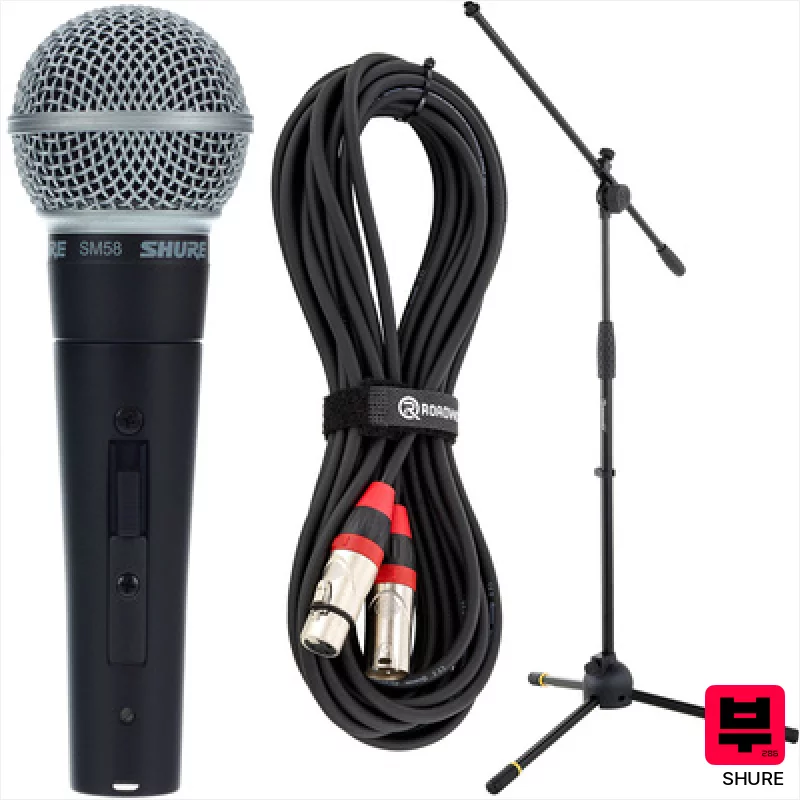
Shure SM58 S Bundle
- • Rugged steel mesh grille withstands serious stage abuse
- • Cardioid pattern excels at isolating vocals in noisy environments
- • Frequency response tailored for clear, warm vocal reproduction
- • Proven reliability makes it a dependable live performance workhorse
- • Lacks the nuanced detail of higher-end condenser microphones
- • Can sound muddy with excessive proximity effect without proper technique
- • Limited frequency response restricts versatility for instruments
How to Choose the Best Vocal Microphones
Frequency Response
Don't get hung up on charts. We're looking for a mic that captures the core of the vocal - the body, the presence - without getting overly harsh or muddy. A slight mid-range bump is often your friend, especially when cutting through a loud band.
Sensitivity
Lower sensitivity means you need more gain, which can introduce noise. In this price range, you'll likely be dealing with mics that require a little more juice from your preamp, so consider your preamps' headroom.
Rejection
Stage volume is brutal. A mic with decent rejection means less bleed from the drums and other instruments, giving you a cleaner vocal track and a better monitor mix.
Durability
Gigs aren't kind to gear. We're looking for mics that can take a beating, handle sweaty hands, and survive the occasional drop (because it will happen).
Articulation
Can the mic reproduce subtle nuances in your vocal? Does it capture the breathy moments, the subtle shifts in tone? This is where cheaper mics often fall short, sounding a bit homogenized.
Buying Guide
At this price point, you're making trade-offs. You won't get the silky smooth highs of a condenser, and you might notice a slightly less detailed midrange. Don't expect a mic to sound like a $500 Neumann - that's just not realistic. Focus on finding a mic that delivers a usable frequency response and can handle the rigors of live performance without adding excessive noise or distortion. A sturdy build is more valuable than a fancy finish.
Our Methodology
We're not just looking at spec sheets here. I've spent years on stages and in studios, and I've A/B'd countless mics. These picks are based on real-world testing - how they sound through a PA, how they handle loud stages, and how well they capture a vocal's character. We're talking about usable performance, not just theoretical numbers.

