
Best Vocal Microphones Under $300 2026
Alright, so you need a workhorse dynamic mic but your bank account isn't screaming 'studio budget.' It happens. You're not looking for a vintage ribbon or a hyped-up condenser, you just want something that'll handle a loud gig, record a decent vocal, or survive a rehearsal where someone spills a beer. This list is about getting the most 'bang for your buck' in the under $300 dynamic mic range - mics that'll actually hold up and sound decent without needing a second job to afford them.
Last updated: June 10, 2026 • Next update: June 17, 2026
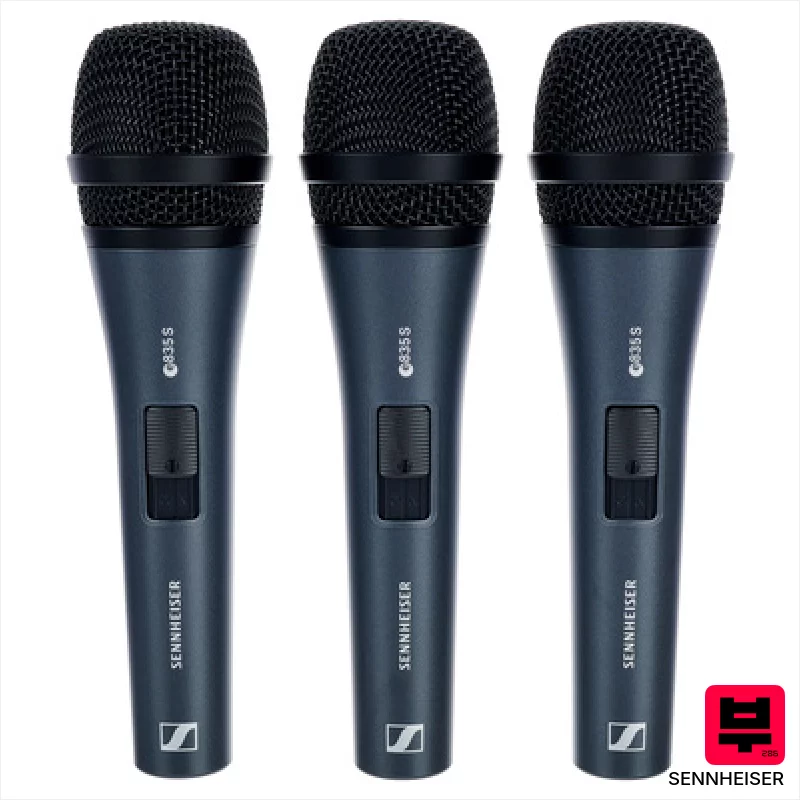
Sennheiser E835 S 3Pack
- • Robust zinc die-cast construction handles serious stage abuse.
- • Cardioid pattern effectively isolates vocals, minimizing feedback.
- • Smooth mid-range presence cuts through dense live mixes.
- • Excellent value proposition for a trio of reliable dynamic mics.
- • Higher impedance requires a decent preamp for optimal performance.
- • Can sound slightly boxy compared to more open condenser mics.
- • Weight (330g) might be tiring for extended handheld use.
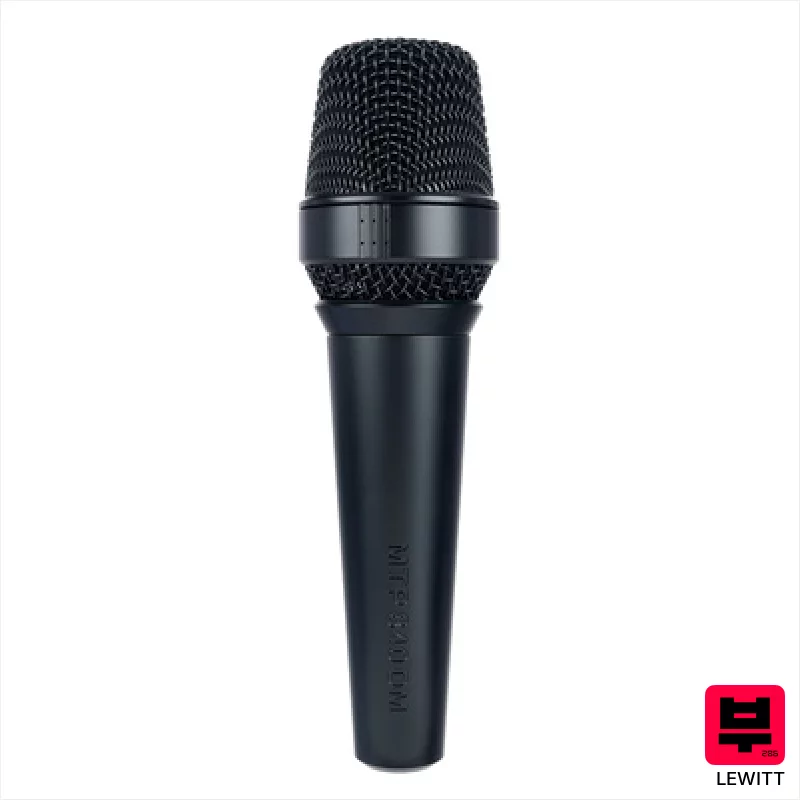
Lewitt MTP 840 DM
- • Excellent off-axis rejection minimizes stage bleed effectively.
- • The built-in switchable low-cut is genuinely useful for taming proximity effect.
- • Robust zinc die-cast construction feels solid and durable for live use.
- • Surprisingly smooth mid-range presence for a dynamic, cuts through mixes.
- • Supercardioid pattern demands precise mic technique for optimal results.
- • Limited versatility compared to multi-pattern condensers for studio tracking.
- • The 0dB gain setting can be a little low for some preamps, requiring gain boosting.
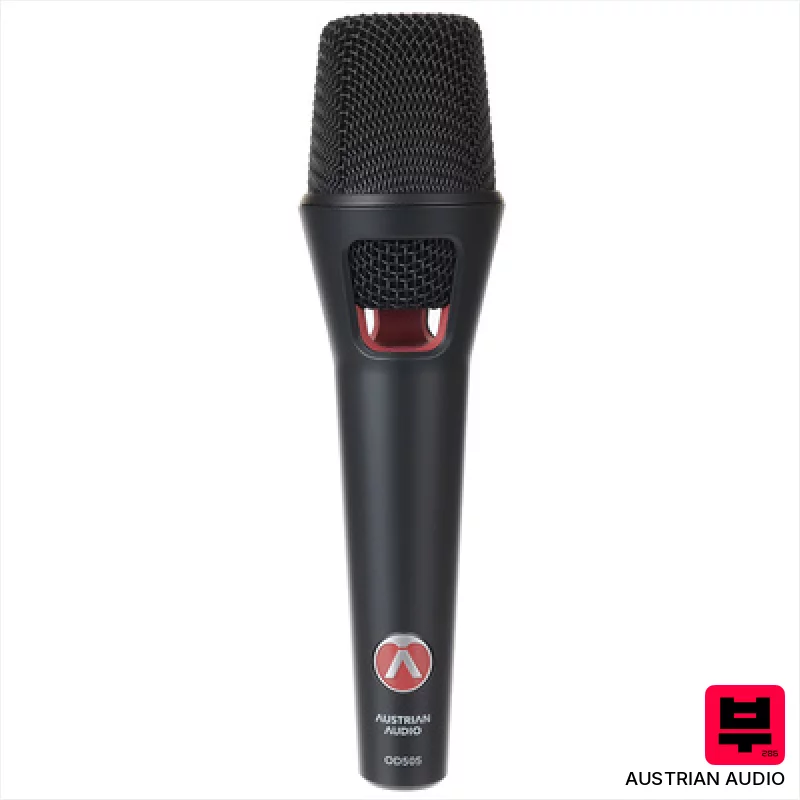
Austrian Audio OD505
- • Exceptional off-axis rejection minimizes bleed in live settings
- • Robust die-cast construction feels exceptionally durable for its class
- • Detailed, natural sound with surprisingly good high-frequency response
- • High SPL handling allows for aggressive vocals without distortion
- • Supercardioid pattern demands precise mic technique for optimal results
- • Requires 48V phantom power, limiting compatibility with some interfaces
- • Relatively high impedance necessitates a quality preamp for best performance
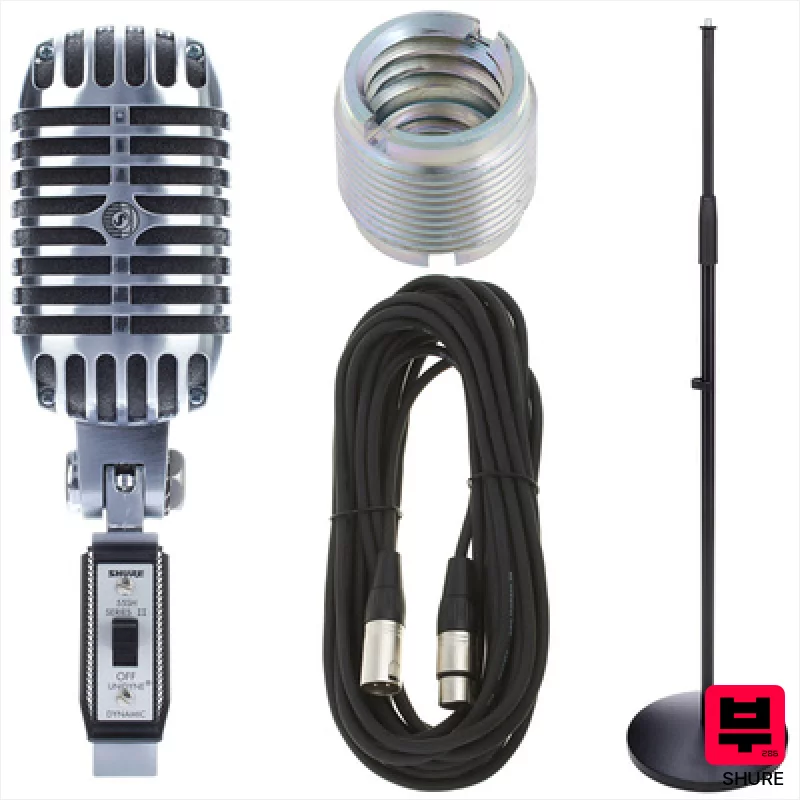
Shure SH55 Series II Bundle
- • Classic UNIDYNE II design provides recognizable stage presence
- • Cardioid pattern excels in live environments, minimizes feedback
- • Robust build quality ensures durability for frequent use
- • Presence boost adds clarity and cut to vocal performances
- • Limited frequency response compared to modern condenser mics
- • Heavier than many stage vocal microphones, can be tiring for some
- • Sound signature leans towards vintage, may not suit all vocal styles
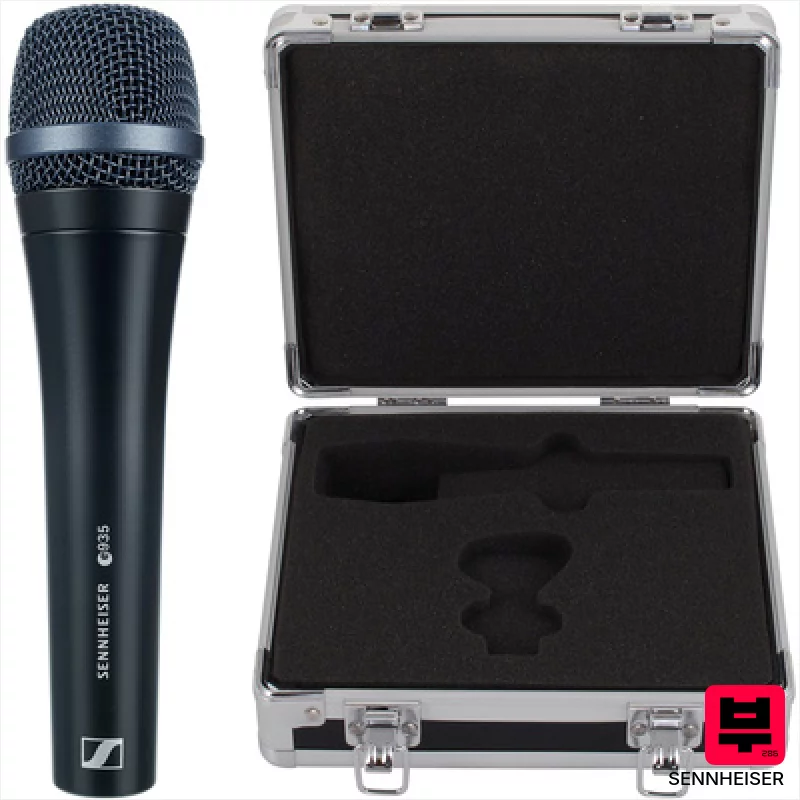
Sennheiser E 935 Case Bundle
- • Robust metal housing provides excellent durability on demanding stages
- • Cardioid pattern excels at isolating vocals in loud environments
- • Shock-mounted capsule minimizes handling noise and stage rumble
- • Included case offers practical protection and organization for transport
- • Can be slightly dark sounding, requiring EQ adjustments in some mixes
- • Impedance might necessitate a preamp with sufficient gain
- • Weight (330g) can be fatiguing during extended performances

Sennheiser E 935 FetAmp Bundle
- • Robust metal housing ensures gig-ready durability and longevity.
- • FetAmp provides clean gain, especially useful for dynamic mics' lower output.
- • Cardioid pattern effectively isolates vocals in loud stage environments.
- • Shock-mounted capsule minimizes handling noise and stage vibrations.
- • The 350 Ohm impedance can require a higher-gain preamp for optimal results.
- • While versatile, it’s not the absolute *best* choice for very nuanced studio vocal work.
- • Weight (330g) can be fatiguing for some performers during long sets.
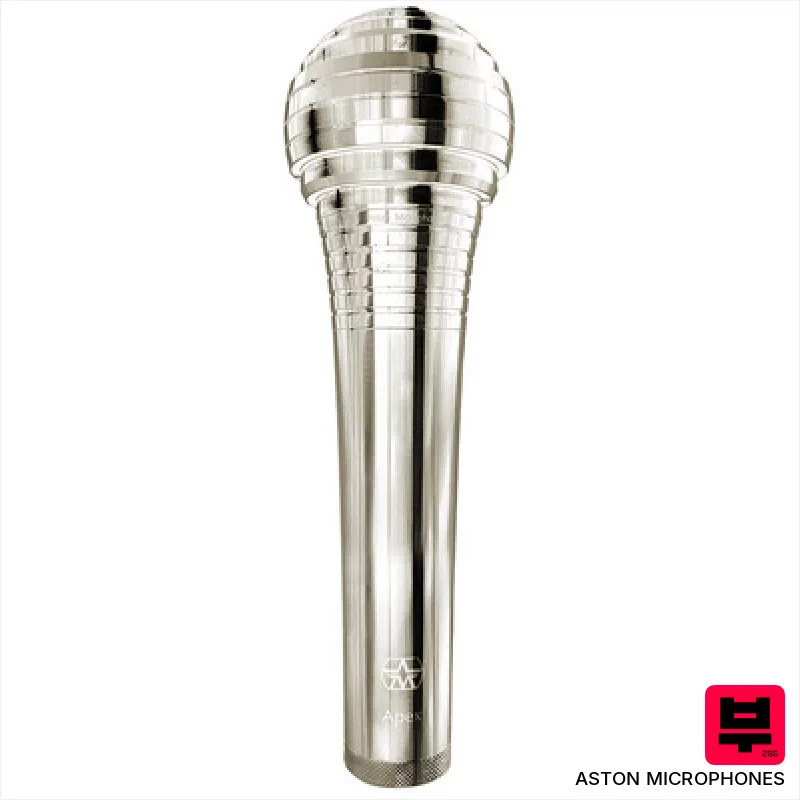
Aston Microphones Apex Glass
- • Robust chrome plating offers excellent durability and a premium feel
- • Stealth technology dual voicing provides surprising tonal flexibility
- • Integrated Class-A preamp boosts signal, reducing noise for quieter sources
- • Effective rejection of stage bleed thanks to well-defined polar pattern
- • Limited frequency response compared to condenser microphones for nuanced recordings
- • Glossy chrome finish can be prone to fingerprints and smudging
- • Active preamp requires phantom power, restricting use with some older interfaces
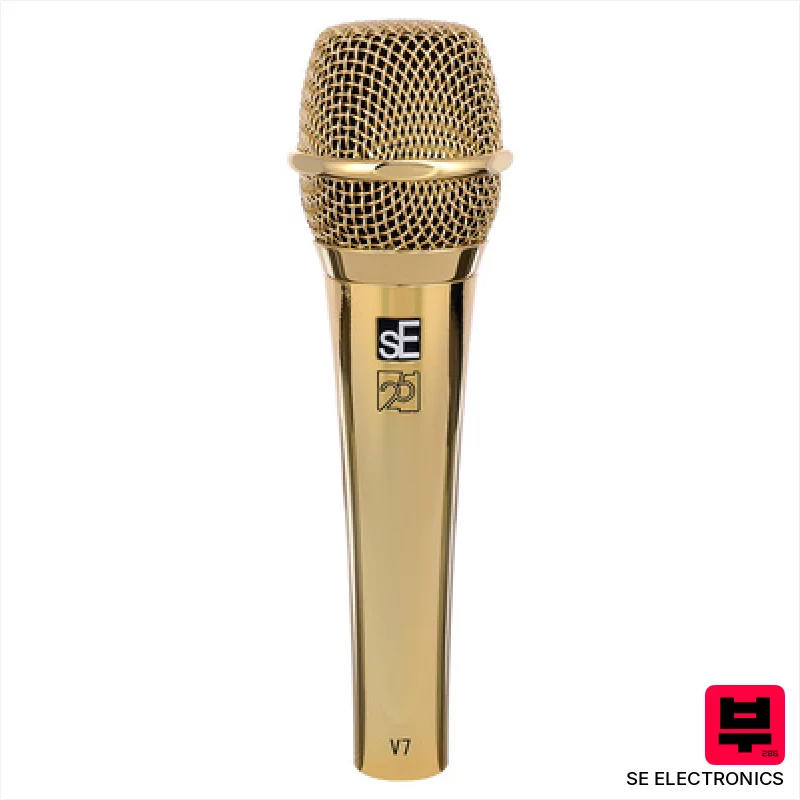
SE Electronics V7 G-25AE Gold
- • Robust spring steel grille offers excellent protection against stage abuse.
- • Supercardioid pattern excels at isolating vocals in live environments.
- • Integrated pop filter reduces plosives without external accessories.
- • Gold-plated XLR connector ensures reliable signal transfer and corrosion resistance.
- • Supercardioid pattern demands careful mic placement to avoid feedback.
- • Lower sensitivity may require a preamp with ample gain for quiet sources.
- • Limited frequency response compared to condenser microphones for nuanced detail.
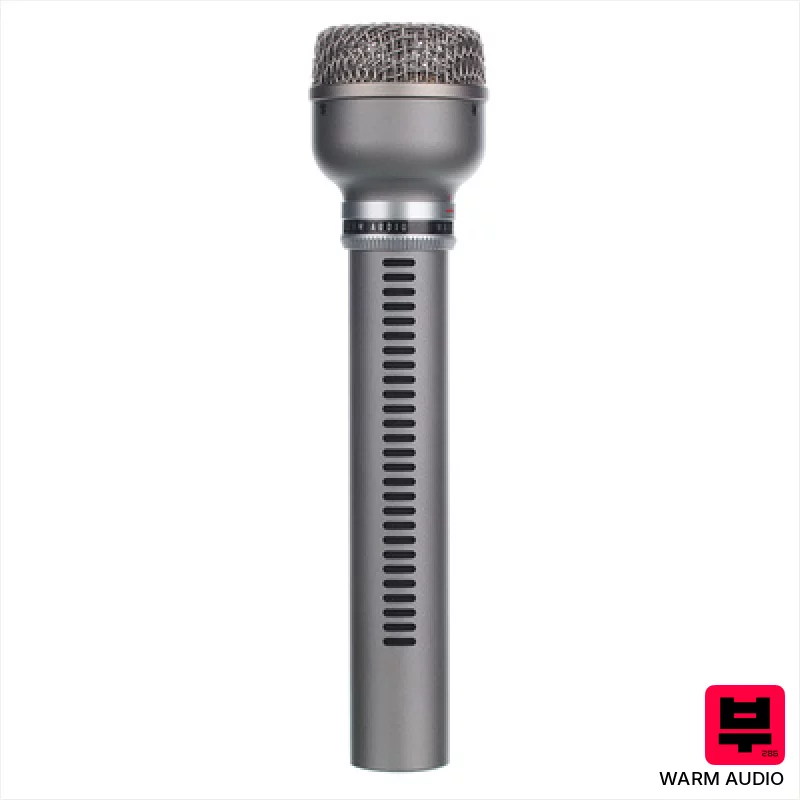
Warm Audio WA-19N
- • Solid nickel finish exudes a vintage vibe and durability.
- • Cardioid pattern offers excellent isolation in less-than-ideal recording spaces.
- • Adjustable bass roll-off provides flexibility for taming low-frequency rumble.
- • Surprisingly robust build for its price point; feels well-constructed.
- • Limited polar pattern options restrict versatility for certain recording applications.
- • Sensitivity is lower than many competing dynamic mics, requiring more gain.
- • The nickel finish can be a fingerprint magnet, demanding frequent cleaning.
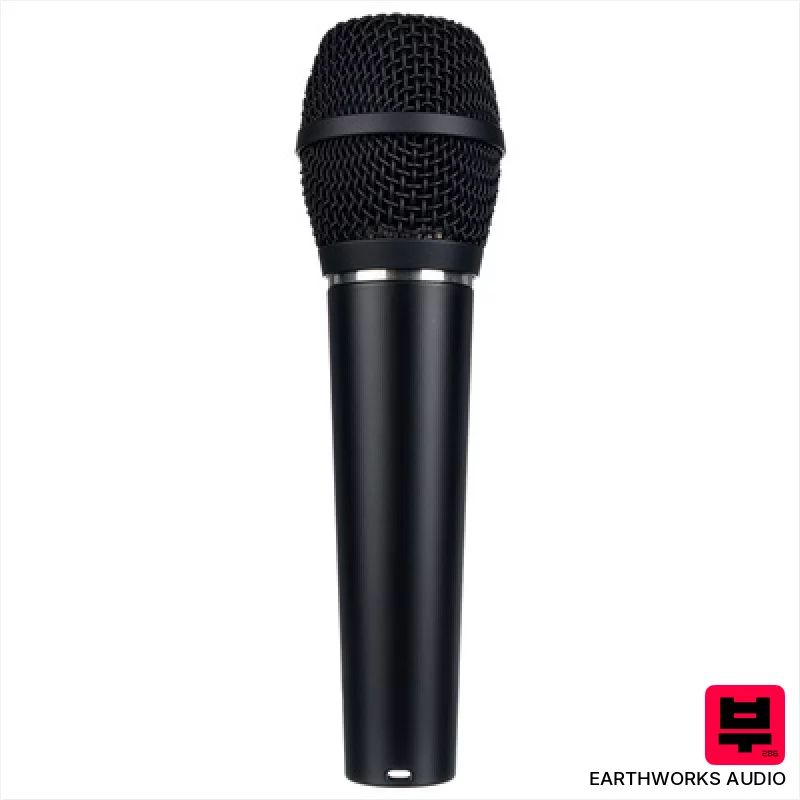
Earthworks Audio SR117
- • Exceptional transient response captures subtle vocal nuances.
- • Unique diaphragm design delivers remarkably natural, uncolored sound.
- • Supercardioid pattern excels in live performance and noisy environments.
- • Robust, all-metal construction feels durable and professional.
- • Supercardioid pattern requires precise mic technique for optimal results.
- • Sensitivity necessitates careful gain staging to avoid noise floor.
- • Lacks a pad switch, limiting headroom with extremely loud sources.
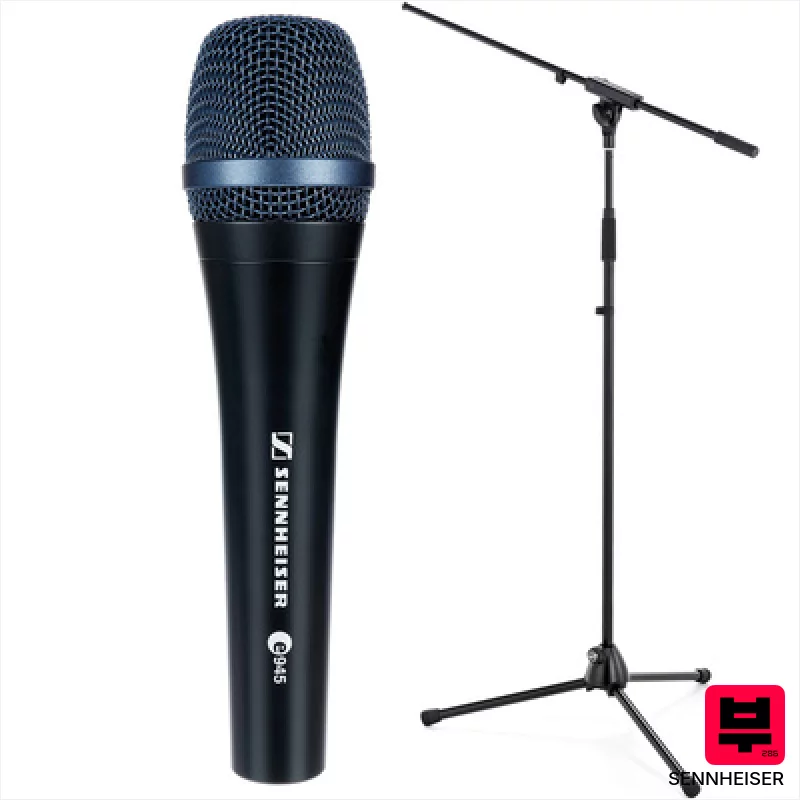
Sennheiser E 945 Stand Bundle
- • Supercardioid pattern excels at isolating vocals in loud live environments.
- • K&M stand offers exceptional stability with its die-cast base and boom arm.
- • E 945's robust build ensures durability for frequent gigging and travel.
- • Natural, gentle sound captures vocal nuances without harshness or artificiality.
- • Supercardioid pattern demands careful mic placement to avoid off-axis coloration.
- • Bundle's weight (over 3kg) can be cumbersome for solo performers or travel.
- • Impedance requires a preamp with sufficient gain for optimal signal level.
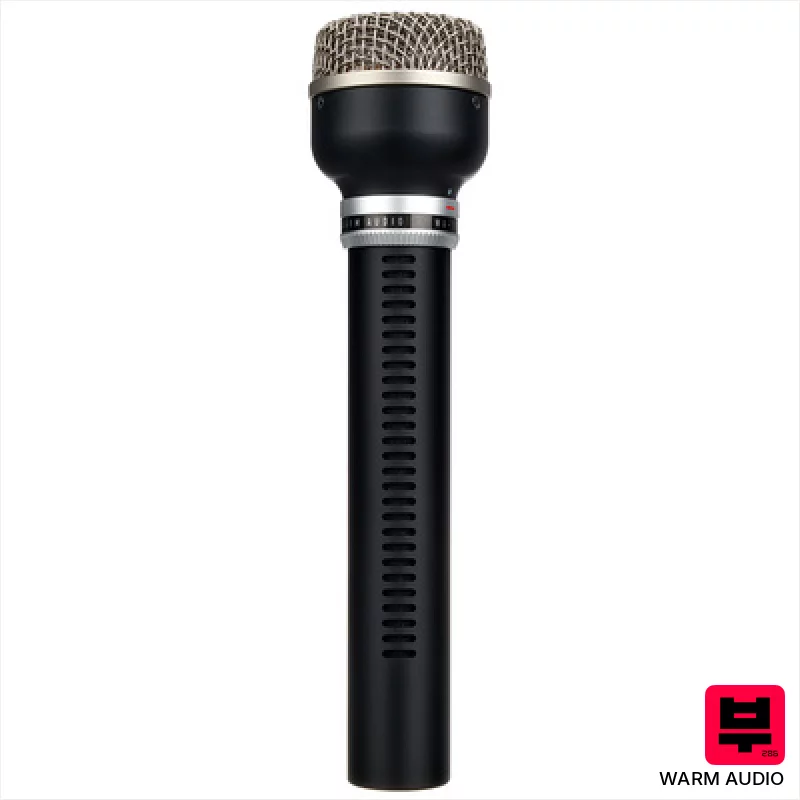
Warm Audio WA-19B
- • Robust all-metal construction feels solid and inspires confidence.
- • Cardioid pattern offers excellent off-axis rejection for cleaner recordings.
- • Bass cut control allows for tailored low-frequency response on boomy vocals.
- • Surprisingly detailed transient response for a dynamic mic in this class.
- • Lacks versatility with a single cardioid polar pattern only.
- • Sensitivity is low, requiring a preamp with ample gain for optimal results.
- • High SPL handling, while good, isn't quite as robust as some flagship mics.
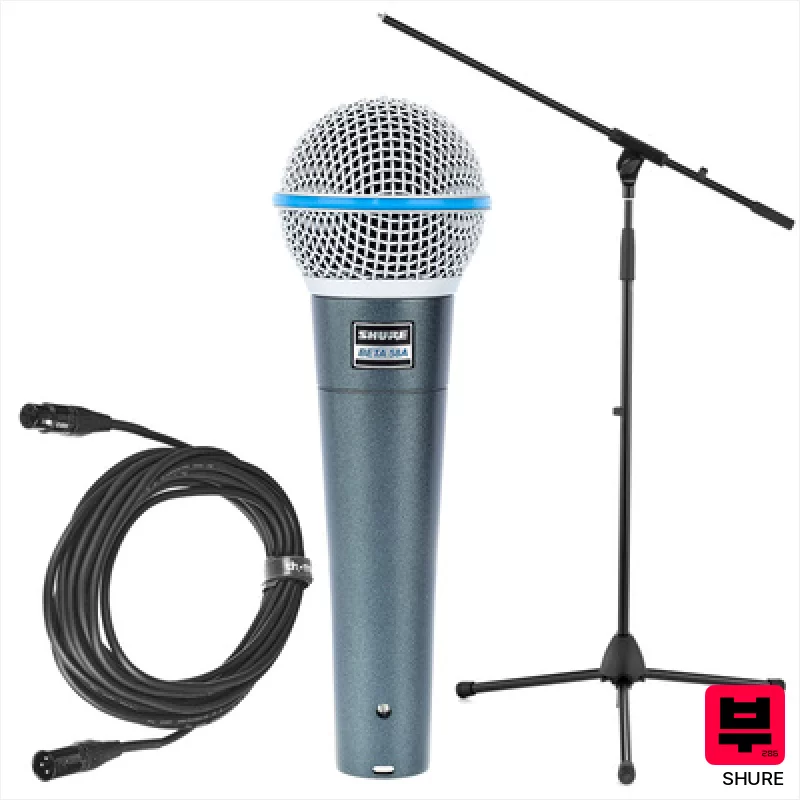
Shure Beta 58 A Stativ+Kabel Bundle
- • Supercardioid pattern provides excellent feedback rejection on stage
- • Robust construction with hardened steel windscreen ensures durability
- • High-output design delivers clear vocals even in loud environments
- • Includes a sturdy stand and cable for immediate use and convenience
- • Supercardioid pattern requires precise mic placement for optimal sound
- • Can sound slightly harsh on vocals with very bright or thin timbres
- • The bundled stand is functional but not a premium-grade option
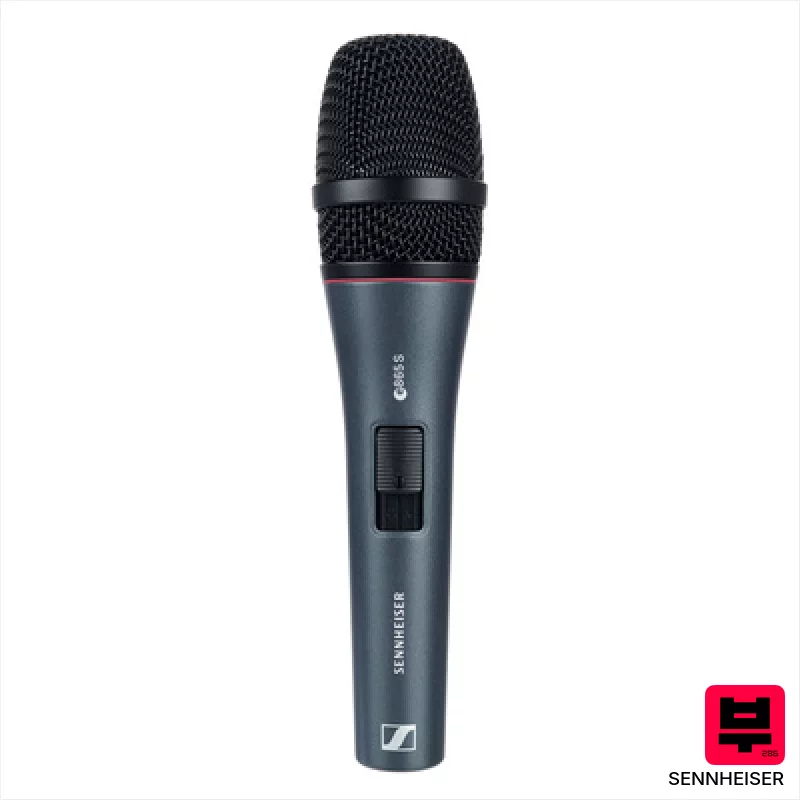
Sennheiser E 865 S
- • Supercardioid pattern excels at isolating vocals in loud live environments.
- • Robust metal construction provides excellent durability for stage use.
- • Extended frequency response captures nuanced vocal details and clarity.
- • Consistent performance across its frequency range minimizes coloration.
- • Supercardioid pattern demands precise mic technique to avoid feedback.
- • Requires phantom power, limiting use with some older or simpler audio interfaces.
- • Somewhat heavier than other stage vocal condensers, potentially tiring for long sets.
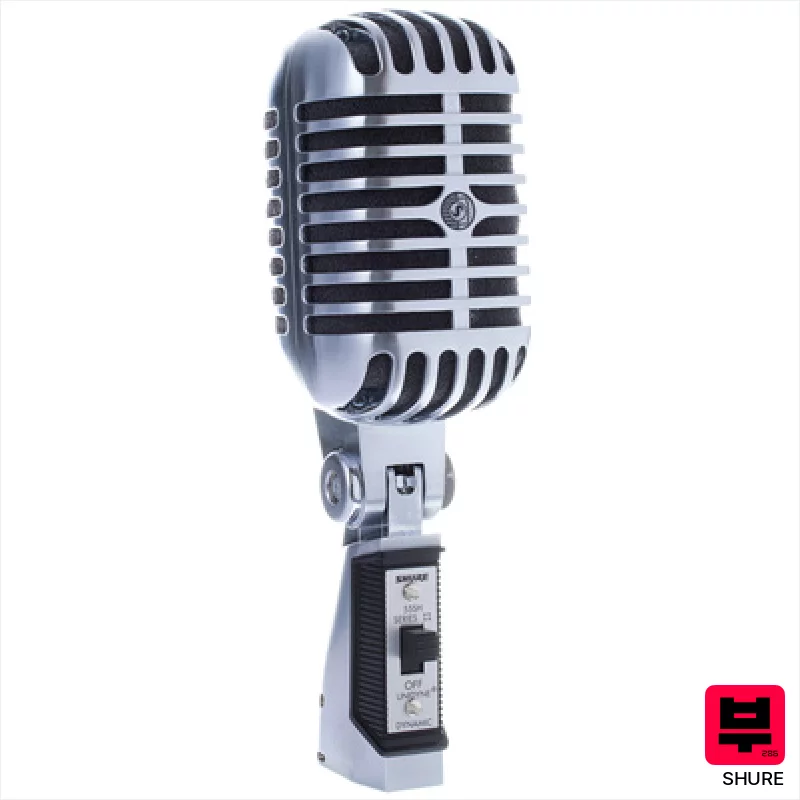
Shure SH55 Series II
- • Classic UNIDYNE II design offers iconic stage presence
- • Cardioid pattern excels at feedback rejection on loud stages
- • Robust build quality ensures reliable performance over time
- • Presence boost adds clarity and cut to vocal performances
- • Lacks the extended frequency response of more modern mics
- • Can sound slightly boxy with certain vocal timbres
- • Limited versatility compared to multi-pattern condensers
- • Heavier than many stage vocal microphones
How to Choose the Best Vocal Microphones
Frequency Response
Don't be fooled by charts. We're looking for a mic with a usable low-end - enough to get some thump without getting muddy - and a top end that's present without being ice-picky. A slight mid-range bump can be your friend for cutting through a live mix.
Sensitivity
A hotter mic (higher sensitivity) will be easier to get a good signal with, especially in less-than-ideal recording environments or when you're dealing with a drummer who likes to hit hard. Lower sensitivity means you'll need more gain, which can introduce noise.
Rejection
How well does it ignore sounds not directly in front of it? Crucial for live gigs with multiple sources and less-than-ideal stage monitoring. Good rejection minimizes bleed and keeps your vocal clear.
Durability
Let's be honest, these mics are going to get abused. We're looking for mics built to withstand the rigors of gigging - solid construction, a robust capsule, and a decent shock mount.
Off-Axis Response
How does the mic sound when someone is slightly to the side? A mic that sounds thin or weird when someone isn't directly in front of it is a pain in a band setting.
Buying Guide
At this price point, you're making trade-offs. You're not getting pristine detail or a perfectly flat response. Expect a slightly colored sound - often a mid-range emphasis, which isn't always bad - and potentially a slightly less refined build. Don't chase the specs; listen to demos and read reviews from players, not just marketing copy. A decent shock mount and pop filter are worth the extra cost to improve your recordings.
Our Methodology
We're not just looking at spec sheets here. We've put these mics through the wringer: live gigs with a full band, tracking vocals in a less-than-perfect room, and countless hours of A/B comparisons against mics costing twice as much. We're judging these mics on how they sound and how they perform in real-world situations - not just on paper.

