
Best Splitters and Combiners Under $1,000 2026
So, you're wrestling with multiple wireless mics and need to route signals, or maybe you're trying to combine a DI and a mic signal for a hybrid tone? Splitters and combiners can be a real lifesaver, but they don't need to break the bank. We're focusing on getting the most bang for your buck here - solid functionality without emptying your gig money.
Last updated: September 28, 2026
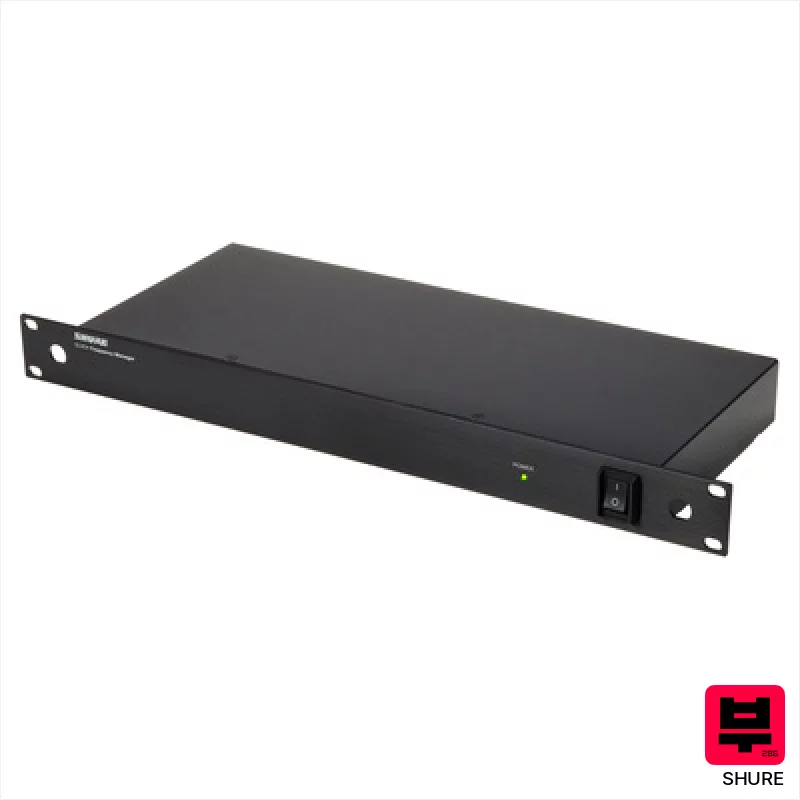
Shure GLXD+ Frequency Manager
- • Robust 1U rackmount chassis ensures reliable stage deployment.
- • Dual-band frequency management minimizes interference in dense RF environments.
- • Supports up to 16 GLXD4R+ receivers, ideal for large events.
- • Reverse SMA connectors offer flexibility in antenna selection and placement.
- • Price point places it firmly in the professional, high-end wireless ecosystem.
- • Requires a significant investment in compatible Shure GLXD4R+ receivers.
- • The size (19”/1U) can be a constraint in smaller, space-limited racks.
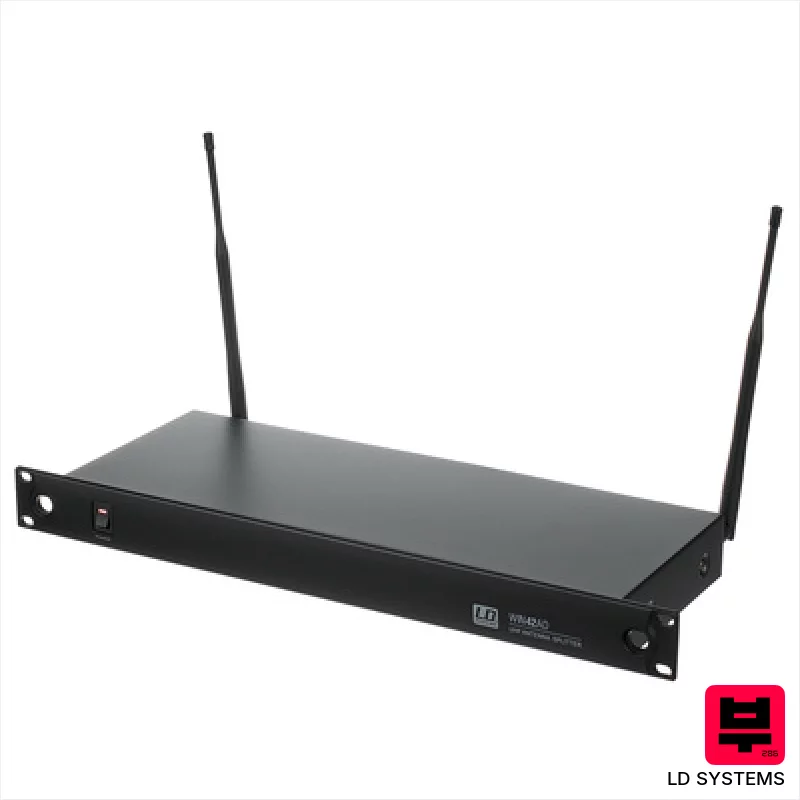
LD Systems LD WIN42 AD
- • Solid 19in rackmount chassis for stable, professional setups
- • Included antennas offer a basic starting point for wireless coverage
- • BNC connections are robust and reliable for antenna cabling
- • Gain of 3dB helps boost signal strength for better wireless clarity
- • Limited frequency range restricts compatibility with some newer wireless systems
- • Weight (4.8 kg) makes transport and installation slightly cumbersome
- • Power supply range (12-18V) could be more flexible for certain applications

Shure UA844+SWB-E
- • Robust 19 in rack housing ensures stability in demanding environments
- • Amplified RF signal combats losses when splitting to multiple receivers
- • Cascading capability expands system capacity beyond the initial four receivers
- • Shure’s proven RF expertise guarantees reliable, interference-free operation
- • Relatively high cost compared to passive antenna splitters
- • Requires external DC power, adding to setup complexity
- • Limited to Shure wireless systems; not universally compatible
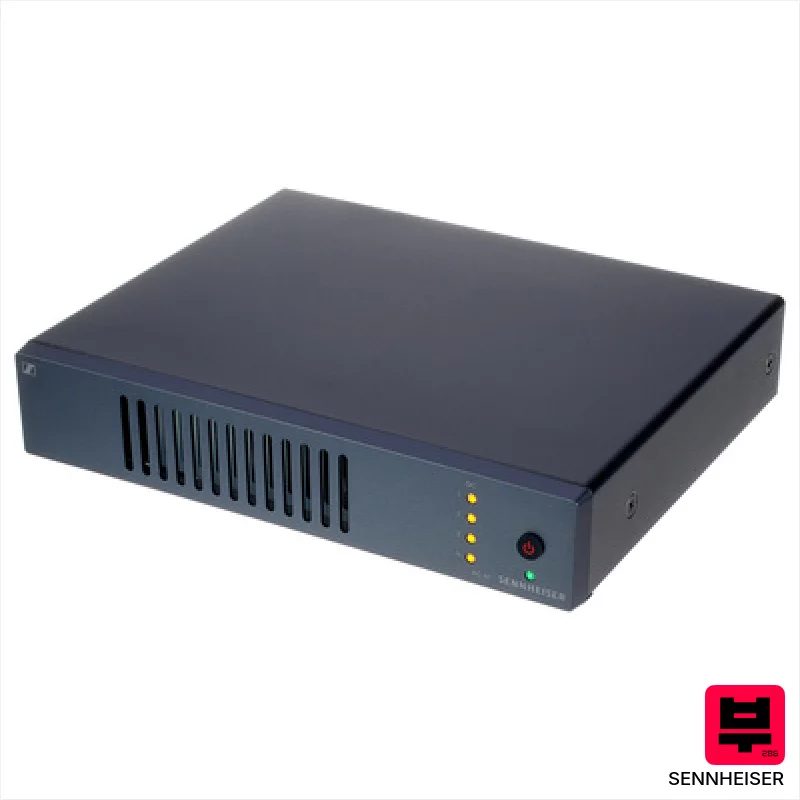
Sennheiser AC41 Antenna Combiner
- • Excellent noise reduction for IEM monitoring applications
- • Robust metal chassis provides reliable protection and durability
- • Active combiner design minimizes intermodulation distortion effectively
- • Seamless integration with Sennheiser’s G4 wireless ecosystem
- • Limited compatibility outside of Sennheiser’s G4 systems
- • Relatively premium-priced compared to passive combiner alternatives
- • The physical size (1U) can be a constraint in tight rack spaces
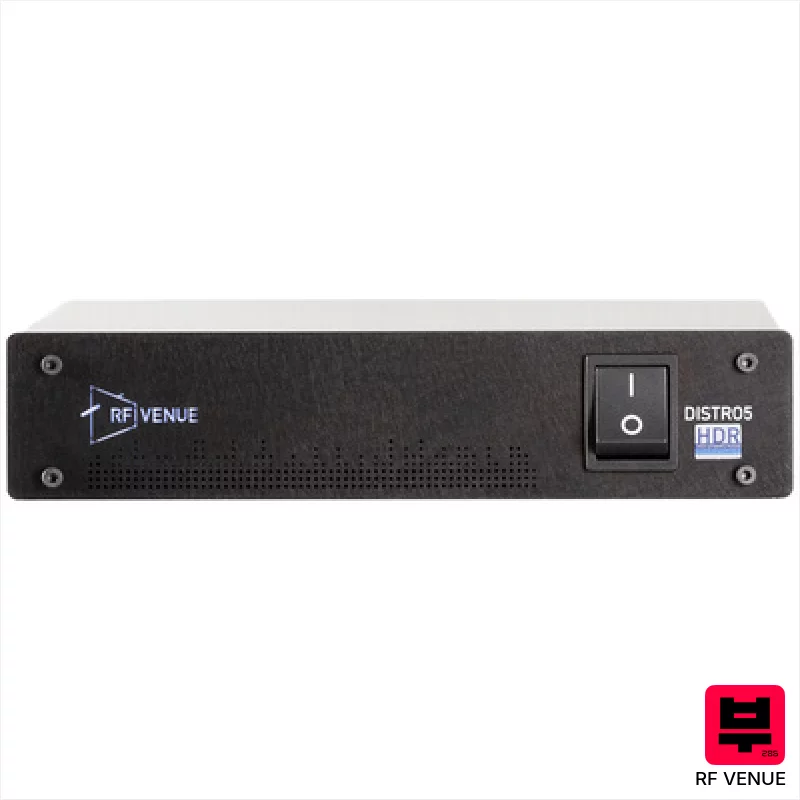
RF Venue Distro 5 HDR
- • Robust aluminum chassis ensures exceptional durability for stage use.
- • Active design provides consistent signal distribution, minimizing loss and interference.
- • Ten outputs offer flexibility for complex multi-transmitter setups.
- • HDR technology improves signal clarity and reduces intermodulation distortion.
- • The unit's weight makes it less ideal for portable or mobile applications.
- • Limited frequency range restricts use with systems operating outside 470-698 MHz.
- • Higher price point positions it as a premium investment for serious wireless users.

Shure UA844+SWB-LCE
- • Robust 19-inch rackmount chassis provides excellent physical protection
- • Cascading capability allows expansion to support even more receivers
- • Low-voltage cables simplify integration with BLX and SLX systems
- • Provides clean signal splitting with minimal loss across multiple channels
- • Price point positions it as a premium investment for professional setups
- • Limited gain adjustment necessitates careful antenna placement and system optimization
- • Physical size and weight make portability challenging for mobile applications
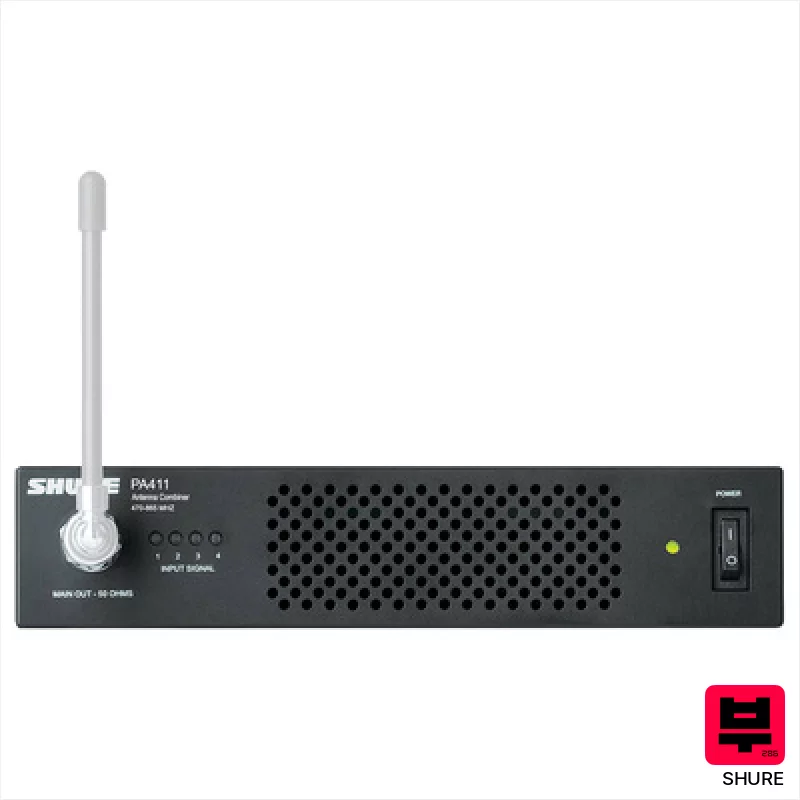
Shure PA411 Antenna Combiner
- • Solid Shure build quality ensures reliable operation for years.
- • Compact 1U design saves valuable rack space in tight rigs.
- • BNC outputs offer flexibility with both active and passive antennas.
- • Integrated DC output simplifies receiver power, reducing cable clutter.
- • Price point places it in the premium-priced category for smaller installations.
- • Limited to Shure PSM transmitters, restricting system compatibility.
- • Antenna not included; requires separate purchase and careful selection.
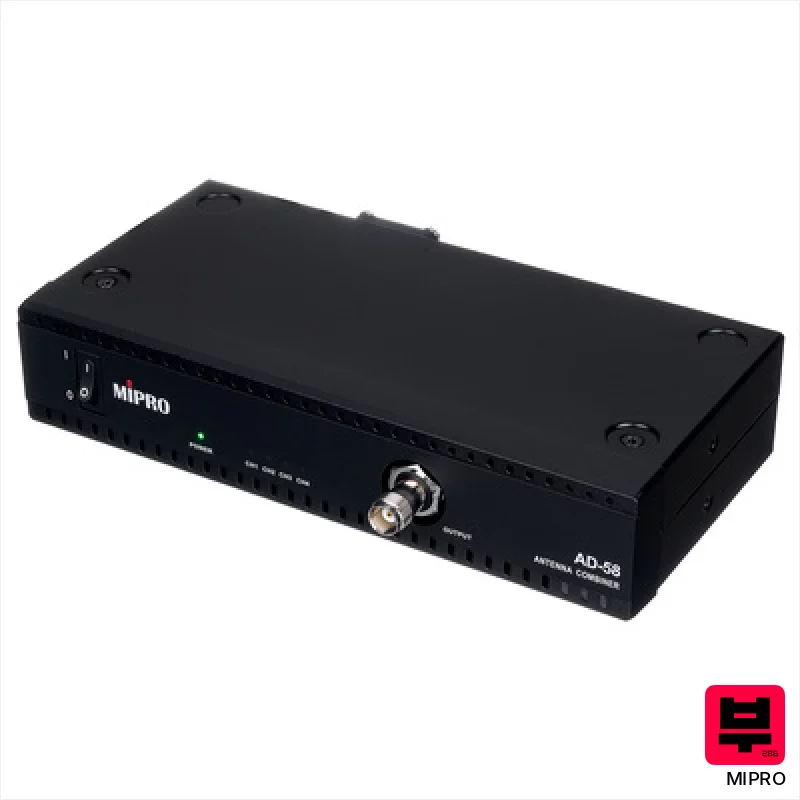
Mipro AD-58
- • Solid build quality; feels robust despite its size.
- • Excellent signal combining minimizes interference in crowded RF environments.
- • TNC connectors offer a reliable, professional connection standard.
- • 10dB gain provides a noticeable boost without introducing excessive noise.
- • Limited to Mipro MI-58 series transmitters, restricting flexibility.
- • TNC connectors may require adapters for some common setups.
- • Relatively compact size can be a disadvantage for complex installations.
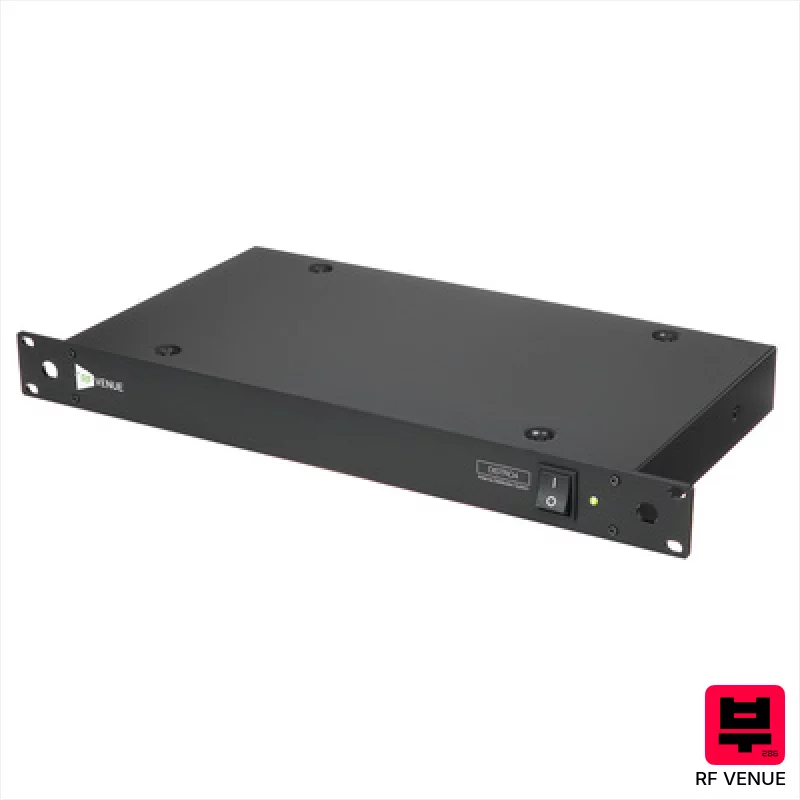
RF Venue Distro 4
- • Robust RF Venue build quality ensures reliable performance.
- • Active design provides clean signal distribution with minimal loss.
- • Eight outputs offer significant flexibility for complex wireless setups.
- • BNC connectors are a professional standard for antenna systems.
- • The unit's substantial weight makes portability challenging.
- • Price point positions it as a premium investment for serious users.
- • Limited frequency range might not cover all wireless microphone systems.
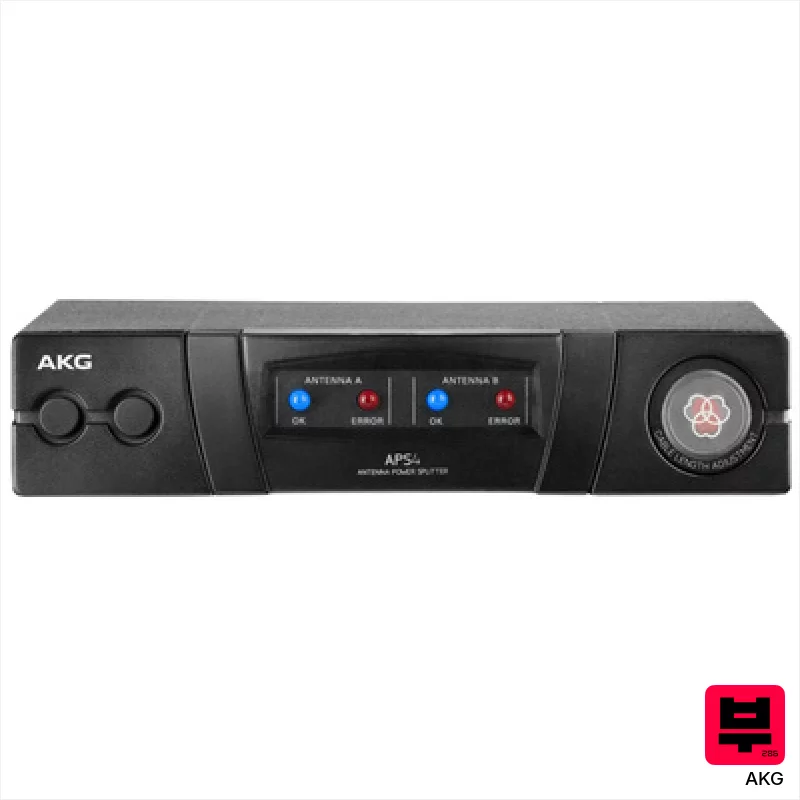
AKG APS4
- • Robust metal chassis ensures reliable stage use and longevity
- • Integrated damping switch allows for precise antenna level adjustment
- • Cascading capability expands system capacity for larger events
- • Power supply via antenna cable simplifies setup and reduces cable clutter
- • Limited frequency range compared to broader spectrum antenna systems
- • Price point places it in a premium-priced category for wireless setups
- • Primarily designed for AKG systems, limiting compatibility
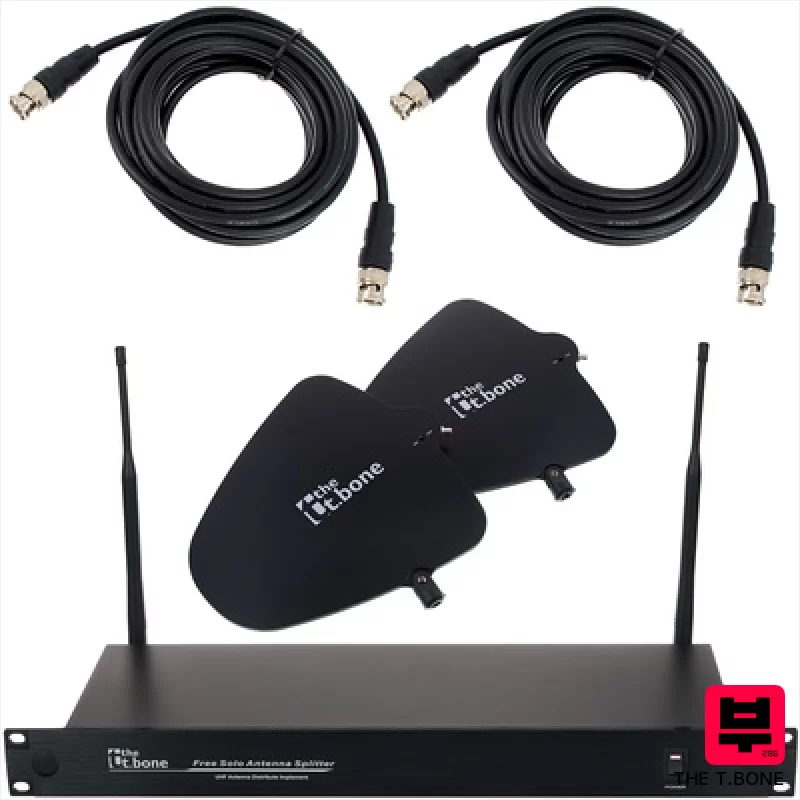
the t.bone free solo Antenna Bundle
- • Directional antennas significantly improve signal clarity and range.
- • Splitter allows for flexible routing of multiple wireless mics.
- • Integrated power supply simplifies setup and reduces clutter.
- • BNC connections offer robust and reliable signal transfer.
- • Limited frequency range might exclude some wireless systems.
- • Paddle antenna size could be cumbersome in tight spaces.
- • Splitter’s gain adjustment is somewhat basic, lacks fine control.
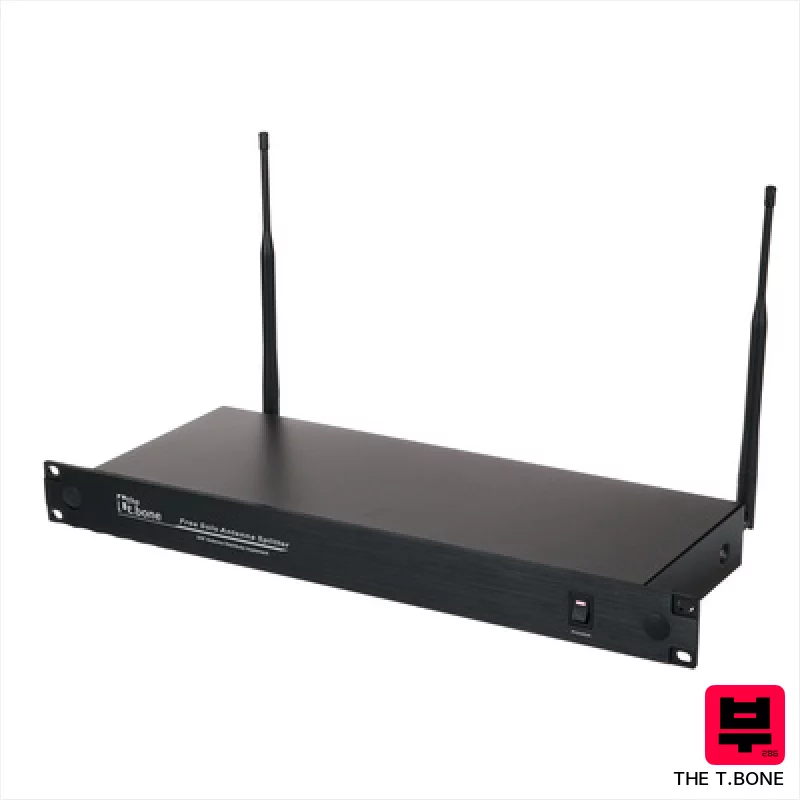
the t.bone free solo Antenna Splitter
- • Robust 19in rackmount chassis provides excellent stability and roadworthiness
- • Multiple BNC outputs allow for flexible system expansion and routing
- • Integrated DC power outlets simplify powering remote antennas and boosters
- • Wide frequency range covers a broad spectrum of wireless microphone systems
- • Limited gain adjustment may require external boosters in weak signal areas
- • Antennas included are basic and may benefit from higher-quality replacements
- • Large footprint (160mm depth) requires sufficient rack space
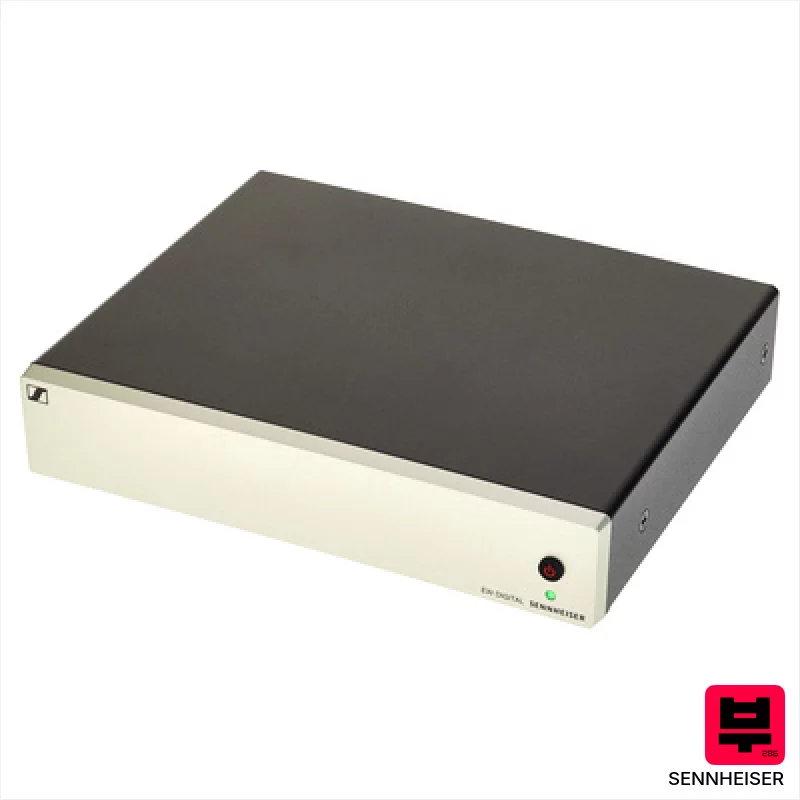
Sennheiser EW-D ASA X-Y
- • Rock-solid build quality; feels like it'll survive a tour bus.
- • Excellent signal clarity, minimizes interference in crowded RF environments.
- • DC voltage distribution simplifies powering multiple antennas.
- • The 1:4 split provides significant flexibility for complex setups.
- • Price point puts it out of reach for budget-conscious users.
- • Limited frequency range compared to some wider-band antenna systems.
- • Bulky design might be challenging in tight spaces.
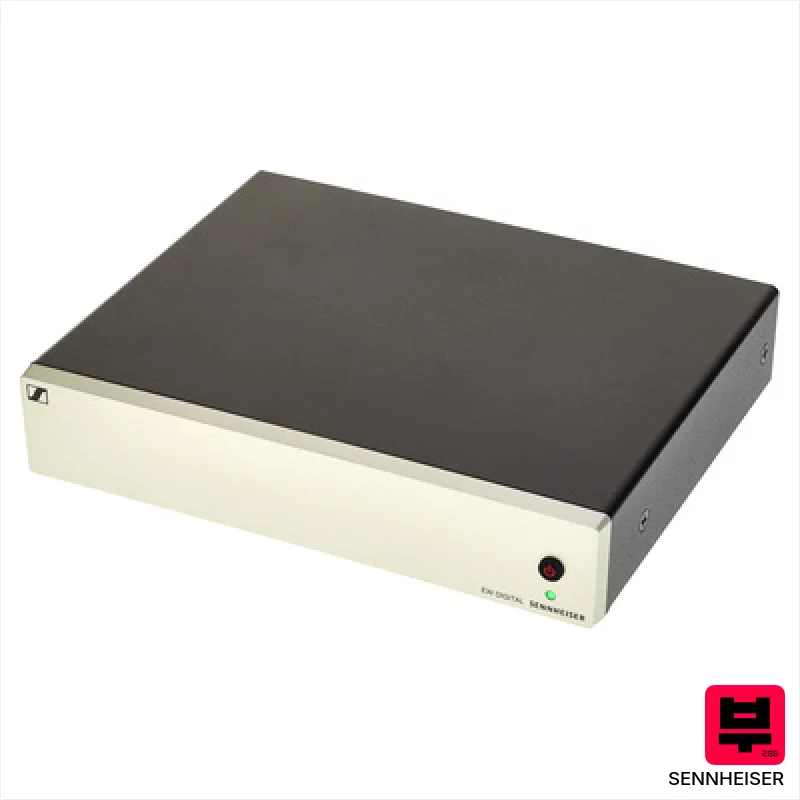
Sennheiser EW-D ASA Q-R-S
- • Rock-solid Sennheiser build quality ensures long-term reliability.
- • Dual 1:4 splitting maximizes channel count from a single antenna.
- • Integrated DC voltage distribution simplifies receiver power management.
- • BNC connectors offer robust, secure signal connections.
- • Price point places it firmly in the professional/broadcast category.
- • Limited flexibility for non-Sennheiser EW-D systems.
- • Relatively bulky design may require dedicated rack space.
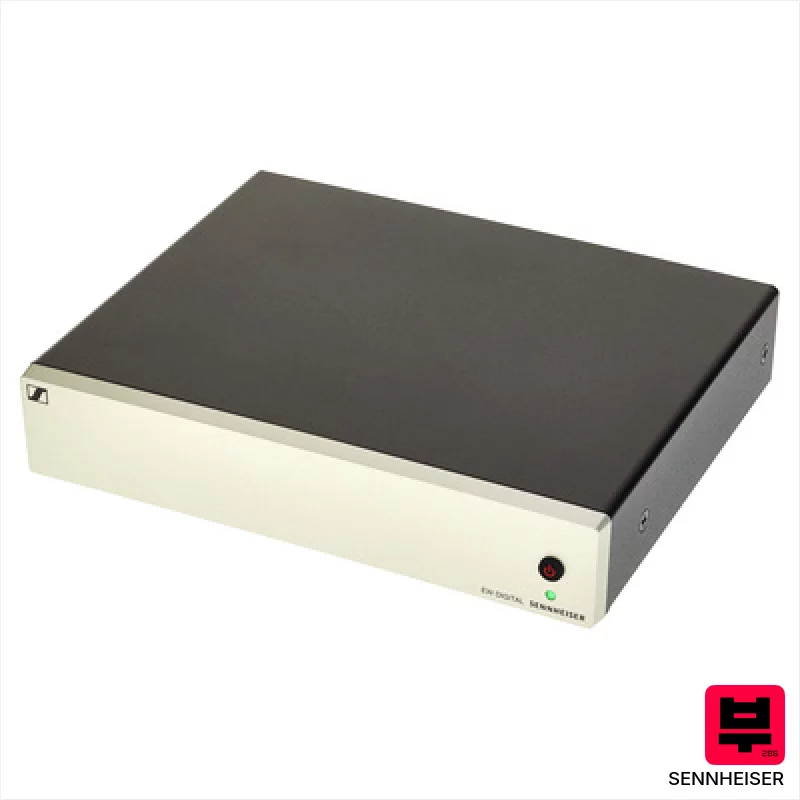
Sennheiser EW-D ASA T-U-V-W
- • Rock-solid Sennheiser build quality, inspires confidence
- • Dual 1:4 splitting maximizes receiver channel count
- • DC voltage distribution simplifies powering handhelds
- • BNC connections ensure reliable signal integrity
- • Limited frequency range compared to broader spectrum splitters
- • Higher price point makes it a significant investment
- • Requires careful antenna placement for optimal performance
Every splitters and combiners that matches
21 models match this page. The 15 above are covered in detail; the rest are listed here with their published specifications.
| # | Model | Specifications | Price |
|---|---|---|---|
| 16 | Sennheiser ASP212 | not published | $398 |
| 17 | Shure UA221DB-RSMA | not published | $359 |
| 18 | AKG ZAPD 21 | not published | $330 |
| 19 | Shure UA 221 | not published | $238 |
| 20 | EV RE3-ACC-PASP | not published | $193 |
| 21 | RF Venue 2x1 Split | not published | $113 |
Splitters and Combiners by the numbers
Measured across all 21 models in this category, so «wide», «short» or «expensive» mean something you can check.
How to Choose the Best Splitters and Combiners
Signal Integrity
This isn't just about avoiding signal loss; it's about preserving the tone. A cheap splitter can muddy your signal or introduce unwanted noise, completely negating the benefit. We're looking for minimal phase shift and coloration.
Isolation
How well does the splitter prevent bleed between channels? This is crucial for live sound - you don't want the vocalist's mic creeping into the guitar DI.
Gain Staging
Does the unit provide enough gain to compensate for signal loss? A weak signal going into your mixer is a headache waiting to happen.
Build Quality & Durability
Gigging isn't kind to gear. We're assessing how well these units will hold up to the bumps and bruises of regular use. Plastic housings are common at this price point, but we want something that won't crack at the first sign of stress.
Connectivity & Flexibility
XLR, 1/4" TRS - what do you need? More importantly, does it offer the right combination to fit your existing setup? Being able to send a signal to a monitor mix is a real bonus.
Buying Guide
At this price point, you're making trade-offs. Don't expect audiophile-grade transparency - there will be some signal loss, and the isolation won't be perfect. Prioritize signal integrity over fancy features; a clean, reliable signal is more valuable than extra bells and whistles. Look for units with good grounding to minimize hum and buzz - that's the biggest killer at this budget. And remember, a well-placed DI and a good cable can often be a better solution than a splitter in some scenarios.
How This List Is Built
We don't play these instruments — we're a catalog, not a review desk, and we'd rather say so than pretend otherwise. This page covers 21 splitters and combiners from the Thomann catalogue, which is the largest single source of specification data in this category: 15 in detail, the rest listed with their specifications.
Position is computed, not curated. We parse the manufacturer's own description into actual values — nut width, scale, fret count, fingerboard radius, size, alloy — and rank on them: how many specifications a model has published, how many of them are measurable numbers, and how precisely it meets this page's criterion. A product image adds a little. Price is not a ranking signal: it tells you nothing about whether a neck fits your hand. The same inputs always produce the same order, so nothing here is shuffled to look fresh.
What this list is good for: narrowing a category down to a shortlist by spec and budget. What it isn't: a substitute for hearing an instrument. Before you buy, read hands-on reviews and, where you can, play it. Full methodology.

