AudioFu Chart · October 2026
Best Receivers Under $800 2026
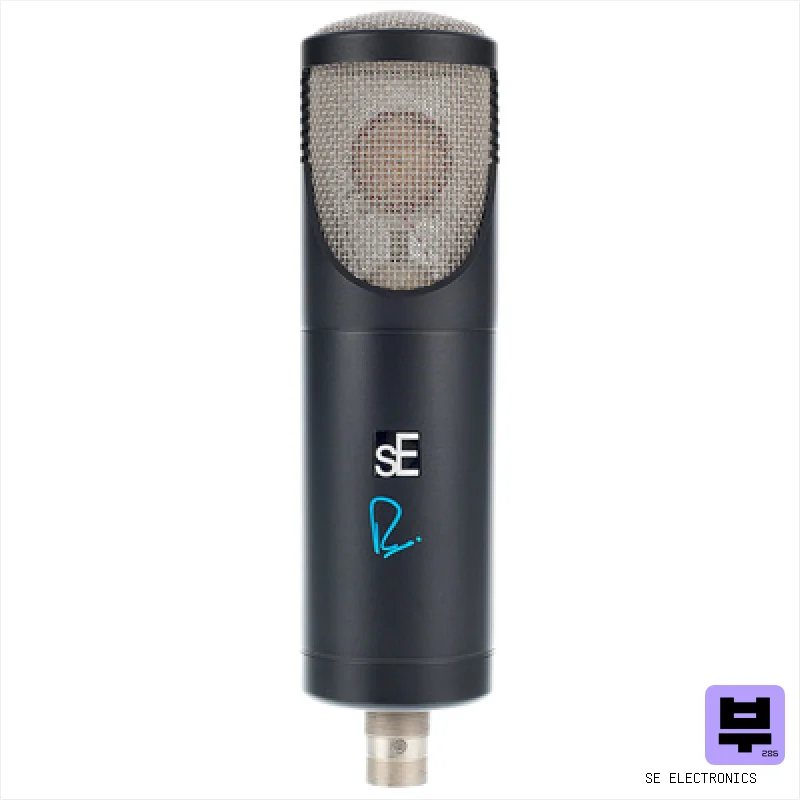
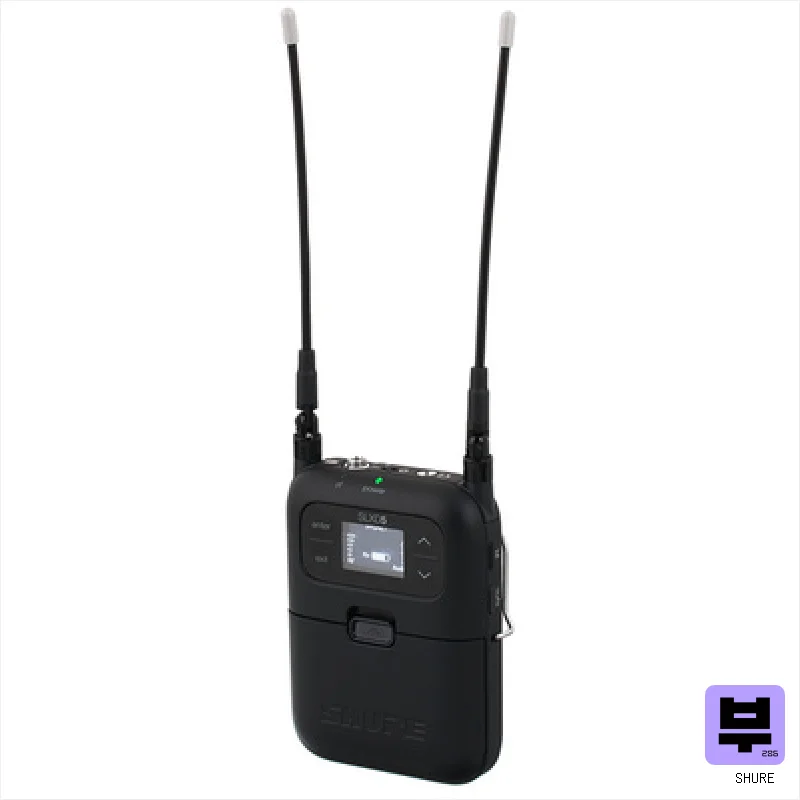
The top pick is Shure SLXD4E K59 ($514). Sennheiser e906 Supercardioid Dynamic Instrument Microphone gives you the most for the money at $200. Ranked by the AudioFu Index from 52 models across 10 brands, prices checked every night.
Last updated: October 26, 2026
Top 10
Full detail for the 10 highest AudioFu Index scores. Every other model is listed below.
-
- Size19"
- Weight0.86 kg
This Shure SLXD4E K59 is a solid, reliable digital wireless receiver, perfect for sound reinforcement, corporate AV, or live music where you need a dependable system. The build quality is top-notch, and the digital clarity is a noticeable step up from older analog systems – a great choice for professionals who need consistent performance.
Pros
- Galvanized steel housing offers exceptional durability for live environments
- 44 MHz switching bandwidth provides ample frequency space for multiple channels
- 24-bit/48kHz conversion delivers clean, professional-grade audio fidelity
Cons
- K59 band availability is region-dependent, requiring careful frequency coordination
- The receiver's size (197 mm wide) might pose challenges in tight rack spaces
65AudioFu
Index↓ 2.1%since Aug 17 · lowest so far$525 · Aug 17$514 now$514€459 at Thomann · in stockCheck price ↗ -
Sennheiser XSW 1-825-A Handheld Mic Wireless System - A Band (5480572…
EM-XSW 1-A-Band · Sennheiser
45 for sale on Reverb1 finish at Thomann
The XSW 1-A Band is a dependable, straightforward receiver. It's a great budget-friendly option for vocalists, presenters, or smaller bands needing a reliable wireless signal, especially where frequency crowding isn't a major concern. It's simple to use, and gets the job done without unnecessary complexity.
Pros
- Robust build quality; feels solid and reliable for gigging.
- A-Band offers decent channel availability in many regions.
- Integrated antennas simplify setup, reducing cable clutter.
Cons
- Limited frequency range compared to broader band receivers.
- No digital control or advanced features like frequency scanning.
63AudioFu
IndexStableno change since Aug 17Aug 17$212 now$212€189 at Thomann · in stockCheck price ↗ -
Sennheiser XSW 1-825-A Handheld Mic Wireless System - A Band (5480572…
EM-XSW 1-E-Band · Sennheiser
45 for sale on Reverb1 finish at Thomann
The EM-XSW 1 is a solid, dependable wireless receiver – perfect for smaller gigs, presentations, or educational settings where you need reliable UHF performance without the complexity of more advanced systems. It's a straightforward solution that gets the job done, prioritizing clean signal and ease of use over bells and whistles.
Pros
- Reliable E-Band operation avoids common RF congestion.
- Antenna diversity improves signal stability in challenging environments.
- Compact receiver design simplifies setup and transport.
Cons
- Limited channel count restricts flexibility in crowded RF spaces.
- Basic feature set lacks advanced options like frequency scanning.
63AudioFu
IndexStableno change since Aug 17Aug 17$212 now$212€189 at Thomann · in stockCheck price ↗ -
Sennheiser XSW 1-825-A Handheld Mic Wireless System - A Band (5480572…
EM-XSW 1-B-Band · Sennheiser
45 for sale on Reverb1 finish at Thomann
The EM-XSW 1-B-Band is a dependable, straightforward wireless receiver. It’s a great, budget-friendly option for smaller bands, solo performers, or presenters needing reliable audio without the complexity of higher-end systems. Its simplicity makes it easy to learn and use, delivering clean audio without fuss.
Pros
- Solid build quality; feels robust despite its size.
- B-Band frequency offers reliable operation in many regions.
- Antenna diversity minimizes dropouts during performance.
Cons
- Limited channel count restricts use in complex, crowded RF environments.
- B-Band frequency allocation can vary, requiring local verification.
63AudioFu
IndexStableno change since Aug 17Aug 17$222 now$222€198 at Thomann · in stockCheck price ↗ -
Sennheiser e906 Supercardioid Dynamic Instrument Microphone
XSW-D Instrument RX · Sennheiser
39 for sale on Reverb1 finish at Thomann
The XSW-D Instrument RX is a solid, reliable wireless solution for gigging musicians needing a straightforward instrument connection. It’s great for acoustic guitarists, bass players, and keyboardists who want freedom of movement without a complicated system—a really well-thought-out and affordable option for smaller venues or solo performers.
Pros
- Robust metal housing offers excellent durability on stage.
- Clear, uncolored signal transmission ideal for acoustic instruments.
- Simple setup and intuitive controls for quick operation.
Cons
- Limited frequency range compared to higher-end wireless systems.
- Single receiver restricts flexibility for multiple instrument setups.
61AudioFu
IndexStableno change since Aug 17Aug 17$200 now$200€179 at Thomann · in stockCheck price ↗ -
- Size9.5"
- Weight0.87 kg
The GLXD4R+ is a solid, reliable wireless receiver – a real step up from consumer-grade systems. It's perfect for bands, presenters, or anyone needing a dependable dual-band wireless setup. Shure’s build quality shines through, making it a workhorse for live performances.
Pros
- Dual-band operation minimizes interference, a Shure hallmark.
- Integrated battery charging simplifies logistics and saves time.
- Clear, high-resolution display offers vital performance data at a glance.
Cons
- GLXD+ series exclusivity limits compatibility with older Shure systems.
- The receiver’s size, while compact for rackmount, can still be bulky.
61AudioFu
IndexStableno change since Aug 17Aug 17$490 now$490€438 at Thomann · in stockCheck price ↗ -
Sennheiser XSW2-835-A Handheld Wireless Microphone System - A Band…
EM-XSW 2-A-Band · Sennheiser
26 for sale on Reverb1 finish at Thomann
This XSW 2-A is a dependable workhorse receiver – no frills, just solid performance. It's a great choice for stage performers, presenters, or anyone needing a reliable wireless solution without breaking the bank. The clean A-band signal makes it a good option for environments where other wireless systems are prevalent.
Pros
- Rock-solid Sennheiser build quality; feels durable and reliable.
- A-Band offers relatively clean spectrum, good for many venues.
- Diversity reception minimizes dropouts in challenging RF environments.
Cons
- A-Band availability can be limited in some regions due to licensing.
- Lacks advanced features like frequency scanning or user presets.
60AudioFu
Index↓ 5.9%since Aug 17 · lowest so far$379 · Aug 17$357 now$357€319 at Thomann · in stockCheck price ↗ -
- Size4"
- Weight0.56 kg
The GLXD6+ is a solid, reliable wireless receiver for guitarists needing a compact, pedalboard-friendly solution. It’s a great choice for gigging musicians who want ease of use and frequency clarity without a ton of fuss – perfect for smaller venues and working bands. The tuner is a surprisingly nice touch.
Pros
- Dual-band operation avoids crowded wireless frequencies reliably.
- Built-in tuner is genuinely useful for quick onstage adjustments.
- Compact pedalboard form factor saves valuable stage space.
Cons
- Limited to GLXD+ series transmitters; non-upgradeable ecosystem.
- The 1/4” output limits connection options for some pro rigs.
58AudioFu
IndexStableno change since Aug 17Aug 17$319 now$319€285 at Thomann · in stockCheck price ↗ -
Sennheiser XSW2-835-A Handheld Wireless Microphone System - A Band…
EM-XSW 2-B-Band · Sennheiser
26 for sale on Reverb1 finish at Thomann
The EM-XSW 2-B-Band is a reliable workhorse receiver, offering Sennheiser's signature quality at a more accessible price point. It's a great choice for bands, presenters, or anyone needing a dependable wireless system for straightforward applications – think corporate events or smaller stage performances where top-tier features aren't essential.
Pros
- Rock-solid Sennheiser build quality, feels durable for gigging.
- B-Band frequency offers good availability in many regions.
- Diversity reception minimizes dropouts and interference.
Cons
- B-Band frequency can be congested in densely populated areas.
- Limited channel count compared to higher-end Sennheiser systems.
57AudioFu
IndexStableno change since Aug 17Aug 17$368 now$368€329 at Thomann · in stockCheck price ↗ -
Sennheiser XSW2-835-A Handheld Wireless Microphone System - A Band…
EM-XSW 2-E-Band · Sennheiser
26 for sale on Reverb1 finish at Thomann
This EM-XSW 2-E-Band receiver is a solid workhorse for live sound and broadcast applications where reliable UHF performance is key. The E-band offers cleaner airspace, and the build is unmistakably Sennheiser. It's a great solution for bands, presenters, and anyone needing dependable wireless without the premium price tag of their top-tier offerings.
Pros
- Rock-solid E-Band frequency allocation minimizes interference
- Sennheiser’s renowned build quality ensures reliable performance
- Diversity reception significantly reduces dropouts and noise
Cons
- Limited channel count compared to higher-end Sennheiser systems
- E-band availability can vary by region, requiring careful checking
57AudioFu
IndexStableno change since Aug 17Aug 17$368 now$368€329 at Thomann · in stockCheck price ↗
All 52 receivers
Same index, same nightly prices — compact. Colour options of one model share a row. Tap a photo to zoom.
- 11
Sennheiser XSW2-835-A Handheld Wireless Microphone System - A Band…EM-XSW 2-GB-Band · Sennheiser57Stable$391€349$391€349Check ↗
- 12
Shure BLX4R S8Shure · 6 finishes51Stable$335€299$335€299Check ↗
- 13
Sennheiser EW-D EM S1-7Sennheiser50Stable$312€279$312€279Check ↗
- 14
Sennheiser EW-D EM Q1-6Sennheiser50Stable$312€279$312€279Check ↗
- 15
Sennheiser EW-D EM R1-6Sennheiser50Stable$312€279$312€279Check ↗
- 16
Sennheiser EW-D EM R4-9Sennheiser50Stable$312€279$312€279Check ↗
- 17
Sennheiser EW-D EM S7-10Sennheiser50Stable$312€279$312€279Check ↗
- 18
Sennheiser EW-D EM Y1-3Sennheiser50Stable$312€279$312€279Check ↗
- 19
Sennheiser EW-D EM U1/5Sennheiser48↑ 3.6%$323€289$323€289Check ↗
- 20
Shure SLXD5 S50Shure · 8 finishes47↓ 2.2%$503€449$503€449Check ↗
- 21
Sirus Quad R 470Sirus43Stable$200€179$200€179Check ↗
- 22
Sirus Quad R 823 MKIISirus43Stable$200€179$200€179Check ↗
- 23
Mipro ACT-515 5NBMipro · 2 finishes43↓ 1.3%$353€315$353€315Check ↗
- 24
Mipro ACT-525 8ADMipro · 2 finishes42Stable$764€683$764€683Check ↗
- 25
Shure BLX88 S8Shure · 3 finishes40Stable$413€369$413€369Check ↗
- 26
Sennheiser SL Rack Receiver DW-3-EUSennheiser40↑ 4.5%$700€625$700€625Check ↗
- 27
Mipro ACT-5801Mipro39Stable$241€215$241€215Check ↗
- 28
Mipro ACT-5800 MR-58Mipro39Stable$442€395$442€395Check ↗
- 29
Mipro ACT-5812AMipro39Stable$536€479$536€479Check ↗
- 30
Sennheiser EM-XSW 1 Dual A-BandSennheiser38↓ 7.3%$413€369$413€369Check ↗
- 31
LD Systems ANNY R B8LD Systems37Stable$129€115$129€115Check ↗
- 32
LD Systems U508 R2LD Systems37Stable$445€398$445€398Check ↗
- 33
the t.bone GigA Pro Receiverthe t.bone36Stable$133€119$133€119Check ↗
- 34
the t.bone free solo Receiver 823 MHzthe t.bone36Stable$156€139$156€139Check ↗
- 35
Sennheiser XSW-D XLR male RXSennheiser36↓ 3.4%$189€169$189€169Check ↗
- 36
Sennheiser EW-DP EK Q1-6Sennheiser36↓ 2.8%$391€349$391€349Check ↗
- 37
Sennheiser XSW-D Mini Jack RXSennheiser35Stable$200€179$200€179Check ↗
- 38
Sennheiser EM-XSW 1 Dual GB-BandSennheiser35Stable$402€359$402€359Check ↗
- 39
Sennheiser EM-XSW 1 Dual E-BandSennheiser35Stable$413€369$413€369Check ↗
- 40
Sennheiser EM-XSW 1 Dual B-BandSennheiser35Stable$445€398$445€398Check ↗
- 41
Sennheiser EKP AVXSennheiser35Stable$503€449$503€449Check ↗
- 42
RF Venue RF-PA-RXRF Venue34Stable$637€569$637€569Check ↗
- 43
Sennheiser EW-DP EK U1/5Sennheiser32↑ 6.1%$391€349$391€349Check ↗
- 44
LD Systems Receiver Module for Roadboy B6LD Systems31↓ 1.8%$122€109$122€109Check ↗
- 45
LD Systems Receiver Module for RoadboyLD Systems30Stable$124€111$124€111Check ↗
- 46
Sennheiser EW-DP EK R1-6Sennheiser30↑ 9.1%$402€359$402€359Check ↗
- 47
the t.bone GigA Pro Bodypack Receiverthe t.bone28Stable$111€99$111€99Check ↗
- 48
Albrecht ATR400 Tourist ReceiverAlbrecht26Stable$66€59$66€59Check ↗
- 49
Mooer GTRS PTNR GWR4 Receiver BKMooer26Stable$77€69$77€69Check ↗
- 50
XVive U35 Microphone ReceiverXVive26Stable$133€119$133€119Check ↗
Receivers by the numbers
Measured across all 74 models we track, not a sample.
Median $357 — half of all receivers here cost less.
median of 23 models · 9.5"–19"
median of 23 models · 0.31 kg–1.95 kg
How to choose the best receivers
Frequency Band
Whether it's UHF, 2.4GHz, or something else, the band dictates your range and potential for interference. UHF is generally your safest bet for live gigs, but 2.4GHz can be cleaner in some environments. Knowing your local regulations is key.
Dynamic Range
A higher dynamic range means more headroom before noise becomes a problem. This is crucial for handling loud sources like snare drums or brass instruments without introducing hiss. Think of it as the difference between a clean recording and a muddy one.
Receiver Latency
Low latency is absolutely critical for stage work. Even a few milliseconds can feel like a significant delay, throwing off your timing and making it impossible to play comfortably. Anything over 5ms is noticeable.
Antenna Diversity
This is a must-have. It uses two antennas to select the strongest signal, minimizing dropouts and improving range. Trust me, battling a flaky wireless signal mid-song is no fun.
Build Quality & Durability
Gigs aren't kind to gear. A receiver that feels flimsy or has exposed connections isn't going to last. You need something that can handle the bumps and bruises of regular use.
Buying guide
Alright, so you need a wireless receiver but your budget's hovering around $800? It's a tricky spot - you want reliability for gigs and decent range, but you're not dropping five figures on a touring rig. We've been there. This isn't about flashy features; it's about getting a system that won't cut out mid-song or leave you scrambling for a replacement battery pack during a set.
At this price point, you're making trade-offs. Don't expect broadcast-quality audio or a massive frequency palette. You'll likely be looking at systems with a limited number of channels, which means you'll need to be mindful of frequency coordination.
Prioritize low latency and antenna diversity - those are non-negotiable for live performance. A slightly higher price for a receiver with a metal chassis is often worth it for the added protection.
How the AudioFu Index works
Five measured signals and nothing else — no stars from strangers, no “tested by experts” we didn’t do. The weights are fixed and public. We don’t play these instruments; we measure the market around them.
This chart covers 74 receivers from the Thomann catalogue. Before you buy, read hands-on reviews and, where you can, play it. Full methodology.
AudioFu earns a commission when you buy through our Thomann links. It never changes the order — the index does.
- Demand40%
How many of this exact model are for sale on Reverb right now — what musicians actually buy and resell.
- Lineup20%
How many finishes Thomann stocks — makers expand the models that sell.
- Price15%
Where the price has moved since we started tracking in August.
- Specs15%
How completely the maker documents it.
- Maker10%
How deep the brand’s range is in this category.
Questions
What's the deal with frequency coordination? Is it really that important?
Absolutely. Without proper coordination, you risk interference from other wireless systems, which means dropouts and noise. Many systems in this price range offer auto-scan, which is a good start, but manual coordination gives you more control.
Can I use these receivers for recording vocals in a home studio?
You can, but you might notice some limitations. The audio quality won't be as pristine as a wired mic, and the limited frequency range can restrict your flexibility. It's workable, but not ideal.
What's the difference between a 'true diversity' and a 'simulated diversity' receiver?
True diversity uses two completely independent receiver circuits, giving you better signal rejection and range. Simulated diversity uses tricks to mimic diversity, but it's less reliable, especially in environments with strong interference.
How long can I expect the batteries to last?
It varies wildly depending on the transmitter and usage. Expect anywhere from 4-8 hours. Always have spare batteries on hand - Murphy's Law applies to wireless mics.
Are these receivers compatible with any old wireless microphone transmitters?
Probably not. Wireless systems are proprietary. You'll need a transmitter from the same manufacturer and system family. Don't expect to mix and match brands.