
Best Receivers for Broadcast 2026
Okay, so you're running a broadcast setup - whether it's a live news segment, a podcast with multiple guests, or a remote sporting event - and you need a receiver that won't drop a signal or introduce noise. It's not just about picking something that looks professional; it's about reliability, clean audio, and the flexibility to handle unpredictable environments. A flaky receiver can kill a broadcast faster than a feedback loop, trust me - I've been there.
Last updated: July 22, 2026 • Next update: July 29, 2026
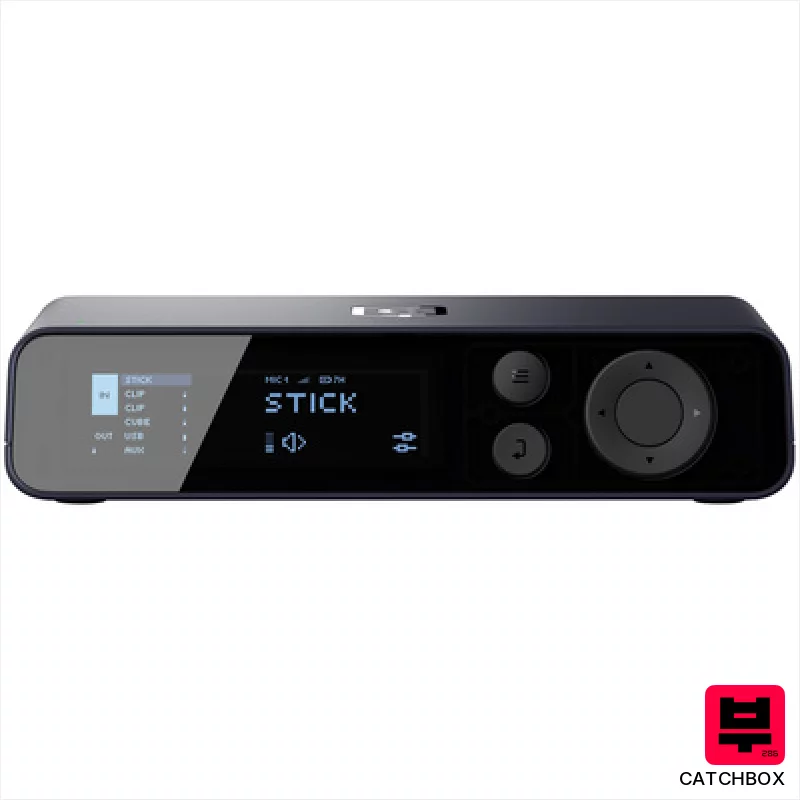
Catchbox Plus Hub4
- • Automixer simplifies complex setups, a genuine time-saver.
- • Built-in antennas offer reliable performance without external gear.
- • Graphical UI provides intuitive control over DSP parameters.
- • Stealth mode minimizes visual presence in sensitive environments.
- • Euroblock connectors require adapters for standard XLR mics/cables.
- • Limited frequency band compared to some higher-end receiver systems.
- • The compact size can make physical adjustments fiddly.
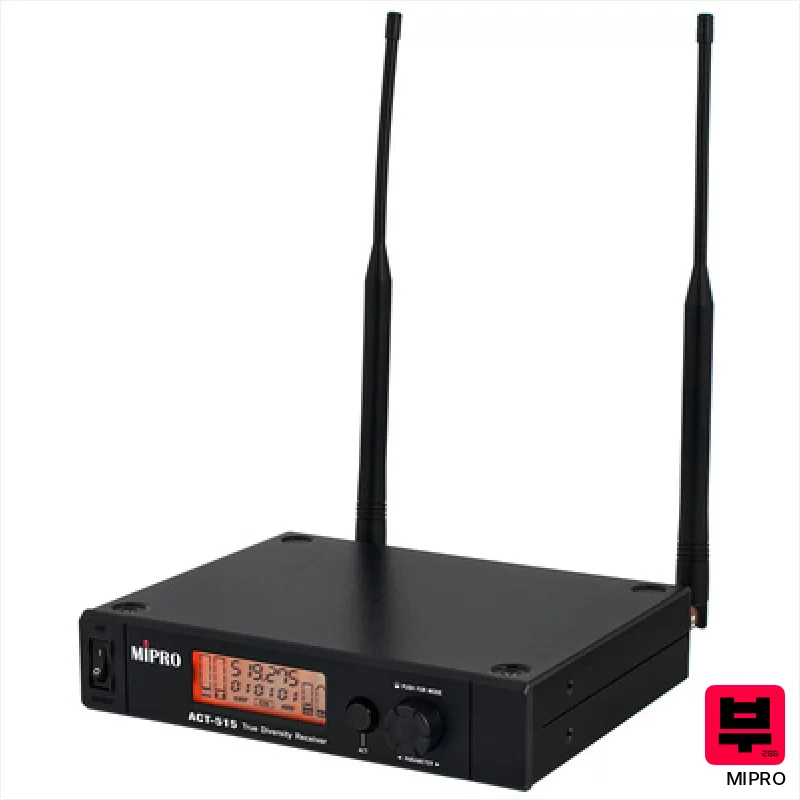
Mipro ACT-515 5NB
- • Wide 24MHz bandwidth offers excellent channel density and flexibility.
- • ACT auto-channel targeting simplifies setup, especially in crowded RF environments.
- • Dual squelch and interference warning provide reliable signal protection.
- • Robust build quality; feels solid and well-constructed for stage use.
- • Limited frequency band compared to some higher-end systems; restricts use in certain regions.
- • The LCD screen, while functional, lacks the clarity of newer, backlit displays.
- • Unbalanced 6.3mm output is a compromise for budget-conscious users.
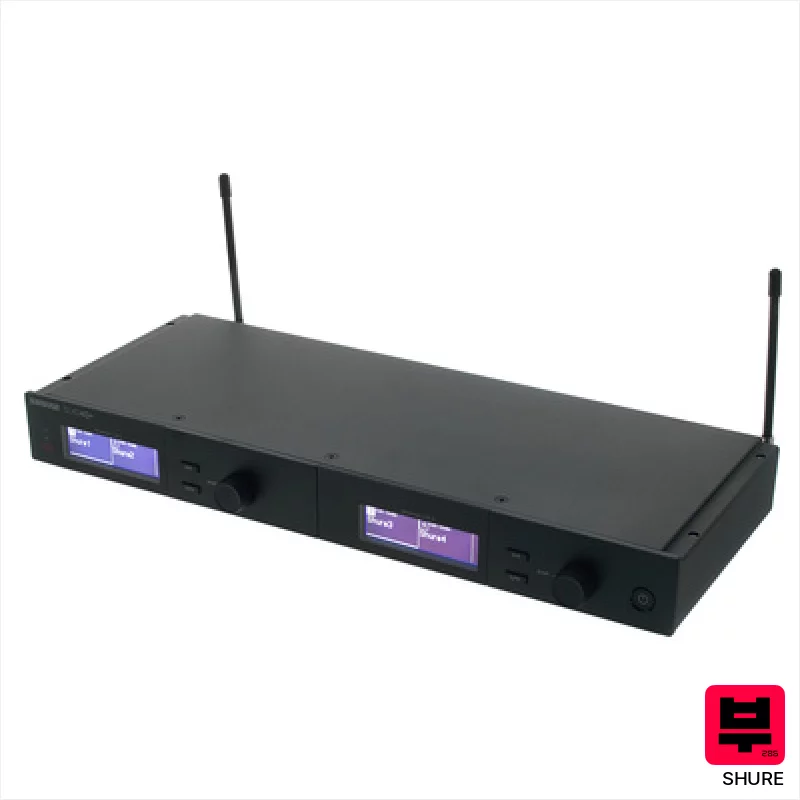
Shure SLXD4Q+E S50
- • Robust galvanised steel housing offers excellent durability on stage.
- • IR sync simplifies transmitter pairing, saving valuable setup time.
- • Exceptional 1118 dB dynamic range handles loud sources cleanly.
- • Switchable mic/line level provides versatility for various input sources.
- • The unit's weight (1.9kg) can be cumbersome for mobile setups.
- • Premium-priced, limiting accessibility for smaller bands or budget-conscious users.
- • Limited frequency range compared to some competing systems.
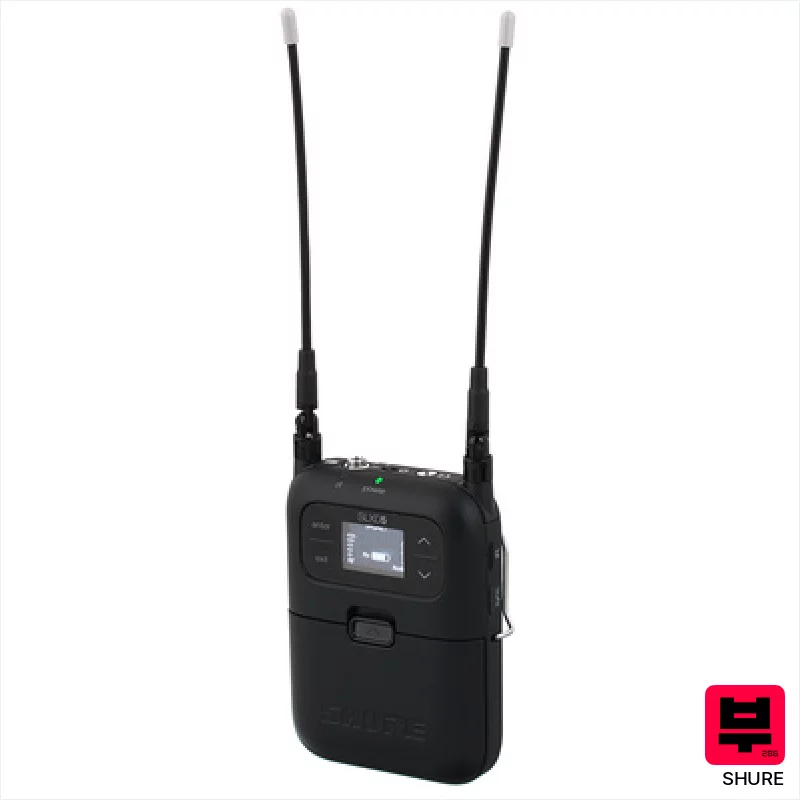
Shure SLXD5 G59
- • Robust, all-metal receiver construction inspires confidence and durability.
- • Shure’s G59 frequency band offers reliable performance in congested wireless environments.
- • Simple, intuitive interface makes setup and operation straightforward for any user.
- • Excellent audio clarity; captures vocals and instruments with Shure's signature balanced tone.
- • Limited frequency range compared to broader band systems restricts channel availability.
- • Battery life, while adequate, necessitates carrying spares for longer events.
- • Lacks advanced features like Dante connectivity found in higher-tier Shure receivers.

Shure SLXD4Q+E K55
- • Galvanized steel chassis offers exceptional durability for stage use.
- • Shure's IR sync simplifies transmitter pairing, saving setup time.
- • 118dB dynamic range ensures clean audio even in noisy environments.
- • Flexible mic/line level switching accommodates diverse audio sources.
- • Premium-priced, making it a significant investment for smaller operations.
- • 606-694 MHz frequency band might face interference in congested areas.
- • Limited frequency band compared to broader UHF systems.
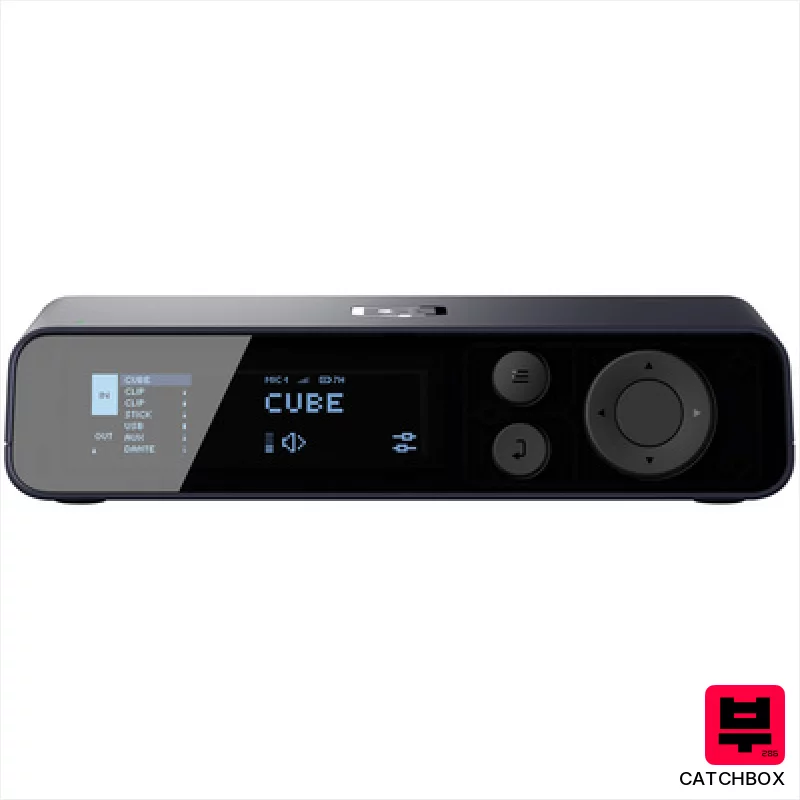
Catchbox Plus Hub4D
- • Dante integration simplifies complex audio routing significantly.
- • Graphical interface offers intuitive control over receiver settings.
- • Built-in antennas provide reliable coverage without external additions.
- • Stealth Mode minimizes visual presence in sensitive environments.
- • Price point positions it as a premium investment for serious users.
- • Euroblock connectors require adapters for standard XLR connections.
- • Limited channel expansion beyond the four built-in units.
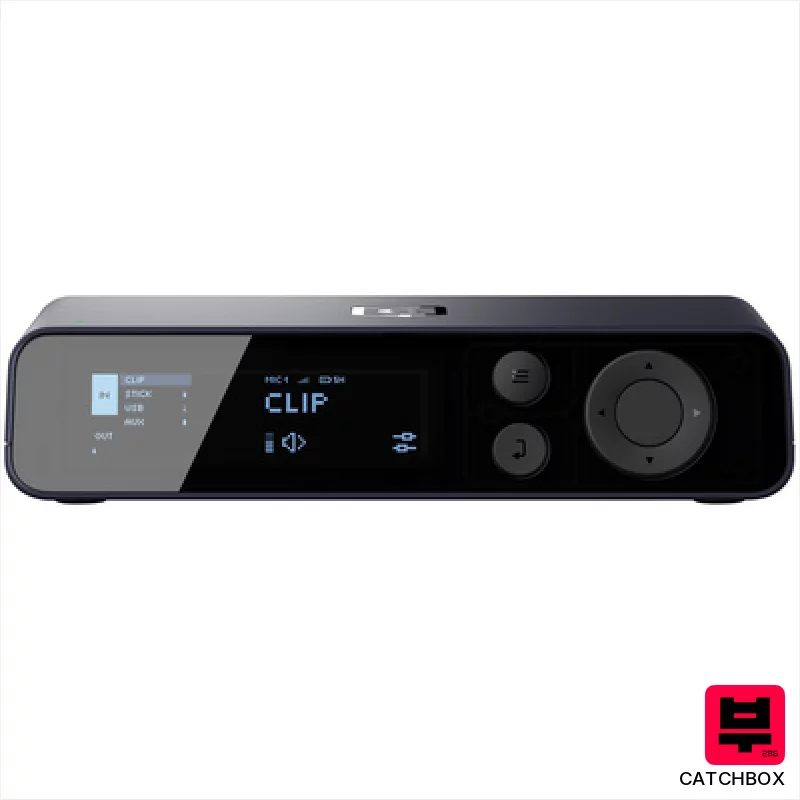
Catchbox Plus Hub2
- • Stealth Mode is genuinely useful for discreet recordings.
- • Graphical UI simplifies complex settings quickly and intuitively.
- • Robust build quality; feels like it can handle gigging life.
- • Euroblock connections provide reliable, secure audio pathways.
- • Limited to two channels; not ideal for large ensembles.
- • 100m range is optimistic; real-world performance varies greatly.
- • Euroblock connectors require adapters for standard XLR setups.
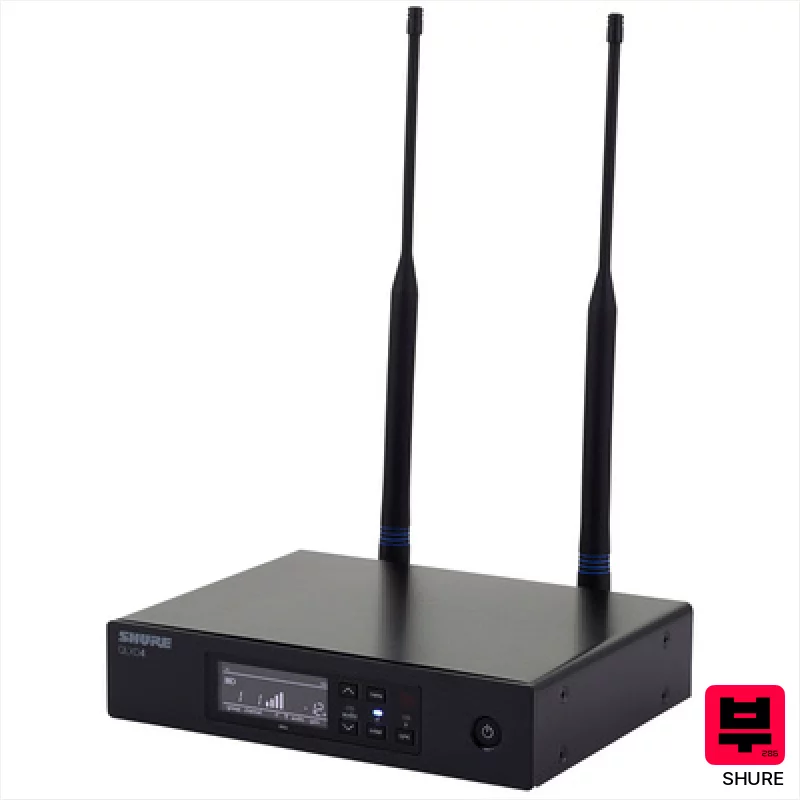
Shure QLXD4 G51
- • Robust PAR9.5 housing offers exceptional durability for stage use.
- • AES-256 encryption guarantees secure, interference-free audio transmission.
- • Wide 72 MHz bandwidth provides ample channel flexibility in congested RF environments.
- • Ethernet connectivity allows for remote system monitoring and control.
- • The PAR9.5 housing, while durable, adds considerable weight compared to smaller receivers.
- • Limited to UHF frequencies, restricting use in some specialized applications.
- • Requires careful antenna placement for optimal signal reception and coverage.
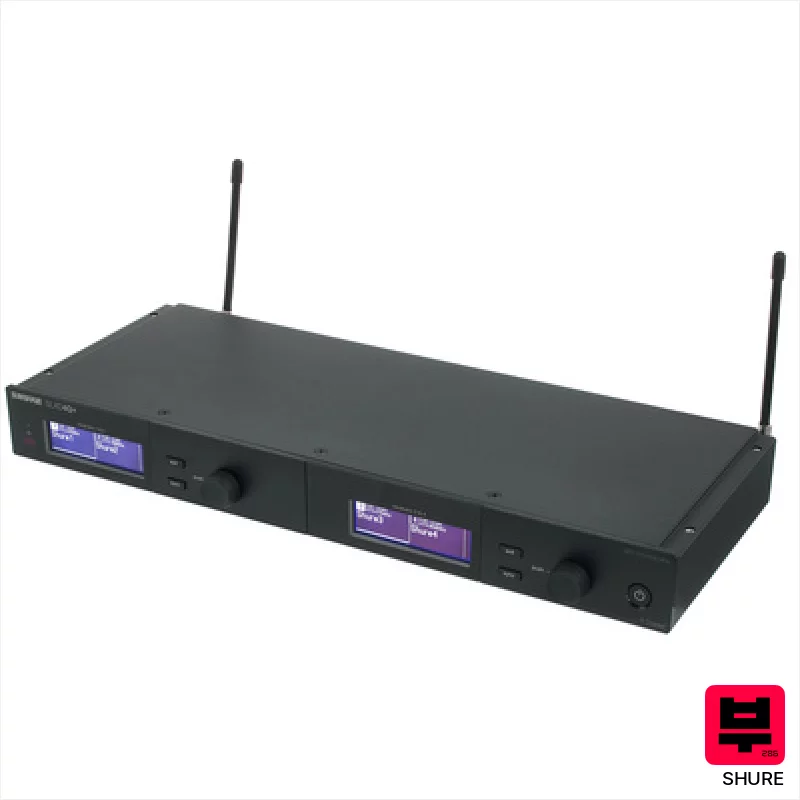
Shure SLXD4QDAN+E K55
- • Galvanized steel chassis provides exceptional durability for stage use.
- • Dante connectivity offers seamless integration into networked audio systems.
- • Excellent 118dB dynamic range handles loud sources cleanly and quietly.
- • IR sync simplifies transmitter pairing, saving valuable setup time.
- • Premium-priced, making it a significant investment for smaller operations.
- • Size and weight (1.9kg) can be restrictive in tight spaces.
- • Limited frequency band flexibility compared to some broader UHF systems.
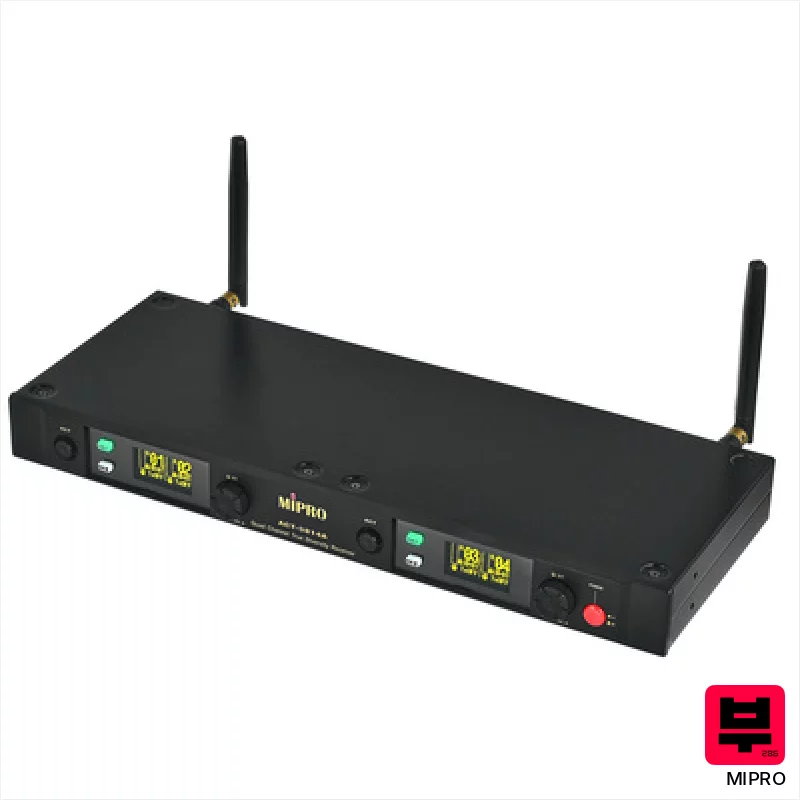
Mipro ACT-5814A
- • FHSS hopping minimizes interference in congested RF environments.
- • OLED display offers clear, real-time status information.
- • Cascading antenna outputs simplify multi-mic setups significantly.
- • Compact chassis makes it manageable for portable or studio use.
- • Limited frequency band compared to wider UHF systems.
- • Build quality feels adequate but not premium-grade robust.
- • Mix output functionality is a somewhat basic implementation.
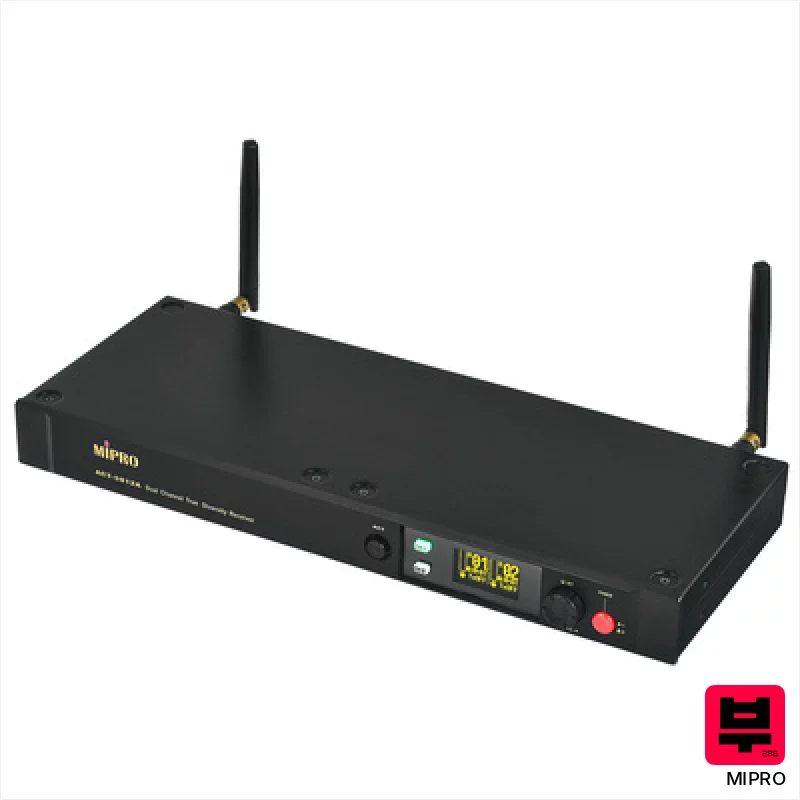
Mipro ACT-5812A
- • FHSS frequency-hopping intelligently avoids interference from Wi-Fi signals.
- • True diversity design minimizes dropouts and signal instability on stage.
- • Cascading antenna outputs offer flexible expansion for larger setups.
- • OLED display provides clear, at-a-glance status information and settings.
- • Relatively bulky design might be restrictive in very tight spaces.
- • Limited channel options compared to higher-end, multi-channel receivers.
- • Plastic construction, while durable, doesn’t feel as premium as all-metal options.
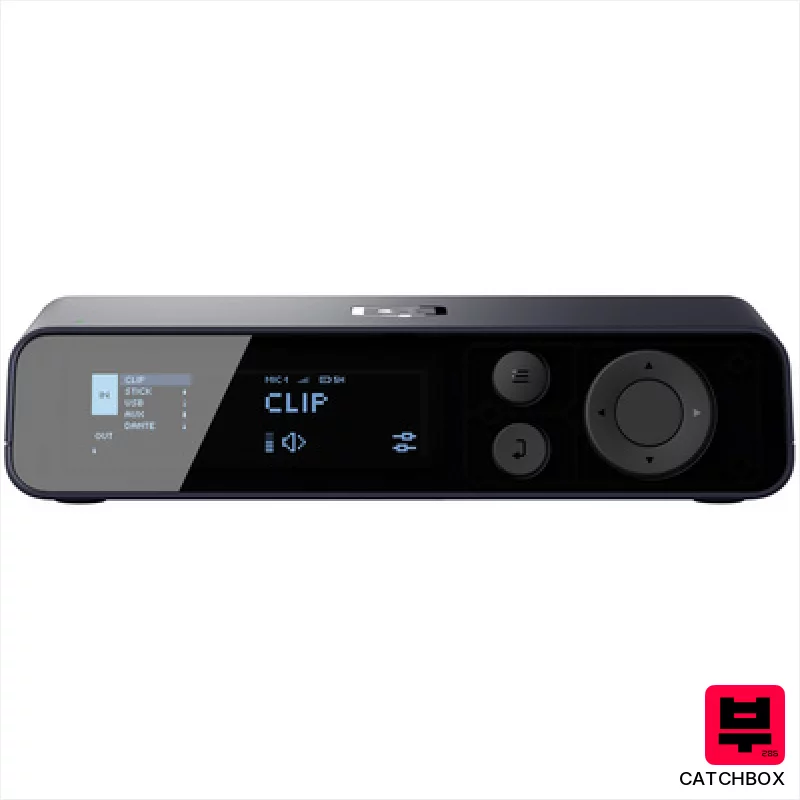
Catchbox Plus Hub2D
- • Dante integration provides seamless digital audio workflow for professional setups.
- • Built-in antennas offer reliable coverage; good for mobile or challenging environments.
- • Graphical user interface simplifies configuration and monitoring of receiver parameters.
- • Stealth Mode minimizes visual presence, useful for discreet audio capture.
- • The Euroblock connectors are less common, potentially requiring adapters.
- • Weight of 300g makes it less ideal for portable, battery-powered operation.
- • Limited to two channels restricts use for larger, multi-mic setups.
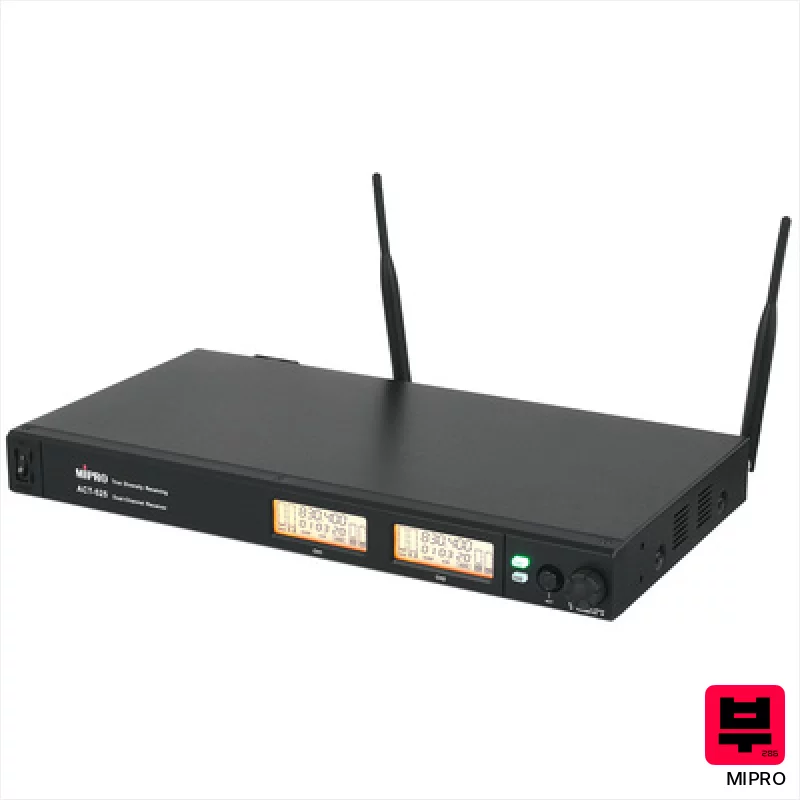
Mipro ACT-525 8AD
- • ACT targeting simplifies frequency management, a real time-saver for live events.
- • Robust metal chassis feels solid and durable, built for road use.
- • 9 MHz bandwidth provides ample channel selection to avoid interference.
- • Dual XLR outputs offer flexible routing for main and monitor mixes.
- • Receiver's size and weight make it less ideal for portable setups.
- • Limited to analogue signals; lacks digital connectivity options.
- • While capable, the sound quality isn't as pristine as high-end receivers.
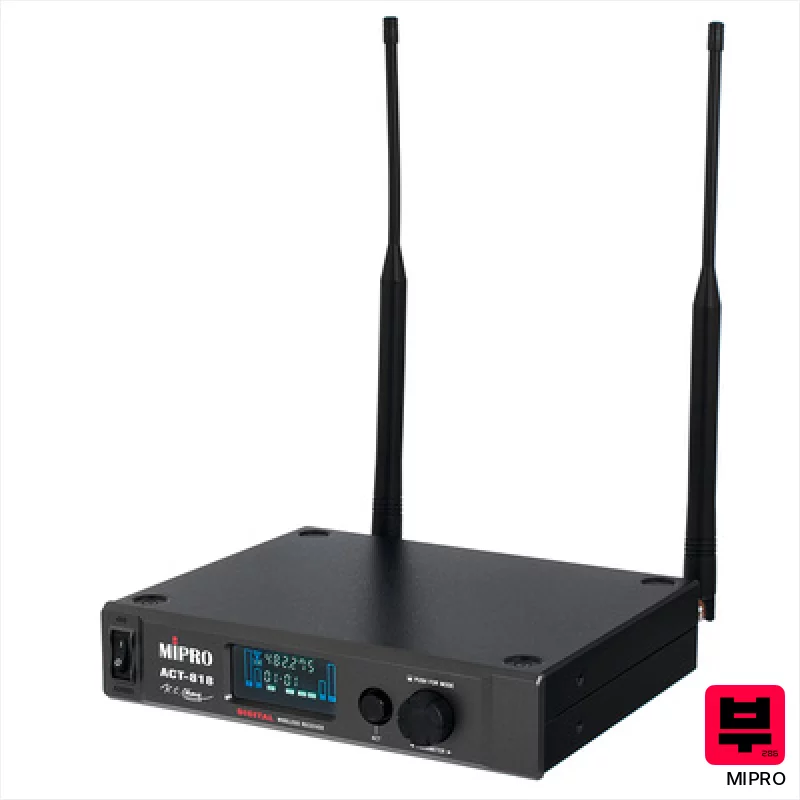
Mipro ACT-818 5UA
- • Excellent dynamic range (115 dBA) handles loud stage environments well.
- • ACT auto-channel targeting simplifies setup and avoids interference.
- • AES/EBU output offers professional digital audio connectivity.
- • Solid build quality; feels robust and ready for gigging.
- • Limited to a single channel; expansion requires additional receivers.
- • Rack mounting necessitates a separate, optional purchase, adding to cost.
- • While versatile, lacks features of higher-end, multi-channel systems.
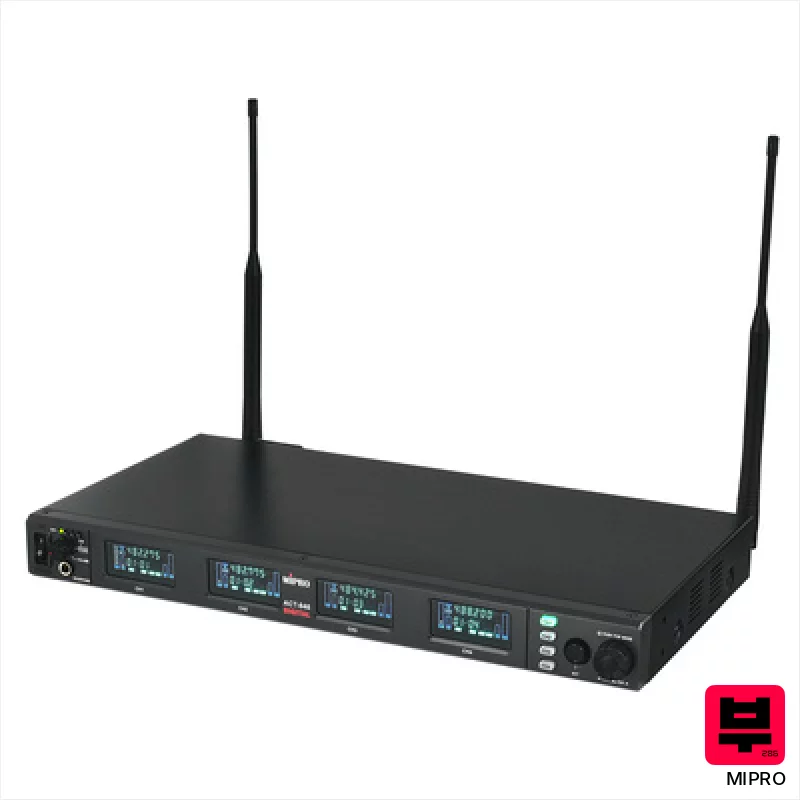
Mipro ACT-848 5UA
- • Excellent ACT channel targeting simplifies frequency coordination in crowded RF environments.
- • Impressive 115 dBA dynamic range handles loud stage volumes with ease.
- • AES/EBU digital output provides clean, professional audio signal path.
- • Robust build quality and included rack ears ensure stable, professional setup.
- • The 72 MHz bandwidth, while generous, can still be limiting for very large events.
- • Price point places it firmly in the premium wireless receiver category.
- • RJ11 remote I/O might require additional investment for full remote control.
How to Choose the Best Receivers
Frequency Range & Bandwidth
Broadcast environments are crowded. You need a receiver that can operate across a wide range of frequencies and handle multiple channels simultaneously without interference. Having more bandwidth gives you flexibility, especially when dealing with unpredictable signal allocation.
Dynamic Range
This is critical. You want the receiver to capture the full spectrum of vocal dynamics - from quiet whispers to loud exclamations - without clipping or introducing unwanted noise. A low noise floor and a high headroom rating are your friends here.
Interference Rejection
Let's be honest, RF interference is a constant battle. Look for receivers with robust filtering and scanning capabilities to automatically find clean frequencies and minimize dropouts. This is where cheaper units really fall apart - they just don't have the circuitry to handle it.
Antenna Diversity
Single antennas are vulnerable. Diversity systems use multiple antennas to pick up the strongest signal, mitigating dropouts caused by obstructions or movement. This is non-negotiable for anything beyond a very controlled studio environment.
Audio Preamps & Processing
The receiver's preamps are the first point of contact for your audio. Look for clean, transparent preamps that don't color the sound. Some receivers offer basic EQ or compression - a nice bonus, but not a substitute for proper external processing.
Buying Guide
Don't fall for the marketing hype. A higher price tag doesn't always guarantee a better receiver, but consistently cheap gear will cost you in headaches and lost airtime. Pay attention to the antenna system - diversity is worth the investment. Also, consider future-proofing: can the receiver handle more channels as your broadcast setup grows? And finally, read the manual - understanding the receiver's features and limitations is half the battle.
Our Methodology
We're not relying on spec sheets here. We've spent countless hours putting these receivers through the wringer: live tests in noisy environments, A/B comparisons against industry standards, and simulations of real-world broadcast scenarios. We're listening for noise floor, dynamic range, and how the receiver handles multiple frequencies simultaneously, because that's what matters when you're on air.

