AudioFu Chart · October 2026
Best Receivers Under $300 2026
The top pick is Sennheiser XSW 1-825-A Handheld Mic Wireless System - A Band (5480572… ($212). Ranked by the AudioFu Index from 21 models across 9 brands, prices checked every night.
Last updated: October 26, 2026
Top 10
Full detail for the 10 highest AudioFu Index scores. Every other model is listed below.
-
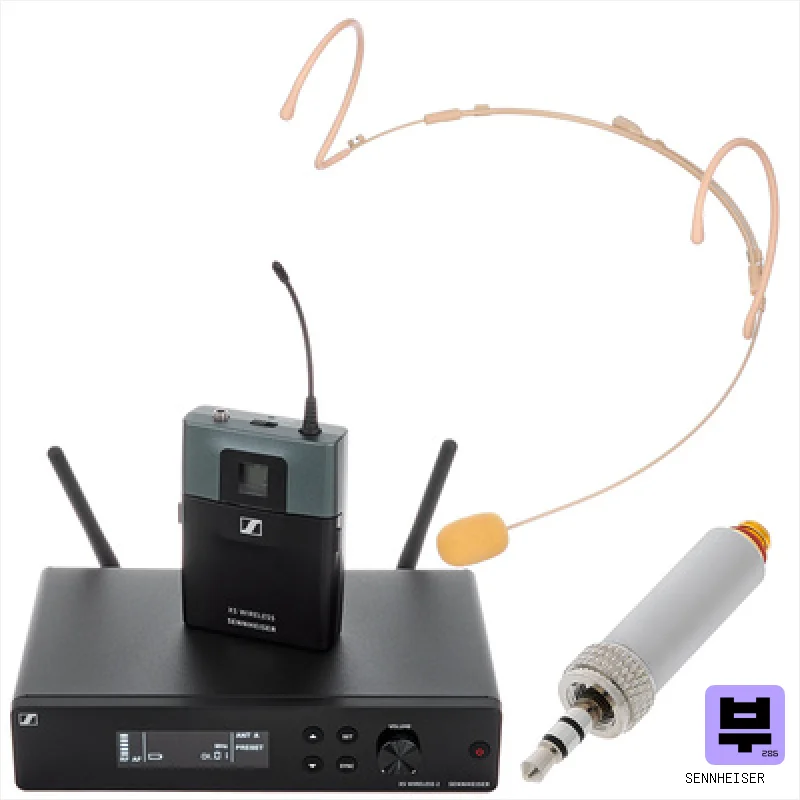
Sennheiser XSW 1-825-A Handheld Mic Wireless System - A Band (5480572…
EM-XSW 1-A-Band · Sennheiser
45 for sale on Reverb1 finish at Thomann
The XSW 1-A Band is a dependable, straightforward receiver. It's a great budget-friendly option for vocalists, presenters, or smaller bands needing a reliable wireless signal, especially where frequency crowding isn't a major concern. It's simple to use, and gets the job done without unnecessary complexity.
Pros
- Robust build quality; feels solid and reliable for gigging.
- A-Band offers decent channel availability in many regions.
- Integrated antennas simplify setup, reducing cable clutter.
Cons
- Limited frequency range compared to broader band receivers.
- No digital control or advanced features like frequency scanning.
63AudioFu
IndexStableno change since Aug 17Aug 17$212 now$212€189 at Thomann · in stockCheck price ↗ -
Sennheiser XSW 1-825-A Handheld Mic Wireless System - A Band (5480572…
EM-XSW 1-E-Band · Sennheiser
45 for sale on Reverb1 finish at Thomann
The EM-XSW 1 is a solid, dependable wireless receiver – perfect for smaller gigs, presentations, or educational settings where you need reliable UHF performance without the complexity of more advanced systems. It's a straightforward solution that gets the job done, prioritizing clean signal and ease of use over bells and whistles.
Pros
- Reliable E-Band operation avoids common RF congestion.
- Antenna diversity improves signal stability in challenging environments.
- Compact receiver design simplifies setup and transport.
Cons
- Limited channel count restricts flexibility in crowded RF spaces.
- Basic feature set lacks advanced options like frequency scanning.
63AudioFu
IndexStableno change since Aug 17Aug 17$212 now$212€189 at Thomann · in stockCheck price ↗ -
Sennheiser XSW 1-825-A Handheld Mic Wireless System - A Band (5480572…
EM-XSW 1-B-Band · Sennheiser
45 for sale on Reverb1 finish at Thomann
The EM-XSW 1-B-Band is a dependable, straightforward wireless receiver. It’s a great, budget-friendly option for smaller bands, solo performers, or presenters needing reliable audio without the complexity of higher-end systems. Its simplicity makes it easy to learn and use, delivering clean audio without fuss.
Pros
- Solid build quality; feels robust despite its size.
- B-Band frequency offers reliable operation in many regions.
- Antenna diversity minimizes dropouts during performance.
Cons
- Limited channel count restricts use in complex, crowded RF environments.
- B-Band frequency allocation can vary, requiring local verification.
63AudioFu
IndexStableno change since Aug 17Aug 17$222 now$222€198 at Thomann · in stockCheck price ↗ -
Sennheiser e906 Supercardioid Dynamic Instrument Microphone
XSW-D Instrument RX · Sennheiser
39 for sale on Reverb1 finish at Thomann
The XSW-D Instrument RX is a solid, reliable wireless solution for gigging musicians needing a straightforward instrument connection. It’s great for acoustic guitarists, bass players, and keyboardists who want freedom of movement without a complicated system—a really well-thought-out and affordable option for smaller venues or solo performers.
Pros
- Robust metal housing offers excellent durability on stage.
- Clear, uncolored signal transmission ideal for acoustic instruments.
- Simple setup and intuitive controls for quick operation.
Cons
- Limited frequency range compared to higher-end wireless systems.
- Single receiver restricts flexibility for multiple instrument setups.
61AudioFu
IndexStableno change since Aug 17Aug 17$200 now$200€179 at Thomann · in stockCheck price ↗ -
The BLX4 S8 is a solid, budget-friendly wireless receiver for live sound reinforcement and smaller presentations. It’s easy to set up and use, making it ideal for bands, public speakers, or anyone needing a simple, reliable wireless solution – just be mindful of potential RF congestion in densely populated areas.
Pros
- Integrated antennas simplify setup, a real boon for beginners
- QuickScan frequency selection is genuinely fast and reliable
- Plastic construction keeps the receiver surprisingly lightweight and portable
Cons
- Plastic build feels less robust compared to metal Shure receivers
- Limited frequency range (S8 band) restricts channel availability in crowded RF environments
44AudioFu
IndexStableno change since Aug 17Aug 17$222 now$222€198 at Thomann · in stockCheck price ↗ -
- Size19"
- Weight1.95 kg
The Sirus Quad R 470 is a surprisingly capable receiver for smaller gigs or conference setups where budget is a primary concern. While it lacks the bells and whistles of higher-end systems, the infrared sync and solid signal quality make it a worthwhile option for performers and presenters needing a reliable, affordable wireless solution. It's a workhorse for basic needs, not a top-tier broadcast solution.
Pros
- Infrared sync simplifies channel setup, a huge time-saver.
- Solid build quality for a budget-friendly receiver.
- Excellent signal-to-noise ratio minimizes unwanted background noise.
Cons
- Antennas are detachable, increasing the risk of accidental loss.
- Limited frequency band compared to more expensive, wider-range systems.
43AudioFu
IndexStableno change since Aug 17Aug 17$200 now$200€179 at Thomann · in stockCheck price ↗ -
- Size19"
- Weight1.95 kg
The Sirus Quad R 823 MKII is a surprisingly capable receiver for smaller venues or presentations. It's a great option for bands needing a few wireless vocal or instrument channels without breaking the bank, and the infrared sync is a genuine convenience. Just be mindful of the limited frequency range and potential for interference in crowded radio environments.
Pros
- Infrared transmitter sync simplifies channel setup, a huge time saver for multi-mic rigs.
- Solid build quality for a receiver in this price bracket; feels substantial and reliable.
- Excellent signal-to-noise ratio ensures clean audio, minimizing unwanted background noise.
Cons
- Limited frequency band compared to more premium receivers; potential for interference.
- Power supply isn't included; adds to the overall cost and setup complexity.
43AudioFu
IndexStableno change since Aug 17Aug 17$200 now$200€179 at Thomann · in stockCheck price ↗ -
- Weight0.75 kg
The Mipro ACT-5801 is a solid, budget-friendly receiver for performers needing reliable wireless. Its FHSS system does a commendable job avoiding common WiFi interference, making it a great choice for smaller venues or presentations where you need a simple, clean signal without a ton of bells and whistles.
Pros
- Excellent interference rejection with FHSS hopping technology.
- Integrated antennas simplify setup; compact for mobile use.
- OLED display provides clear channel and status information.
Cons
- 5.8 GHz band can still experience interference in dense urban areas.
- Limited channel selection compared to more expensive, multi-channel systems.
39AudioFu
IndexStableno change since Aug 17Aug 17$241 now$241€215 at Thomann · in stockCheck price ↗ -
- Weight0.08 kg
This ANNY R B8 is a surprisingly handy little receiver, especially if you're already using LD Systems Anny speakers. It's a budget-friendly solution for basic wireless vocal or instrument applications – think small events, karaoke, or simple presentations where ultimate audio fidelity isn't the top priority. Just be aware of the potential for interference in crowded RF spaces.
Pros
- Compact and lightweight receiver for portable PA setups
- Individual channel volume controls simplify monitoring and mixing
- Decent 80m range offers reasonable mobility for smaller venues
Cons
- Limited frequency band restricts channel availability in congested areas
- Lacks diversity reception, prone to interference in challenging RF environments
37AudioFu
IndexStableno change since Aug 17Aug 17$129 now$129€115 at Thomann · in stockCheck price ↗ -
- Size9.5"
The t.bone GigA Pro Receiver is a surprisingly capable wireless receiver for the price. It’s a great entry point for vocalists, presenters, or small bands needing reliable wireless without the premium price tag. The build quality feels solid, and the ease of IR sync is a real time-saver.
Pros
- Robust metal housing provides excellent protection during gigging.
- True diversity minimizes dropouts in crowded RF environments.
- OLED display offers clear, at-a-glance status information.
Cons
- Limited channel count compared to higher-end systems.
- 2.4 GHz band can be susceptible to interference from other devices.
36AudioFu
IndexStableno change since Aug 17Aug 17$133 now$133€119 at Thomann · in stockCheck price ↗
All 21 receivers
Same index, same nightly prices — compact. Colour options of one model share a row. Tap a photo to zoom.
- 11
the t.bone free solo Receiver 823 MHzthe t.bone36Stable$156€139$156€139Check ↗
- 12
Sennheiser XSW-D XLR male RXSennheiser36↓ 3.4%$189€169$189€169Check ↗
- 13
Sennheiser XSW-D Mini Jack RXSennheiser35Stable$200€179$200€179Check ↗
- 14
LD Systems Receiver Module for Roadboy B6LD Systems31↓ 1.8%$122€109$122€109Check ↗
- 15
LD Systems Receiver Module for RoadboyLD Systems30Stable$124€111$124€111Check ↗
- 16
the t.bone GigA Pro Bodypack Receiverthe t.bone28Stable$111€99$111€99Check ↗
- 17
Albrecht ATR400 Tourist ReceiverAlbrecht26Stable$66€59$66€59Check ↗
- 18
Mooer GTRS PTNR GWR4 Receiver BKMooer26Stable$77€69$77€69Check ↗
- 19
XVive U35 Microphone ReceiverXVive26Stable$133€119$133€119Check ↗
- 20
LD Systems Receiver Set B6LD Systems18Stable$140€125$140€125Check ↗
- 21
LD Systems Receiver SetLD Systems18Stable$141€126$141€126Check ↗
Receivers by the numbers
Measured across all 24 models we track, not a sample.
Median $200 — half of all receivers here cost less.
How to choose the best receivers
Frequency Range & Bandwidth
More bandwidth means less chance of interference from other wireless mics or stage lights. Think about your local scene - crowded venues mean more RF clutter, so wider is better, though it often comes at a price.
Dynamic Range & Noise Floor
This dictates how much headroom you have before the receiver starts adding hiss or distortion. A low noise floor is critical for clean vocals or instruments that rely on subtle dynamics.
Build Quality & Durability
Let's be honest, gear gets abused. A receiver that can withstand a few bumps and spills is worth its weight in gold, especially if you're hauling it to gigs regularly.
Antenna System & Range
A decent antenna system will help you maintain a clean signal even when the performer moves around. Don't expect massive range from this price point - 50-75 feet is realistic, and walls will kill that range instantly.
Audio Artifacts & Tone
Wireless systems can introduce compression, EQ changes, or even introduce a weird digital 'zing' to the signal. We're listening for any coloration that impacts the natural tone of the instrument or vocal.
Buying guide
So, you're looking at wireless systems but don't want to drop a grand? Yeah, me too, most of the time. Getting a decent wireless setup that's reliable for gigs or even just band practice shouldn't require a second mortgage. We're focusing on receivers under $300 - it's a tricky zone, but there's some surprisingly good value to be found if you know what to look for.
At this price, expect compromises. You're not getting a broadcast-grade system. Most will have limited frequency bands, which means you might need to check local regulations and be mindful of potential interference.
Don't expect rock-solid reliability in high-RF environments, and be prepared to occasionally re-sync the transmitter. Prioritize dynamic range and a clean signal path over sheer range - a clear, shorter signal is always better than a noisy, long one.
How the AudioFu Index works
Five measured signals and nothing else — no stars from strangers, no “tested by experts” we didn’t do. The weights are fixed and public. We don’t play these instruments; we measure the market around them.
This chart covers 24 receivers from the Thomann catalogue. Before you buy, read hands-on reviews and, where you can, play it. Full methodology.
AudioFu earns a commission when you buy through our Thomann links. It never changes the order — the index does.
- Demand40%
How many of this exact model are for sale on Reverb right now — what musicians actually buy and resell.
- Lineup20%
How many finishes Thomann stocks — makers expand the models that sell.
- Price15%
Where the price has moved since we started tracking in August.
- Specs15%
How completely the maker documents it.
- Maker10%
How deep the brand’s range is in this category.
Questions
Can I use these for professional live sound?
Probably not, unless it's a very small, controlled environment. The dynamic range and frequency response just aren't there for serious sound reinforcement. These are better for rehearsals, small gigs, or spoken word.
What about licensing? Do I need a license to use these?
It depends on your location and the frequency band. In the US, you'll likely need to follow FCC guidelines and potentially register your equipment. Do your homework before you start broadcasting.
What's the deal with different frequency bands (G, H, etc.)?
These designate the specific frequency range the system operates in. Different areas have different regulations, so choose a band that's legal and relatively uncluttered in your location. Check local regulations.
Can I use these with any microphone?
Most likely, yes. As long as the microphone has a standard 1/4" or XLR output, you can adapt it to the wireless transmitter. Just be mindful of the microphone's impedance - a mismatch can affect the tone.
What's the best way to minimize interference?
Keep the receiver and transmitter line of sight as much as possible. Avoid placing the receiver near power cables or other sources of RF interference. Scanning for clear frequencies is a must before every gig.