
Best Other Controllers Under $200 2026
Okay, so you need a controller - a MIDI foot switch, a drum pad, something beyond your keyboard - but your wallet's looking a little thin? Been there. It's easy to get sucked into spending big on gear, but a lot of times, a solid, functional controller can be had for under $200 and still make a huge difference in your workflow. Let's look at some options that won't break the bank and actually get the job done.
Last updated: April 11, 2026
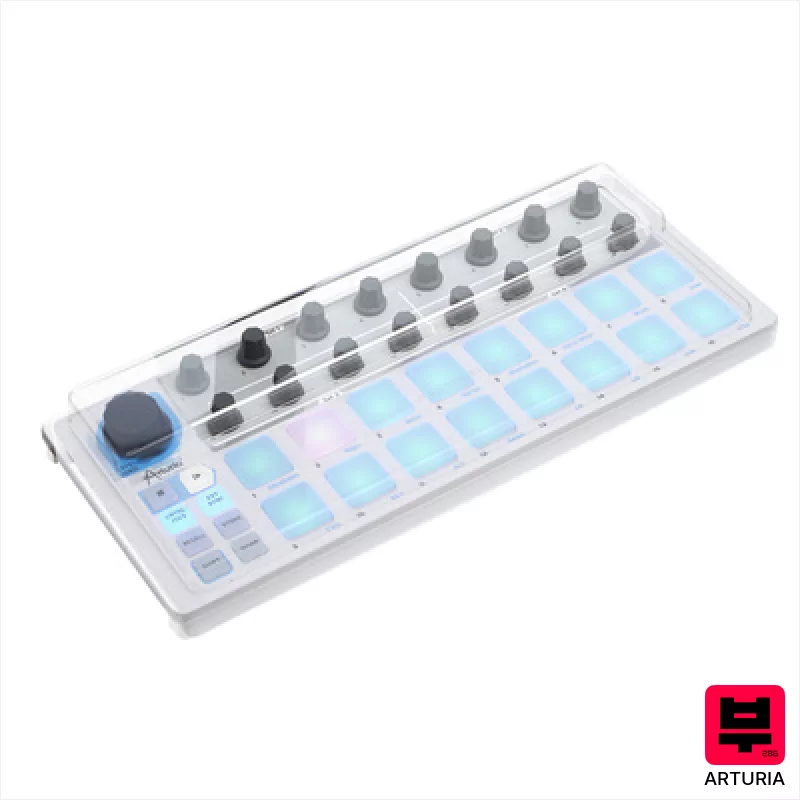
Arturia Beatstep Decksaver Set
- • Decksaver provides excellent physical protection against dust and impact
- • Polycarbonate construction offers robust durability and clarity
- • Custom fit ensures a snug, secure cover for the Beatstep
- • Bundle offers good value, combining protection and controller
- • Decksaver’s polycarbonate can scratch with heavy use and cleaning
- • The Beatstep itself is not included, a common oversight for bundles
- • The Decksaver adds a slight bit of bulk during transport

Vidami Original Video Foot Controller
- • Solid, weighty construction feels durable and stable during use.
- • Customizable speed settings offer granular control for learning complex passages.
- • Direct MP4/MP3 playback eliminates dependency on internet connectivity.
- • USB-A connection is reliable and avoids proprietary power solutions.
- • The weight (over 2lbs) can make it less portable for frequent travel.
- • Limited to specific video platforms; compatibility isn't universal.
- • Single USB-A port limits expansion or connection to other devices.
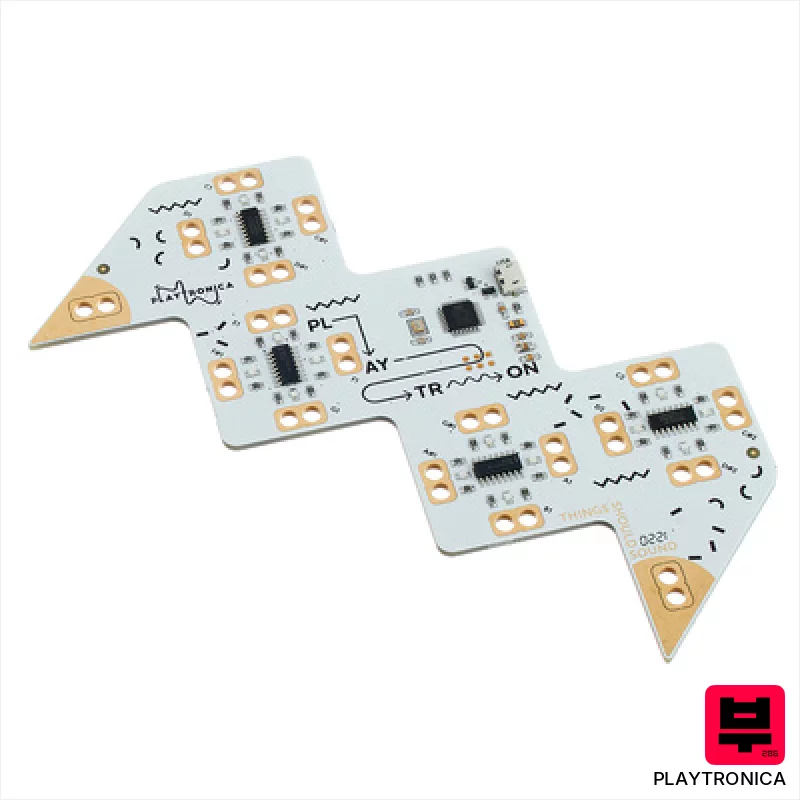
Playtronica Playtron MIDI Controller
- • Unique tactile interface opens creative possibilities beyond traditional MIDI controllers.
- • Alligator clips allow experimentation with diverse surfaces, fostering experimental sound design.
- • Extremely lightweight and portable; ideal for mobile musicians and on-the-fly inspiration.
- • Latency-free response ensures a natural, playable feel despite unconventional input.
- • Limited expressive range compared to dedicated MIDI keyboard or drum pads.
- • Surface conductivity variations can introduce unpredictable and inconsistent MIDI data.
- • Durability of alligator clips is questionable with frequent or rough handling.
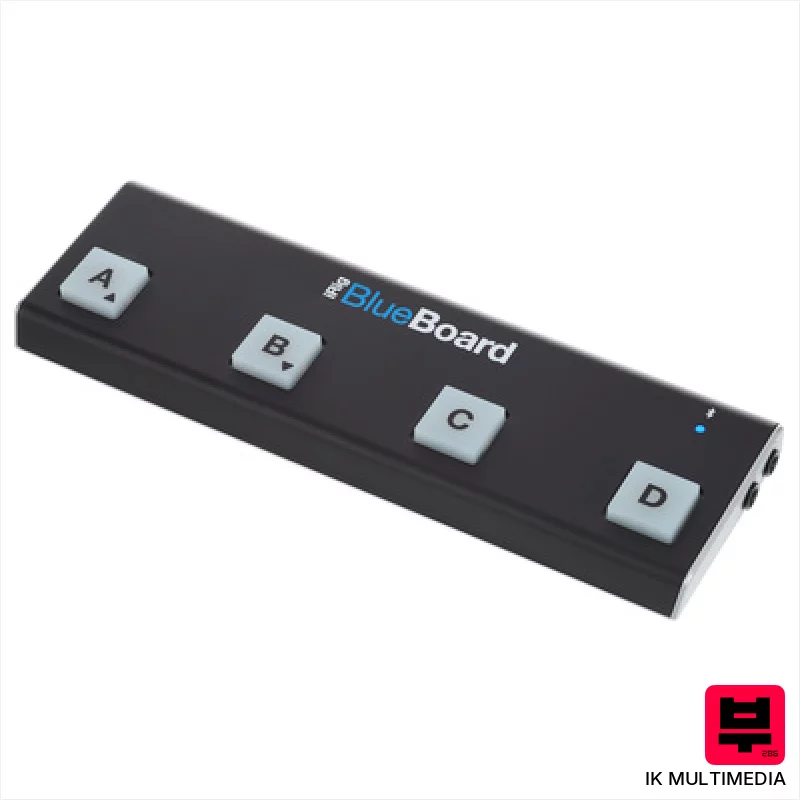
IK Multimedia iRig BlueBoard
- • Compact footprint ideal for mobile setups and pedalboards
- • Rubber pads offer tactile response and reliable triggering
- • Bluetooth connectivity simplifies setup, eliminating cable clutter
- • BlueBoard app provides flexible MIDI command customization
- • Battery operation limits playtime and necessitates frequent replacements
- • Compatibility list restricts older iOS devices and Mac models
- • Limited number of pads restricts complex MIDI control assignments
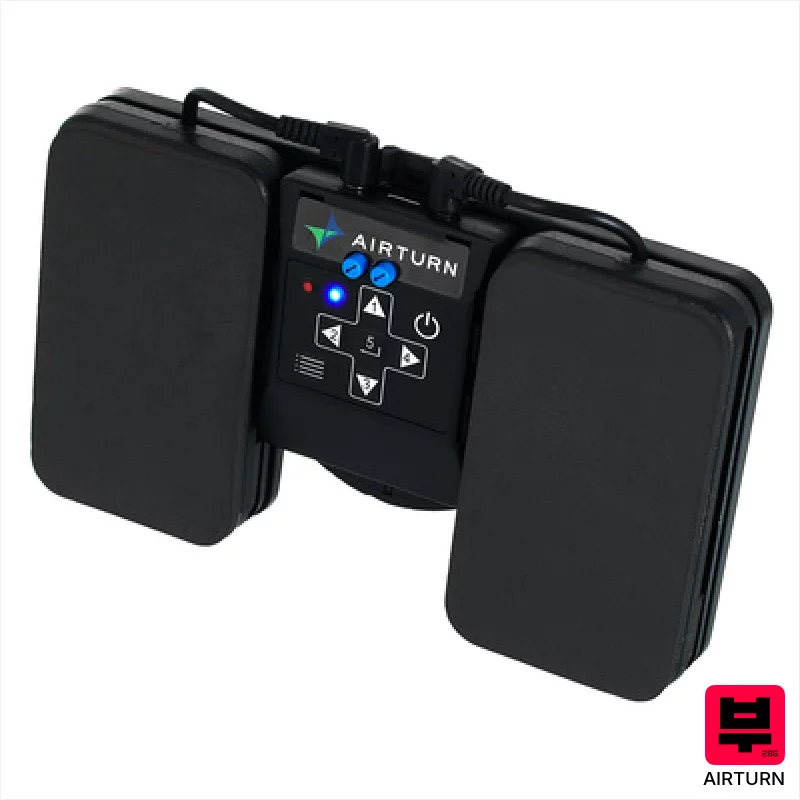
Airturn Tap Adjustable
- • Wireless operation eliminates cable clutter, boosting stage or studio workflow.
- • Adjustable trigger sensitivity offers nuanced control over MIDI assignments.
- • Robust aluminum construction feels solid and durable for frequent use.
- • Integrated mounting bracket simplifies attachment to stands or drum kits.
- • Limited button count restricts complex MIDI command sequences.
- • Bluetooth latency, though minimal, can be noticeable for critical timing applications.
- • Price point places it above basic page-turning alternatives.
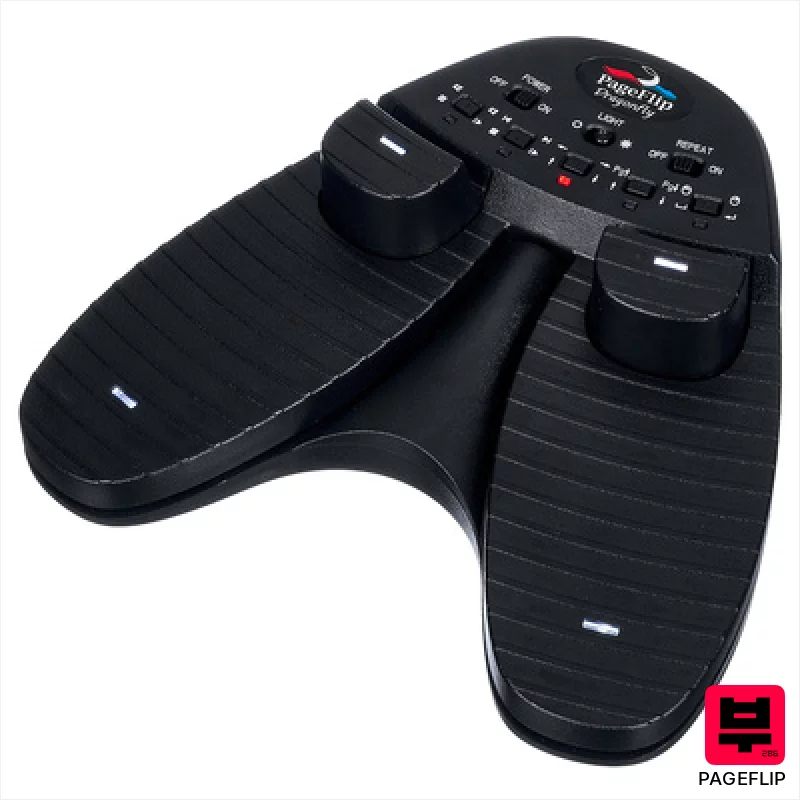
Pageflip Dragonfly
- • Robust construction suggests longevity for demanding stage or studio use
- • Bluetooth LE provides reliable, low-latency wireless operation
- • Programmable pedal modes offer significant customization potential
- • Compact footprint minimizes space requirements on crowded pedalboards
- • Limited compatibility outside of tablet/smartphone/notebook scenarios
- • Editor software dependency restricts ease of use for some users
- • Plastic construction, while durable, lacks the premium feel of metal alternatives

Playtronica TouchMe MIDI Controller
- • Unique tactile interface allows for truly experimental sound creation.
- • Extremely portable and lightweight, ideal for travel and mobile setups.
- • Crocodile clips offer surprising versatility in surface interaction.
- • Latency-free response ensures real-time, playable feedback with DAWs.
- • Limited expressive control compared to traditional MIDI controllers.
- • Surface material significantly impacts sound; requires experimentation.
- • Build quality feels somewhat fragile given the thin, flexible design.
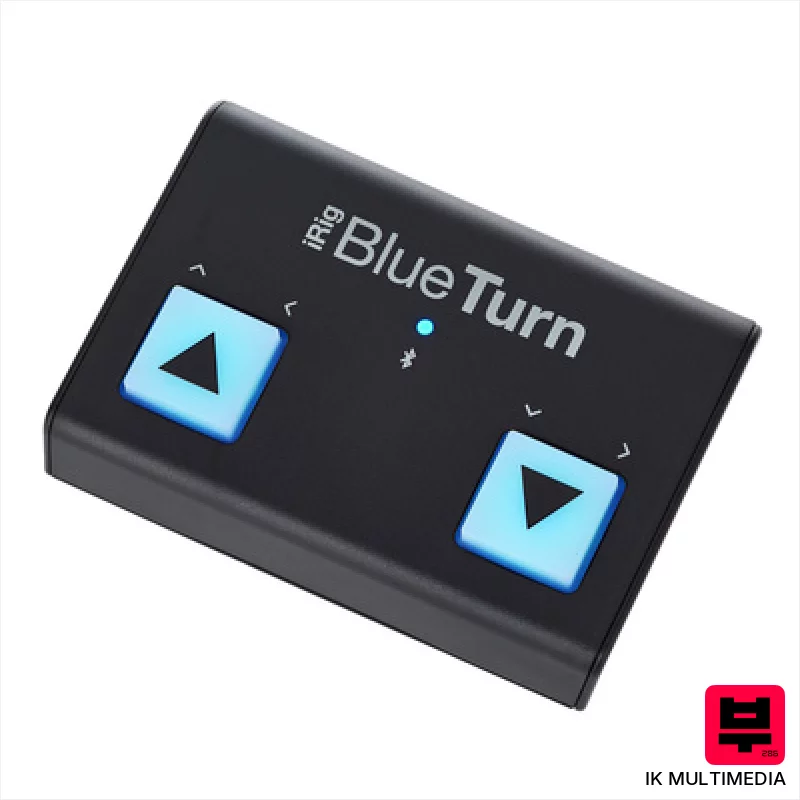
IK Multimedia iRig BlueTurn
- • Bluetooth LE offers reliable, low-latency wireless control
- • Soft-touch footswitches provide a responsive, quiet action
- • Compact size makes it ideal for mobile setups and pedalboards
- • Multiple mode configurations enhance versatility across applications
- • Windows incompatibility significantly limits potential users
- • AAA battery power can be inconvenient for frequent use
- • Plastic housing, while sturdy, lacks premium feel of metal alternatives
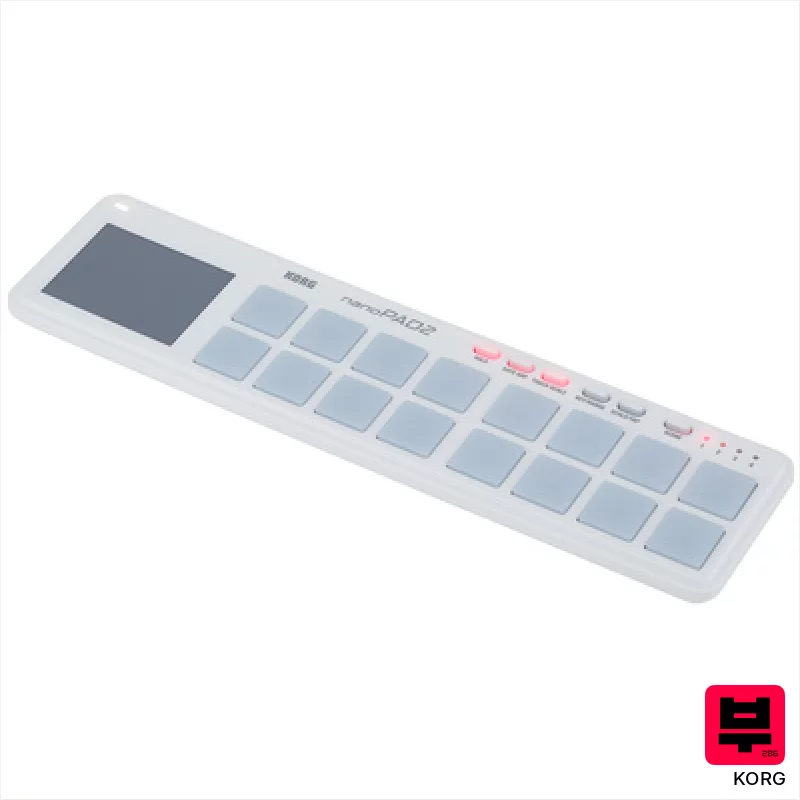
Korg nanoPAD 2 white
- • Compact size ideal for travel and small workspaces
- • Velocity curves offer nuanced performance control
- • X-Y pad provides expressive modulation possibilities
- • Scene memory simplifies switching between different setups
- • Plastic build feels somewhat flimsy despite its portability
- • iPad compatibility relies on Core MIDI and Apple OS updates
- • Limited pad size restricts fast, complex finger drumming

Korg nanoPAD 2 black
- • Compact size ideal for travel and tight spaces
- • Velocity-sensitive pads offer surprisingly expressive performance
- • X-Y pad adds unique modulation possibilities for sound design
- • Software bundle provides immediate creative starting points
- • Build quality feels plasticky, not robust for heavy use
- • Limited pad size restricts complex finger drumming techniques
- • iPad compatibility relies on external adapter and Core MIDI support
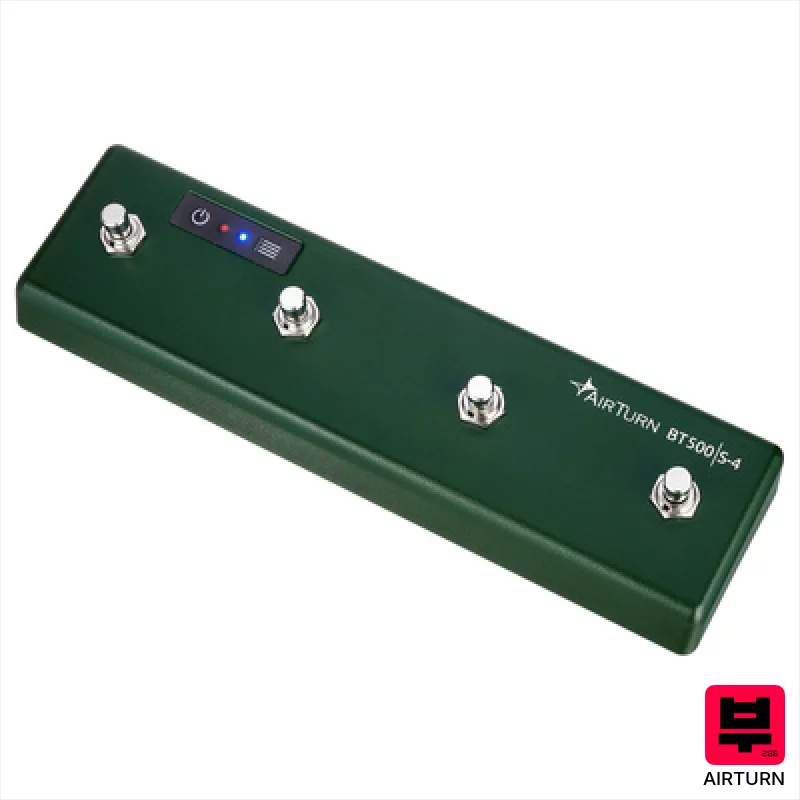
Airturn BT500S-4
- • Steel switches offer a satisfying, tactile, and reliable action.
- • Bluetooth 5 provides a stable, low-latency connection.
- • Excellent battery life; 200 hours is genuinely impressive.
- • AirTurn Manager app allows for deep customization of functions.
- • The footswitch form factor isn't ideal for all workflows; placement is key.
- • Steel construction makes it relatively heavy for a small device.
- • Limited to four switches; complex setups might require multiple units.

Pageflip Firefly
- • Robust construction suggests durability for gigging and studio use
- • Bluetooth LE offers low-latency, reliable wireless connectivity
- • Programmable pedal modes cater to diverse performance needs
- • Compact size (172 x 36 x 147 mm) enhances portability
- • Limited to digital content, lacks physical page-turning feel
- • Editor software dependency restricts flexibility for some users
- • Expansion button jacks require separate purchase, adding to cost
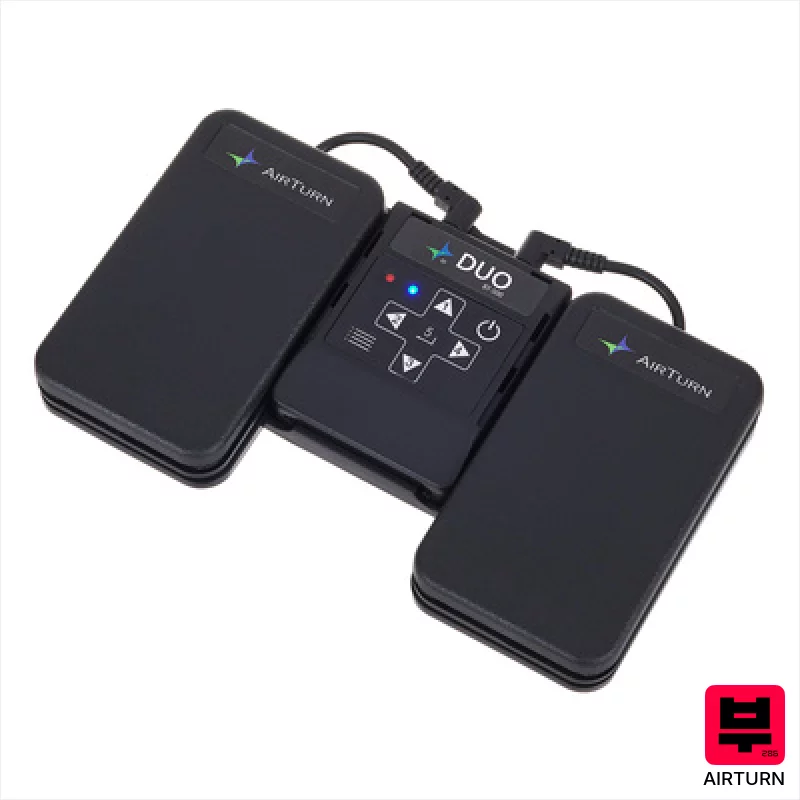
Airturn Duo 500
- • Robust build quality; the pedal board feels surprisingly solid.
- • Bluetooth 5 provides a consistently reliable, low-latency connection.
- • Silent membrane buttons are genuinely quiet, crucial for recording.
- • AirTurn Manager software offers deep customization options for profiles.
- • The plastic enclosure, while durable, lacks a premium feel.
- • Limited button customization beyond pre-defined profiles.
- • Size and weight make it less ideal for mobile performance situations.
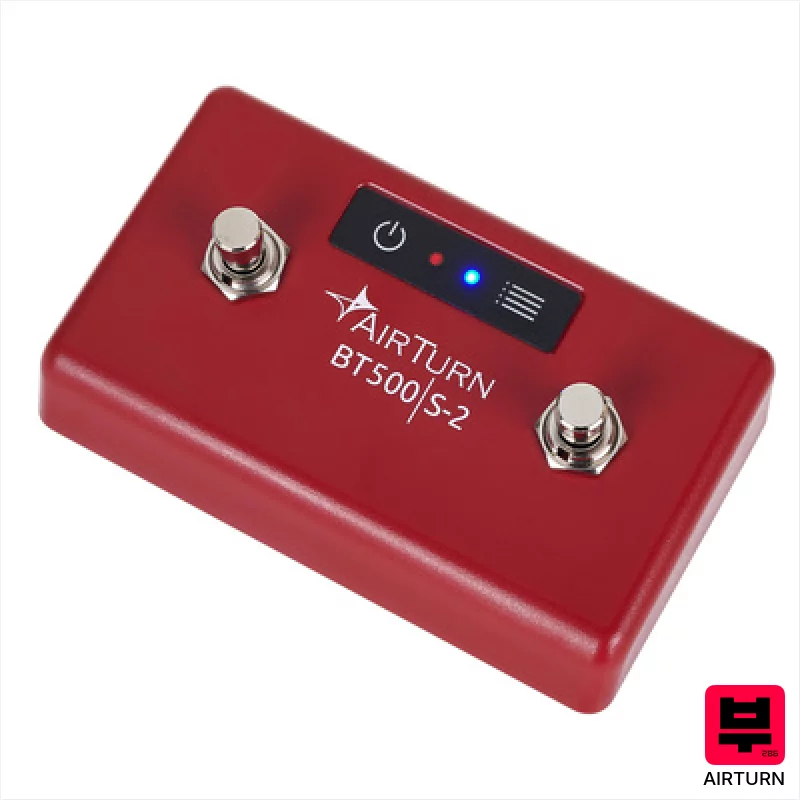
Airturn BT500S-2
- • Steel switches offer a satisfying, reliable tactile response.
- • Bluetooth 5 provides a stable, low-latency connection.
- • AirTurn Manager app simplifies customization and function mapping.
- • Impressive 200-hour battery life minimizes downtime.
- • Footswitch form factor limits placement options; can feel awkward.
- • Limited to two switches restricts complex control schemes.
- • Plastic housing feels somewhat budget-oriented despite steel switches.
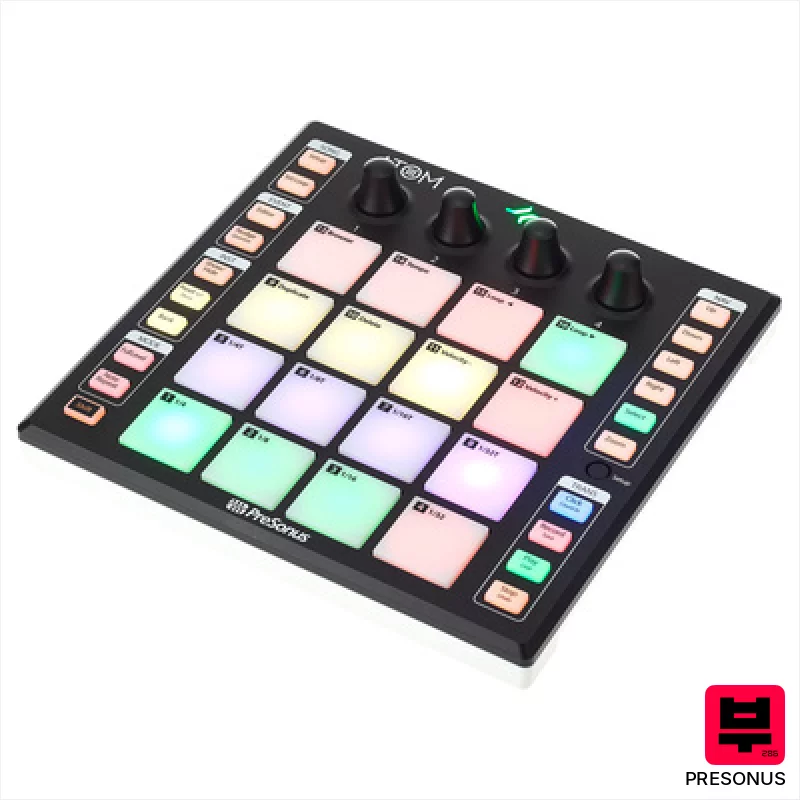
Presonus Atom
- • Responsive RGB pads offer excellent tactile feedback and visual cues
- • Polyphonic aftertouch adds expressive nuance to virtual instruments
- • Freely assignable buttons provide extensive customization options
- • Seamless Studio One integration streamlines workflow for Presonus users
- • Limited pad size restricts complex chord voicings and finger drumming
- • Plastic construction feels somewhat budget-oriented, lacks premium feel
- • Lack of dedicated pitch bend/mod wheel limits performance flexibility
How to Choose the Best Other Controllers
Build Quality
Let's be real, plastic is the name of the game at this price point. But we're looking for plastic that doesn't creak and feels reasonably solid under your hands or feet. A wobbly controller is a frustrating controller.
Latency
This is huge. If your presses aren't translating to sound in real-time, it's unusable for anything beyond maybe triggering samples in a pre-programmed sequence. We're looking for responsiveness, not lag.
Assignable Controls
How much flexibility do you have to map these controls to different parameters in your DAW or software? More assignable knobs, pads, or switches is almost always better.
Footprint & Portability
Gigging musicians need gear that packs up easily. A massive controller might be feature-rich, but if it's a pain to transport, it's not practical.
Driver Stability
Cheap gear often skimps on driver support. We've tested these under various operating systems to see how reliably they connect and function - dropouts and crashes are a no-go.
Buying Guide
At this price, you're making trade-offs. Expect some plastic-y feel, potentially less robust construction, and maybe a slightly more limited feature set compared to the high-end stuff. Don't expect premium materials or super-precise, weighted action. Focus on functionality - does it do what you need it to do reliably? Prioritize low latency and good driver support; those are the things that will make or break your experience.
How This List Is Built
We don't play these instruments — we're a catalog, not a review desk, and we'd rather say so than pretend otherwise. This page ranks 15 other controllers from the Thomann catalogue, which is the largest single source of specification data in this category.
Position is computed, not curated. Four signals, in order of weight: how completely the manufacturer documents the instrument (number of published specifications), where it sits in the price range, how specific the model designation is — which filters out generic accessories — and whether a product image exists. The same inputs always produce the same order, so nothing here is shuffled to look fresh.
What this list is good for: narrowing a category down to a shortlist by spec and budget. What it isn't: a substitute for hearing an instrument. Before you buy, read hands-on reviews and, where you can, play it. Full methodology.

