
Best Other Controllers for Professional 2026
Alright, so you're past the MIDI keyboard phase, huh? You need something more than just triggering sounds; you need tactile control over every parameter, from subtle filter sweeps to complex routing. Forget the toy controllers - we're talking about the gear that lets you really sculpt your sound, whether you're laying down a cinematic score, crafting a gritty industrial beat, or just want to dial in that perfect Leslie swirl in your blues solo. This isn't about making things easier; it's about unlocking new possibilities.
Last updated: April 11, 2026

Steven Slate Audio Raven Max Core Station
- • Solid silver/black finish exudes professional quality and a clean aesthetic.
- • Modular table design allows for customization and future expansion of your workspace.
- • Integrated cable management drastically reduces clutter and improves workflow efficiency.
- • Padded leather armrest provides exceptional comfort during extended mixing sessions.
- • The substantial size and weight necessitate significant space and potential assembly assistance.
- • High-end price point positions it as an investment for serious studio professionals.
- • Controller dependency means it's only as good as the included or chosen MTi MAX units.

Roger Linn Design LinnStrument
- • Cherry wood sides offer a premium, tactile feel and aesthetic.
- • Multi-touch Z-axis control allows for nuanced, expressive performance.
- • Row-based layout facilitates intuitive playing for stringed instrument players.
- • Robust aluminum and steel casing ensures durability for stage and studio.
- • Steep learning curve; requires significant practice to master its unique interface.
- • Limited to MIDI control; no internal sounds or synthesis capabilities.
- • Premium-priced, making it inaccessible for budget-conscious musicians.
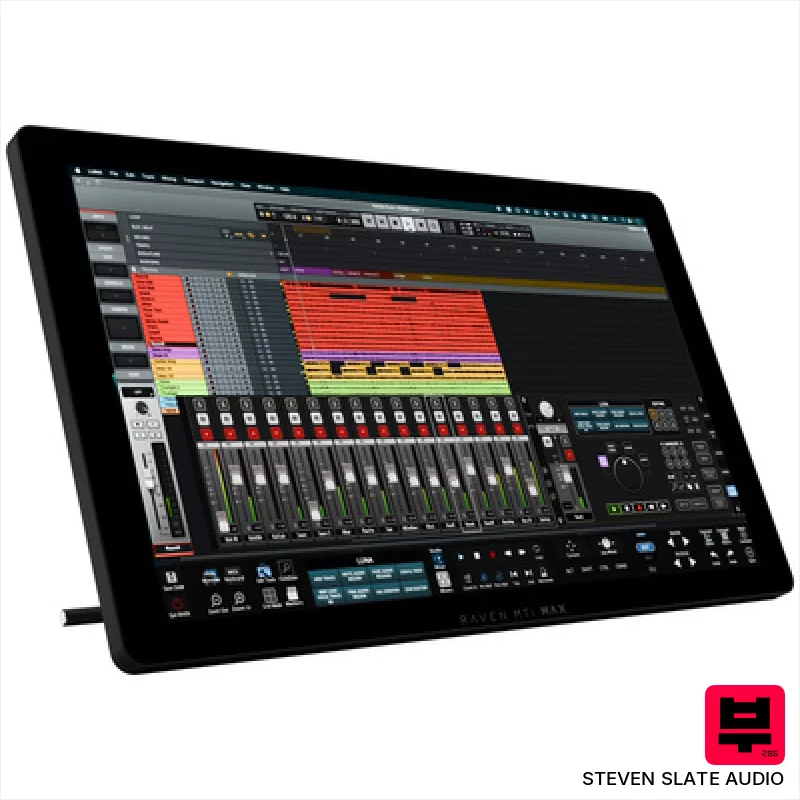
Steven Slate Audio Raven MTi MAX
- • Excellent touchscreen resolution (2560x1440) offers crisp visuals and precise control.
- • Raven 4.0 software provides deep DAW integration and customizable workflows.
- • Batch Commander allows for complex macro creation, significantly speeding up tasks.
- • Multiple virtual faders (up to 32) provide extensive mixing control in a compact space.
- • Reliance on iLok copy protection can be inconvenient for some users.
- • Limited DAW compatibility compared to universal MIDI controllers.
- • The size and weight make portability a significant consideration.
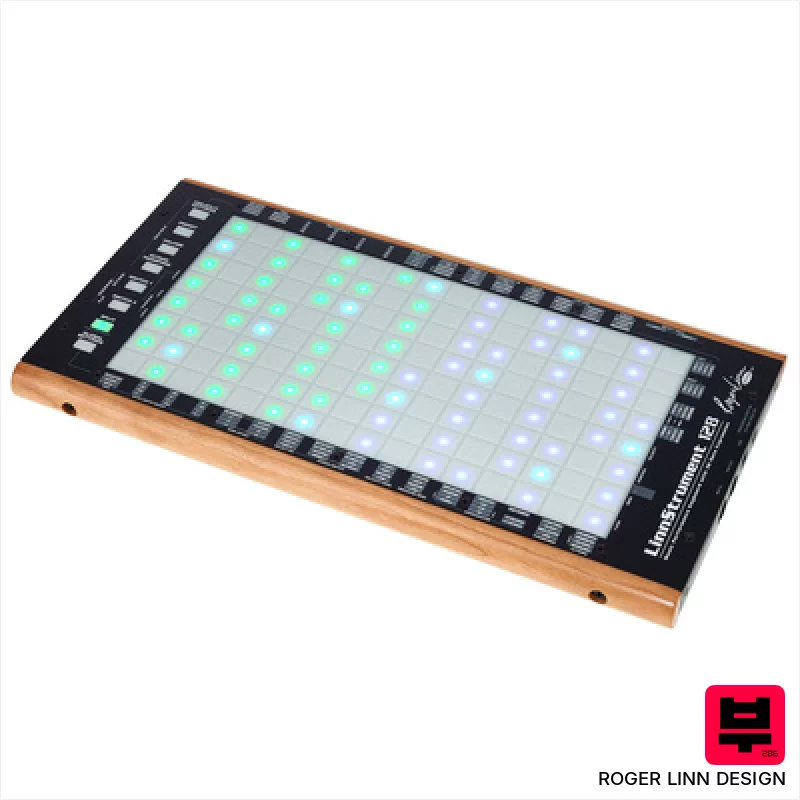
Roger Linn Design LinnStrument 128
- • Unique sensor technology offers unparalleled expressive control.
- • Row-based layout fosters intuitive playing for stringed instrument players.
- • Versatile grid mode expands functionality beyond traditional keyboard.
- • Solid build quality with a robust feel, designed for stage and studio.
- • Steep learning curve requires significant time investment to master.
- • Limited polyphony compared to traditional keyboard workstations.
- • Premium-priced, representing a significant investment for many musicians.
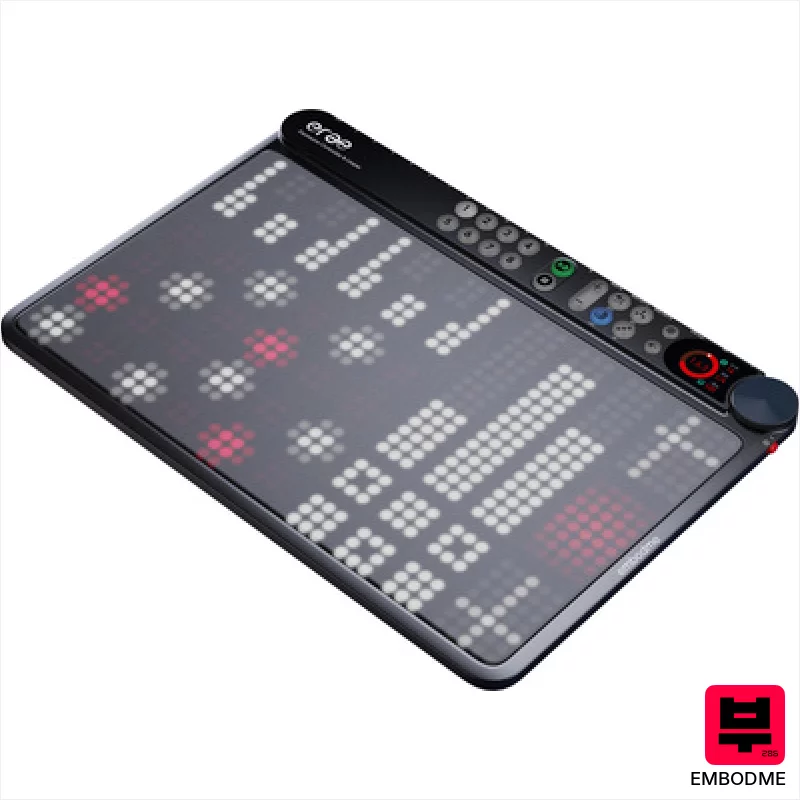
Embodme Erae 2
- • Exceptional 3D pressure sensitivity unlocks nuanced expression.
- • Integrated looper simplifies complex live performance workflows.
- • Erae Lab customization grants deep control over functionality.
- • LED matrix provides clear visual feedback for intricate sequences.
- • Steep learning curve due to extensive feature set.
- • Standalone operation demands significant power draw.
- • Price point positions it as a premium investment.
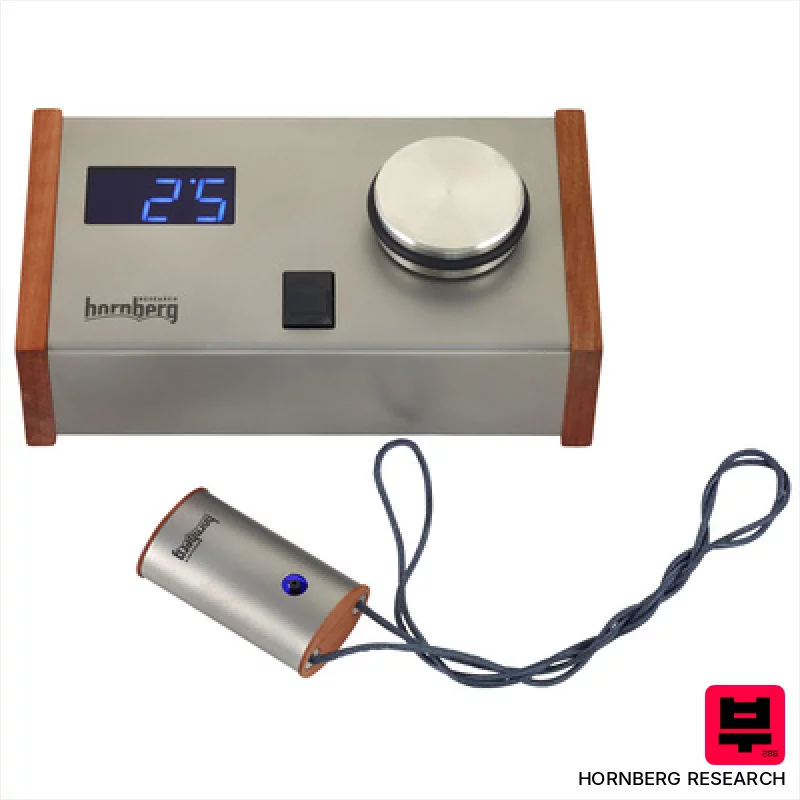
Hornberg Research hb1 Midi Breath Station
- • Chequered tree mouthpiece offers a uniquely organic feel and response
- • Stainless steel construction ensures durability and a clean aesthetic
- • Multi-mode allows complex, simultaneous MIDI control for nuanced expression
- • hb1Control app provides extensive customization of parameters and presets
- • The neck set might feel restrictive for players accustomed to free breathing
- • Premium-priced, making it a significant investment for many musicians
- • Sensor cable length could be limiting for some stage setups

Vidami Blue 3 in 1 Video Controller
- • Seamless video looping simplifies learning complex riffs and solos.
- • Customizable speed presets offer precise control over playback speed.
- • DAW mode expands creative workflow, offering flexible track manipulation.
- • Bluetooth connectivity provides wireless freedom and reduces cable clutter.
- • Foot pedal responsiveness may require a learning curve for some users.
- • Limited compatibility with older or less common video platforms.
- • Build quality, while decent, feels somewhat plasticky for the price.

Vidami Original Video Foot Controller
- • Solid, weighty construction feels durable and stable during use.
- • Customizable speed settings offer granular control for learning complex passages.
- • Direct MP4/MP3 playback eliminates dependency on internet connectivity.
- • USB-A connection is reliable and avoids proprietary power solutions.
- • The weight (over 2lbs) can make it less portable for frequent travel.
- • Limited to specific video platforms; compatibility isn't universal.
- • Single USB-A port limits expansion or connection to other devices.
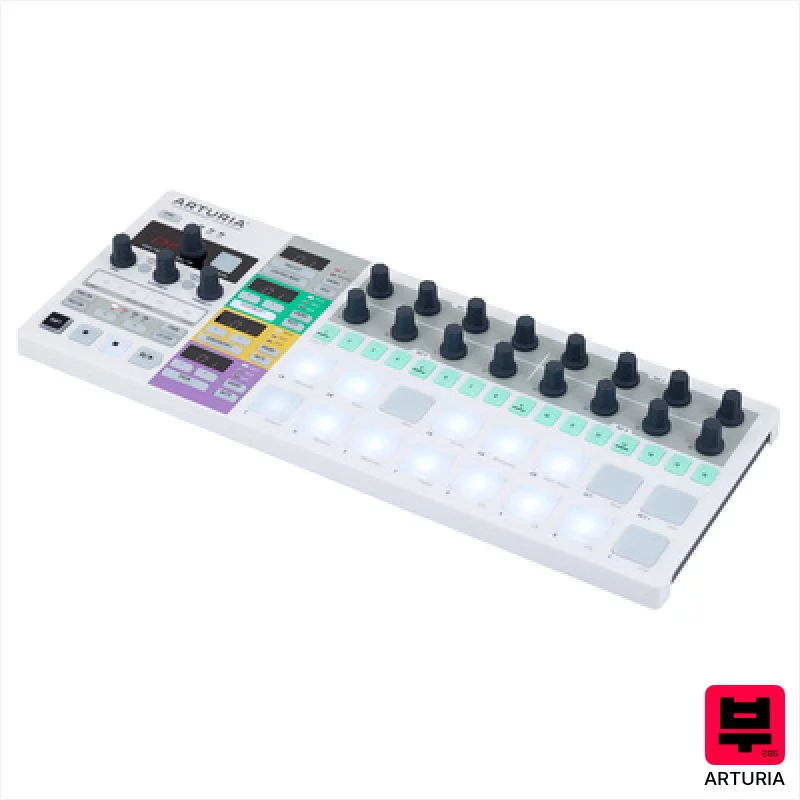
Arturia Beatstep Pro
- • Excellent CV/Gate implementation for modular integration.
- • Intuitive step sequencing with clear, informative displays.
- • Compact size and included MIDI adapter enhance portability.
- • Versatile drum sequencer allows for complex rhythmic patterns.
- • Limited polyphony restricts more complex musical arrangements.
- • Plastic build feels less premium than some competitors at this price.
- • Drum sounds are reliant on external synths or software.
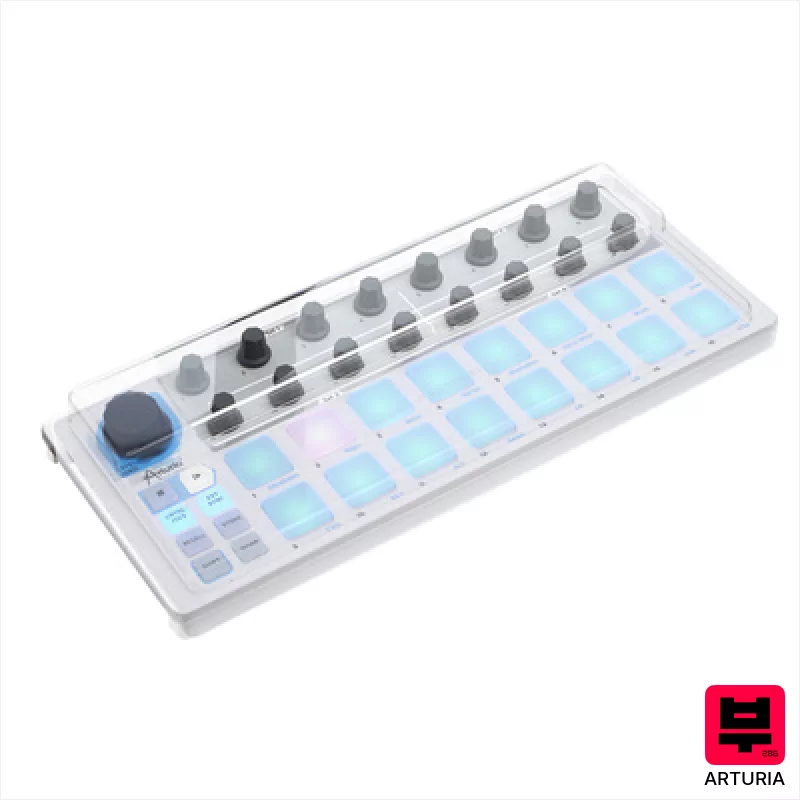
Arturia Beatstep Decksaver Set
- • Decksaver provides excellent physical protection against dust and impact
- • Polycarbonate construction offers robust durability and clarity
- • Custom fit ensures a snug, secure cover for the Beatstep
- • Bundle offers good value, combining protection and controller
- • Decksaver’s polycarbonate can scratch with heavy use and cleaning
- • The Beatstep itself is not included, a common oversight for bundles
- • The Decksaver adds a slight bit of bulk during transport
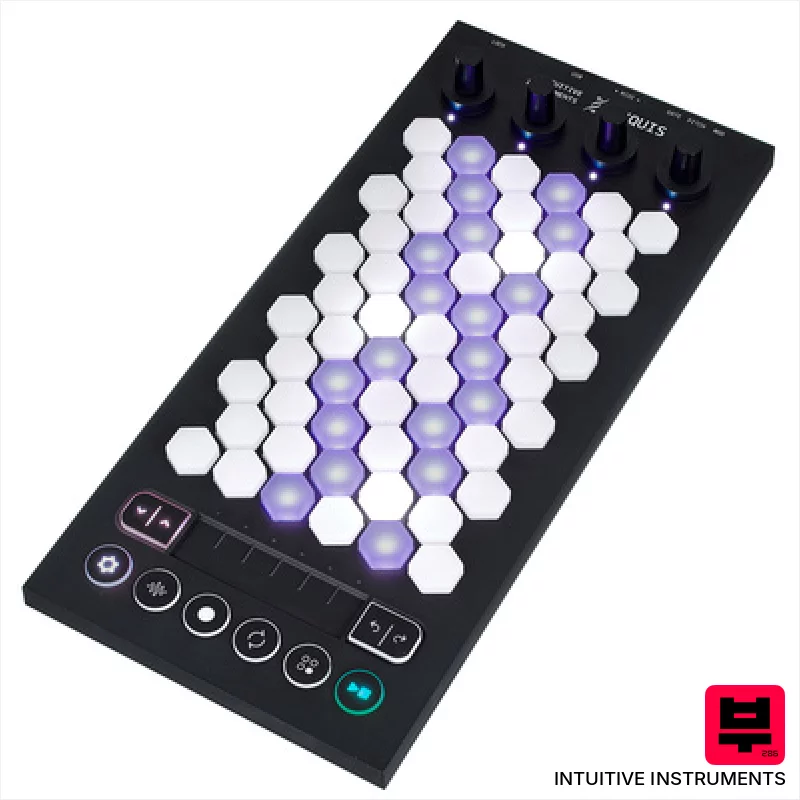
Intuitive Instruments Exquis
- • Hexagonal keys offer unique tactile response and expressive possibilities.
- • Capacitive touch slider provides nuanced, real-time parameter control.
- • Comprehensive Exquis app unlocks deep sound design and composition tools.
- • Compact size and lightweight design make it highly portable for studio and stage.
- • Limited key travel might not suit players accustomed to traditional keyboards.
- • CV outputs are mono, restricting more complex modular patching options.
- • The hexagonal key layout requires a learning curve for some users.
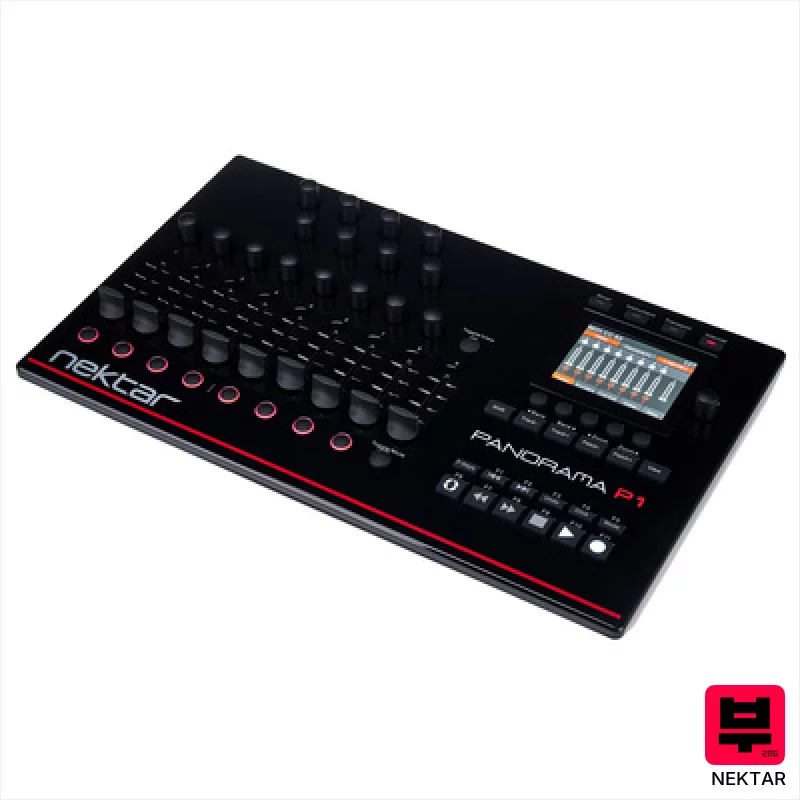
Nektar Panorama P1
- • Solid 45mm faders offer precise, tactile mixing control.
- • High-resolution display provides clear visual feedback for parameter adjustments.
- • Extensive DAW integration simplifies workflow and reduces repetitive tasks.
- • The QWERTY send functionality speeds up MIDI note entry significantly.
- • Plastic construction, while functional, doesn't feel as premium as some competitors.
- • Limited transport controls compared to larger Panorama models.
- • The display’s resolution, while adequate, isn’t as sharp as higher-end controllers.
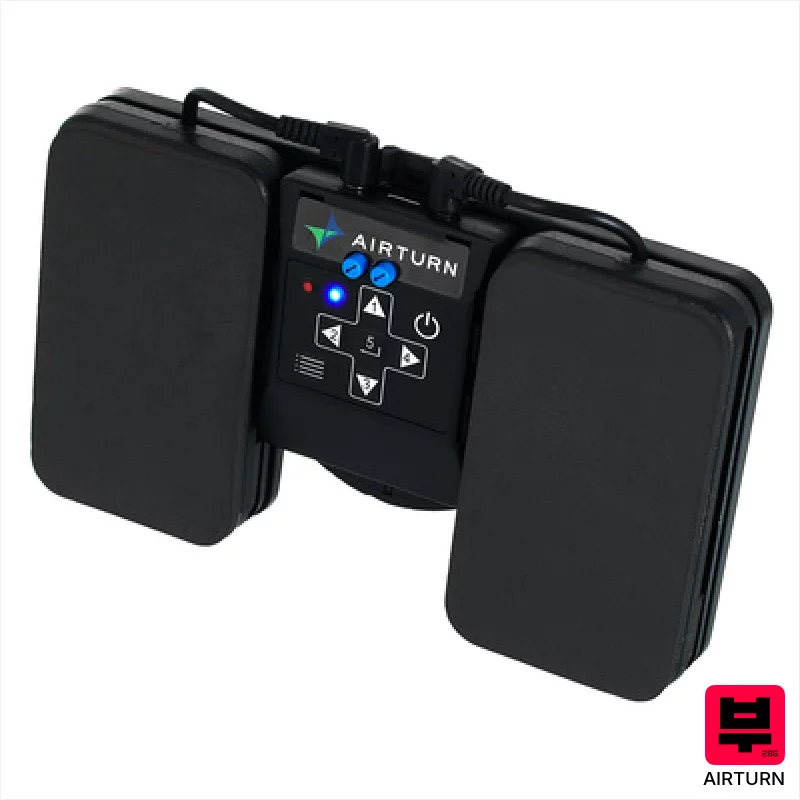
Airturn Tap Adjustable
- • Wireless operation eliminates cable clutter, boosting stage or studio workflow.
- • Adjustable trigger sensitivity offers nuanced control over MIDI assignments.
- • Robust aluminum construction feels solid and durable for frequent use.
- • Integrated mounting bracket simplifies attachment to stands or drum kits.
- • Limited button count restricts complex MIDI command sequences.
- • Bluetooth latency, though minimal, can be noticeable for critical timing applications.
- • Price point places it above basic page-turning alternatives.
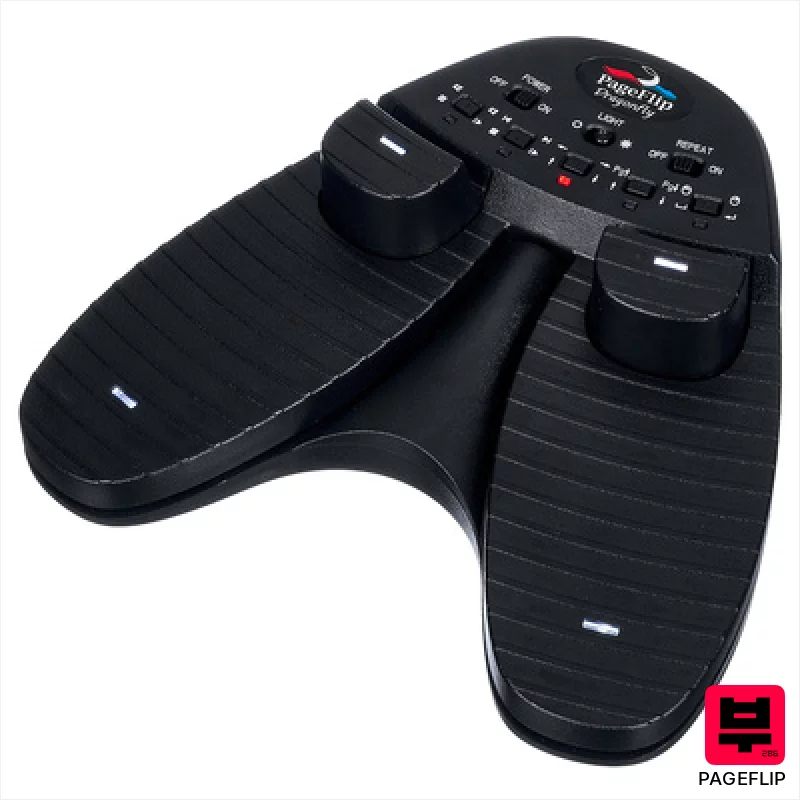
Pageflip Dragonfly
- • Robust construction suggests longevity for demanding stage or studio use
- • Bluetooth LE provides reliable, low-latency wireless operation
- • Programmable pedal modes offer significant customization potential
- • Compact footprint minimizes space requirements on crowded pedalboards
- • Limited compatibility outside of tablet/smartphone/notebook scenarios
- • Editor software dependency restricts ease of use for some users
- • Plastic construction, while durable, lacks the premium feel of metal alternatives
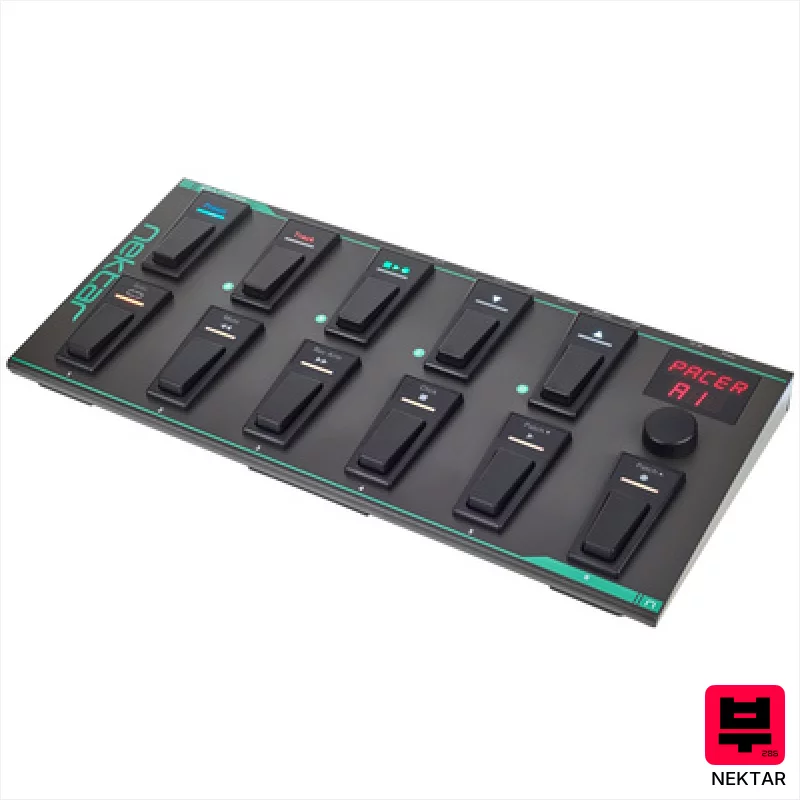
Nektar Pacer
- • Robust metal housing inspires confidence and longevity.
- • Flexible footswitch programming allows complex DAW control sequences.
- • Extensive DAW integration simplifies workflow in popular recording software.
- • Programmable relays add versatility beyond standard MIDI functions.
- • External footswitch/expression pedal support requires additional purchase.
- • Encoder feels a little plasticky compared to premium rotary controllers.
- • Preset management, while extensive, could benefit from a dedicated software editor.
How to Choose the Best Other Controllers
Playability & Ergonomics
It's gotta feel right. A controller that fights you will slow your workflow and introduce frustration. We're talking knob tension, fader travel, overall layout - does it encourage intuitive manipulation, or do you need a PhD to figure out where the reverb send is?
Feature Complexity & Mapping
Professionals don't need pre-programmed presets; they need deep customization. Can you easily map controls to complex parameters in your DAW or VSTs? Does it support multiple MIDI channels and CCs? A shallow feature set will become a bottleneck quickly.
Build Quality & Reliability
Gigs happen. Gear gets bumped. You need something that can take a beating and still track accurately. Plastic knobs and flaky encoders are a deal-breaker; we're looking for solid construction and dependable performance under pressure.
Latency & Response
Even a few milliseconds of latency can ruin a performance, especially when dealing with dynamic effects or expressive playing. We test for responsiveness across a range of MIDI signals, looking for any lag or jitter that can impact the feel.
Integration & Compatibility
It doesn't matter how amazing a controller is if it doesn't play nice with your existing setup. We evaluate compatibility with major DAWs (Ableton, Logic, Pro Tools, Cubase) and common VST instruments, looking for seamless integration and driver stability.
Buying Guide
Don't fall for the hype. Many of these 'other' controllers try to pack in too many features at a lower price point, and you'll feel it in the build quality or the responsiveness. Spend the extra cash for something with solid faders, properly weighted knobs, and a robust MIDI implementation. Consider your workflow - if you're primarily mixing, a dedicated console controller is a must; if you're a live performer, prioritize portability and ruggedness.
How This List Is Built
We don't play these instruments — we're a catalog, not a review desk, and we'd rather say so than pretend otherwise. This page ranks 15 other controllers from the Thomann catalogue, which is the largest single source of specification data in this category.
Position is computed, not curated. Four signals, in order of weight: how completely the manufacturer documents the instrument (number of published specifications), where it sits in the price range, how specific the model designation is — which filters out generic accessories — and whether a product image exists. The same inputs always produce the same order, so nothing here is shuffled to look fresh.
What this list is good for: narrowing a category down to a shortlist by spec and budget. What it isn't: a substitute for hearing an instrument. Before you buy, read hands-on reviews and, where you can, play it. Full methodology.

