
Best Waldorf General Synthesizers 2026
Alright, let's talk Waldorf. If you're craving a synth that isn't just another digital emulator, a machine with a genuine character and a history of pushing boundaries, you've probably already heard about them. Waldorf synths aren't for everyone - they're a commitment to a specific sonic aesthetic - but when they hit, they really hit. We're diving into the best of their general synths, the ones you can use to build entire soundscapes, not just pluck a bassline.
Last updated: April 11, 2026
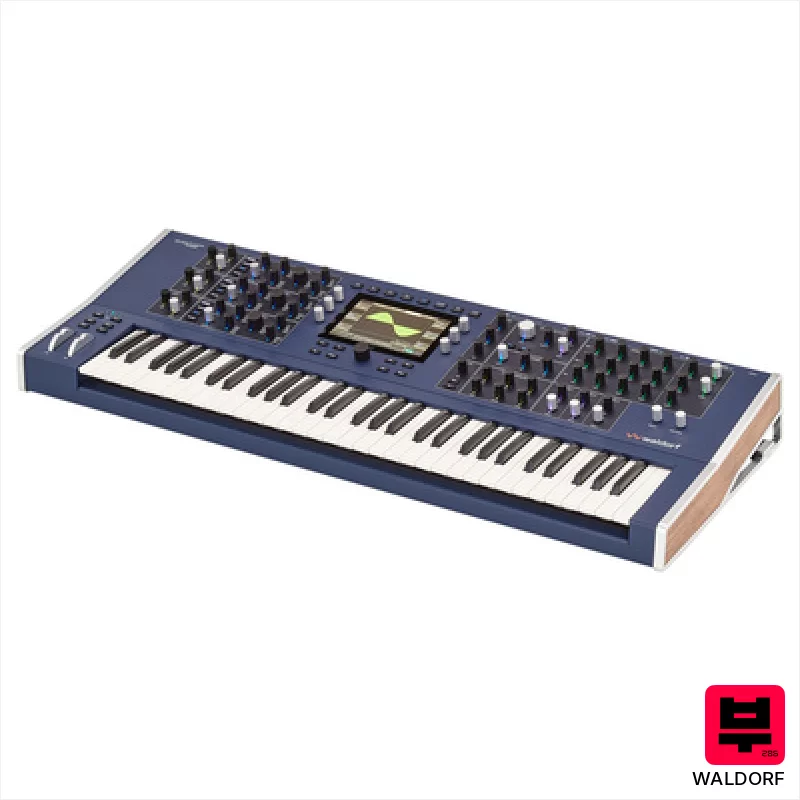
Waldorf Quantum MK2
- • Exceptional Fatar TP8/SK keybed offers superb feel and polyphonic aftertouch.
- • Hybrid architecture delivers a uniquely versatile and expressive sound palette.
- • The dual multi-mode digital filters add significant sonic shaping possibilities.
- • Extensive modulation matrix allows for complex and evolving sound design.
- • The substantial weight makes it less portable for gigging musicians.
- • The price point positions it firmly in the high-end synthesizer market.
- • The touchscreen interface, while functional, can occasionally feel a bit slow.
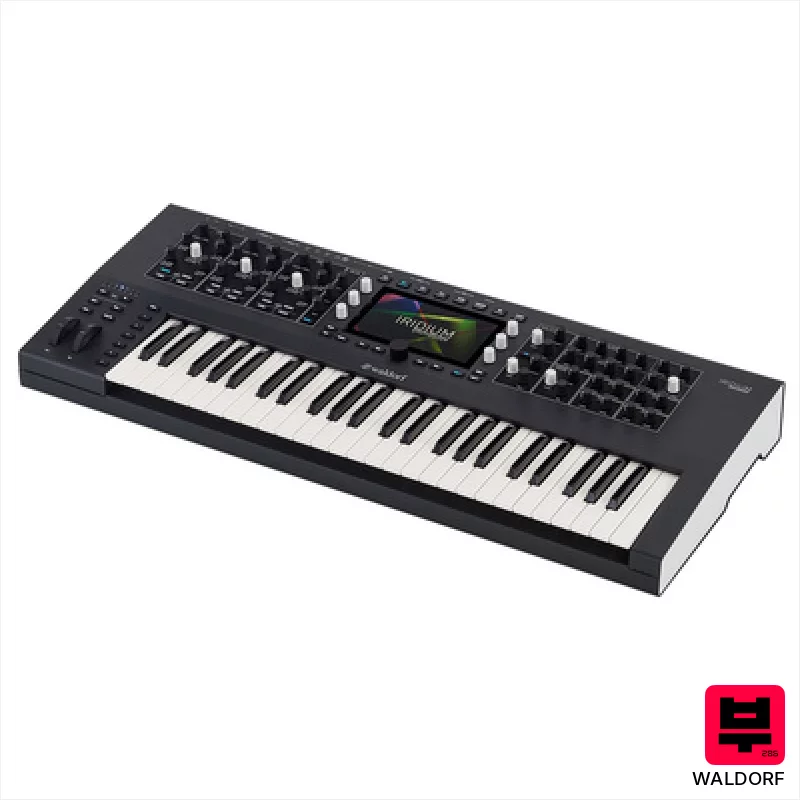
Waldorf Iridium Keyboard
- • Exceptional sound quality; truly unique, evolving textures.
- • Flexible modulation matrix unlocks incredibly complex soundscapes.
- • The Wavetable engine offers a massive palette of sonic possibilities.
- • Macro controls provide immediate, hands-on performance control.
- • The Fatar TP/8S keys, while responsive, lack the premium feel of higher-end actions.
- • The learning curve can be steep for those unfamiliar with Waldorf's workflow.
- • The lightweight design, while convenient, sacrifices some overall build robustness.
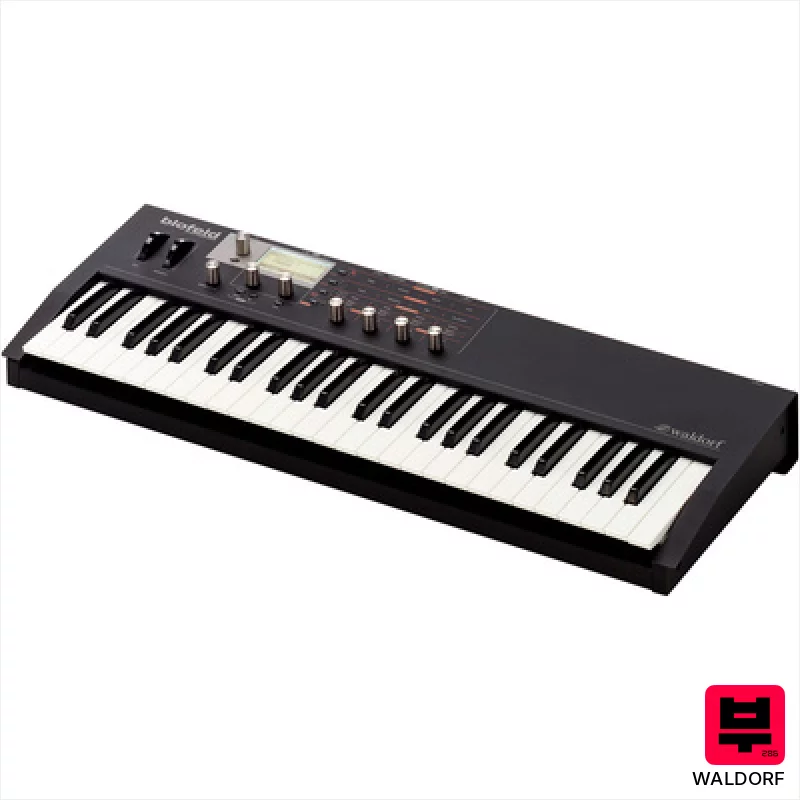
Waldorf Blofeld Keyboard Black
- • Stainless knobs offer precise control and a premium feel
- • Weighted keys with aftertouch provide expressive playing experience
- • MQ-Sounds expand sonic palette with Waldorf's signature character
- • Compact size balances portability with a full-featured keyboard
- • Limited polyphony might restrict complex, layered sounds
- • Menu diving can be a bit cumbersome for quick parameter adjustments
- • Sample memory, while decent, isn't expandable for extensive sample libraries
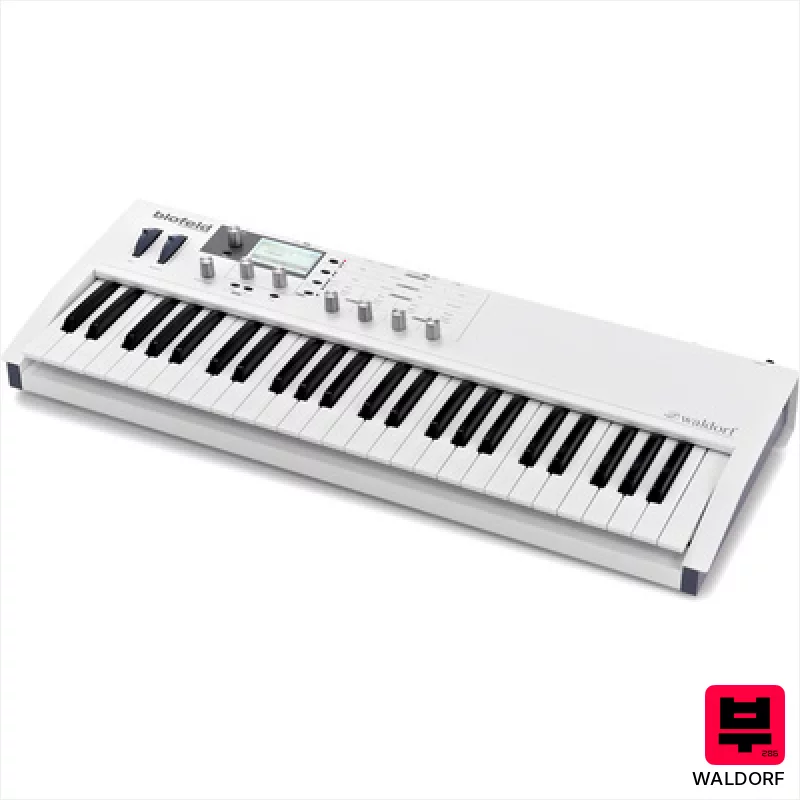
Waldorf Blofeld Keyboard
- • Stainless knobs offer precise control and a premium feel.
- • Weighted keys with aftertouch provide expressive playing experience.
- • 60MB sample memory allows for rich, detailed sounds.
- • MQ-Sounds downloads expand sonic palette significantly.
- • Limited polyphony can be a constraint for complex arrangements.
- • The graphic display, while functional, isn't the most modern.
- • Weight (approx. 8kg) makes it less portable than some alternatives.
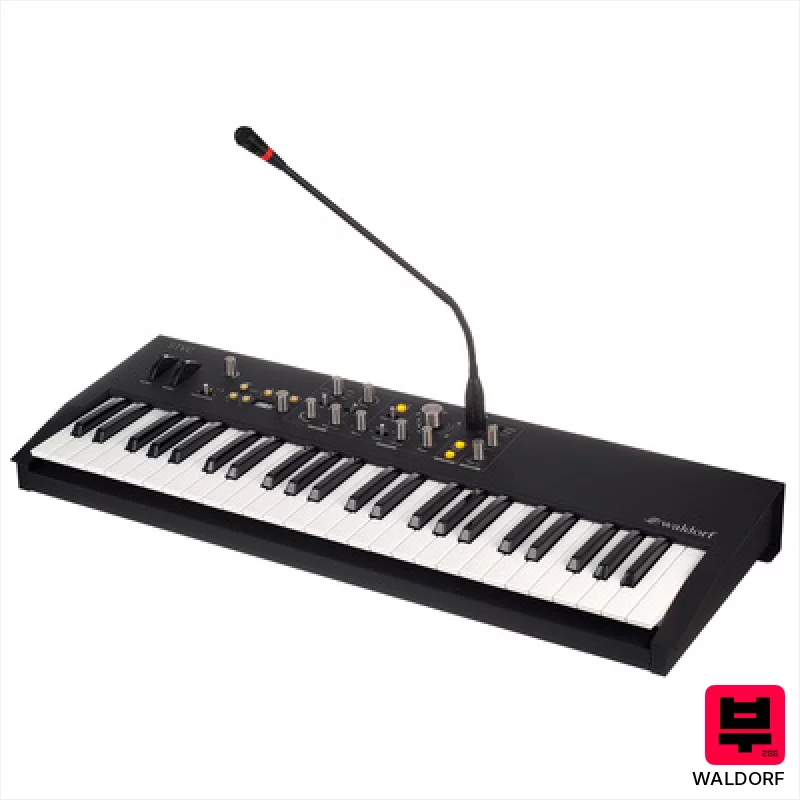
Waldorf STVC
- • Stainless knobs offer excellent tactile feedback and a premium feel
- • Gooseneck mic is surprisingly robust and well-placed for vocal processing
- • String sounds are genuinely warm and expressive, avoiding typical synthetic harshness
- • Compact design and aftertouch make for intuitive, performance-oriented playing
- • Limited polyphony restricts complex, layered string arrangements
- • Vocoder functionality, while unique, is somewhat basic compared to dedicated units
- • 49-key layout may feel cramped for players accustomed to full-sized keyboards
How to Choose the Best General Synthesizers
Wave Shaping & Modulation
Waldorf's bread and butter. Their wave shaping capabilities aren't just a gimmick; they're what gives their synths that signature fatness and ability to morph sounds in ways other synths can't. You get that rich, almost vocal quality that cuts through a dense mix.
Analog Modeling vs. Digital Synthesis
Waldorf blends both worlds. While they use digital processing, the goal is to emulate analog warmth and responsiveness. This gives you the flexibility of digital - recall, MIDI control - with the feel of an analog instrument, crucial for expressive playing.
Filter Character
The Waldorf filters aren't your typical Moog or Roland clones. They have a unique resonance curve that can be aggressive, but also incredibly smooth and musical. It's a filter that begs to be pushed, to be driven into subtle breakup for that vintage vibe.
Build Quality & User Interface
Early Waldorf models were a bit quirky, but the build quality has improved significantly. The interfaces can be a little intimidating at first, but once you grasp the routing, they offer unparalleled control. That said, those older models have a certain charm - and some unique quirks - that are hard to replicate.
Polyphony & Architecture
Waldorf generally leans towards polyphonic designs, making them fantastic for pads, strings, and complex textures. The architecture isn't always the most straightforward - expect to spend some time digging into the menus - but the sonic rewards are well worth the effort.
Buying Guide
Waldorf synths aren't cheap, and you're paying for that unique character. Older models can be a gamble - check the condition of the keys and knobs, and be prepared for potential repairs. Don't be afraid of the learning curve; the deeper you dive, the more rewarding they become. If you're looking for immediate gratification, a simpler synth might be better, but if you want something that inspires creativity and sounds like nothing else, Waldorf is a strong contender.
How This List Is Built
We don't play these instruments — we're a catalog, not a review desk, and we'd rather say so than pretend otherwise. This page ranks 5 general synthesizers from the Thomann catalogue, which is the largest single source of specification data in this category.
Position is computed, not curated. Four signals, in order of weight: how completely the manufacturer documents the instrument (number of published specifications), where it sits in the price range, how specific the model designation is — which filters out generic accessories — and whether a product image exists. The same inputs always produce the same order, so nothing here is shuffled to look fresh.
What this list is good for: narrowing a category down to a shortlist by spec and budget. What it isn't: a substitute for hearing an instrument. Before you buy, read hands-on reviews and, where you can, play it. Full methodology.

