
Best General Synthesizers Under $1,000 2026
So, you want a synth but your bank account isn't screaming 'vintage Moog!'? Been there. A thousand bucks doesn't buy you a flagship, but it does open up a surprising amount of solid, usable synths. We're talking about getting something that can lay down pads, basses, leads - the whole shebang - without needing a second mortgage.
Last updated: April 11, 2026
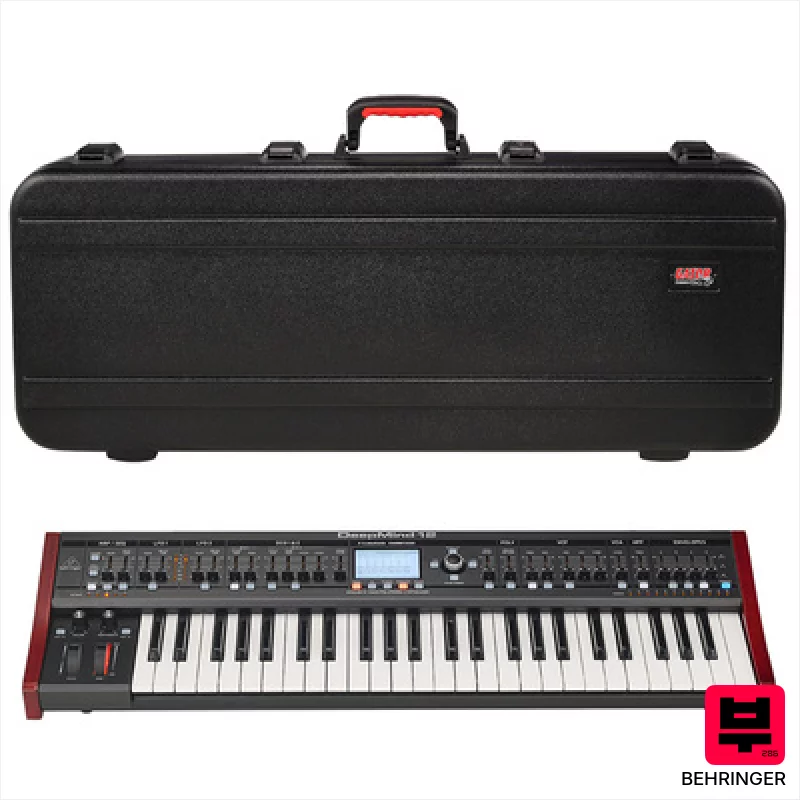
Behringer DeepMind 12 Gator Case Bundle
- • Gator case provides excellent protection for transport and storage.
- • 12 voices deliver a surprisingly full, polyphonic analog sound.
- • The modulation matrix unlocks deep, evolving sonic textures.
- • Direct knob access simplifies sound design and live performance.
- • The half-weighted keys lack the feel of a full, weighted action.
- • Build quality, while improved, still feels a bit plasticky compared to premium synths.
- • The sequencer, while functional, is somewhat basic for complex patterns.
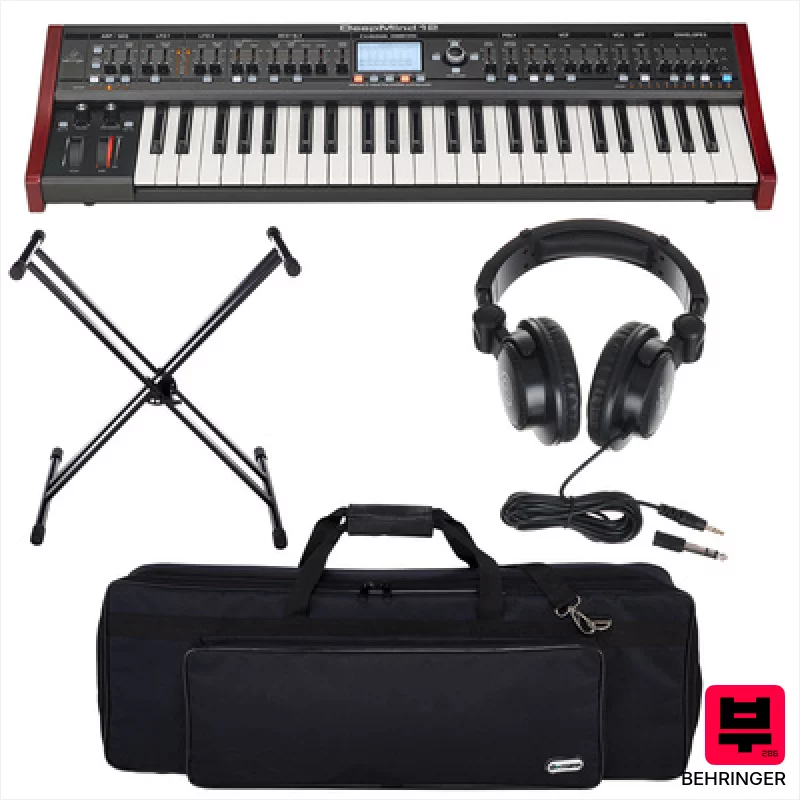
Behringer DeepMind 12 Bag/Stand Bundle
- • The included bag offers excellent portability and protection.
- • The stand provides stable, road-ready support for the DeepMind 12.
- • 4 FX engines from tc electronic & Klark Teknik are a real sonic bonus.
- • The 32-step sequencer is surprisingly capable for on-the-fly composition.
- • The half-weighted keys lack the nuanced feel of fully weighted action.
- • The DeepMind 12’s size and weight (8.4 kg) can be cumbersome to transport.
- • While versatile, the analog architecture might feel limiting for complex sound design.
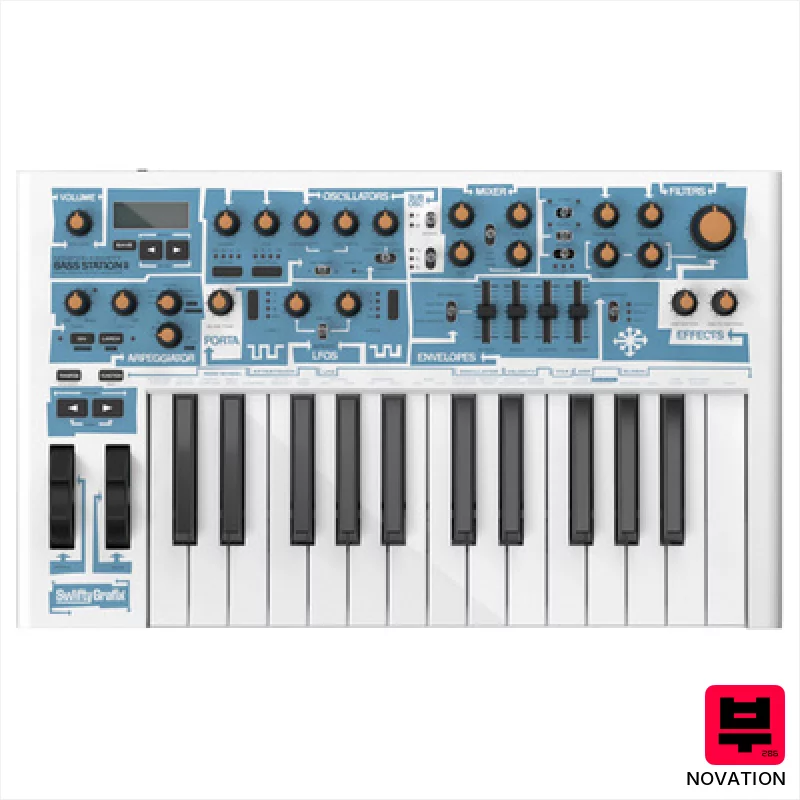
Novation Bass Station II Swifty Edition
- • Swifty design adds unique visual flair and collector appeal
- • Dual filters provide immense tonal flexibility, from acid to warmth
- • Step sequencer is surprisingly deep for a compact synth
- • Velocity-sensitive keys with aftertouch enhance expressive playing
- • Mono synth limits layering and complex arrangements
- • 25 keys feel cramped for extended playing sessions
- • Limited polyphony restricts harmonic possibilities

Arturia MicroFreak Thomann Ed. Mic Set
- • Thomann Edition Chorus JUN-6 software adds classic warmth.
- • Velocity-sensitive keys with polyphonic aftertouch are surprisingly expressive.
- • Compact size makes it ideal for travel and smaller studios.
- • The step sequencer with automation tracks unlocks complex patterns.
- • Limited key range (25 keys) restricts playing complex chords.
- • Paraphonic nature limits true polyphony for layered sounds.
- • The OLED display, while functional, can be a bit small.
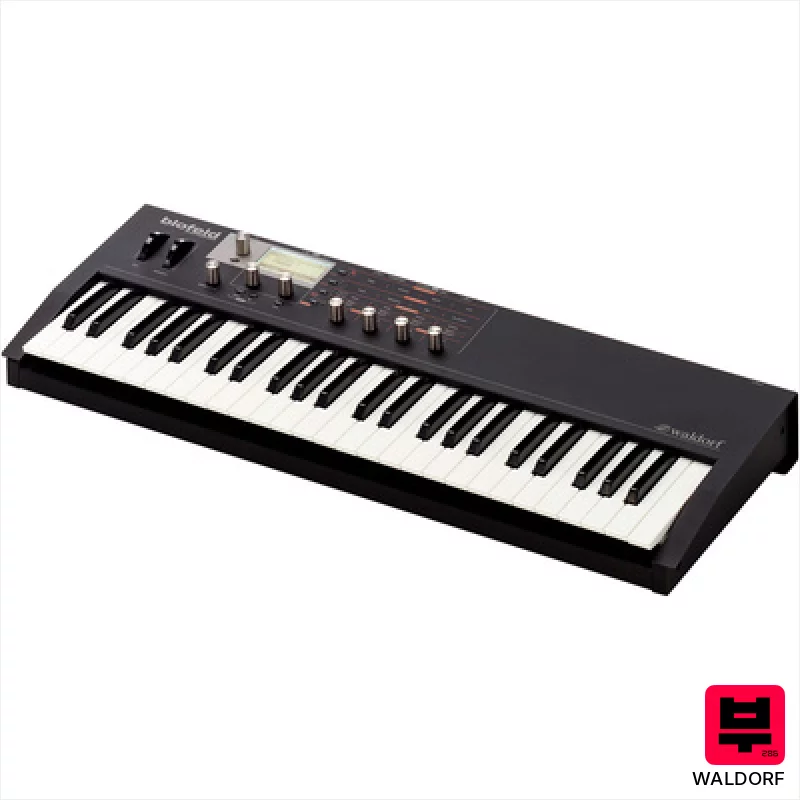
Waldorf Blofeld Keyboard Black
- • Stainless knobs offer precise control and a premium feel
- • Weighted keys with aftertouch provide expressive playing experience
- • MQ-Sounds expand sonic palette with Waldorf's signature character
- • Compact size balances portability with a full-featured keyboard
- • Limited polyphony might restrict complex, layered sounds
- • Menu diving can be a bit cumbersome for quick parameter adjustments
- • Sample memory, while decent, isn't expandable for extensive sample libraries
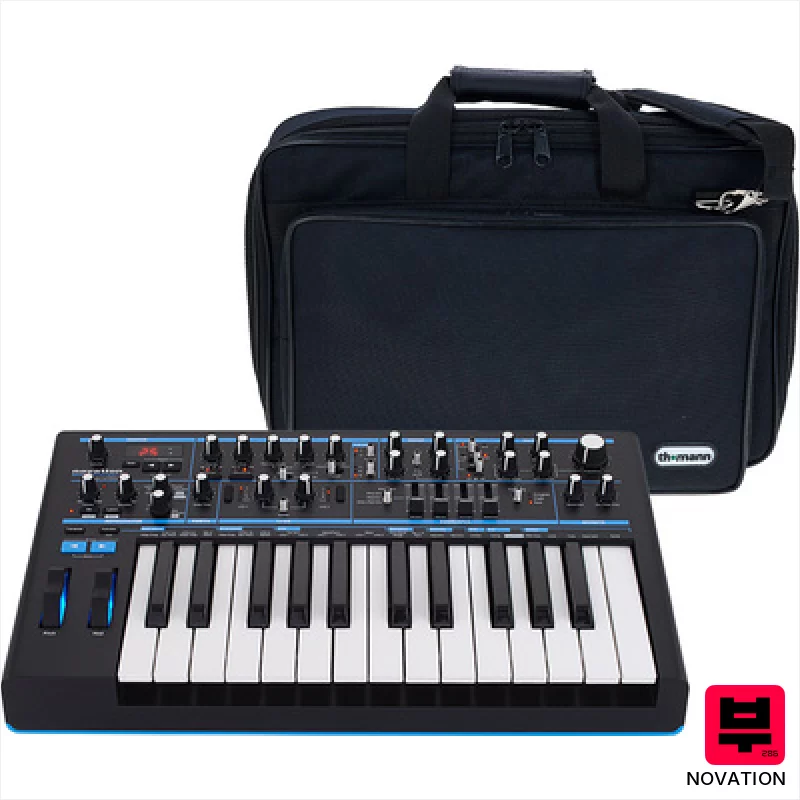
Novation Bass Station II Bag Bundle
- • Analog sound engine delivers a thick, punchy bass tone immediately.
- • Velocity-sensitive keys with aftertouch offer expressive playing capabilities.
- • Bag provides excellent protection for transport and storage.
- • Step sequencer and arpeggiator spark creative pattern generation.
- • Mono synth limits layering and complex harmonic textures.
- • Limited polyphony restricts chordal playing possibilities.
- • Plastic case construction feels less premium compared to higher-end synths.
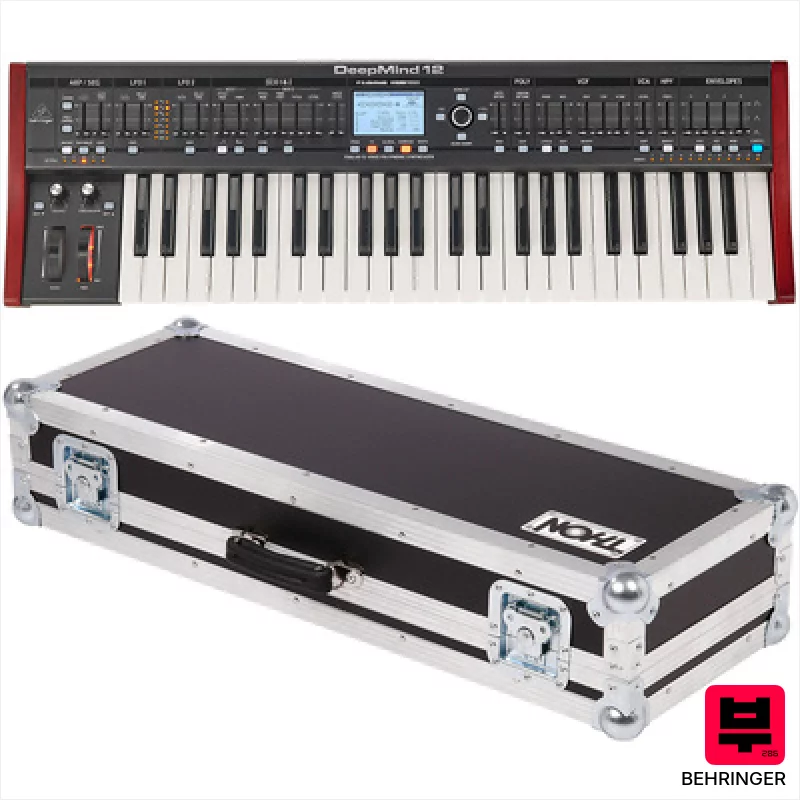
Behringer DeepMind 12 Case Set
- • Robust case offers excellent protection during transport and storage
- • Velocity-sensitive, half-weighted keys provide a surprisingly playable feel
- • The 12 voices offer substantial sonic depth for complex arrangements
- • Built-in Wi-Fi simplifies patching and remote control workflows
- • The half-weighted action won't satisfy serious piano players
- • Case construction, while sturdy, lacks premium materials like aluminum
- • Modulation matrix, while powerful, has a steeper learning curve

Arturia MicroFreak Vocoder Edition
- • Unique Vocoder integration simplifies complex vocal processing
- • Karplus-Strong engine delivers surprisingly rich, evolving textures
- • Compact size and polyphonic aftertouch enable expressive performance
- • Step sequencer with automation unlocks creative sound design possibilities
- • The 25-key touch keyboard can feel cramped for complex pieces
- • Paraphonic limitations restrict layering of distinct voices
- • The analog filter, while good, lacks the depth of a dedicated high-end filter

SOMA Lyra-8 Rust Edition
- • Oxidized metal housing offers unique aesthetic and tactile feel.
- • Eight voices provide genuinely massive, evolving drone textures.
- • Free voice tuning unlocks a vast spectrum of harmonic possibilities.
- • Mod Delay with LFO modulation creates hypnotic, complex rhythmic patterns.
- • Limited waveform selection restricts broader sonic palette beyond drones.
- • The metal contact playing method has a steep learning curve.
- • Its highly specialized nature limits appeal to experimental musicians.
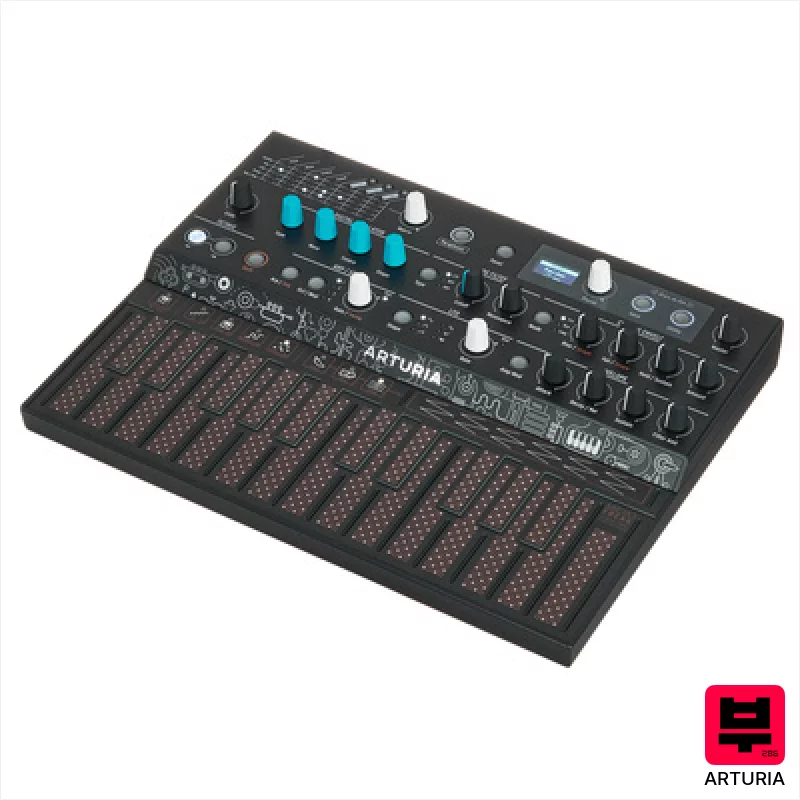
Arturia MicroFreak Thomann Edition
- • Unique synthesis engine delivers truly bizarre and inspiring sounds.
- • Thomann Edition bonus software (Chorus JUN-6) adds immediate vintage vibe.
- • Compact size and lightweight design makes it supremely portable.
- • Velocity-sensitive keys with polyphonic aftertouch offer expressive control.
- • Limited key range (25 keys) restricts playing complex passages.
- • Paraphonic nature restricts true polyphony for layered sounds.
- • The OLED display, while functional, can be a little dim in bright light.
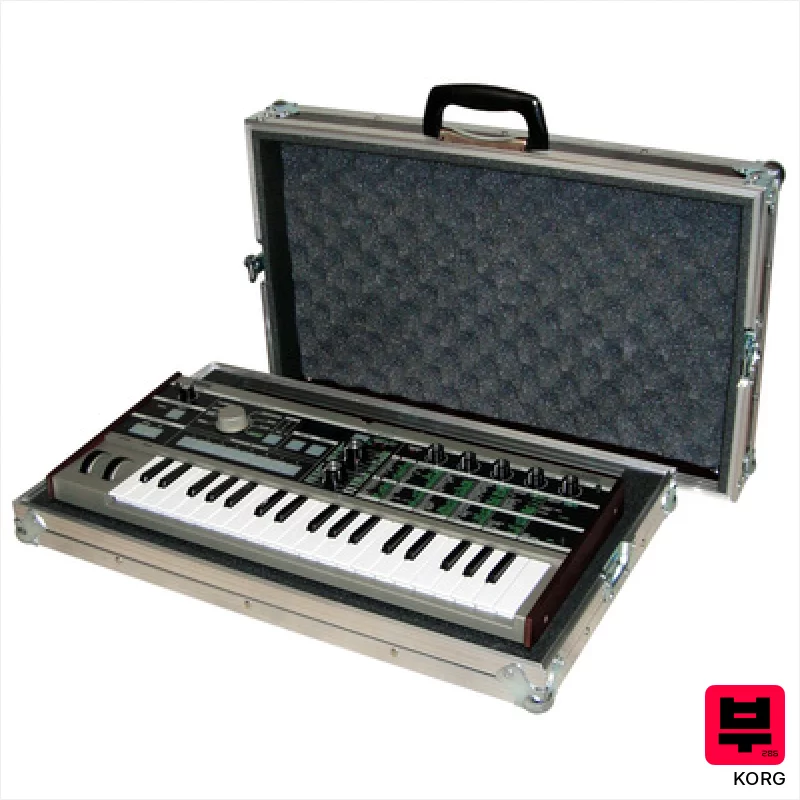
Korg Microkorg Case Bundle
- • Sturdy Multiplex case protects the Microkorg well.
- • Gooseneck mic adds immediate vocoder functionality.
- • Touch-sensitive keys offer surprising expressive potential.
- • Compact size and battery operation enable portable performance.
- • 37 mini keys limit dexterity for complex playing.
- • Analogue modeling can sound slightly sterile compared to true vintage synths.
- • Vocoder's 8 channels are basic, limiting vocal processing depth.

Korg Monologue Silver Case Set
- • Silver case elevates aesthetics and perceived value.
- • 16-step sequencer offers surprising compositional depth.
- • Monophonic character delivers thick, powerful bass tones.
- • Flight Pro case provides robust protection and accessory storage.
- • Limited polyphony restricts complex chord voicings.
- • Batteries are an option, but external power is highly recommended.
- • Lack of extensive modulation options restricts sound design possibilities.

SOMA Lyra-8 White Angel
- • Unique, evolving drone textures beyond typical synths
- • Metal contacts offer tactile, experimental performance control
- • FM modulation per voice pair creates complex harmonic interactions
- • AD envelope’s slow/fast reaction adds nuanced timbral shaping
- • Limited waveform palette restricts broader sound design possibilities
- • Learning curve steep for users unfamiliar with drone synthesis
- • Size and weight make it less portable than some other synths
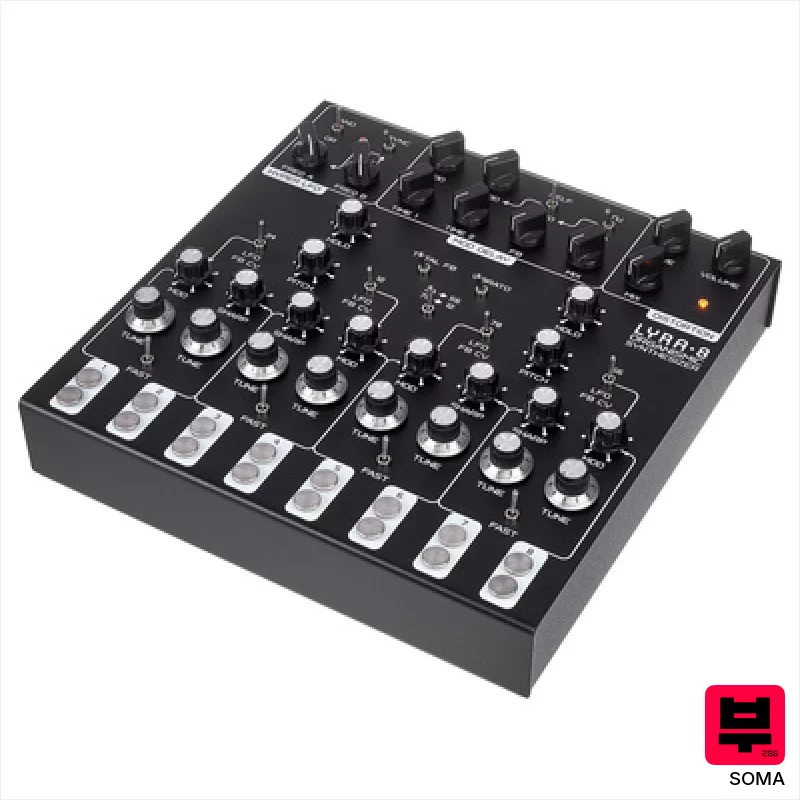
SOMA Lyra-8 Black Beast
- • Unique oscillator pairings create truly otherworldly textures.
- • Robust metal contacts offer a tactile, experimental interface.
- • The hyper LFO provides deep, unpredictable modulation possibilities.
- • Feedback path adds a raw, chaotic edge to sound design.
- • Limited waveform selection restricts broader sonic palettes.
- • The learning curve is steep; requires patience and experimentation.
- • Physical controls are minimal, demanding a more involved workflow.
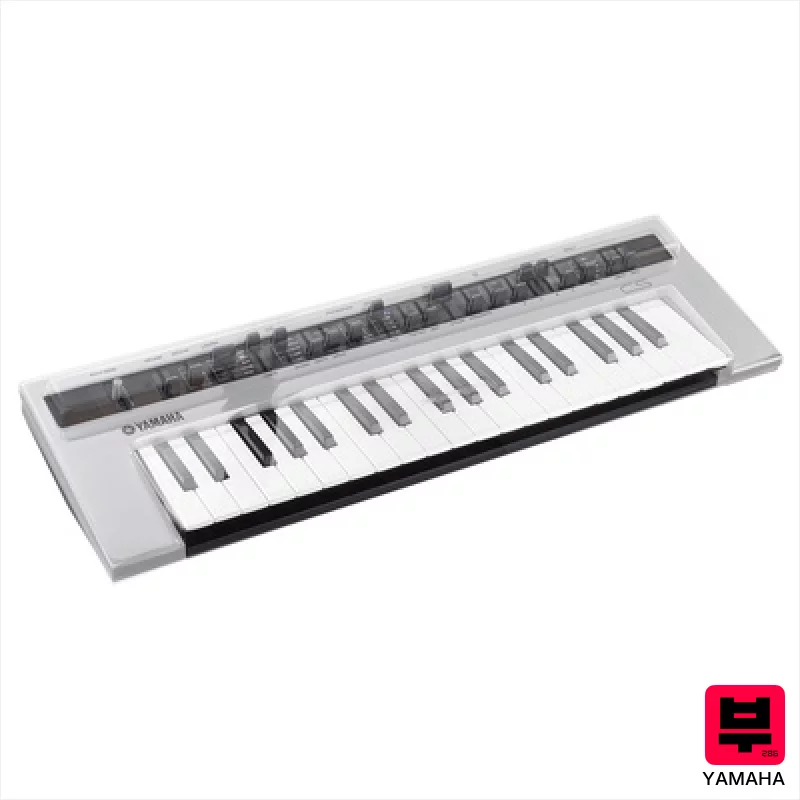
Yamaha Reface CS Decksaver Set
- • Decksaver protects the synth from dust and spills effectively
- • AN engine convincingly recreates classic analog sounds
- • Compact size and integrated speakers are great for travel
- • Phrase looper adds immediate creative possibilities
- • Mini-keys aren’t ideal for fast, complex playing
- • Limited polyphony restricts layering and chord voicings
- • AN technology, while good, isn’t true analog warmth
How to Choose the Best General Synthesizers
Sound Quality
It's the obvious one. We're looking for something with a usable sonic palette - not just sterile digital tones or muddy emulations. Does it have that fat midrange honk for a good bassline? Can it create shimmering pads? Does it have some grit when pushed?
Workstation Features
Sequencing, arpeggiators, effects - these are the things that take a synth from a sound generator to a complete performance tool. A basic sequencer can be a game-changer for live looping or arranging ideas.
Build Quality & Playability
Cheap plastic feels cheap, and a poor keybed makes playing a chore. We're evaluating the action, the feel of the knobs, and overall robustness - because you're gonna gig with this thing, eventually.
Modulation Options
LFOs, envelopes, modulation matrixes - these are the secret sauce for evolving sounds and expressive playing. A few simple mod slots can make a huge difference in sonic versatility.
Polyphony & Voices
How many notes can it play at once? This dictates what you can realistically do in a band setting. 37 voices is better than 16 for layering pads and basslines without immediately running into note stealing.
Buying Guide
At this price point, you're going to be making some compromises. Expect plastic enclosures, maybe a slightly mushy keybed, and potentially limited polyphony. Don't chase 'vintage' emulation; focus on finding something with a unique voice of its own. Paying a little extra for a better keybed action or more modulation options is almost always worth it - your hands will thank you.
How This List Is Built
We don't play these instruments — we're a catalog, not a review desk, and we'd rather say so than pretend otherwise. This page ranks 15 general synthesizers from the Thomann catalogue, which is the largest single source of specification data in this category.
Position is computed, not curated. Four signals, in order of weight: how completely the manufacturer documents the instrument (number of published specifications), where it sits in the price range, how specific the model designation is — which filters out generic accessories — and whether a product image exists. The same inputs always produce the same order, so nothing here is shuffled to look fresh.
What this list is good for: narrowing a category down to a shortlist by spec and budget. What it isn't: a substitute for hearing an instrument. Before you buy, read hands-on reviews and, where you can, play it. Full methodology.

