
Best General Synthesizers for Film Score 2026
So, you're scoring a film? Fantastic. Forget the presets and the marketing hype - you need a synth that's a blank canvas, a sonic toolbox capable of conjuring everything from ethereal pads to gritty sci-fi textures. This isn't about 'best' in an objective sense; it's about finding a general-purpose synth that fits your scoring workflow and delivers the sounds you need, reliably. Let's dive into synths that'll actually get the job done.
Last updated: July 22, 2026 • Next update: July 29, 2026
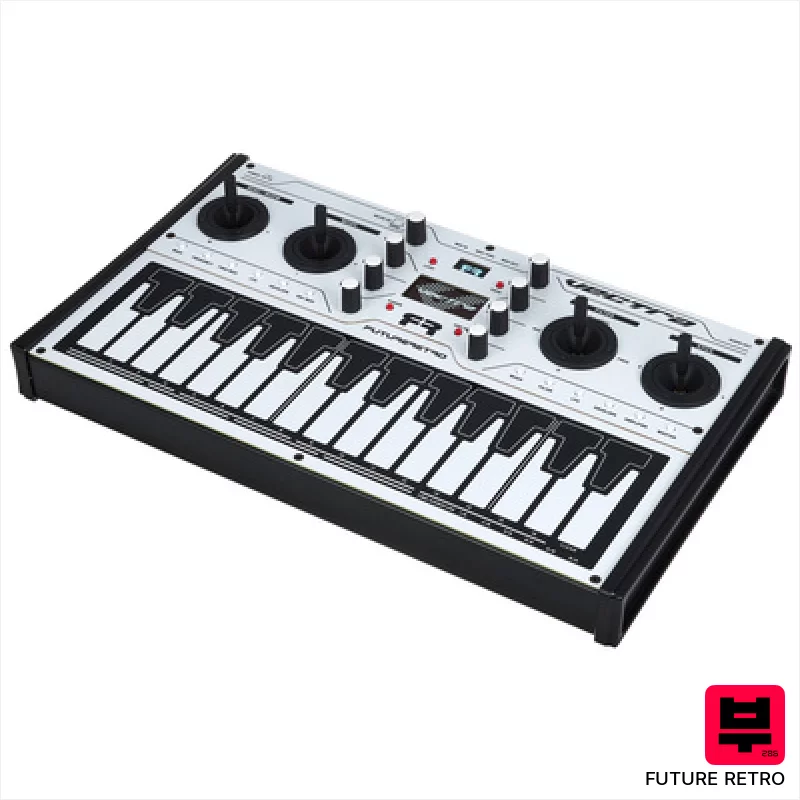
Future Retro Vectra
- • Unique vector synthesis offers unparalleled sound sculpting possibilities.
- • The joystick modulation provides immediate, expressive control over parameters.
- • Compact size belies a powerful, feature-rich synthesis engine.
- • Assignable scales simplify composition and experimentation for various skill levels.
- • 29 keys limits playing versatility, particularly for complex pieces.
- • The learning curve is steep; mastering vector synthesis takes dedication.
- • Limited connectivity compared to larger, more modern synthesizers.
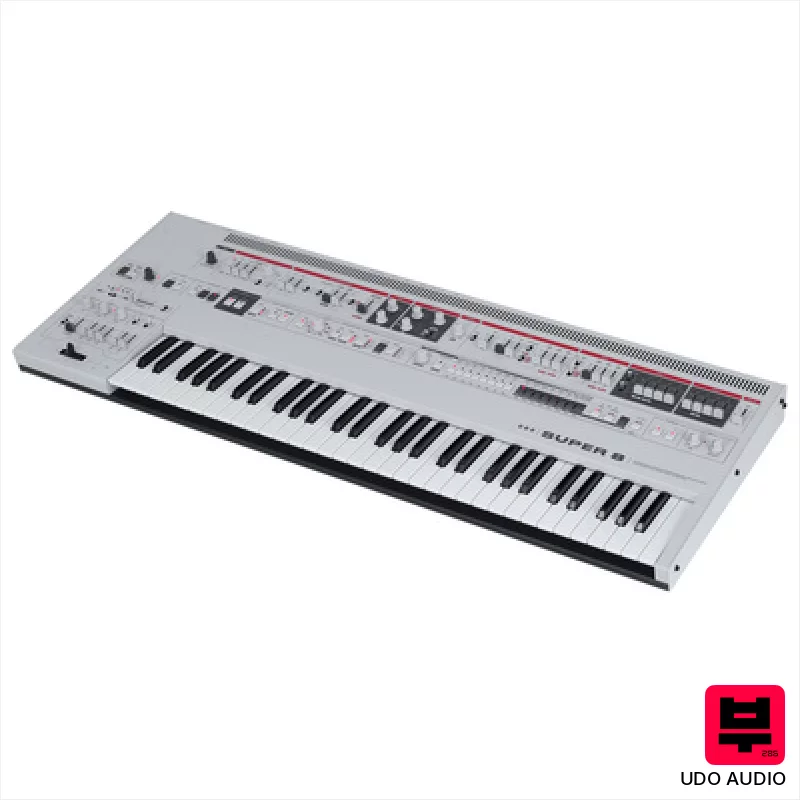
UDO Audio Super 8 White
- • Dual-layer architecture unlocks incredibly complex and evolving soundscapes.
- • FPGA-based oscillators provide a surprising amount of wavetable flexibility.
- • Semi-weighted keybed with polyphonic aftertouch offers expressive, nuanced control.
- • Analog filter and overdrive deliver a warm, characterful and responsive tone.
- • The 61-key layout might feel limiting for players accustomed to full 88-key ranges.
- • The complexity of the dual-layer architecture has a steeper learning curve.
- • Premium-priced, making it a significant investment for many musicians.

Arturia MiniFreak Vocoder
- • Unique vocoder engine offers surprisingly musical and creative results.
- • Slim keys are surprisingly playable with decent aftertouch responsiveness.
- • The dual-engine architecture delivers an impressively wide sonic palette.
- • Modulation matrix provides deep sound design possibilities beyond the basics.
- • The limited key range (37 keys) restricts playing complex chords/melodies.
- • Vocoder workflow can be initially complex, requiring a learning curve.
- • The small form factor and all-plastic construction feel somewhat less robust.
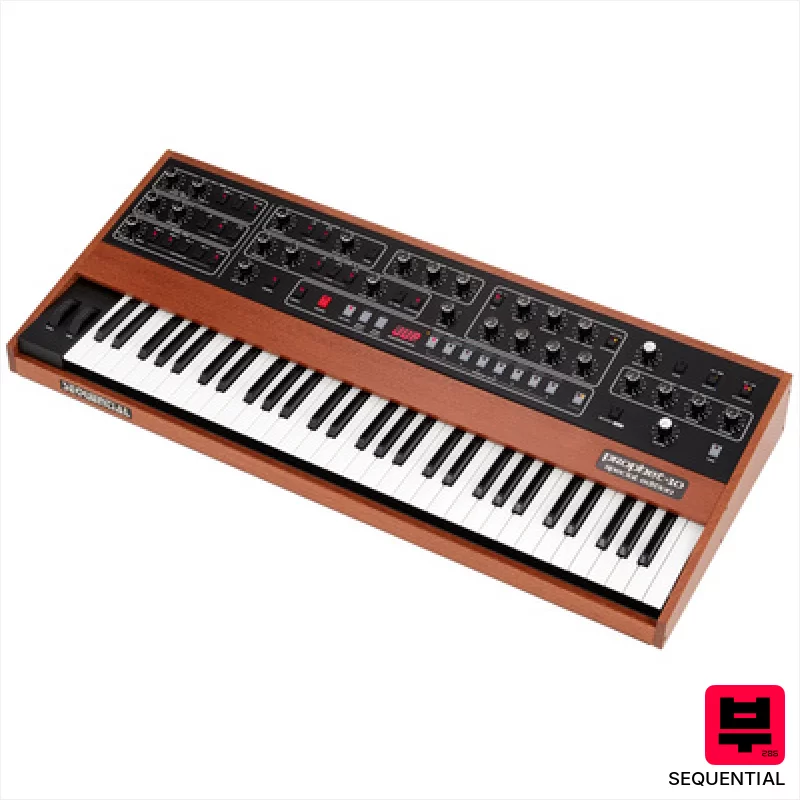
Sequential Prophet 10 Special Edition
- • Lacewood finish elevates aesthetics and feel, truly a statement piece.
- • Prophet-5 Rev1/2/3 filter switch offers incredible tonal flexibility.
- • Velocity-sensitive Fatar keybed with aftertouch provides nuanced expression.
- • Dual CEM 3340 oscillators deliver that classic, rich Prophet sound.
- • Premium-priced, a significant investment for most musicians.
- • Limited modulation options compared to modern, more complex synths.
- • The larger size and weight make it less portable for gigging.
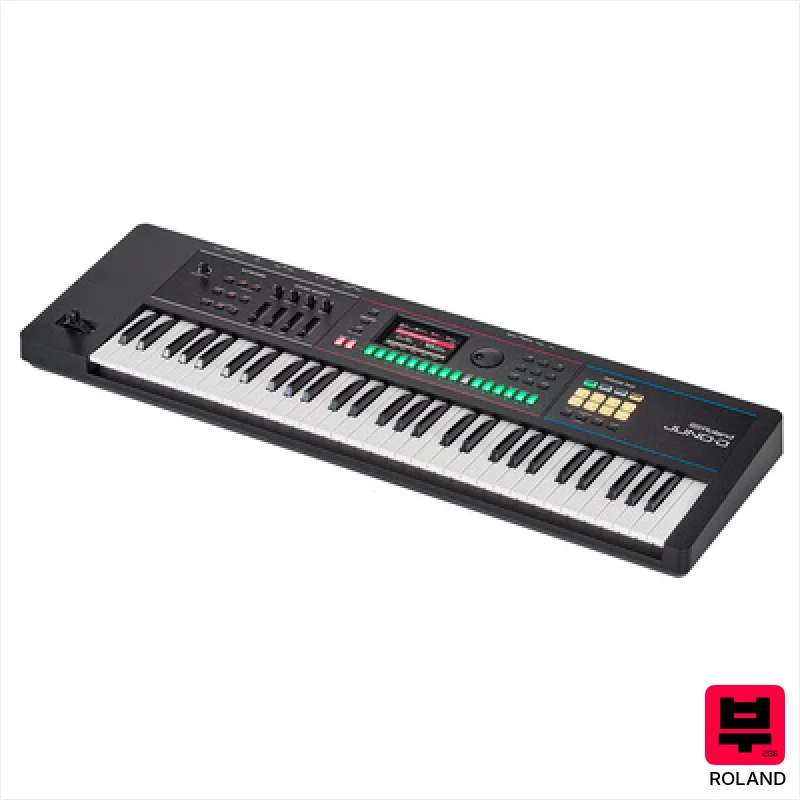
Roland Juno-D6
- • ZEN-Core engine delivers surprising depth and sonic versatility.
- • Excellent built-in effects, especially the vocoder, add creative possibilities.
- • The 61-key velocity-sensitive action provides a responsive playing experience.
- • Step sequencer and recording options offer immediate song creation capabilities.
- • The 61-key action, while responsive, lacks the feel of a fully weighted keyboard.
- • ZEN-Core engine, while powerful, can have a steeper learning curve than simpler synths.
- • Physical controls, while useful, may feel slightly cramped for complex mixing.
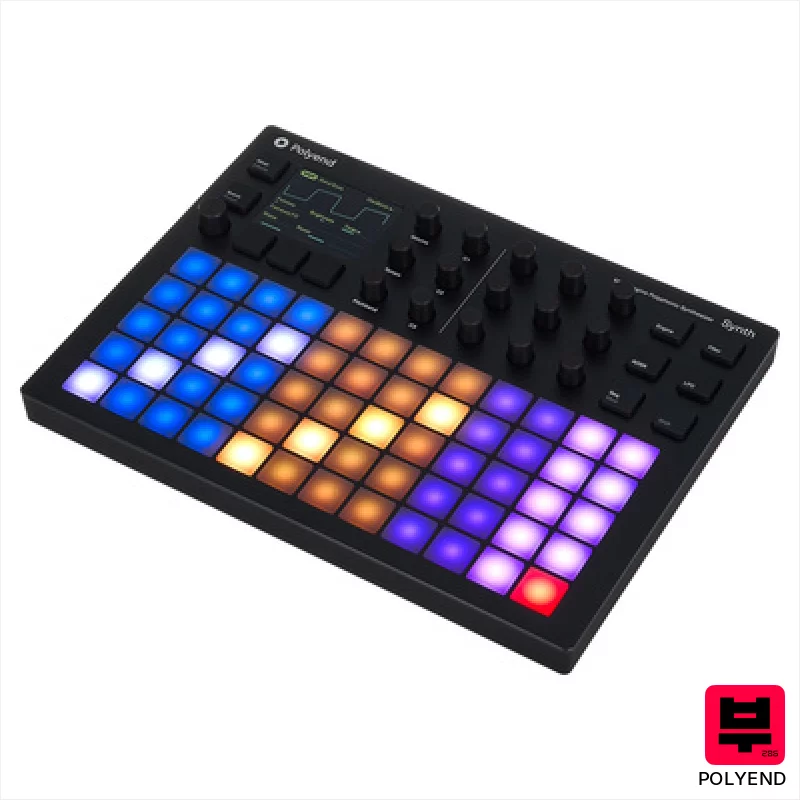
Polyend Synth
- • Versatile engine selection offers a surprising range of sonic textures.
- • Intuitive sequencer simplifies complex polyphonic arrangement workflows.
- • Compact size and lightweight design enhance portability for gigging.
- • Customizable effects add depth and polish to synthesized sounds.
- • Limited key travel might feel shallow for experienced keyboardists.
- • Learning curve exists mastering the multiple engine interactions.
- • Physical modeling engine's sound quality could be more refined.

Moog Messenger
- • Excellent Moog filter character delivers classic, creamy analog tones.
- • Lightweight keys offer surprising velocity sensitivity and aftertouch.
- • Sub-oscillator adds considerable low-end punch and textural depth.
- • Compact design makes it highly portable for studio and stage use.
- • Monophonic nature limits its utility for chordal or layered sounds.
- • Limited modulation options compared to larger, more complex synths.
- • The 32-key layout demands careful planning and potentially awkward reach.
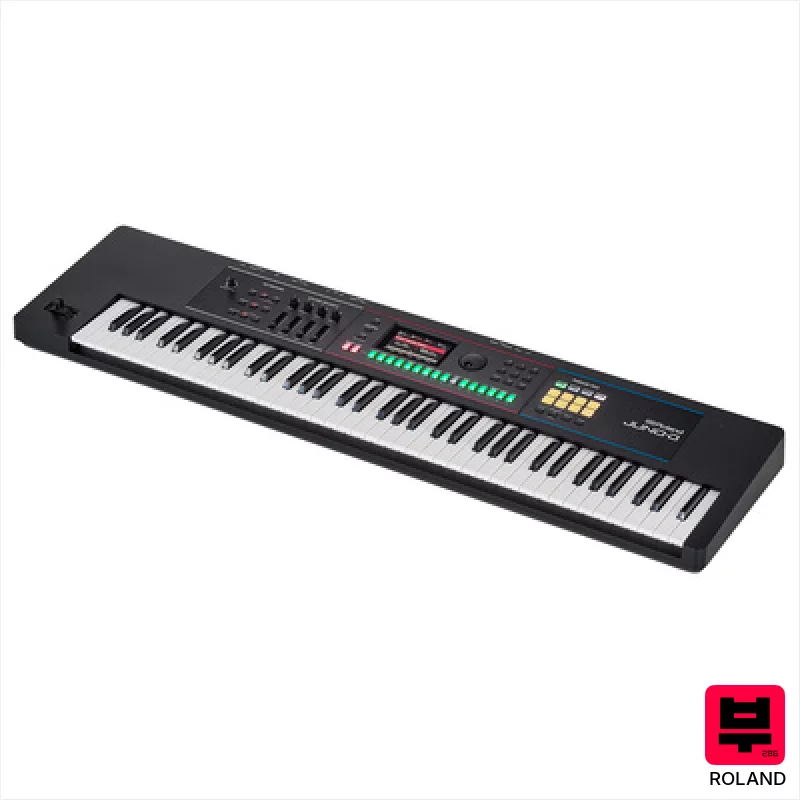
Roland Juno-D7
- • ZEN-Core engine delivers a massive, instantly usable sound palette.
- • 76 velocity-sensitive keys offer excellent playability and expression.
- • Integrated vocoder provides a unique and creative performance option.
- • Comprehensive effects suite allows for deep sonic sculpting and customization.
- • The plastic chassis, while durable, lacks the premium feel of higher-end synths.
- • ZEN-Core engine, while powerful, can be resource-intensive, impacting battery life.
- • The step sequencer, while functional, isn't as intuitive as dedicated hardware sequencers.
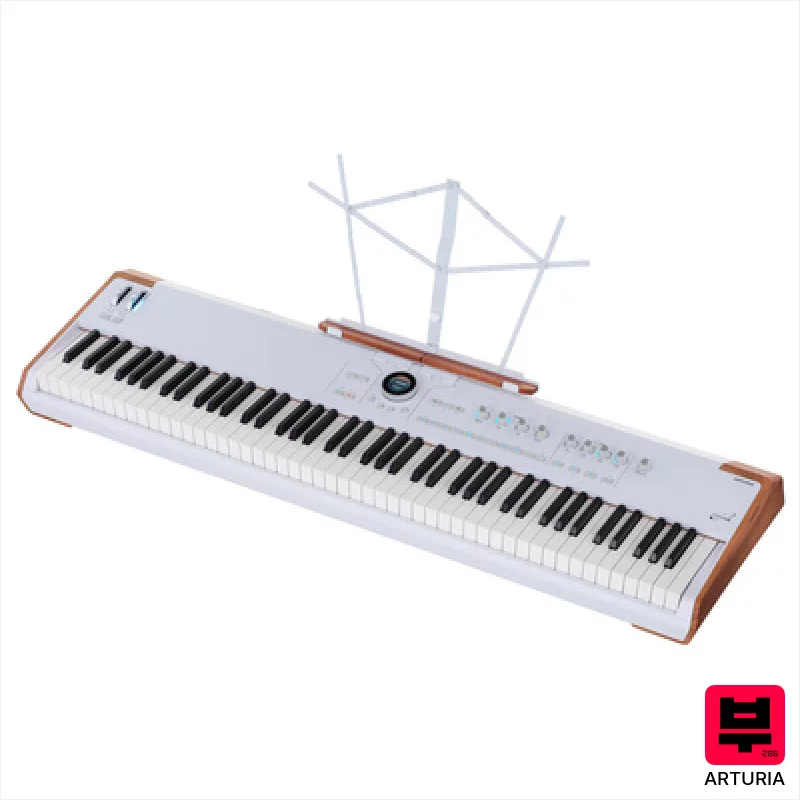
Arturia AstroLab 88
- • Excellent Fatar TP-40 keybed offers superb action and aftertouch.
- • Diverse synthesis engines provide incredible sonic versatility and depth.
- • Intuitive navigation wheel and screen streamline sound exploration and editing.
- • Artist Tribute presets deliver instantly inspiring and professional-sounding patches.
- • The sheer number of engines can feel overwhelming for less experienced users.
- • Physical size and weight make it less portable for frequent gigging.
- • While capable, the built-in effects are not as flexible as dedicated plugins.

Mellotron M4000D Mini Black
- • Solid metal housing feels robust and roadworthy for frequent transport.
- • Fatar semi-weighted keys offer surprisingly expressive velocity response.
- • The mix potentiometer allows for nuanced layering of sounds.
- • Compact size makes it manageable for smaller studios or live rigs.
- • Limited polyphony can be restrictive for complex arrangements.
- • The M4000D's sound palette, while iconic, lacks modern synthesis flexibility.
- • The Fatar action, while decent, isn't a top-tier professional keyboard.

SOMA Lyra-8 Rust Edition
- • Oxidized metal housing offers unique aesthetic and tactile feel.
- • Eight voices provide genuinely massive, evolving drone textures.
- • Free voice tuning unlocks a vast spectrum of harmonic possibilities.
- • Mod Delay with LFO modulation creates hypnotic, complex rhythmic patterns.
- • Limited waveform selection restricts broader sonic palette beyond drones.
- • The metal contact playing method has a steep learning curve.
- • Its highly specialized nature limits appeal to experimental musicians.

Arturia MicroFreak Thomann Ed. Mic Set
- • Thomann Edition Chorus JUN-6 software adds classic warmth.
- • Velocity-sensitive keys with polyphonic aftertouch are surprisingly expressive.
- • Compact size makes it ideal for travel and smaller studios.
- • The step sequencer with automation tracks unlocks complex patterns.
- • Limited key range (25 keys) restricts playing complex chords.
- • Paraphonic nature limits true polyphony for layered sounds.
- • The OLED display, while functional, can be a bit small.

Moog Muse
- • Exceptional Moog filter character delivers rich, creamy analog warmth.
- • Bi-timbral design unlocks complex, layered sonic textures easily.
- • Macro controls offer intuitive sound design and performance flexibility.
- • Velocity/aftertouch keyboard enhances expressiveness and nuanced playing.
- • The 61-key layout feels a bit cramped for extensive multi-layered patches.
- • High-end price point places it beyond many hobbyist or beginner budgets.
- • Sequencer, while functional, lacks advanced editing capabilities found elsewhere.
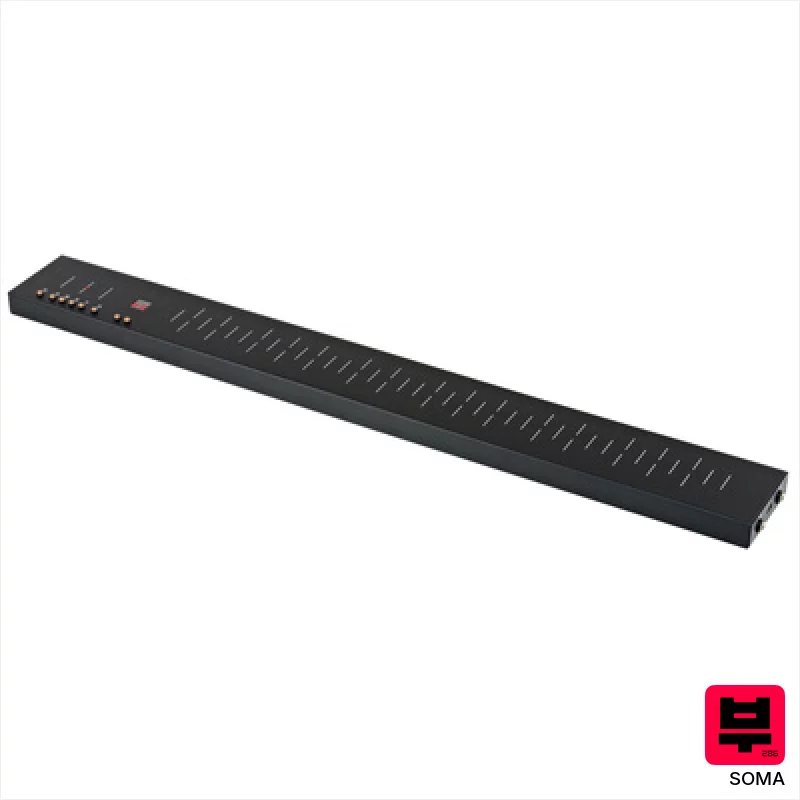
SOMA Flux
- • Unique magnetic keyboard offers expressive, touch-free control.
- • 37 synthesis algorithms provide diverse and interesting soundscapes.
- • Compact size and lightweight design allow for portability and ease of setup.
- • Dot matrix display and sensor buttons offer tactile and intuitive programming.
- • Limited polyphony may restrict complex, layered arrangements.
- • Magnetic controllers require a learning curve for precise manipulation.
- • The minimalist aesthetic might not appeal to all users.
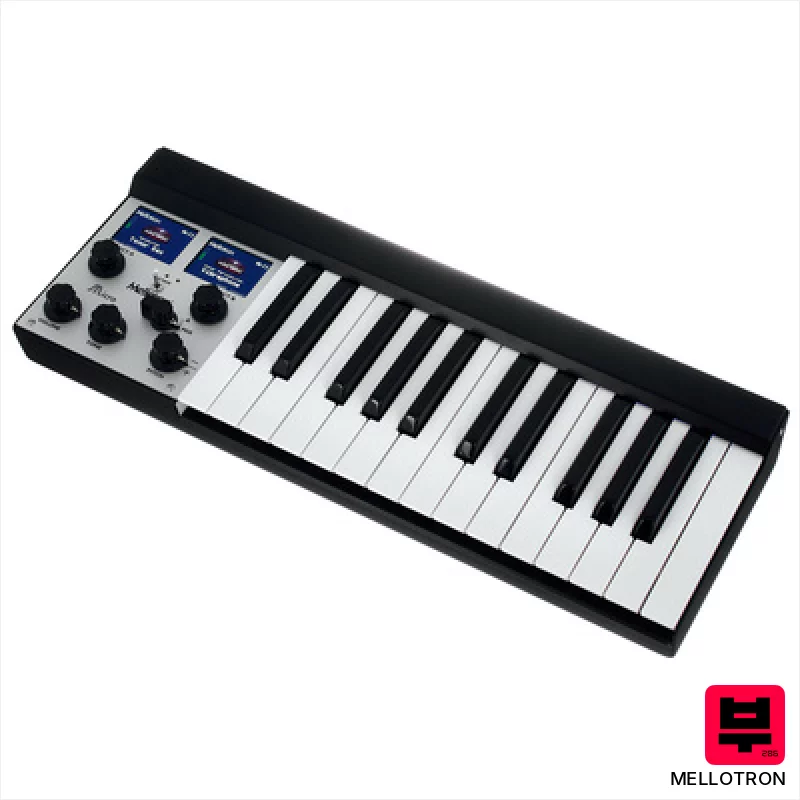
Mellotron Micro Black
- • Authentic Mellotron sounds, meticulously sampled from vintage machines.
- • Compact size and lightweight design make it very portable for gigging.
- • Intuitive controls offer immediate access to crucial sound shaping parameters.
- • Semi-weighted keys provide a playable feel, better than a purely synth action.
- • 25 keys limit complex chord voicings and advanced playing techniques.
- • Semi-weighted action isn’t a substitute for a full-sized, piano-style keyboard.
- • Sample playback engine, while accurate, lacks the organic unpredictability of a true Mellotron.
How to Choose the Best General Synthesizers
Versatility
Film scoring demands a huge palette. You need something capable of deep, sub bass, shimmering high frequencies, evolving textures, and everything in between. A limited oscillator selection or inflexible modulation matrix will quickly become a bottleneck.
Modulation Capabilities
This is critical. LFOs, envelopes, step sequencers, and modulation slots are your primary tools for creating movement and emotion in a score. More is generally better, but the routing options are just as important as the sheer number of mod sources.
Sound Quality (Tonal Character)
Forget about 'bright' or 'warm' - we're looking for a synth with a neutral foundation that allows you to shape the sound. A slight vintage warmth can be a plus, but avoid anything overly colored or harsh. The goal is to create sounds that sit well in a mix, not fight for space.
Workflow & Interface
Scoring is a meticulous process. A clunky interface or a confusing signal flow will slow you down. Consider the layout, the ease of editing parameters, and how it integrates with your DAW. This is especially important when you're layering multiple instances.
Stability & Reliability
Glitches and crashes are the enemy of productivity. A synth that's prone to freezing or crashing under load is simply not viable for a scoring environment. Driver support and long-term stability are paramount - you don't want to be fighting with your gear while the director is waiting.
Buying Guide
Don't fall for the 'more knobs equals better synth' trap. A smaller, well-designed synth with a focused feature set can often outperform a behemoth with a million options you'll never use. Virtual synths are a great starting point - they offer incredible value, but factor in CPU overhead. Hardware synths provide that tactile feel and often a unique sonic character, but they're an investment. Ultimately, it's about finding a synth that inspires you and fits your budget - and don't be afraid to experiment.
Our Methodology
We're not relying on spec sheets here. We've spent countless hours putting these synths through their paces - layering them into mock film scores, A/B'ing them against industry standards, and pushing them to their limits. This isn't about what a manufacturer says a synth can do, it's about what it actually delivers in a real-world scoring environment, both in the studio and during composition.

